Journey Start
New DelhiStart
Email Anytime
contact@triptoyatra.in
Call Anytime
Email Anytime
Call Anytime
46 packages available
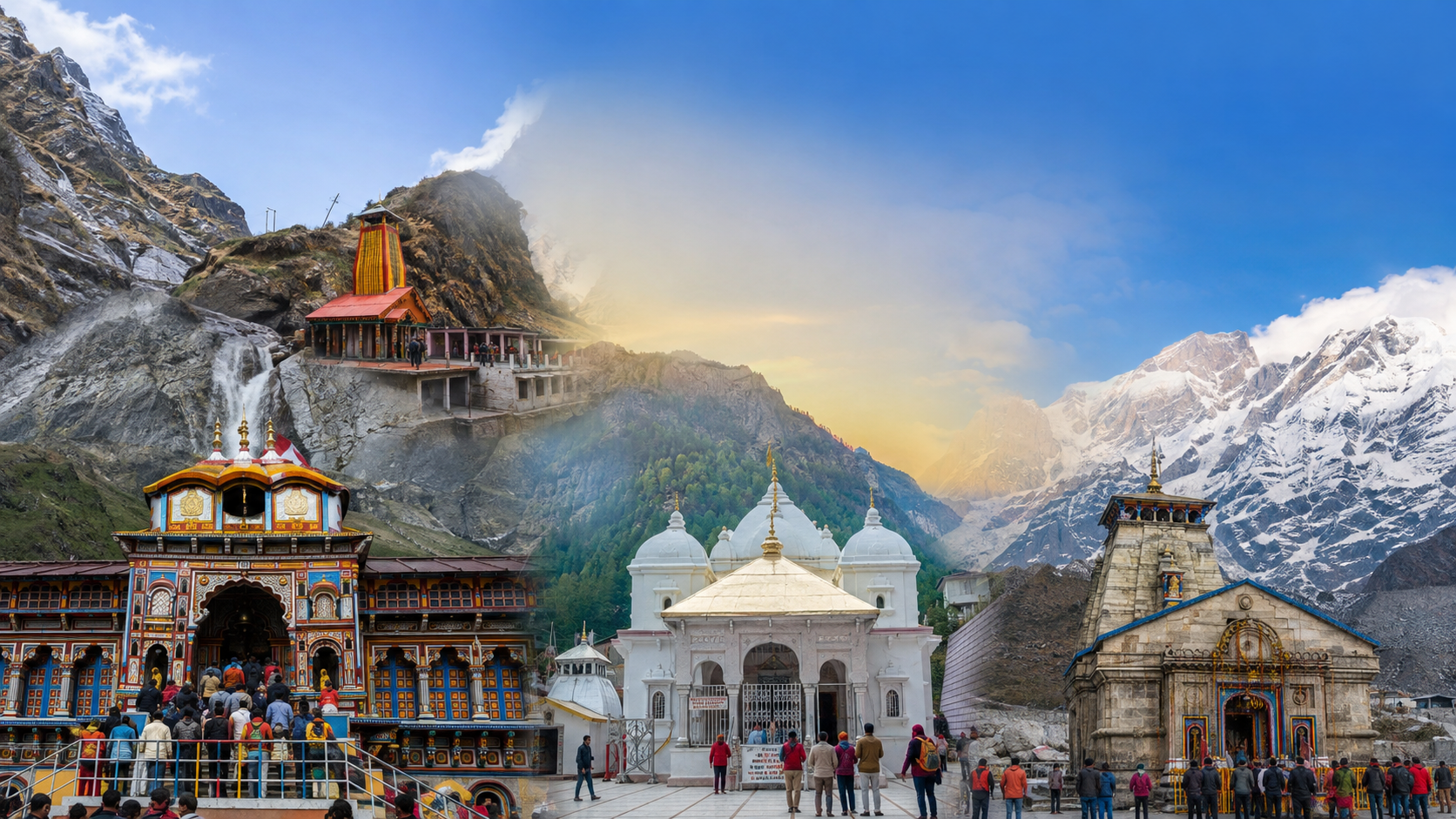
Plan a meaningful pilgrimage to Uttarakhand’s four sacred Himalayan shrines with this 12 Days / 11 Nights Chardham Yatra package from Delhi. The Delhi-to-Delhi journey brings together Yamunotri, Gangotri, Kedarnath and Badrinath, with time in important gateway destinations such as Haridwar and Rishikesh. Designed for travellers who want a structured Char Dham pilgrimage without having to coordinate every travel detail themselves, the package combines spiritual visits with the distinctive mountain landscapes of Uttarakhand. As the shrines are seasonal and high-altitude destinations, travel dates, registration requirements and access conditions should be checked before booking. Enquire with Tr
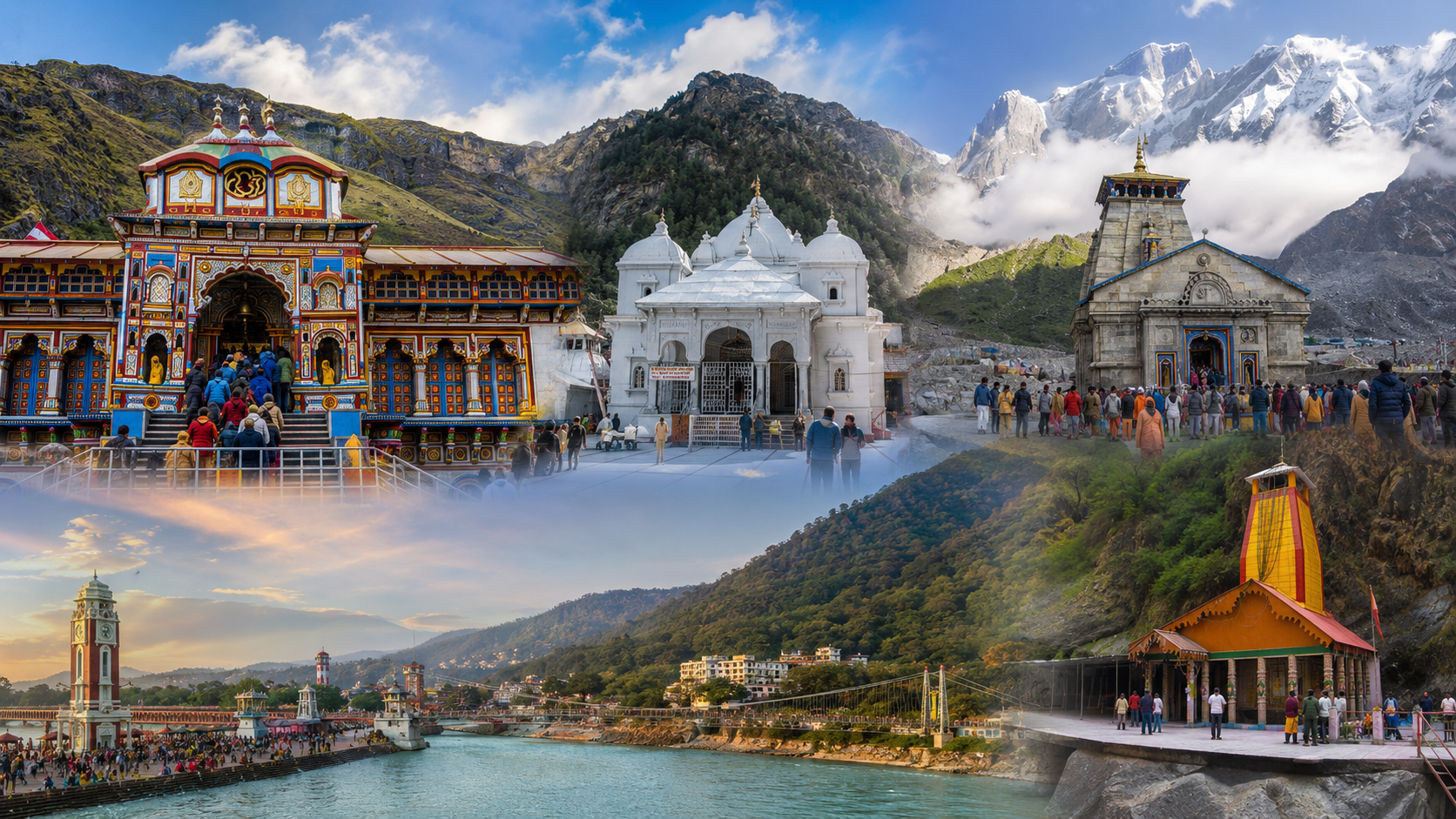
Plan your sacred Himalayan journey with our Chardham Yatra package from Haridwar, designed for travellers wishing to visit Yamunotri, Gangotri, Kedarnath and Badrinath in one organised pilgrimage. This 10 Days / 9 Nights journey starts and concludes in Haridwar and follows the traditional Char Dham sequence through Uttarakhand. Along with the four principal shrines, the journey brings you through the spiritual landscape of the Garhwal Himalayas, with Rishikesh associated with the overall travel region. As mountain conditions, temple opening dates, registrations and access arrangements can change, final 2027 operational details should be verified before departure.
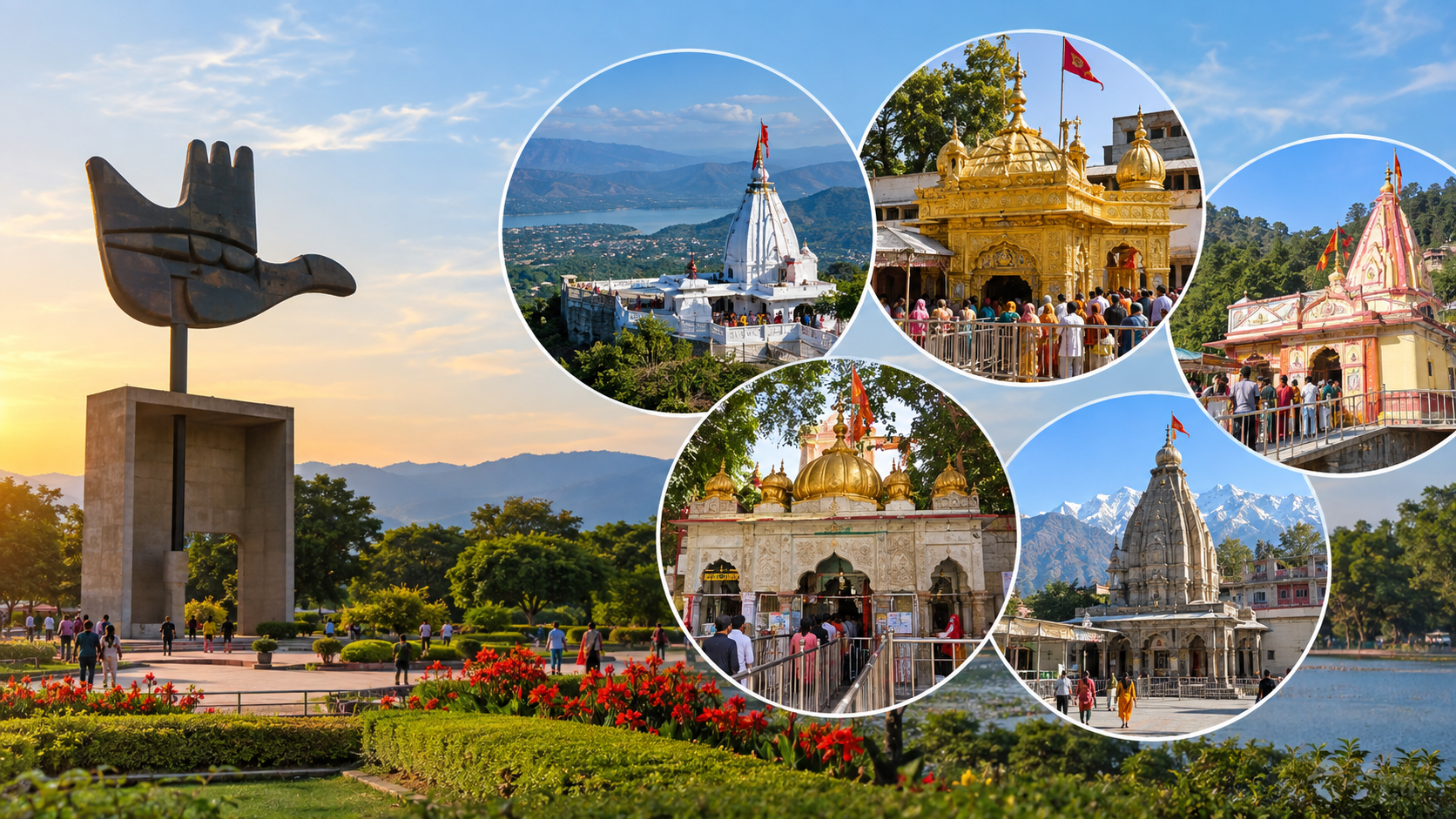
Himachal 5 Devi Darshan from Chandigarh. Package details, itinerary and pricing can be completed in the CRM.
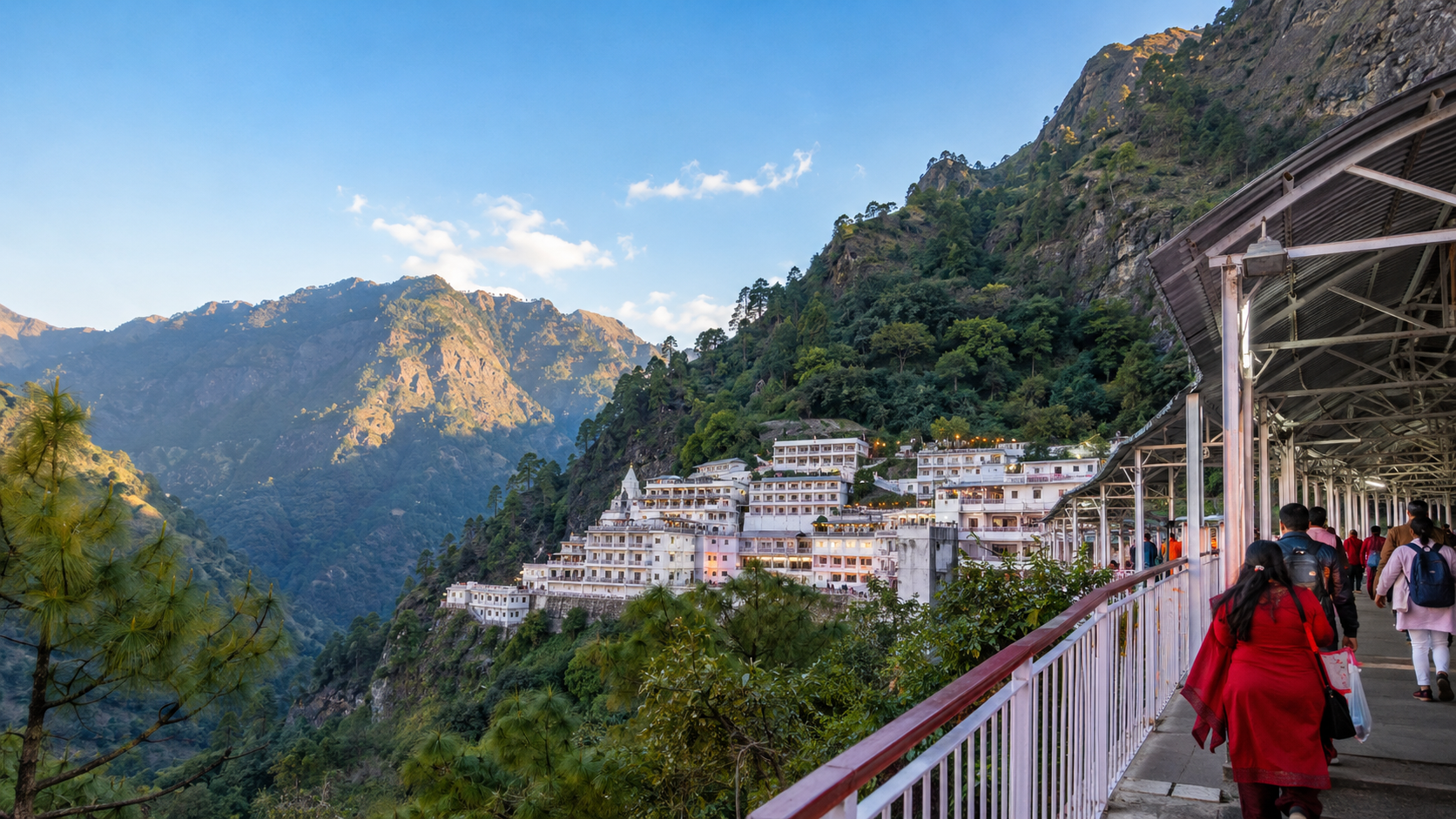
Vaishno Devi Yatra from Katra. Package details, itinerary and pricing can be completed in the CRM.
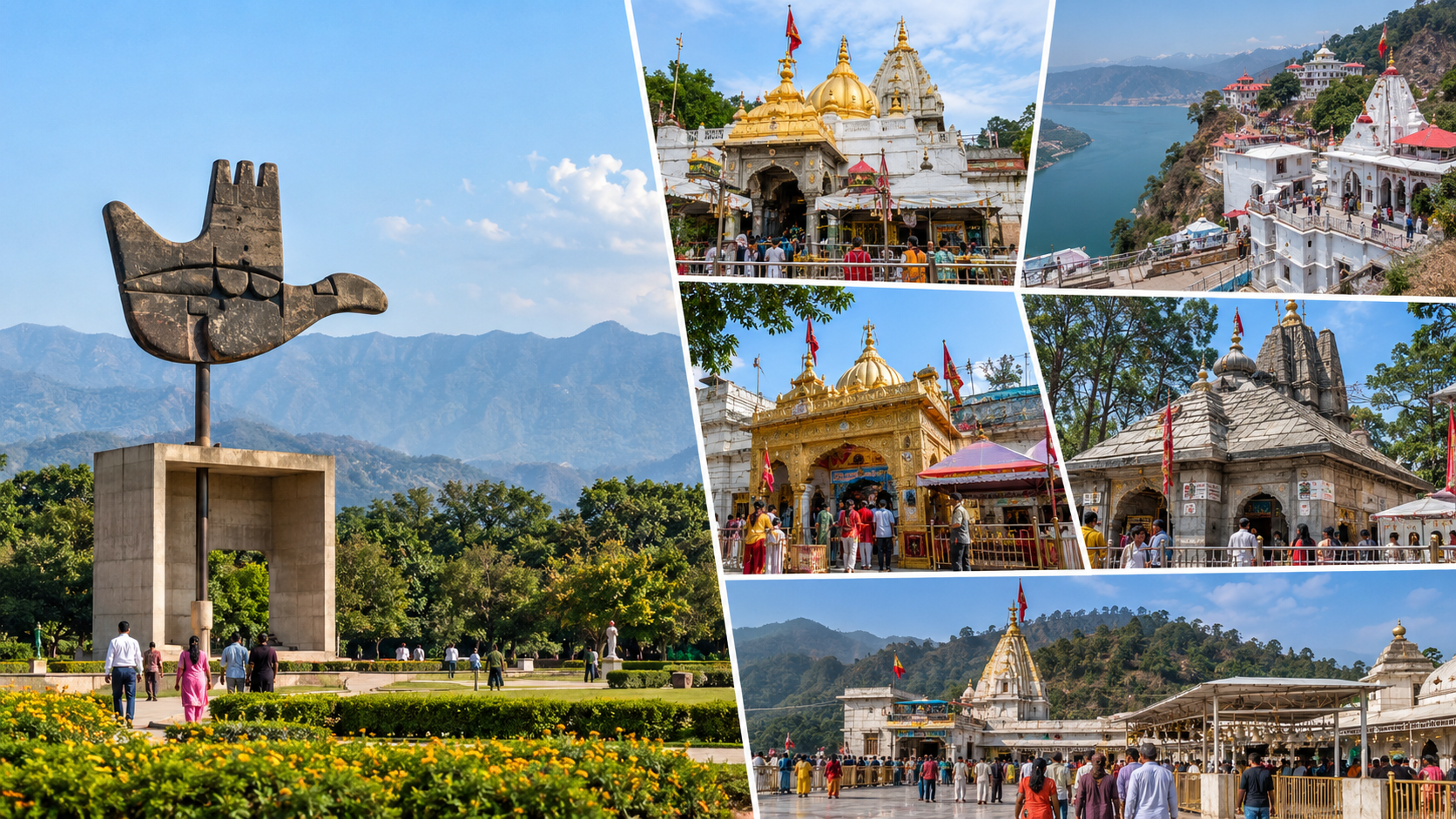
9 Devi Yatra from Chandigarh. Package details, itinerary and pricing can be completed in the CRM.
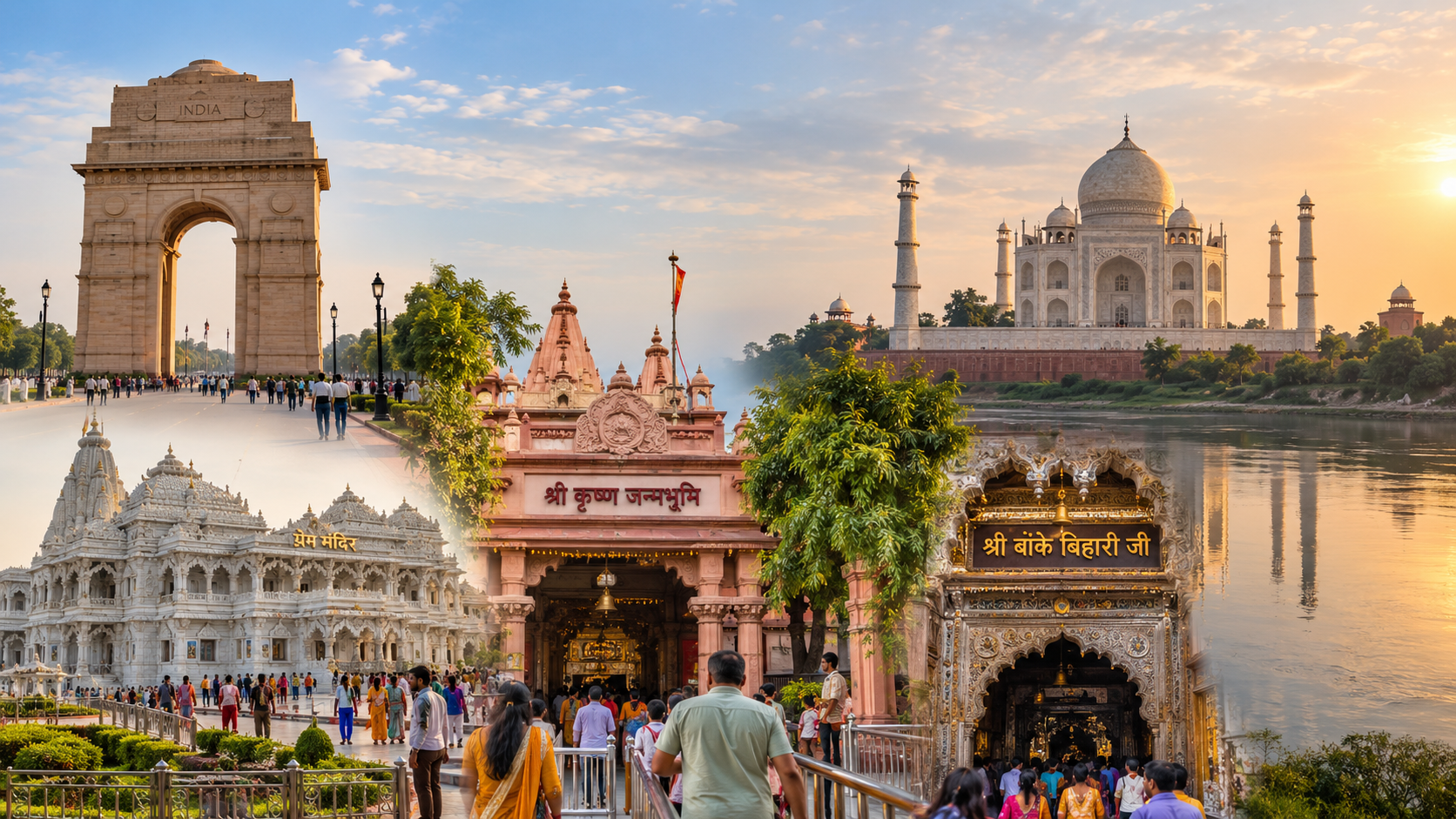
Agra Mathura Vrindavan Tour from Delhi. Package details, itinerary and pricing can be completed in the CRM.
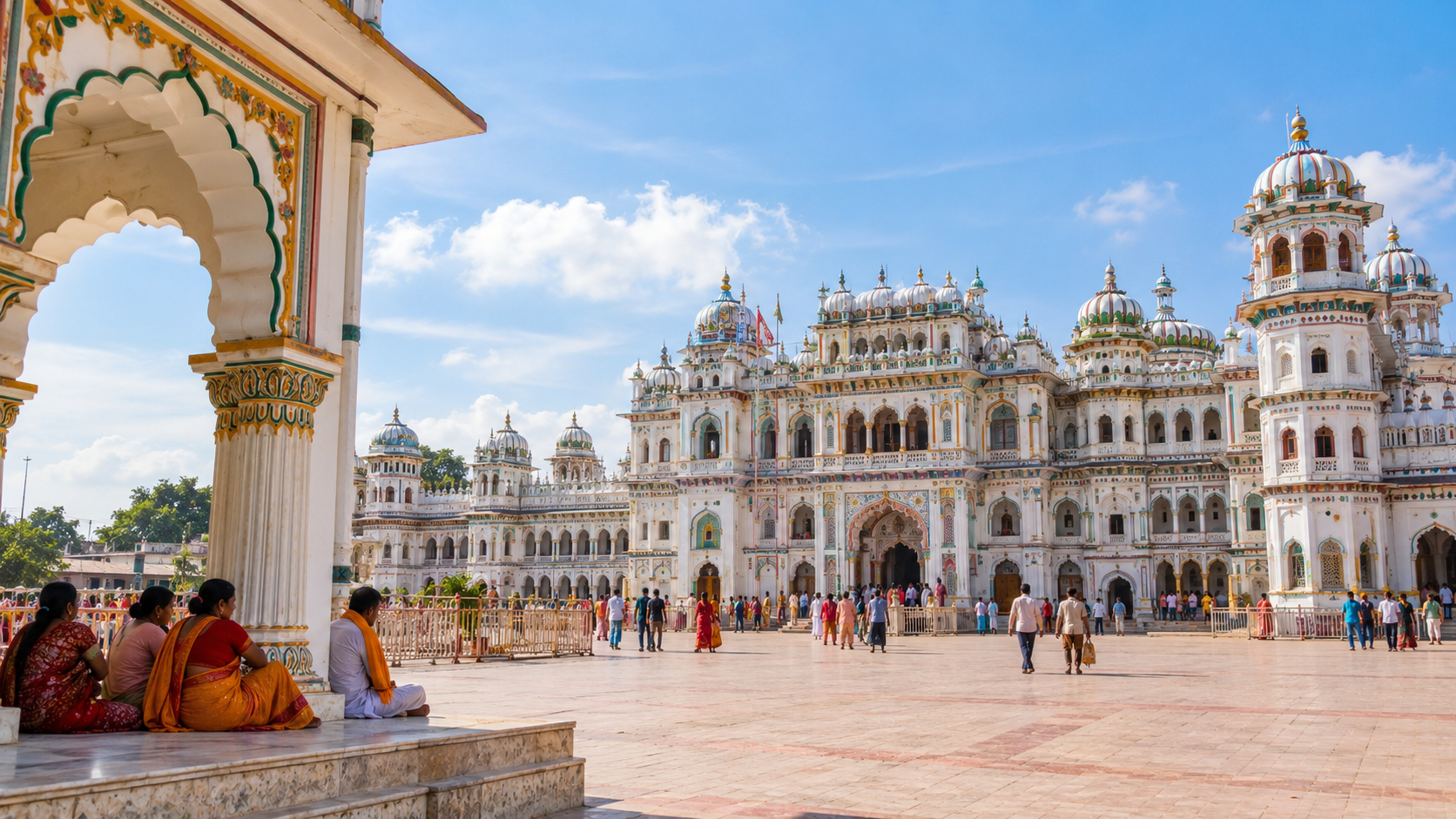
Sitamarhi Janakpur Tour from Darbhanga. Package details, itinerary and pricing can be completed in the CRM.
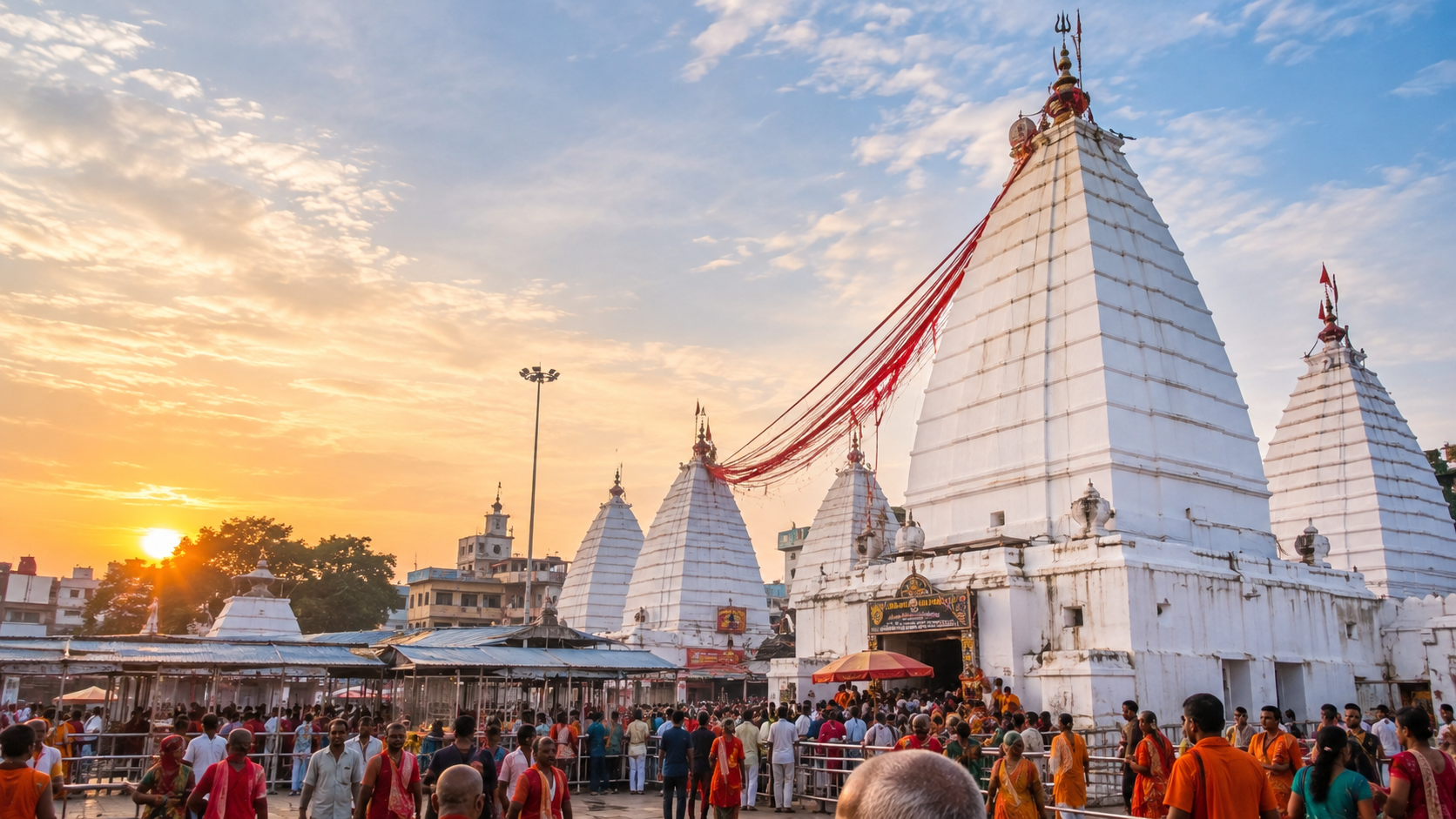
Deoghar Basukinath Tour from Deoghar. Package details, itinerary and pricing can be completed in the CRM.
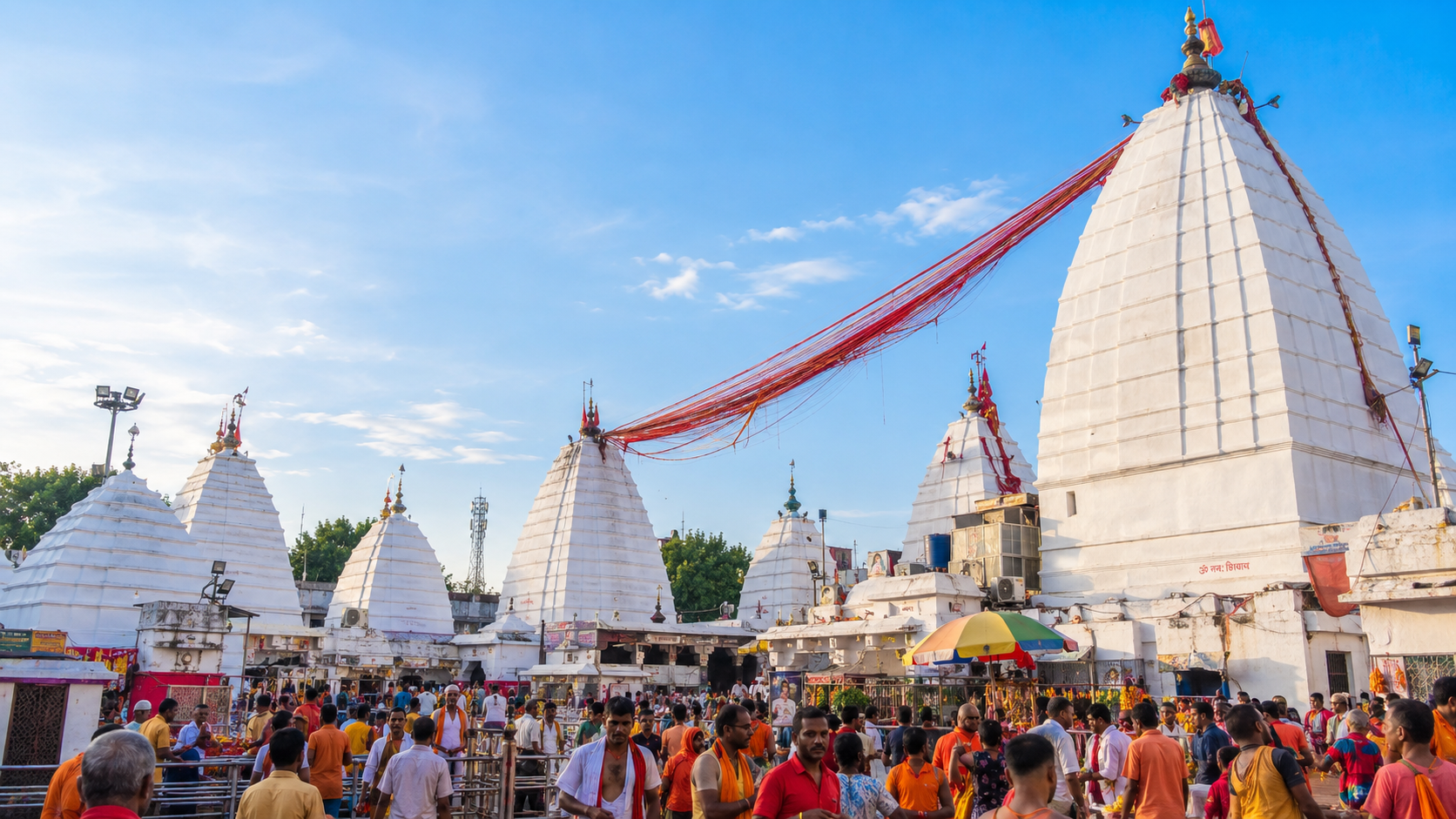
Deoghar Baba Dham Tour from Deoghar. Package details, itinerary and pricing can be completed in the CRM.
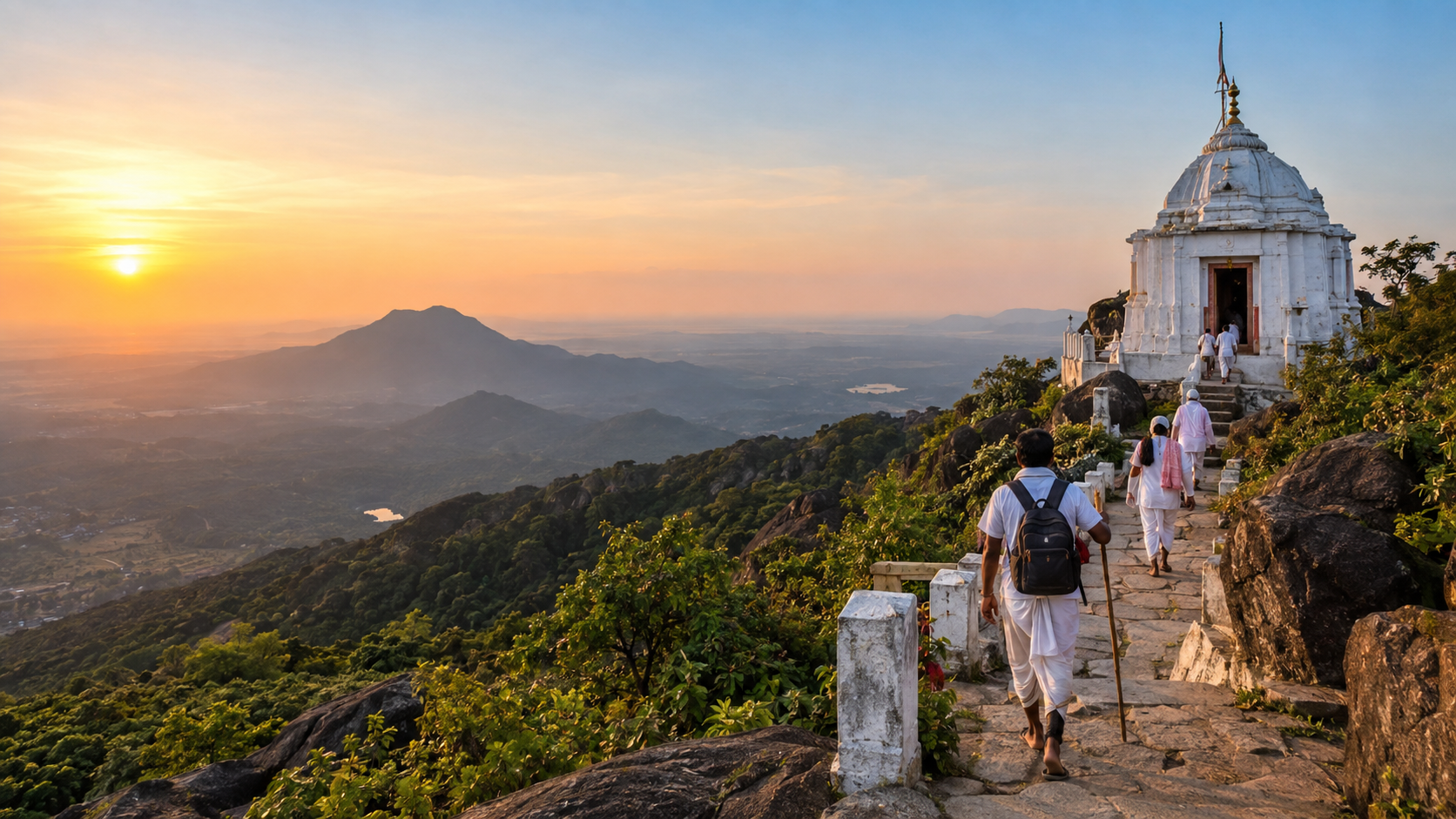
Shikharji Tour from Ranchi. Package details, itinerary and pricing can be completed in the CRM.
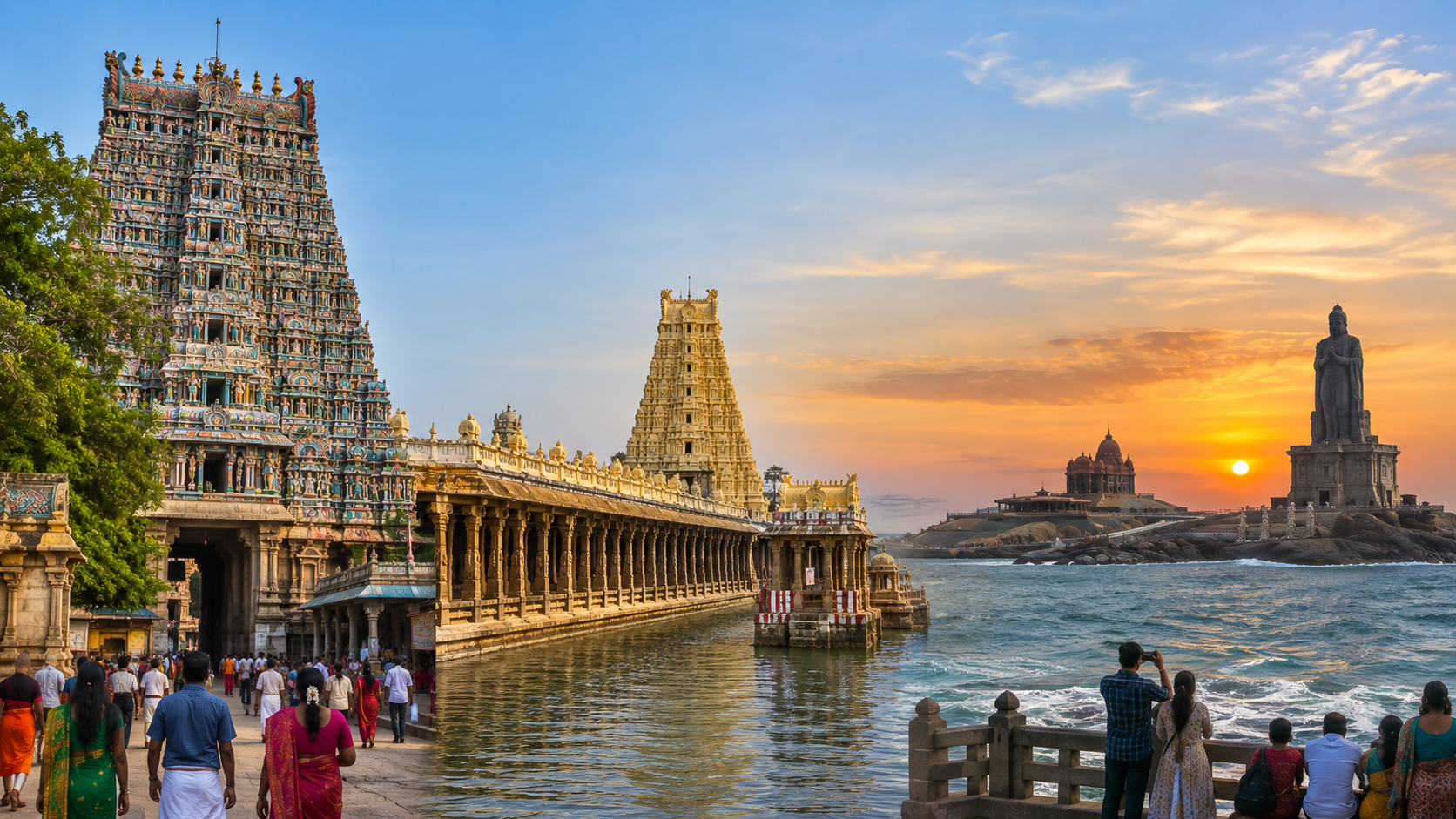
Madurai Rameswaram Kanyakumari Tour from Madurai. Package details, itinerary and pricing can be completed in the CRM.
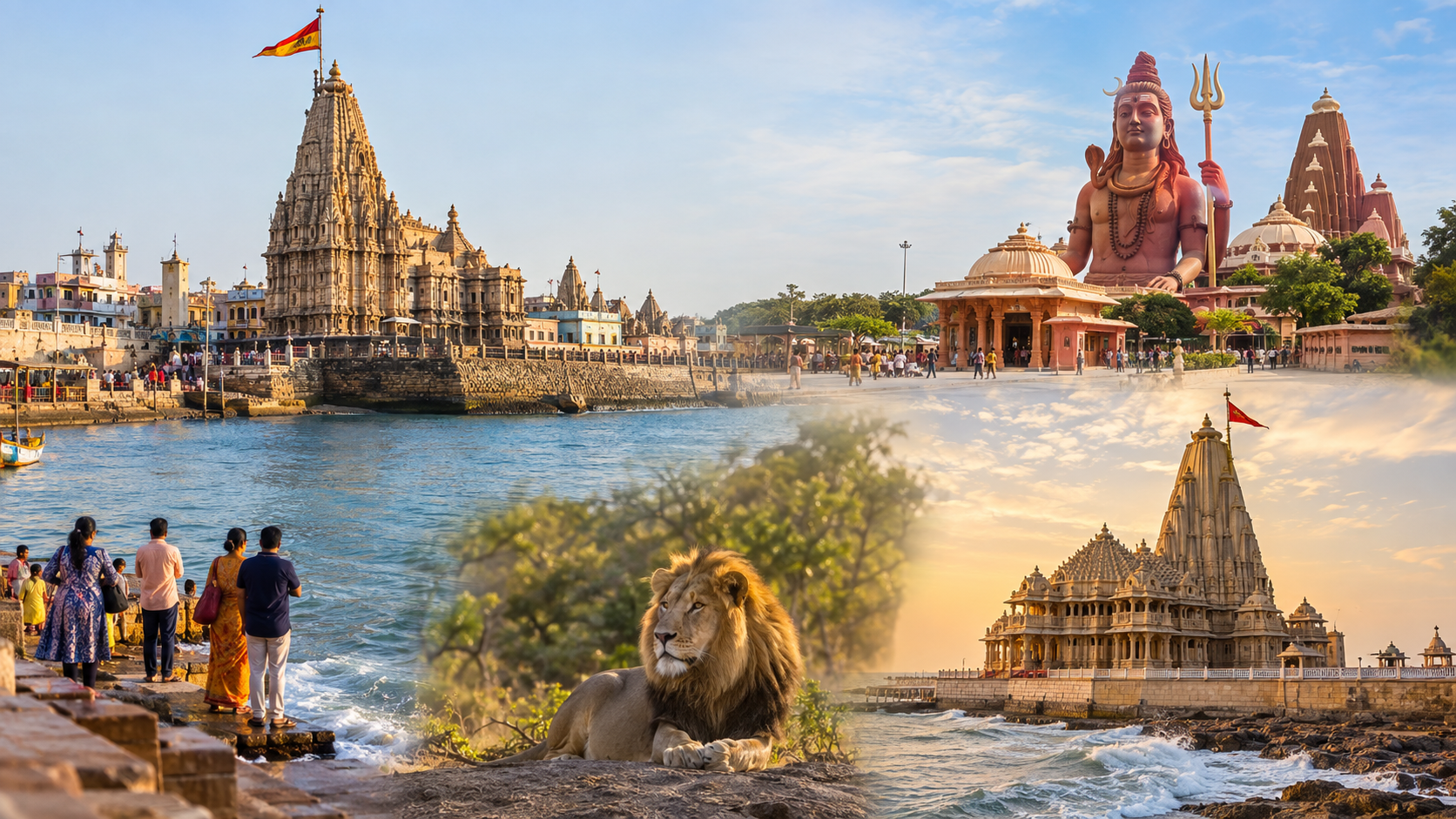
Dwarka Somnath Nageshwar Gir Tour from Rajkot. Package details, itinerary and pricing can be completed in the CRM.
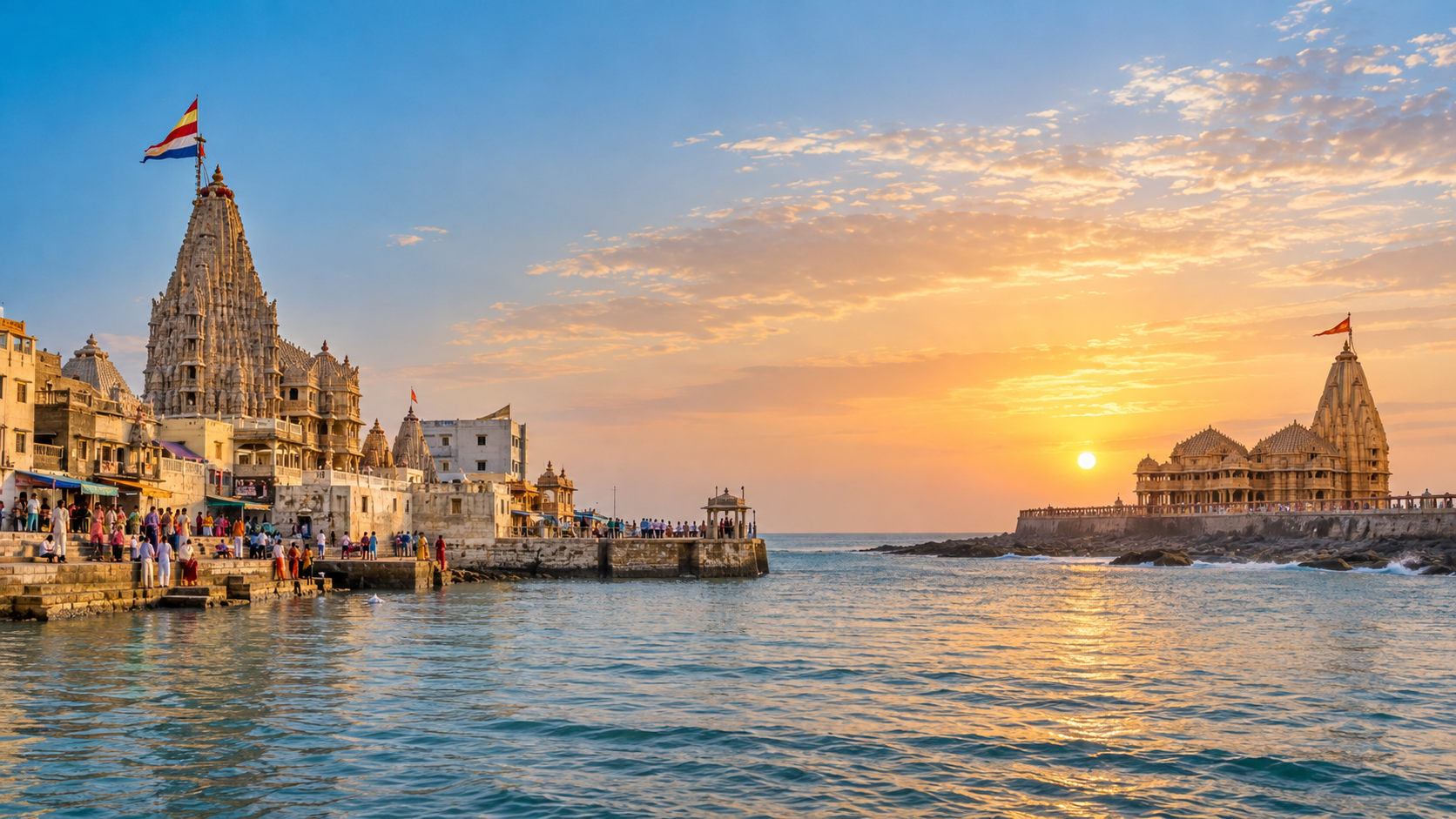
Dwarka Somnath Tour from Rajkot. Package details, itinerary and pricing can be completed in the CRM.
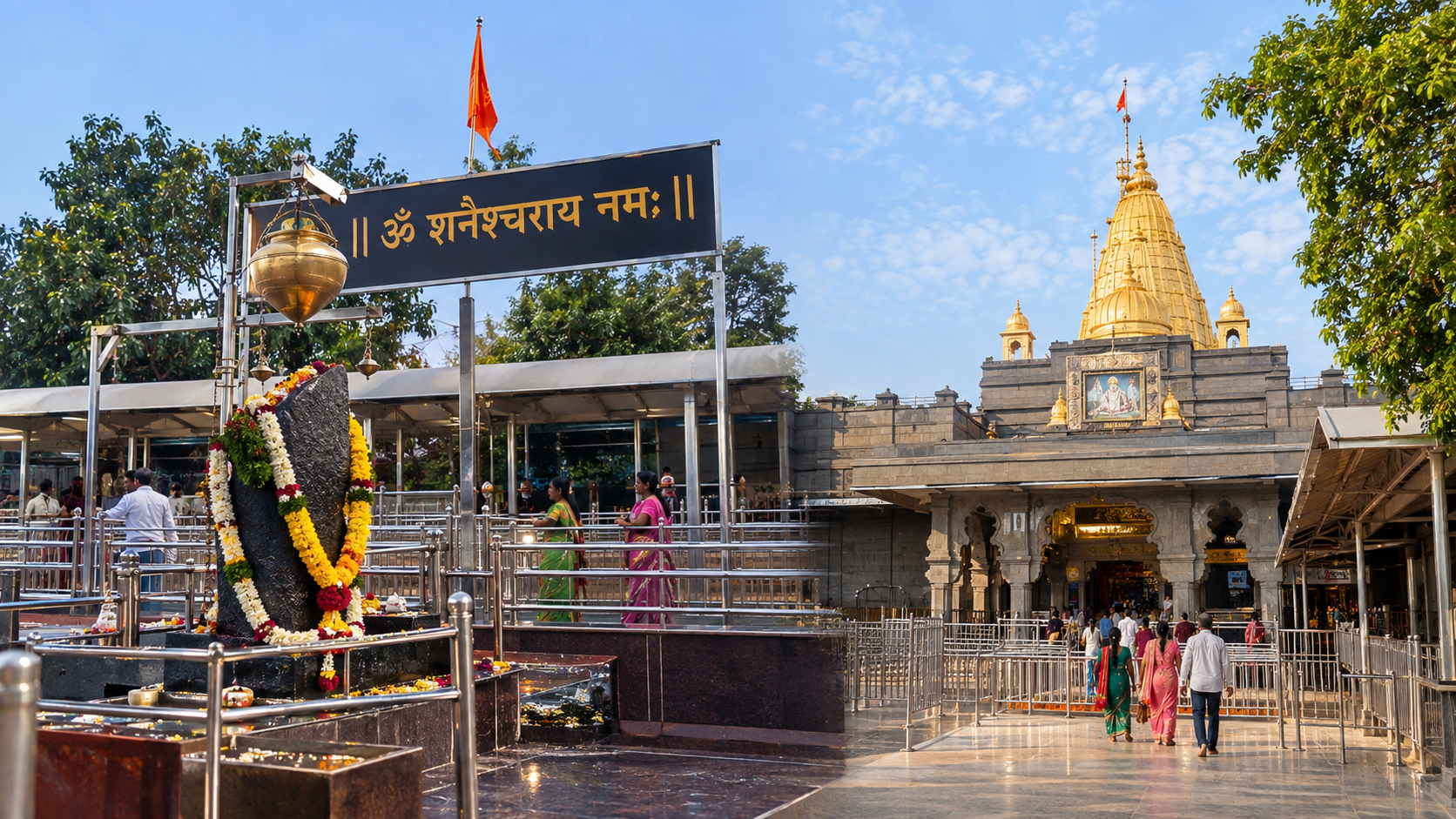
Shirdi Shani Shingnapur Tour from Shirdi. Package details, itinerary and pricing can be completed in the CRM.
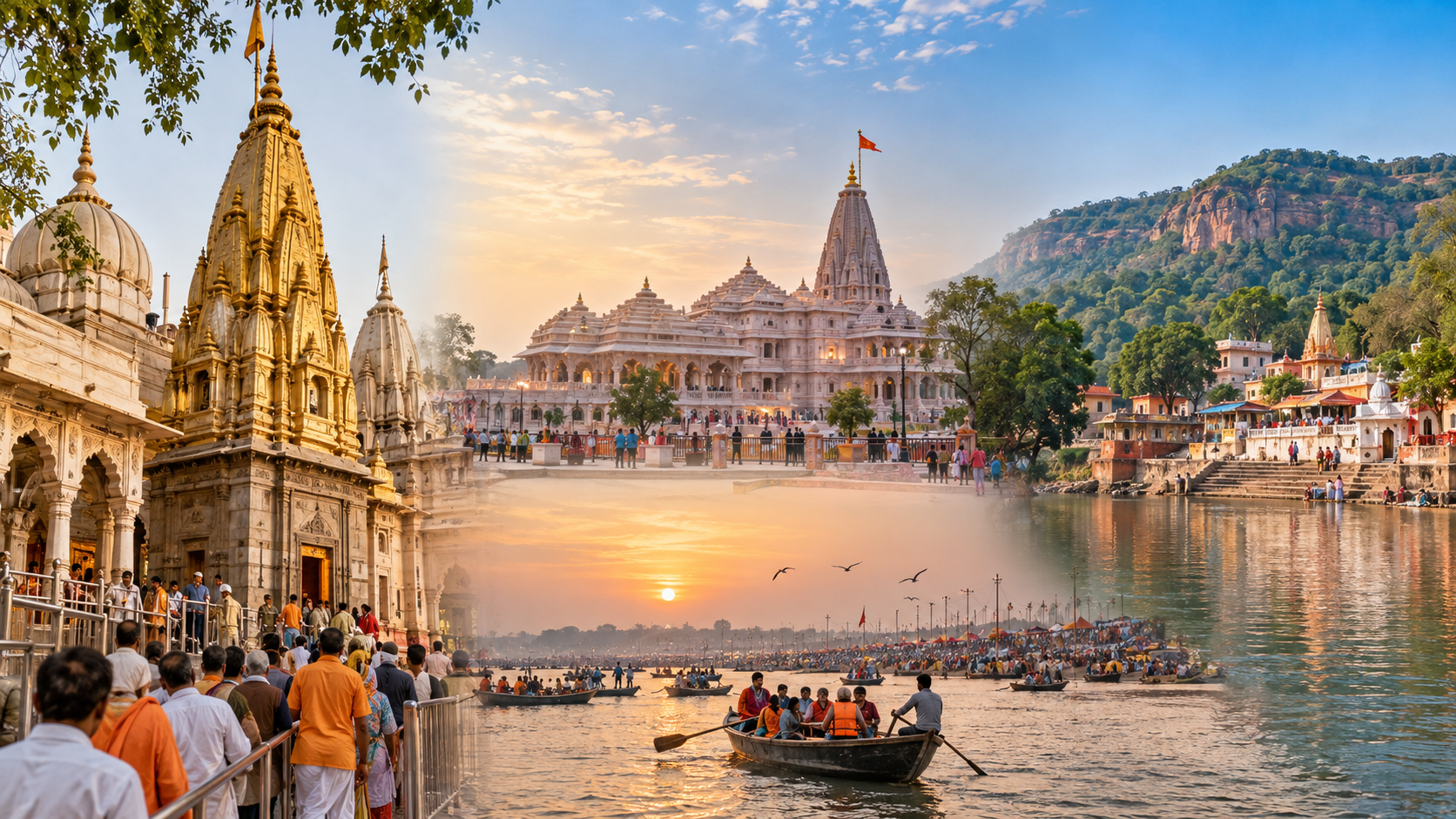
Varanasi Ayodhya Prayagraj Chitrakoot Tour from Varanasi. Package details, itinerary and pricing can be completed in the CRM.
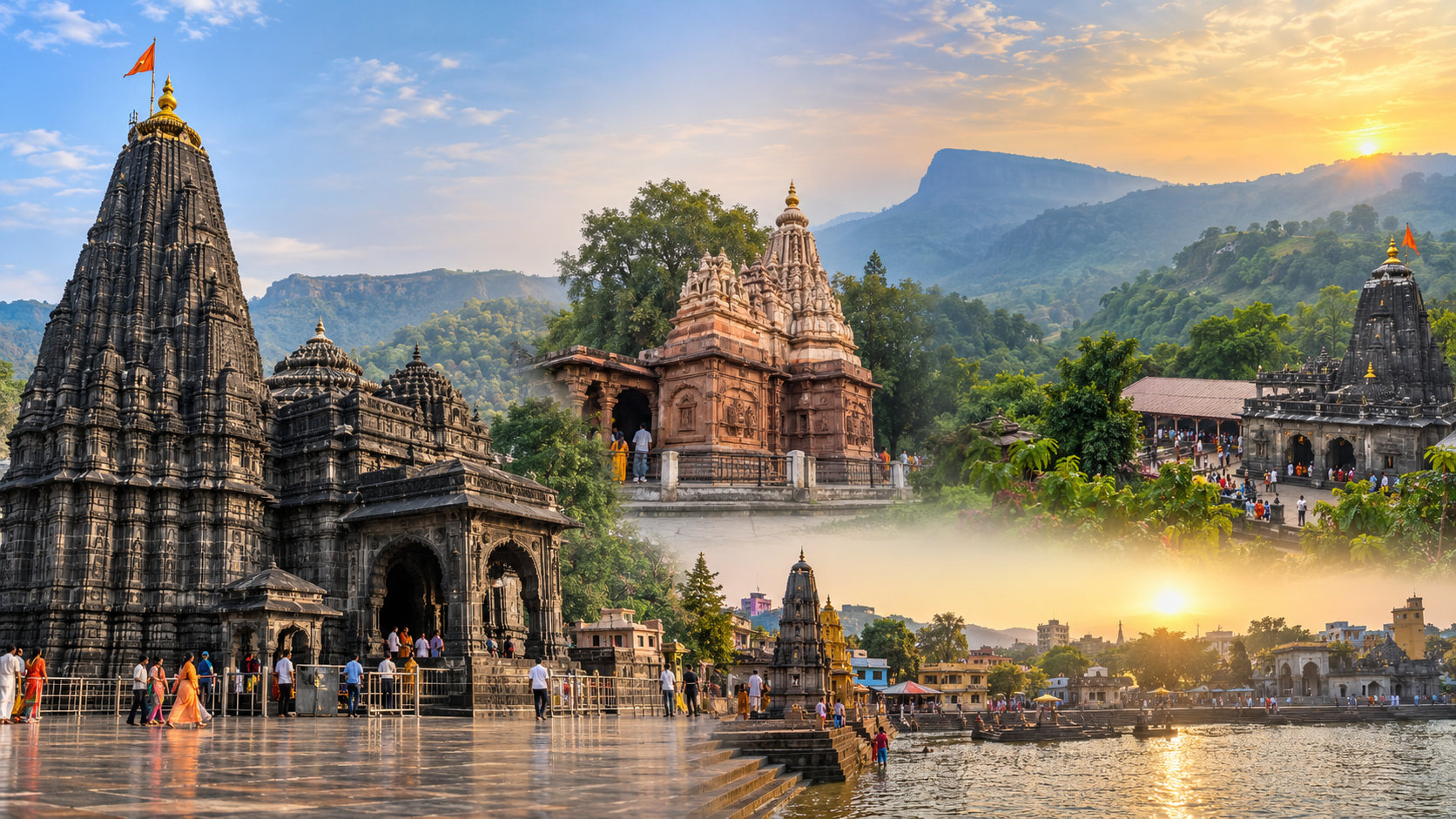
Maharashtra Jyotirlinga Tour from Nashik. Package details, itinerary and pricing can be completed in the CRM.
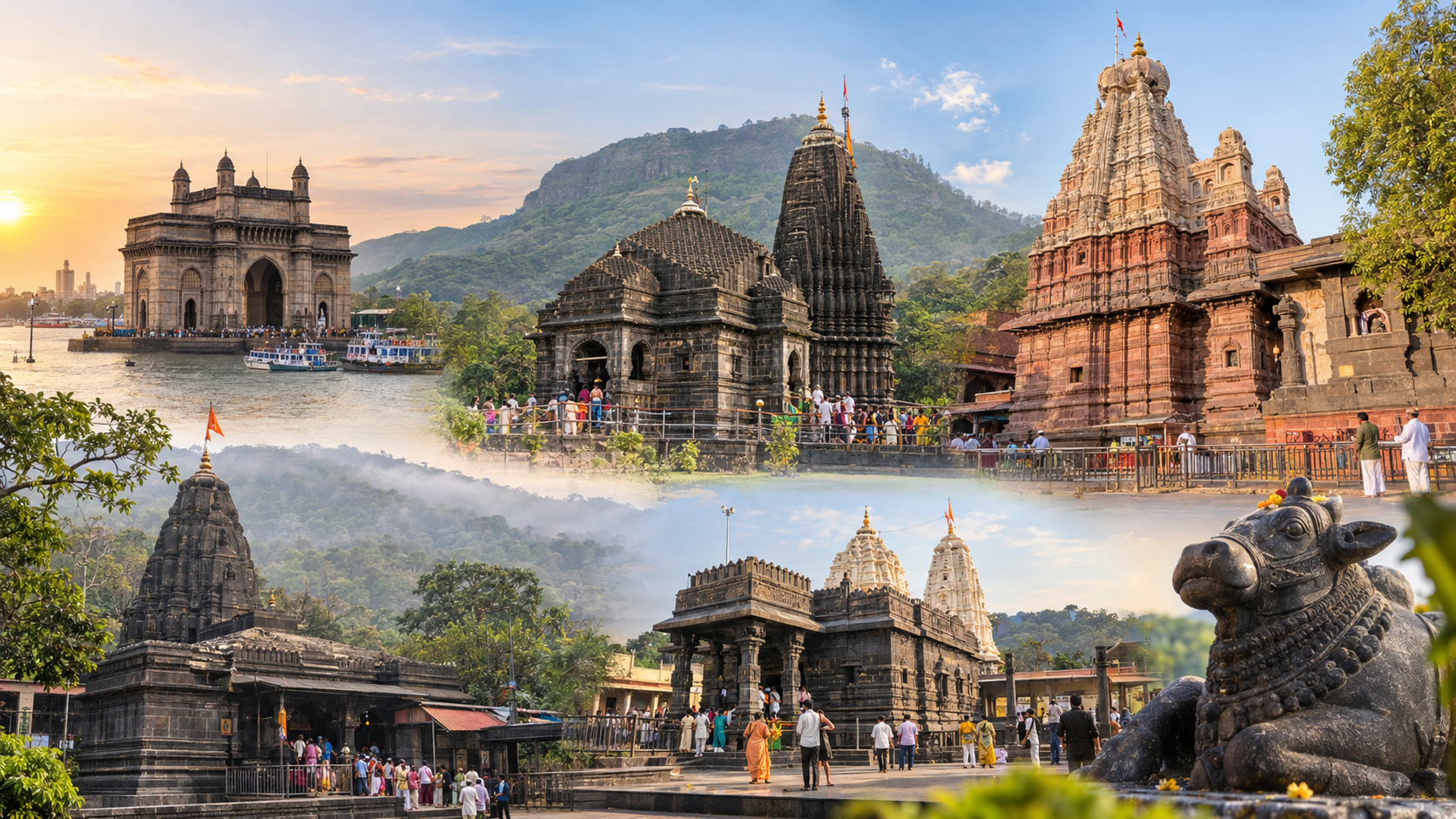
Maharashtra Jyotirlinga Tour from Mumbai. Package details, itinerary and pricing can be completed in the CRM.
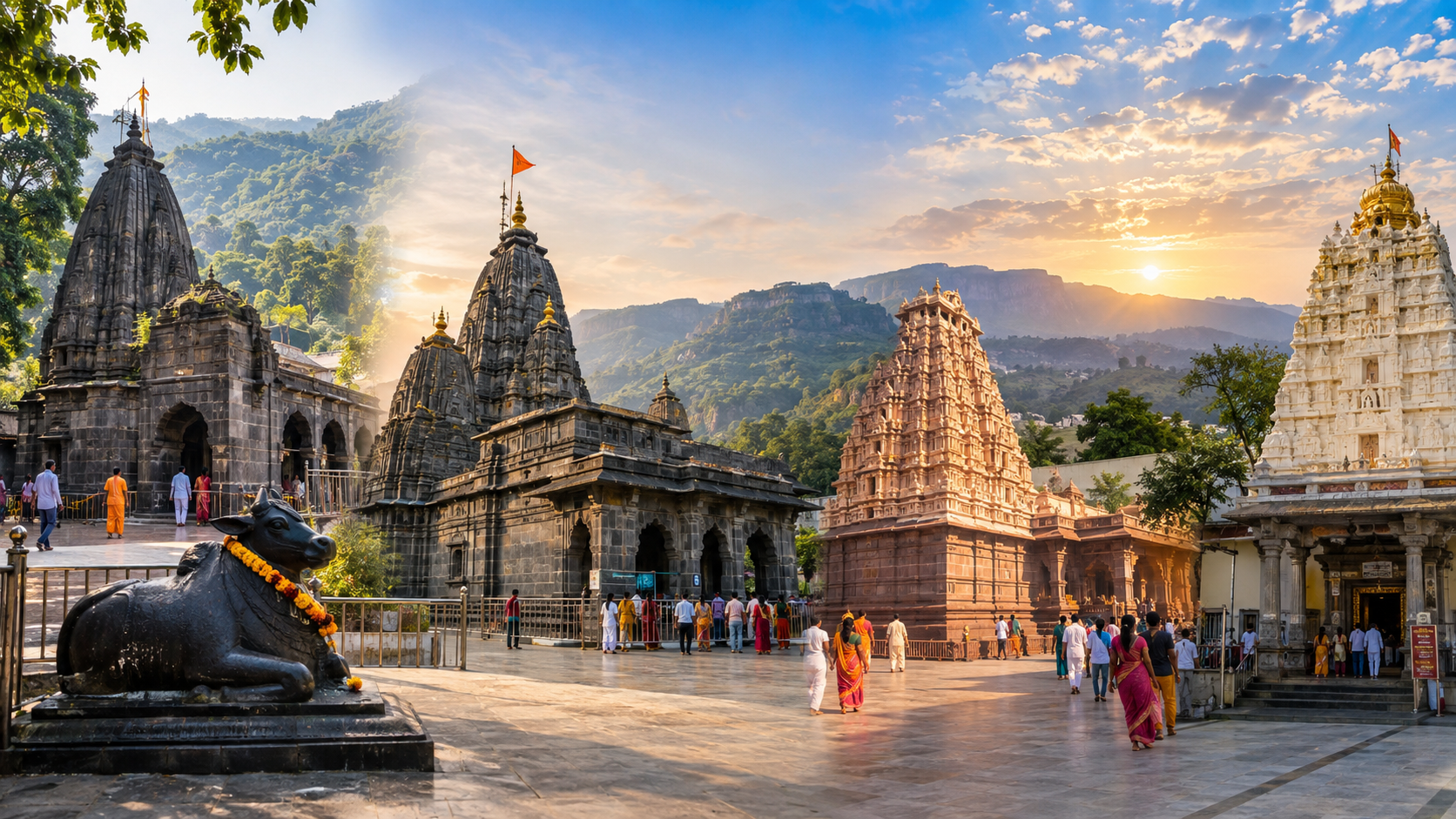
Maharashtra Jyotirlinga Tour from Pune. Package details, itinerary and pricing can be completed in the CRM.
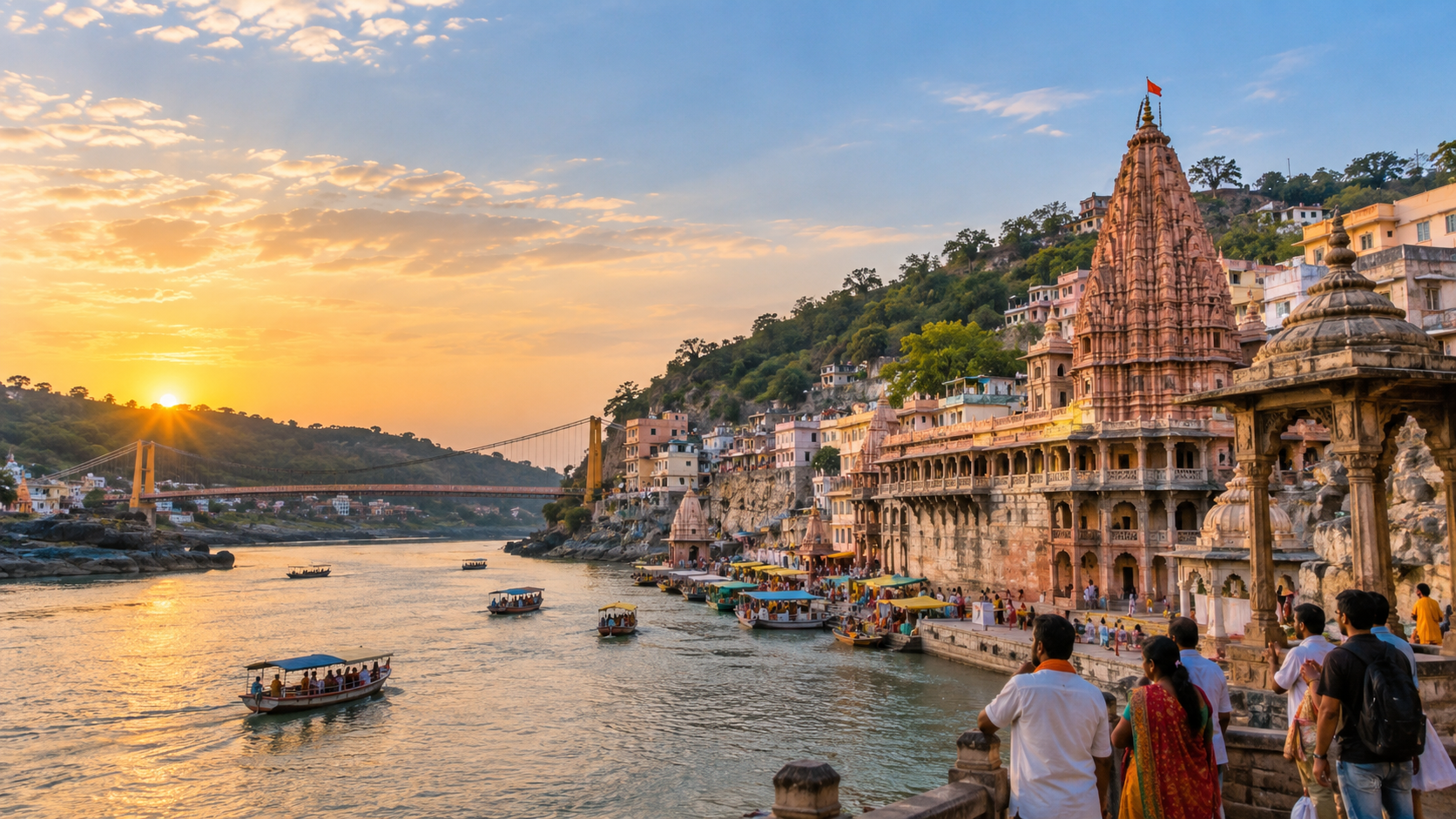
Ujjain Mahakal Omkareshwar Tour from Ujjain. Package details, itinerary and pricing can be completed in the CRM.
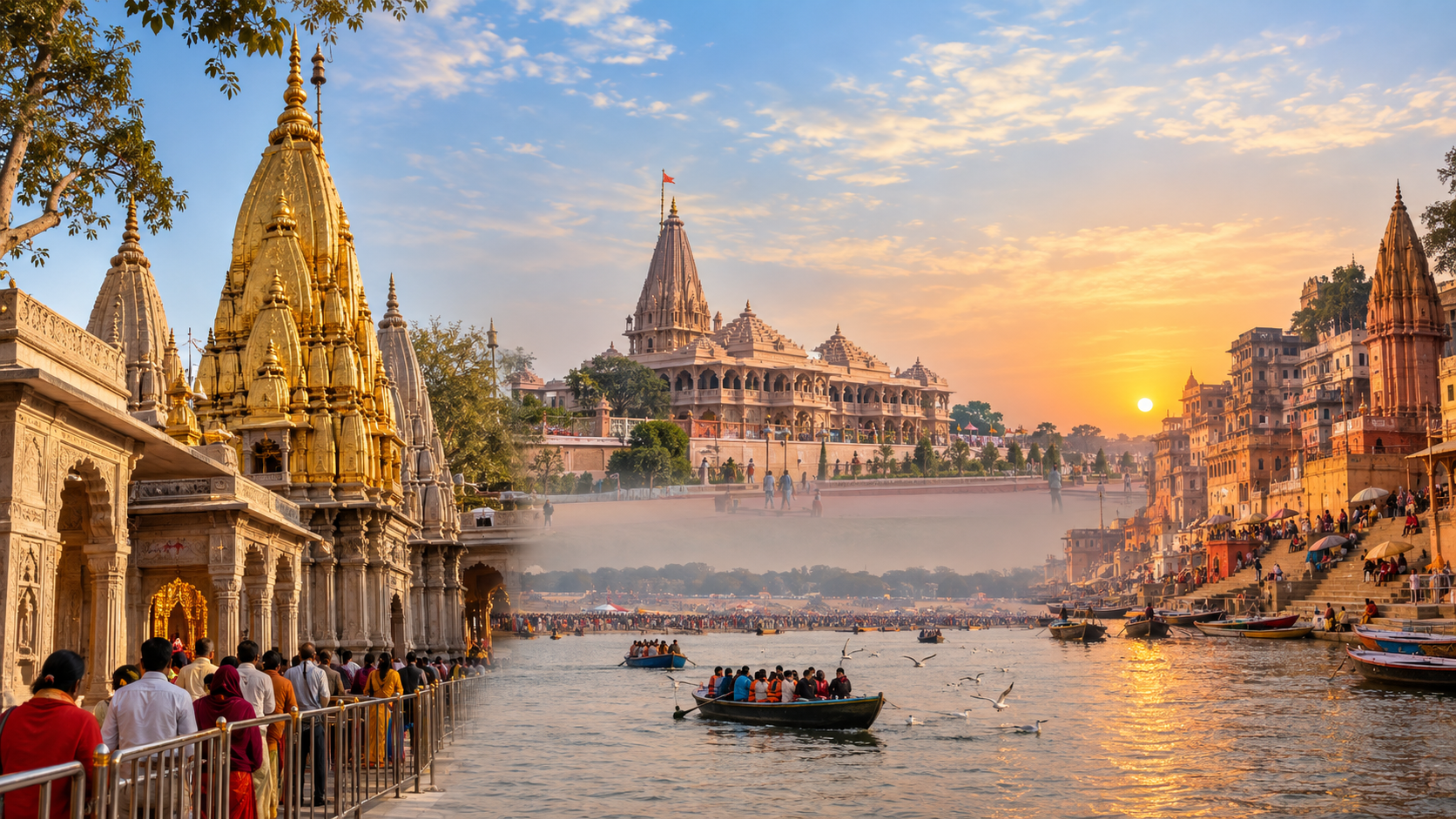
Varanasi Ayodhya Prayagraj Tour from Varanasi. Package details, itinerary and pricing can be completed in the CRM.
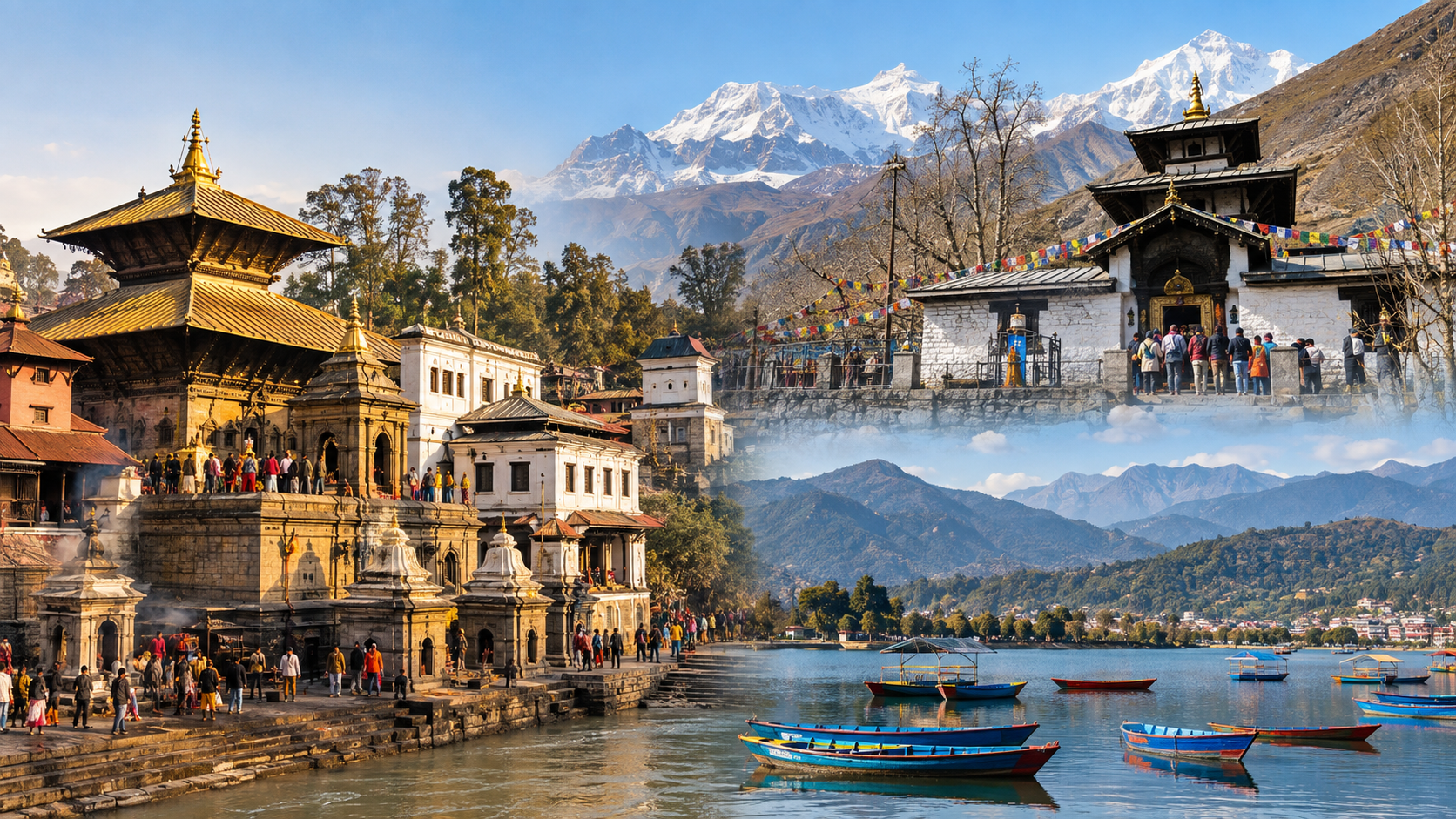
Kathmandu Pashupatinath Muktinath Pokhara Tour from Kathmandu. Package details, itinerary and pricing can be completed in the CRM.
Kinner Kailash Yatra from Chandigarh. Package details, itinerary and pricing can be completed in the CRM.
Shrikhand Mahadev Yatra from Chandigarh. Package details, itinerary and pricing can be completed in the CRM.
Manimahesh Yatra from Chandigarh. Package details, itinerary and pricing can be completed in the CRM.
Kailash Mansarovar Yatra by Road from Kathmandu. Package details, itinerary and pricing can be completed in the CRM.
Kailash Mansarovar Yatra by Helicopter from Kathmandu. Package details, itinerary and pricing can be completed in the CRM.
Kailash Mansarovar Yatra by Helicopter from Lucknow. Package details, itinerary and pricing can be completed in the CRM.
Adi Kailash Om Parvat Yatra from Delhi. Package details, itinerary and pricing can be completed in the CRM.
Adi Kailash Om Parvat Yatra from Kathgodam. Package details, itinerary and pricing can be completed in the CRM.
Amarnath Yatra from Srinagar. Package details, itinerary and pricing can be completed in the CRM.
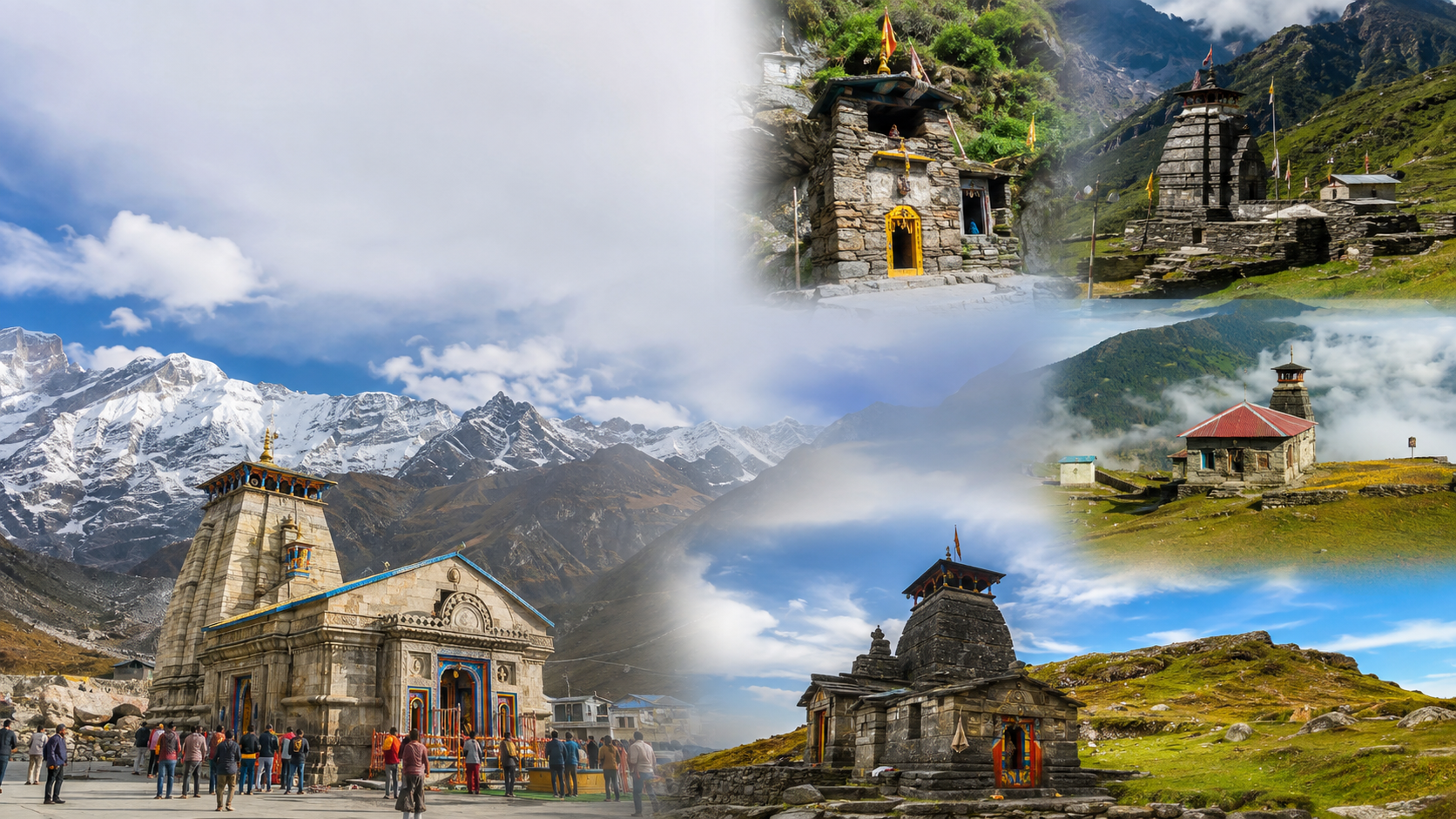
Panch Kedar Yatra from Delhi is a demanding and deeply rewarding pilgrimage through five revered Shiva temples in the Garhwal Himalayas: Kedarnath, Tungnath, Rudranath, Madhyamaheshwar and Kalpeshwar. This 12 Days / 11 Nights pilgrimage is designed for devotees who want to experience the complete Panch Kedar circuit rather than visit only one or two shrines. The journey combines mountain roads, high-altitude walking and time for darshan at some of Uttarakhand’s most significant Shiva temples. Because several shrines involve substantial trekking and seasonal access, careful planning is essential. Trip to Yatra helps travellers plan the pilgrimage around the temple season, travel conditions an
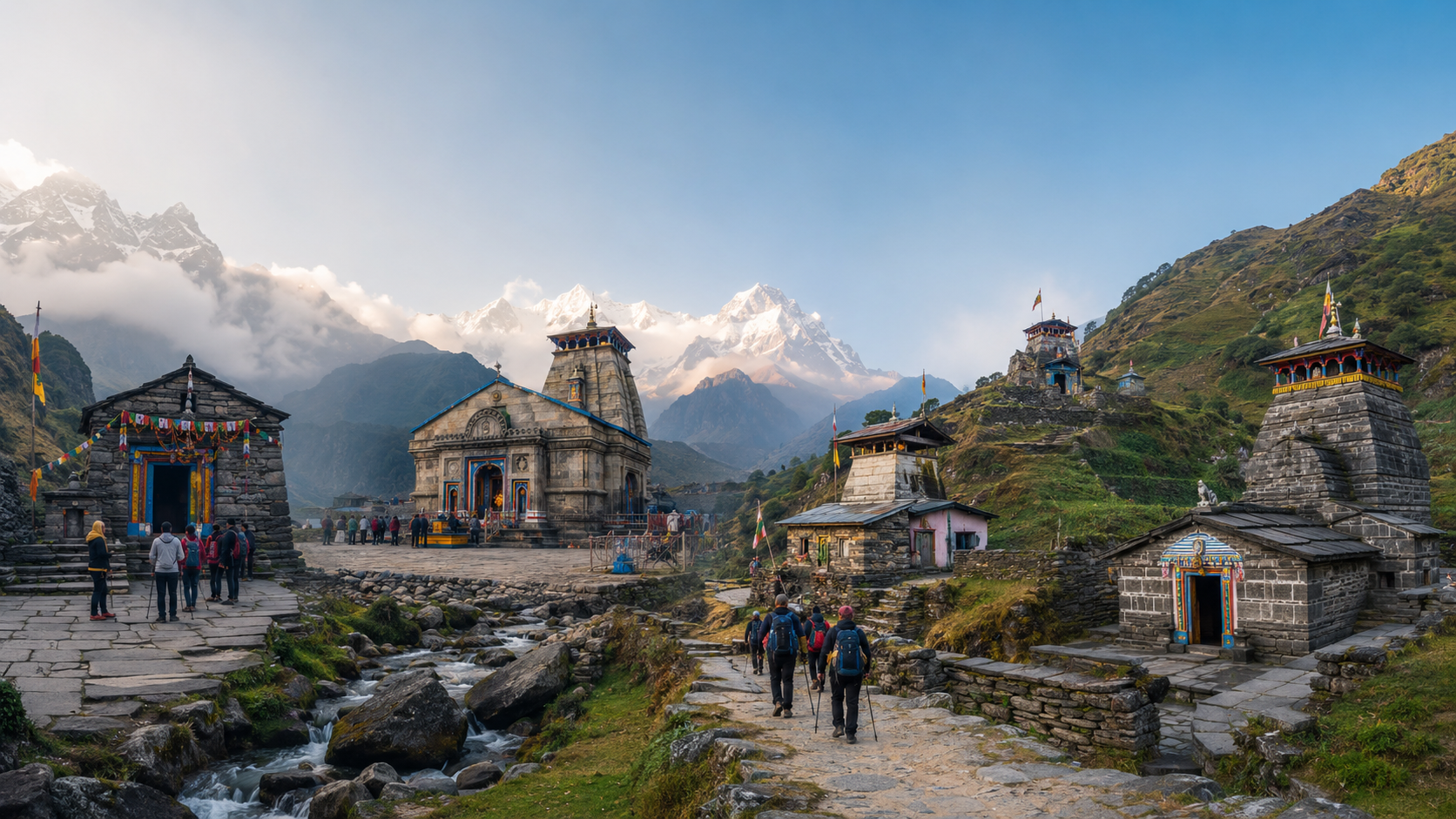
Panch Kedar Yatra from Dehradun is an immersive Shiva pilgrimage covering all five revered Panch Kedar shrines of Uttarakhand: Kedarnath, Tungnath, Rudranath, Madhyamaheshwar and Kalpeshwar. Designed as an 11 Days / 10 Nights pilgrimage experience, the journey combines temple visits with demanding Himalayan treks, mountain landscapes and quiet village settings. Unlike a conventional temple tour, Panch Kedar requires preparation for high-altitude walking, changing weather and seasonal temple access. Trip to Yatra helps travellers plan the pilgrimage around practical travel requirements, accommodation preferences and the operating season, with a focus on a comfortable and well-organised journe
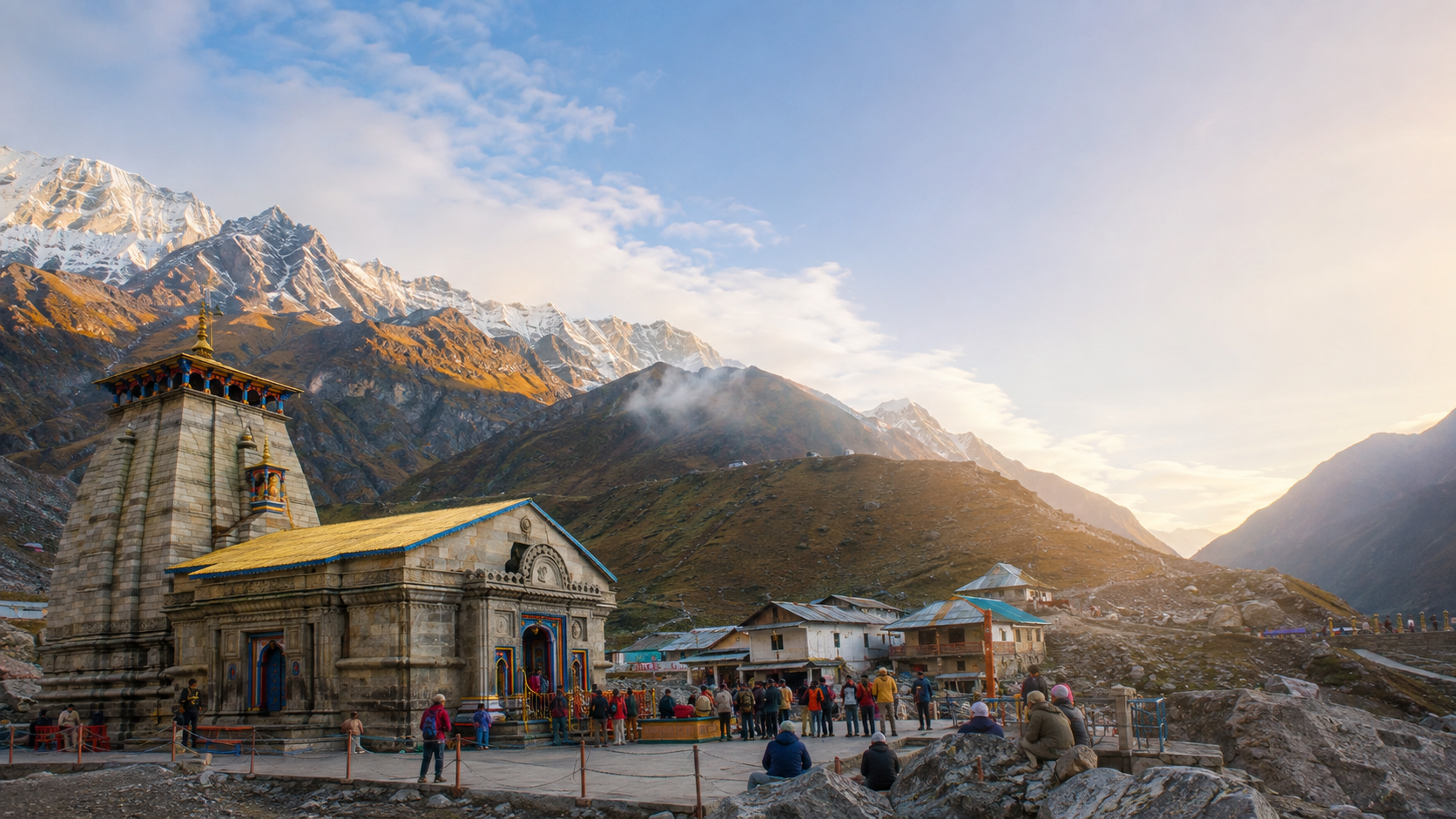
The Kedarnath Tungnath Package from Delhi is a 7-day / 6-night pilgrimage journey covering two of Uttarakhand’s most revered Shiva temples. Starting and ending in Delhi, the tour combines the spiritual significance of Kedarnath with the high-altitude mountain setting of Tungnath near Chopta. Kedarnath Temple is one of the prominent Panch Kedar shrines, while Tungnath is recognised by Uttarakhand Tourism as one of the highest Shiva temples in the world. The journey involves mountain travel and trekking, so it is best suited to travellers who are comfortable with an active Himalayan pilgrimage. Enquire with Trip to Yatra for current travel planning and availability.
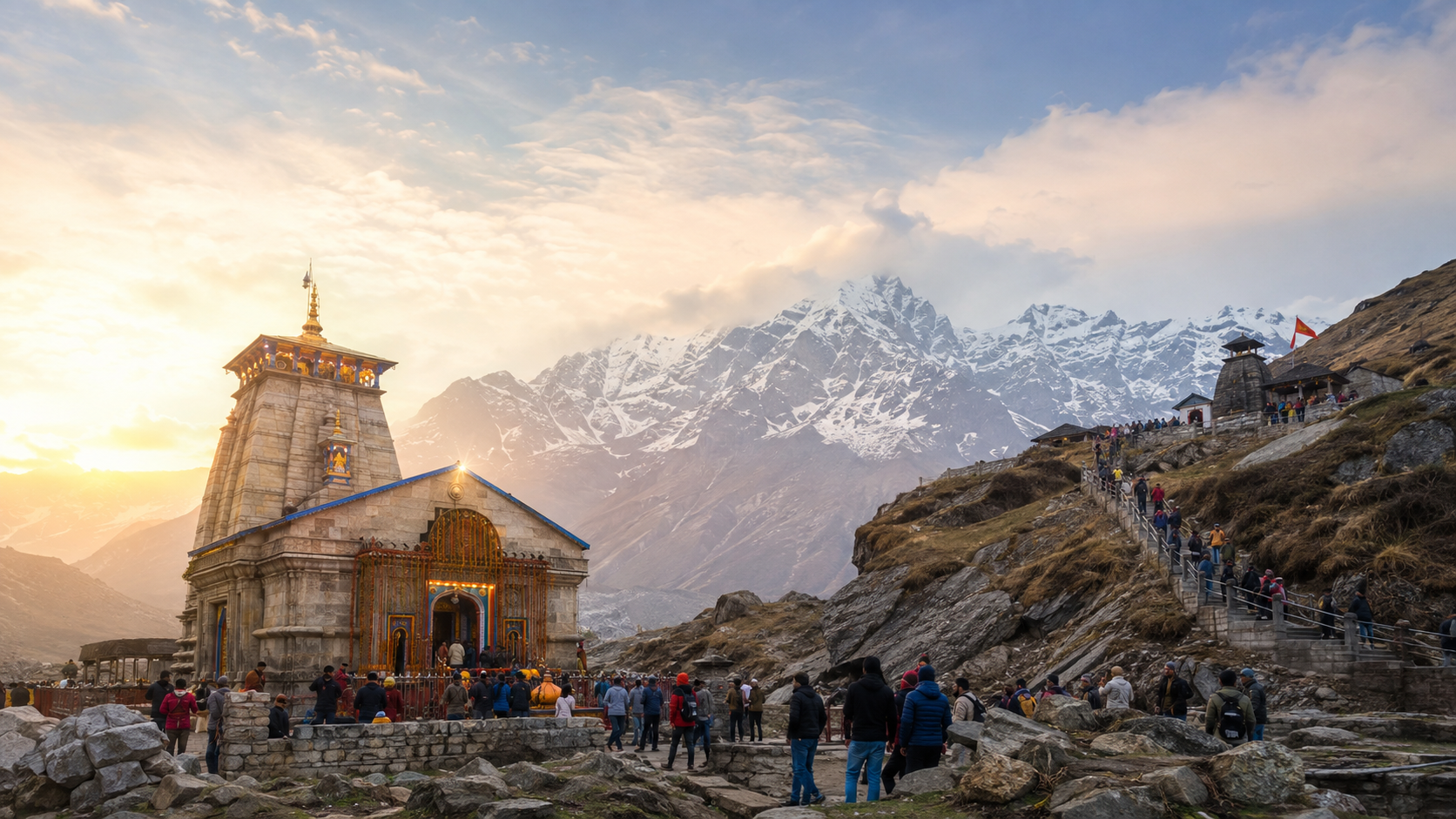
Plan a focused Himalayan pilgrimage with the Kedarnath Tungnath package from Haridwar, combining two revered Shiva temples in Uttarakhand. This 5-day / 4-night journey is designed for travellers who want to visit Kedarnath Temple and Tungnath Temple without committing to a longer Char Dham circuit. Kedarnath, one of the most important Shiva pilgrimage sites in India, lies high in the Garhwal Himalayas and requires a trek from Gaurikund. Tungnath, one of the Panch Kedar shrines, is reached by trekking from Chopta. With Haridwar as both the starting and ending point, the package offers a practical pilgrimage-focused travel plan with time for mountain travel, temple visits and rest.
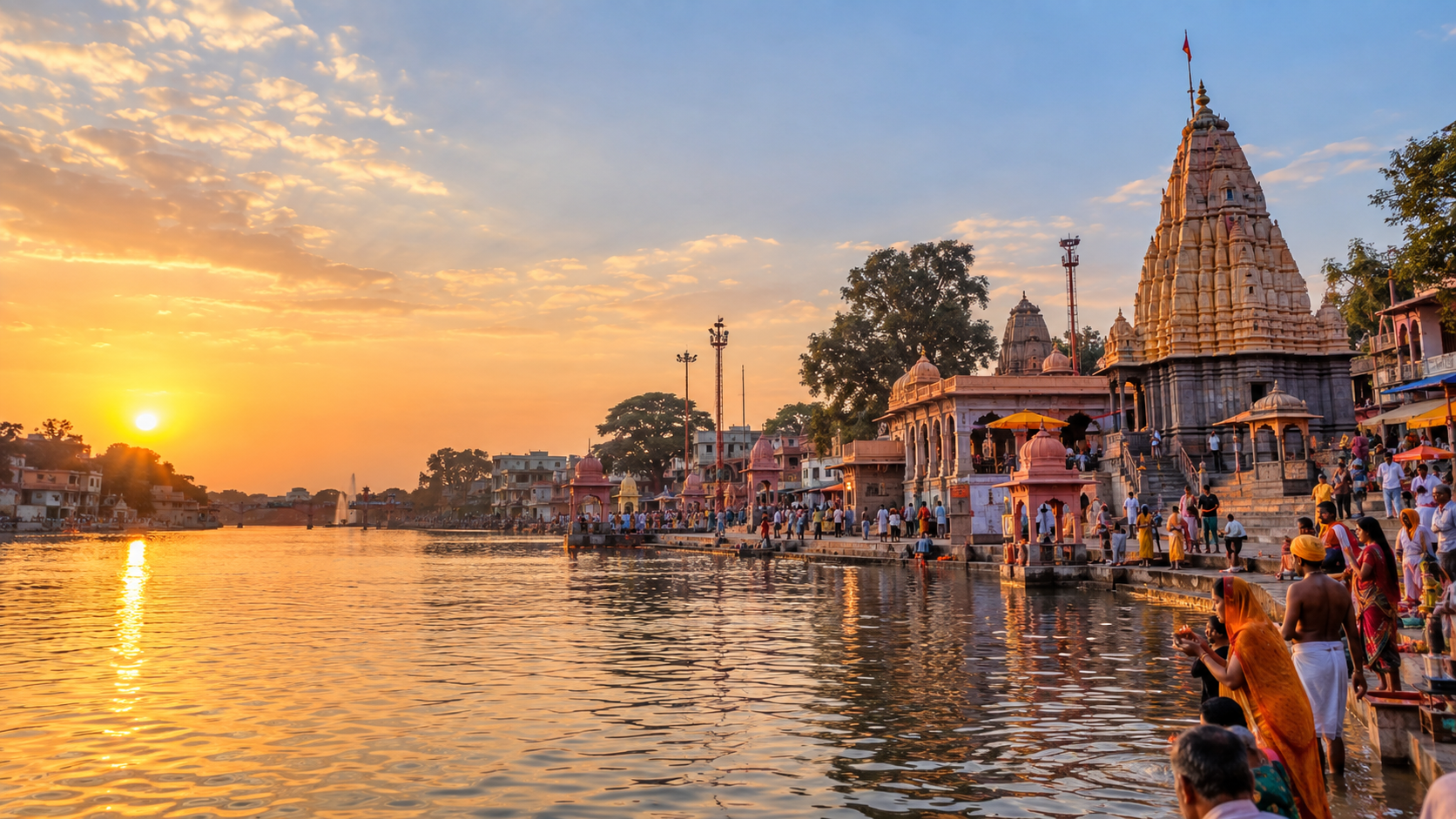
Ujjain Kumbh Mela from Ujjain. Package details, itinerary and pricing can be completed in the CRM.
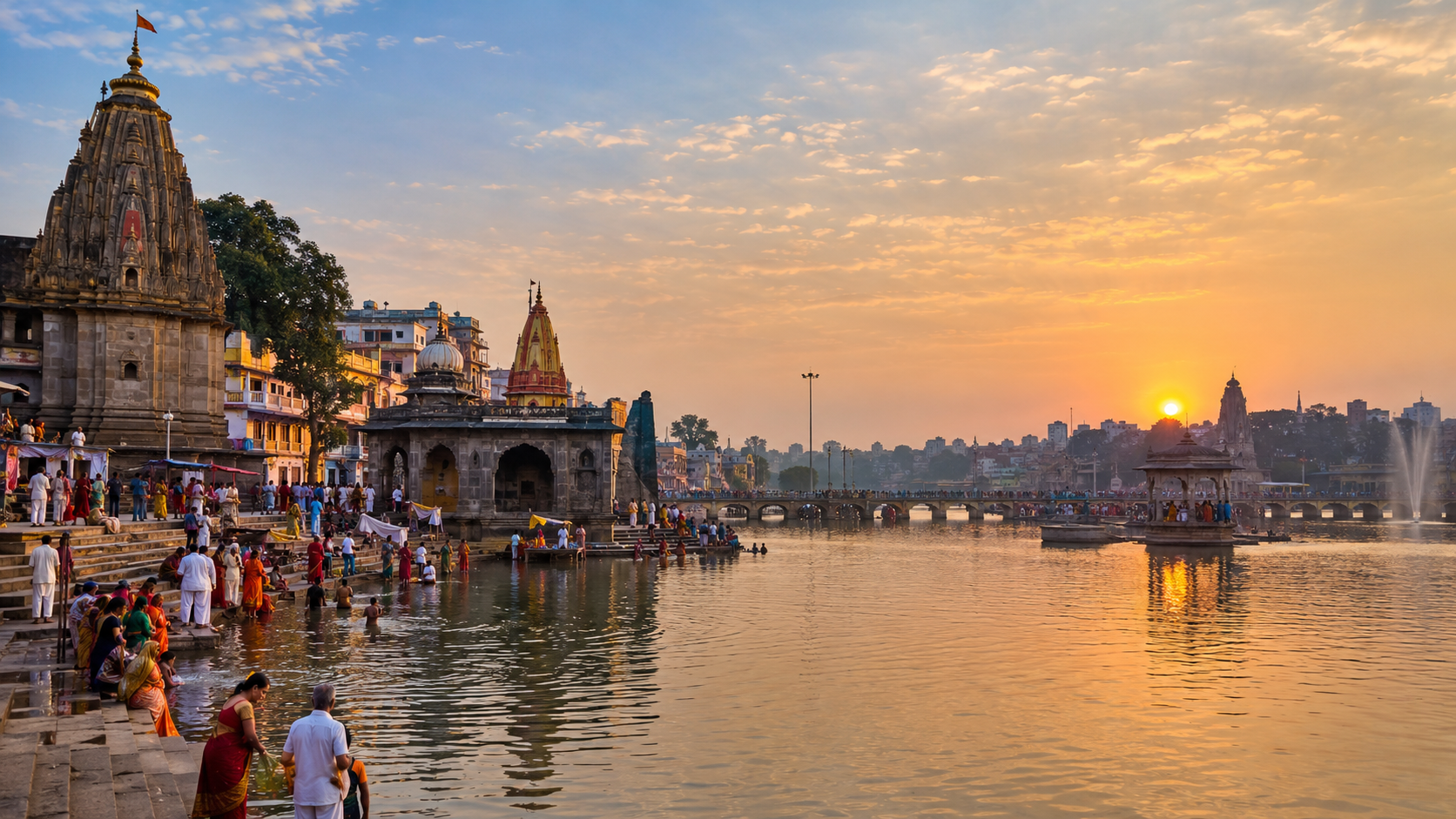
Nashik Kumbh Mela from Nashik. Package details, itinerary and pricing can be completed in the CRM.
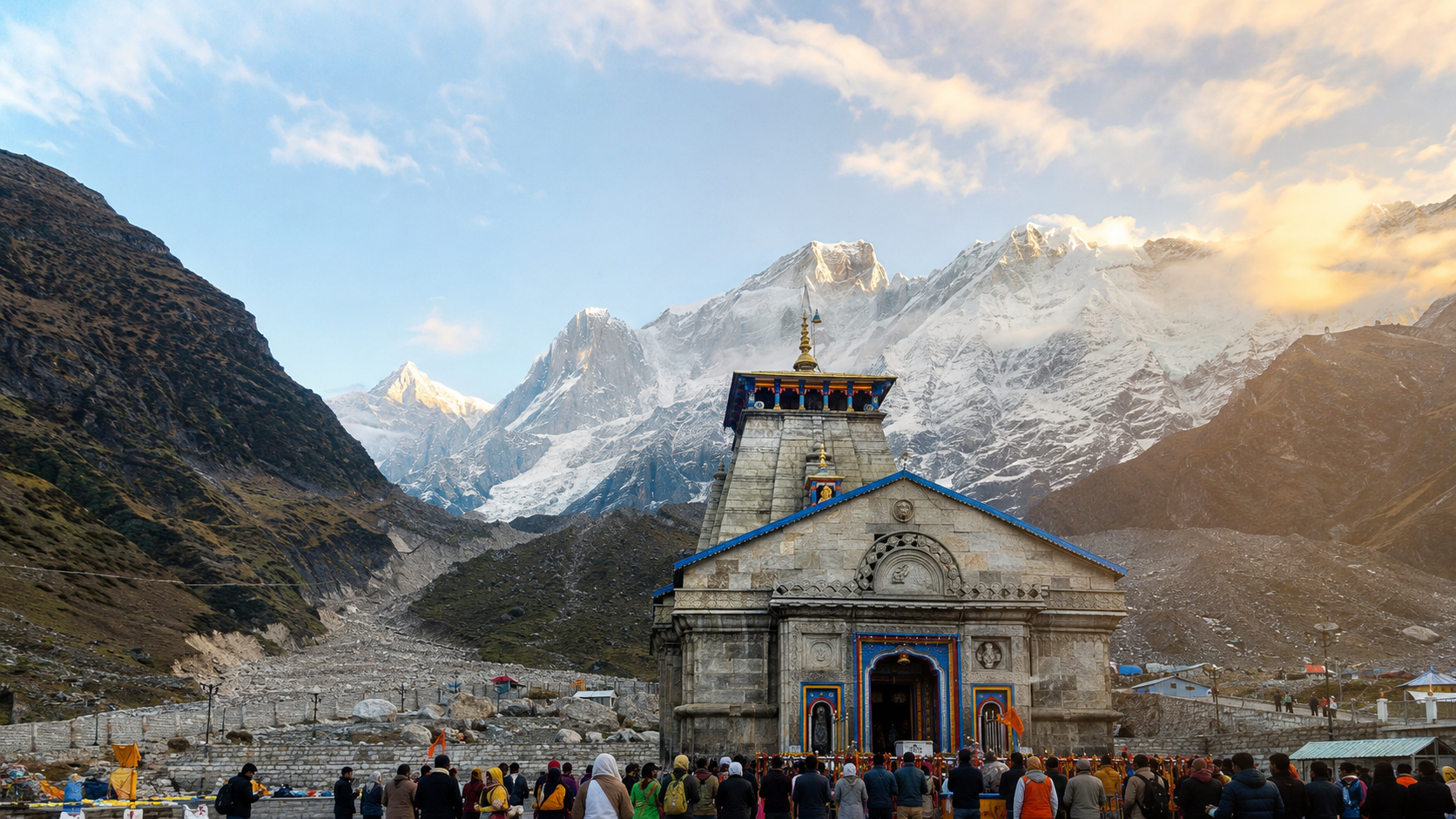
Plan a spiritually meaningful journey to Kedarnath with a 6 Days / 5 Nights Kedarnath Yatra package from Delhi by Trip to Yatra. This pilgrimage package is designed around the Delhi–Haridwar–Kedarnath travel corridor, with Kedarnath Temple as the principal spiritual destination. The journey combines Himalayan travel with time for darshan and a more organised pilgrimage experience. Since Kedarnath is a high-altitude destination with seasonal access and mandatory Yatra formalities, planning matters. Trip to Yatra can help you understand the practical arrangements, registration requirements and travel considerations before you set out. Enquire with our team to plan your 2027 Kedarnath Yatra fro
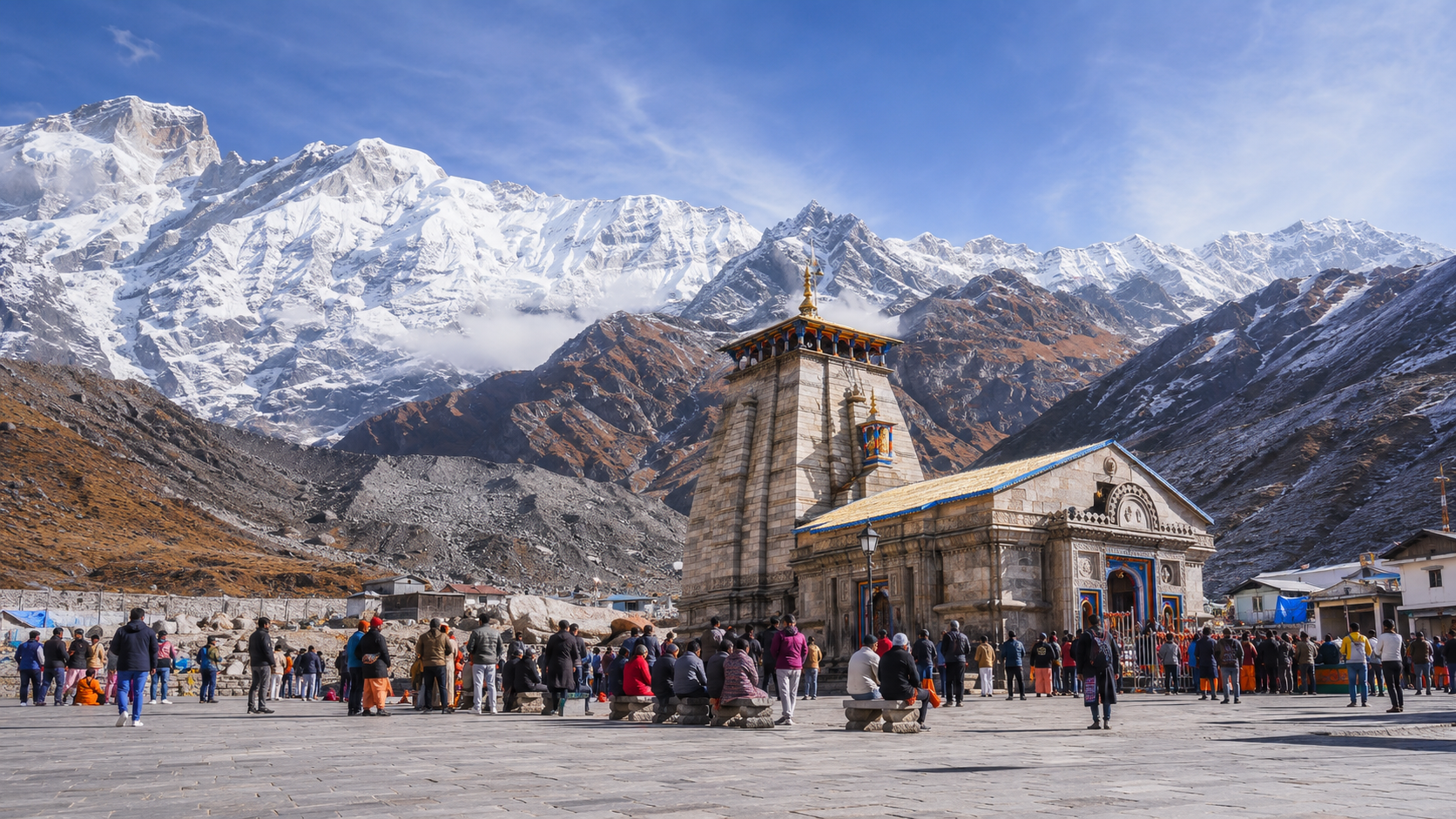
A thoughtfully planned Kedarnath Yatra package from Haridwar for pilgrims looking to visit the sacred Kedarnath Temple in Uttarakhand. This 4 Days / 3 Nights pilgrimage connects Haridwar with one of Lord Shiva’s most revered Himalayan shrines, with arrangements planned around the practical requirements of a high-altitude yatra. Kedarnath is situated in the Garhwal Himalayas at around 3,580 metres, so preparation, suitable clothing and sensible travel planning are important.
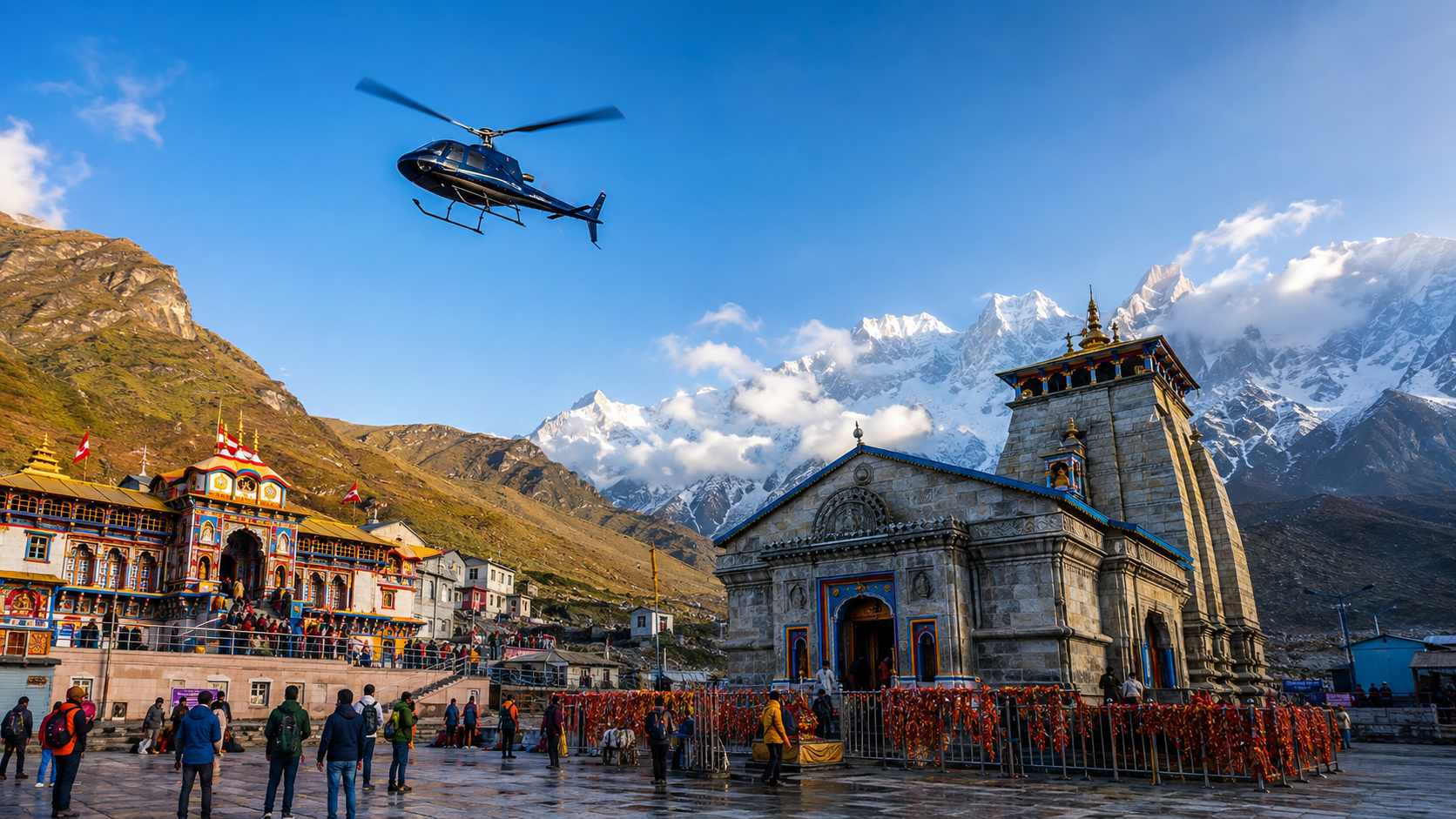
Experience the sacred Do Dham Yatra by helicopter from Dehradun, covering the revered Kedarnath Temple and Badrinath Temple in a compact 3-day, 2-night pilgrimage. This Dehradun-to-Dehradun package is designed for devotees who want to visit both Himalayan shrines while reducing the long road travel involved in a conventional yatra. Kedarnath, dedicated to Lord Shiva, stands high in the Garhwal Himalayas, while Badrinath is one of the four Char Dham pilgrimage sites and is dedicated to Lord Vishnu. With helicopter travel, the journey can be more convenient, subject to weather, operational conditions and applicable pilgrimage regulations.
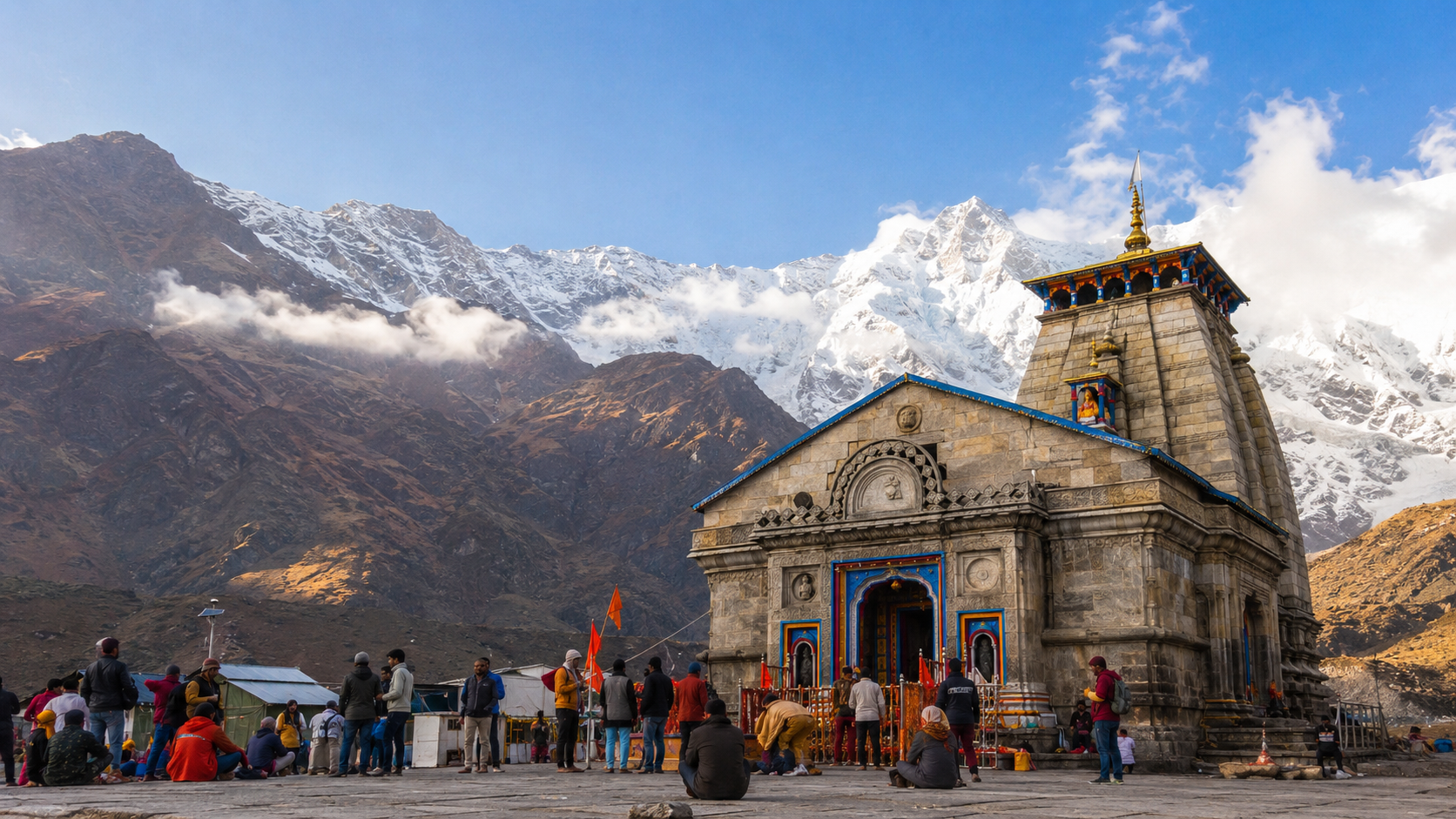
The Do Dham Yatra from Delhi is an 8-day pilgrimage covering the two revered Himalayan shrines of Kedarnath and Badrinath. Starting and ending in Delhi, this thoughtfully planned journey brings together the spiritual atmosphere of Kedarnath, dedicated to Lord Shiva, and Badrinath, dedicated to Lord Vishnu, along with time around Haridwar and Rishikesh. The route combines road travel through Uttarakhand with the required approach to Kedarnath on foot from the roadhead. With high-altitude travel, changing mountain weather and seasonal temple access to consider, Trip to Yatra helps pilgrims plan the journey around practical travel requirements rather than rushing through the experience.
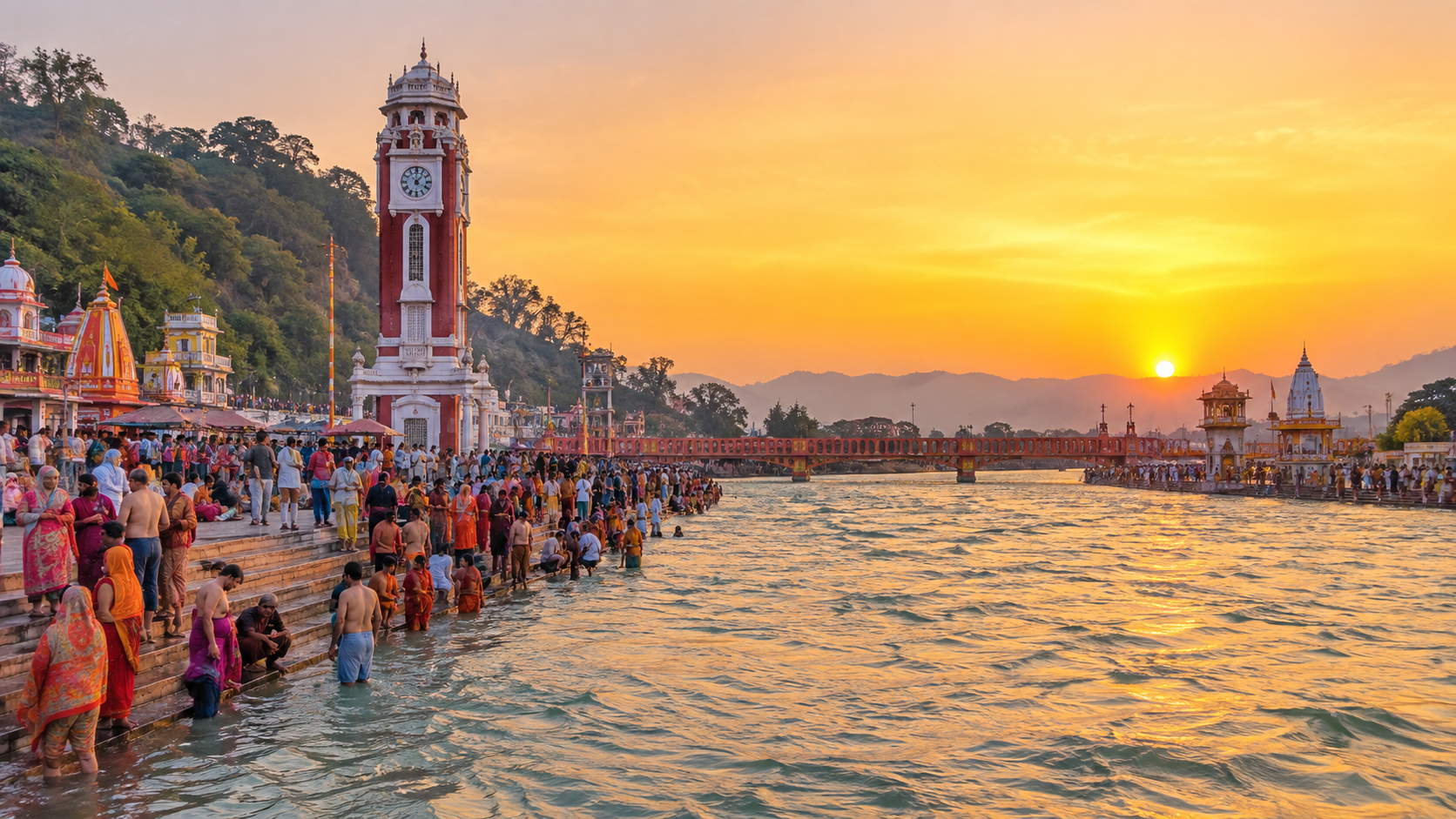
Haridwar Kumbh Mela from Haridwar. Package details, itinerary and pricing can be completed in the CRM.
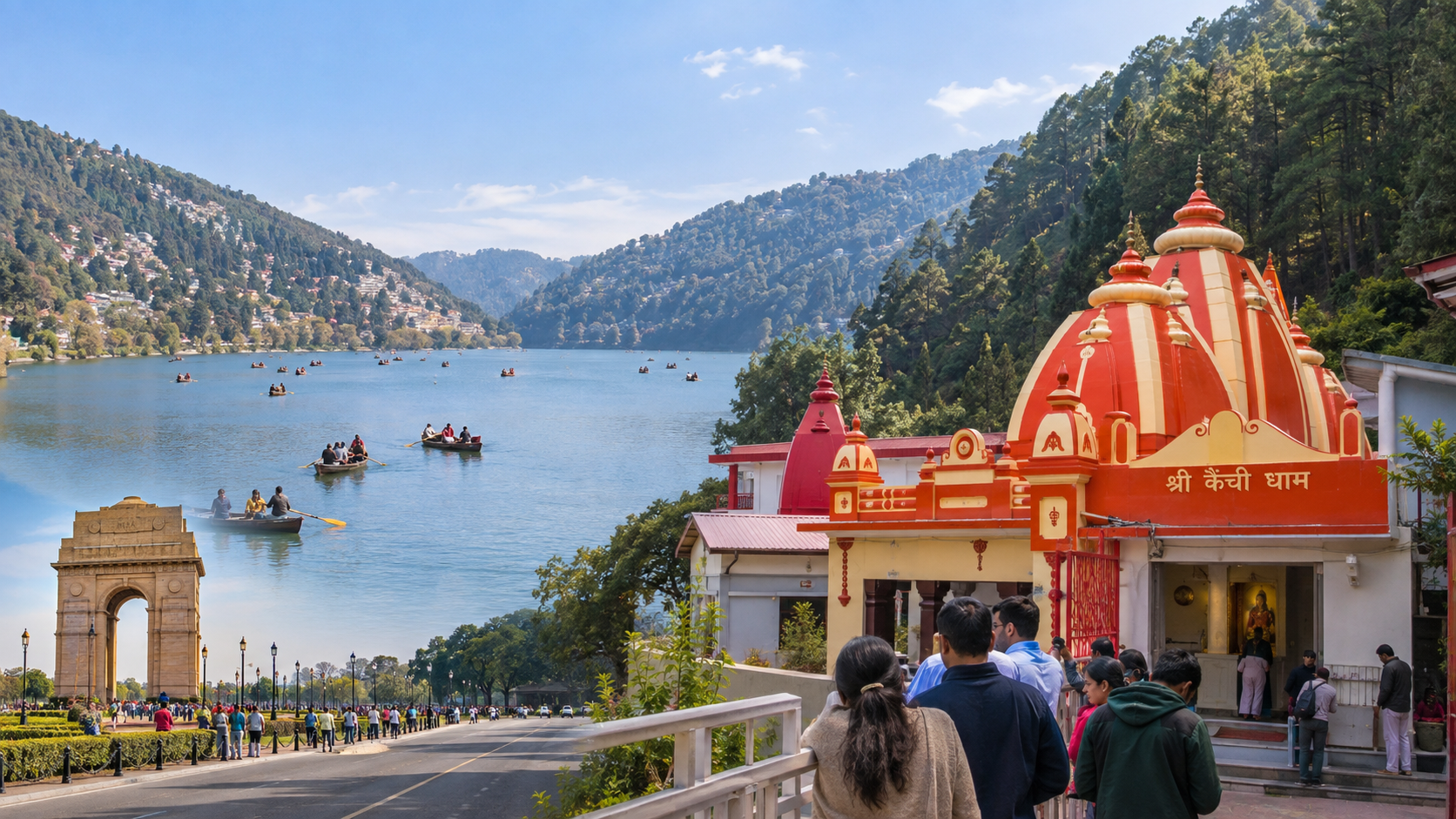
Nainital Kainchi Dham Tour from Delhi. Package details, itinerary and pricing can be completed in the CRM.
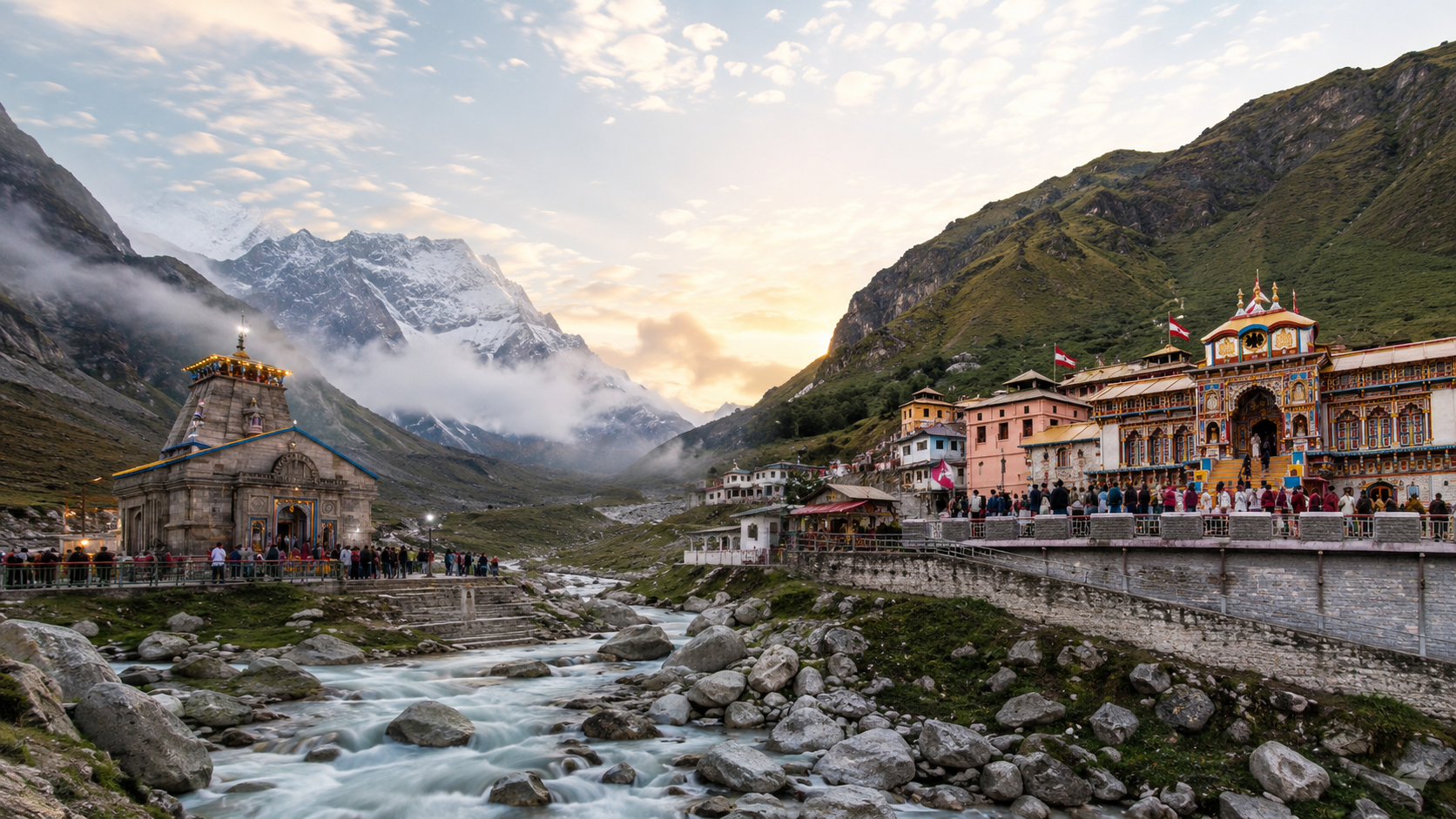
The 6 Days / 5 Nights Do Dham Yatra from Haridwar is designed for pilgrims who wish to visit the sacred Kedarnath Temple and Badrinath Temple in one focused Uttarakhand pilgrimage. Starting and ending in Haridwar, the journey combines the spiritual atmosphere of the Himalayan temples with the changing landscapes of Garhwal. Kedarnath, one of Lord Shiva’s most revered pilgrimage sites and a Jyotirlinga, requires a mountain approach and a trek from Gaurikund. Badrinath, dedicated to Lord Vishnu, is one of Uttarakhand’s four Char Dham temples. Trip to Yatra helps travellers plan this pilgrimage with practical guidance and clear enquiry support.
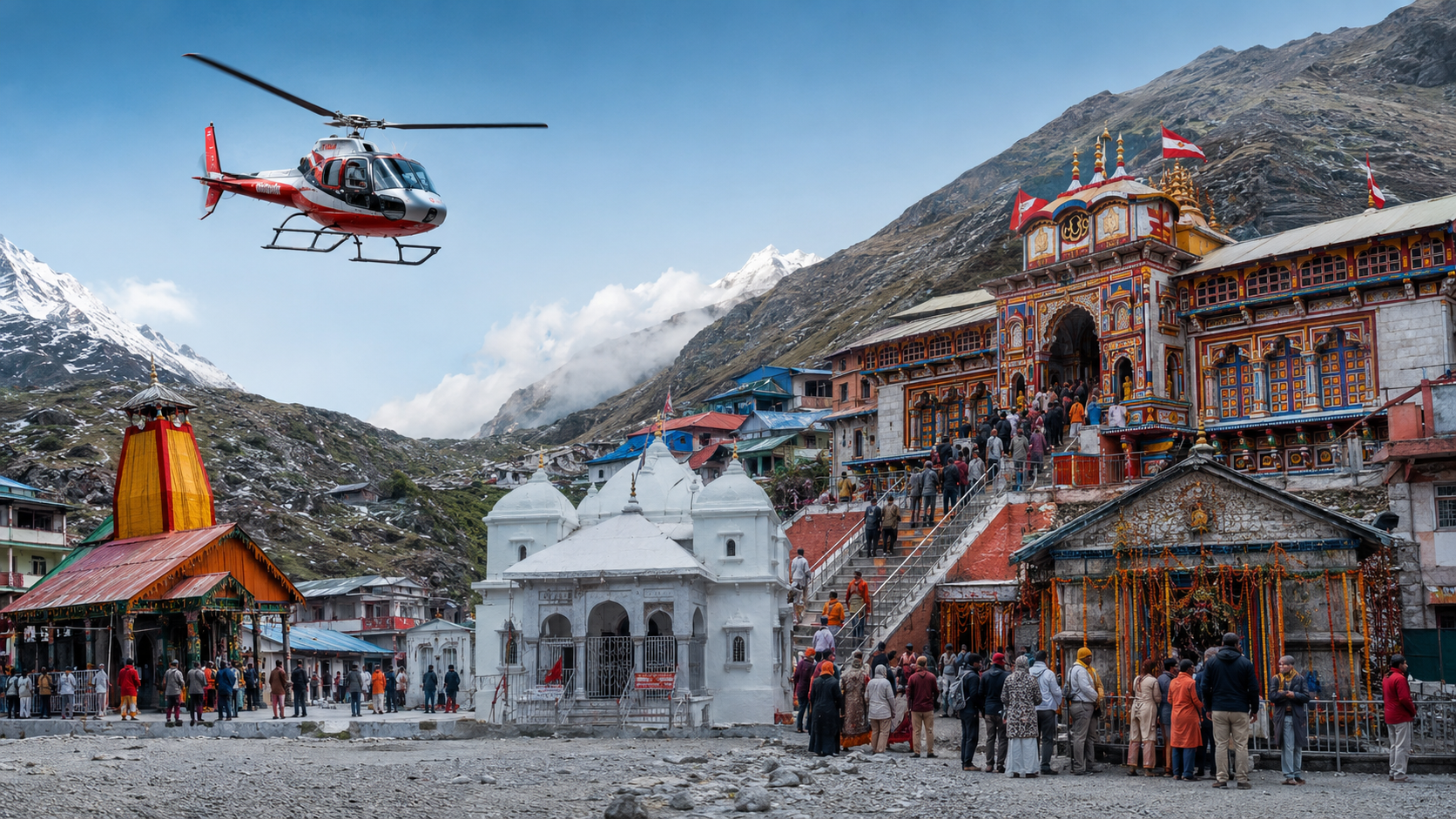
Chardham Yatra by Helicopter from Dehradun offers a more time-efficient way to undertake the sacred Uttarakhand Char Dham pilgrimage, covering Yamunotri, Gangotri, Kedarnath and Badrinath in a 5-day / 4-night package. Starting and ending in Dehradun, the journey combines helicopter travel with the necessary ground and temple-access arrangements at the Dhams. The helicopter element can significantly reduce long road journeys, but it does not mean every temple is reached directly by helicopter; Yamunotri and Kedarnath involve access arrangements beyond the helipad. Char Dham operates seasonally, and 2027 opening dates, operating conditions and applicable requirements should be confirmed before
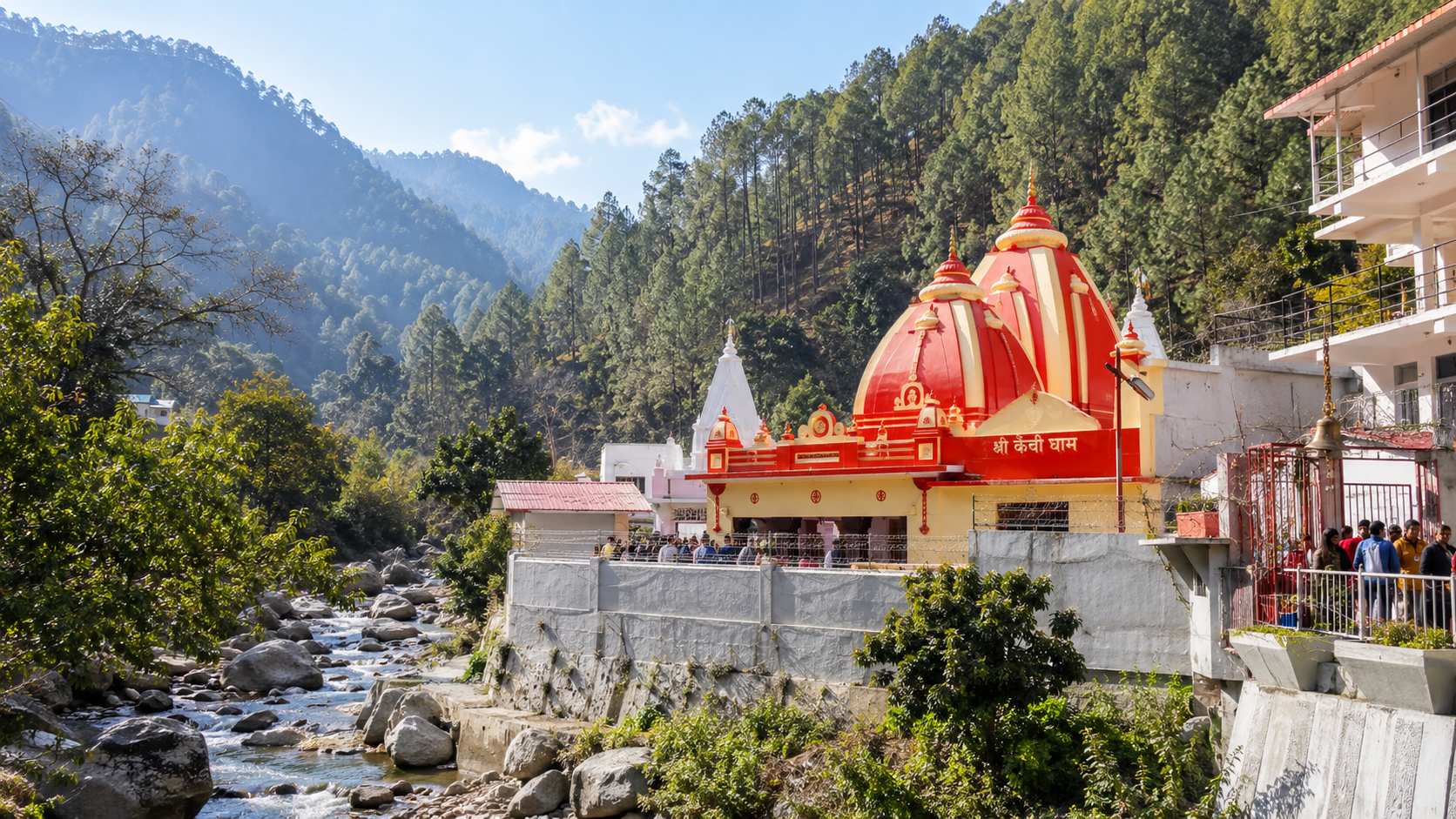
Kainchi Dham Tour from Delhi. Package details, itinerary and pricing can be completed in the CRM.
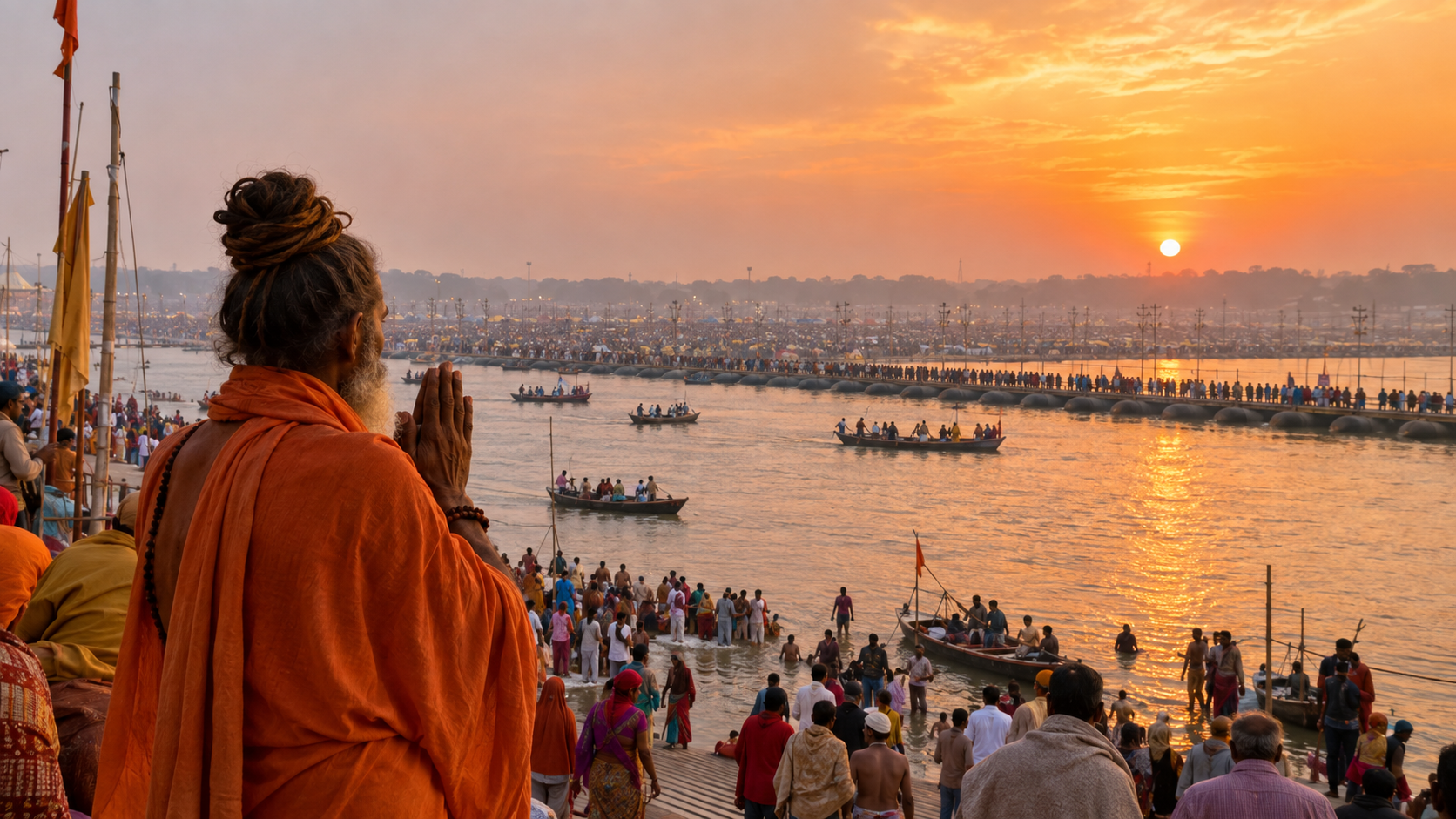
Prayagraj Kumbh Mela from Prayagraj. Package details, itinerary and pricing can be completed in the CRM.
Plan Panch Kedar Yatra from Delhi across five sacred Shiva temples in Uttarakhand. Enquire with Trip to Yatra for dates, availability and trip planning.
Share your details and get a suitable package from our travel expert.
Panch Kedar Yatra from Delhi is a demanding and deeply rewarding pilgrimage through five revered Shiva temples in the Garhwal Himalayas: Kedarnath, Tungnath, Rudranath, Madhyamaheshwar and Kalpeshwar. This 12 Days / 11 Nights pilgrimage is designed for devotees who want to experience the complete Panch Kedar circuit rather than visit only one or two shrines. The journey combines mountain roads, high-altitude walking and time for darshan at some of Uttarakhand’s most significant Shiva temples. Because several shrines involve substantial trekking and seasonal access, careful planning is essential. Trip to Yatra helps travellers plan the pilgrimage around the temple season, travel conditions an
Panch Kedar Yatra from Delhi – 12 Days / 11 Nights
For devotees seeking a more immersive Shiva pilgrimage in Uttarakhand, the Panch Kedar Yatra offers an experience that goes well beyond a conventional temple tour. The pilgrimage brings together five revered Shiva shrines spread across the Garhwal Himalayas: Kedarnath, Tungnath, Rudranath, Madhyamaheshwar and Kalpeshwar.
According to the traditional legend associated with Panch Kedar, Lord Shiva manifested in different forms at these five locations after the Pandavas sought his blessings. Uttarakhand Tourism identifies the five shrines as Kedarnath, Madhmaheshwar, Tungnath, Rudranath and Kalpnath (Kalpeshwar), with each associated with a different part of Shiva’s manifested form.
A 12 Days / 11 Nights Panch Kedar Yatra from Delhi is therefore best suited to travellers who are prepared for a combination of road travel, mountain terrain, walking and pilgrimage. It is not simply a sightseeing holiday. The terrain, altitude and seasonal accessibility of the temples make physical preparation and sensible scheduling important.
Panch Kedar refers to five sacred Shiva temples located in the Garhwal region of Uttarakhand. Together, they form one of the state’s important Shaiva pilgrimage circuits.
The five temples are:
| Panch Kedar Temple | Traditional association with Shiva | Location |
|---|---|---|
| Kedarnath Temple | Shiva’s hump | Rudraprayag district |
| Tungnath Temple | Shiva’s arms | Rudraprayag district |
| Rudranath Temple | Shiva’s face | Chamoli region |
| Madhyamaheshwar Temple | Shiva’s middle or navel region | Rudraprayag district |
| Kalpeshwar Temple | Shiva’s matted hair | Chamoli region |
These associations come from the traditional Panch Kedar legend and are also described by Uttarakhand Tourism.
Unlike a typical pilgrimage where most major shrines can be reached close to a motorable point, Panch Kedar involves several substantial walks and mountain approaches. That makes the pilgrimage particularly meaningful for travellers who want to combine devotion with the experience of the Himalayan landscape.
Delhi is a practical starting point for a road-based Uttarakhand pilgrimage, particularly for travellers coming from Delhi NCR and nearby parts of North India. Beginning and ending the journey in Delhi also makes the package convenient for pilgrims who prefer a planned round trip rather than arranging separate transportation for different sections of the pilgrimage.
The bigger advantage is that the journey is planned around five different Shiva temples instead of focusing only on Kedarnath.
For a pilgrim, this means experiencing:
• Kedarnath, one of India’s most revered Shiva pilgrimage destinations and one of the 12 Jyotirlingas
• Tungnath, one of the highest Shiva temples in the world
• Rudranath, a remote natural-rock temple surrounded by Himalayan landscapes
• Madhyamaheshwar, a high-altitude shrine set against views of major Himalayan peaks
• Kalpeshwar, the fifth Panch Kedar and the only shrine in the group described by Uttarakhand Tourism as remaining open throughout the year
This combination makes the Panch Kedar pilgrimage considerably more demanding than a conventional Kedarnath tour, but also gives it a distinct spiritual and trekking character.
Kedarnath is the most widely recognised temple among the five Panch Kedar shrines. Situated in the high Himalayas of Rudraprayag district, the temple is dedicated to Lord Shiva and is also part of the Char Dham pilgrimage circuit and the 12 Jyotirlingas traditionally associated with Shiva. Uttarakhand Tourism places the temple at roughly 3,580–3,584 metres above sea level.
The traditional Panch Kedar story associates Kedarnath with the hump of Lord Shiva. The temple’s remote Himalayan setting, stone architecture and surrounding peaks make the pilgrimage distinctly different from visiting a Shiva temple in the plains.
Pilgrims should also understand that Kedarnath is a high-altitude destination. The approach from Gaurikund involves a long uphill trek, and weather conditions can affect access. Uttarakhand Tourism describes the trek from Gaurikund to Kedarnath as approximately 19 km.
Tungnath is another important part of the Panch Kedar circuit and is located in the Rudraprayag district. Uttarakhand Tourism describes it as one of the highest Shiva temples in the world, at approximately 3,680 metres.
The traditional legend identifies Tungnath with the arms of Lord Shiva. The temple is approached from Chopta by a mountain trail of roughly 4 km according to Uttarakhand Tourism’s Panch Kedar information.
The walk to Tungnath is an important part of the experience. Travellers should not treat it as an ordinary sightseeing stop, particularly when weather conditions are cold or the trail is affected by snow.
The surrounding Himalayan scenery is another attraction, with views towards peaks including Nanda Devi, Chaukhamba and Neelkanth described by Uttarakhand Tourism.
Rudranath is perhaps the most physically demanding shrine for many Panch Kedar pilgrims because of its remote mountain setting and trekking approaches.
The temple is traditionally associated with the face of Lord Shiva. Uttarakhand Tourism describes Rudranath as a natural rock temple situated amid alpine meadows and rhododendron forests, with sacred water bodies including Surya Kund, Chandra Kund, Tara Kund and Mana Kund in the surrounding area.
There is more than one approach to Rudranath, and trekking distances vary according to the route selected. Uttarakhand Tourism lists approaches from areas including Sagar, Gangolgaon and the Mandal side. Its Gopeshwar destination information also describes the Rudranath trek as one of the most challenging in the Panch Kedar circuit.
For this reason, Rudranath deserves particular attention when assessing fitness, walking ability and the amount of time required for a Panch Kedar pilgrimage.
Madhyamaheshwar, also written as Madhmaheshwar by Uttarakhand Tourism, is another high-altitude Panch Kedar shrine in Rudraprayag district.
According to the traditional belief, the middle or navel portion of Lord Shiva appeared here. The temple is surrounded by Himalayan scenery, including views towards Chaukhamba, Neelkanth and Kedarnath peaks.
The approach to Madhyamaheshwar involves a substantial trek. Uttarakhand Tourism describes the approach from the Uniana side and notes accommodation points along the trekking route. Its destination information also describes the overall walk as a demanding trek.
This is an important distinction for anyone searching for a Panch Kedar Yatra package. The pilgrimage requires considerably more physical effort than a package based primarily around road-accessible temples.
Kalpeshwar is traditionally associated with the matted hair or locks of Lord Shiva and is regarded as the fifth Panch Kedar shrine.
The temple is located in the Urgam Valley area of Chamoli district. Uttarakhand Tourism describes Kalpeshwar as the only one of the five Panch Kedar temples that remains open throughout the year. The approach involves road travel towards the Urgam area followed by a relatively short walk to the temple.
Kalpeshwar therefore has an important distinction within the Panch Kedar circuit. However, the fact that the shrine is open throughout the year does not mean that every approach or every Panch Kedar temple is accessible in every season. Road conditions, snowfall, rain and local weather can affect mountain travel.
Seasonality is one of the most important considerations when planning Panch Kedar Yatra from Delhi.
The five temples do not have identical access conditions. Kedarnath, Tungnath, Rudranath and Madhyamaheshwar are high-altitude pilgrimage destinations where winter weather and snowfall can significantly affect access. Uttarakhand Tourism notes that high Himalayan shrines generally remain closed during the winter period, while Kalpeshwar is the exception within Panch Kedar and is described as open throughout the year.
For a complete Panch Kedar pilgrimage, travellers should therefore plan around the period when the required temples and their trekking approaches are accessible.
Rather than relying on a fixed annual opening or closing date, pilgrims should check the latest official information before departure because temple opening dates, road conditions, weather and local arrangements can change.
The monsoon period also deserves caution. Heavy rainfall can affect mountain roads and trekking trails, while landslides or temporary road restrictions may disrupt travel. A flexible approach to the travel schedule is particularly useful for a pilgrimage involving several remote Himalayan locations.
Pilgrims travelling to Uttarakhand should check the latest government requirements before starting the journey.
The official Uttarakhand Tourist Care portal states that registration is required for Char Dham and Hemkund Sahib Yatra and provides an online registration and verification system. Its current guidance also advises pilgrims to keep their registration certificate, carry valid identification and follow local safety instructions.
Because government procedures and destination-specific requirements can change, travellers should verify the latest applicable rules before departure rather than relying on information from an old travel page.
A Panch Kedar pilgrimage also requires sensible preparation for mountain conditions.
Travellers should consider:
• Comfortable and properly broken-in trekking footwear
• Warm layers suitable for changing Himalayan weather
• Rain protection during periods when rainfall is possible
• Personal medicines and essential medical supplies
• Valid identification documents
• Adequate water and personal hydration requirements
• Basic physical preparation before undertaking the longer walks
• A willingness to adjust plans if weather or road conditions change
The official Tourist Care portal also advises pilgrims to carry warm clothing and prescribed medicines and to avoid drink-driving and littering during the pilgrimage.
Panch Kedar Yatra is best suited to travellers who genuinely want to visit all five sacred Shiva shrines and are comfortable with a physically active pilgrimage.
It can be a good choice for:
• Shiva devotees looking for a complete Panch Kedar pilgrimage
• Experienced trekkers interested in combining trekking with temple visits
• Families or groups with members who are physically prepared for mountain walking
• Pilgrims from Delhi NCR who prefer a planned Delhi-to-Delhi journey
• Travellers looking for a quieter and more immersive Himalayan pilgrimage beyond the usual temple circuits
It may not be suitable for travellers looking for a relaxed sightseeing holiday with minimal walking. The longer treks, high altitude and changing mountain conditions need to be taken seriously.
Older travellers or anyone with concerns about their ability to manage high-altitude walking should seek appropriate medical advice before undertaking a demanding Himalayan pilgrimage.
One of the defining features of Panch Kedar Yatra is the way spirituality and landscape come together.
Kedarnath offers the atmosphere of a major Himalayan pilgrimage centre. Tungnath combines temple worship with a high mountain trail. Rudranath takes pilgrims deeper into remote Himalayan terrain. Madhyamaheshwar is set amid striking mountain scenery, while Kalpeshwar provides a more secluded setting in the Urgam Valley.
The result is not a single-style pilgrimage. Each shrine has its own character, access conditions and landscape.
That variety is precisely what makes a Panch Kedar Yatra from Delhi appealing to serious pilgrims. It gives travellers an opportunity to experience the five traditional centres of the Panch Kedar tradition while travelling through some of Uttarakhand’s most dramatic mountain regions.
A complete Panch Kedar pilgrimage requires more planning than a standard Uttarakhand temple tour. The right travel window, realistic walking expectations, mountain-road conditions and temple accessibility all need to be considered before confirming the journey.
Trip to Yatra helps pilgrims plan a 12 Days / 11 Nights Panch Kedar Yatra from Delhi with attention to the practical realities of travelling through the Garhwal Himalayas. The focus is on creating a pilgrimage plan that is comfortable, realistic and aligned with the current season and travel conditions rather than promising an experience that mountain conditions cannot guarantee.
Whether you are travelling with family, a group of devotees or as an individual pilgrim, the journey should begin with clear information about the physical demands and seasonal nature of Panch Kedar.
Ready to plan your Panch Kedar Yatra from Delhi? Enquire with Trip to Yatra for current travel dates, availability and personalised pilgrimage planning.
A quick overview of the experiences, important stops and thoughtful planning included in this yatra.
Complete pilgrimage covering all five Panch Kedar temples
Delhi-to-Delhi travel format for convenient departure and return
Kedarnath Temple, the best-known shrine in the Panch Kedar circuit
Tungnath Temple, approached by a high-altitude mountain trail from Chopta
Remote Rudranath Temple amid Himalayan forests and alpine meadow landscapes
Madhyamaheshwar Temple in the Garhwal Himalayas
Kalpeshwar Temple, the fifth Panch Kedar shrine and the only one officially described by Uttarakhand Tourism as remaining open throughout the year
Combination of road transfers and Himalayan trekking
Suitable for devotees looking for a complete Panch Kedar pilgrimage rather than a single-temple visit
Strong focus on pilgrimage, mountain walking and traditional Himalayan temple access
Route planned around practical access corridors through Guptkashi, Ukhimath, Chopta, Gopeshwar, Sagar and Helang
Follow the journey step by step through the important halts, stays and darshan points.
Depart Delhi and travel towards Rishikesh. Use the day primarily as the plains-to-Himalaya transfer day. Keep the evening for rest and preparation for the mountain journey.
Continue by road towards the Mandakini valley through the Garhwal mountain corridor. Reach Guptkashi and rest before the Kedarnath trek.
Transfer by road towards Gaurikund, the Kedarnath trek roadhead. Begin the uphill trek to Kedarnath and complete darshan subject to temple access and prevailing arrangements.
Complete the descent towards Gaurikund. Continue by road towards the Ukhimath area for the next Panch Kedar section. The day is deliberately kept focused on descent and transfer rather than additional sightseeing.
Drive towards Uniana and begin the Madhyamaheshwar trek. Proceed as far as practical according to the trek team's assessment, using the established trail accommodation points where available.
Continue the trek to Madhyamaheshwar, complete temple darshan subject to access, and begin the return trek as conditions and daylight permit.
Complete the return section of the Madhyamaheshwar trek, transfer by road towards Chopta and, if the group reaches the trailhead with adequate daylight and conditions, undertake the Tungnath walk. Otherwise, Tungnath darshan should be carried out at the earliest safe opportunity within the itinerary.
Complete Tungnath darshan if not already completed, return to Chopta and transfer by road towards Gopeshwar/Sagar. Prepare for the longer Rudranath trek.
Begin the Rudranath trek from the Sagar side. The route passes through forest and alpine meadow terrain. The day is devoted to gaining the trail section towards Panar.
Continue towards Rudranath, complete darshan subject to temple accessibility and weather, and begin the descent as permitted by daylight, weather and trail conditions.
Complete the safe descent/exit from the Rudranath trail, transfer towards Helang and Urgam, then undertake the short approach to Kalpeshwar for the fifth Kedar darshan. Continue towards the lower-altitude road corridor after darshan if daylight and road conditions permit.
Continue the road journey back towards Delhi. The exact departure point may vary according to the previous day's road progress and local conditions.
Review what is included in your plan and the important information required before confirming your journey.
• Accommodation for the 11 nights according to the confirmed itinerary, using suitable hotels, guesthouses, camps or trail accommodation according to availability at each location.
• Road transportation for the scheduled Delhi-to-Delhi journey and internal transfers mentioned in the confirmed itinerary.
• Driver and vehicle support for the road sections included in the package.
• Assistance with planned transfers between roadheads and trekking bases.
• Accommodation and basic logistical support at remote trekking sectors where such facilities are available and included in the confirmed booking.
• Meals specifically stated in the confirmed booking.
• Assistance with the planned pilgrimage schedule and temple visits.
• Basic trip coordination during the road and trekking portions of the journey.
• Standard vehicle-related operating costs for the included road transportation, as specified in the final booking confirmation.
• Support for coordinating applicable pilgrimage registration requirements where this service is expressly included in the booking.
• Train or flight tickets to and from Delhi unless expressly included in the confirmed booking.
• Personal expenses such as shopping, laundry, telephone calls, room service and other individual purchases.
• Pony, mule, palki, doli or porter services unless specifically included in the written booking confirmation.
• Helicopter services for Kedarnath unless specifically booked and confirmed as part of the package.
• Any helicopter ticket, priority service, special puja or paid darshan arrangement not expressly included.
• Meals and beverages outside the package's written meal plan.
• Additional accommodation caused by an early arrival, late departure, missed transfer or weather-related extension.
• Costs resulting from road closures, landslides, snowfall, extreme weather, government restrictions or other circumstances outside the planned operation.
• Personal trekking equipment and specialist gear.
• Medical expenses, emergency evacuation, hospitalisation or insurance claims.
• Any new government, local authority, shrine, transport or other mandatory charge introduced after the package has been confirmed.
• Expenses arising from voluntarily leaving, shortening or extending the scheduled journey.
• Any service not specifically mentioned in the written inclusion section.
Important answers to help you prepare for this journey.
The package variant covered here is 12 Days / 11 Nights. It is a fast-paced format covering all five Panch Kedar temples and requires substantial trekking.
The journey covers Kedarnath, Madhyamaheshwar, Tungnath, Rudranath and Kalpeshwar. These are the five shrines identified by Uttarakhand Tourism as Panch Kedar.
This package starts from Delhi and is planned as a Delhi-to-Delhi journey.
The package ends in Delhi, completing the planned Delhi-to-Delhi circuit.
It is a combination of road travel and trekking. Vehicles can reach the relevant roadheads, but Kedarnath, Tungnath, Madhyamaheshwar and Rudranath require substantial walking. Kalpeshwar also has a short approach walk from the road-access side.
It is a strenuous pilgrimage. Rudranath is particularly demanding, and the overall 12-day version involves several consecutive trekking days. Uttarakhand Tourism describes the Rudranath trek as one of the most challenging in the Panch Kedar circuit.
Accommodation is planned according to availability at each location and can include hotels, guesthouses, camps or basic trail accommodation. Remote trekking sections should not be expected to offer the same facilities as city hotels.
Meals are included only according to the meal plan stated in the confirmed booking. Food on remote trekking sections may be simple because of limited local facilities.
For Kedarnath/Char Dham-related registration requirements, pilgrims should use the current official Tourist Care Uttarakhand system. The official portal currently states that registration is compulsory for the Char Dham and Hemkund Sahib Yatra, while BKTC directs Kedarnath pilgrims to the same registration portal.
No general Panch Kedar-wide trekking permit requirement was identified in the official sources reviewed. However, local authorities, shrine administrations or route managers may impose destination-specific requirements or restrictions when conditions require them.