Journey Start
KathmanduStart
Email Anytime
contact@triptoyatra.in
Call Anytime
Email Anytime
Call Anytime
46 packages available
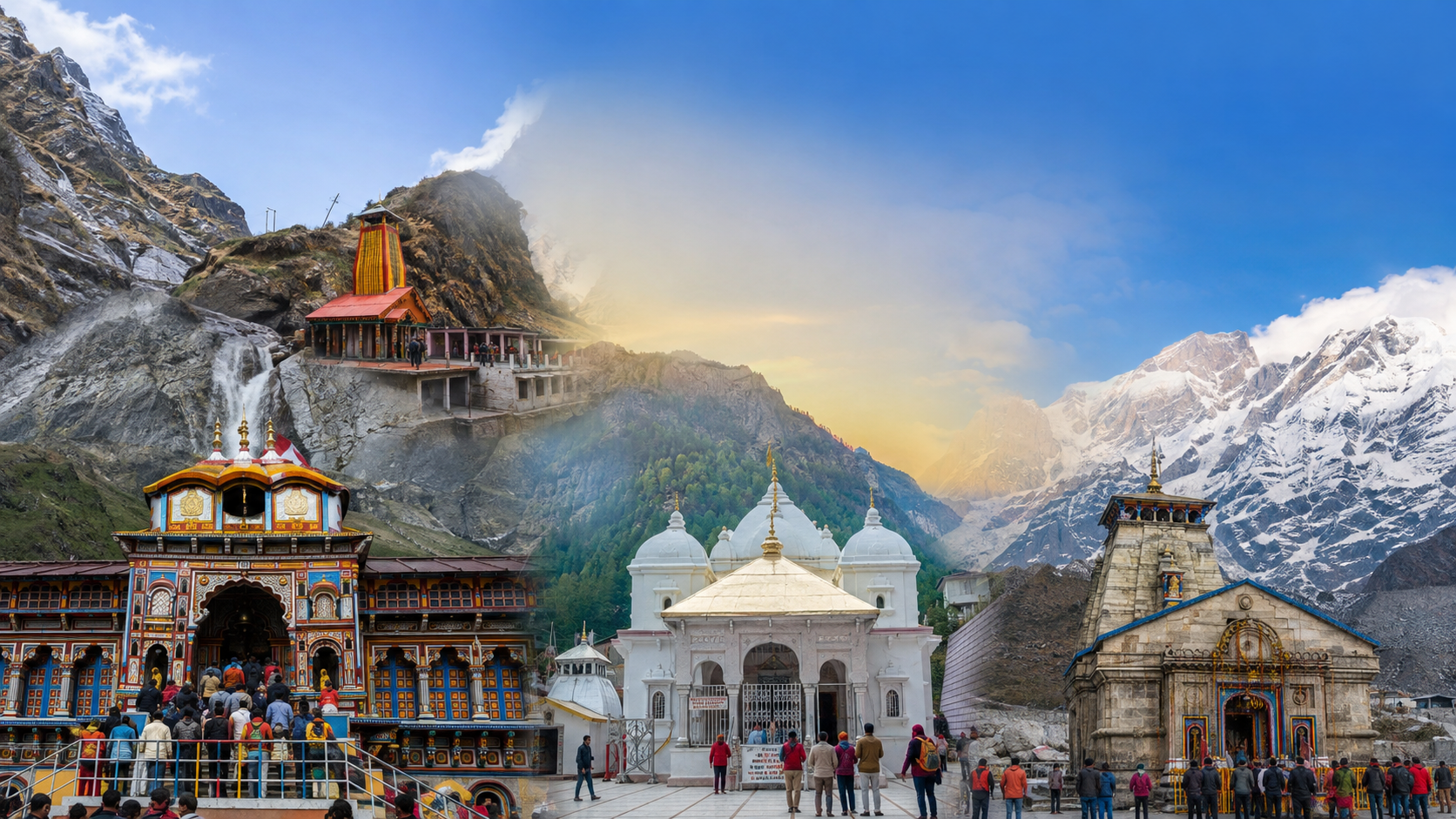
Plan a meaningful pilgrimage to Uttarakhand’s four sacred Himalayan shrines with this 12 Days / 11 Nights Chardham Yatra package from Delhi. The Delhi-to-Delhi journey brings together Yamunotri, Gangotri, Kedarnath and Badrinath, with time in important gateway destinations such as Haridwar and Rishikesh. Designed for travellers who want a structured Char Dham pilgrimage without having to coordinate every travel detail themselves, the package combines spiritual visits with the distinctive mountain landscapes of Uttarakhand. As the shrines are seasonal and high-altitude destinations, travel dates, registration requirements and access conditions should be checked before booking. Enquire with Tr
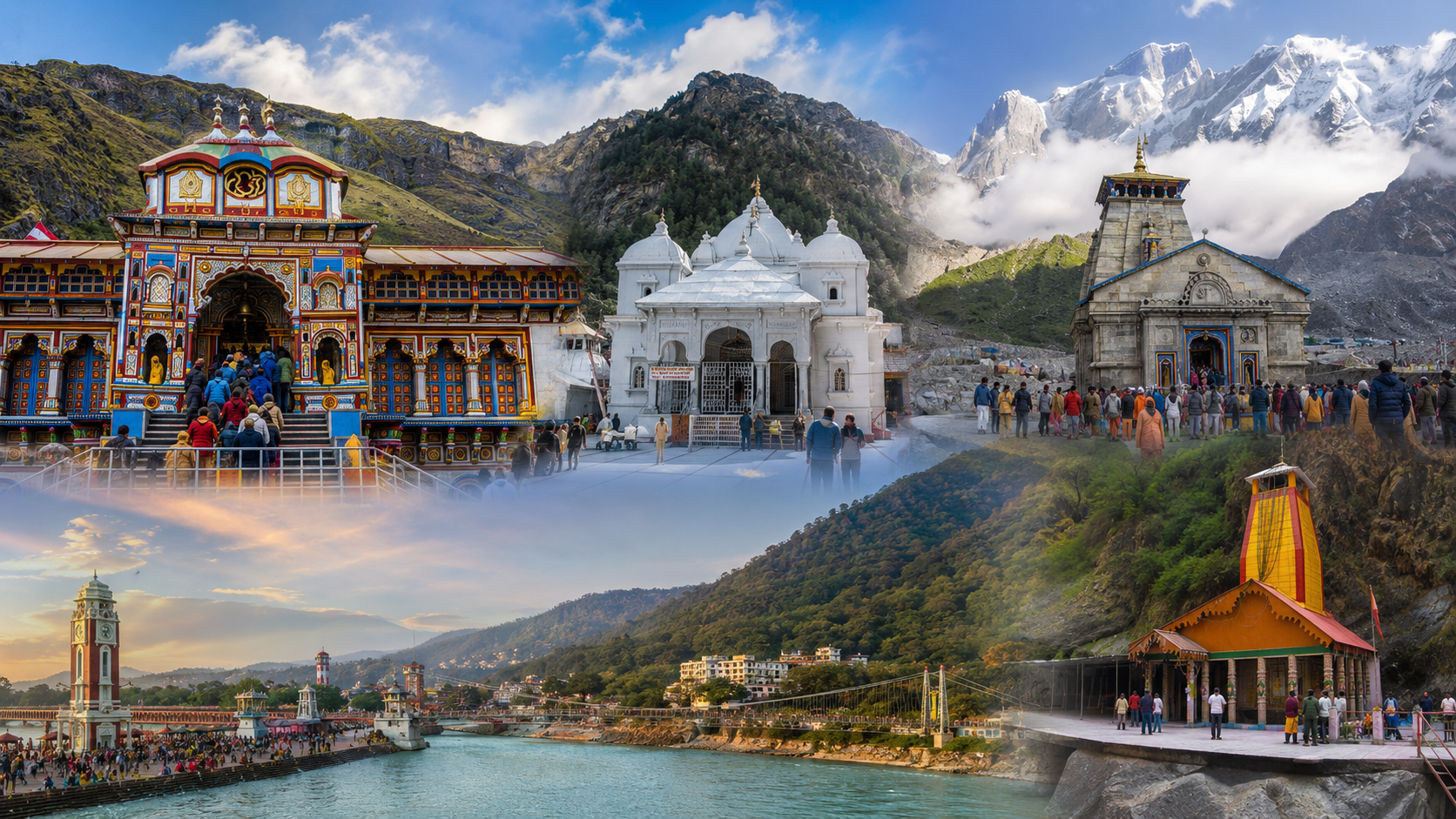
Plan your sacred Himalayan journey with our Chardham Yatra package from Haridwar, designed for travellers wishing to visit Yamunotri, Gangotri, Kedarnath and Badrinath in one organised pilgrimage. This 10 Days / 9 Nights journey starts and concludes in Haridwar and follows the traditional Char Dham sequence through Uttarakhand. Along with the four principal shrines, the journey brings you through the spiritual landscape of the Garhwal Himalayas, with Rishikesh associated with the overall travel region. As mountain conditions, temple opening dates, registrations and access arrangements can change, final 2027 operational details should be verified before departure.
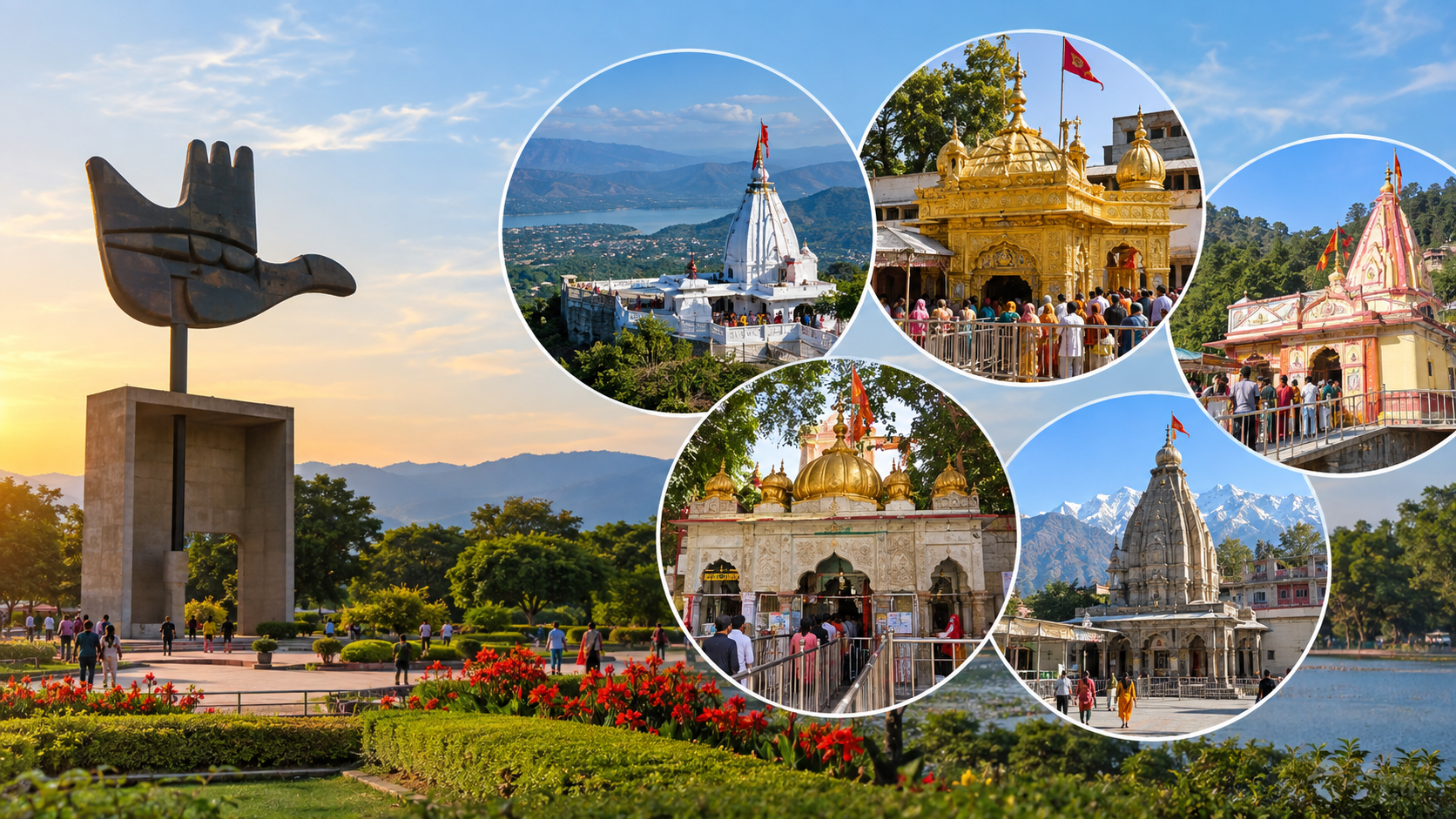
Himachal 5 Devi Darshan from Chandigarh. Package details, itinerary and pricing can be completed in the CRM.
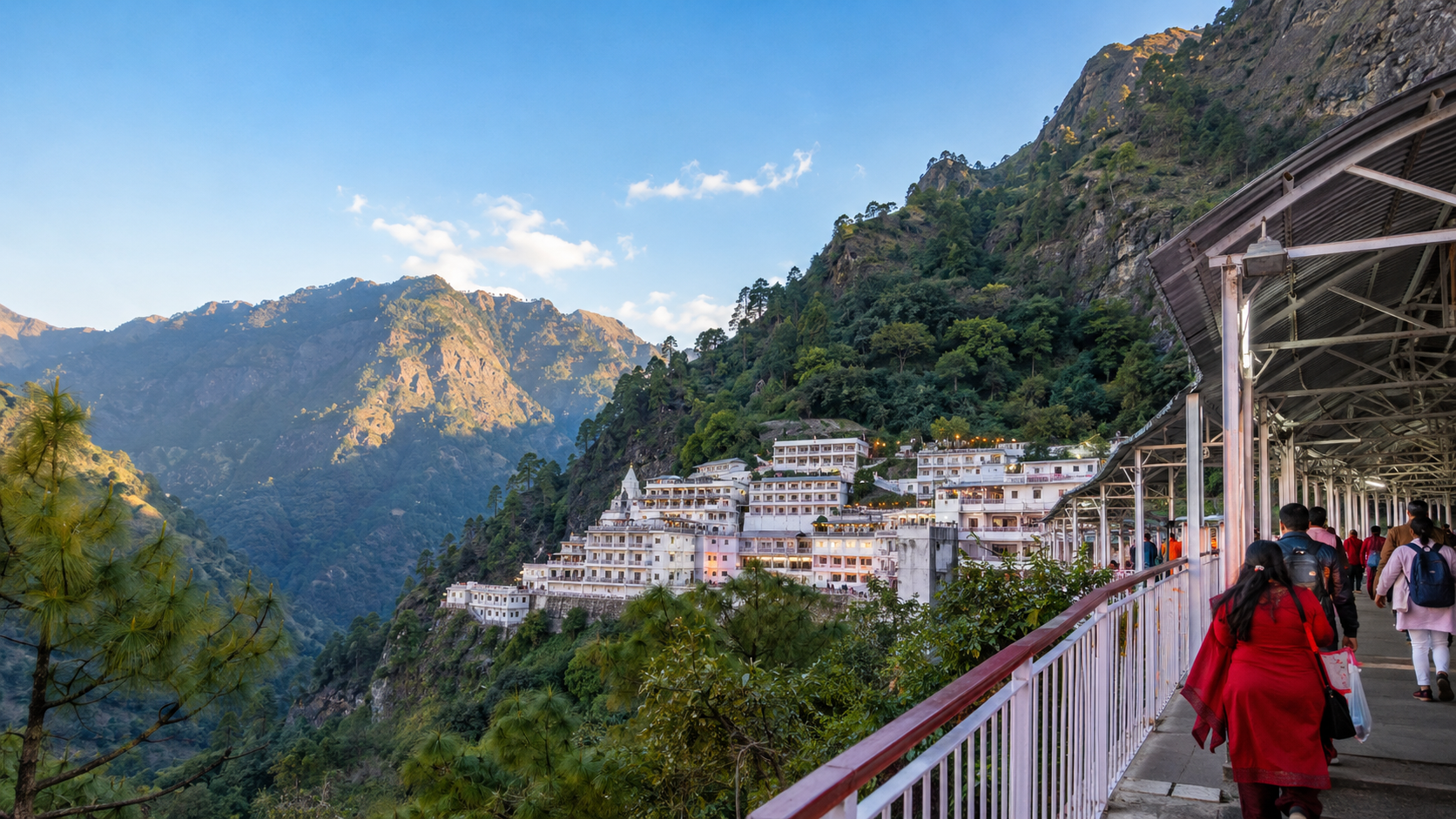
Vaishno Devi Yatra from Katra. Package details, itinerary and pricing can be completed in the CRM.
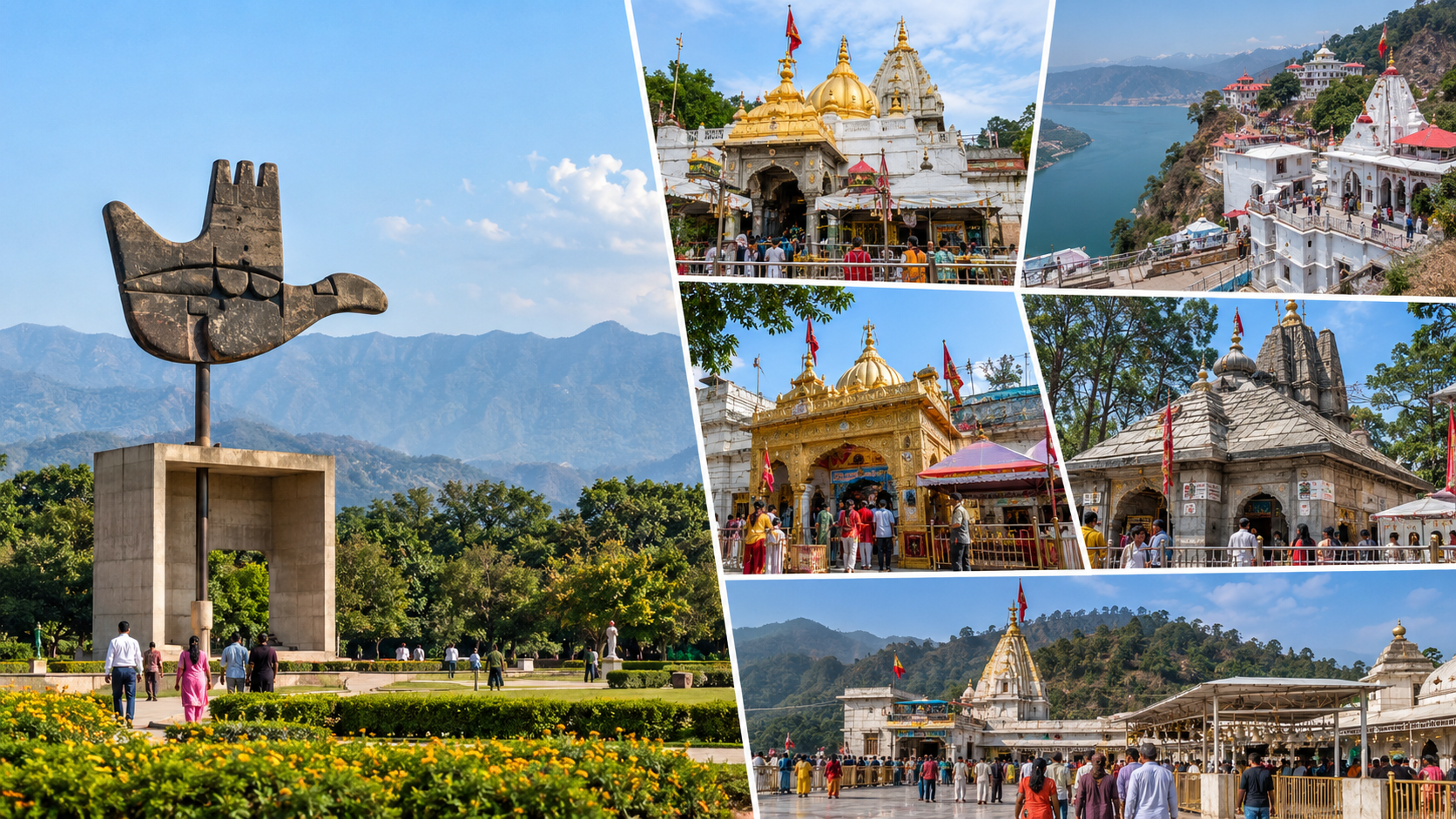
9 Devi Yatra from Chandigarh. Package details, itinerary and pricing can be completed in the CRM.
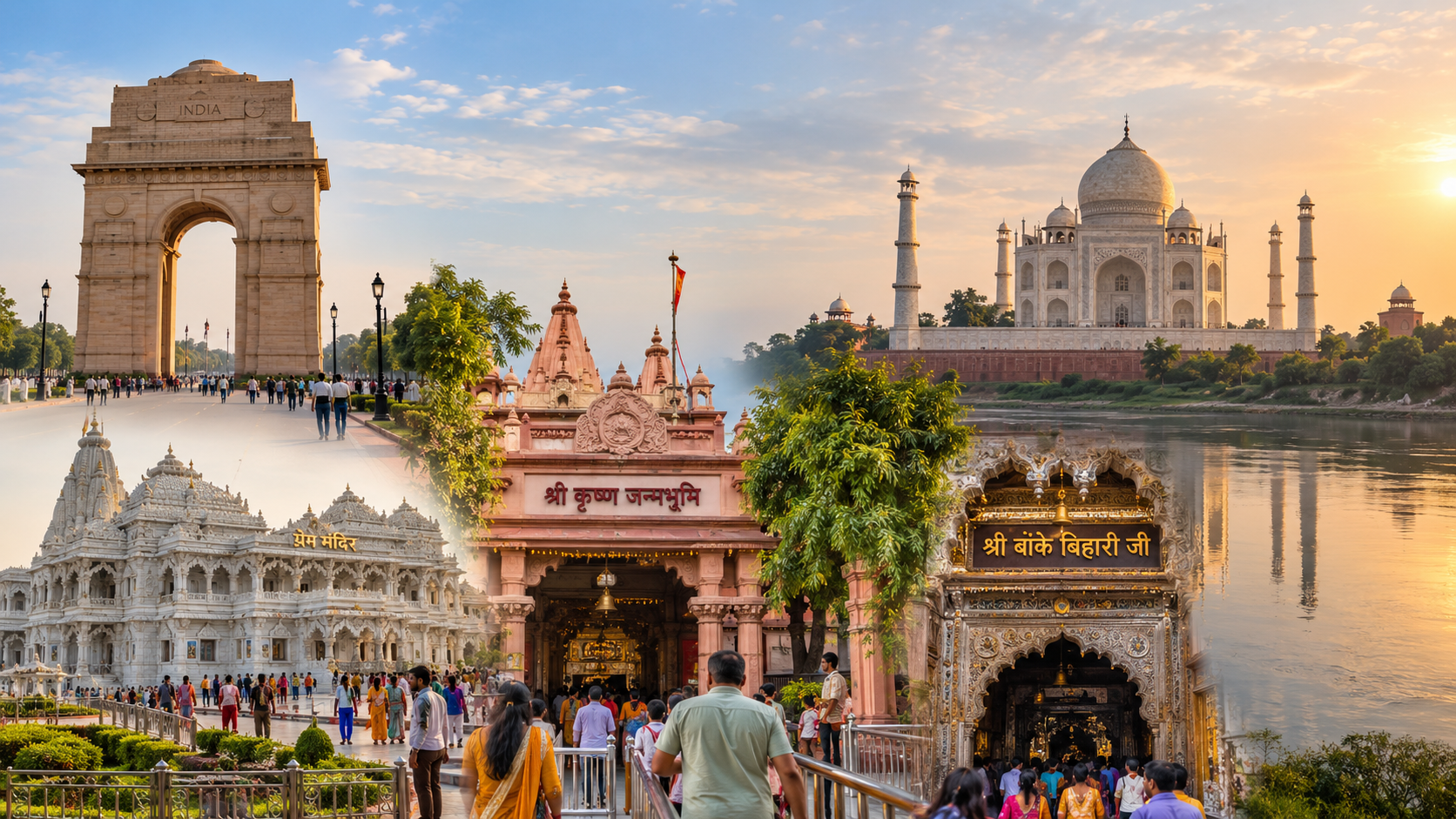
Agra Mathura Vrindavan Tour from Delhi. Package details, itinerary and pricing can be completed in the CRM.
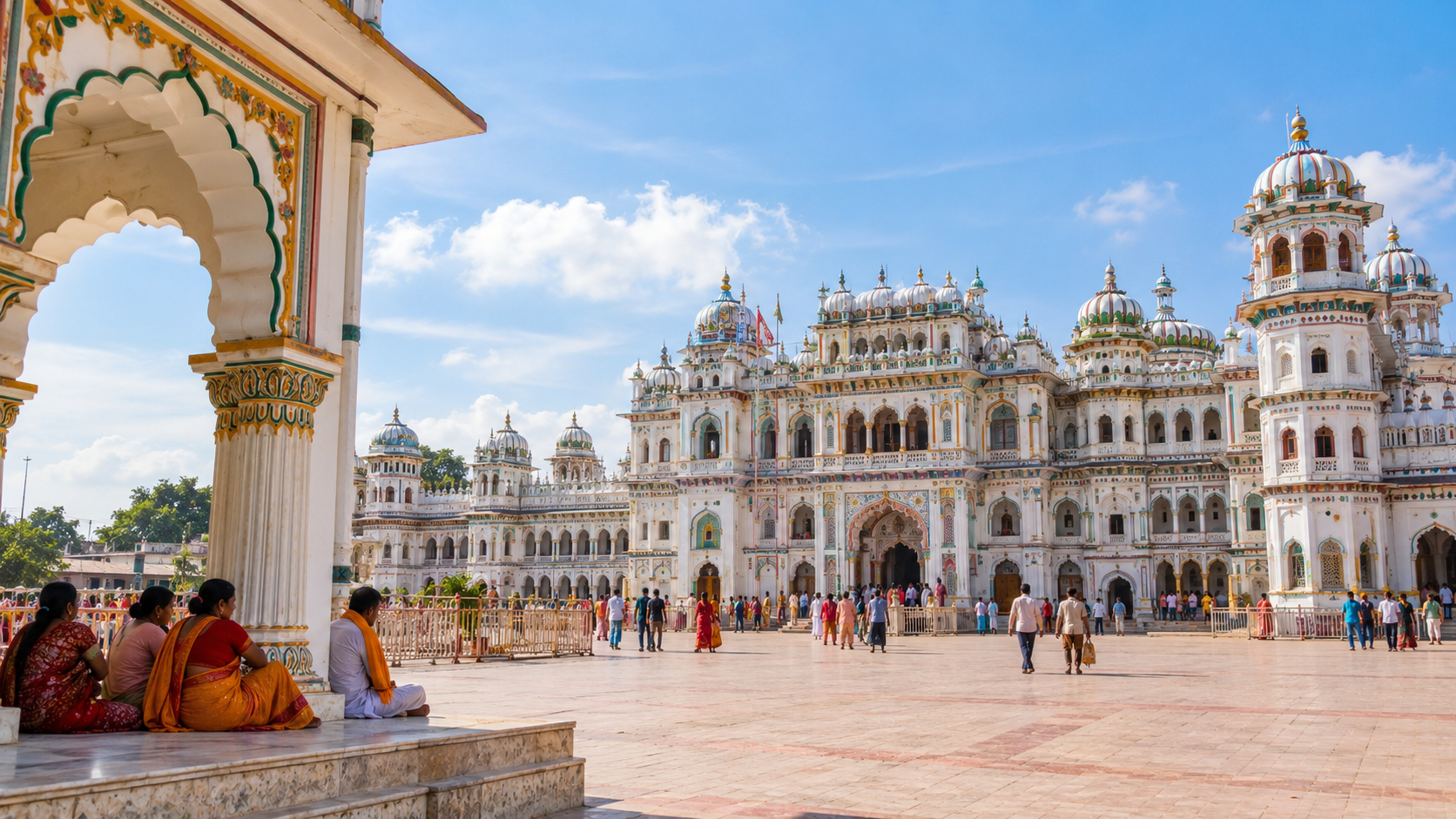
Sitamarhi Janakpur Tour from Darbhanga. Package details, itinerary and pricing can be completed in the CRM.
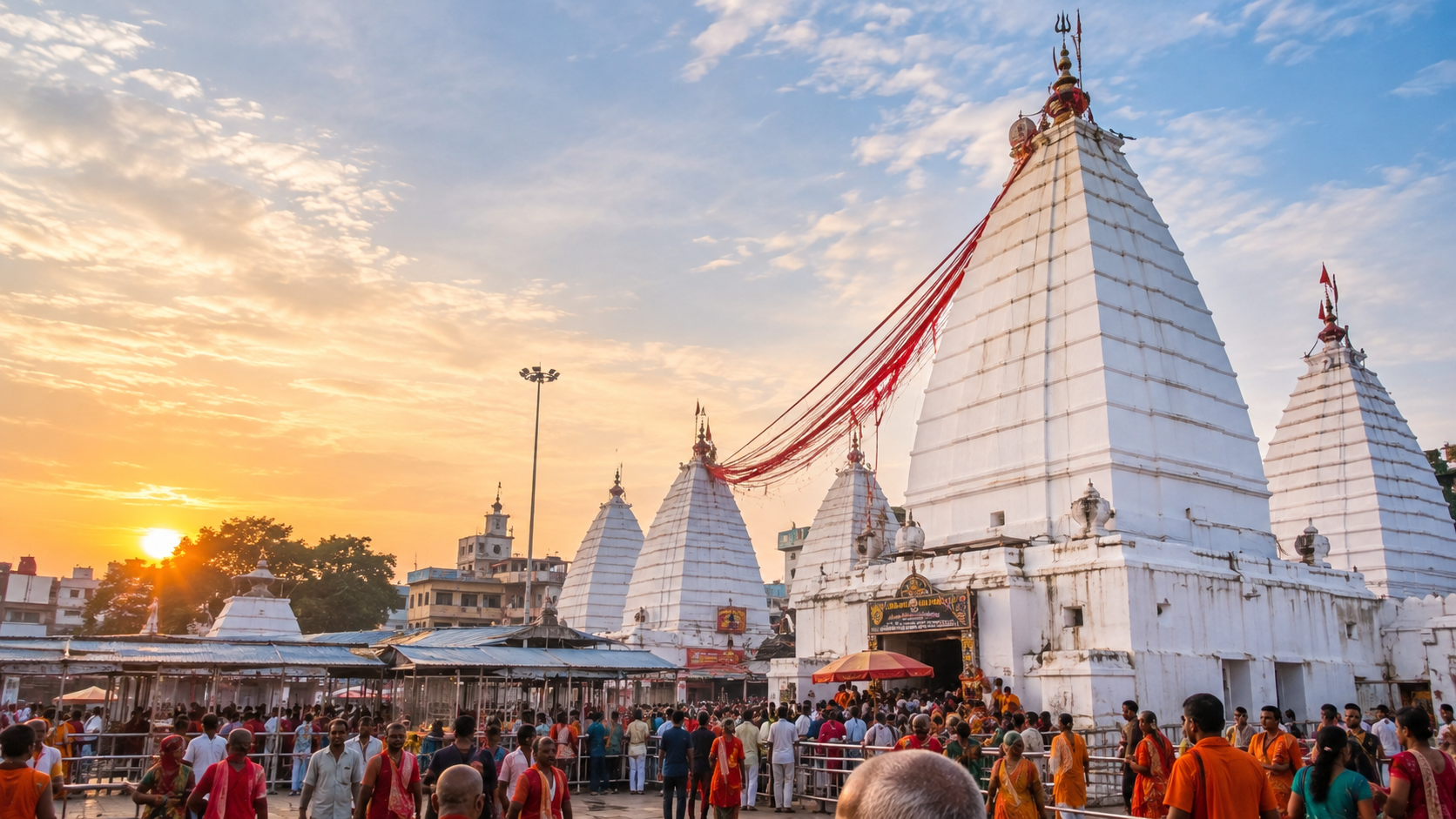
Deoghar Basukinath Tour from Deoghar. Package details, itinerary and pricing can be completed in the CRM.
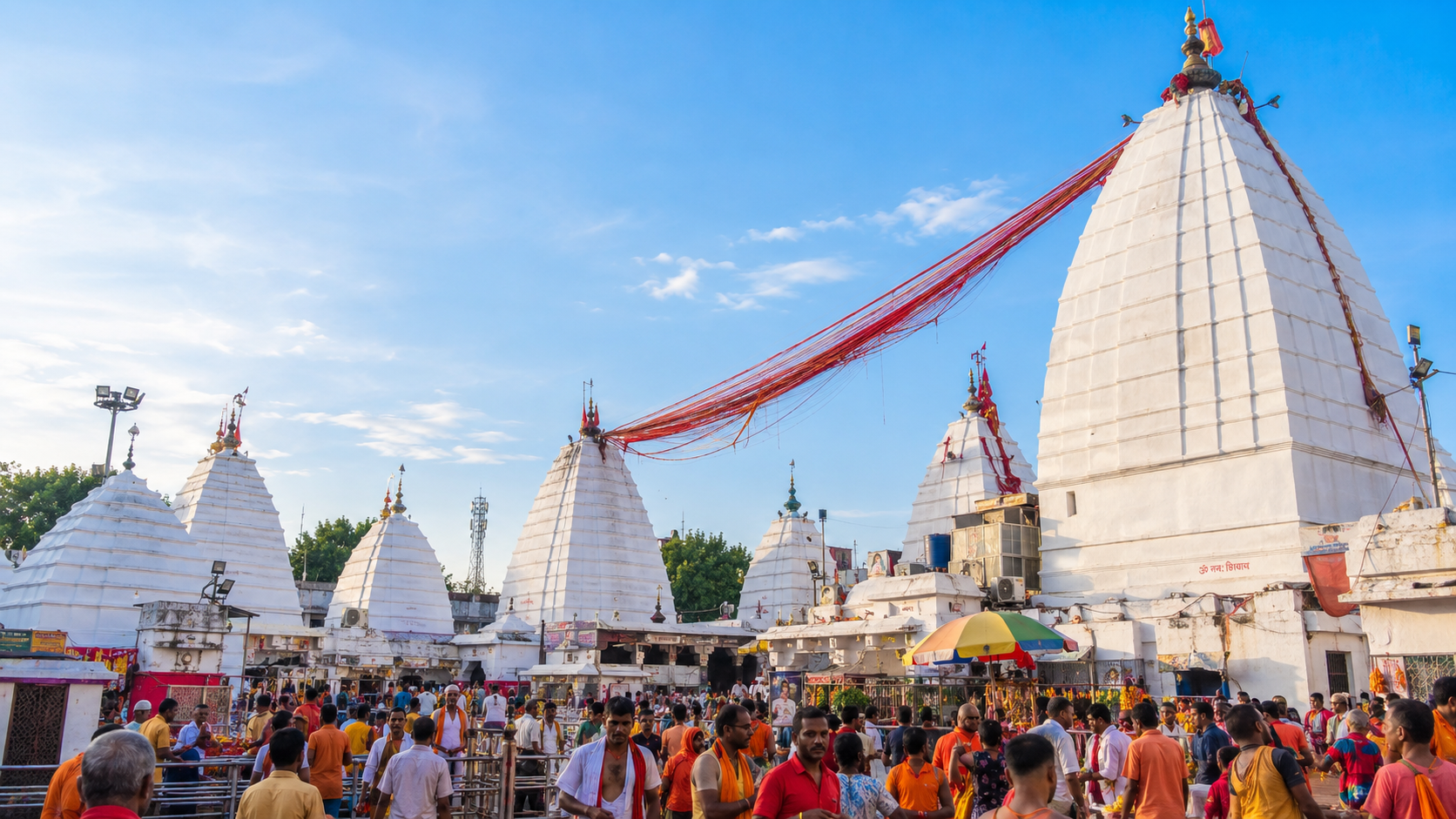
Deoghar Baba Dham Tour from Deoghar. Package details, itinerary and pricing can be completed in the CRM.
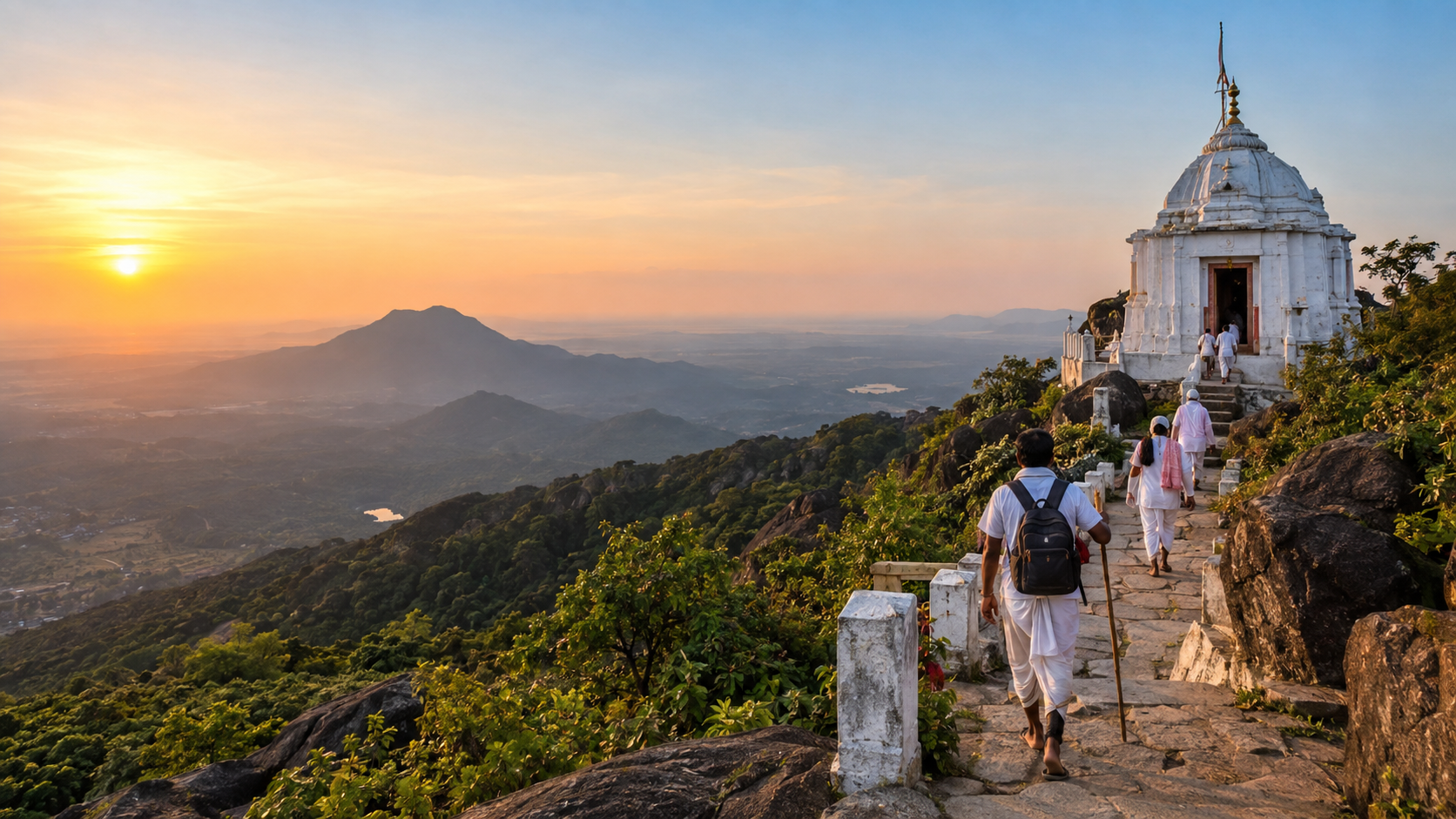
Shikharji Tour from Ranchi. Package details, itinerary and pricing can be completed in the CRM.
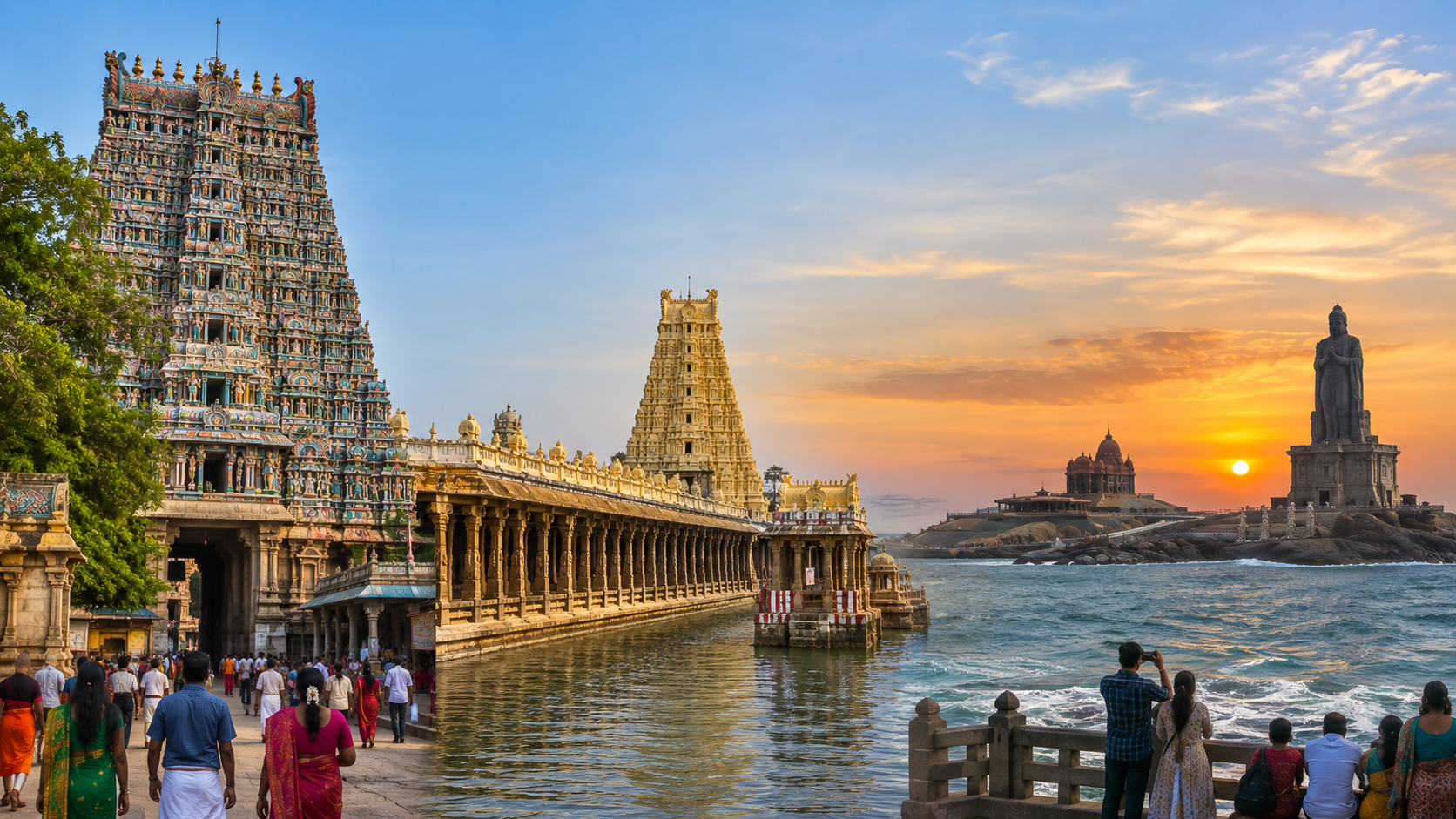
Madurai Rameswaram Kanyakumari Tour from Madurai. Package details, itinerary and pricing can be completed in the CRM.
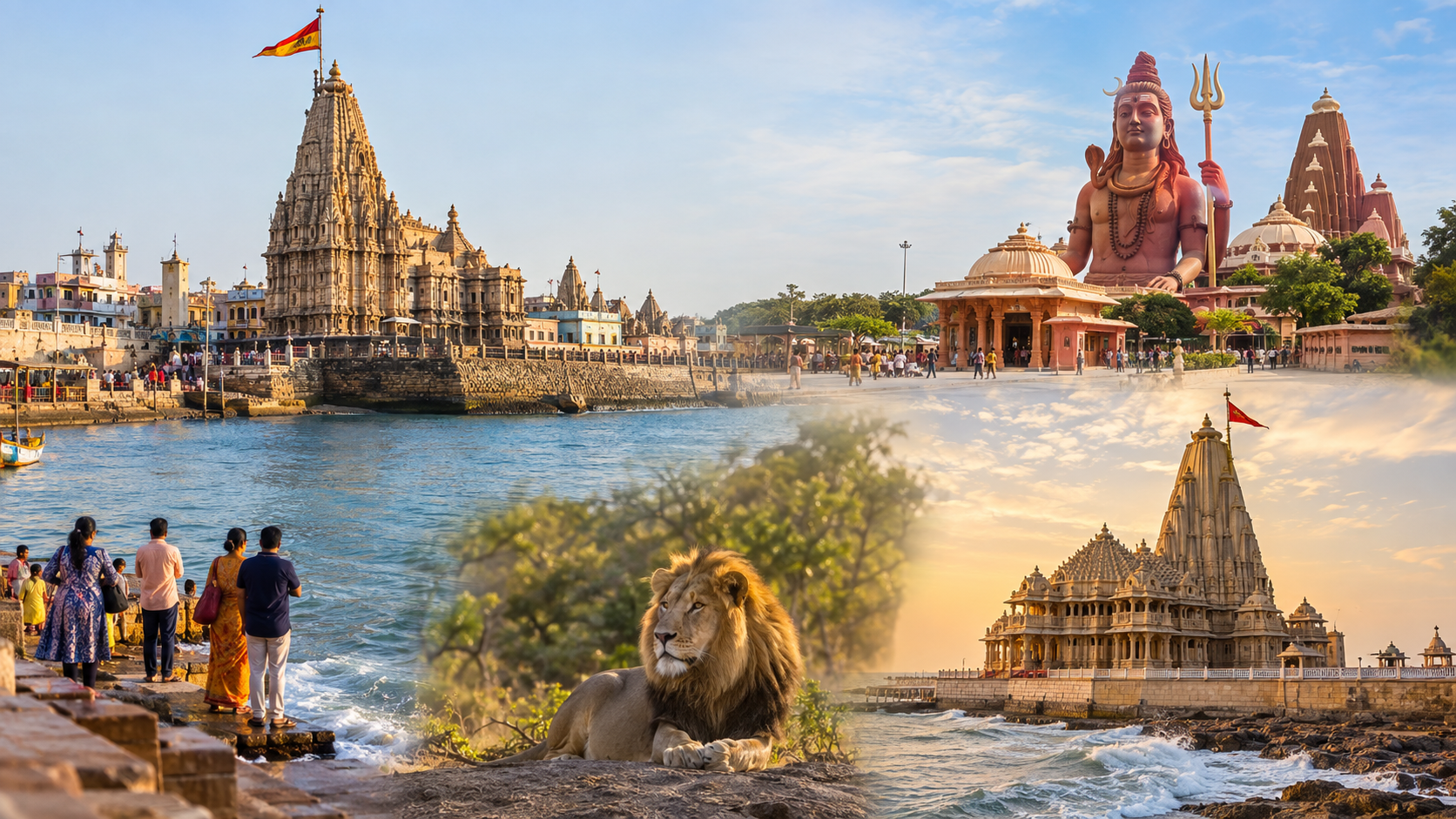
Dwarka Somnath Nageshwar Gir Tour from Rajkot. Package details, itinerary and pricing can be completed in the CRM.
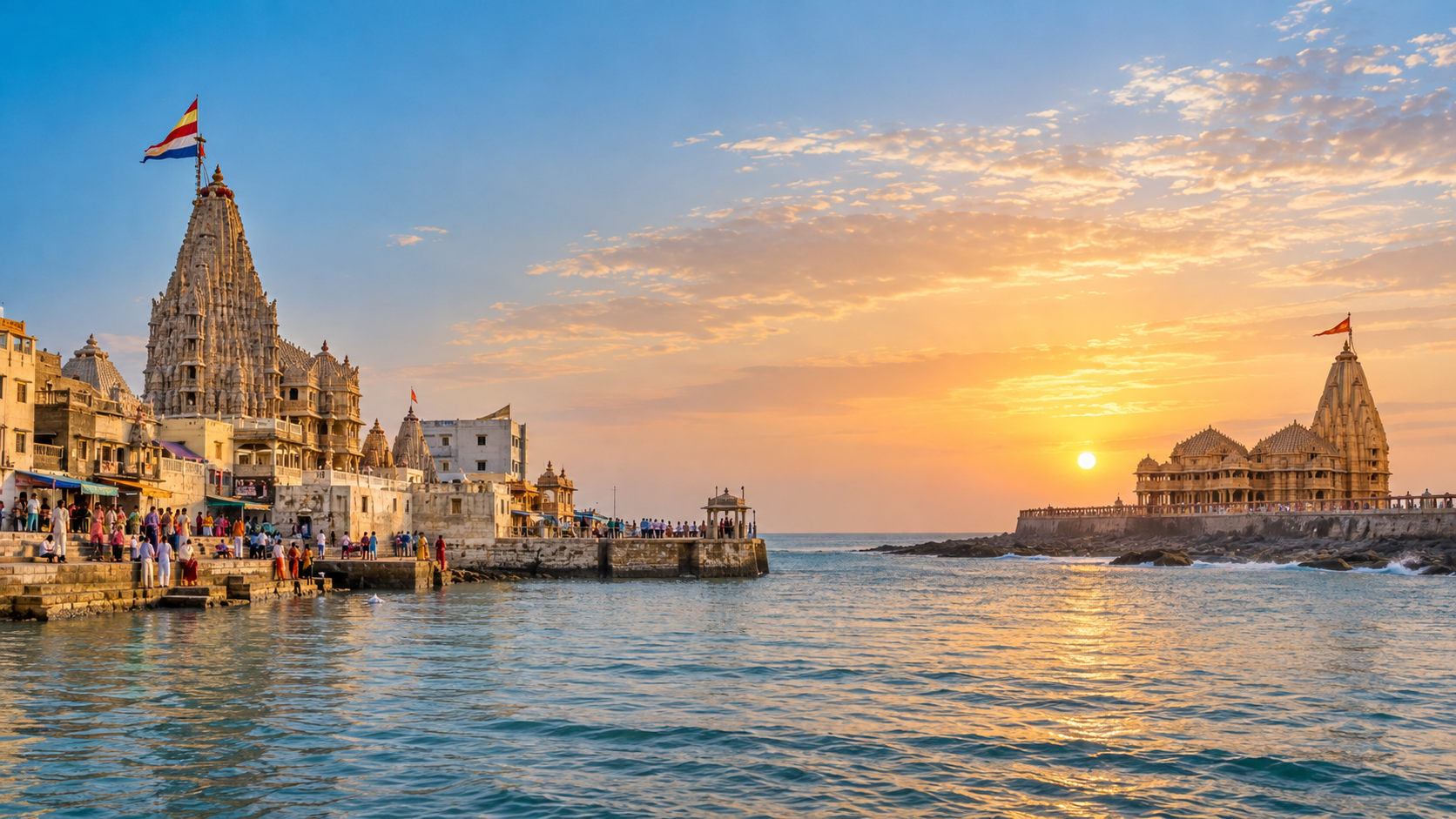
Dwarka Somnath Tour from Rajkot. Package details, itinerary and pricing can be completed in the CRM.
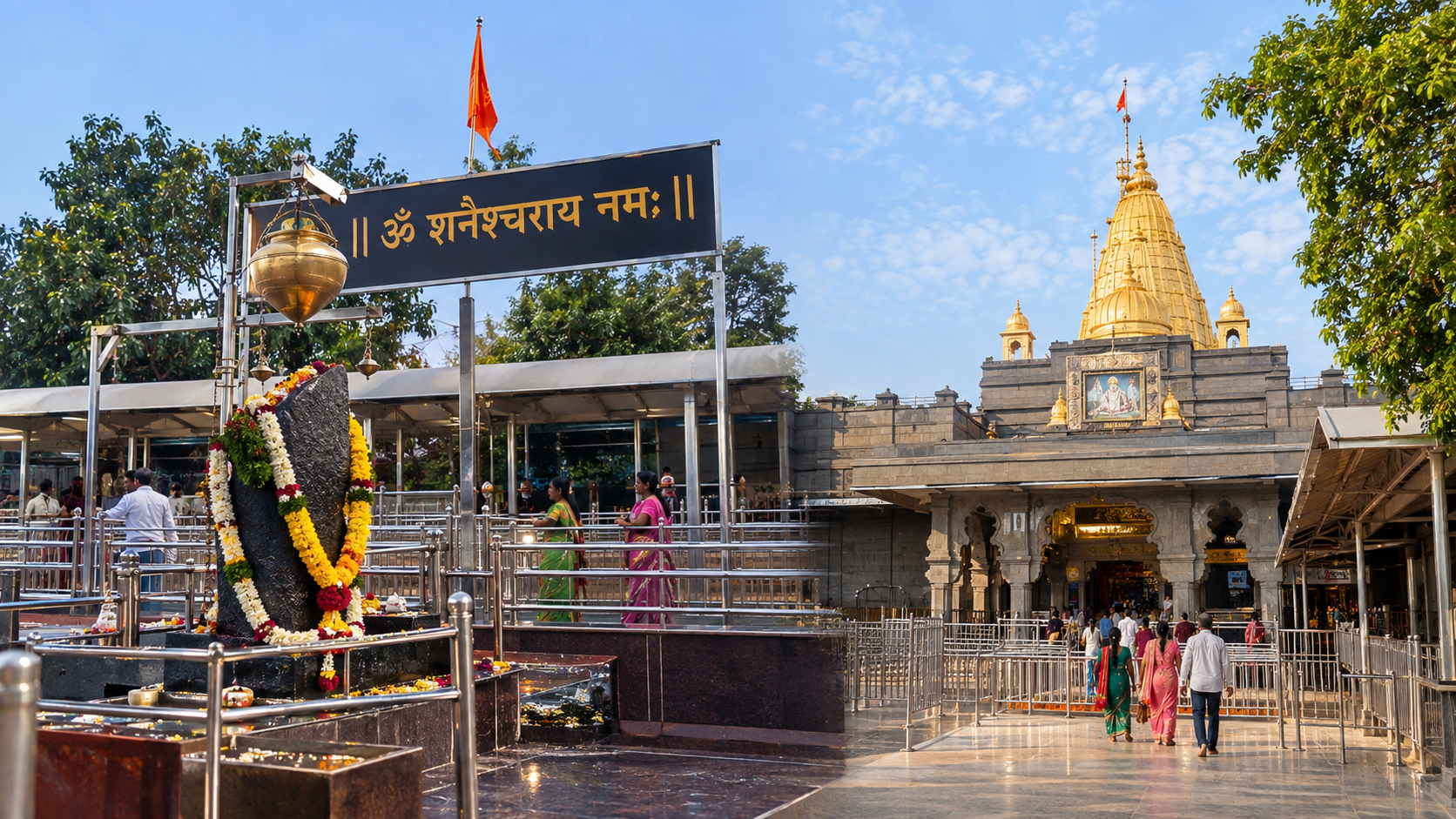
Shirdi Shani Shingnapur Tour from Shirdi. Package details, itinerary and pricing can be completed in the CRM.
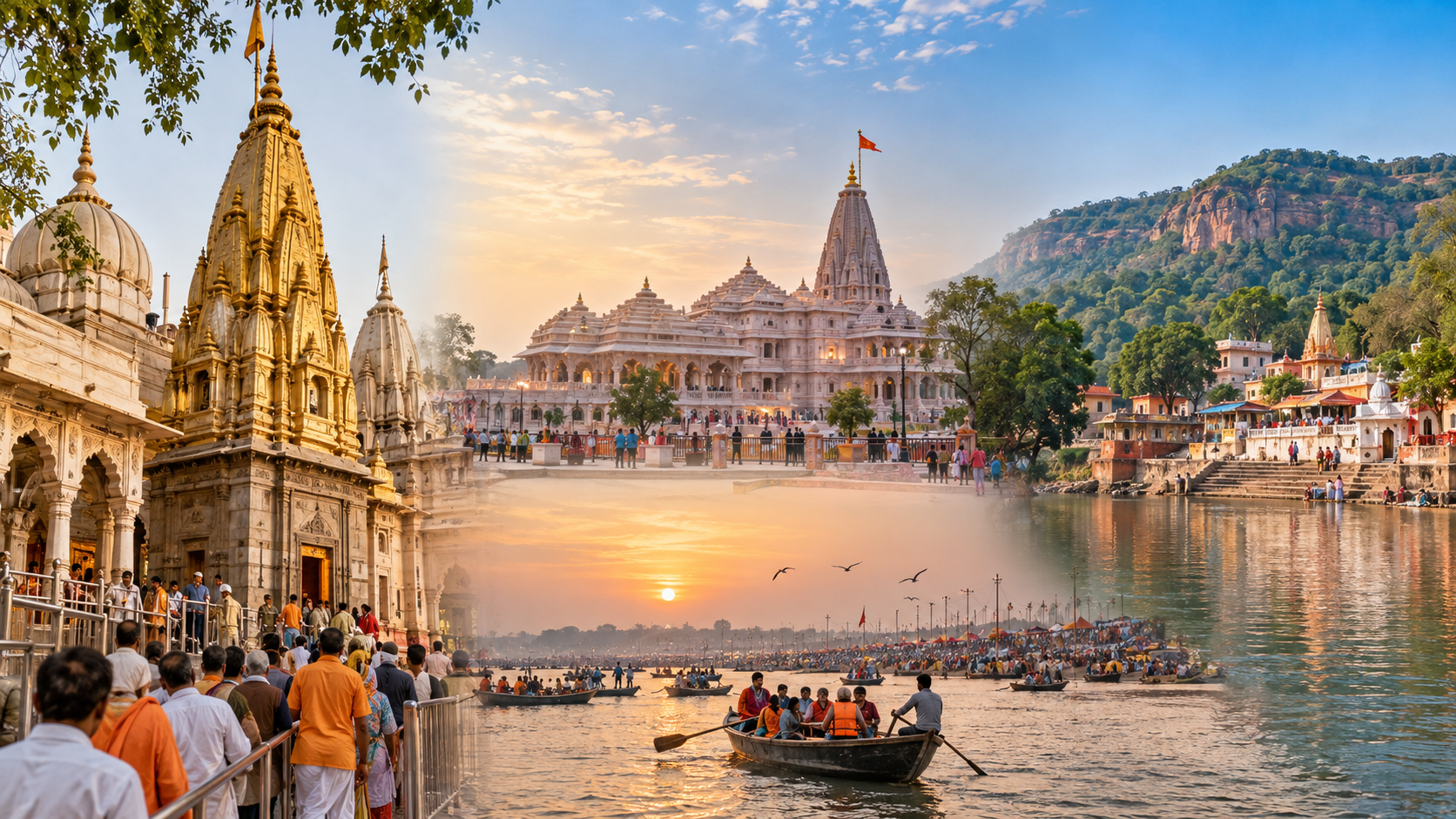
Varanasi Ayodhya Prayagraj Chitrakoot Tour from Varanasi. Package details, itinerary and pricing can be completed in the CRM.
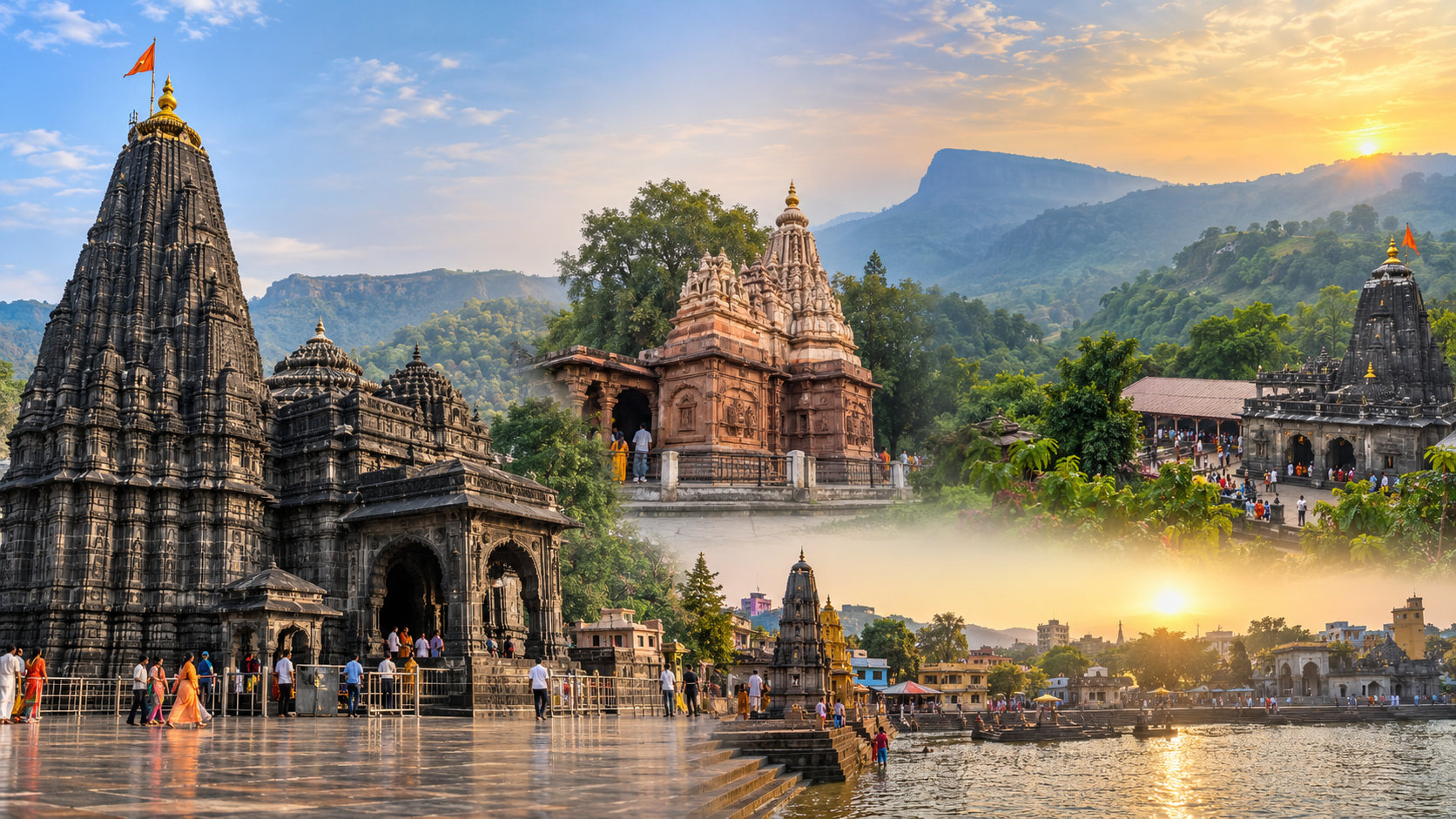
Maharashtra Jyotirlinga Tour from Nashik. Package details, itinerary and pricing can be completed in the CRM.
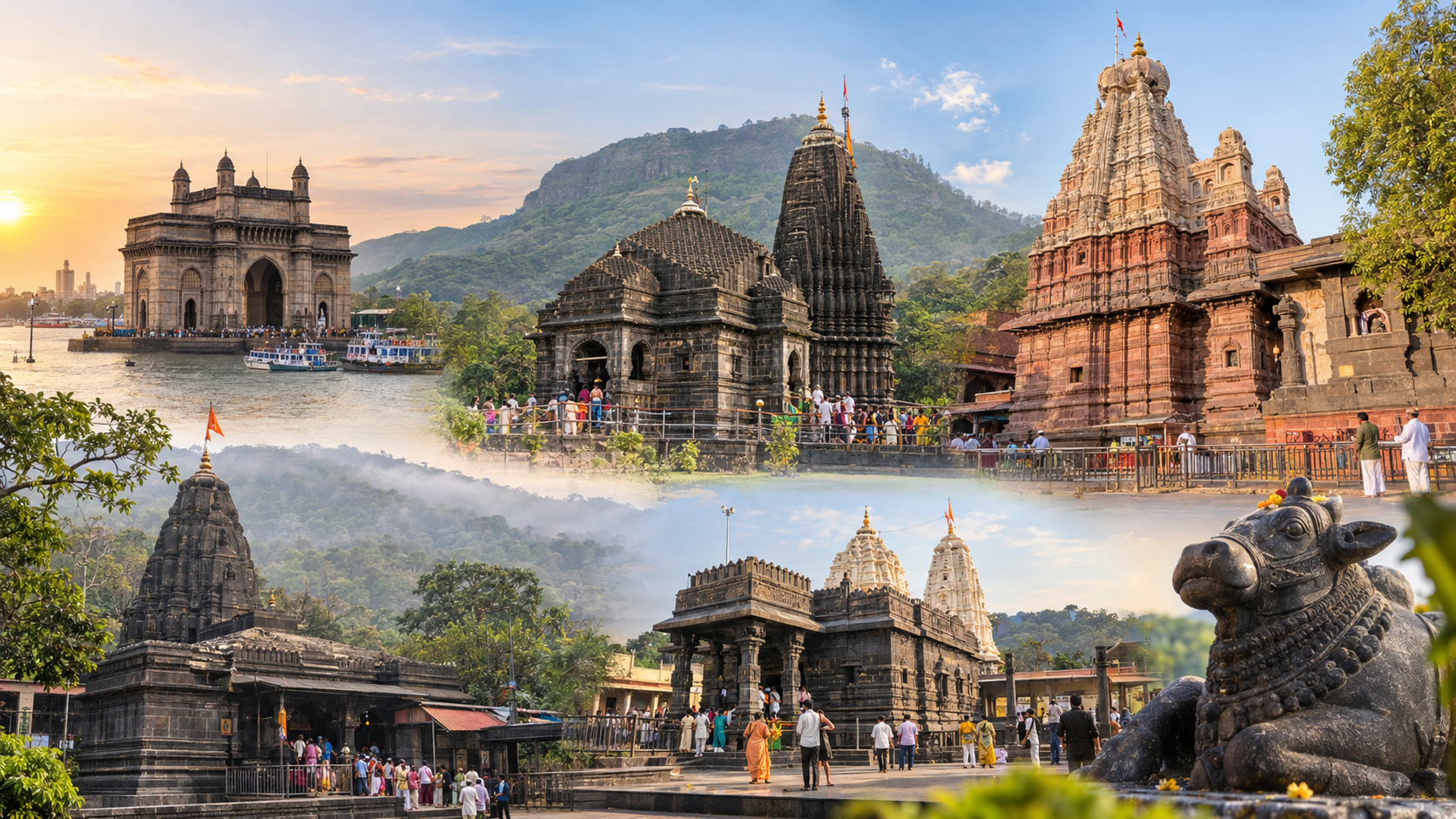
Maharashtra Jyotirlinga Tour from Mumbai. Package details, itinerary and pricing can be completed in the CRM.
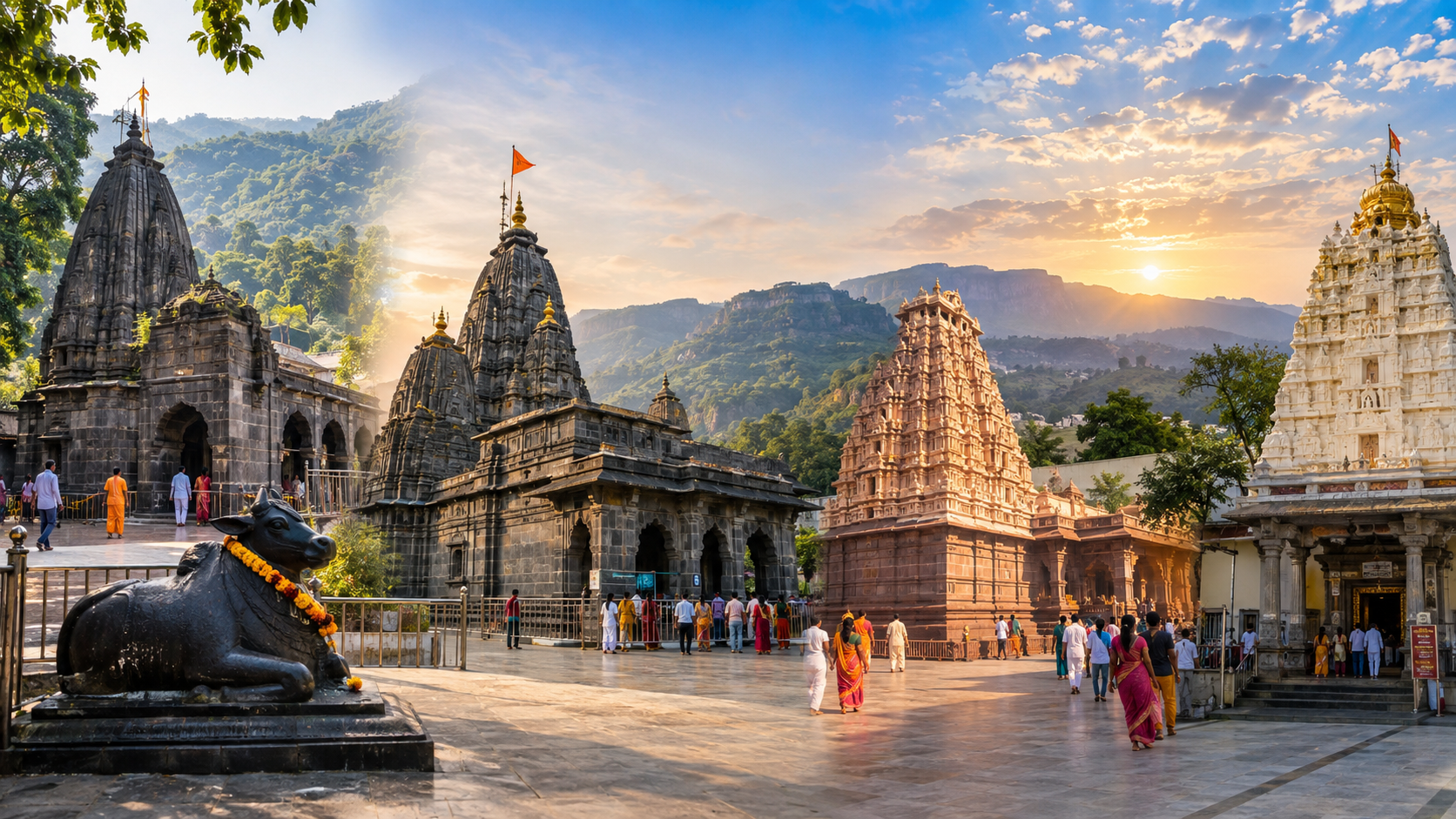
Maharashtra Jyotirlinga Tour from Pune. Package details, itinerary and pricing can be completed in the CRM.
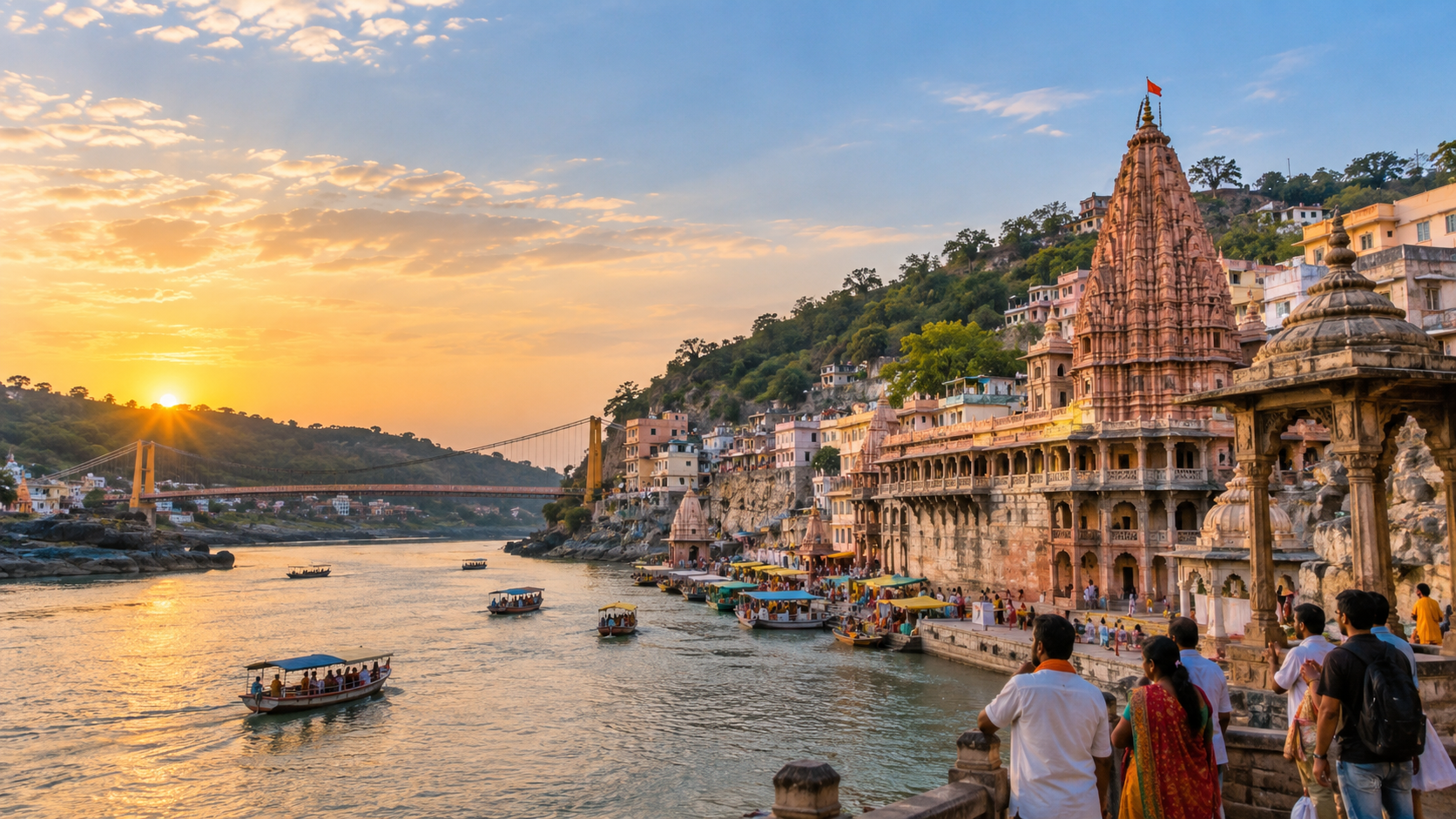
Ujjain Mahakal Omkareshwar Tour from Ujjain. Package details, itinerary and pricing can be completed in the CRM.
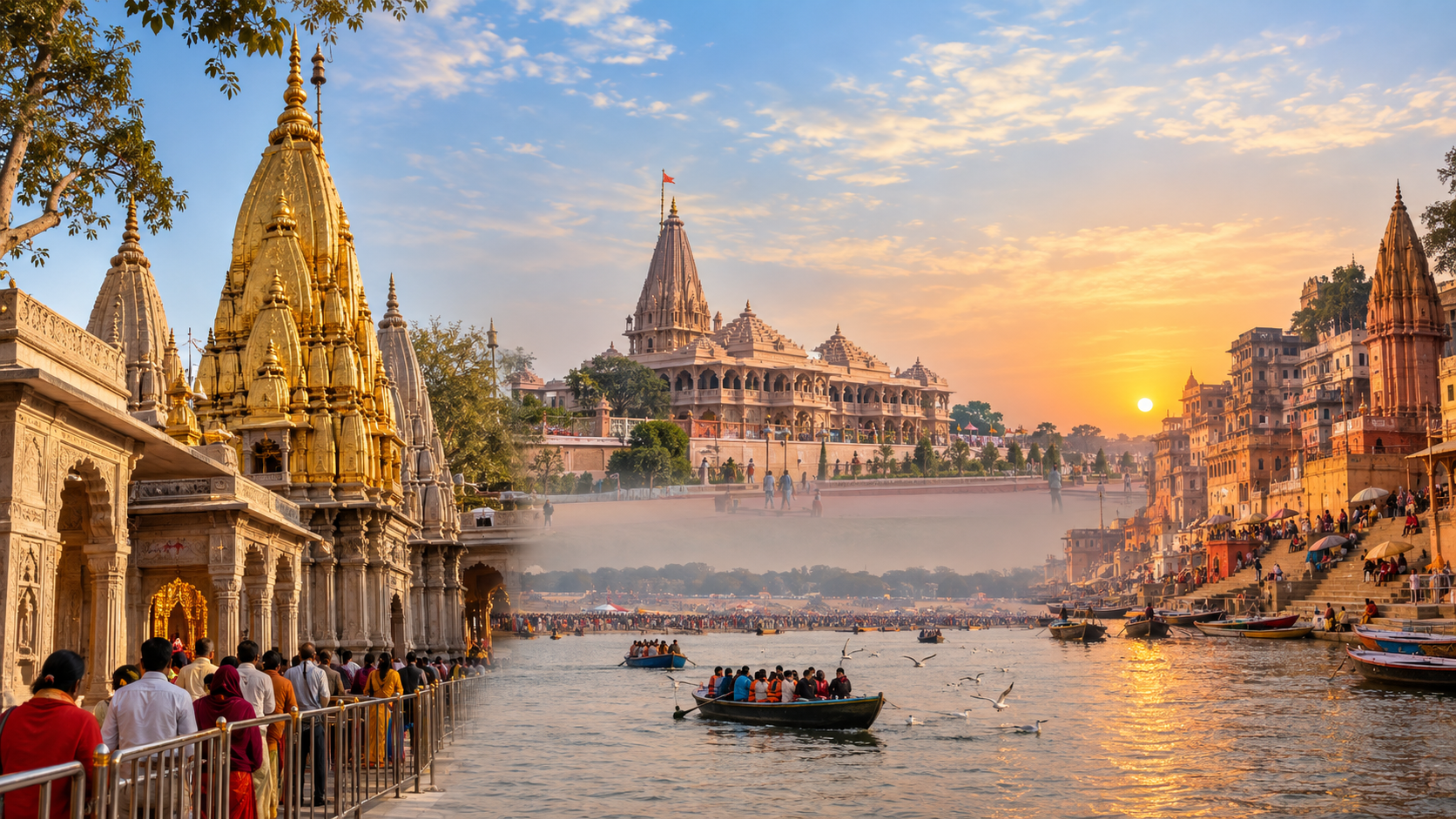
Varanasi Ayodhya Prayagraj Tour from Varanasi. Package details, itinerary and pricing can be completed in the CRM.
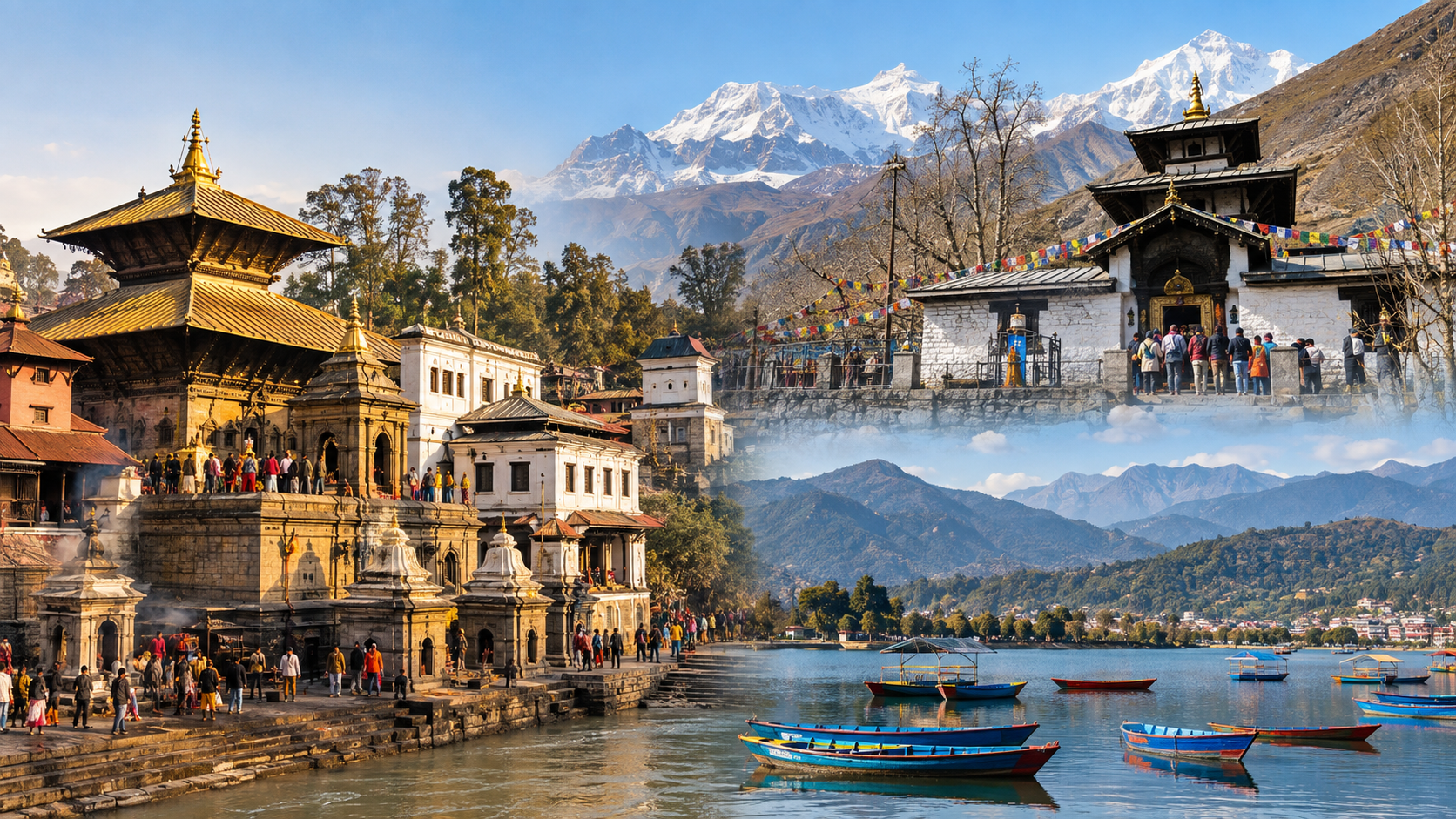
Kathmandu Pashupatinath Muktinath Pokhara Tour from Kathmandu. Package details, itinerary and pricing can be completed in the CRM.
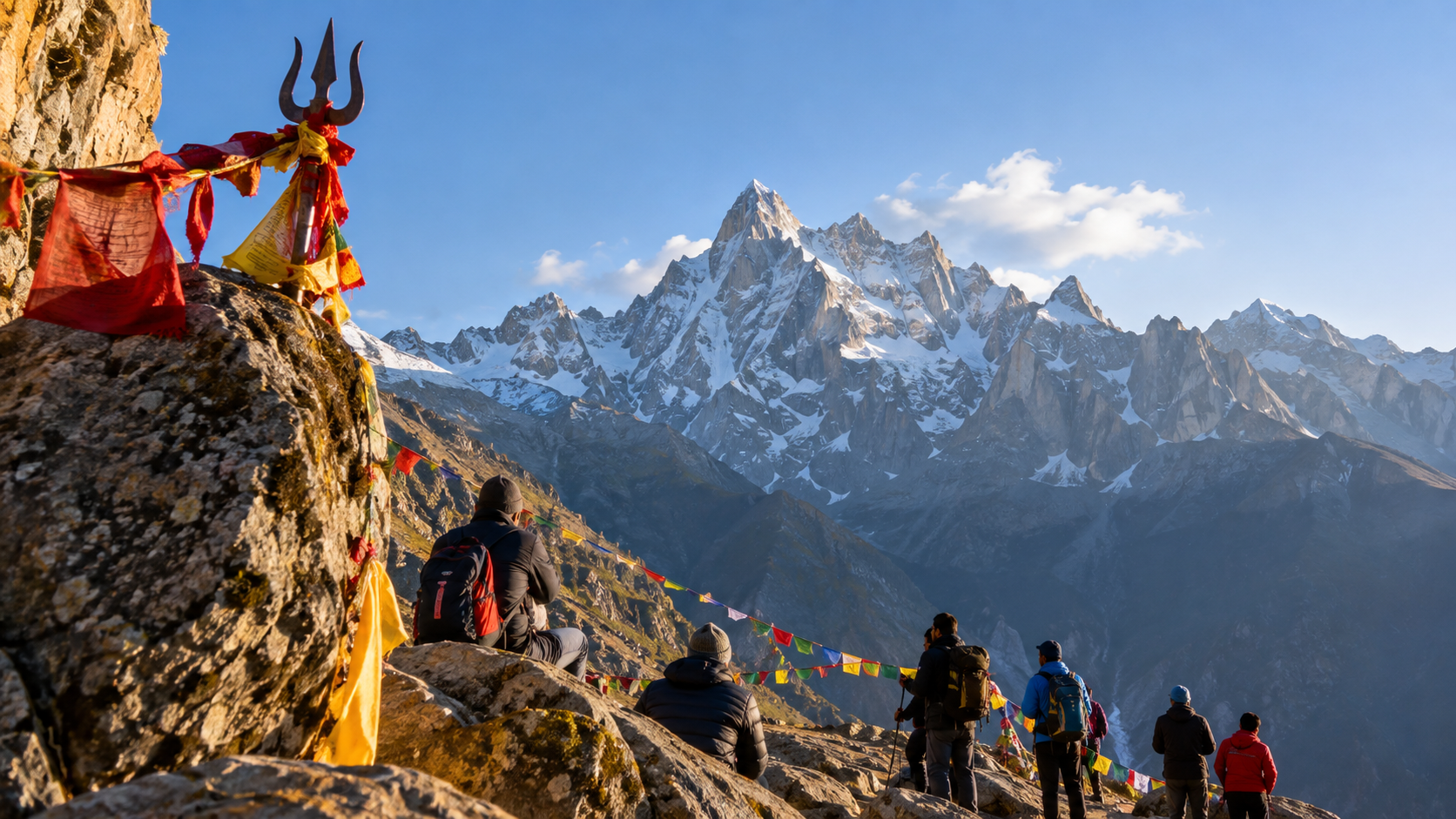
Kinner Kailash Yatra from Chandigarh. Package details, itinerary and pricing can be completed in the CRM.
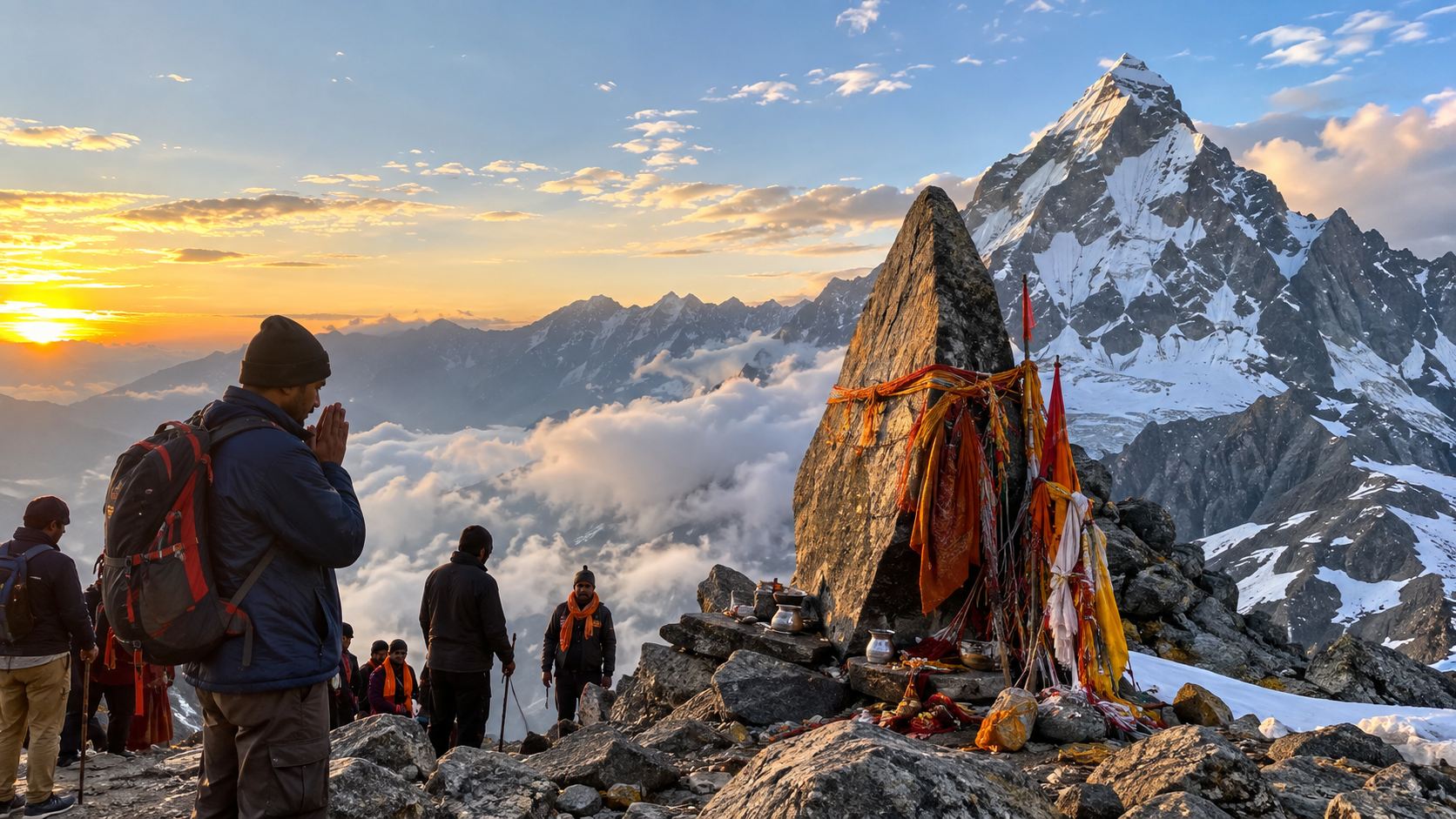
Shrikhand Mahadev Yatra from Chandigarh. Package details, itinerary and pricing can be completed in the CRM.
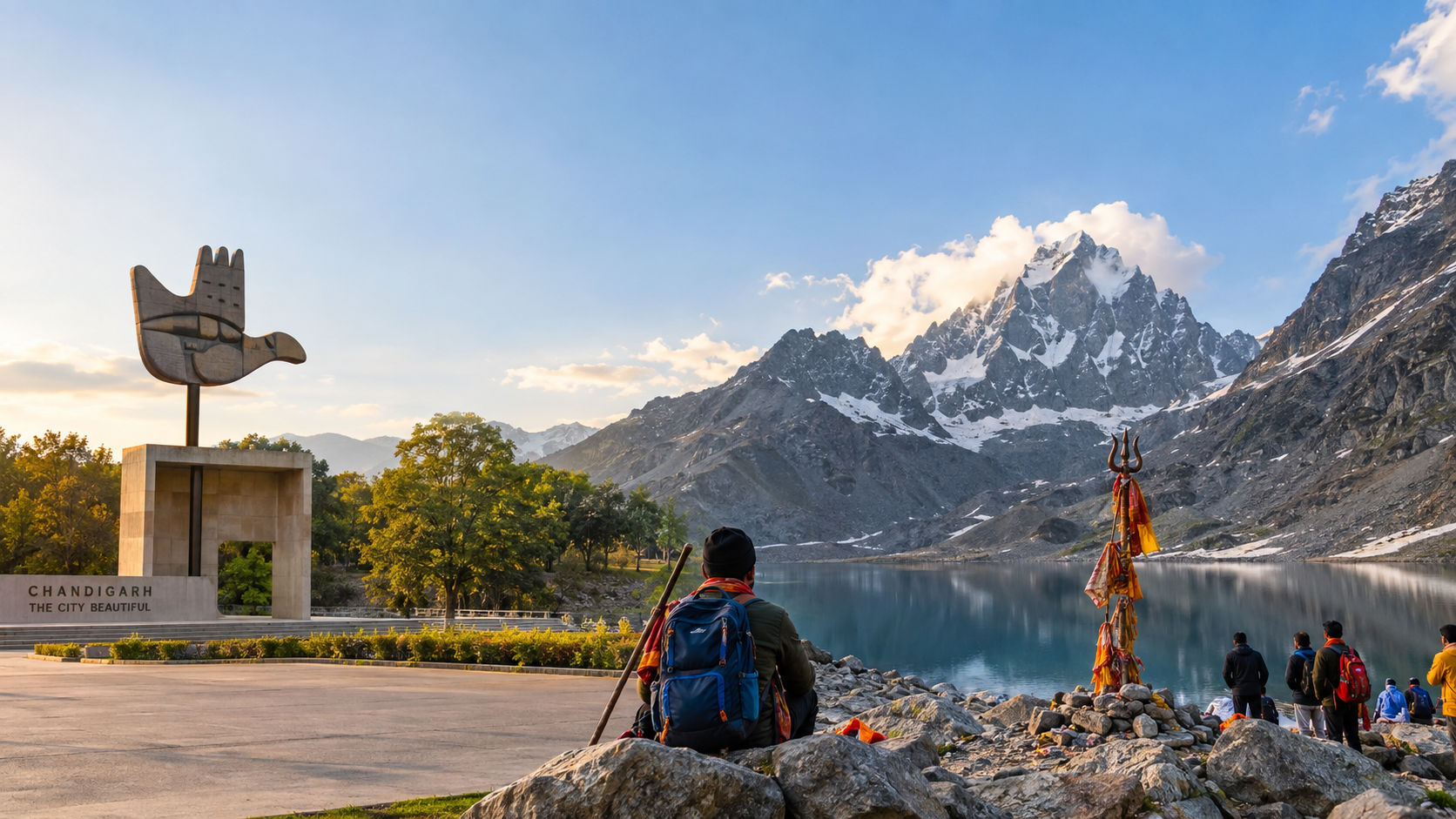
Manimahesh Yatra from Chandigarh. Package details, itinerary and pricing can be completed in the CRM.
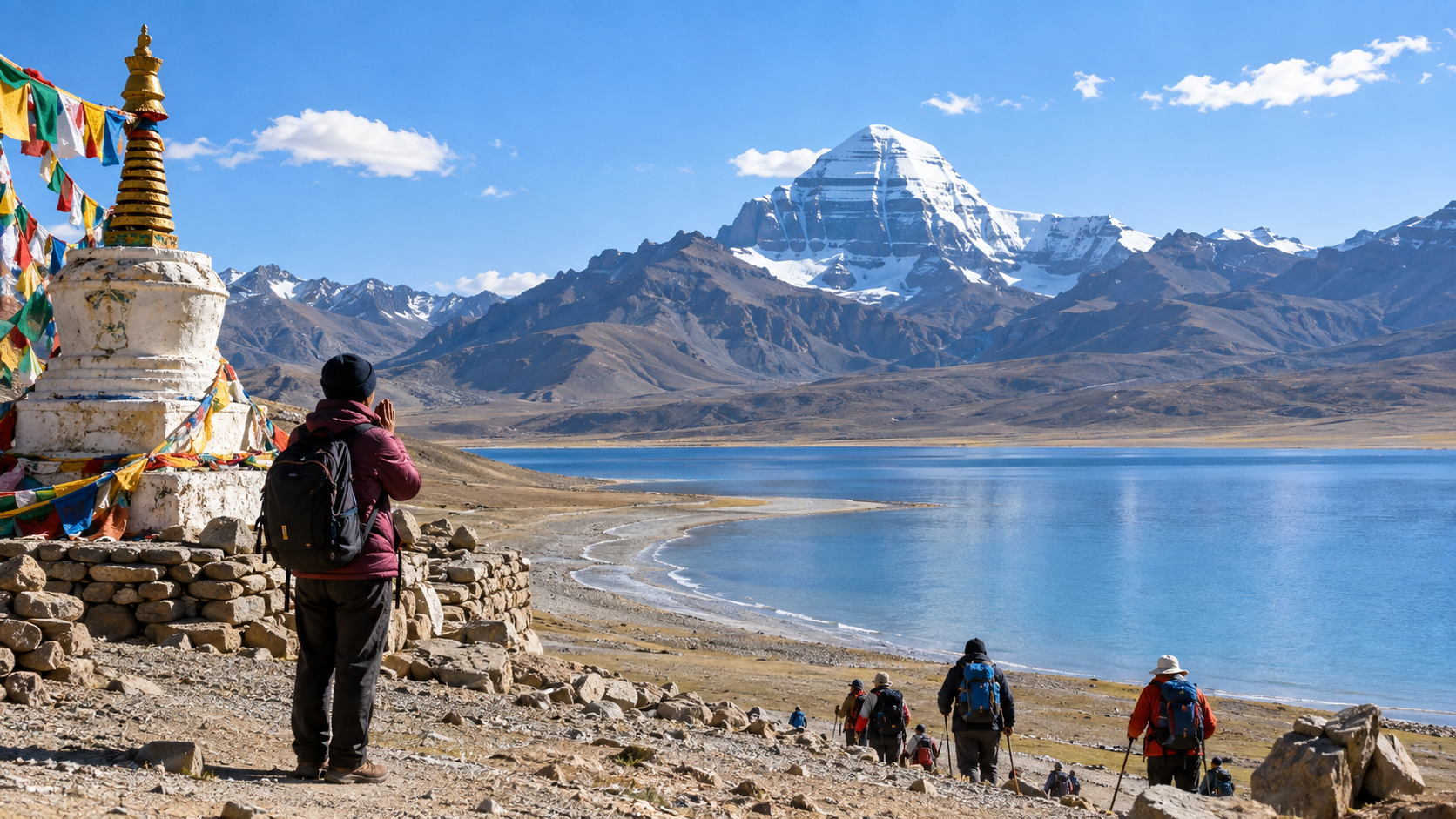
Kailash Mansarovar Yatra by Road from Kathmandu. Package details, itinerary and pricing can be completed in the CRM.
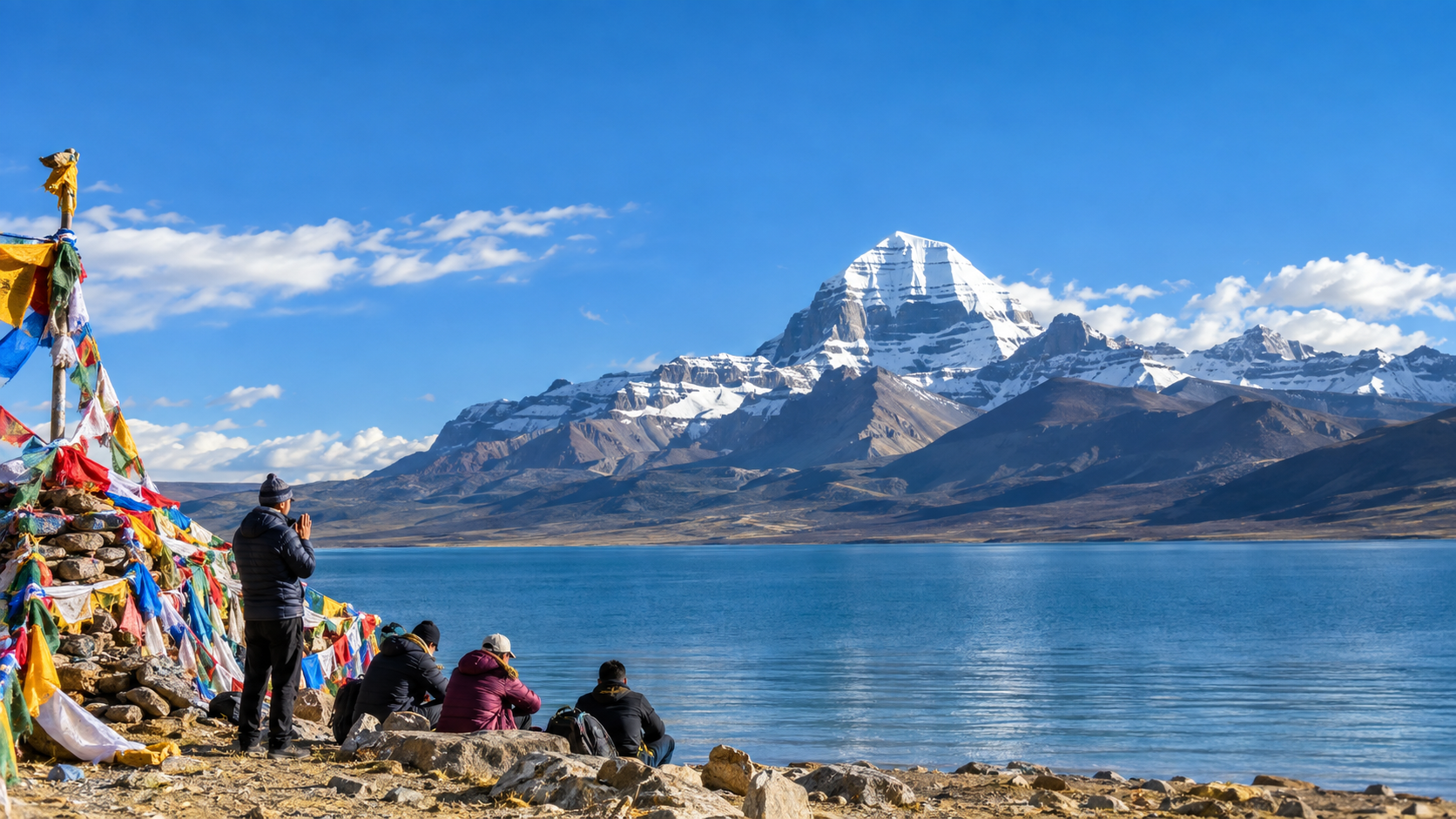
Kailash Mansarovar Yatra by Helicopter from Kathmandu. Package details, itinerary and pricing can be completed in the CRM.
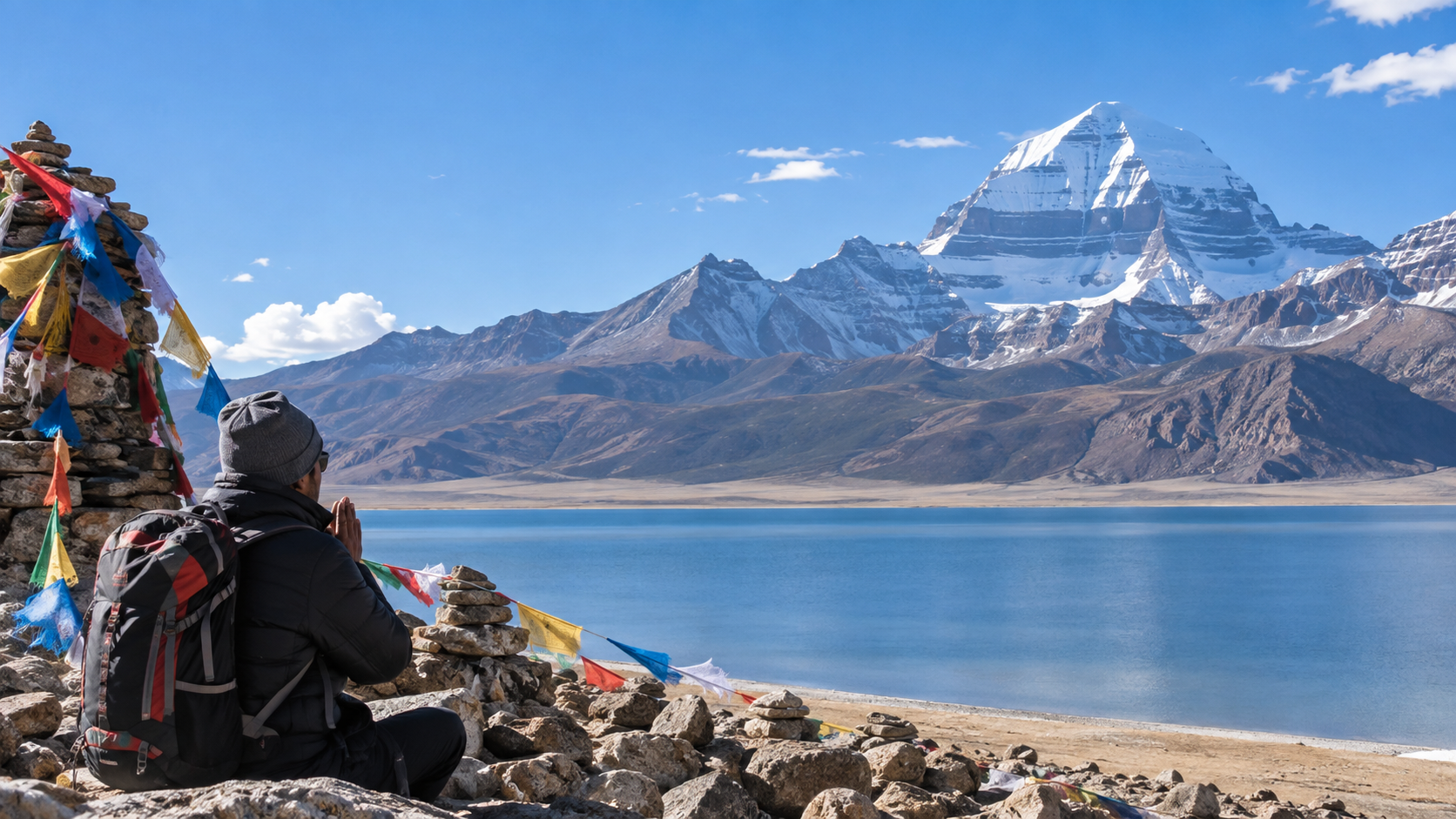
Kailash Mansarovar Yatra by Helicopter from Lucknow. Package details, itinerary and pricing can be completed in the CRM.
Adi Kailash Om Parvat Yatra from Delhi. Package details, itinerary and pricing can be completed in the CRM.
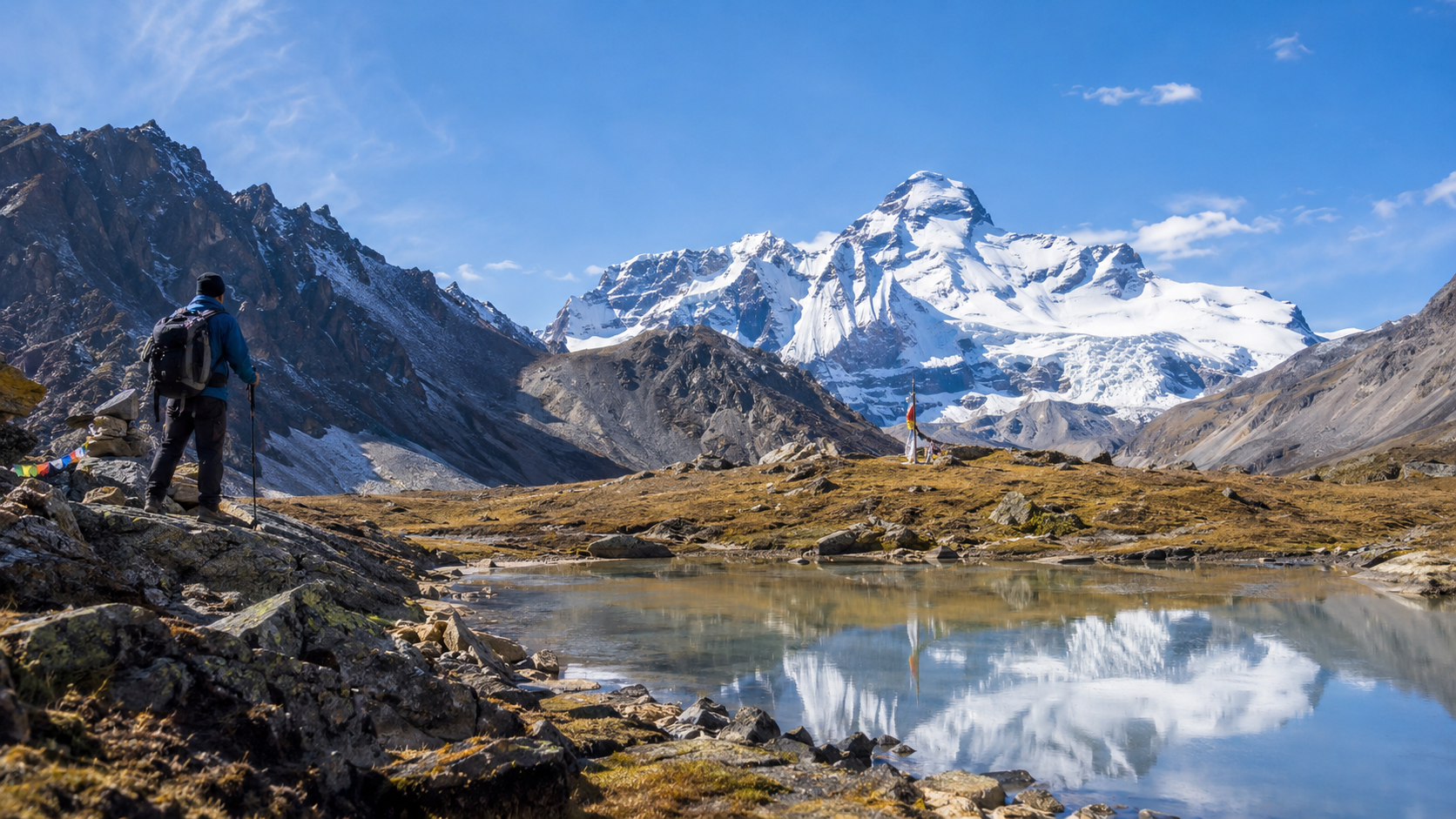
Adi Kailash Om Parvat Yatra from Kathgodam. Package details, itinerary and pricing can be completed in the CRM.
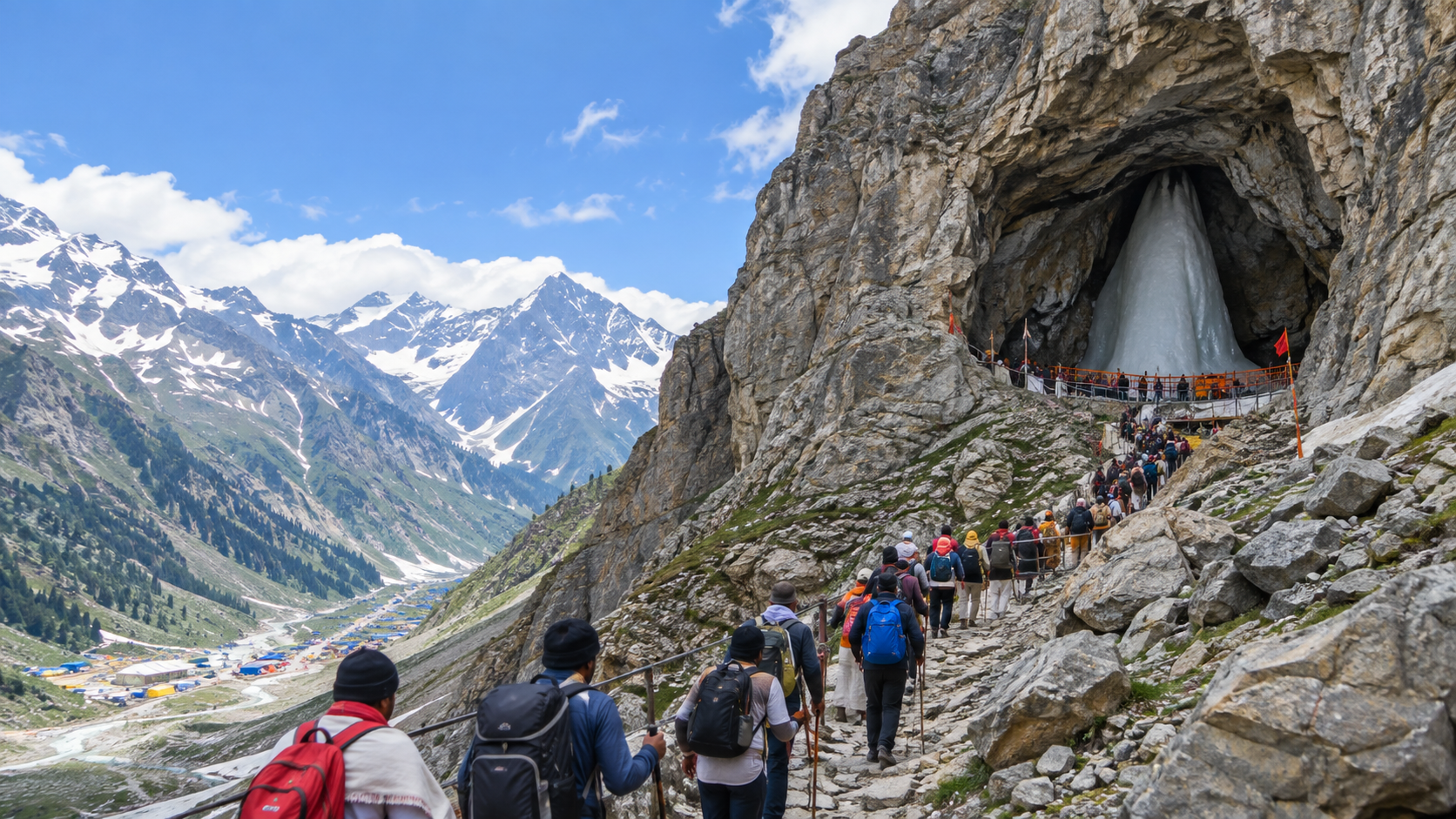
Amarnath Yatra from Srinagar. Package details, itinerary and pricing can be completed in the CRM.
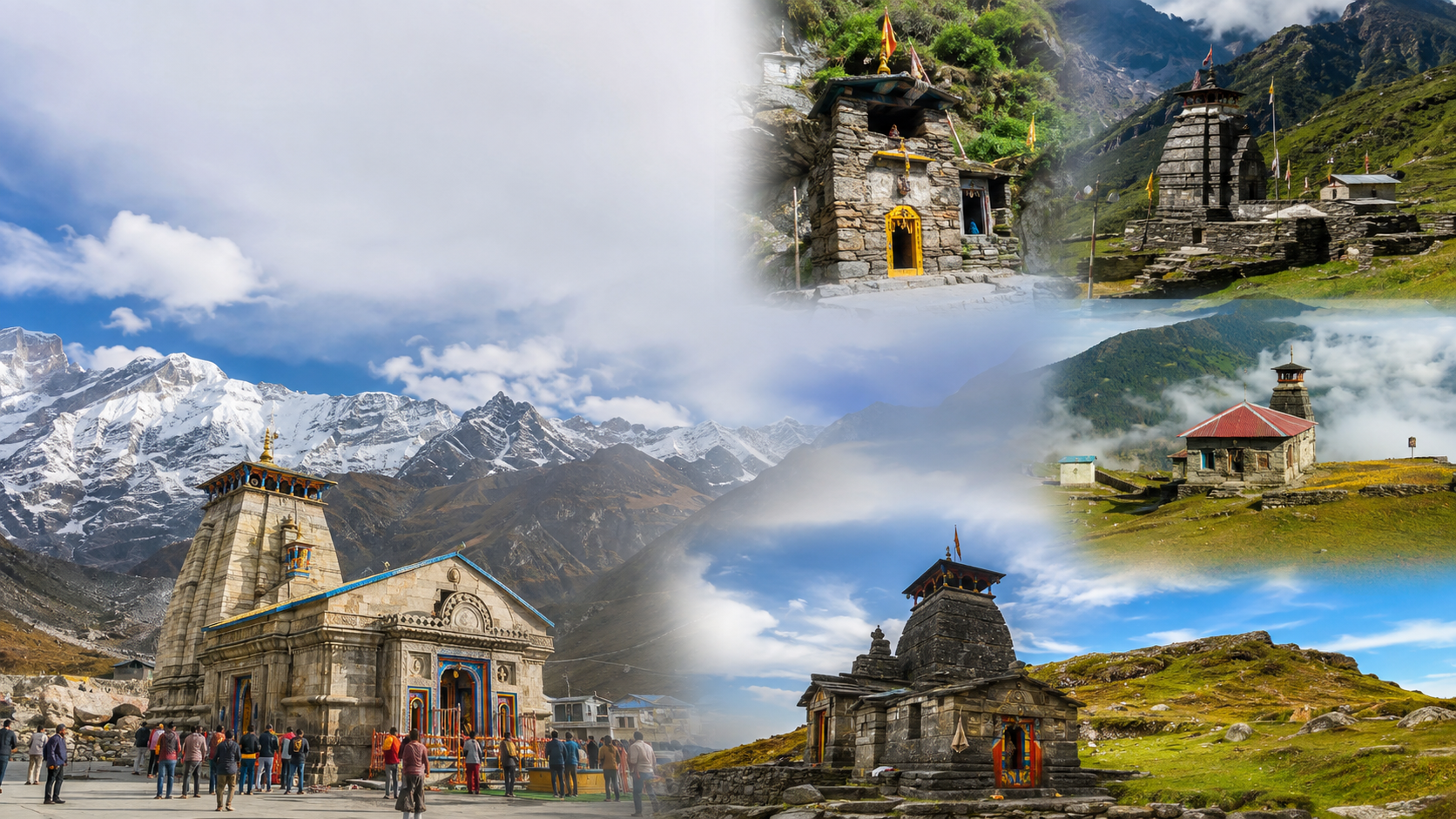
Panch Kedar Yatra from Delhi is a demanding and deeply rewarding pilgrimage through five revered Shiva temples in the Garhwal Himalayas: Kedarnath, Tungnath, Rudranath, Madhyamaheshwar and Kalpeshwar. This 12 Days / 11 Nights pilgrimage is designed for devotees who want to experience the complete Panch Kedar circuit rather than visit only one or two shrines. The journey combines mountain roads, high-altitude walking and time for darshan at some of Uttarakhand’s most significant Shiva temples. Because several shrines involve substantial trekking and seasonal access, careful planning is essential. Trip to Yatra helps travellers plan the pilgrimage around the temple season, travel conditions an
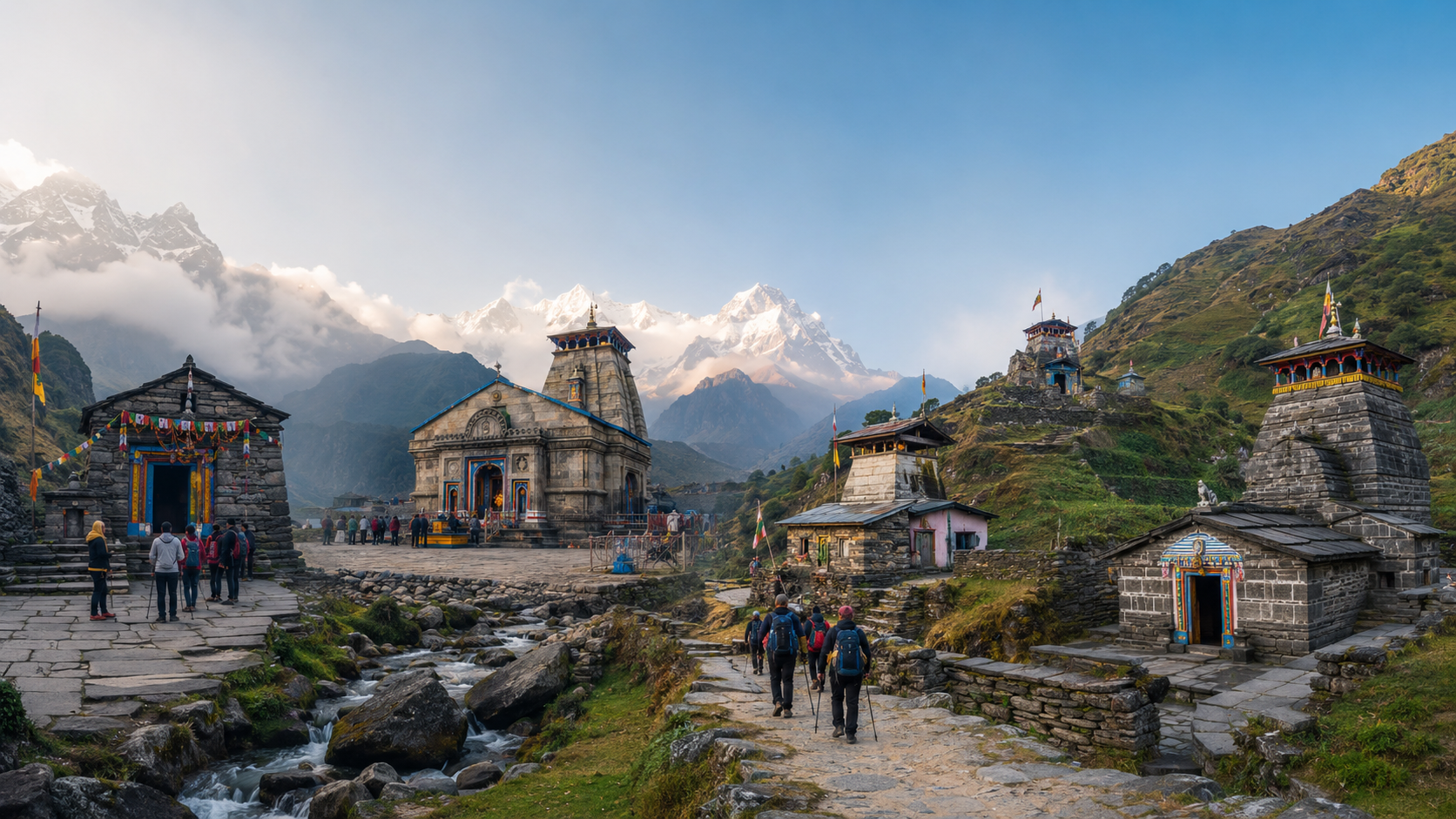
Panch Kedar Yatra from Dehradun is an immersive Shiva pilgrimage covering all five revered Panch Kedar shrines of Uttarakhand: Kedarnath, Tungnath, Rudranath, Madhyamaheshwar and Kalpeshwar. Designed as an 11 Days / 10 Nights pilgrimage experience, the journey combines temple visits with demanding Himalayan treks, mountain landscapes and quiet village settings. Unlike a conventional temple tour, Panch Kedar requires preparation for high-altitude walking, changing weather and seasonal temple access. Trip to Yatra helps travellers plan the pilgrimage around practical travel requirements, accommodation preferences and the operating season, with a focus on a comfortable and well-organised journe
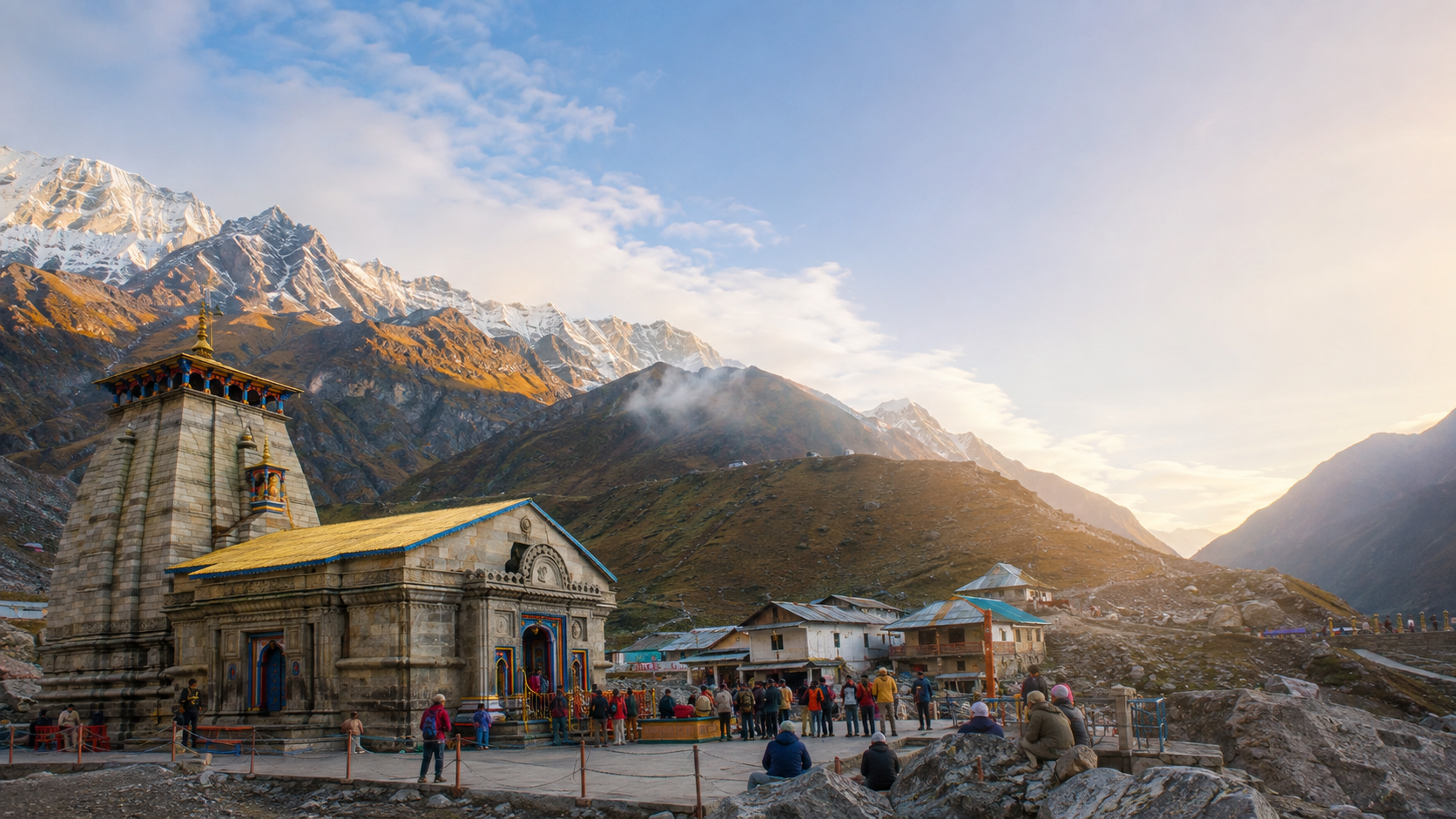
The Kedarnath Tungnath Package from Delhi is a 7-day / 6-night pilgrimage journey covering two of Uttarakhand’s most revered Shiva temples. Starting and ending in Delhi, the tour combines the spiritual significance of Kedarnath with the high-altitude mountain setting of Tungnath near Chopta. Kedarnath Temple is one of the prominent Panch Kedar shrines, while Tungnath is recognised by Uttarakhand Tourism as one of the highest Shiva temples in the world. The journey involves mountain travel and trekking, so it is best suited to travellers who are comfortable with an active Himalayan pilgrimage. Enquire with Trip to Yatra for current travel planning and availability.
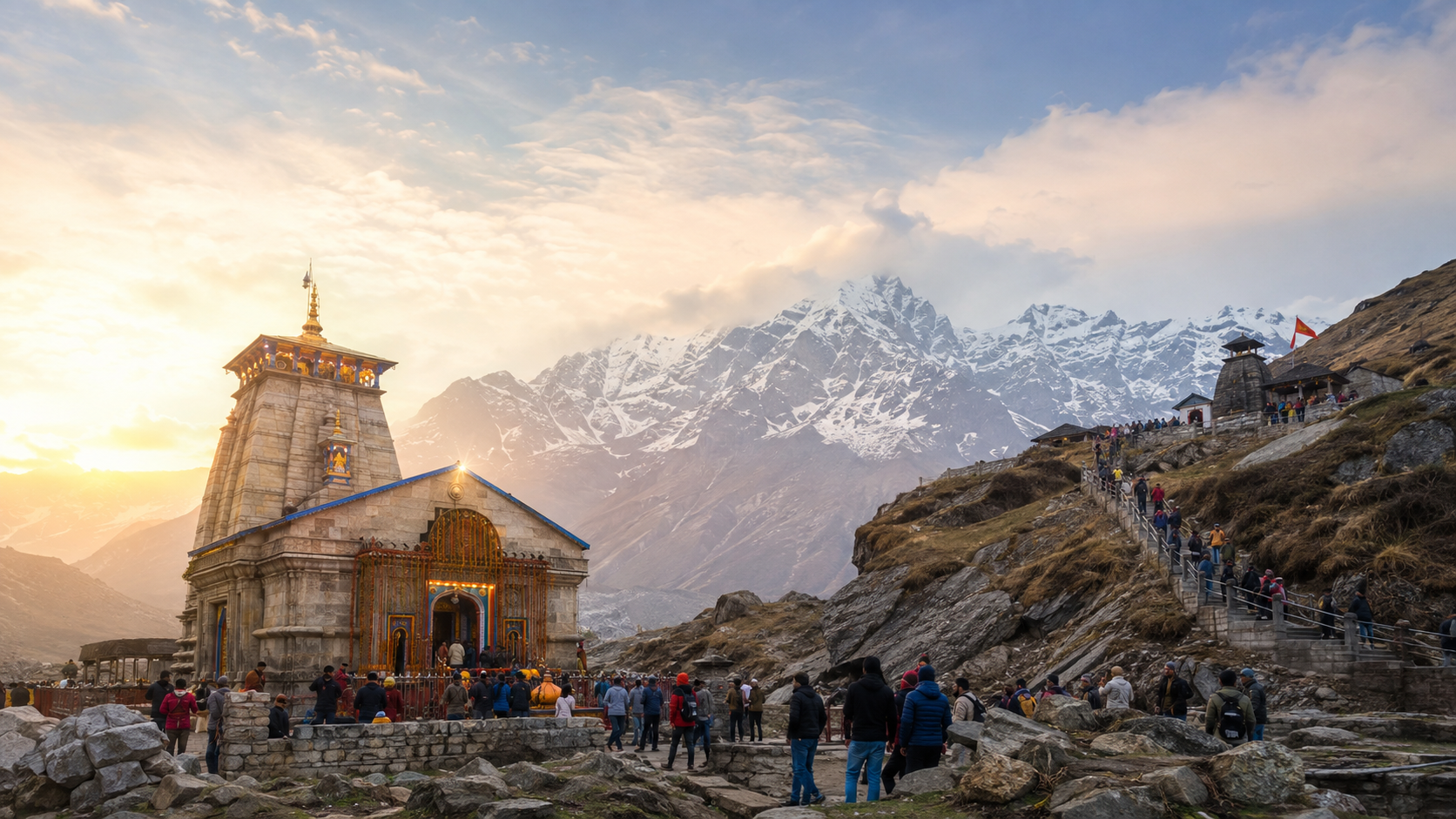
Plan a focused Himalayan pilgrimage with the Kedarnath Tungnath package from Haridwar, combining two revered Shiva temples in Uttarakhand. This 5-day / 4-night journey is designed for travellers who want to visit Kedarnath Temple and Tungnath Temple without committing to a longer Char Dham circuit. Kedarnath, one of the most important Shiva pilgrimage sites in India, lies high in the Garhwal Himalayas and requires a trek from Gaurikund. Tungnath, one of the Panch Kedar shrines, is reached by trekking from Chopta. With Haridwar as both the starting and ending point, the package offers a practical pilgrimage-focused travel plan with time for mountain travel, temple visits and rest.
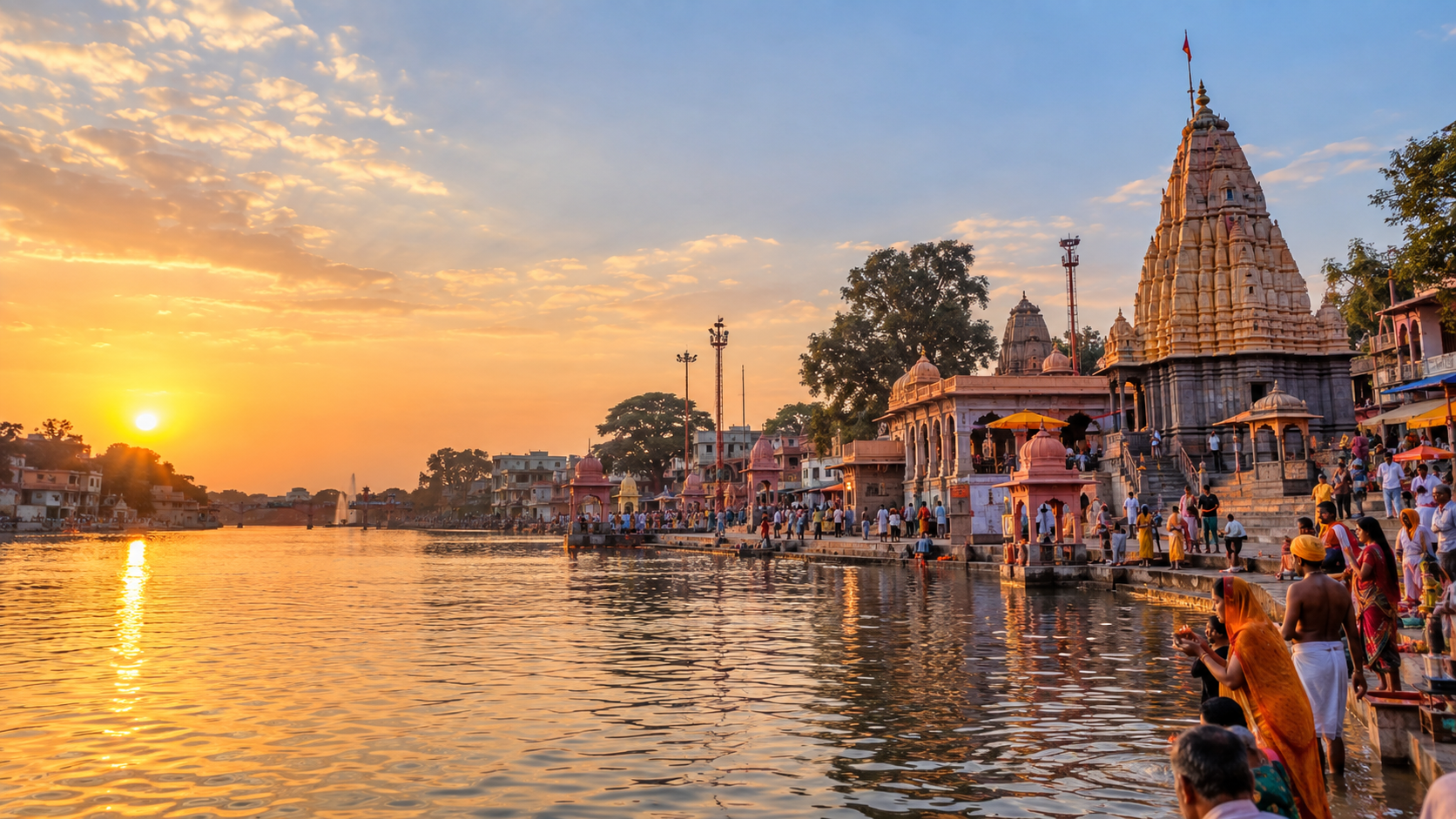
Ujjain Kumbh Mela from Ujjain. Package details, itinerary and pricing can be completed in the CRM.
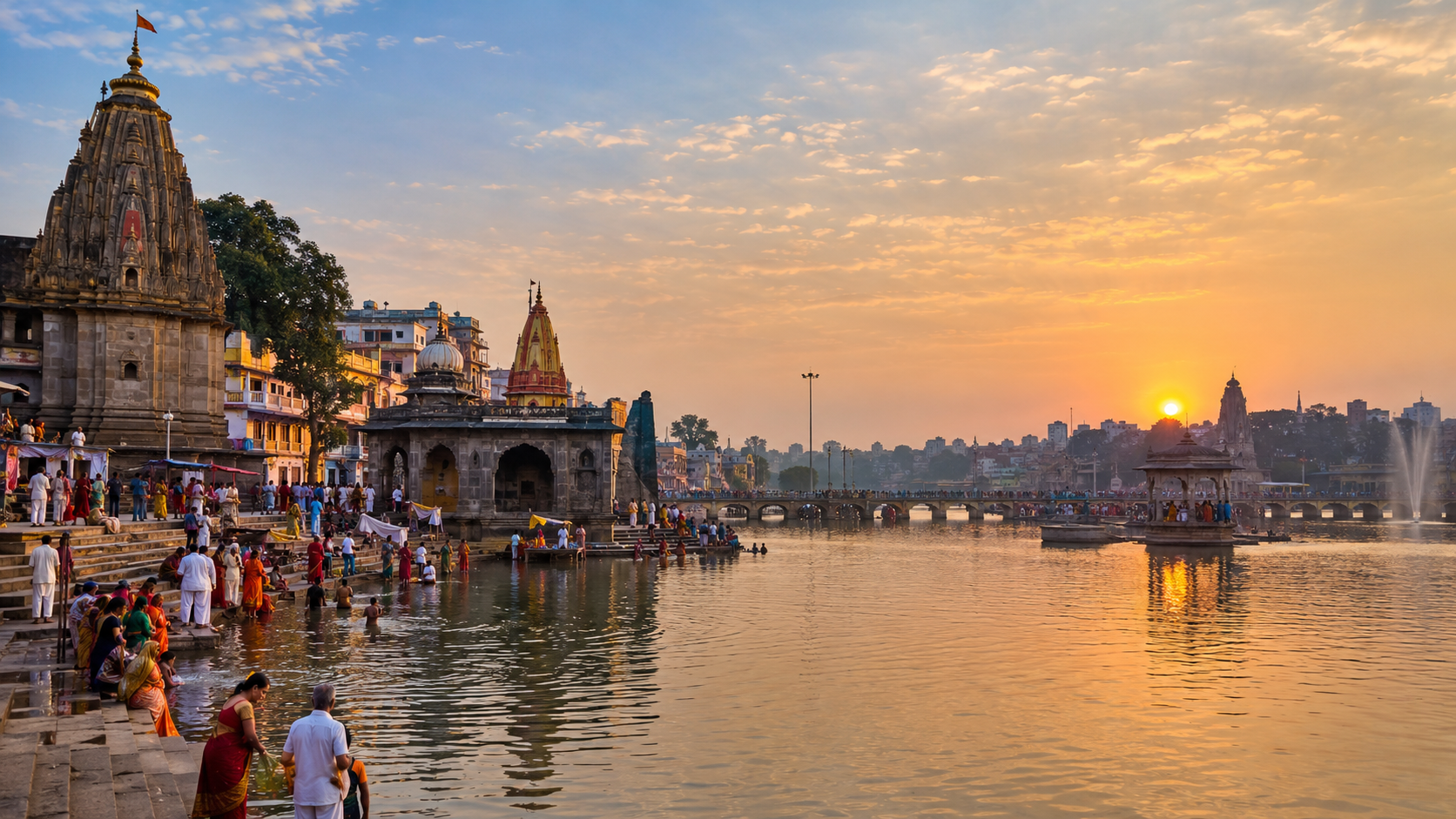
Nashik Kumbh Mela from Nashik. Package details, itinerary and pricing can be completed in the CRM.
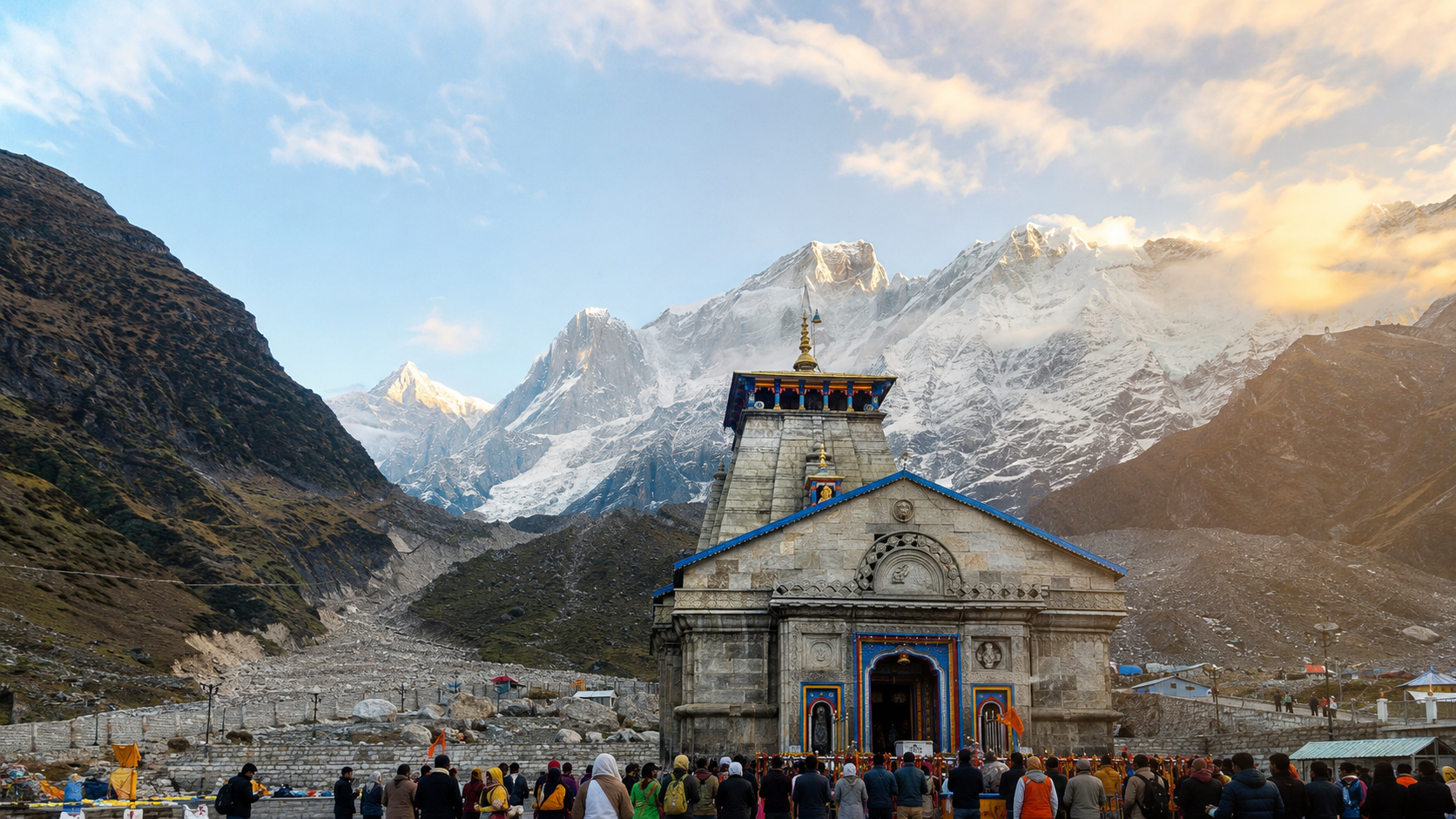
Plan a spiritually meaningful journey to Kedarnath with a 6 Days / 5 Nights Kedarnath Yatra package from Delhi by Trip to Yatra. This pilgrimage package is designed around the Delhi–Haridwar–Kedarnath travel corridor, with Kedarnath Temple as the principal spiritual destination. The journey combines Himalayan travel with time for darshan and a more organised pilgrimage experience. Since Kedarnath is a high-altitude destination with seasonal access and mandatory Yatra formalities, planning matters. Trip to Yatra can help you understand the practical arrangements, registration requirements and travel considerations before you set out. Enquire with our team to plan your 2027 Kedarnath Yatra fro
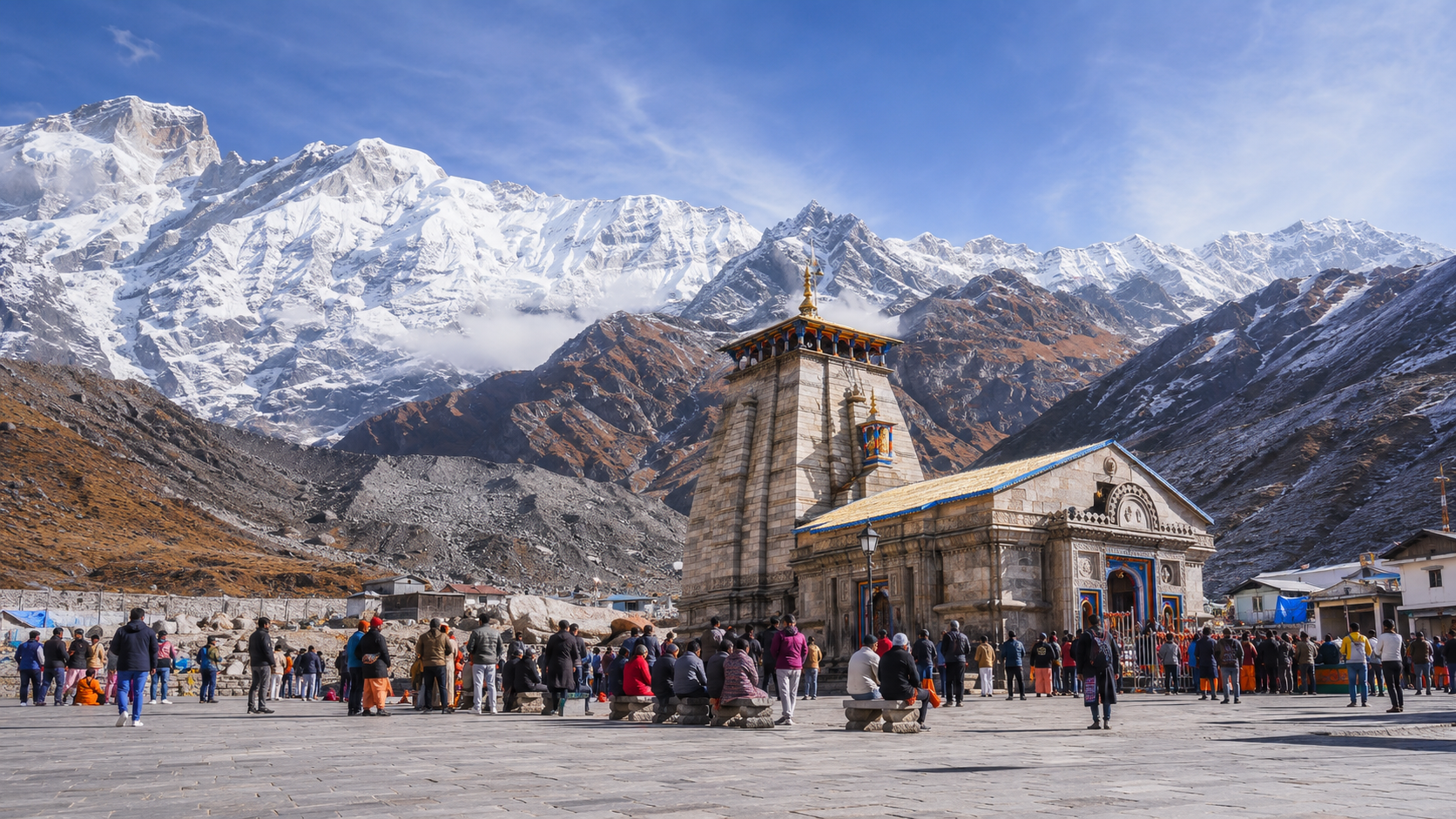
A thoughtfully planned Kedarnath Yatra package from Haridwar for pilgrims looking to visit the sacred Kedarnath Temple in Uttarakhand. This 4 Days / 3 Nights pilgrimage connects Haridwar with one of Lord Shiva’s most revered Himalayan shrines, with arrangements planned around the practical requirements of a high-altitude yatra. Kedarnath is situated in the Garhwal Himalayas at around 3,580 metres, so preparation, suitable clothing and sensible travel planning are important.
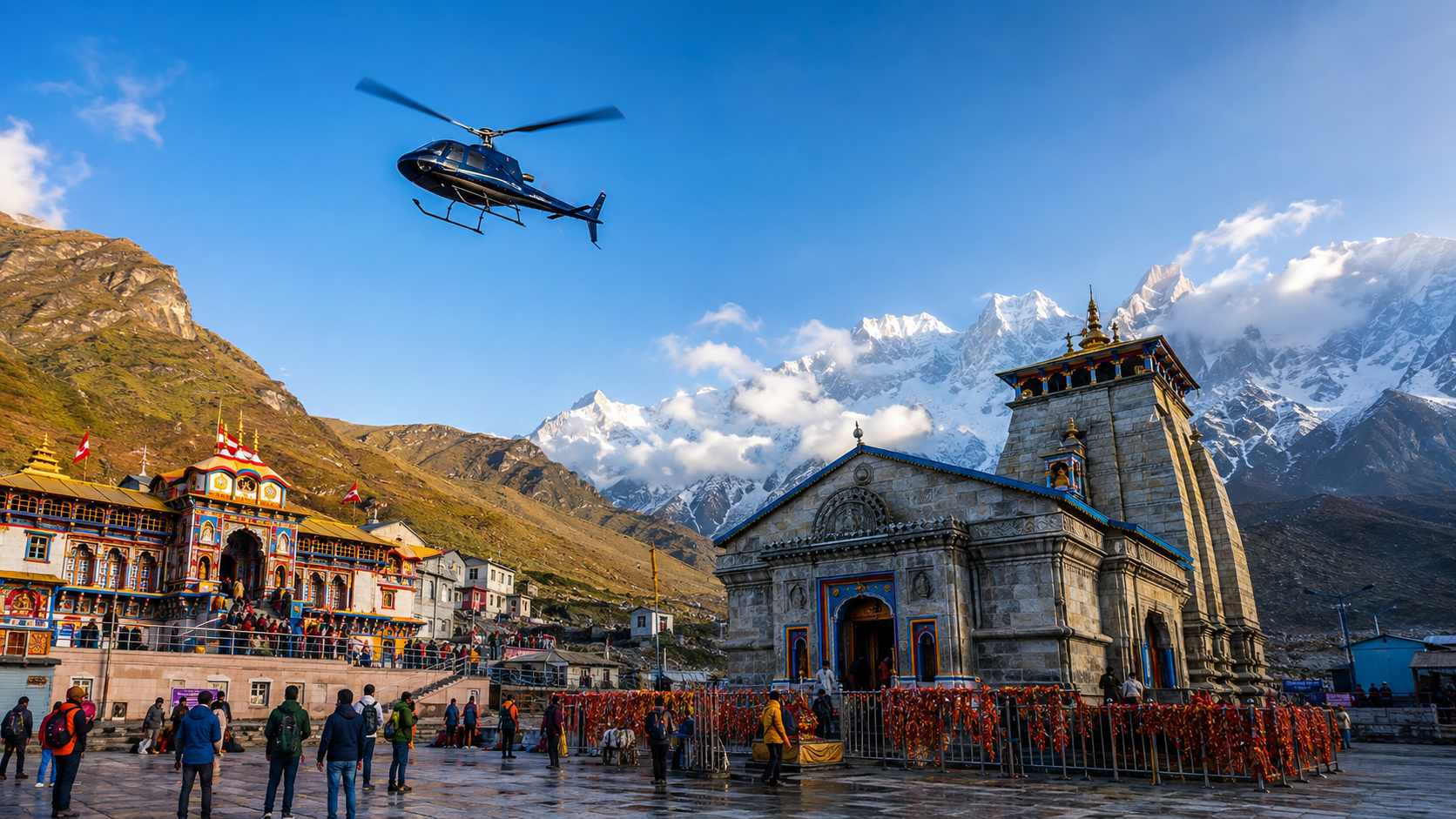
Experience the sacred Do Dham Yatra by helicopter from Dehradun, covering the revered Kedarnath Temple and Badrinath Temple in a compact 3-day, 2-night pilgrimage. This Dehradun-to-Dehradun package is designed for devotees who want to visit both Himalayan shrines while reducing the long road travel involved in a conventional yatra. Kedarnath, dedicated to Lord Shiva, stands high in the Garhwal Himalayas, while Badrinath is one of the four Char Dham pilgrimage sites and is dedicated to Lord Vishnu. With helicopter travel, the journey can be more convenient, subject to weather, operational conditions and applicable pilgrimage regulations.
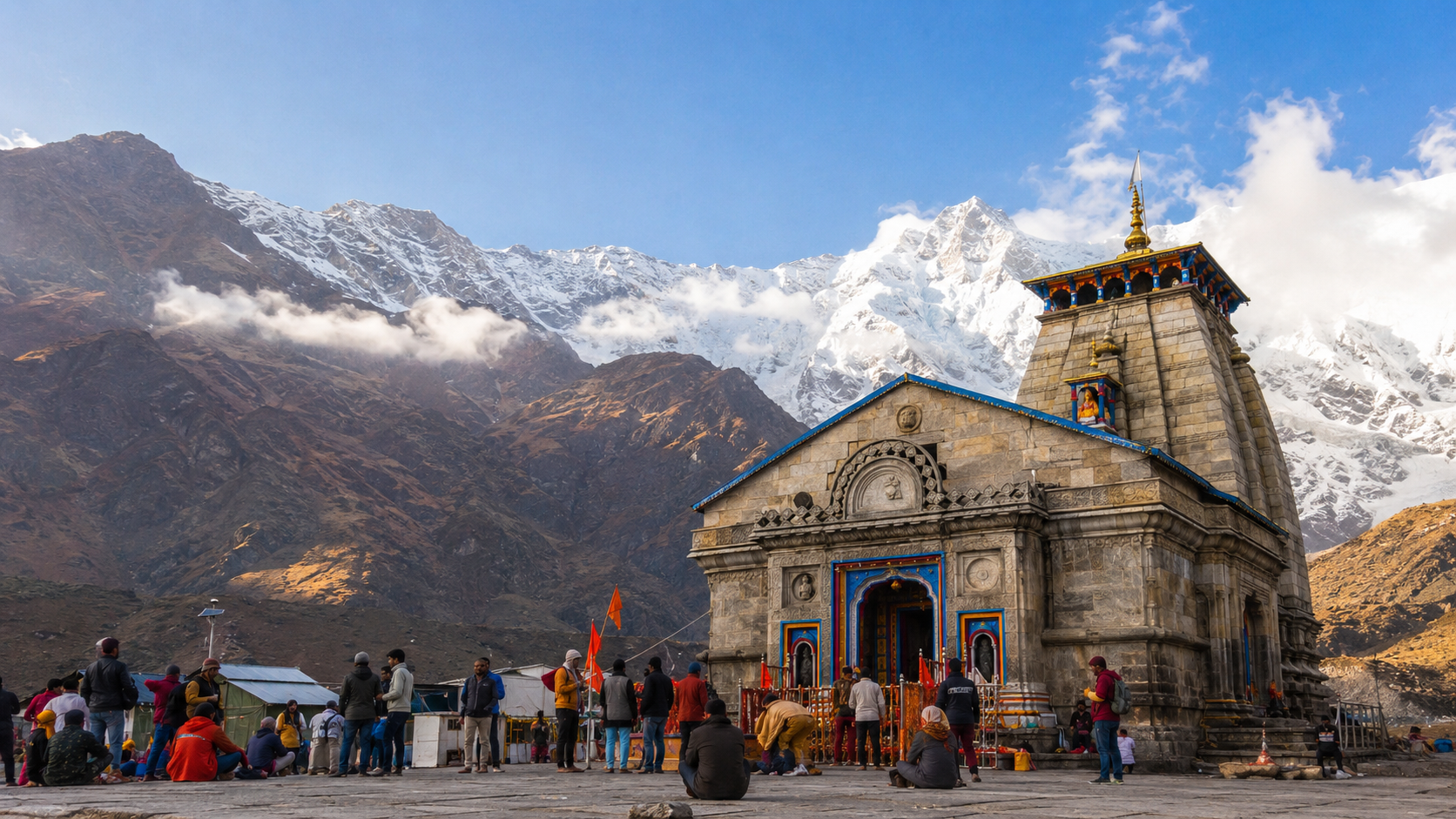
The Do Dham Yatra from Delhi is an 8-day pilgrimage covering the two revered Himalayan shrines of Kedarnath and Badrinath. Starting and ending in Delhi, this thoughtfully planned journey brings together the spiritual atmosphere of Kedarnath, dedicated to Lord Shiva, and Badrinath, dedicated to Lord Vishnu, along with time around Haridwar and Rishikesh. The route combines road travel through Uttarakhand with the required approach to Kedarnath on foot from the roadhead. With high-altitude travel, changing mountain weather and seasonal temple access to consider, Trip to Yatra helps pilgrims plan the journey around practical travel requirements rather than rushing through the experience.
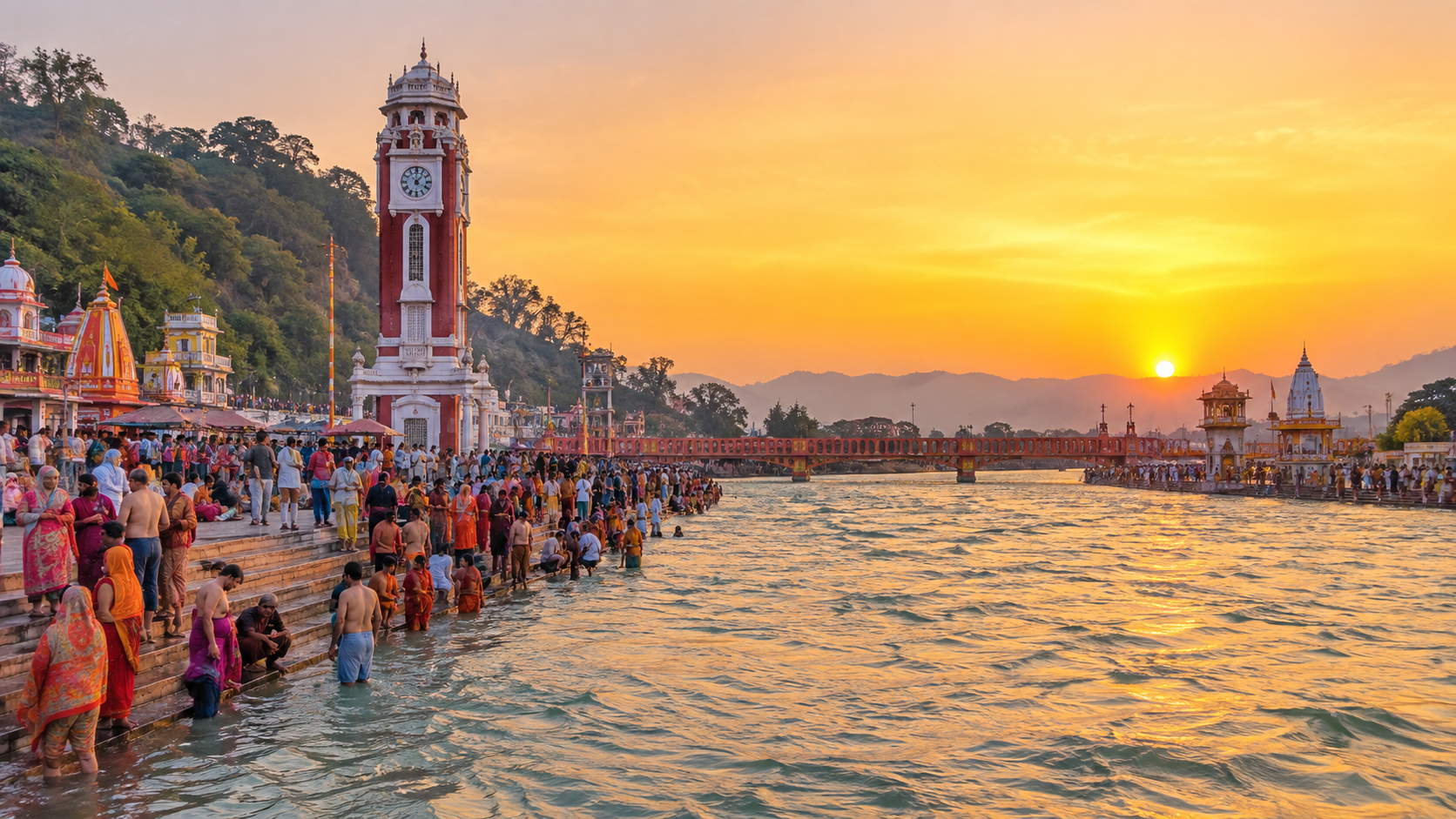
Haridwar Kumbh Mela from Haridwar. Package details, itinerary and pricing can be completed in the CRM.
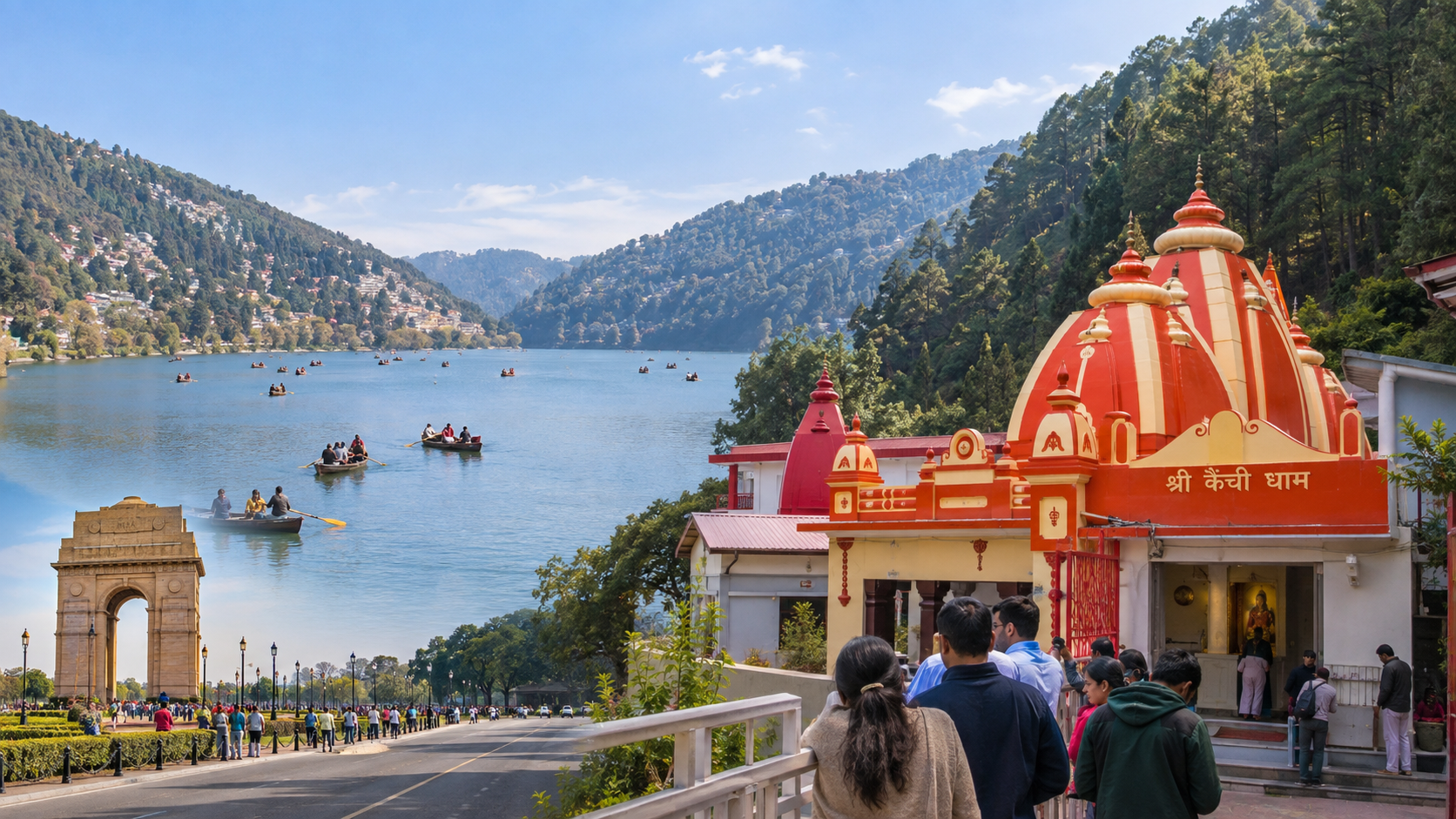
Nainital Kainchi Dham Tour from Delhi. Package details, itinerary and pricing can be completed in the CRM.
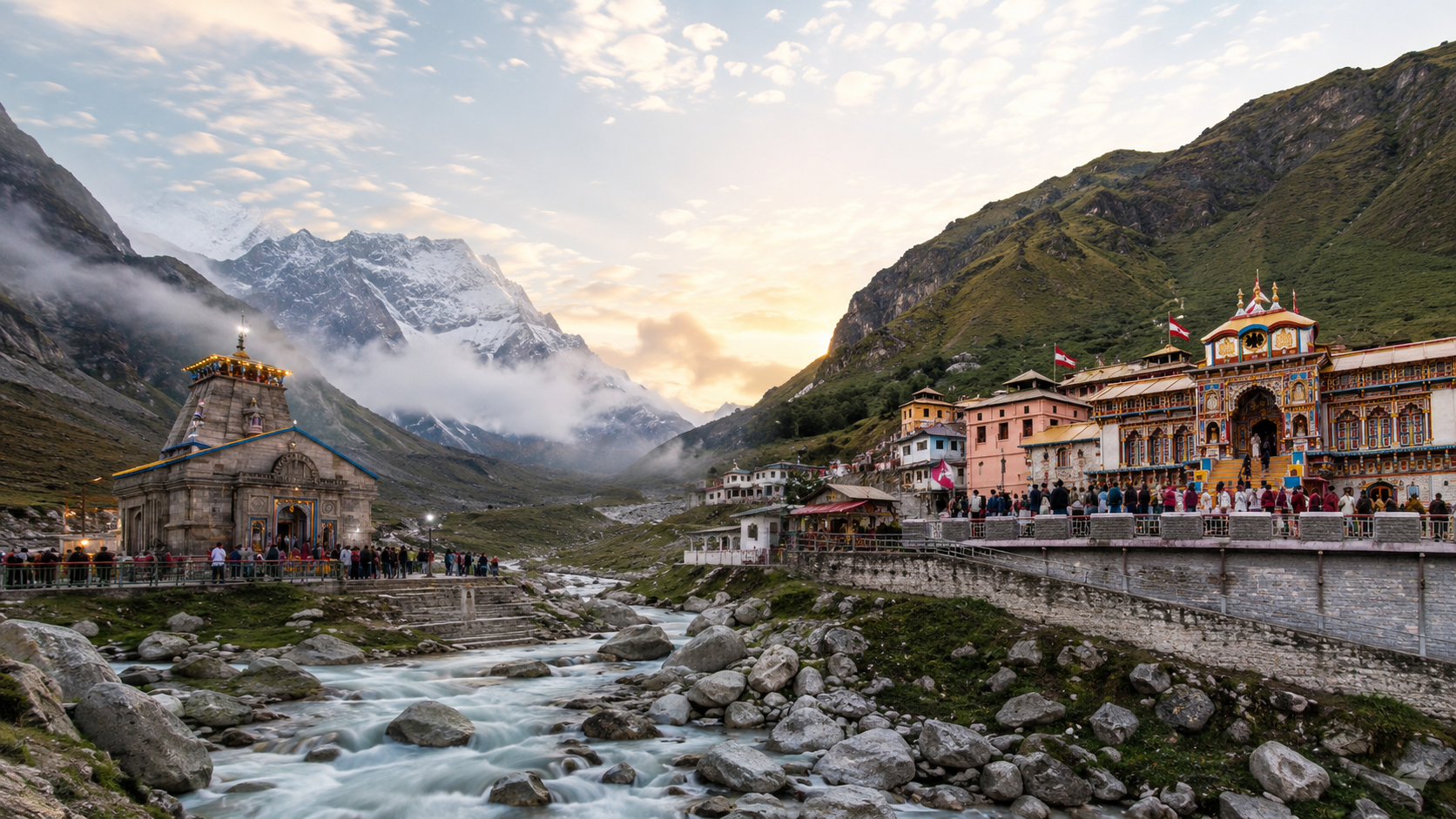
The 6 Days / 5 Nights Do Dham Yatra from Haridwar is designed for pilgrims who wish to visit the sacred Kedarnath Temple and Badrinath Temple in one focused Uttarakhand pilgrimage. Starting and ending in Haridwar, the journey combines the spiritual atmosphere of the Himalayan temples with the changing landscapes of Garhwal. Kedarnath, one of Lord Shiva’s most revered pilgrimage sites and a Jyotirlinga, requires a mountain approach and a trek from Gaurikund. Badrinath, dedicated to Lord Vishnu, is one of Uttarakhand’s four Char Dham temples. Trip to Yatra helps travellers plan this pilgrimage with practical guidance and clear enquiry support.
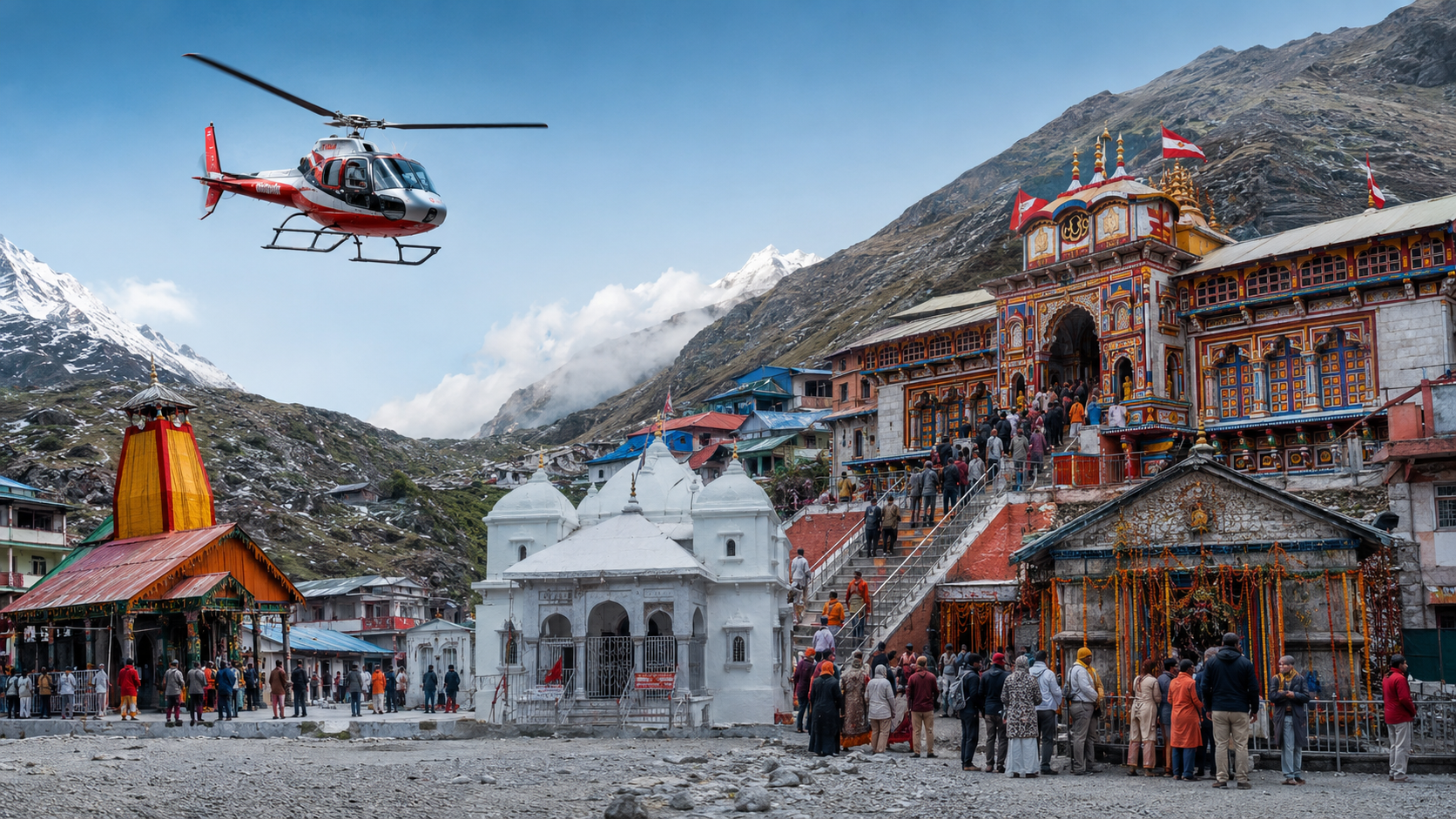
Chardham Yatra by Helicopter from Dehradun offers a more time-efficient way to undertake the sacred Uttarakhand Char Dham pilgrimage, covering Yamunotri, Gangotri, Kedarnath and Badrinath in a 5-day / 4-night package. Starting and ending in Dehradun, the journey combines helicopter travel with the necessary ground and temple-access arrangements at the Dhams. The helicopter element can significantly reduce long road journeys, but it does not mean every temple is reached directly by helicopter; Yamunotri and Kedarnath involve access arrangements beyond the helipad. Char Dham operates seasonally, and 2027 opening dates, operating conditions and applicable requirements should be confirmed before
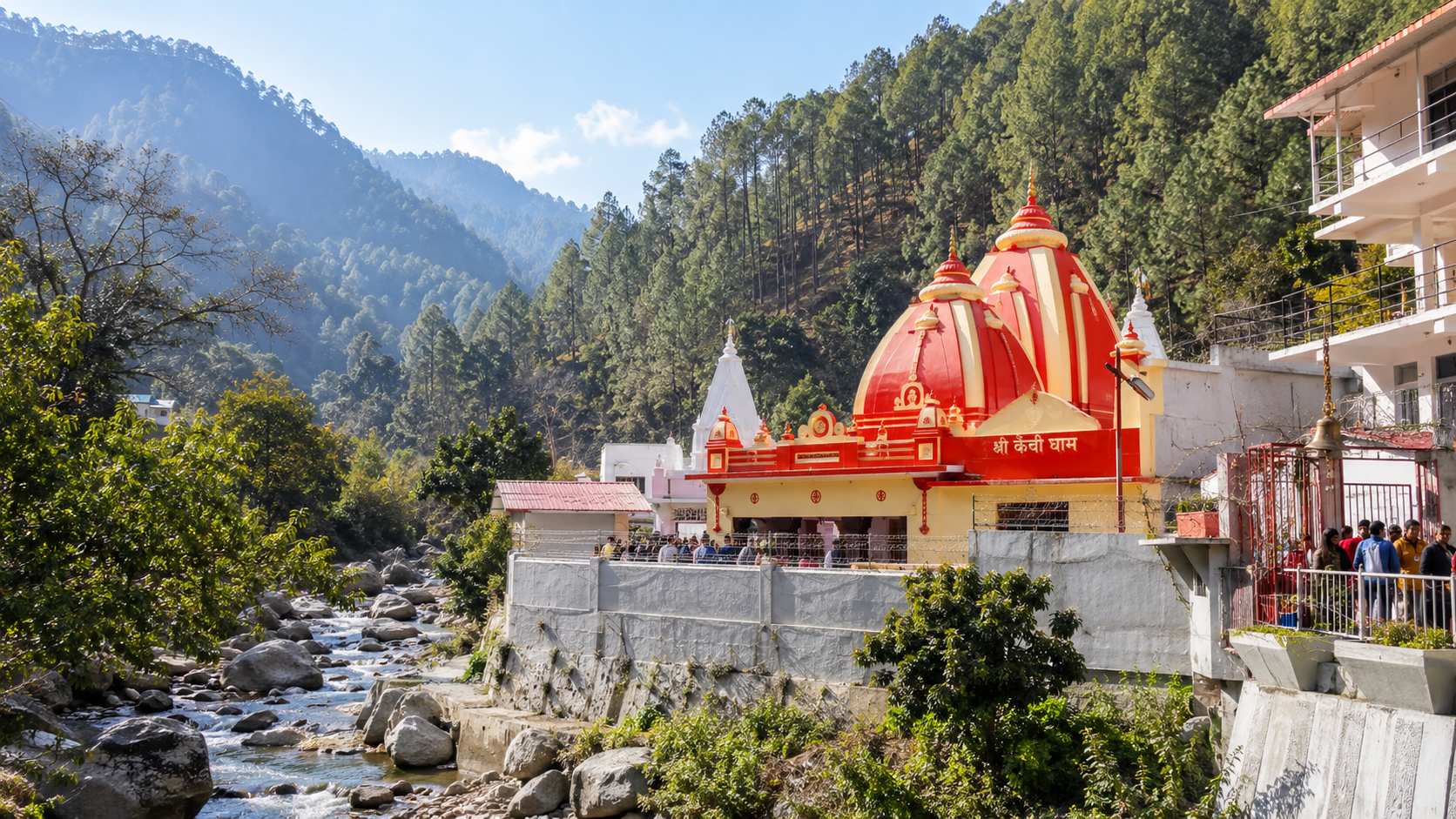
Kainchi Dham Tour from Delhi. Package details, itinerary and pricing can be completed in the CRM.
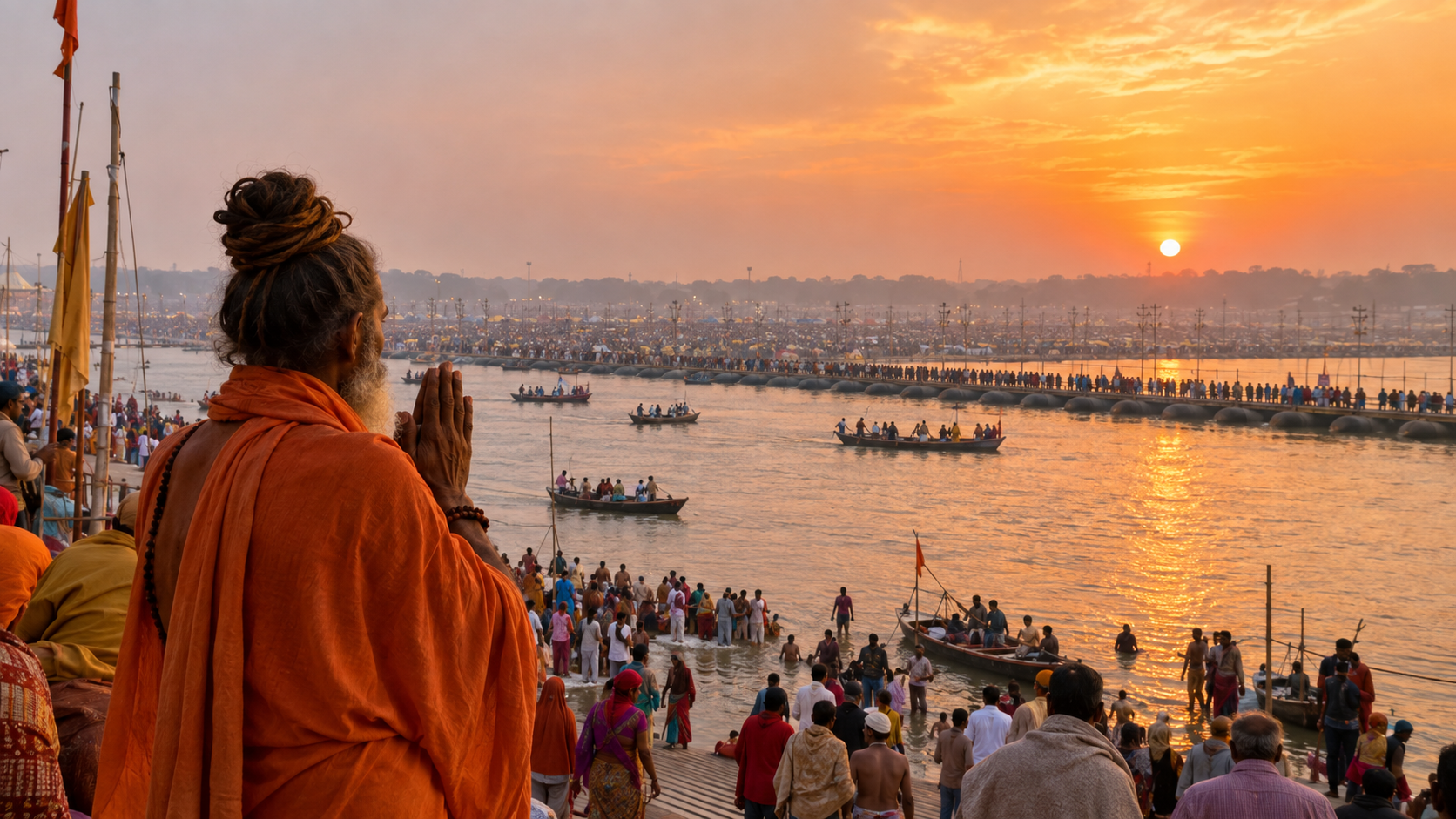
Prayagraj Kumbh Mela from Prayagraj. Package details, itinerary and pricing can be completed in the CRM.
Plan Kailash Mansarovar Yatra by helicopter from Kathmandu in 2027 via Nepalgunj, Simikot and Hilsa with permits, route, parikrama and travel guidance.
Share your details and get a suitable package from our travel expert.
Kailash Mansarovar Yatra by Helicopter from Kathmandu. Package details, itinerary and pricing can be completed in the CRM.
The Kailash Mansarovar Yatra by helicopter from Kathmandu is a high-altitude pilgrimage designed around the established Nepalgunj-Simikot-Hilsa approach to western Tibet. The journey combines scheduled flights within Nepal, a helicopter sector between Simikot and Hilsa, road travel after entering Tibet and, for pilgrims who are medically fit and permitted to proceed, the traditional walking parikrama around Mount Kailash. It starts and ends in Kathmandu and is planned here as an 11 Days / 10 Nights programme.
The expression “by helicopter” should be understood correctly before booking. The complete journey from Kathmandu to Mount Kailash is not undertaken by helicopter. Kathmandu and Nepalgunj are linked by scheduled air services, the onward mountain sector normally uses a fixed-wing flight towards Simikot, and the particularly remote Simikot-Hilsa section is covered by helicopter when weather and operational conditions permit. After the Nepal-China border formalities, the journey continues by authorised surface transport through the Tibetan Autonomous Region. The Mount Kailash parikrama itself involves substantial walking at very high altitude.
This distinction is important because the route remains an expedition-style pilgrimage despite the helicopter component. The Embassy of India in Kathmandu specifically advises Indian pilgrims using the Nepal route that Simikot and Hilsa have minimal tourist and medical infrastructure and that access is dependent on fair-weather air operations. Weather disruption can delay movement for more than a few hours and, in difficult conditions, for days. For this reason, travellers should keep flexible onward plans and should not treat the published day sequence as a guaranteed flight timetable.
The proposed route begins in Kathmandu. After the initial stay, pilgrims fly to Nepalgunj in Nepal's western lowlands. Nepalgunj is used as the staging point for the mountain flight towards Simikot in Humla. Simikot sits on the remote Himalayan approach used by travellers heading towards Hilsa and the border with Tibet. An overnight halt at Simikot is included in this itinerary rather than attempting to compress several weather-sensitive air movements into a single day.
From Simikot, the planned movement is by helicopter to Hilsa. Hilsa is a remote Nepal-China frontier settlement with an immigration presence. The Government of Nepal's Department of Immigration maintains an immigration office at Hilsa, confirming its role as an official border point. After completing applicable exit and entry formalities, the group proceeds towards Purang, also commonly known to pilgrims as Taklakot, on the Tibetan side.
Purang is used for rest and acclimatisation before travelling deeper into the high Tibetan plateau. This acclimatisation stage is not simply sightseeing time. The route rises rapidly from the low elevation of Nepalgunj to Himalayan and Tibetan altitudes, and the Indian Embassy's current pilgrimage advisory urges travellers to undergo medical examination before departure, carry adequate medicines and obtain insurance suitable for high-altitude illness, emergency medical assistance, evacuation and extended stays.
From Purang, the pilgrimage progresses towards Lake Manasarovar. The sacred lake lies near Mount Kailash and holds exceptional religious importance for Hindu and Buddhist pilgrims as well as other traditions connected with the region. Government information published by the Pithoragarh district administration also describes Lake Manasarovar as a major pilgrimage destination situated at the southern side of Mount Kailash.
The programme provides time at the Manasarovar area before continuing to Darchen, the principal staging settlement for the Mount Kailash circuit. Religious activities at the lake must always follow instructions issued locally. Travellers should not assume that bathing, collecting water, performing rituals at a particular shoreline or visiting a particular monastery will automatically be permitted. Local access arrangements can change and the instructions of authorised guides and officials take precedence over a website itinerary.
Darchen is followed by the walking section of the pilgrimage. The first trekking day proceeds towards the northern side of Mount Kailash and the Dirapuk area. The second trekking day is normally regarded as the most physically demanding section because the traditional route crosses the high Dolma La area before descending towards Zuthulpuk. Conditions at these elevations can be severe, including cold, wind, snow or rapidly changing weather even when lower-altitude conditions appear comfortable.
The Embassy of India advises pilgrims not to undertake the Kailash parikrama if their health does not permit it. Travellers with medical conditions, inadequate acclimatisation or symptoms of altitude illness should follow medical and local operational advice instead of attempting to complete the circuit simply because it appears in the booked programme. Helicopter access to Hilsa does not reduce the altitude of Mount Kailash or eliminate the physical demands of the parikrama.
After the final walking section, the itinerary returns by road towards Purang. The following day retraces the international-border sector to Hilsa, followed by the planned helicopter movement to Simikot and onward flights through Nepalgunj to Kathmandu. These connections are necessarily subject to visibility, aircraft availability, border processing and other operational conditions. A traveller with a separately booked international flight immediately after the scheduled return to Kathmandu should therefore consider the possibility of disruption before fixing non-changeable arrangements.
Permit requirements are a particularly important part of a 2027 Kailash Mansarovar booking. The current Embassy of India advisory for Indian citizens travelling to Kailash Mansarovar through Nepal states that pilgrims should have the appropriate Chinese visa and Travel Permit for the Tibetan Autonomous Region before starting the journey from India. Significantly, its guidance updated on 10 September 2026 states that Indian pilgrims should obtain the Chinese visa from the Embassy of China in New Delhi and not from the Chinese Embassy in Kathmandu.
The same Indian Embassy advisory states that pilgrims should ensure their travel agent has obtained the relevant Restricted Area Permit for Nepal for the Simikot/Hilsa route. Nepal's Department of Immigration independently confirms that designated parts of Humla fall within its controlled trekking-permit system and that restricted-area permits are processed through authorised trekking agencies. Because nationality rules, permit fees, processing procedures and Chinese entry arrangements can change, requirements applicable to a 2027 departure must be reconfirmed after authorities release the relevant season's instructions.
This Kathmandu package should therefore not be sold on the assumption that a traveller can arrive in Nepal first and arrange every China-related document after arrival. For Indian nationals in particular, the current official advisory points to pre-departure Chinese visa preparation in India. Passport submission dates, validity requirements, group processing conditions and documentation should be checked against the final 2027 procedure before accepting a booking.
The Nepal immigration rules also require attention. Indian nationals do not normally require a Nepal visa for entry into Nepal, while other nationalities must comply with Nepal's applicable tourist-visa rules. Nepal's Department of Immigration currently provides visa-on-arrival facilities for many eligible foreign travellers, but nationality-specific eligibility and entry documentation should always be checked before travel. This package must not use a single visa statement for all nationalities.
Kailash Mansarovar is not an ordinary leisure holiday. The route includes rapid altitude gain, remote airfields, basic infrastructure and an arduous trekking circuit. A proper pre-travel medical assessment is strongly recommended. Current Indian government guidance specifically advises pilgrims travelling through Nepal to undergo a thorough medical examination and to carry adequate personal medicines, including a reserve supply because Simikot and Hilsa have minimal or no dependable medical facilities.
Travellers should discuss altitude exposure with a qualified doctor, particularly when they have an existing medical condition or take regular medication. No tour description should claim that a particular age group, oxygen cylinder, helicopter service or acclimatisation day makes the pilgrimage medically safe. Fitness for the parikrama is individual and can change after reaching altitude.
Travel insurance should be chosen carefully. The current Embassy of India guidance specifically recommends adequate insurance covering contingencies such as high-altitude sickness, emergency medical relief, evacuation and extended stay. Pilgrims should read the insurer's altitude, trekking, helicopter-evacuation and pre-existing-condition clauses rather than relying on a general international travel policy.
Accommodation standards change considerably during this route. Kathmandu and Nepalgunj have conventional city accommodation options, but remote Himalayan and Tibetan sectors should be approached with realistic expectations. The Embassy of India notes that Simikot and Hilsa have basic or minimal tourist infrastructure and pilgrims may have to use simple hotels, lodges or dormitory-style facilities. For that reason this CRM record does not promise named hotels or a fixed star category.
Similarly, the exact accommodation available around the Kailash parikrama can depend on local allocation and operating conditions. Rooms, toilets, heating and other facilities may be basic. Travellers who require predictable luxury accommodation throughout the journey should understand these limitations before booking.
The helicopter route saves substantial surface travel in Nepal, but it introduces dependence on aviation in difficult Himalayan terrain. Simikot-Hilsa movements require suitable weather and visibility. Fixed-wing flights serving mountain airports are also weather-sensitive. The sequence shown in this 11-day itinerary is therefore the planned operating pattern rather than a guarantee that every sector will move at the published time or even on the originally planned day.
Border regulations can create additional changes. China entry permissions, Tibet travel authorisations, group arrangements, Nepal restricted-area documentation, immigration procedures and local security decisions can all affect the final programme. The route should be reconfirmed close to the 2027 operating season rather than relying solely on procedures applicable in September 2026.
This route is suited to pilgrims who want to begin and finish in Kathmandu while avoiding the much longer overland approach across Nepal. It is particularly useful for travellers who prefer the Simikot-Hilsa aerial corridor and understand that a helicopter-assisted itinerary is still a demanding high-altitude journey.
It should not be marketed as an effortless substitute for trekking. Travellers intending to complete the Mount Kailash parikrama need suitable fitness and medical clearance. Those who cannot undertake the circuit may have to follow the alternative arrangement permitted locally for their group, but no specific substitute darshan, vehicle access or guaranteed aerial view should be promised unless authorities and operators confirm it for the relevant departure.
This itinerary is prepared from the latest verifiable government guidance and the established operational pattern of the Kathmandu-Nepalgunj-Simikot-Hilsa-Purang corridor. As of September 2026, final 2027 visa procedures, permit charges, flight schedules, departure dates, hotel allocations and Tibet operating instructions have not been treated as confirmed in this package data. They should be inserted only after written confirmation from the competent authorities and operating partners.
For a genuine Kailash Mansarovar pilgrimage, flexibility is essential. Travellers should prepare for simple facilities, very high altitude, cold conditions, strenuous walking and possible delays while keeping the spiritual purpose of the journey at the centre. With correct documentation, medical preparation and realistic expectations, the Kathmandu-Simikot-Hilsa route offers a practical helicopter-assisted approach to Lake Manasarovar and the sacred Mount Kailash circuit.
A quick overview of the experiences, important stops and thoughtful planning included in this yatra.
Kathmandu round-trip pilgrimage through the Nepalgunj-Simikot-Hilsa corridor.
Helicopter sector planned between Simikot and Hilsa, subject to weather and operational clearance.
Journey to the sacred Lake Manasarovar and Mount Kailash region.
Dedicated acclimatisation period in Purang before travelling higher.
Traditional Mount Kailash parikrama for pilgrims who are medically fit and permitted to proceed.
Planned overnight stops at Kathmandu, Nepalgunj, Simikot, Purang, Manasarovar area, Darchen, Dirapuk and Zuthulpuk.
Route planned with additional staging rather than assuming multiple Himalayan flight connections will always operate on one day.
Follow the journey step by step through the important halts, stays and darshan points.
Arrive in Kathmandu and complete the initial group coordination and document checks applicable to the pilgrimage. Keep original travel documents readily available. Overnight in Kathmandu.
Proceed to the airport for the scheduled domestic flight from Kathmandu to Nepalgunj. Nepalgunj serves as the western Nepal staging point for the onward mountain-air route towards Simikot. Overnight in Nepalgunj.
Take the planned mountain flight from Nepalgunj to Simikot, subject to suitable weather, visibility and aviation operations. Use the remainder of the day for rest and gradual adjustment before proceeding towards the higher Hilsa and Tibetan sectors. Overnight in Simikot.
Subject to weather and operational clearance, fly by helicopter from Simikot to Hilsa. Complete the applicable Nepal exit and China entry formalities and continue by authorised surface transport towards Purang, also commonly called Taklakot by pilgrims. Overnight in Purang.
Keep the day primarily for rest and acclimatisation before travelling to the higher Manasarovar and Kailash region. Avoid unnecessary exertion and report symptoms of altitude illness promptly. Local movement, if any, remains subject to the guide's instructions and individual health.
Travel by authorised vehicle through the Tibetan plateau towards the Lake Manasarovar area. On arrival, undertake only those religious activities and shoreline visits permitted by local authorities and guides. Overnight in the Manasarovar area in the accommodation allocated for the group.
Spend the available morning period in the Manasarovar region according to local permissions, then continue to Darchen, the principal staging settlement for the Mount Kailash parikrama. Rest, organise permitted trekking baggage and prepare for the walking section. Overnight in Darchen.
Begin the Mount Kailash parikrama according to the route opened by local authorities, proceeding towards the Dirapuk area on the northern side of the mountain. This is a high-altitude trekking day and participation should depend on fitness, acclimatisation and medical condition. Overnight in the Dirapuk area.
Continue the demanding second stage of the traditional Kailash circuit, normally crossing the high Dolma La section before descending towards Zuthulpuk. Weather, snow conditions, individual health and official instructions determine whether a pilgrim may proceed. Overnight in the Zuthulpuk area.
Complete the final walking section of the Kailash circuit and meet the authorised vehicle at the designated pickup point. Continue by road towards Purang for the final night in Tibet. Overnight in Purang.
Travel towards the Nepal-China border, complete immigration formalities and enter Nepal at Hilsa. Subject to weather and aircraft operations, fly by helicopter to Simikot and continue by scheduled air services through Nepalgunj to Kathmandu. The tour ends in Kathmandu. Same-day completion of all air sectors is operationally dependent and should not be treated as guaranteed.
Review what is included in your plan and the important information required before confirming your journey.
Important answers to help you prepare for this journey.
No. The helicopter is used for the remote Simikot-Hilsa sector in the planned route. Other Nepal sectors use scheduled flights, Tibet sectors use authorised road transport, and the Mount Kailash parikrama involves trekking.
The planned sequence is Kathmandu-Nepalgunj-Simikot-Hilsa-Purang-Lake Manasarovar-Darchen-Dirapuk-Zuthulpuk-Purang-Hilsa-Simikot-Nepalgunj-Kathmandu.
Yes. The current Embassy of India in Kathmandu advisory says Indian pilgrims should have the appropriate Chinese visa and Travel Permit for the Tibetan Autonomous Region before starting the journey. Its guidance updated on 10 September 2026 states that the Chinese visa should be obtained from the Embassy of China in New Delhi and not from Kathmandu. The procedure must be reconfirmed for 2027.
Current official guidance says the appropriate Restricted Area Permit is required for the Simikot/Hilsa route. Nepal's Department of Immigration also lists controlled areas of Humla under its restricted trekking-permit system. The authorised agency handling the trip should confirm and process the applicable 2027 documentation.
Under current Nepal immigration guidance, Indian citizens do not require a visa for Nepal. Travellers of other nationalities must check the Nepal visa rules applicable to their passport before departure.
Yes. The Embassy of India specifically warns that the Simikot/Hilsa route is connected by air and requires fair weather and visibility. Delays can occur and pilgrims should be prepared for disruption lasting longer than the planned itinerary.
No pilgrim should attempt the parikrama when medically unfit. The Embassy of India advises travellers whose health does not permit the high-altitude trek to avoid undertaking it. Any alternative arrangement depends on the rules and logistics applicable to the particular group.
It is a strenuous high-altitude trek. The traditional route includes the very high Dolma La section, cold and rapidly changing weather, long walking periods and basic facilities. Fitness at lower altitude does not guarantee tolerance at Kailash.
The route gains altitude quickly after Nepalgunj, Simikot and Hilsa. Rest at Purang allows additional adjustment before proceeding towards the still higher Lake Manasarovar, Darchen and Kailash parikrama sectors, although an acclimatisation day cannot guarantee prevention of altitude illness.
Current Embassy of India guidance recommends adequate insurance for contingencies including high-altitude sickness, emergency medical relief, evacuation and extended stay. Travellers should verify altitude and trekking exclusions directly with their insurer.
Not necessarily. The Embassy of India describes tourist and medical infrastructure around Simikot and Hilsa as basic or minimal and advises pilgrims to be prepared for simple hotels, lodges or dormitory-style accommodation. Named hotels should be confirmed only after the final operating plan is issued.
No unverified 2027 price, hotel allocation, visa fee, permit fee, flight schedule or fixed departure date is included in this CRM record. These details should be published only after confirmation from the competent authorities and operating partners.