Journey Start
KathmanduStart
Email Anytime
contact@triptoyatra.in
Call Anytime
Email Anytime
Call Anytime
46 packages available
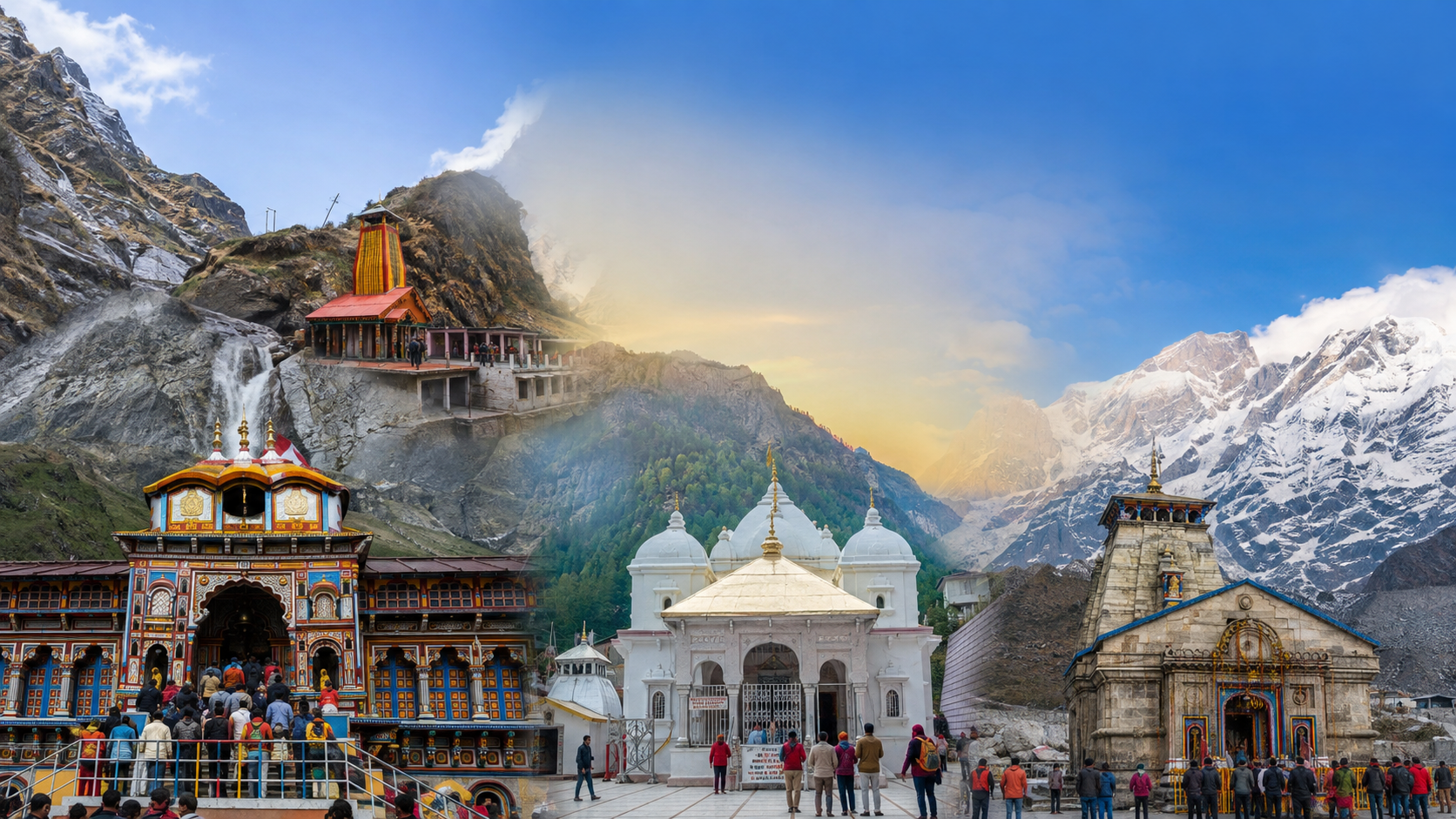
Plan a meaningful pilgrimage to Uttarakhand’s four sacred Himalayan shrines with this 12 Days / 11 Nights Chardham Yatra package from Delhi. The Delhi-to-Delhi journey brings together Yamunotri, Gangotri, Kedarnath and Badrinath, with time in important gateway destinations such as Haridwar and Rishikesh. Designed for travellers who want a structured Char Dham pilgrimage without having to coordinate every travel detail themselves, the package combines spiritual visits with the distinctive mountain landscapes of Uttarakhand. As the shrines are seasonal and high-altitude destinations, travel dates, registration requirements and access conditions should be checked before booking. Enquire with Tr
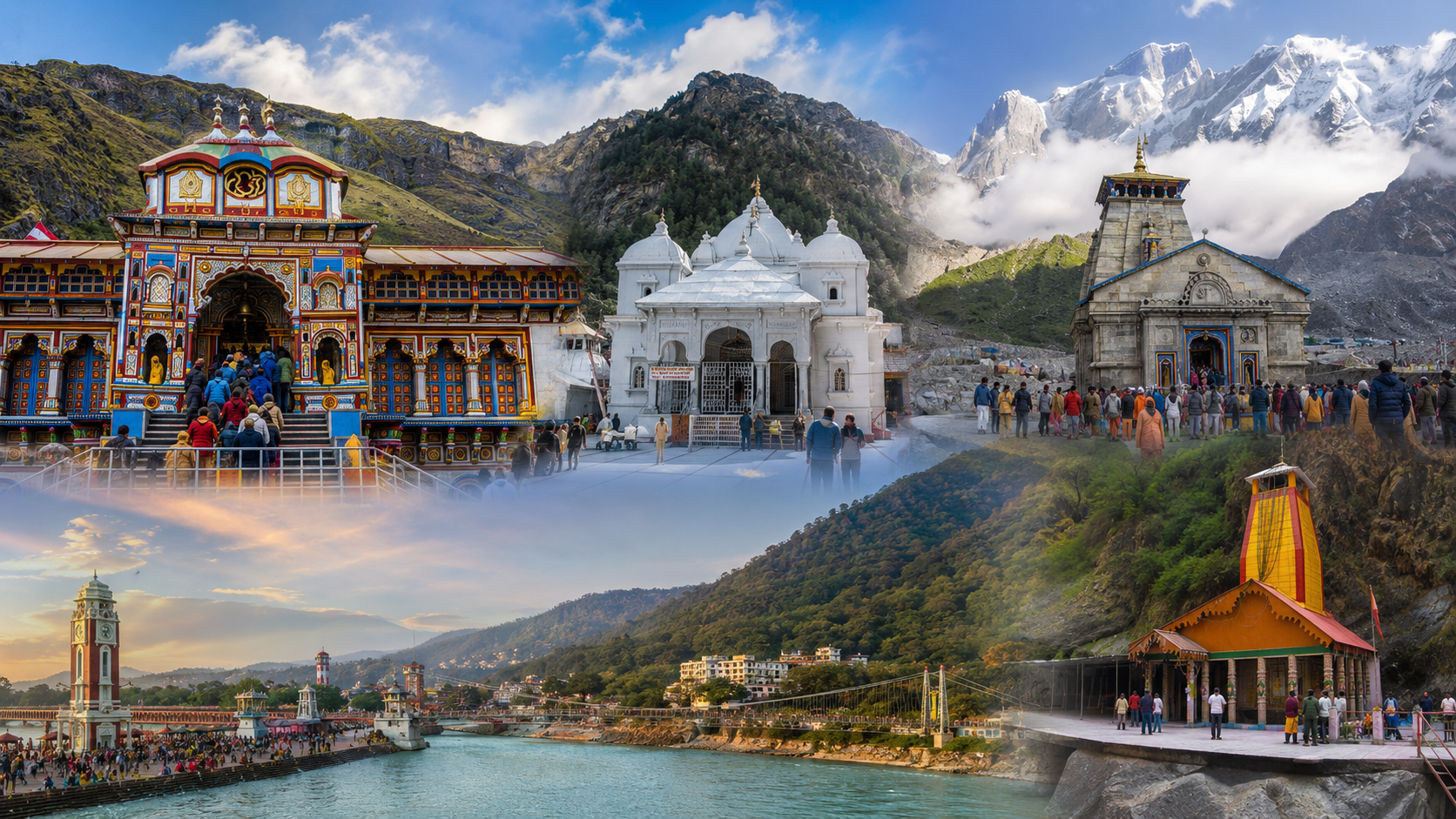
Plan your sacred Himalayan journey with our Chardham Yatra package from Haridwar, designed for travellers wishing to visit Yamunotri, Gangotri, Kedarnath and Badrinath in one organised pilgrimage. This 10 Days / 9 Nights journey starts and concludes in Haridwar and follows the traditional Char Dham sequence through Uttarakhand. Along with the four principal shrines, the journey brings you through the spiritual landscape of the Garhwal Himalayas, with Rishikesh associated with the overall travel region. As mountain conditions, temple opening dates, registrations and access arrangements can change, final 2027 operational details should be verified before departure.
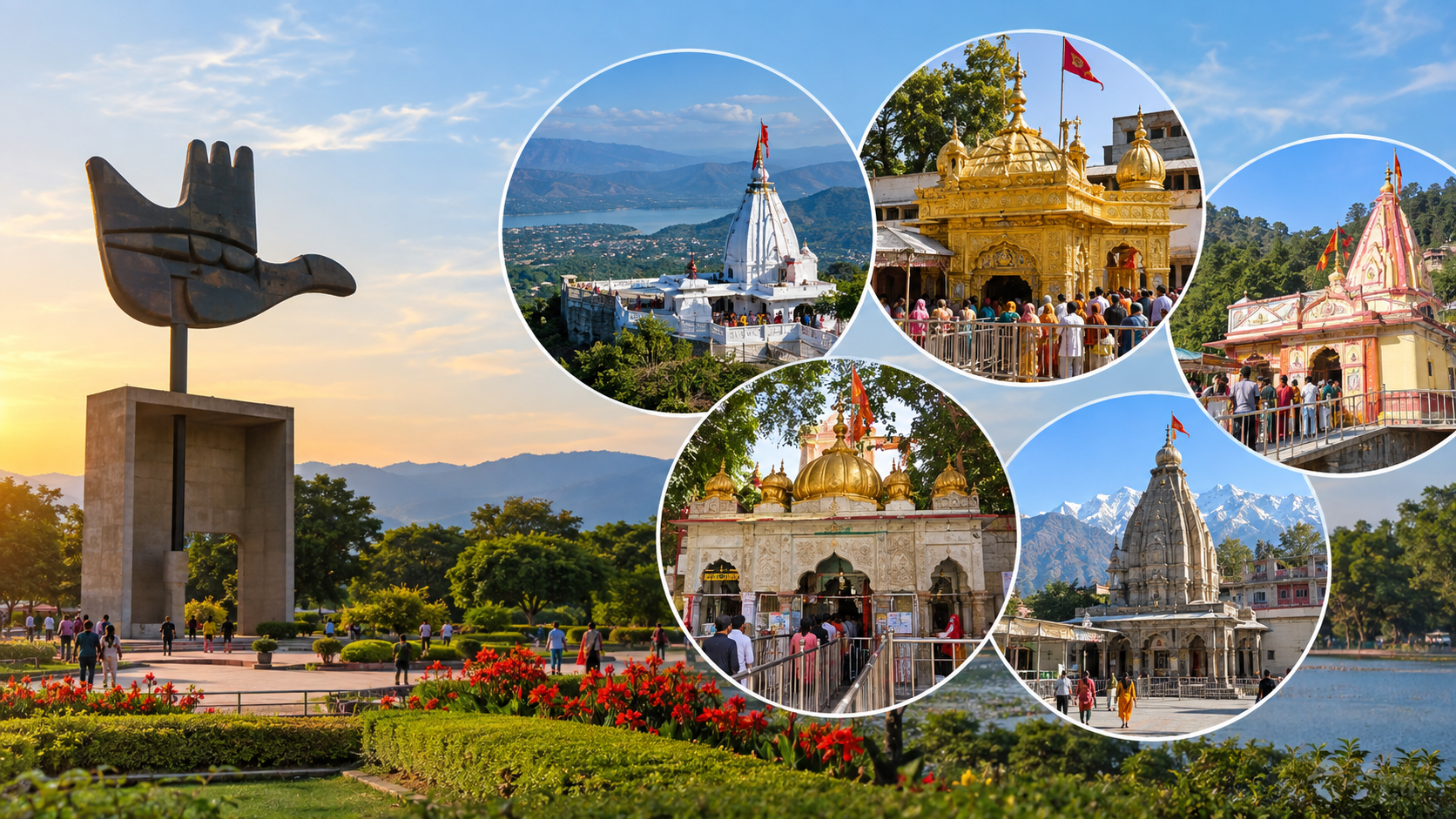
Himachal 5 Devi Darshan from Chandigarh. Package details, itinerary and pricing can be completed in the CRM.
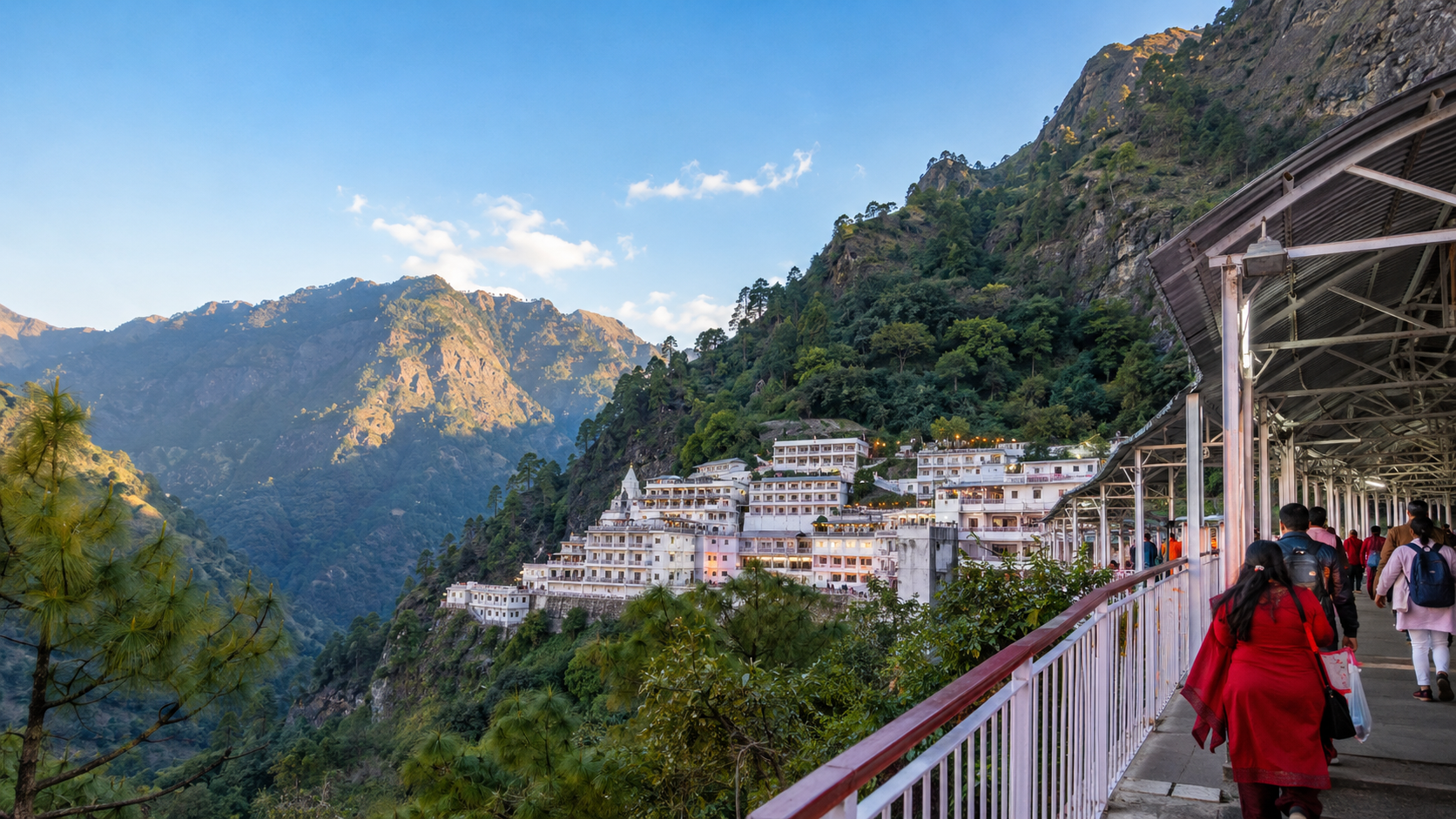
Vaishno Devi Yatra from Katra. Package details, itinerary and pricing can be completed in the CRM.
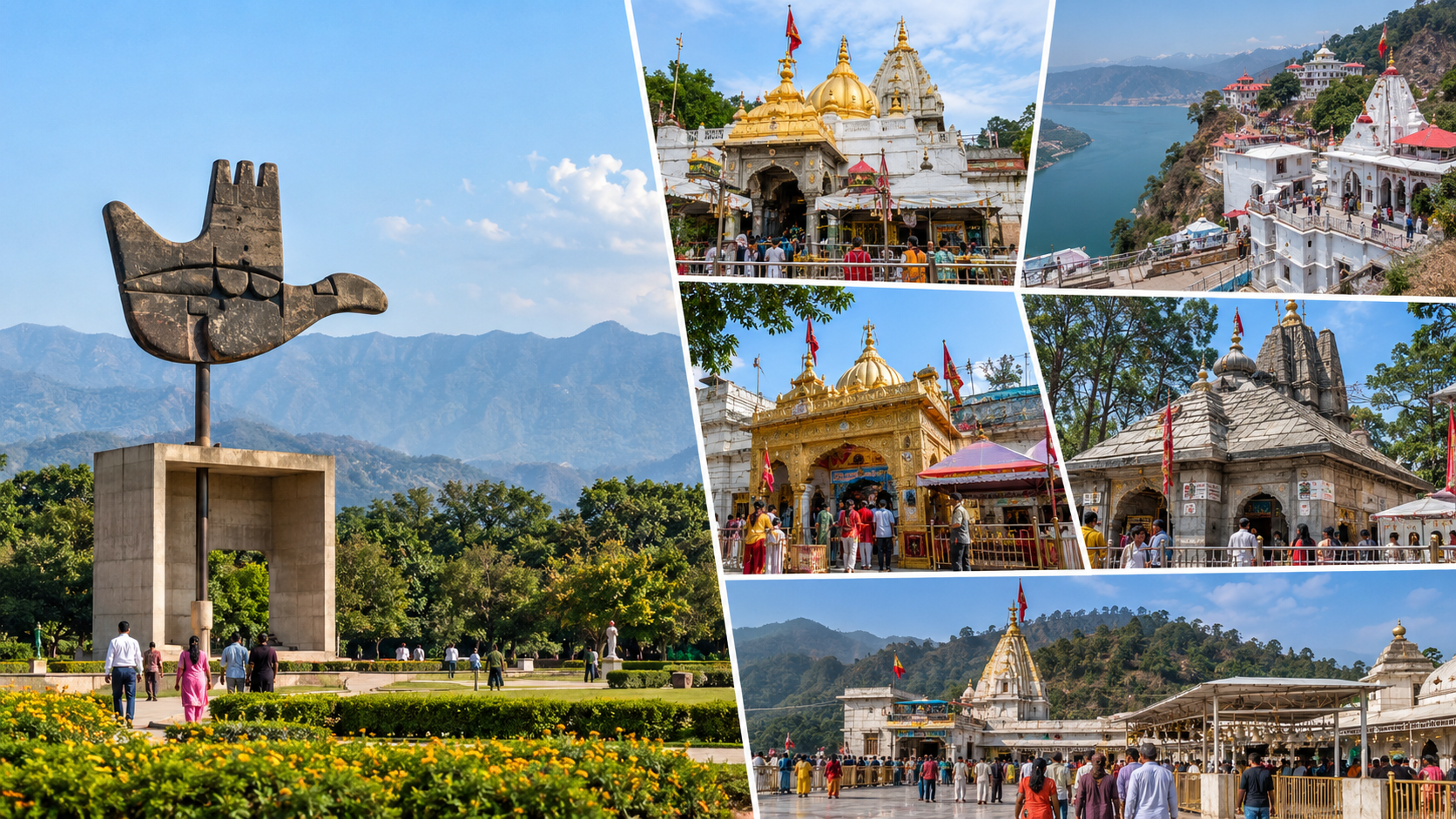
9 Devi Yatra from Chandigarh. Package details, itinerary and pricing can be completed in the CRM.
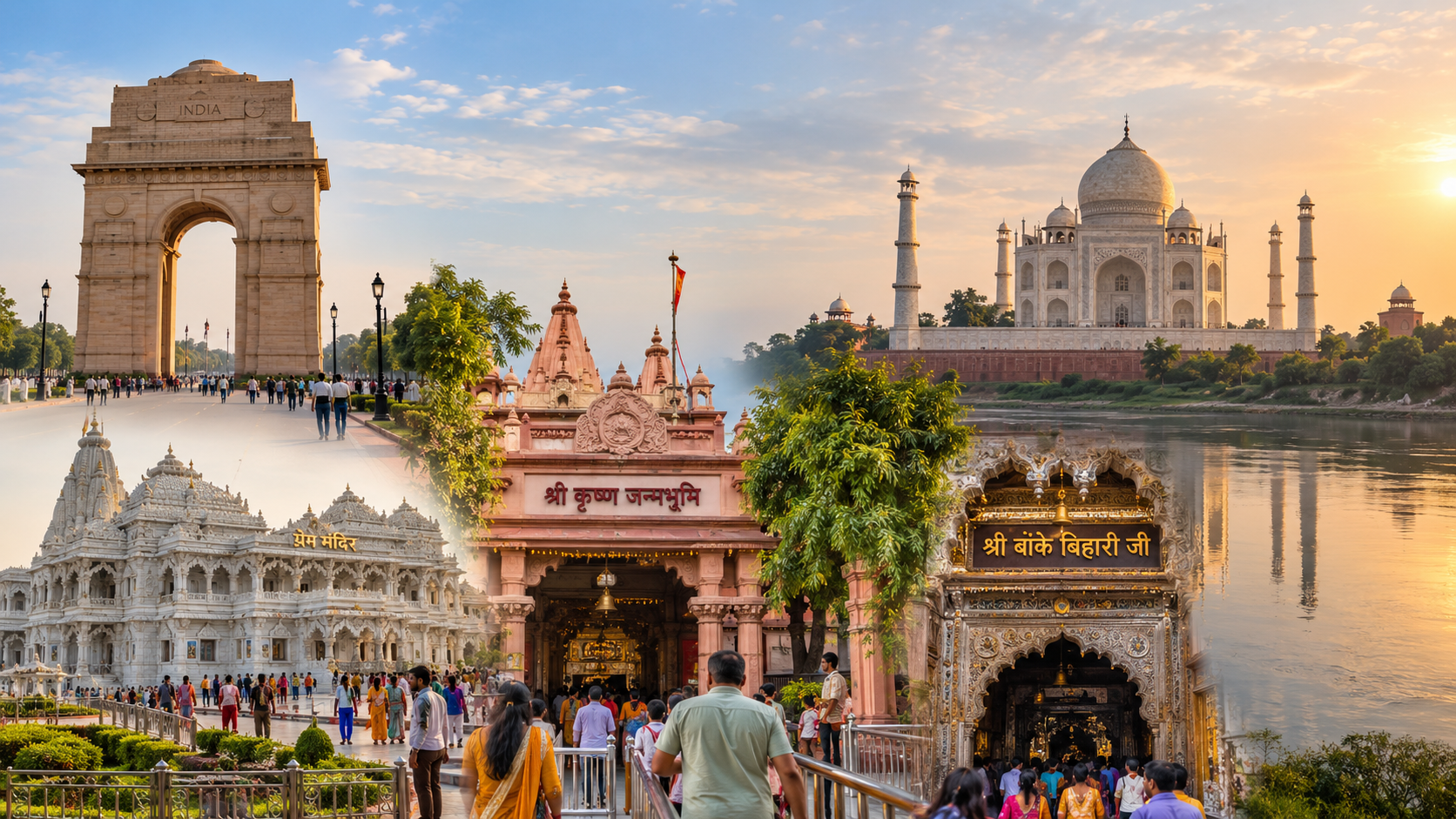
Agra Mathura Vrindavan Tour from Delhi. Package details, itinerary and pricing can be completed in the CRM.
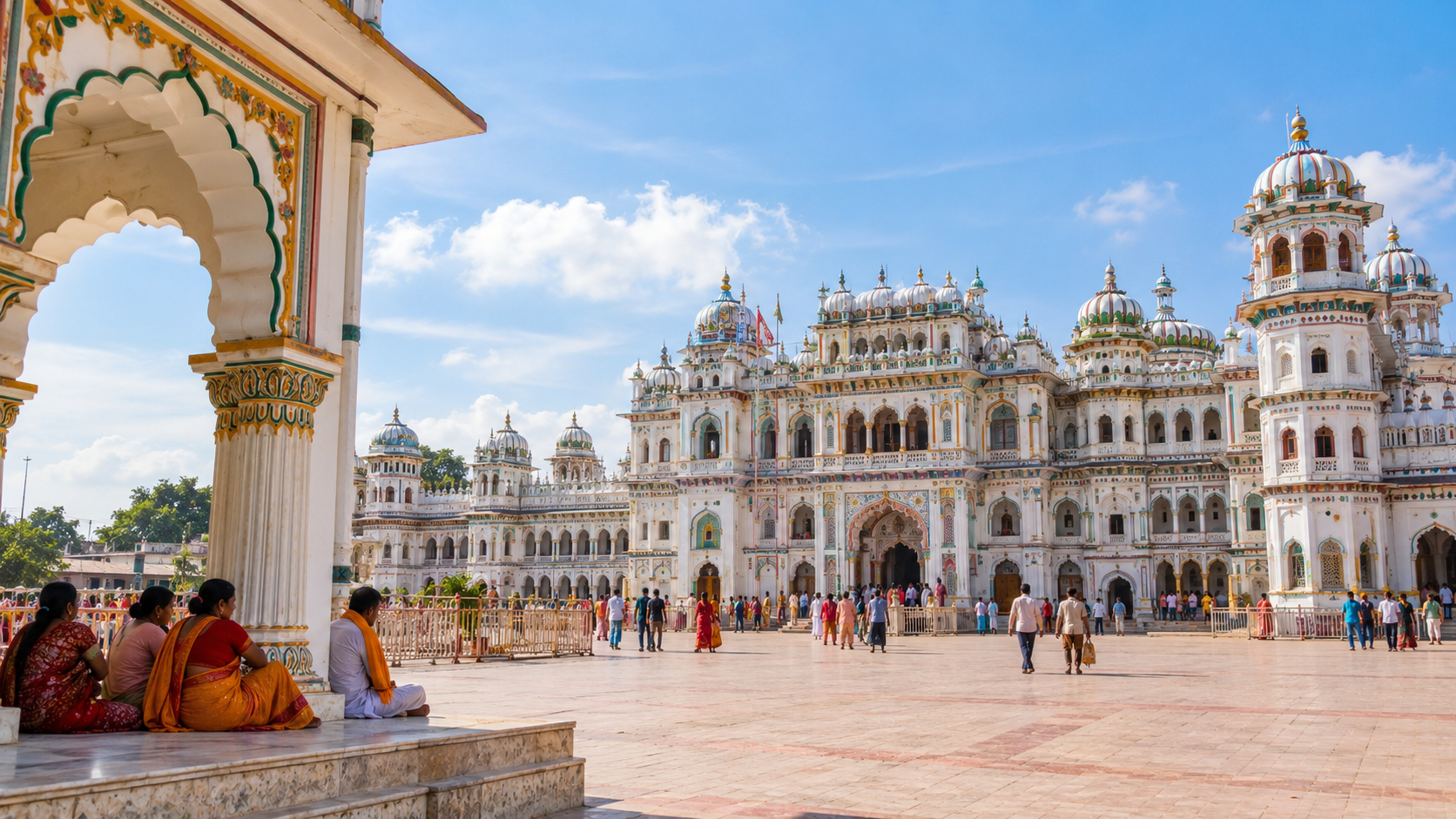
Sitamarhi Janakpur Tour from Darbhanga. Package details, itinerary and pricing can be completed in the CRM.
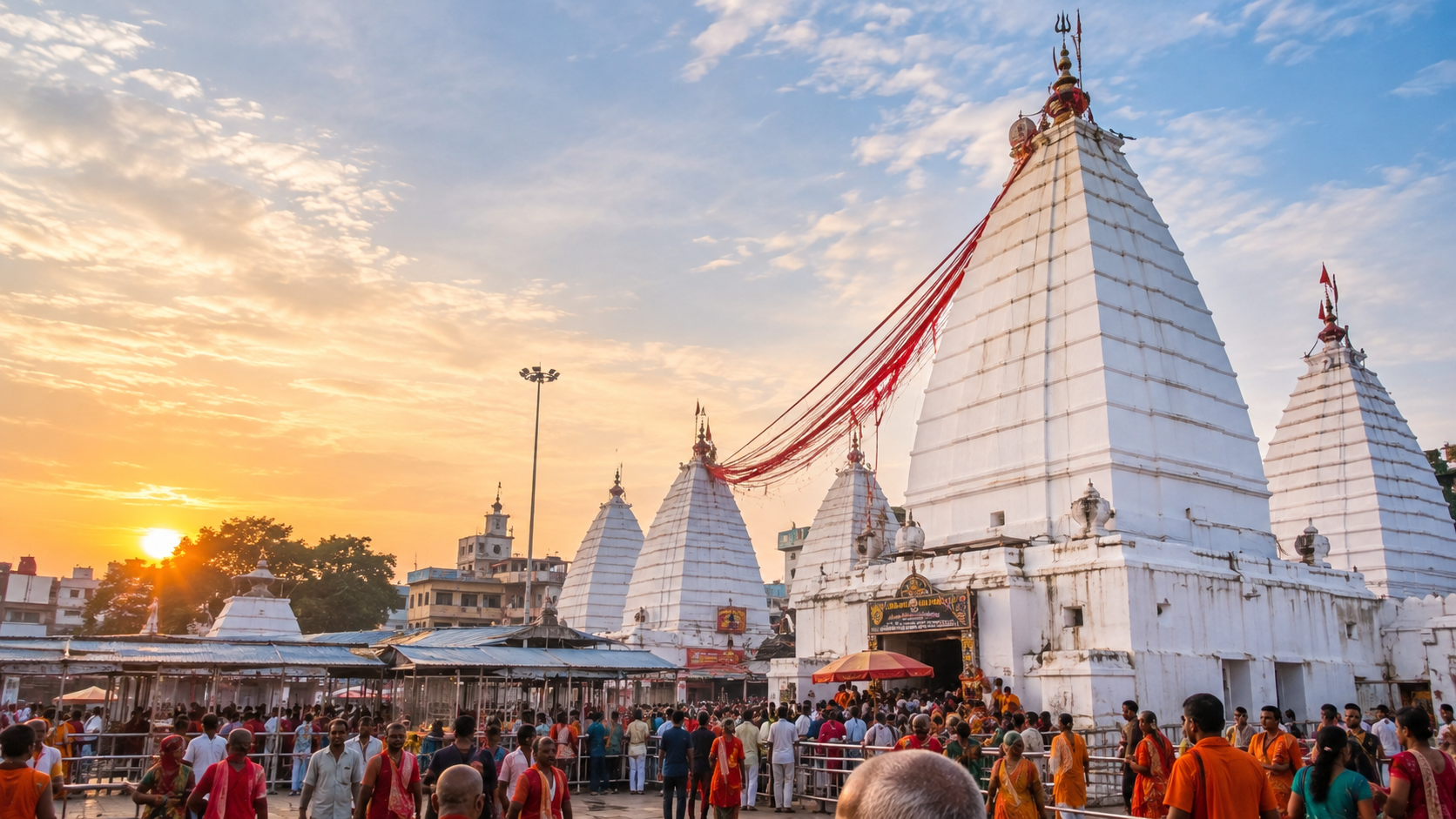
Deoghar Basukinath Tour from Deoghar. Package details, itinerary and pricing can be completed in the CRM.
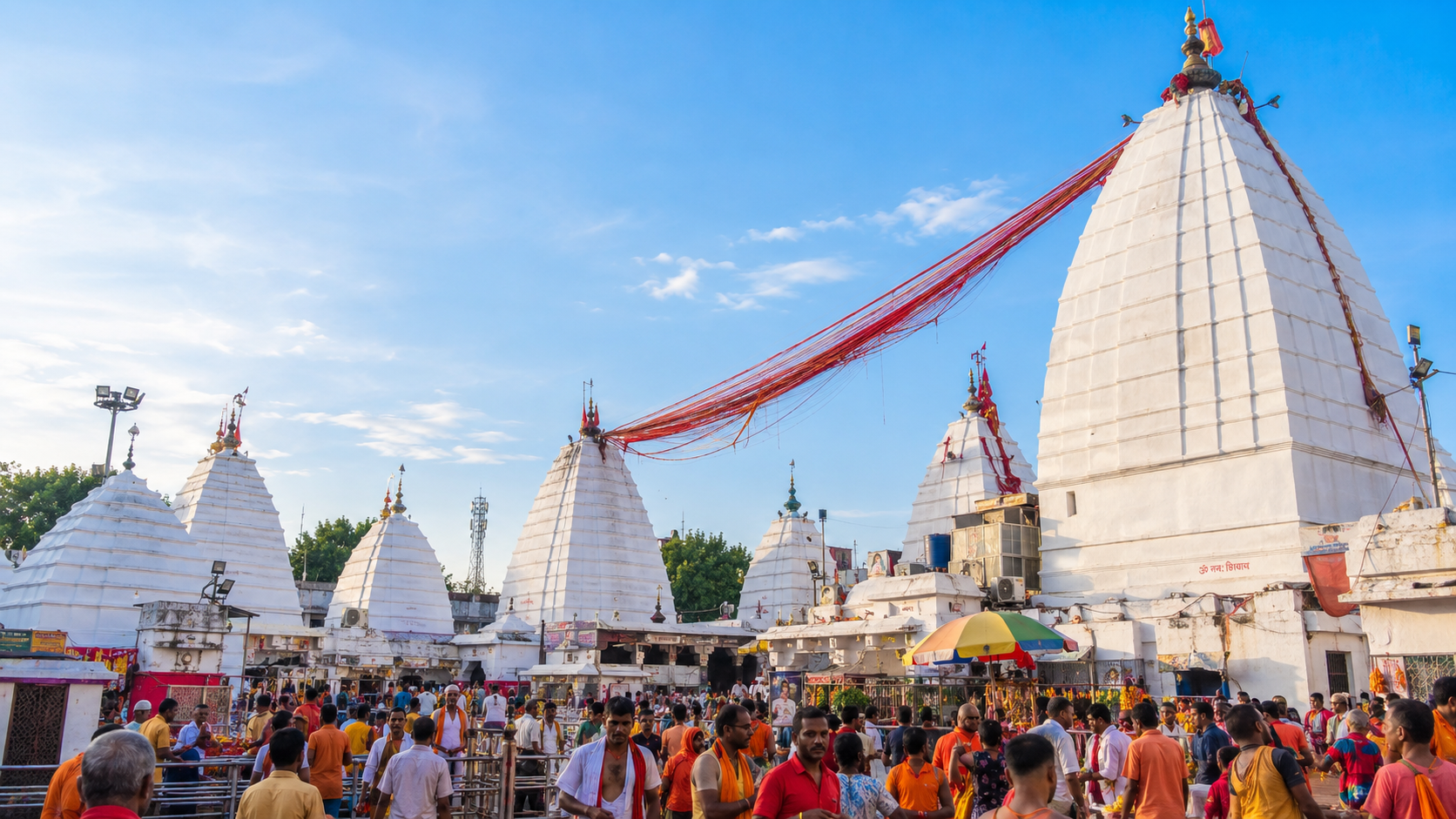
Deoghar Baba Dham Tour from Deoghar. Package details, itinerary and pricing can be completed in the CRM.
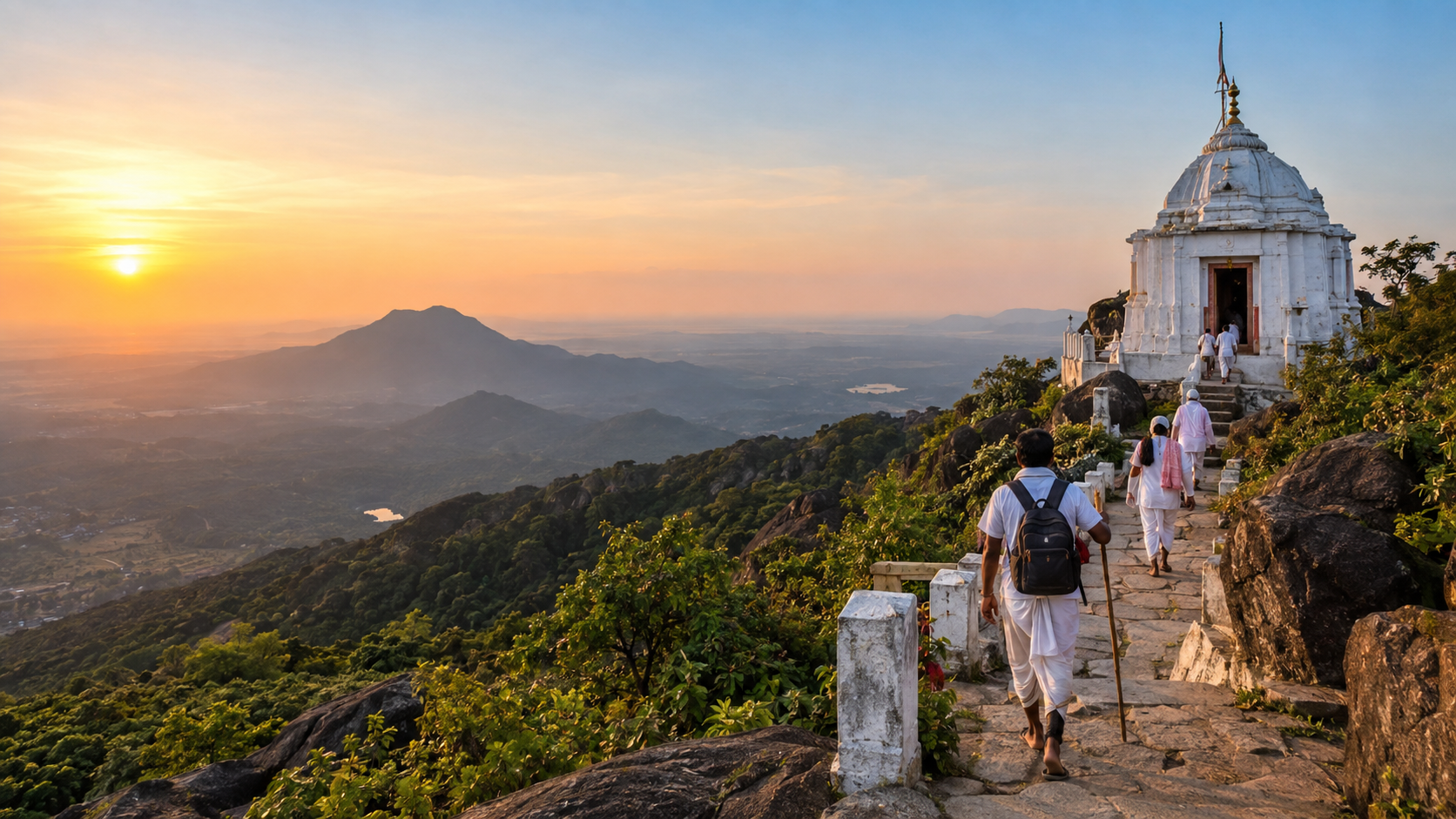
Shikharji Tour from Ranchi. Package details, itinerary and pricing can be completed in the CRM.
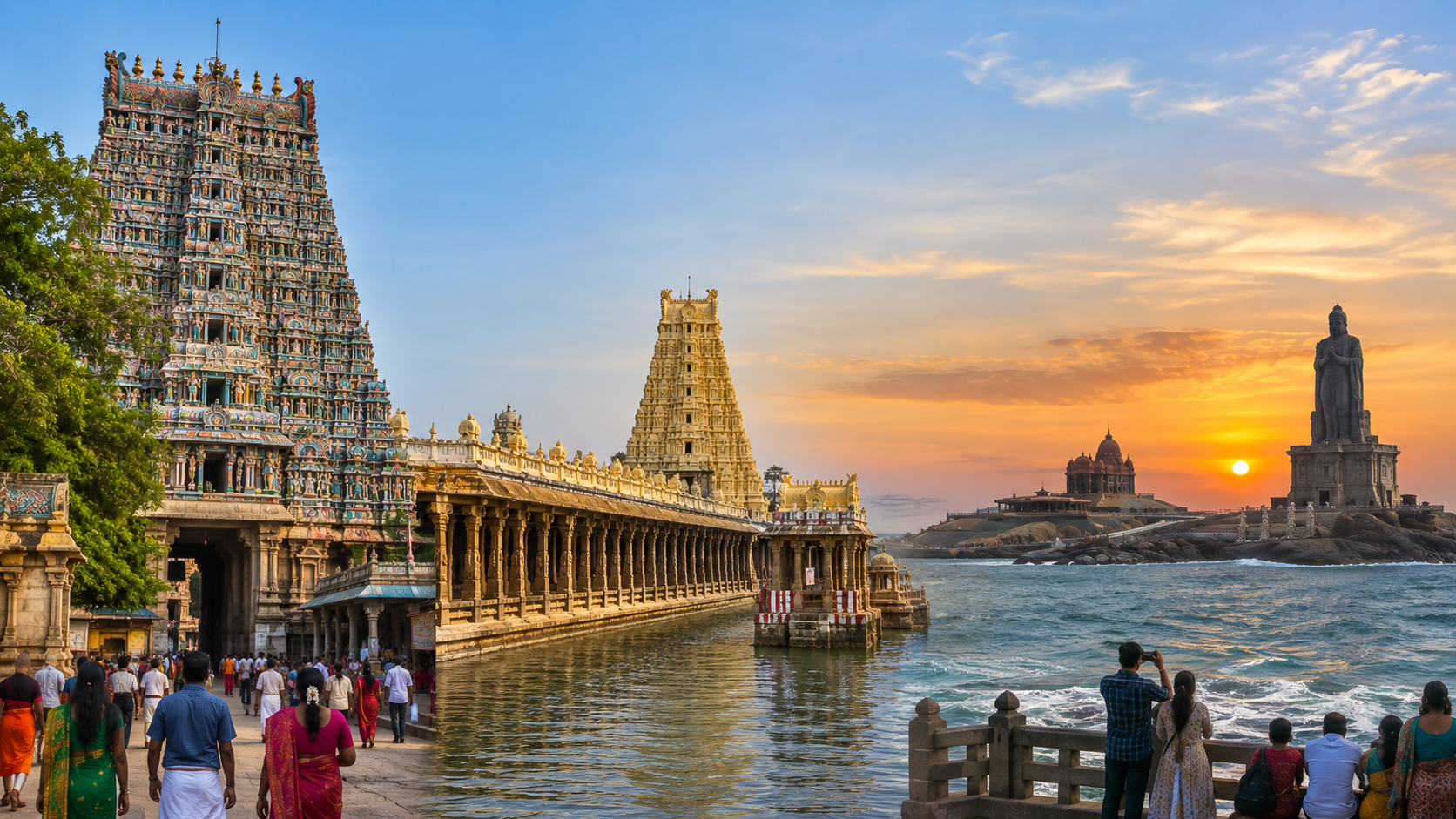
Madurai Rameswaram Kanyakumari Tour from Madurai. Package details, itinerary and pricing can be completed in the CRM.
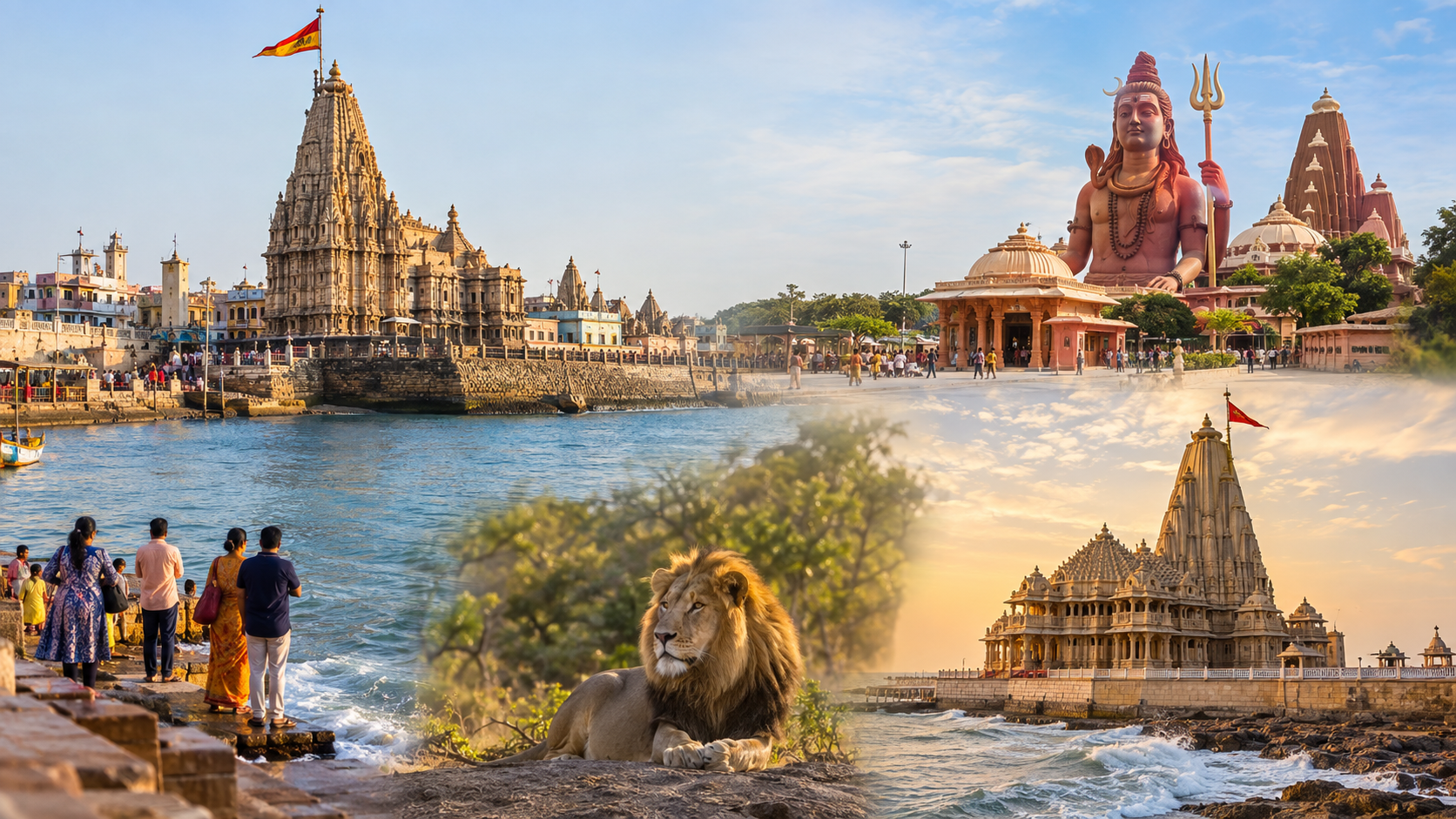
Dwarka Somnath Nageshwar Gir Tour from Rajkot. Package details, itinerary and pricing can be completed in the CRM.
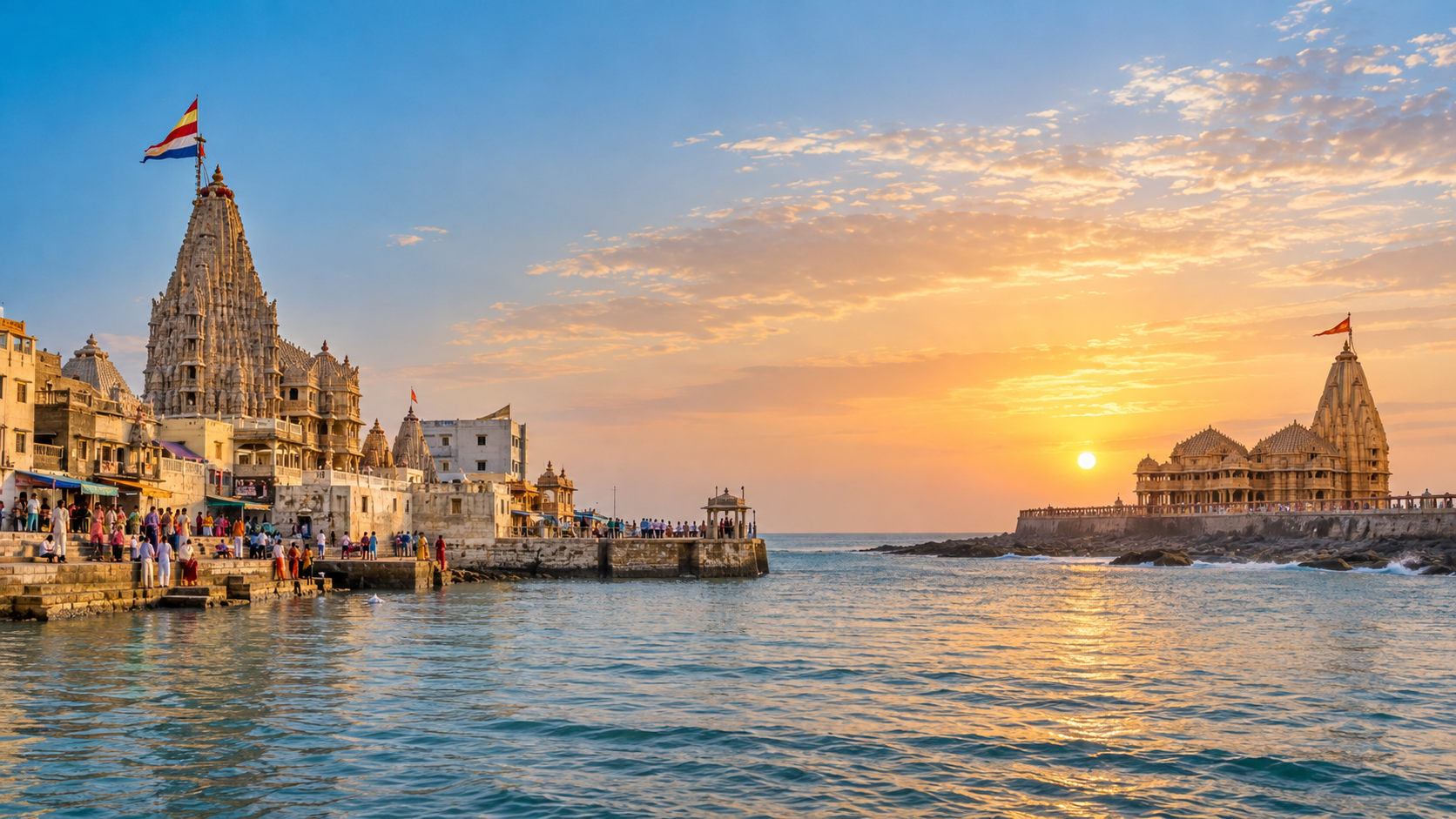
Dwarka Somnath Tour from Rajkot. Package details, itinerary and pricing can be completed in the CRM.
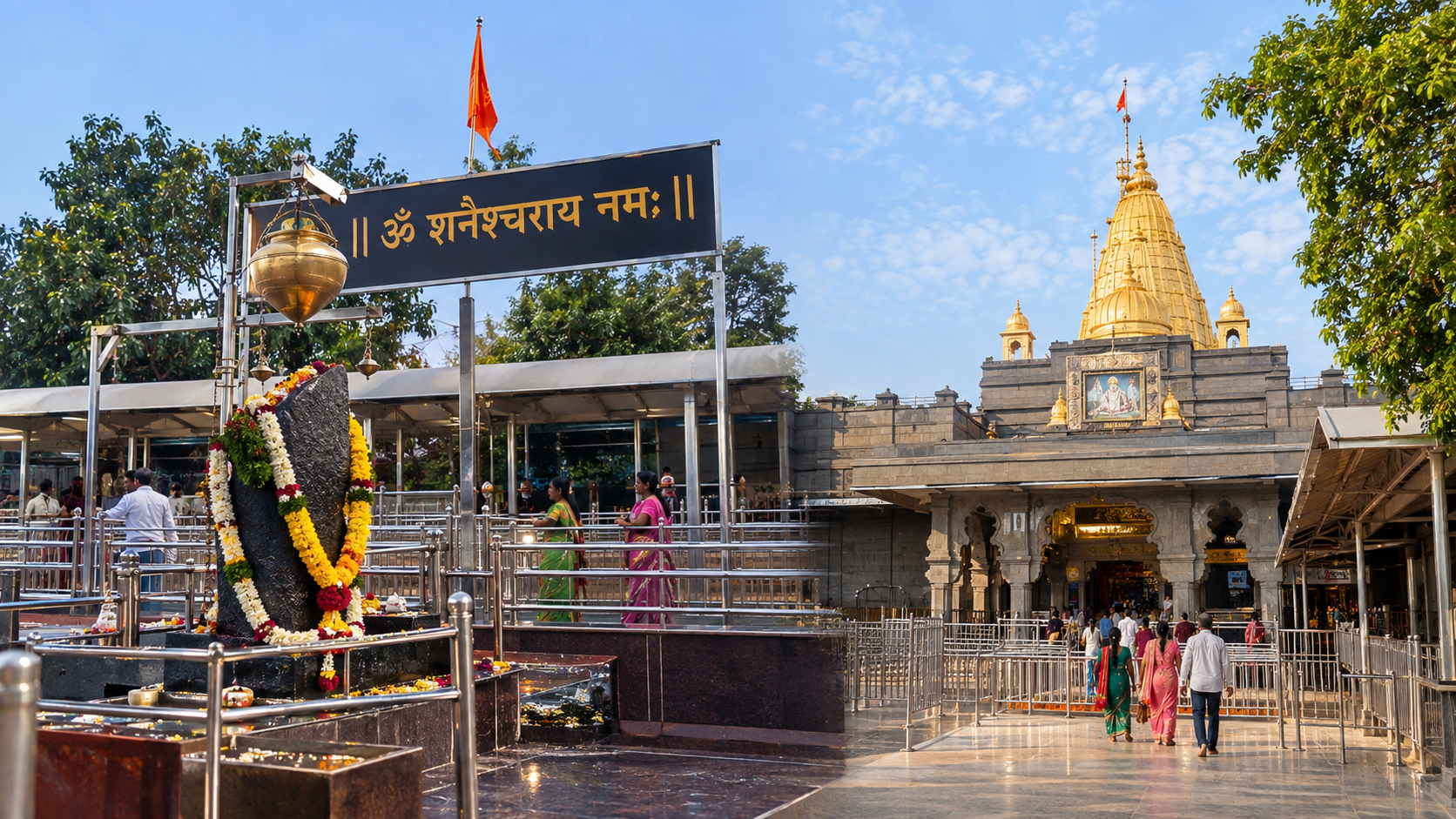
Shirdi Shani Shingnapur Tour from Shirdi. Package details, itinerary and pricing can be completed in the CRM.
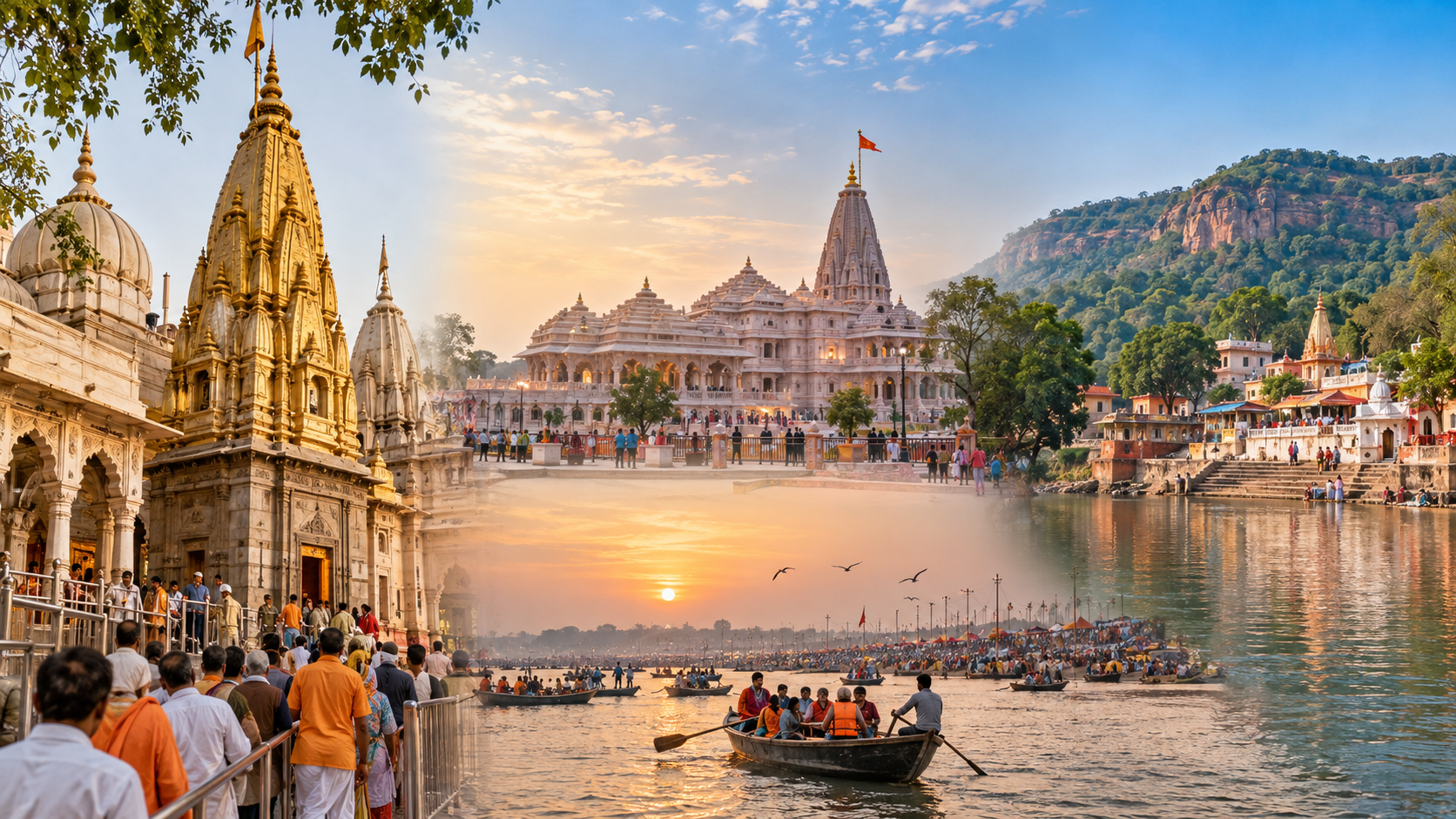
Varanasi Ayodhya Prayagraj Chitrakoot Tour from Varanasi. Package details, itinerary and pricing can be completed in the CRM.
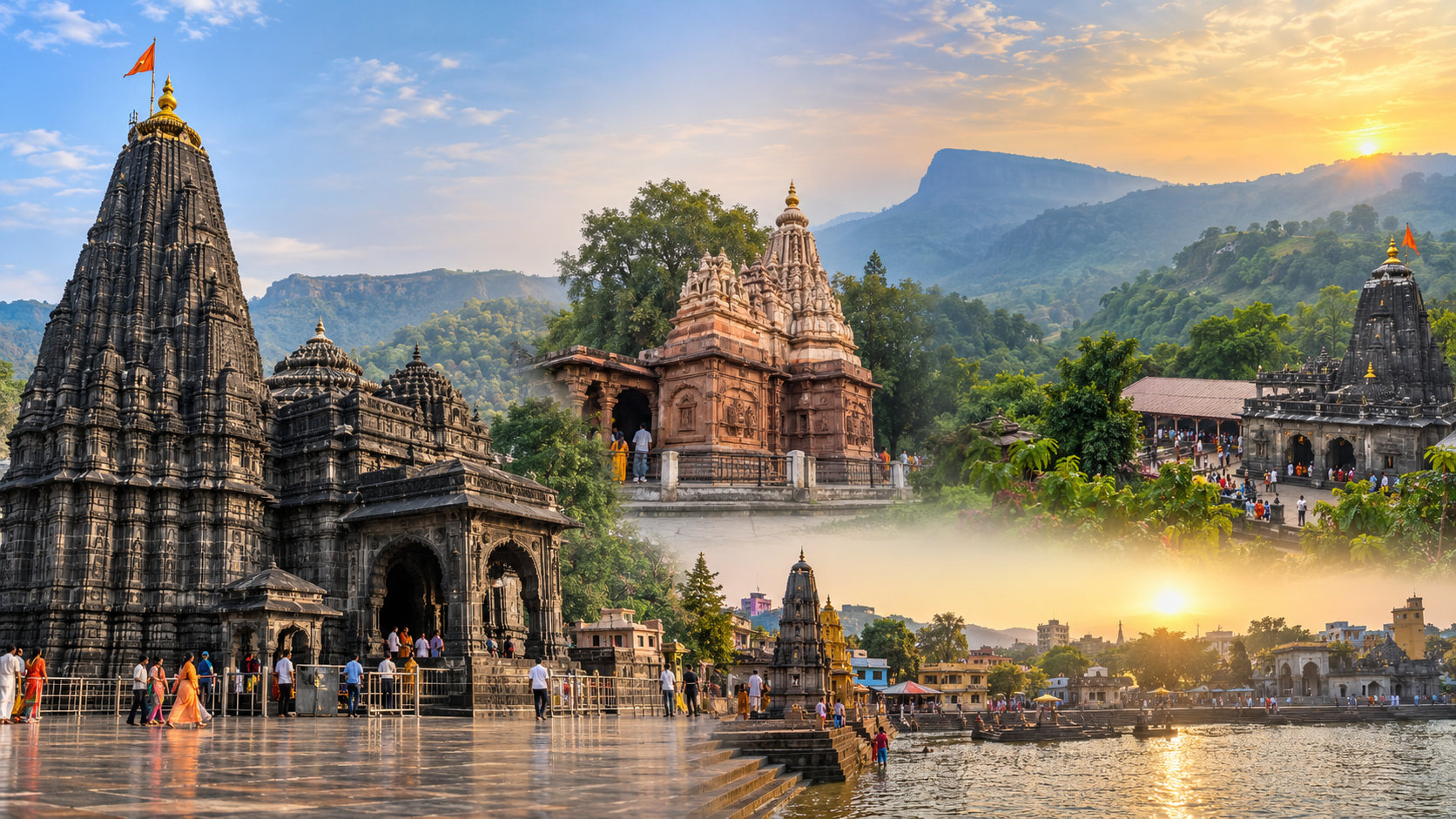
Maharashtra Jyotirlinga Tour from Nashik. Package details, itinerary and pricing can be completed in the CRM.
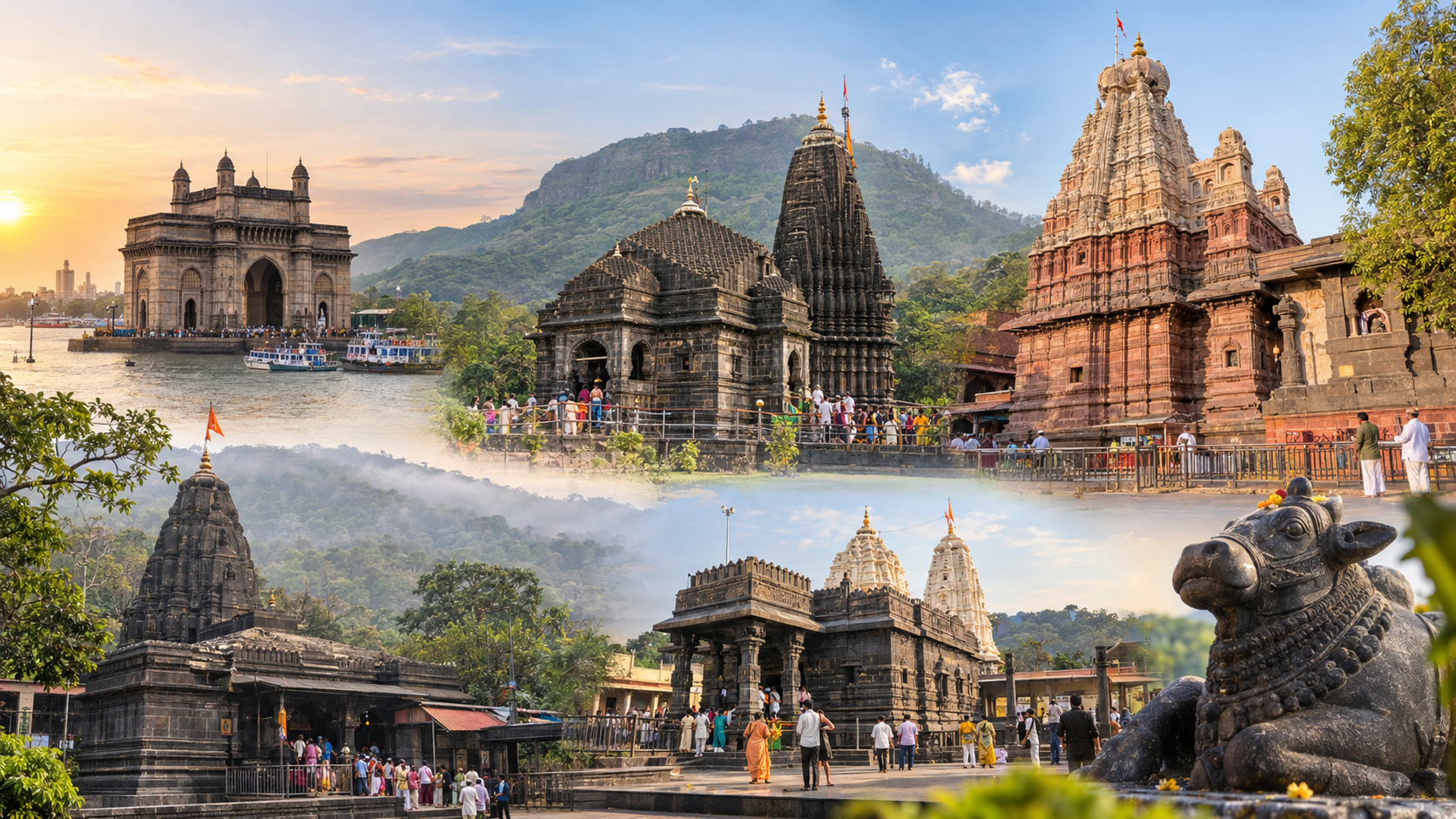
Maharashtra Jyotirlinga Tour from Mumbai. Package details, itinerary and pricing can be completed in the CRM.
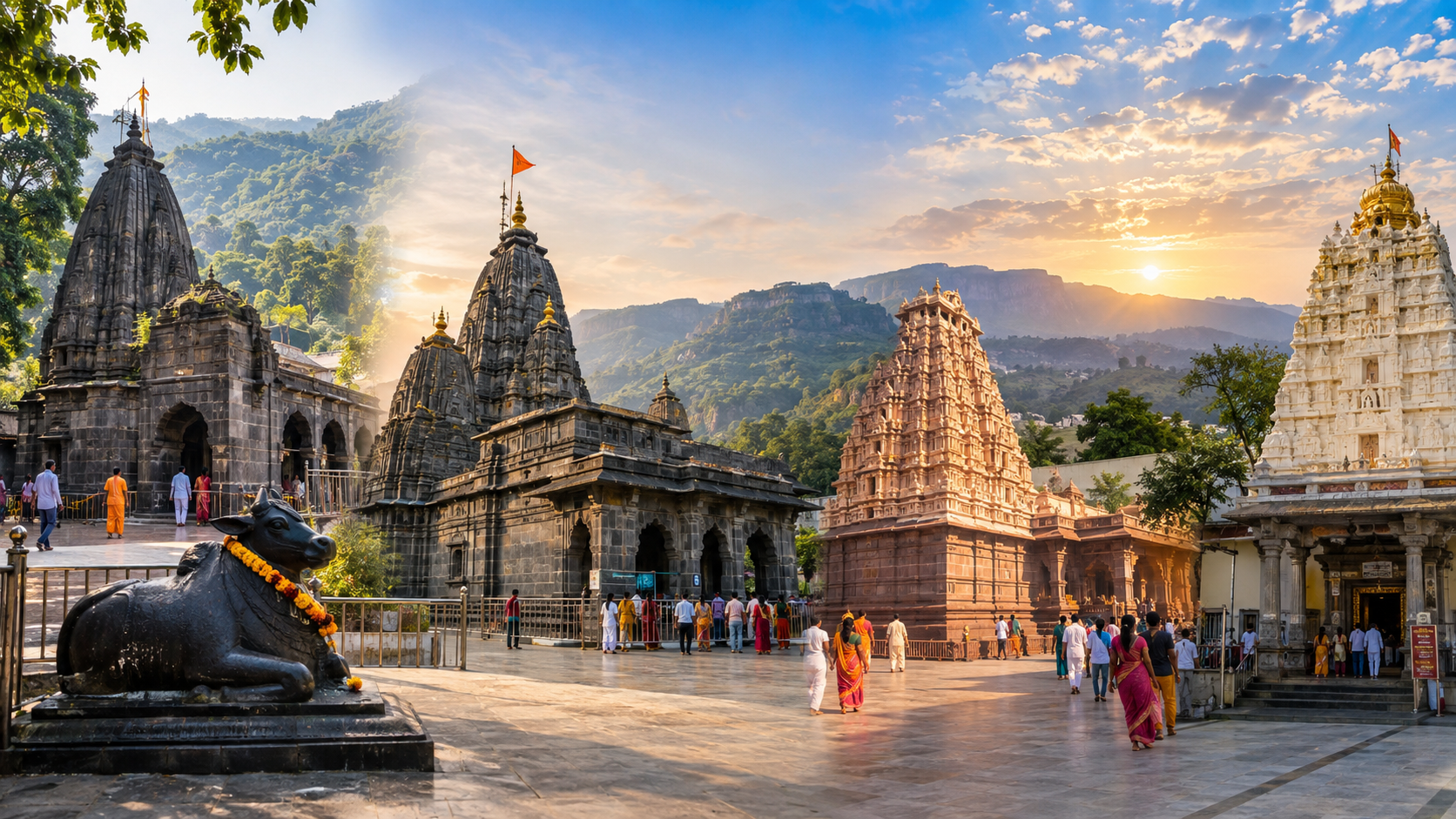
Maharashtra Jyotirlinga Tour from Pune. Package details, itinerary and pricing can be completed in the CRM.
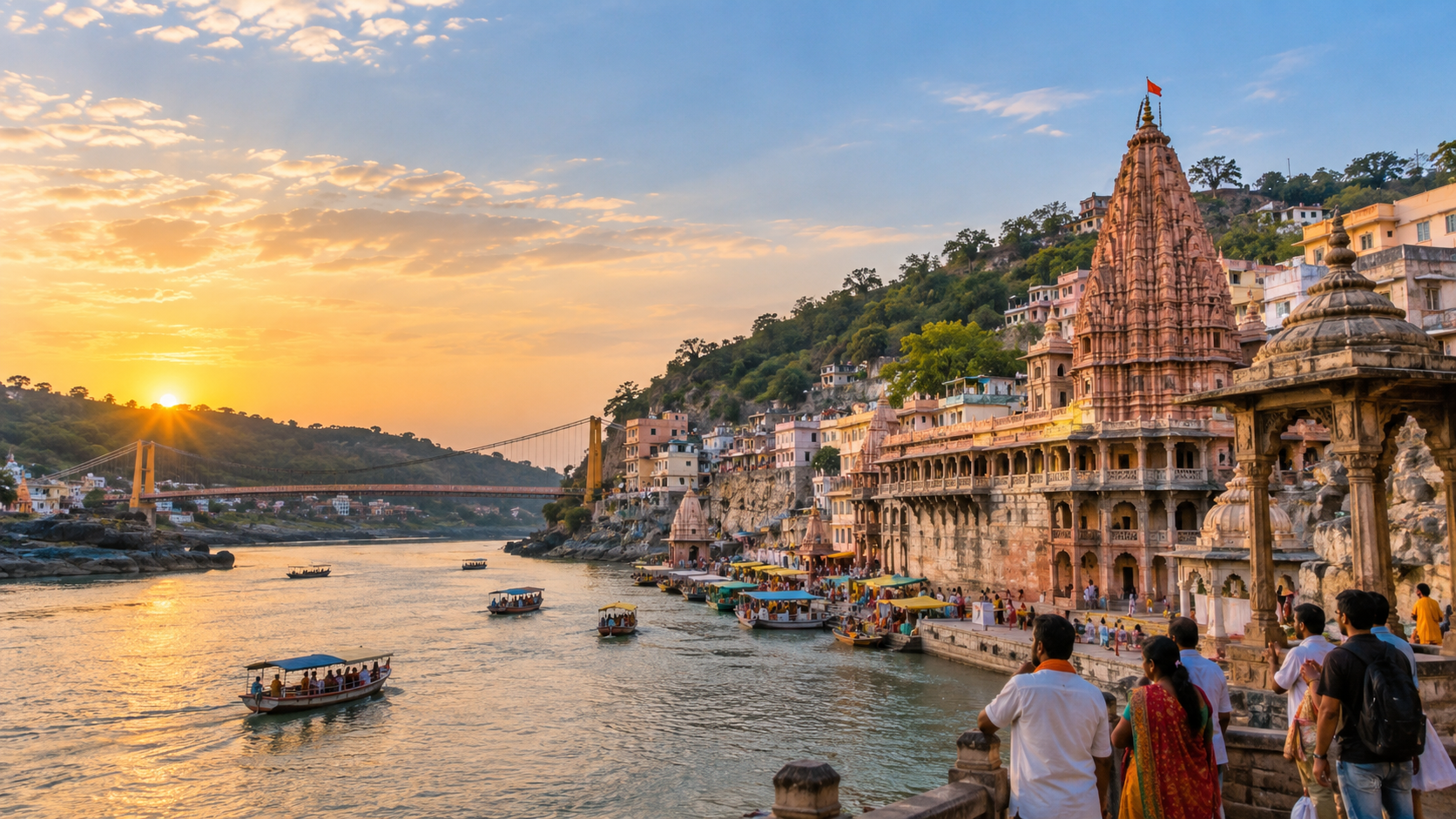
Ujjain Mahakal Omkareshwar Tour from Ujjain. Package details, itinerary and pricing can be completed in the CRM.
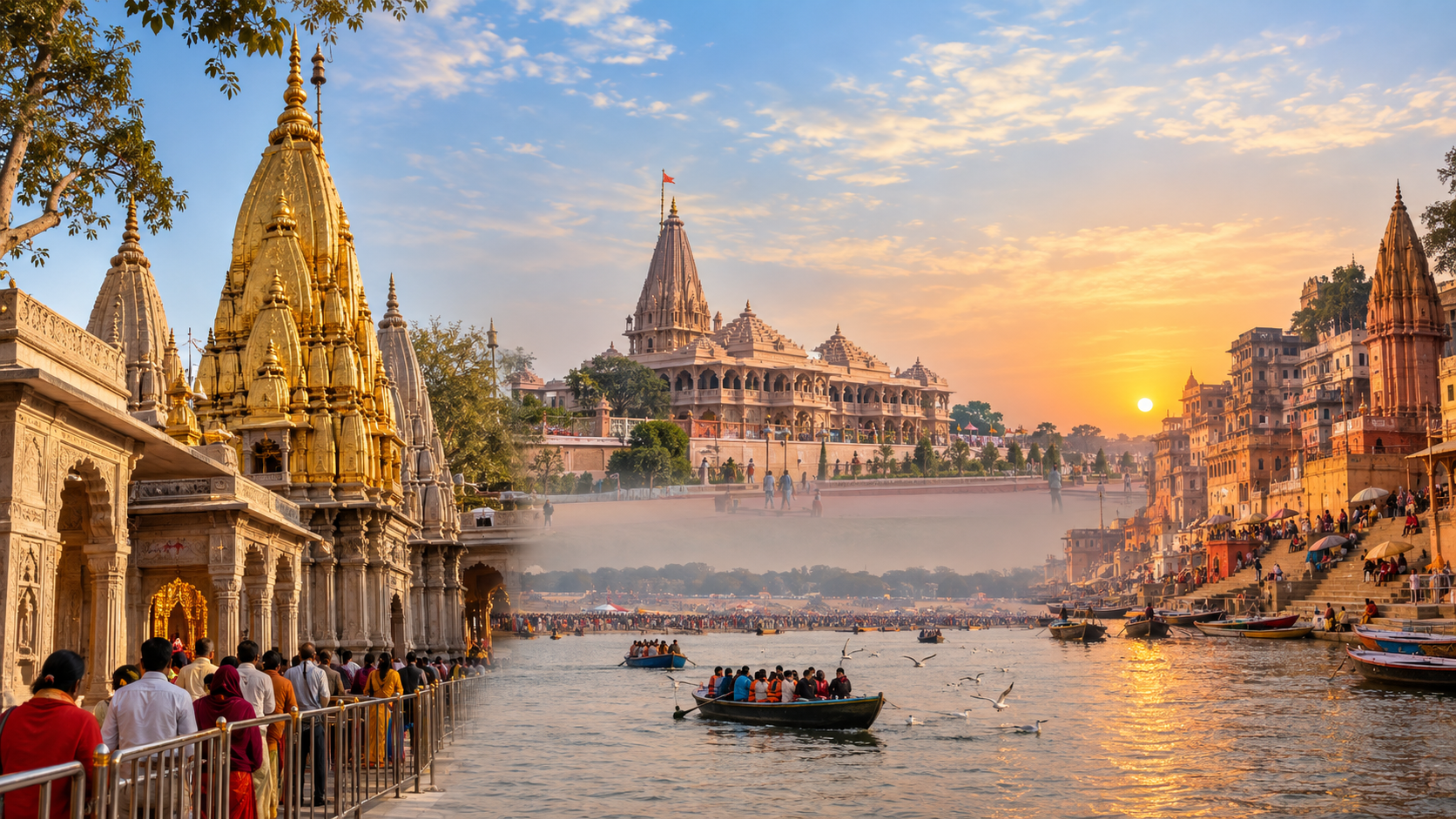
Varanasi Ayodhya Prayagraj Tour from Varanasi. Package details, itinerary and pricing can be completed in the CRM.
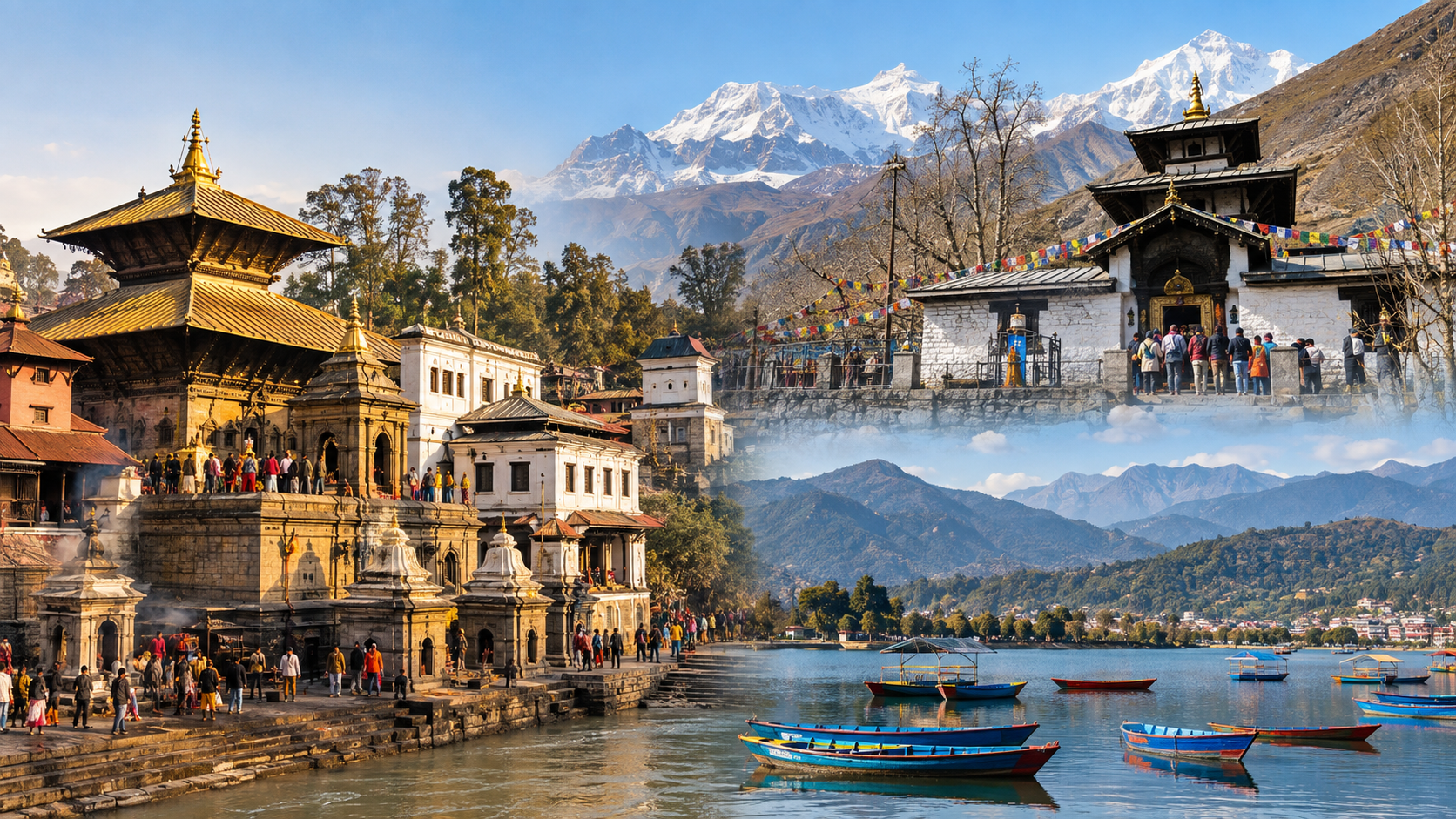
Kathmandu Pashupatinath Muktinath Pokhara Tour from Kathmandu. Package details, itinerary and pricing can be completed in the CRM.
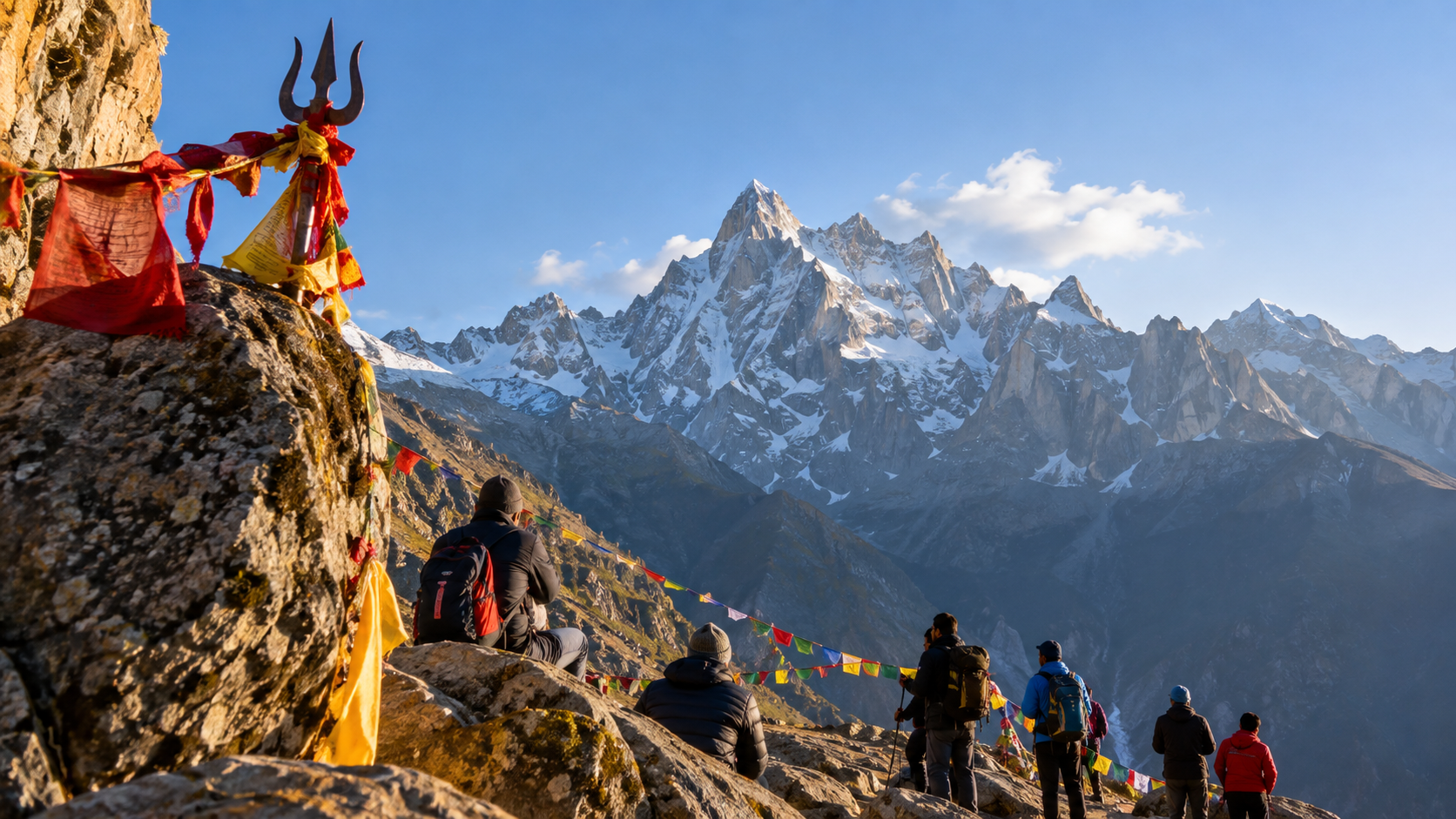
Kinner Kailash Yatra from Chandigarh. Package details, itinerary and pricing can be completed in the CRM.
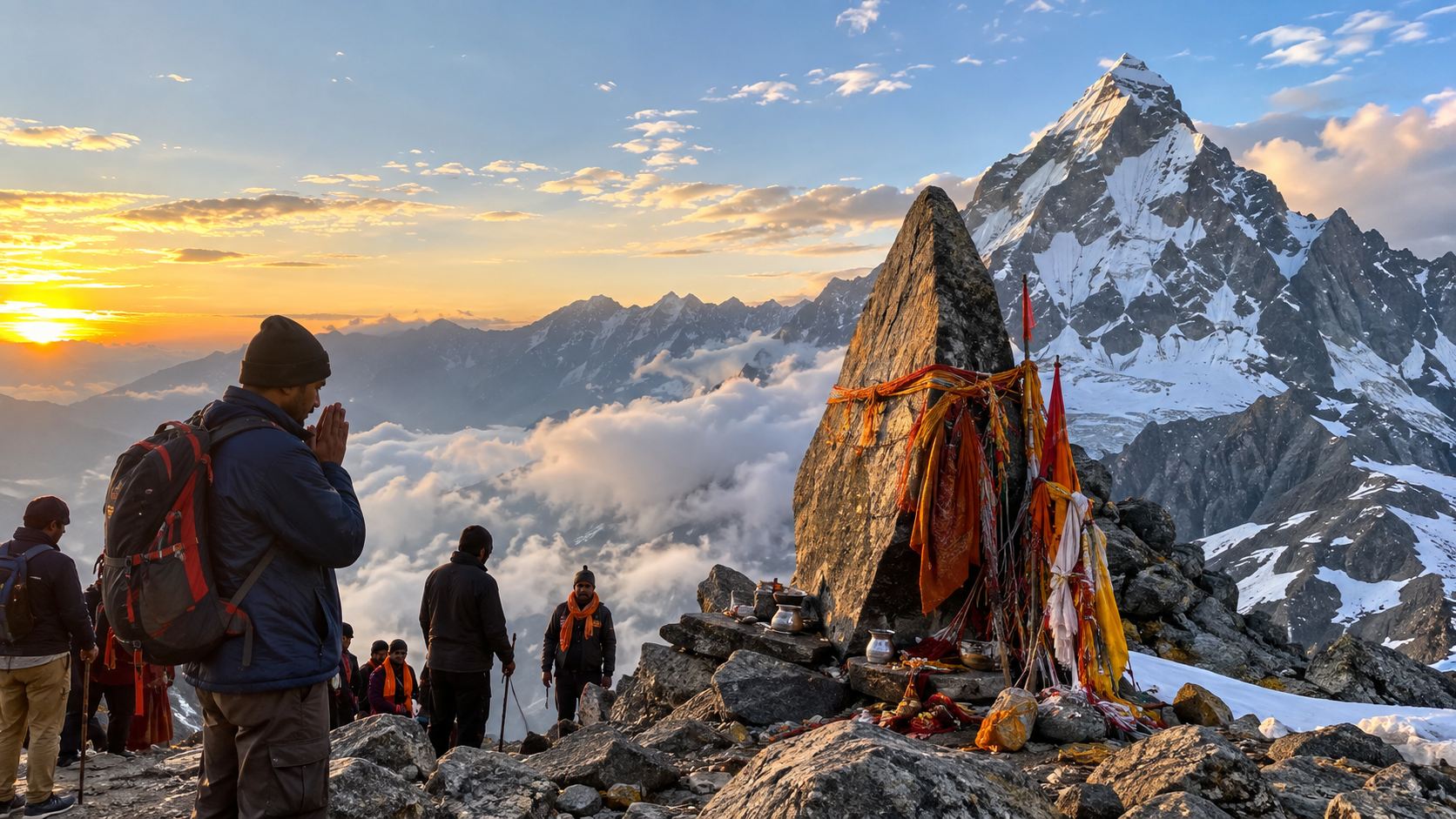
Shrikhand Mahadev Yatra from Chandigarh. Package details, itinerary and pricing can be completed in the CRM.
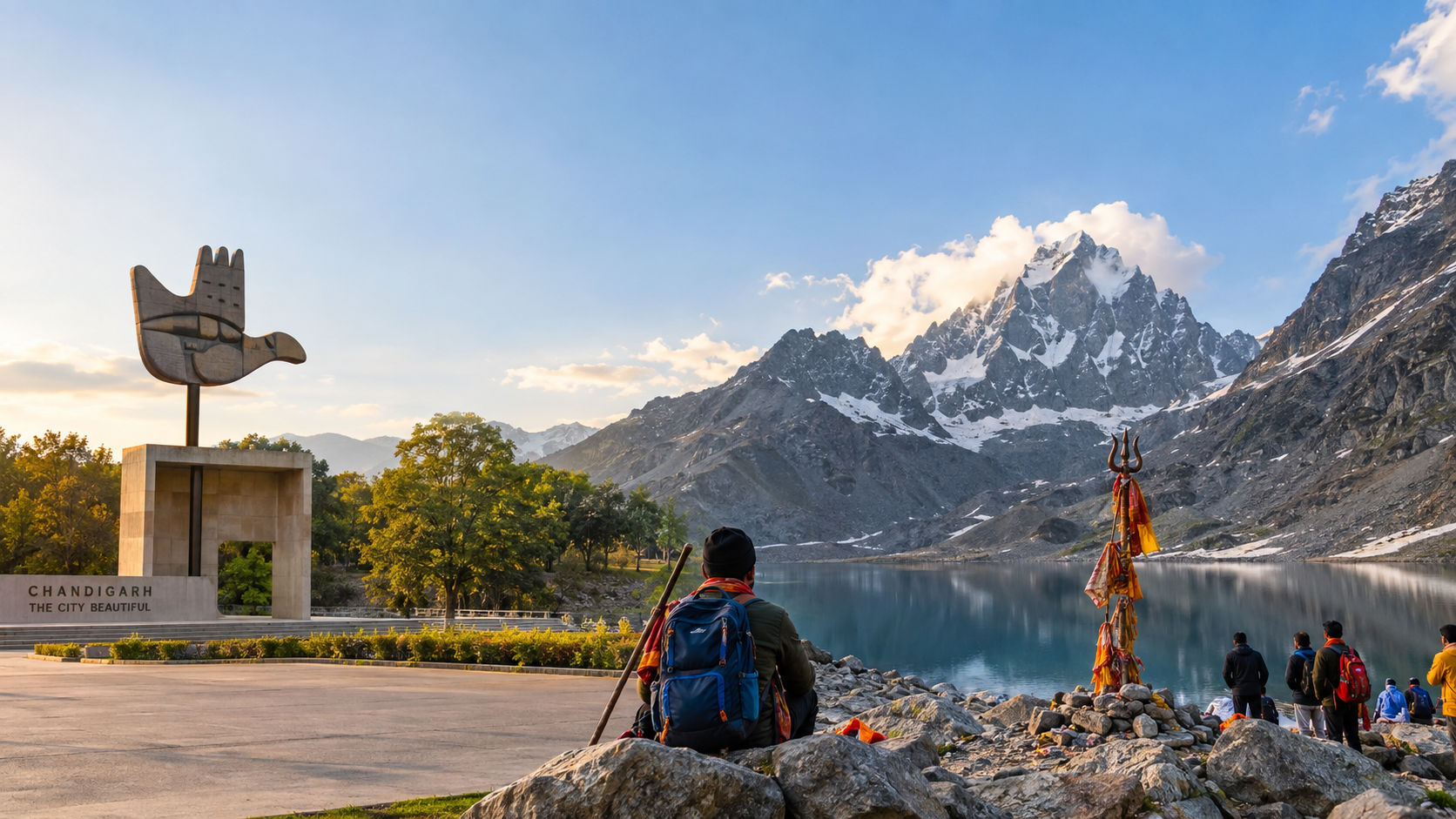
Manimahesh Yatra from Chandigarh. Package details, itinerary and pricing can be completed in the CRM.
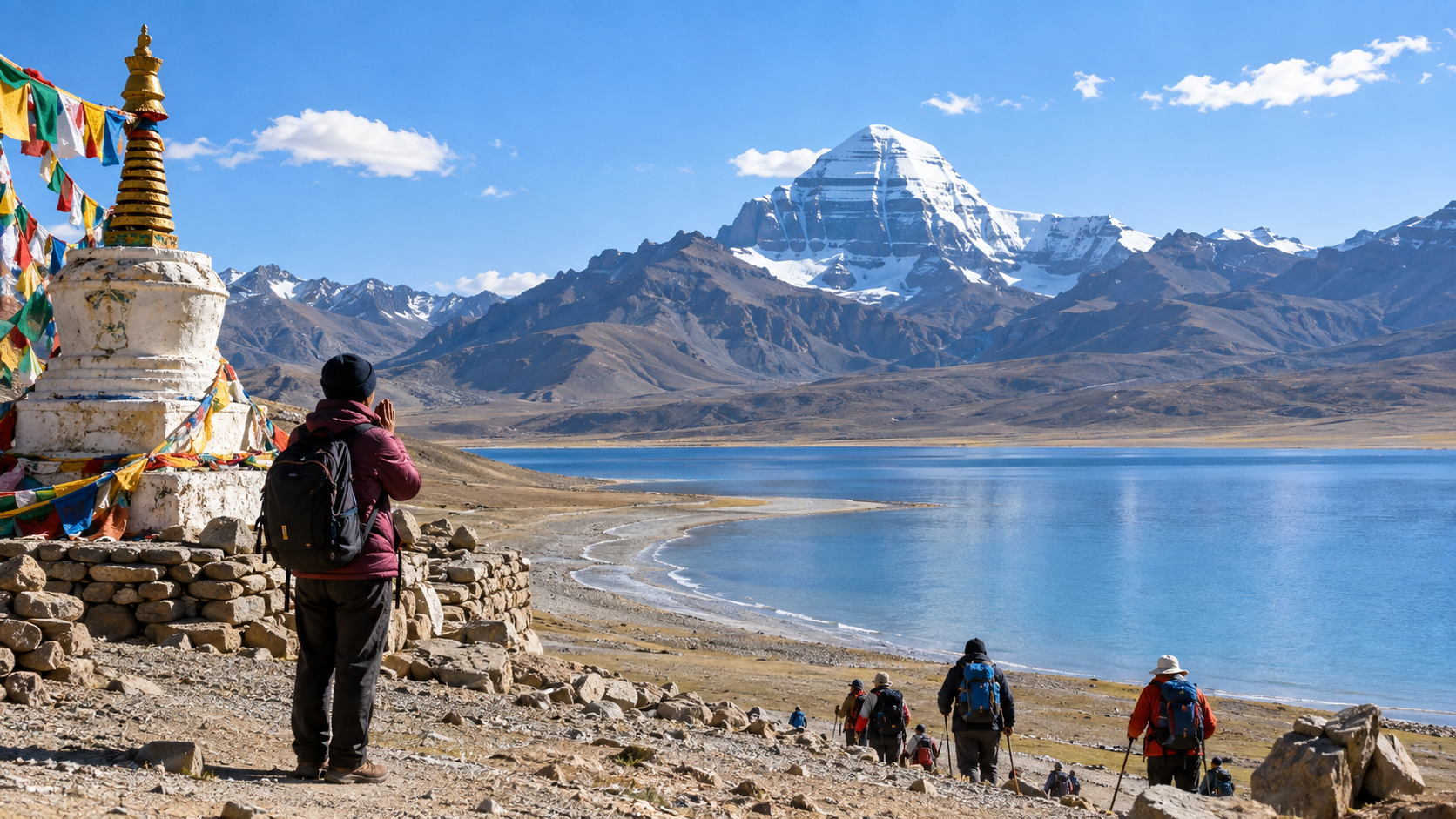
Kailash Mansarovar Yatra by Road from Kathmandu. Package details, itinerary and pricing can be completed in the CRM.
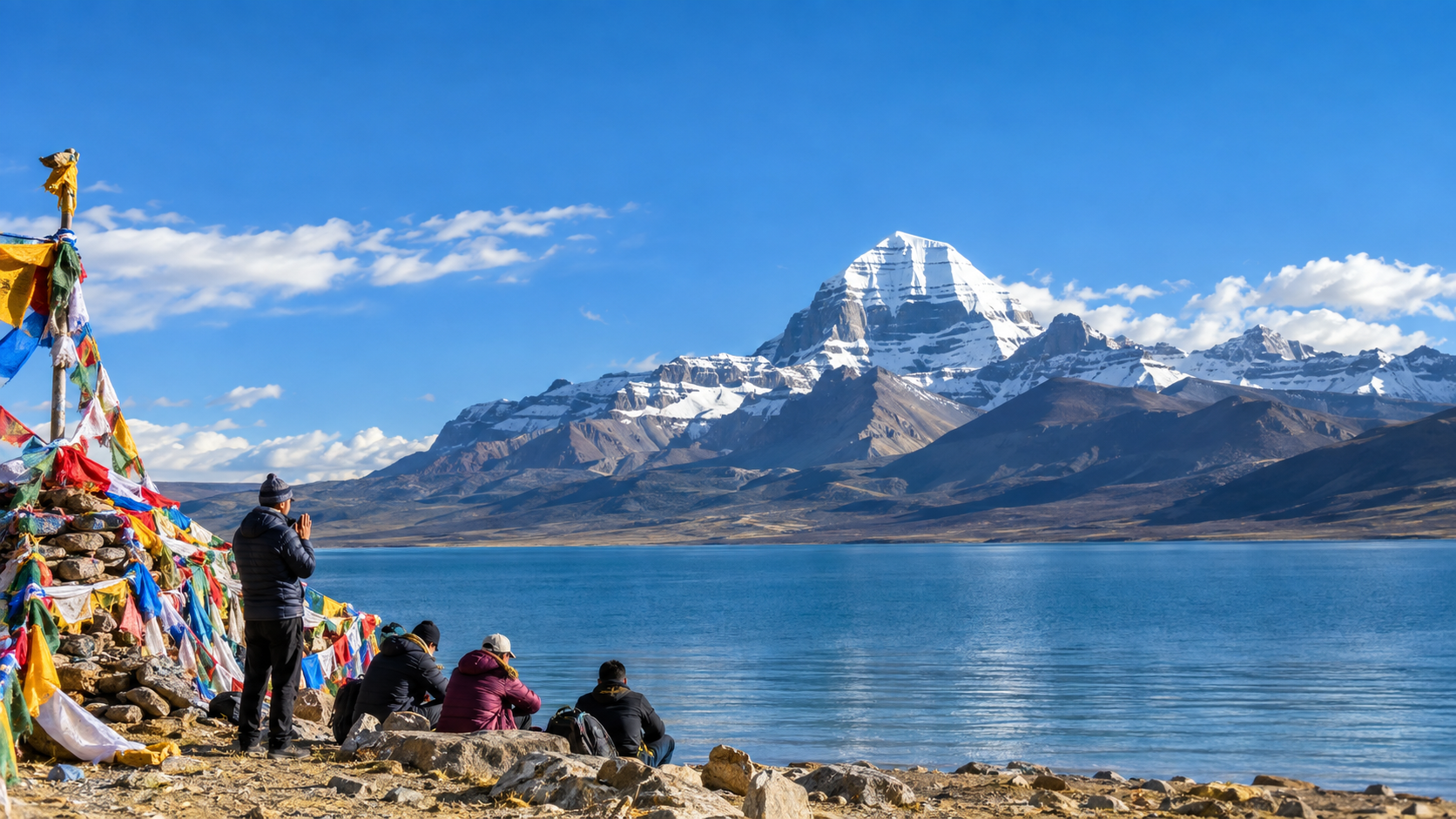
Kailash Mansarovar Yatra by Helicopter from Kathmandu. Package details, itinerary and pricing can be completed in the CRM.
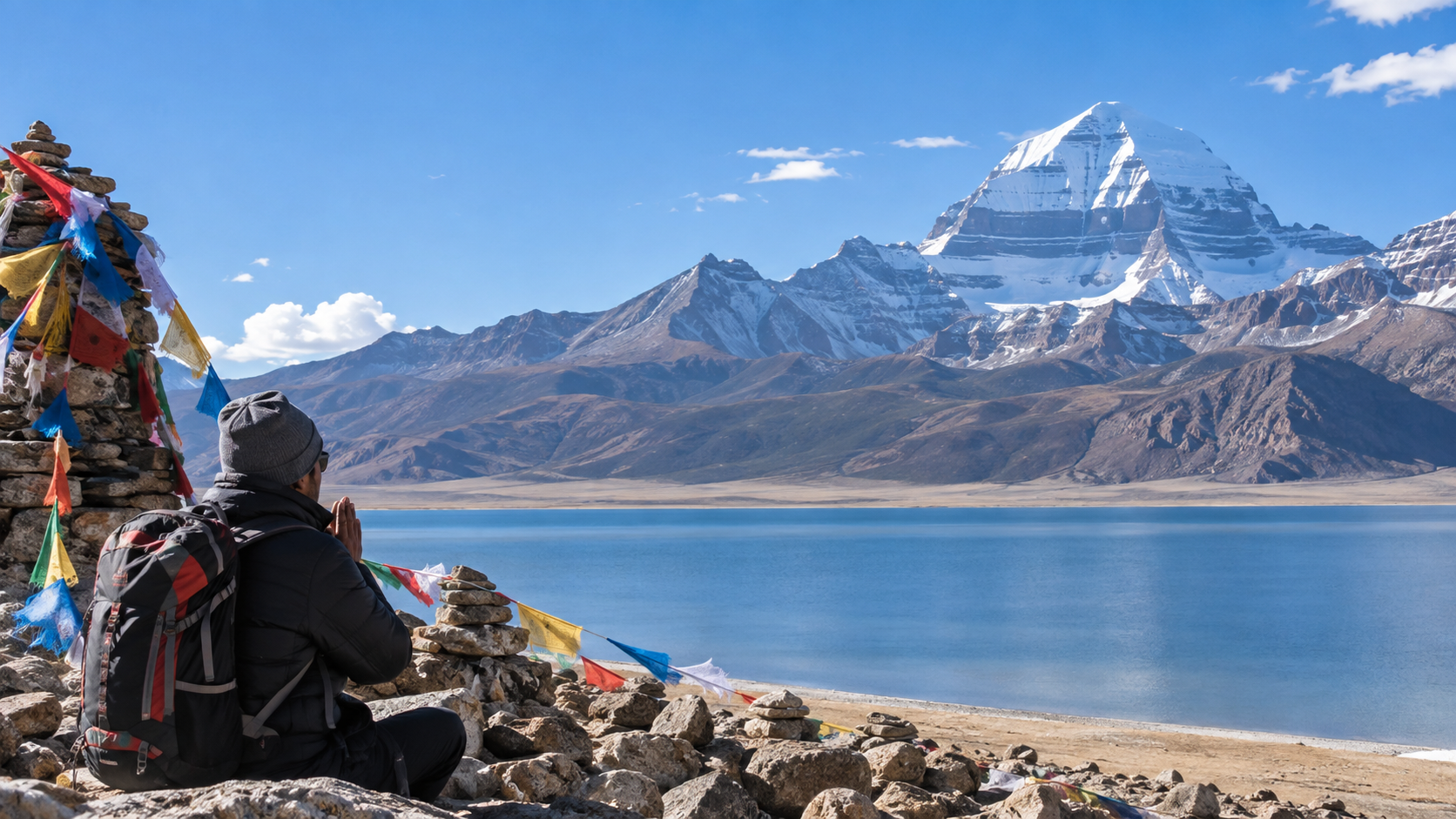
Kailash Mansarovar Yatra by Helicopter from Lucknow. Package details, itinerary and pricing can be completed in the CRM.
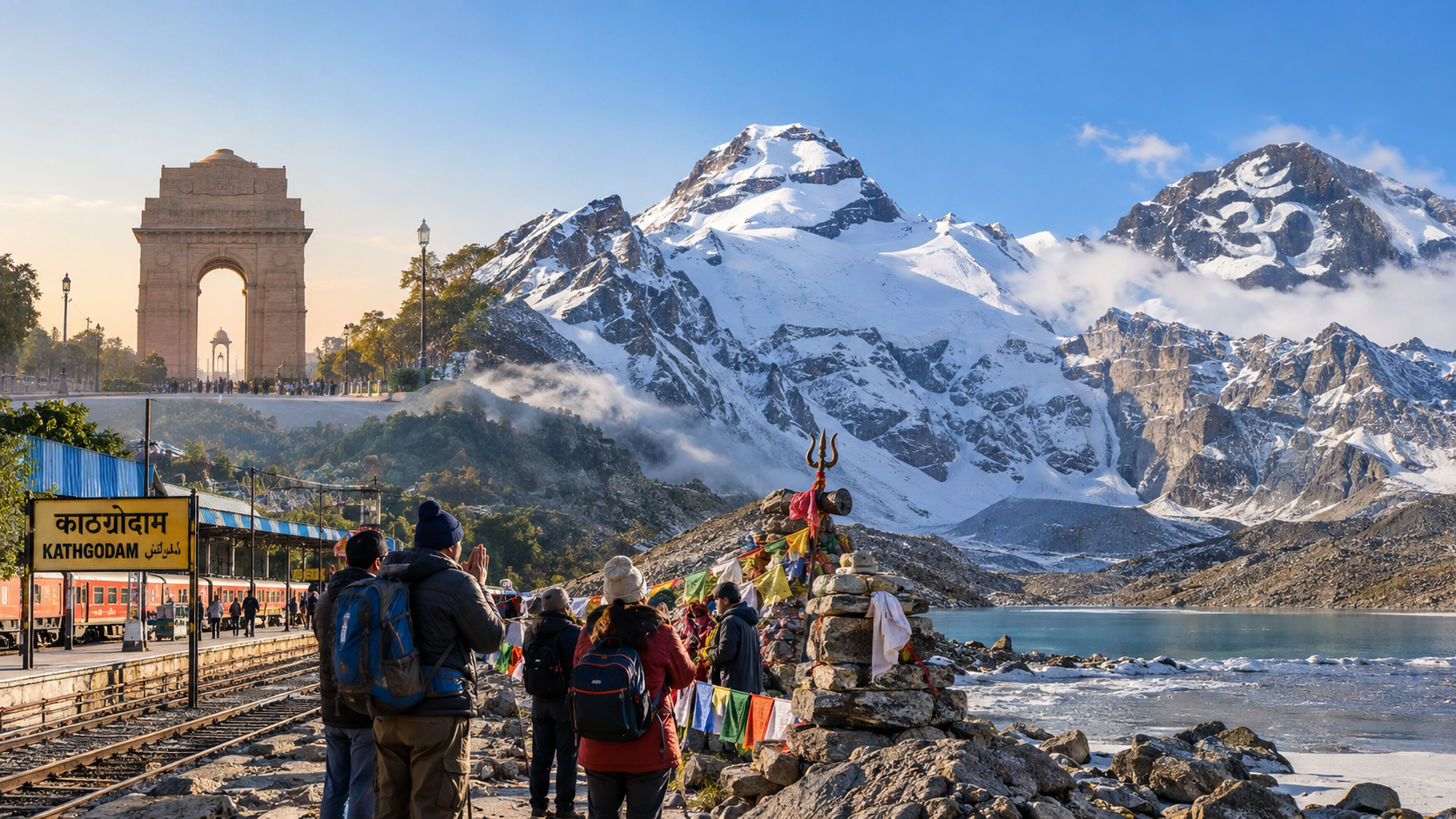
Adi Kailash Om Parvat Yatra from Delhi. Package details, itinerary and pricing can be completed in the CRM.
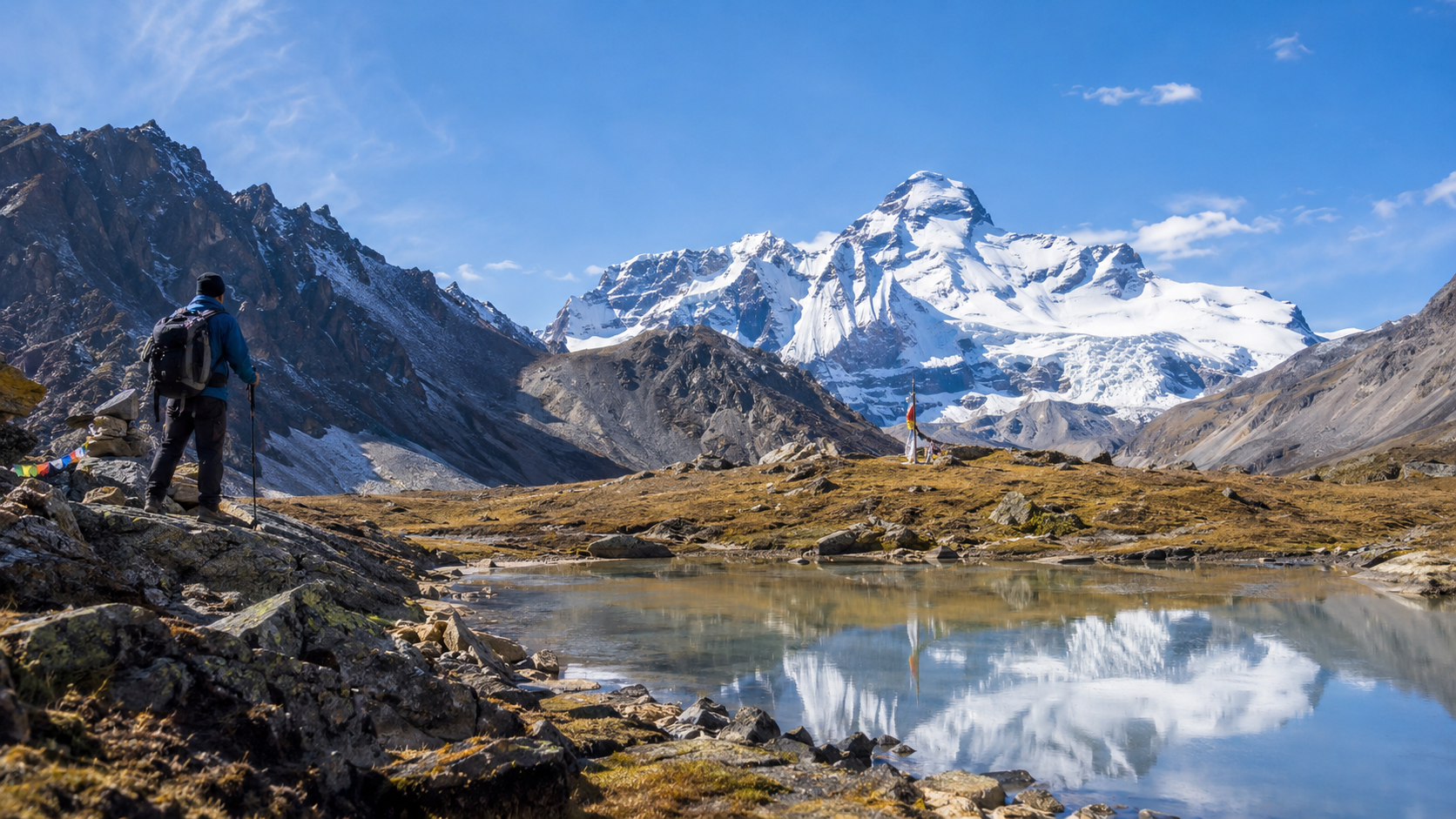
Adi Kailash Om Parvat Yatra from Kathgodam. Package details, itinerary and pricing can be completed in the CRM.
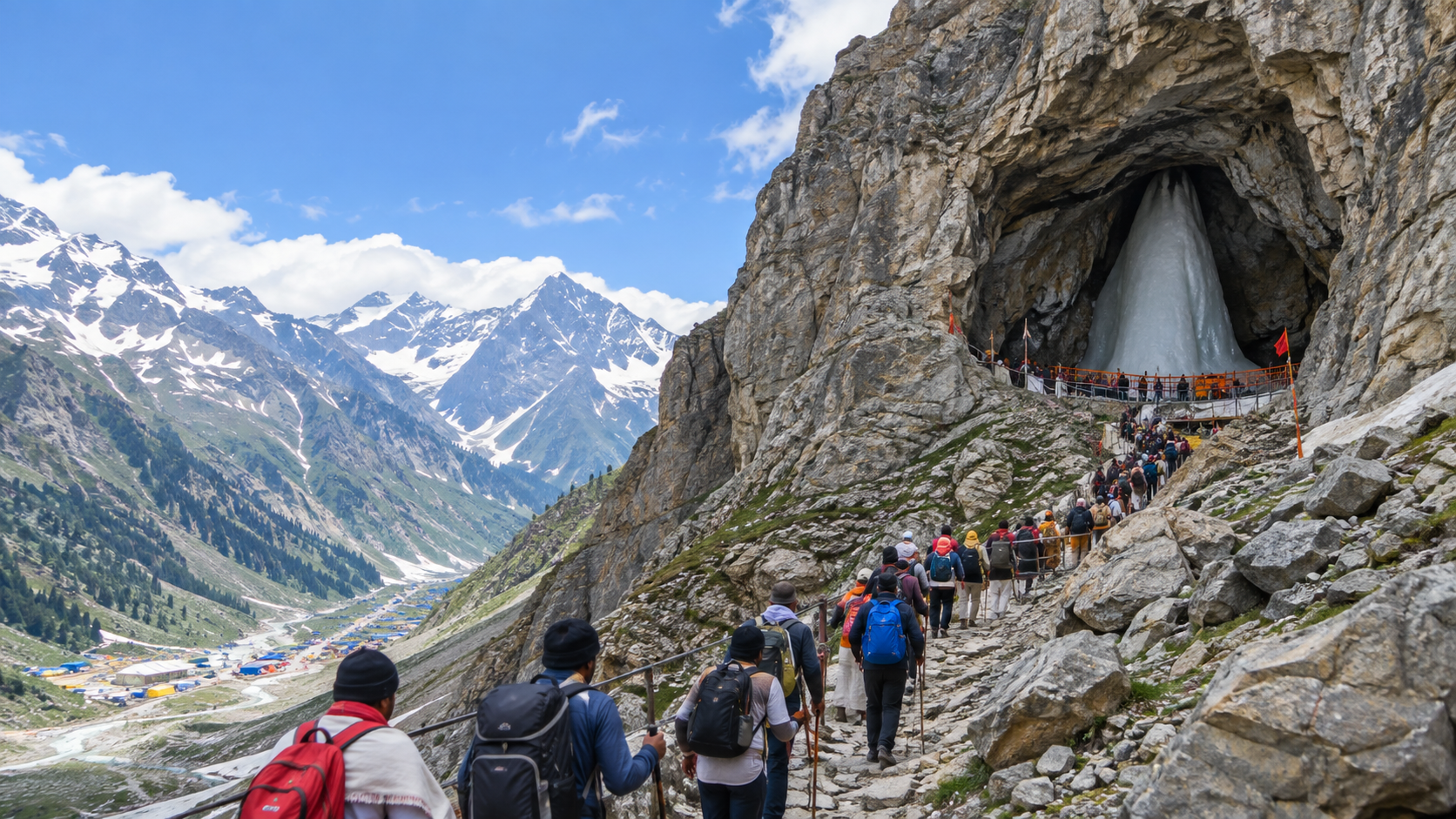
Amarnath Yatra from Srinagar. Package details, itinerary and pricing can be completed in the CRM.
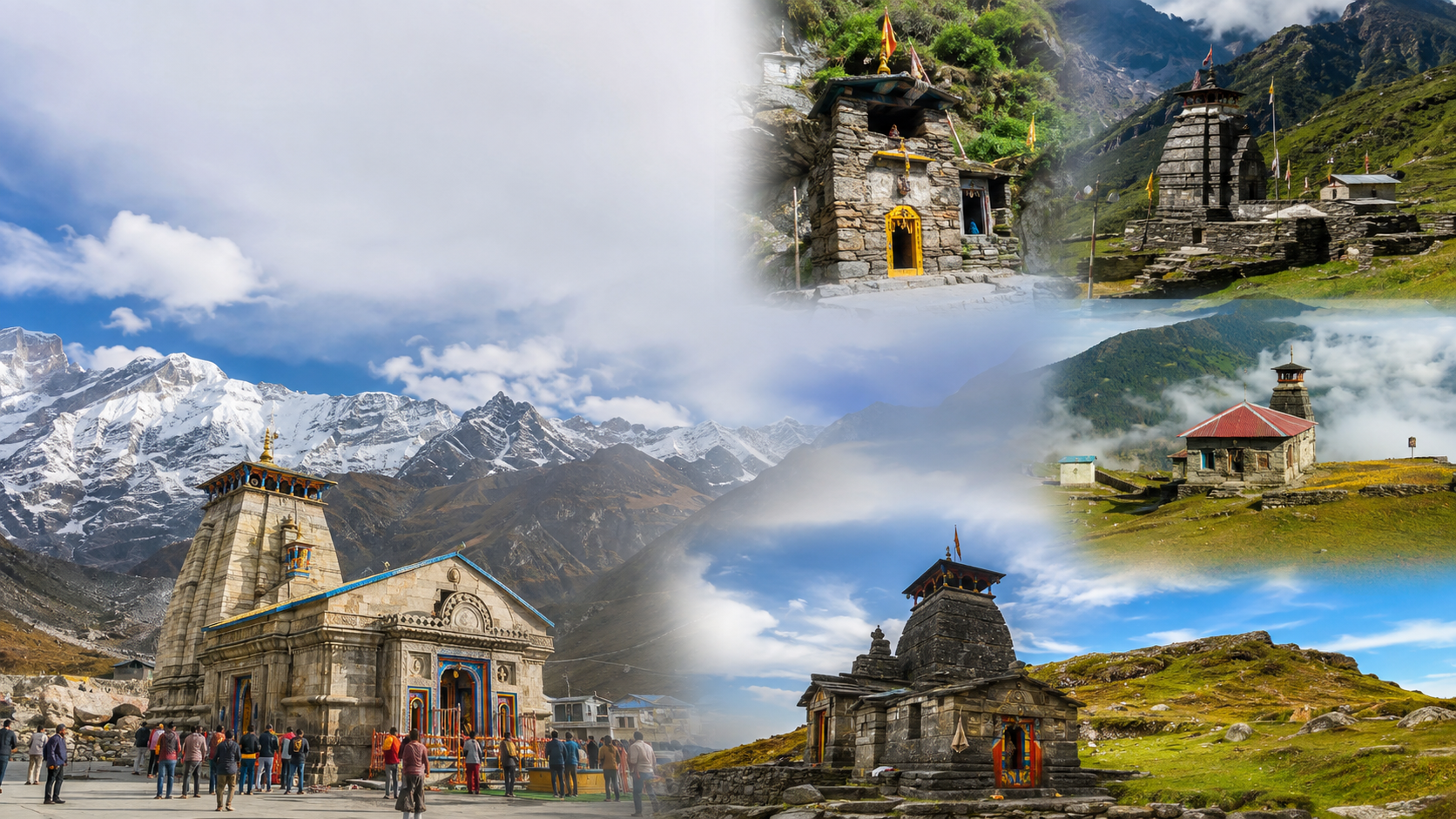
Panch Kedar Yatra from Delhi is a demanding and deeply rewarding pilgrimage through five revered Shiva temples in the Garhwal Himalayas: Kedarnath, Tungnath, Rudranath, Madhyamaheshwar and Kalpeshwar. This 12 Days / 11 Nights pilgrimage is designed for devotees who want to experience the complete Panch Kedar circuit rather than visit only one or two shrines. The journey combines mountain roads, high-altitude walking and time for darshan at some of Uttarakhand’s most significant Shiva temples. Because several shrines involve substantial trekking and seasonal access, careful planning is essential. Trip to Yatra helps travellers plan the pilgrimage around the temple season, travel conditions an
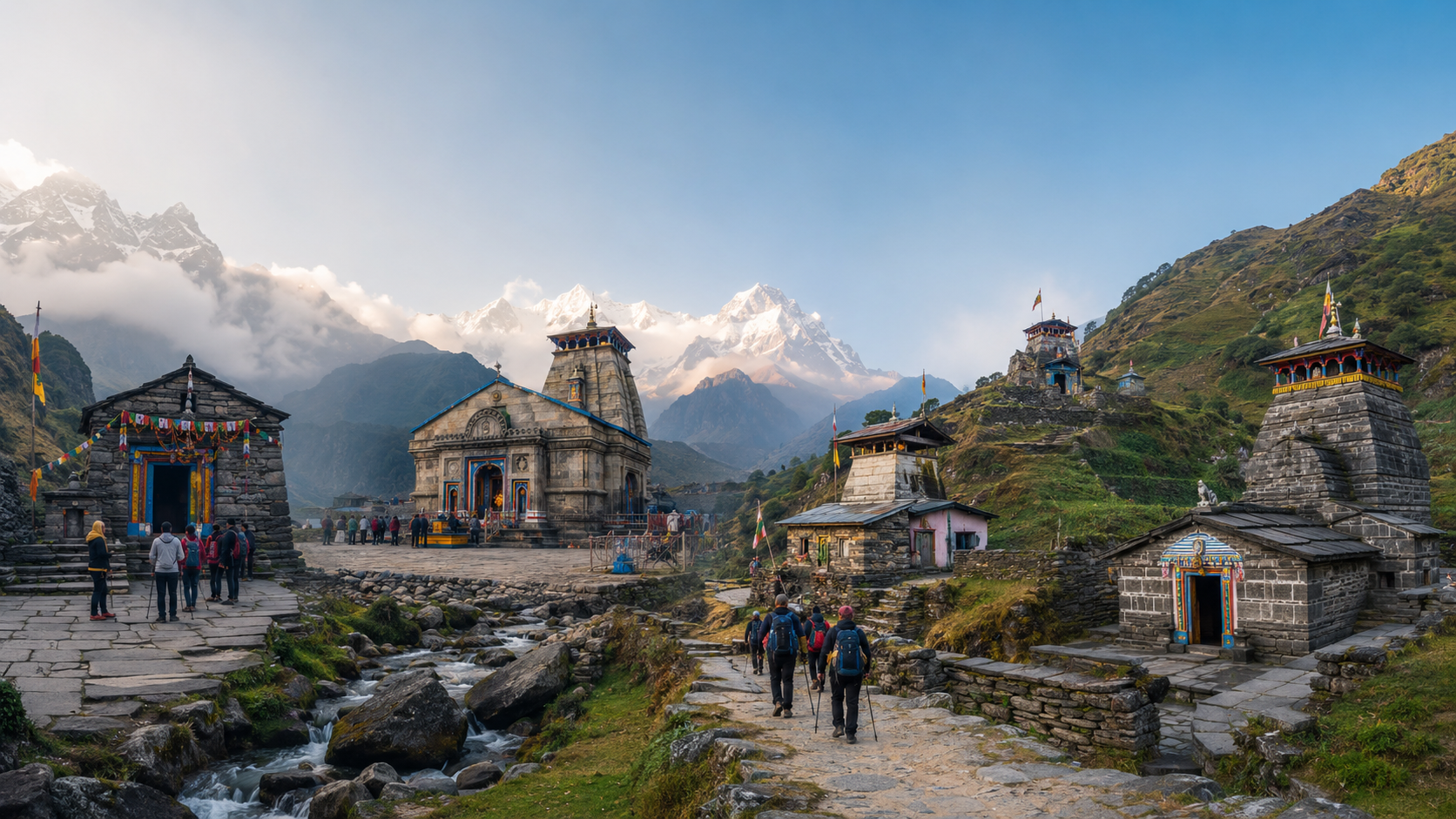
Panch Kedar Yatra from Dehradun is an immersive Shiva pilgrimage covering all five revered Panch Kedar shrines of Uttarakhand: Kedarnath, Tungnath, Rudranath, Madhyamaheshwar and Kalpeshwar. Designed as an 11 Days / 10 Nights pilgrimage experience, the journey combines temple visits with demanding Himalayan treks, mountain landscapes and quiet village settings. Unlike a conventional temple tour, Panch Kedar requires preparation for high-altitude walking, changing weather and seasonal temple access. Trip to Yatra helps travellers plan the pilgrimage around practical travel requirements, accommodation preferences and the operating season, with a focus on a comfortable and well-organised journe
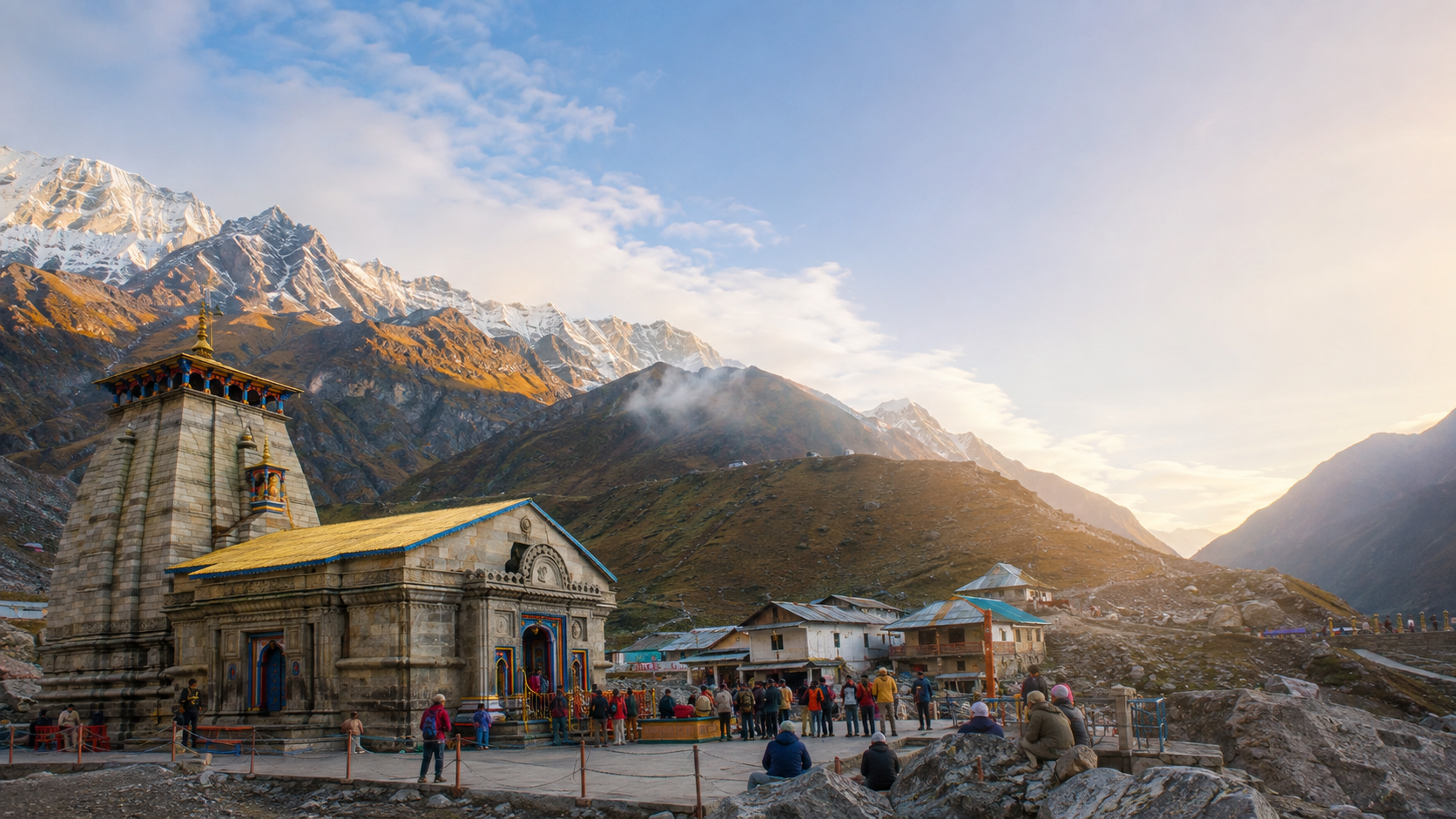
The Kedarnath Tungnath Package from Delhi is a 7-day / 6-night pilgrimage journey covering two of Uttarakhand’s most revered Shiva temples. Starting and ending in Delhi, the tour combines the spiritual significance of Kedarnath with the high-altitude mountain setting of Tungnath near Chopta. Kedarnath Temple is one of the prominent Panch Kedar shrines, while Tungnath is recognised by Uttarakhand Tourism as one of the highest Shiva temples in the world. The journey involves mountain travel and trekking, so it is best suited to travellers who are comfortable with an active Himalayan pilgrimage. Enquire with Trip to Yatra for current travel planning and availability.
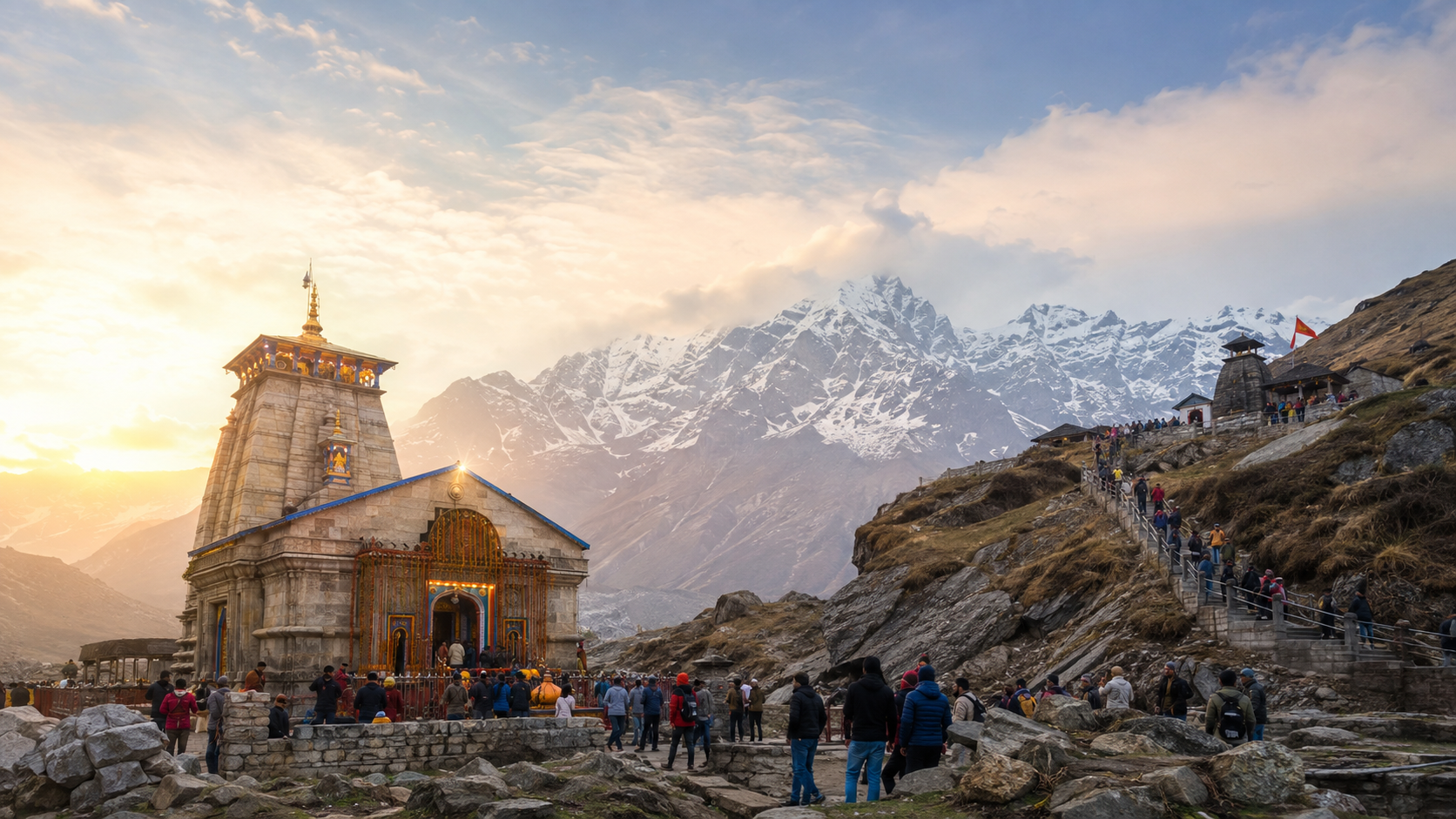
Plan a focused Himalayan pilgrimage with the Kedarnath Tungnath package from Haridwar, combining two revered Shiva temples in Uttarakhand. This 5-day / 4-night journey is designed for travellers who want to visit Kedarnath Temple and Tungnath Temple without committing to a longer Char Dham circuit. Kedarnath, one of the most important Shiva pilgrimage sites in India, lies high in the Garhwal Himalayas and requires a trek from Gaurikund. Tungnath, one of the Panch Kedar shrines, is reached by trekking from Chopta. With Haridwar as both the starting and ending point, the package offers a practical pilgrimage-focused travel plan with time for mountain travel, temple visits and rest.
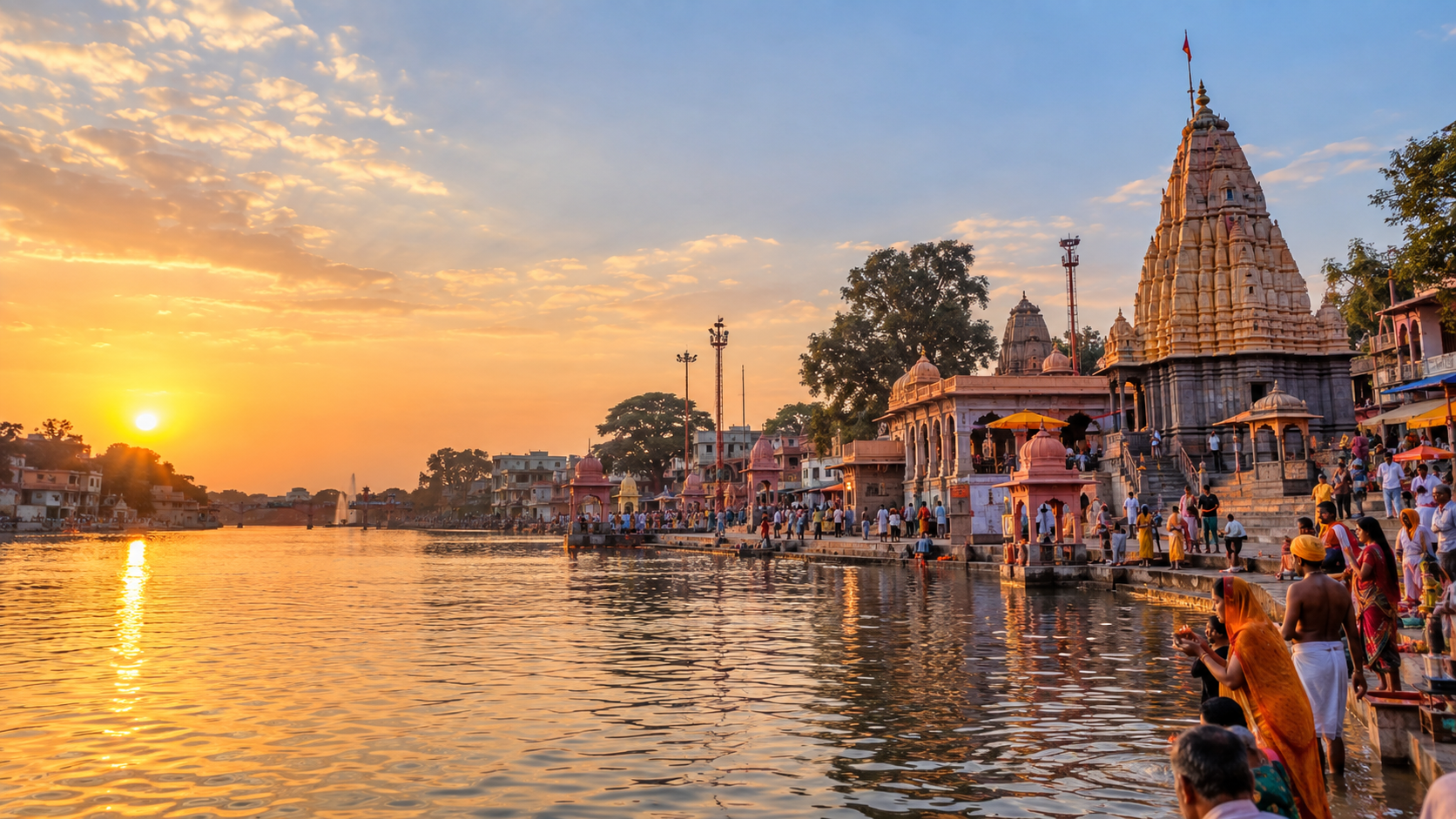
Ujjain Kumbh Mela from Ujjain. Package details, itinerary and pricing can be completed in the CRM.
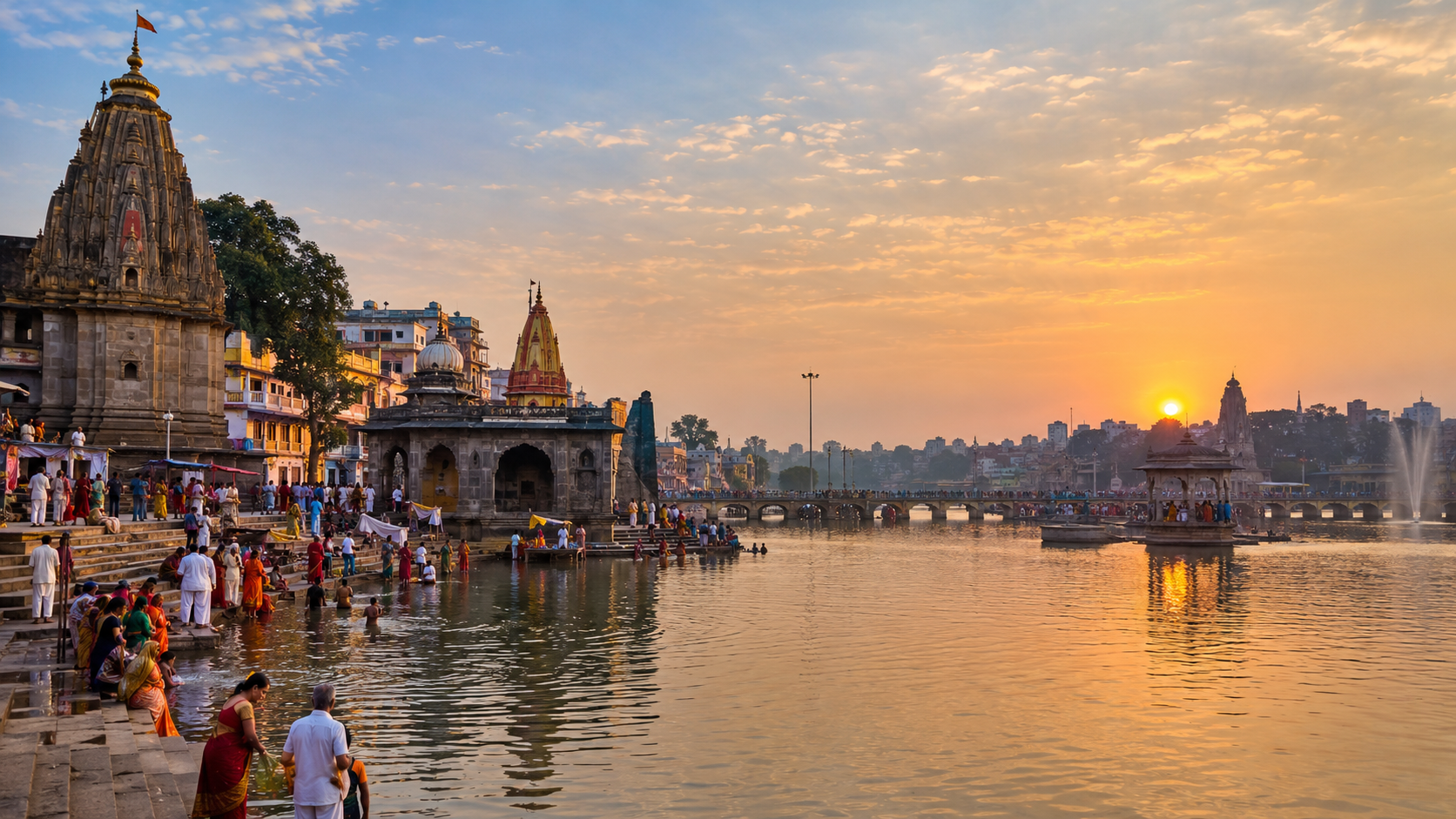
Nashik Kumbh Mela from Nashik. Package details, itinerary and pricing can be completed in the CRM.
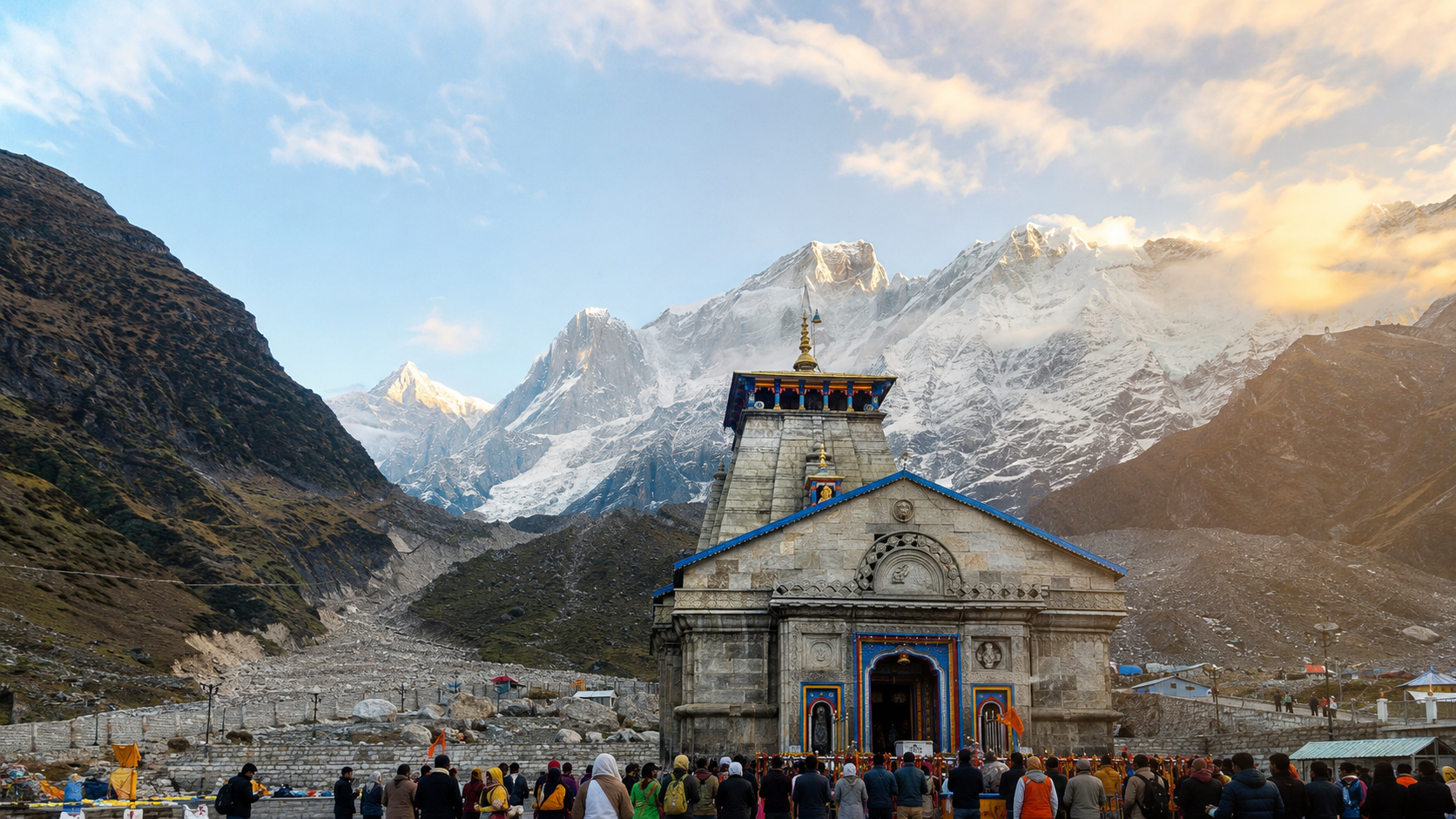
Plan a spiritually meaningful journey to Kedarnath with a 6 Days / 5 Nights Kedarnath Yatra package from Delhi by Trip to Yatra. This pilgrimage package is designed around the Delhi–Haridwar–Kedarnath travel corridor, with Kedarnath Temple as the principal spiritual destination. The journey combines Himalayan travel with time for darshan and a more organised pilgrimage experience. Since Kedarnath is a high-altitude destination with seasonal access and mandatory Yatra formalities, planning matters. Trip to Yatra can help you understand the practical arrangements, registration requirements and travel considerations before you set out. Enquire with our team to plan your 2027 Kedarnath Yatra fro
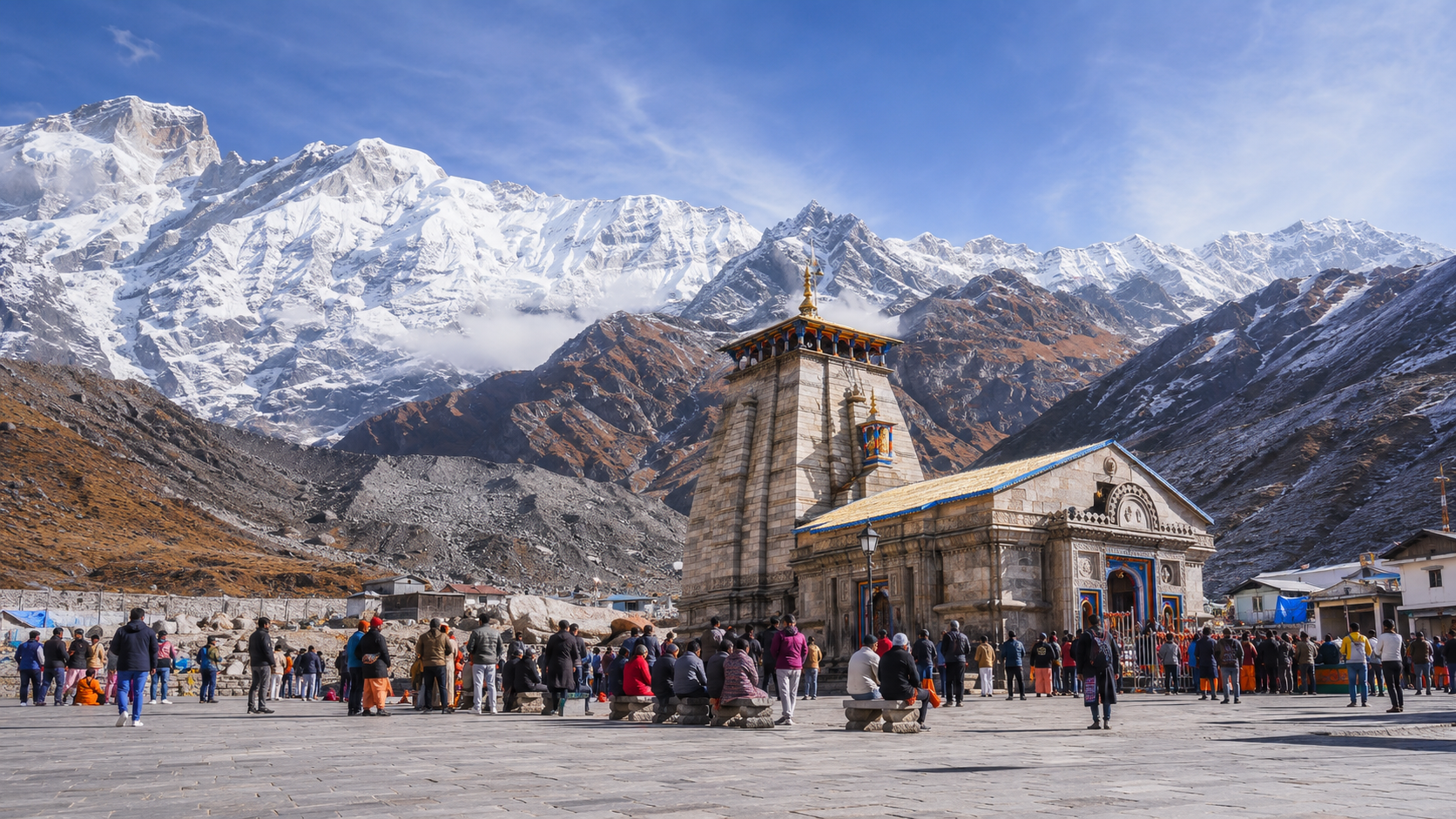
A thoughtfully planned Kedarnath Yatra package from Haridwar for pilgrims looking to visit the sacred Kedarnath Temple in Uttarakhand. This 4 Days / 3 Nights pilgrimage connects Haridwar with one of Lord Shiva’s most revered Himalayan shrines, with arrangements planned around the practical requirements of a high-altitude yatra. Kedarnath is situated in the Garhwal Himalayas at around 3,580 metres, so preparation, suitable clothing and sensible travel planning are important.
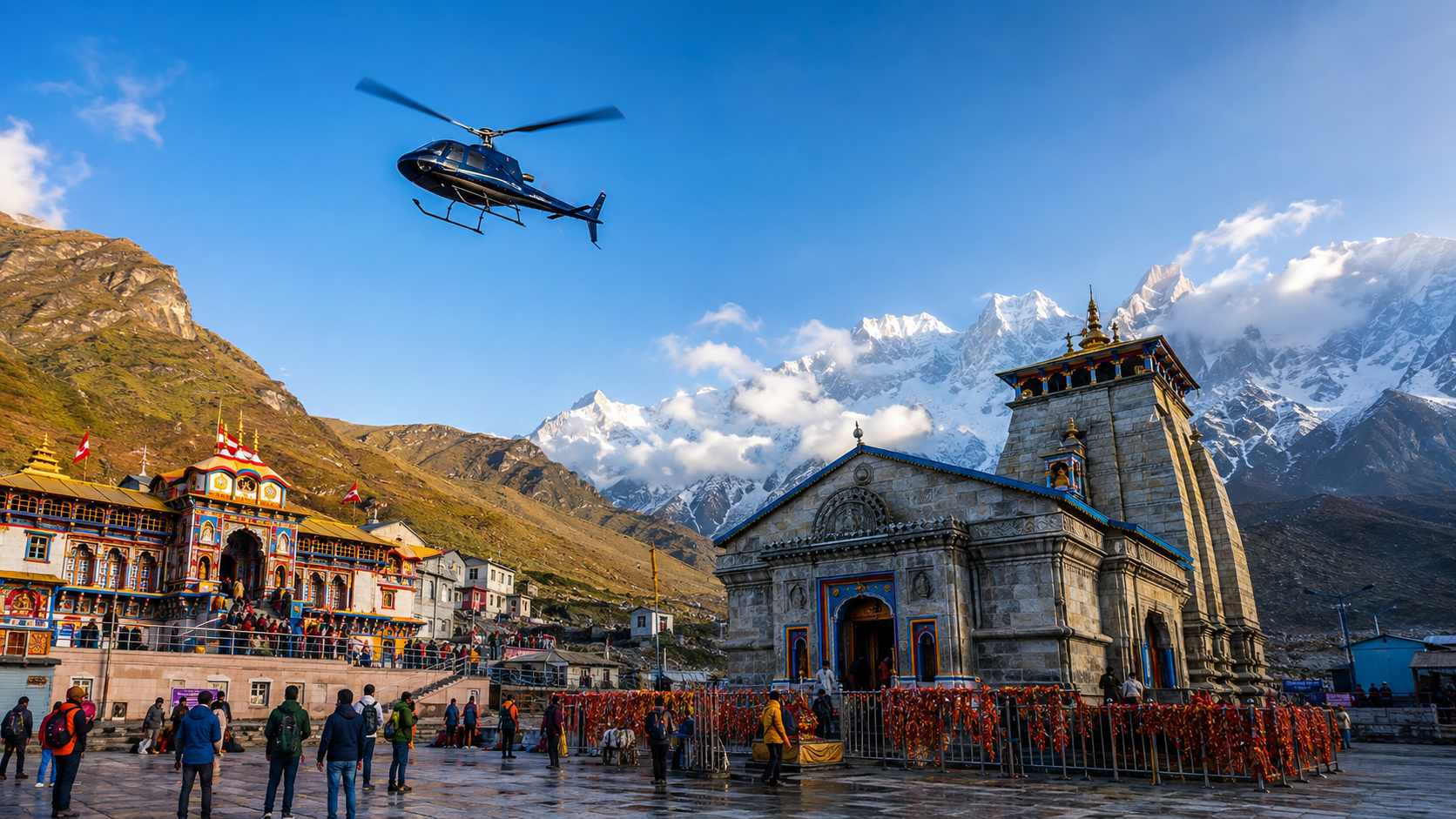
Experience the sacred Do Dham Yatra by helicopter from Dehradun, covering the revered Kedarnath Temple and Badrinath Temple in a compact 3-day, 2-night pilgrimage. This Dehradun-to-Dehradun package is designed for devotees who want to visit both Himalayan shrines while reducing the long road travel involved in a conventional yatra. Kedarnath, dedicated to Lord Shiva, stands high in the Garhwal Himalayas, while Badrinath is one of the four Char Dham pilgrimage sites and is dedicated to Lord Vishnu. With helicopter travel, the journey can be more convenient, subject to weather, operational conditions and applicable pilgrimage regulations.
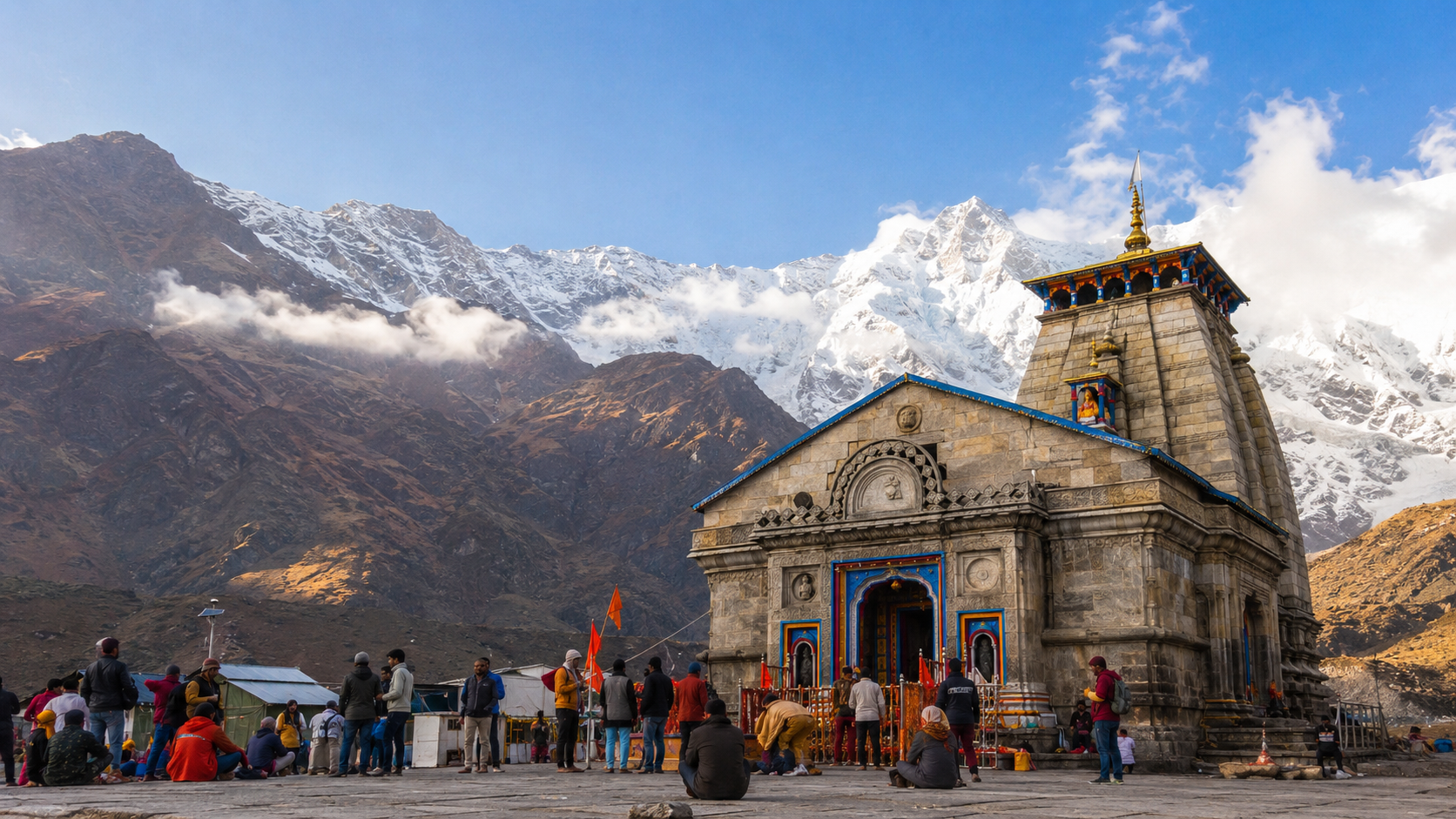
The Do Dham Yatra from Delhi is an 8-day pilgrimage covering the two revered Himalayan shrines of Kedarnath and Badrinath. Starting and ending in Delhi, this thoughtfully planned journey brings together the spiritual atmosphere of Kedarnath, dedicated to Lord Shiva, and Badrinath, dedicated to Lord Vishnu, along with time around Haridwar and Rishikesh. The route combines road travel through Uttarakhand with the required approach to Kedarnath on foot from the roadhead. With high-altitude travel, changing mountain weather and seasonal temple access to consider, Trip to Yatra helps pilgrims plan the journey around practical travel requirements rather than rushing through the experience.
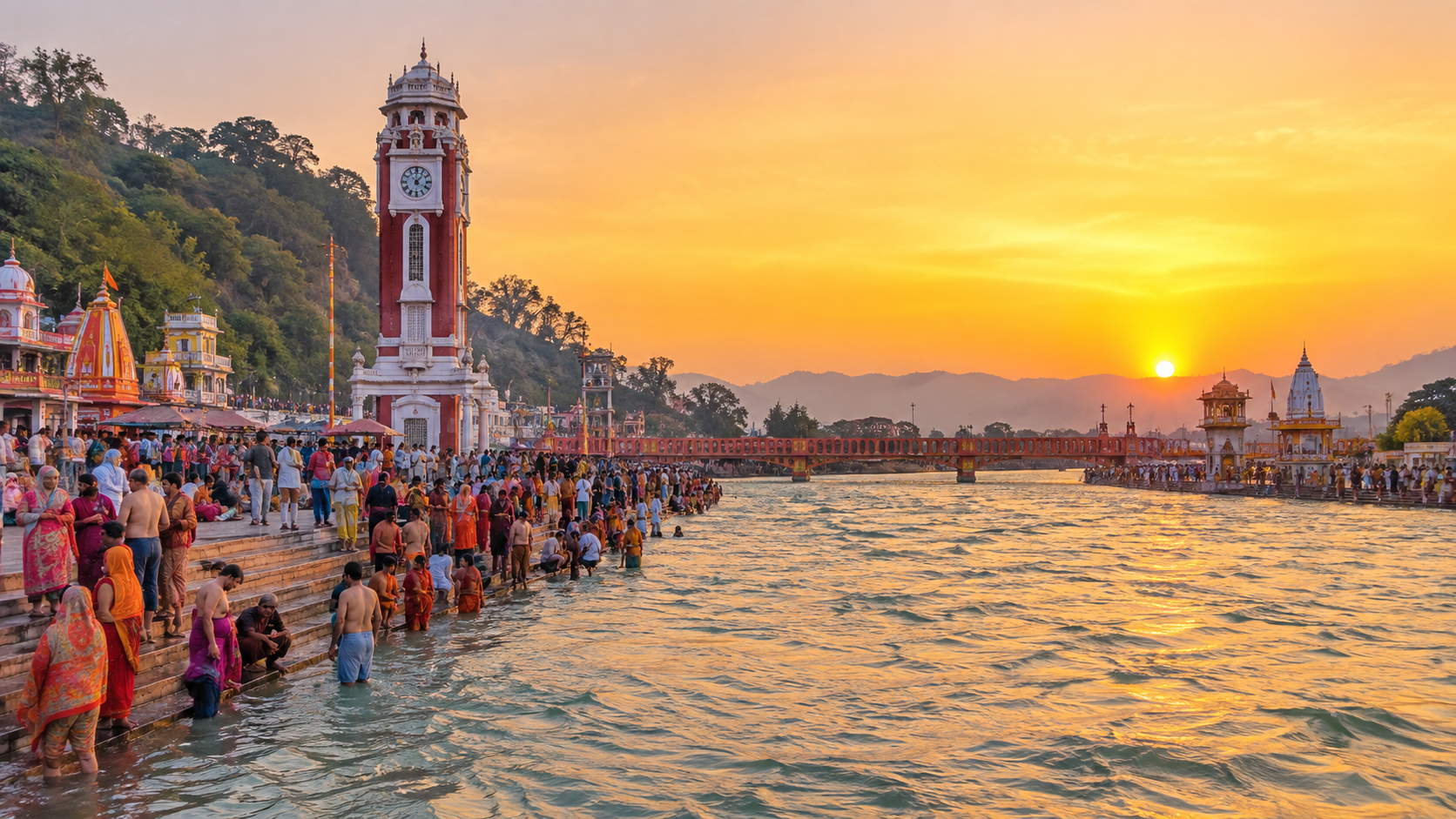
Haridwar Kumbh Mela from Haridwar. Package details, itinerary and pricing can be completed in the CRM.
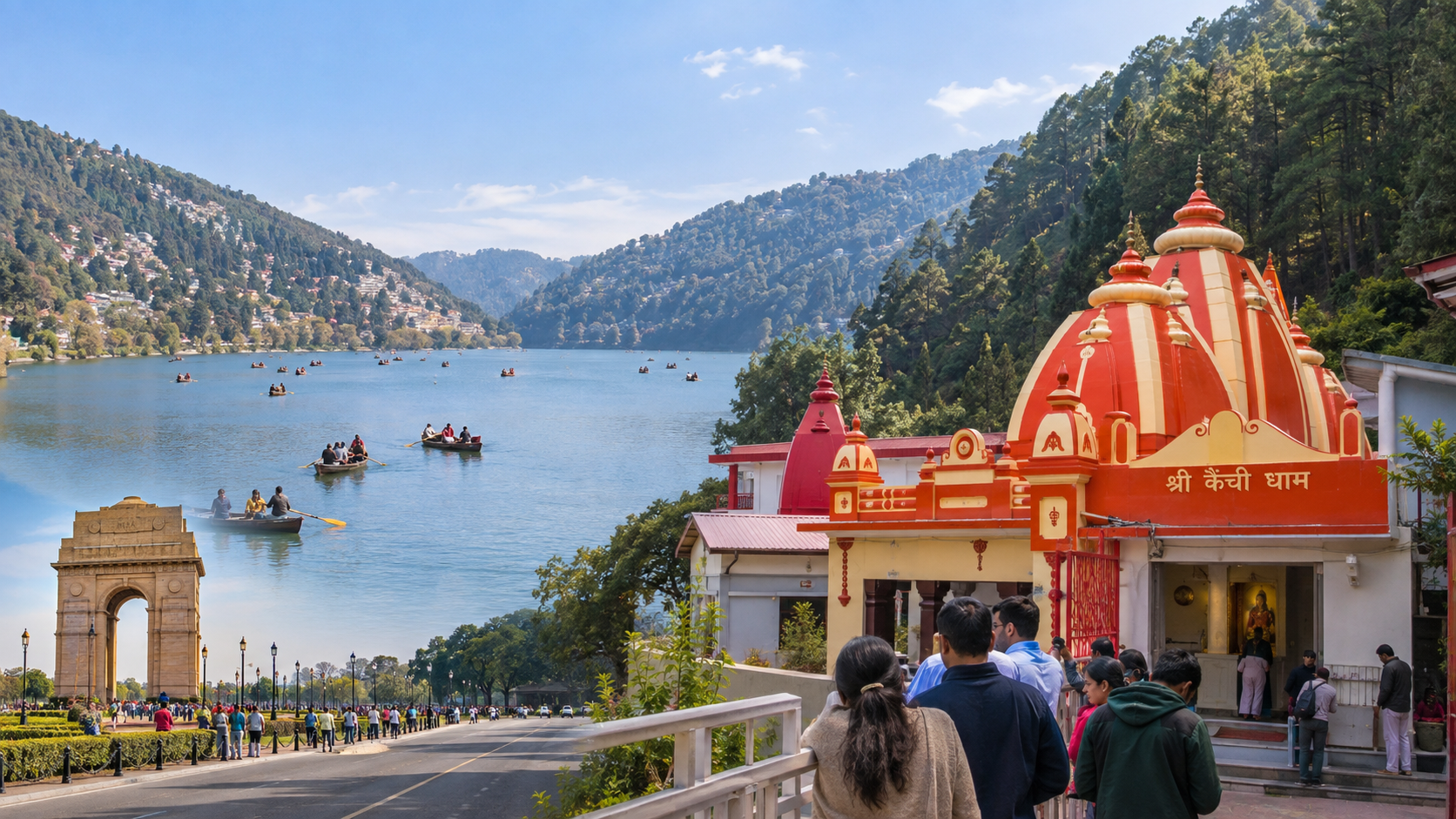
Nainital Kainchi Dham Tour from Delhi. Package details, itinerary and pricing can be completed in the CRM.
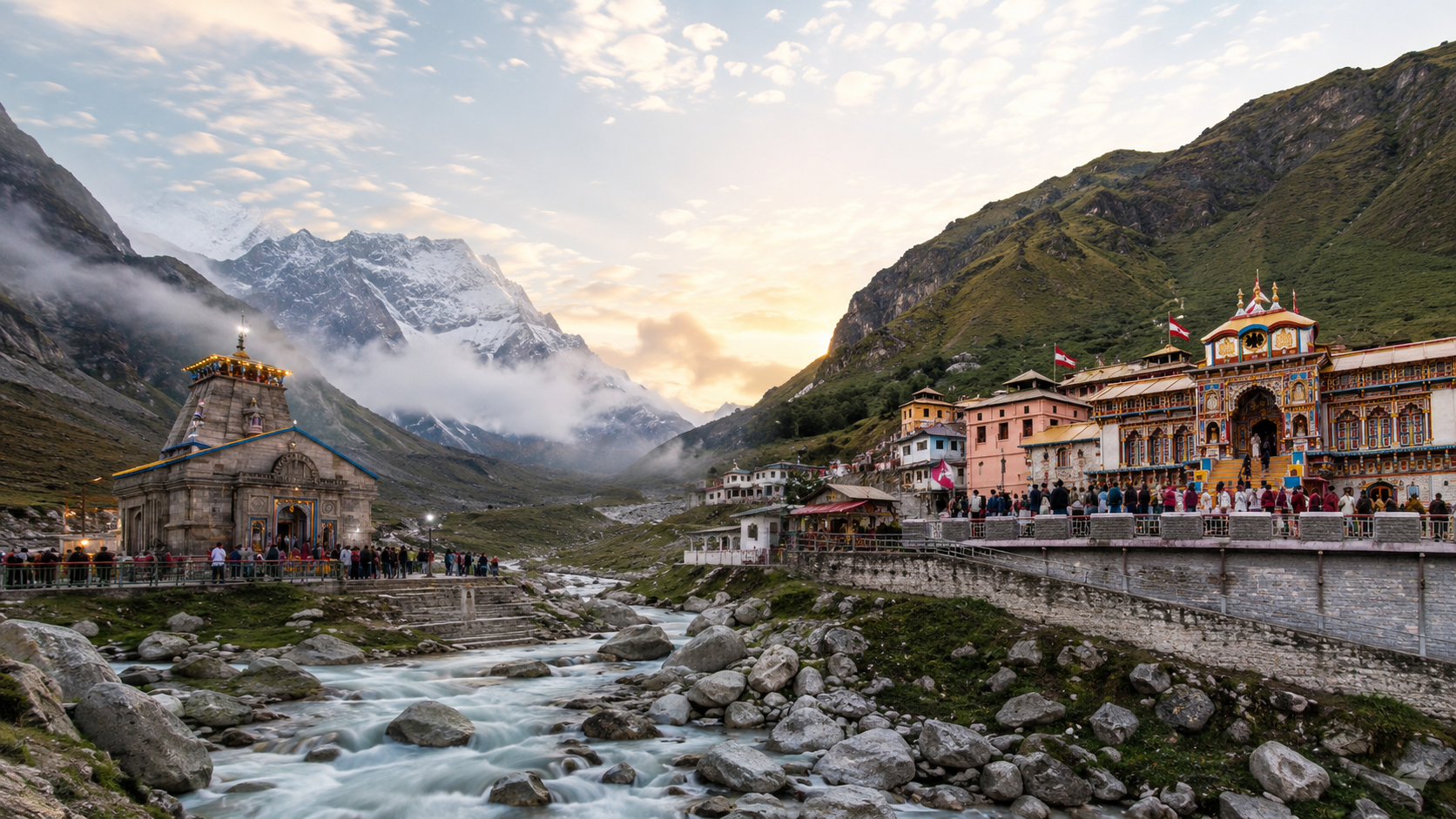
The 6 Days / 5 Nights Do Dham Yatra from Haridwar is designed for pilgrims who wish to visit the sacred Kedarnath Temple and Badrinath Temple in one focused Uttarakhand pilgrimage. Starting and ending in Haridwar, the journey combines the spiritual atmosphere of the Himalayan temples with the changing landscapes of Garhwal. Kedarnath, one of Lord Shiva’s most revered pilgrimage sites and a Jyotirlinga, requires a mountain approach and a trek from Gaurikund. Badrinath, dedicated to Lord Vishnu, is one of Uttarakhand’s four Char Dham temples. Trip to Yatra helps travellers plan this pilgrimage with practical guidance and clear enquiry support.
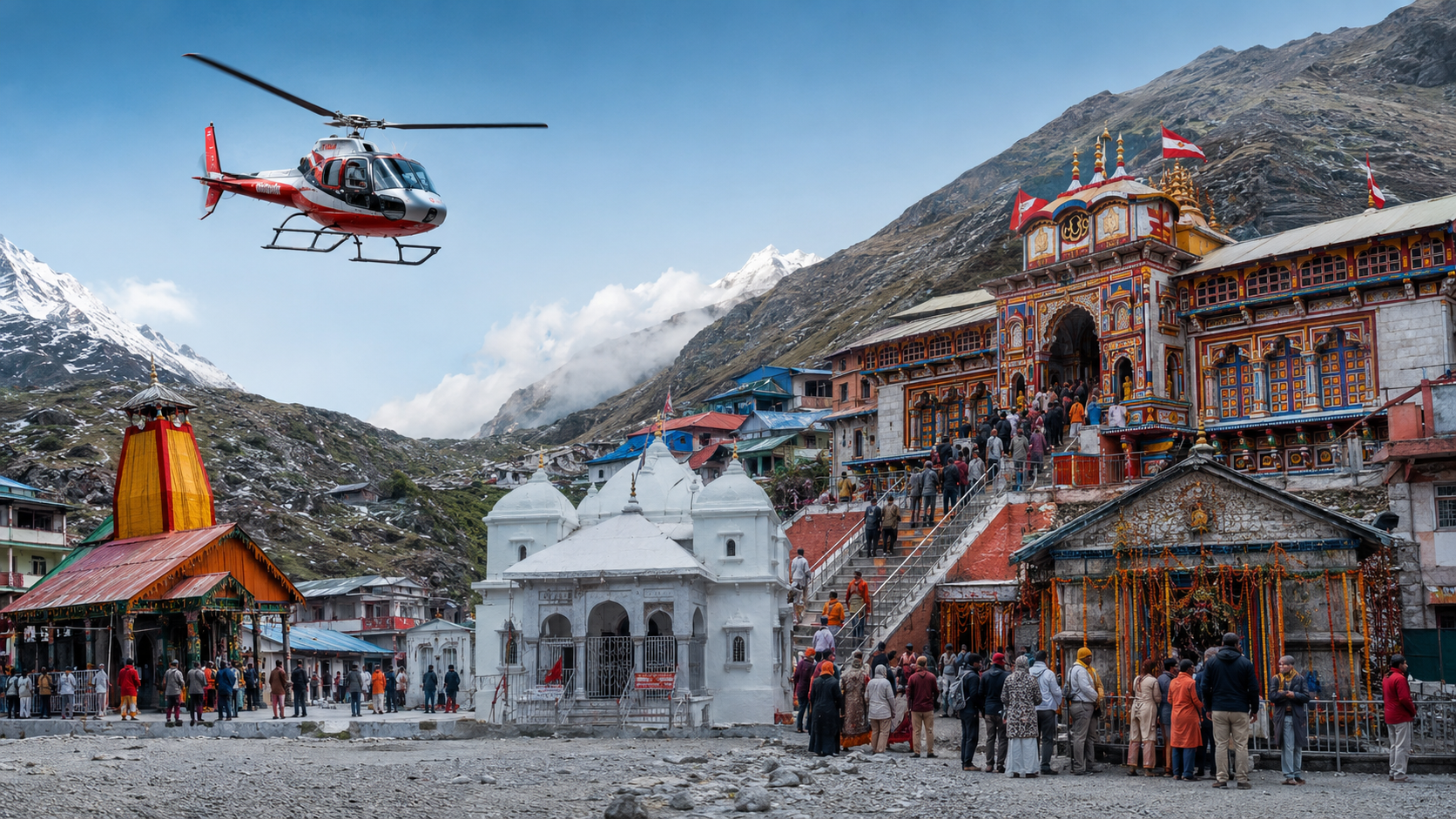
Chardham Yatra by Helicopter from Dehradun offers a more time-efficient way to undertake the sacred Uttarakhand Char Dham pilgrimage, covering Yamunotri, Gangotri, Kedarnath and Badrinath in a 5-day / 4-night package. Starting and ending in Dehradun, the journey combines helicopter travel with the necessary ground and temple-access arrangements at the Dhams. The helicopter element can significantly reduce long road journeys, but it does not mean every temple is reached directly by helicopter; Yamunotri and Kedarnath involve access arrangements beyond the helipad. Char Dham operates seasonally, and 2027 opening dates, operating conditions and applicable requirements should be confirmed before
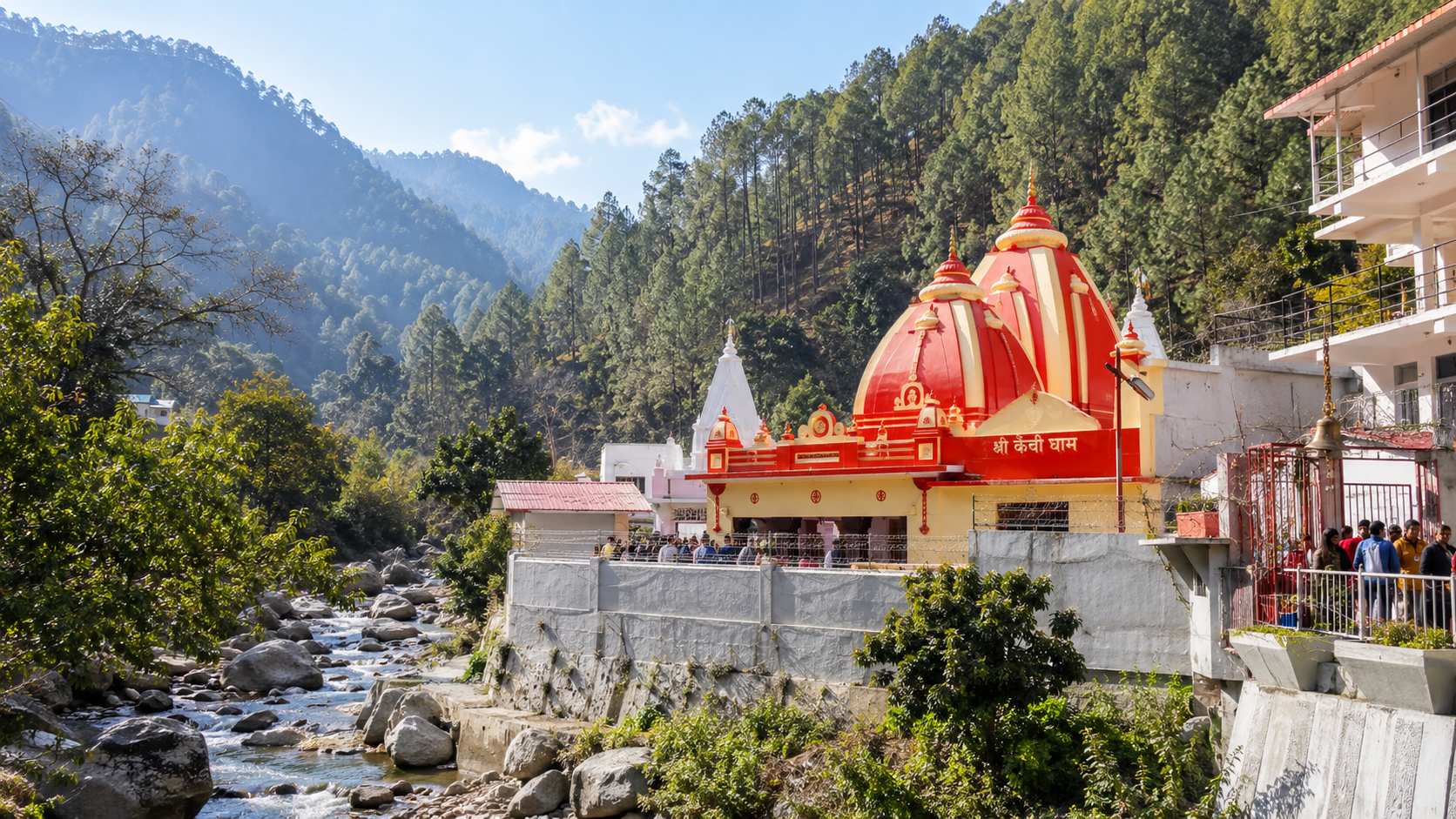
Kainchi Dham Tour from Delhi. Package details, itinerary and pricing can be completed in the CRM.
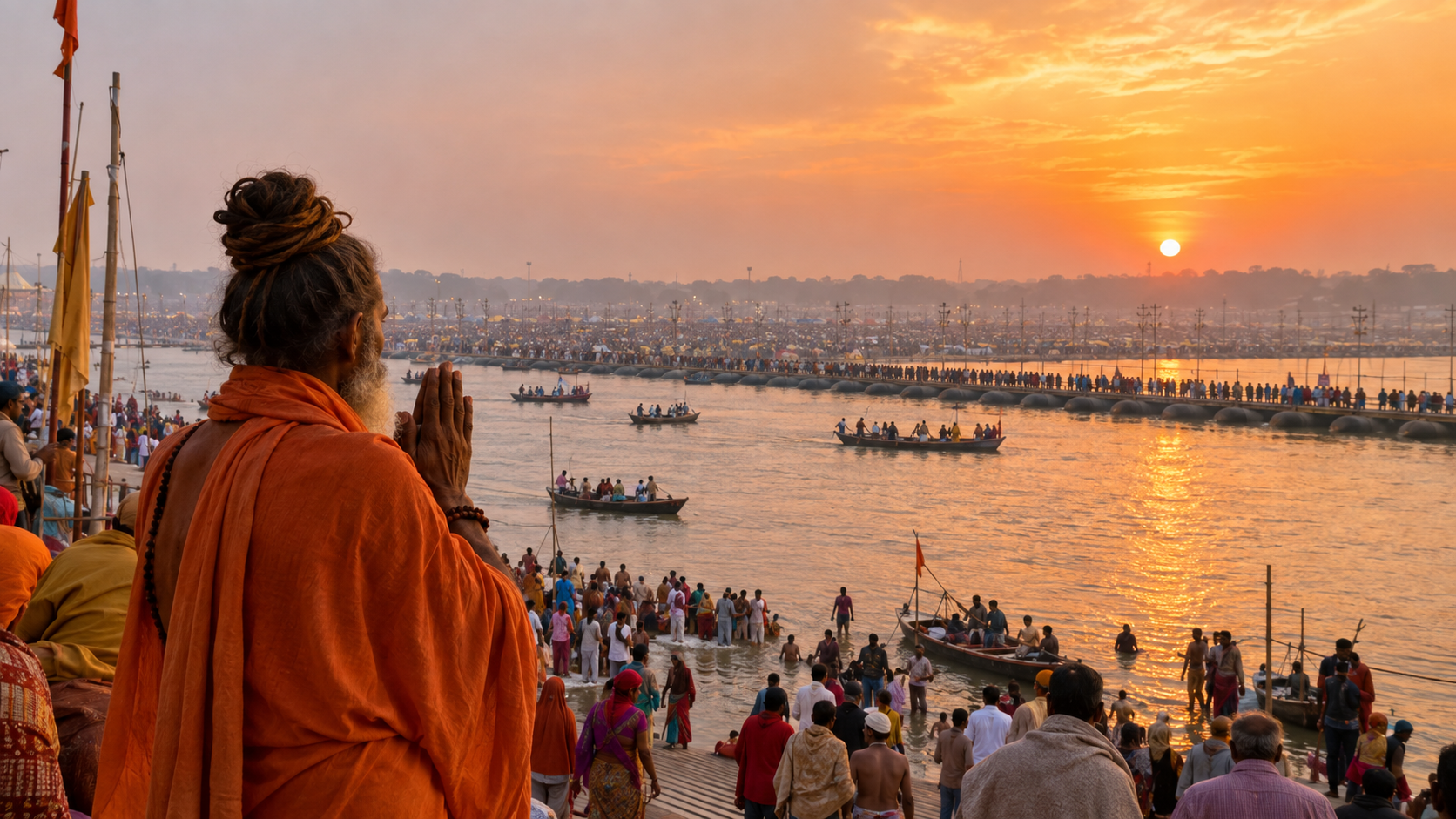
Prayagraj Kumbh Mela from Prayagraj. Package details, itinerary and pricing can be completed in the CRM.
Plan a 7-day Kathmandu Pashupatinath Muktinath Pokhara tour with a careful Nepal pilgrimage route, official permit guidance and practical travel notes.
Share your details and get a suitable package from our travel expert.
Kathmandu Pashupatinath Muktinath Pokhara Tour from Kathmandu. Package details, itinerary and pricing can be completed in the CRM.
The Kathmandu Pashupatinath Muktinath Pokhara tour is designed for travellers who want to combine an important Hindu pilgrimage with some of Nepal's best-known Himalayan destinations. Starting and ending in Kathmandu, this 7 Days / 6 Nights journey connects Pashupatinath Temple in the Kathmandu Valley with Pokhara, the Kali Gandaki region around Jomsom and the sacred Muktinath pilgrimage area in Mustang. The programme keeps the route practical by following Kathmandu to Pokhara, Pokhara to Jomsom, Jomsom to Muktinath and back, followed by the return journey through Pokhara to Kathmandu.
This package is particularly suitable for Indian pilgrims, families and spiritual travellers looking for a structured Kathmandu Pashupatinath Muktinath Pokhara tour without adding unnecessary destinations. It should, however, be approached as a Himalayan journey rather than an ordinary city holiday. Road conditions, weather, seasonal traffic and local operational restrictions can affect movement in the mountain region, so travellers should keep reasonable flexibility in their programme and avoid planning critical onward connections immediately after returning from Mustang.
Pashupatinath is one of Nepal's most revered Hindu pilgrimage sites and stands on the banks of the Bagmati River in Kathmandu. The Nepal Tourism Board identifies it as the country's most revered Hindu temple, while the Pashupati Area Development Trust manages the wider temple area and pilgrim services. The main temple sanctum is restricted to Hindus. Non-Hindu visitors may visit permitted sections of the wider Pashupatinath area and view temple activities from designated locations outside the main sanctum.
Temple etiquette is important. Official Nepal Tourism Board guidance states that leather items such as shoes and belts are not permitted inside the main temple complex and that photography is prohibited in the restricted temple area. Pilgrims should therefore follow instructions from temple authorities, security staff and local priests instead of relying on unofficial information circulating online. Festival days, especially major Shiva-related occasions, can also bring substantially larger pilgrim crowds.
The itinerary includes Pashupatinath at the beginning of the journey so that the spiritual purpose of the tour starts in Kathmandu before proceeding west towards Pokhara and Muktinath. Actual darshan sequencing should remain flexible around the traveller's Kathmandu arrival, temple access conditions and local crowd management.
From Kathmandu, the journey continues to Pokhara. Nepal Tourism Board describes Pokhara as a major tourism destination with the Annapurna range forming its Himalayan backdrop. The city is associated with Phewa Lake and other lakes, mountain views, temples, caves, waterfalls and access towards the Annapurna region. Pokhara is also an important staging point for travellers heading towards Jomsom and Muktinath.
This itinerary uses Pokhara both as a destination and as a practical transit base. The Kathmandu to Pokhara and Pokhara to Mustang sectors should not be sold with rigid road-duration guarantees because actual journey time can vary with traffic, maintenance, weather and road conditions. Travellers should use the departure time confirmed locally and follow the transport operator's instructions.
During the Pokhara stay, the programme allows time for selected local sightseeing and relaxation. Phewa Lake is one of the city's best-known attractions, while the Nepal Tourism Board also lists locations such as Devi's Fall, Gupteshwar area, Bindhyabasini, the World Peace Pagoda and the old bazaar among Pokhara's attractions. Exact sightseeing can be arranged according to available time, local opening conditions and the services confirmed in the traveller's booking.
The next stage moves from Pokhara towards Jomsom in Mustang. Jomsom serves as an important access point for the Muktinath pilgrimage region. Nepal Tourism Board information notes that Muktinath can be approached through Jomsom and that road access has developed along the Kali Gandaki corridor. Because this is a mountain route, travellers should expect a very different journey from the roads around Kathmandu or Pokhara.
The itinerary provides an overnight stay in Jomsom before the dedicated Muktinath pilgrimage day. This gives the programme more practical spacing than attempting to combine the entire Pokhara to Muktinath journey and return in one continuous day. Even with this structure, local weather, road movement and operating conditions must always take priority over a fixed sightseeing schedule.
Visitors travelling in the Annapurna Conservation Area should also pay attention to conservation-area entry requirements. The National Trust for Nature Conservation operates the official Annapurna Conservation Area Project permit system. Its current permit guidance states that visitors requiring an Annapurna Conservation Area entry permit should obtain it through the authorised system or designated counters and carry the permit during the trip. It also notes that permits are non-transferable and that visitors should register at route check-posts where required. Permit requirements can depend on nationality, age, exact route and current rules, so they should be verified again before departure.
Muktinath is a sacred pilgrimage destination in Mustang visited by both Hindu and Buddhist devotees. Nepal Tourism Board describes the site as religiously important to both traditions. The sacred area includes the Muktinath temple complex and nearby religious features, including the well-known 108 waterspouts associated with ritual bathing. Visitors should treat the site as an active place of worship and follow local instructions regarding queues, ritual areas, photography, footwear and access.
The Muktinath visit is scheduled as a Jomsom to Muktinath and return journey, allowing pilgrims to complete darshan before returning to Jomsom for the night. The programme does not promise a specific darshan duration because access and waiting periods can change due to pilgrim numbers, weather, local management or religious occasions.
Muktinath is located in a high Himalayan environment. Travellers who are elderly, have limited mobility or are not accustomed to mountain conditions should plan conservatively, walk slowly and discuss personal health concerns with an appropriate medical professional before travelling. This tour description does not substitute for medical advice and does not guarantee suitability for every traveller.
After completing the Muktinath pilgrimage, the route returns from Jomsom to Pokhara and then from Pokhara to Kathmandu. Separating these sectors across different days provides a more manageable 7-day structure. The final Kathmandu day is reserved for departure arrangements and any activity that can realistically be fitted around the traveller's onward schedule.
The tour therefore follows a continuous route of Kathmandu, Pokhara, Jomsom, Muktinath, Jomsom, Pokhara and Kathmandu. It avoids sending travellers into Upper Mustang or other restricted regions that are not required for a standard Muktinath pilgrimage. Nepal's Department of Immigration publishes separate restricted-area rules for specified parts of Mustang, so travellers should not independently extend their route into restricted zones without checking the applicable permit requirements.
Entry documentation depends on nationality. Indian citizens do not require a visa to enter Nepal. Current Nepal immigration guidance states that Indian citizens may use a valid Indian passport or voter identity card for entry, with specific provisions applying to minors. Travellers should carry original acceptable documents rather than depending solely on photocopies or digital identity records. Official notices also state that Aadhaar is not an accepted travel document for travel between India and Nepal.
Citizens of other countries should check Nepal's current visa and immigration rules before travelling. Passport validity, visa eligibility and permitted entry procedures should always be confirmed from the Department of Immigration or an official Nepali diplomatic mission because regulations can change.
No specific hotel, room category, meal plan, vehicle model or transport operator should be assumed from this general itinerary. These services should be treated as included only when they are clearly mentioned in the final quotation or booking confirmation. This is especially important in Jomsom and the Mustang region, where available accommodation and transport can differ from city standards and may vary by season.
Travellers should also avoid comparing mountain accommodation directly with hotels in Kathmandu or Pokhara. Heating, hot water, power supply, room configuration and other facilities can vary by property. Any special requirement for elderly travellers, children or guests with mobility limitations should be communicated before booking so that availability can be checked rather than promised.
A successful Kathmandu Pashupatinath Muktinath Pokhara tour depends more on sensible planning than on rushing through a long checklist. Keep travel documents readily accessible, use suitable layered clothing, carry essential personal medicines, protect electronics from dust and moisture and maintain some flexibility for the mountain sectors. Travellers should also keep luggage practical because transfers and accommodation handling in the Mustang region can be less convenient than in major cities.
Before departure, reconfirm Pashupatinath guidelines, Annapurna Conservation Area permit requirements, Nepal immigration rules and the local operating status of the Jomsom-Muktinath route. Rules published by government, conservation and temple authorities should take priority over older blogs, social-media posts or previously issued itineraries.
This 7 Days / 6 Nights itinerary offers a focused Nepal pilgrimage experience without making claims about guaranteed weather, fixed darshan waiting periods or unverified hotel standards. It combines the sacred atmosphere of Pashupatinath and Muktinath with Pokhara's Himalayan setting and the distinctive landscape of the Kali Gandaki corridor, while keeping Kathmandu as both the starting and ending point of the journey.
A quick overview of the experiences, important stops and thoughtful planning included in this yatra.
Pashupatinath Temple pilgrimage in Kathmandu.
Muktinath darshan in Mustang.
Journey through Pokhara and the Kali Gandaki corridor.
Overnight halt in Jomsom before and after Muktinath darshan.
Pokhara stay with time for selected local sightseeing.
Kathmandu-to-Kathmandu 7 Days / 6 Nights routing.
Route planned without entering unnecessary restricted Upper Mustang areas.
Official permit and immigration guidance incorporated into trip planning.
Follow the journey step by step through the important halts, stays and darshan points.
Arrive in Kathmandu and complete the scheduled transfer arrangements. Visit the Pashupatinath area for darshan according to arrival time, temple access and local crowd conditions. The main sanctum is open only to Hindus. Follow temple rules regarding footwear, leather items and photography. Overnight in Kathmandu.
Proceed from Kathmandu to Pokhara by the transport arrangement confirmed in the final booking. Travel conditions can vary with traffic, weather and road works, so no fixed journey duration is guaranteed. On arrival, check in and keep the remaining time at leisure or for locally feasible sightseeing.
Travel from Pokhara towards Jomsom through the Kali Gandaki corridor using the confirmed surface transport arrangement. Carry required identification and any applicable Annapurna Conservation Area entry permit. Check in at Jomsom and rest before the Muktinath pilgrimage.
Proceed from Jomsom to the Muktinath pilgrimage area for darshan. Visit the sacred temple complex and observe local religious customs and access instructions. After completing the pilgrimage, return to Jomsom. Movement and darshan duration remain subject to local road, weather and crowd conditions.
Depart Jomsom and return to Pokhara by the confirmed route and transport arrangement. Check in on arrival. The remaining time may be used for rest or sightseeing that is practical under local conditions.
Use the available morning period for selected Pokhara sightseeing according to local opening conditions and the confirmed programme. Pokhara attractions may include the Phewa Lake area and other recognised city sights. Later proceed to Kathmandu and check in for the final overnight stay.
Complete check-out and proceed for the scheduled departure from Kathmandu according to the traveller's onward arrangement. Any additional temple visit or local activity should be planned only if sufficient time is available before departure.
Review what is included in your plan and the important information required before confirming your journey.
Important answers to help you prepare for this journey.
This itinerary is planned for 7 Days / 6 Nights, starting and ending in Kathmandu.
The itinerary includes a visit to the Pashupatinath area in Kathmandu. Entry to the main sanctum is restricted to Hindus, and all visitors must follow current temple rules.
Non-Hindus cannot enter the main sanctum. They may visit permitted parts of the wider Pashupatinath area and use designated viewing areas according to current temple regulations.
Official tourism guidance states that photography is prohibited in the restricted main temple complex. Visitors should follow the latest instructions from the Pashupati Area Development Trust and on-site authorities.
Indian citizens do not require a visa to enter Nepal. Current Nepal immigration guidance recognises a valid Indian passport or voter identity card for Indian citizens, subject to separate provisions for minors.
Official India-Nepal travel guidance states that Aadhaar is not an accepted travel document for travel to Nepal. Travellers should carry an officially accepted travel document.
The Jomsom and Muktinath region lies within the Annapurna Conservation Area. Visitors who are subject to the conservation-area entry requirement should obtain the applicable permit through the official NTNC system or authorised counter before travelling.
The standard pilgrimage route to Muktinath does not require travelling through the broader Upper Mustang circuit. However, Nepal's Department of Immigration lists specific Mustang areas as restricted, so any extension beyond the standard route must be checked separately.
No. Travel in the mountain region can be affected by weather, road maintenance, traffic and local operating conditions, so fixed journey-time guarantees should be avoided.
Muktinath is in a high Himalayan environment and may involve walking and exposure to colder conditions. Elderly travellers or anyone with medical or mobility concerns should seek appropriate professional advice before travelling and plan the visit conservatively.
The core route covers Kathmandu, Pashupatinath Temple, Pokhara, Jomsom and Muktinath before returning through Pokhara to Kathmandu.
No hotel name, category, meal plan or other service should be assumed unless it is specifically stated in the final quotation or booking confirmation.