
Rudranath Temple
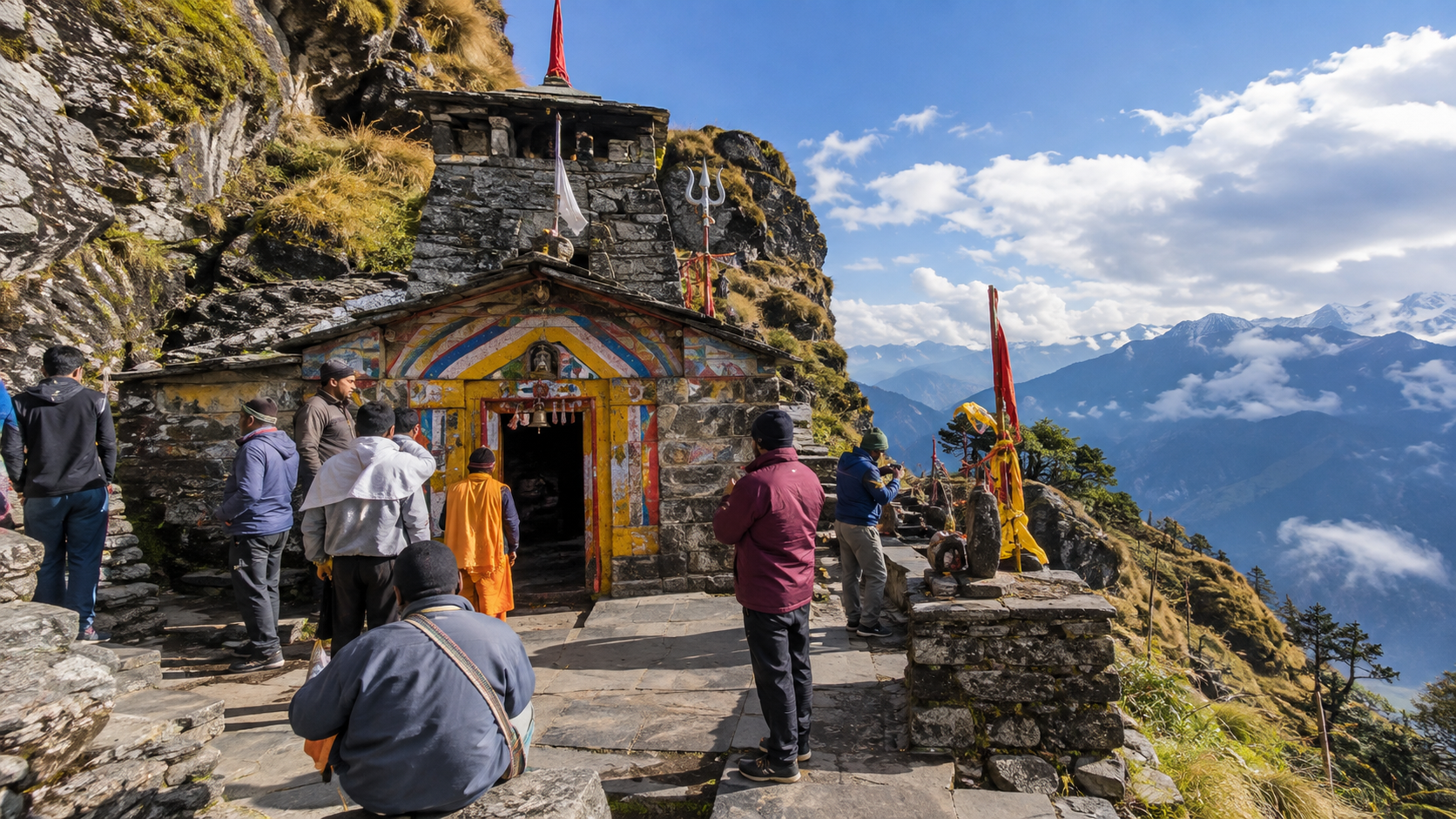
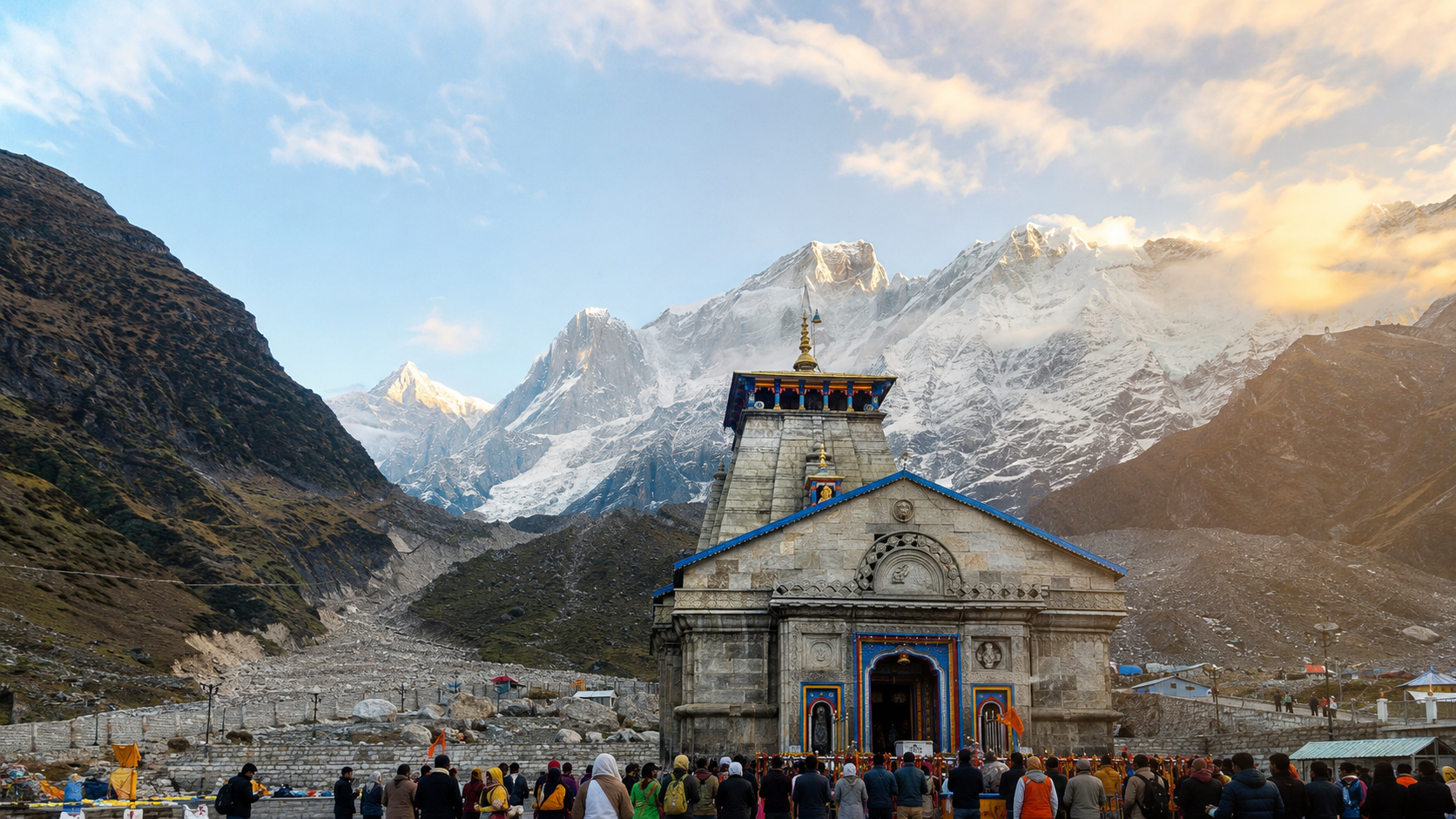
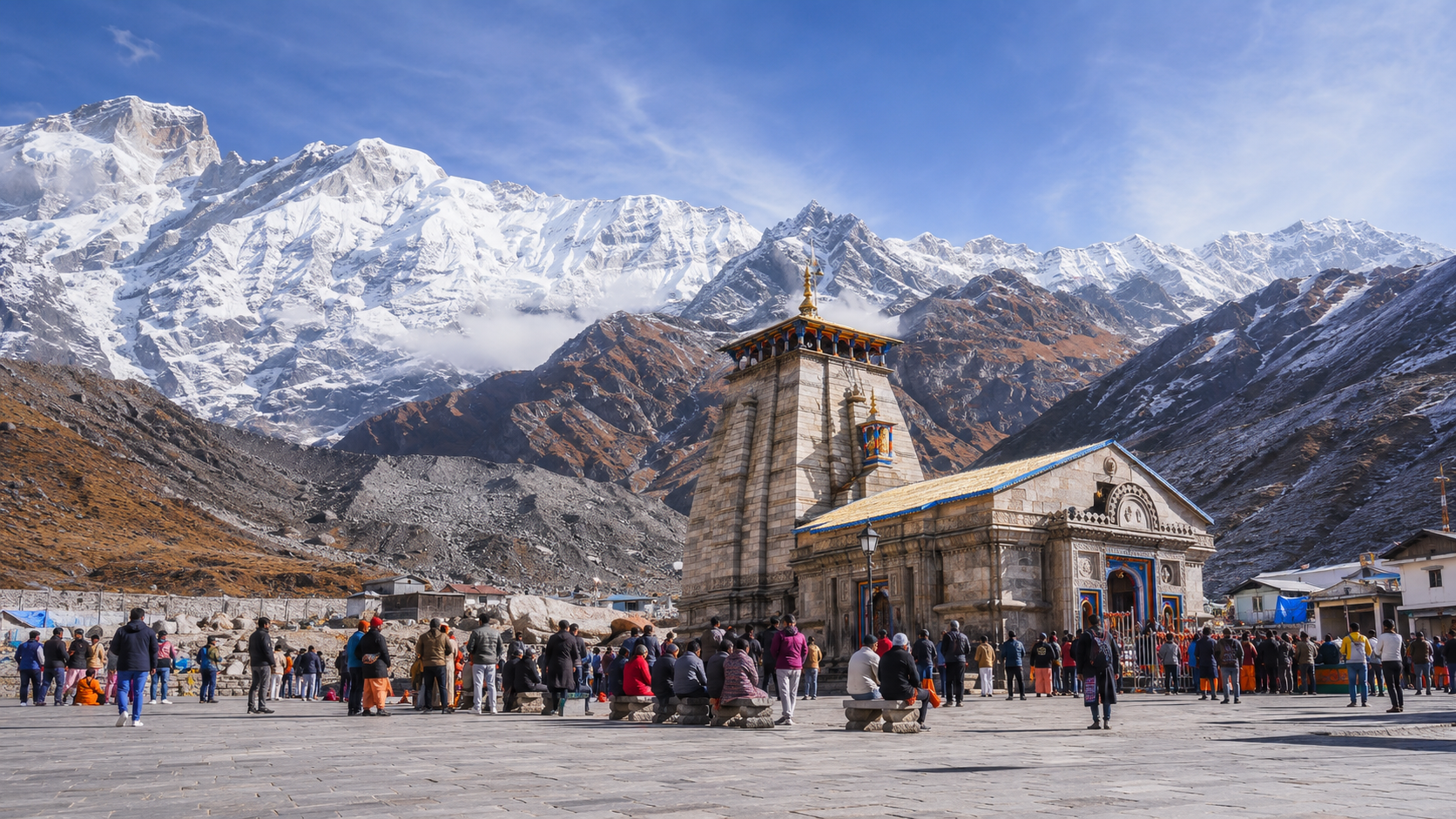
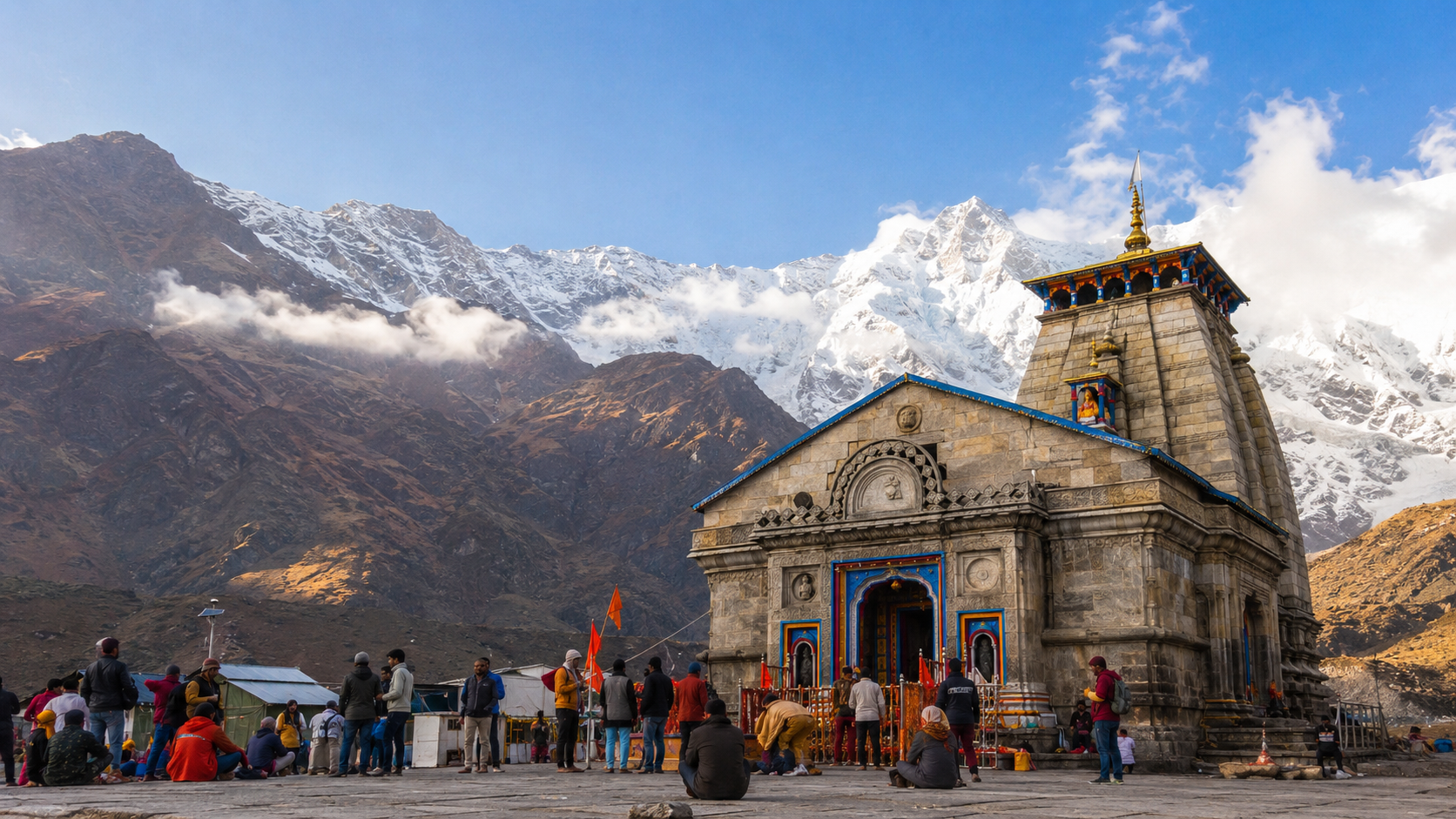
Rudranath Temple is a remote Shiva shrine in Uttarakhand and the fourth of the Panch Kedar temples. Set at high altitude in Chamoli district, it is reached by trekking through forests and alpine meadows, making the journey as important to many pilgrims as the darshan itself. This guide covers the route, season, access, stay and practical planning details.
Rudranath Temple: A Remote Panch Kedar Shrine in Uttarakhand
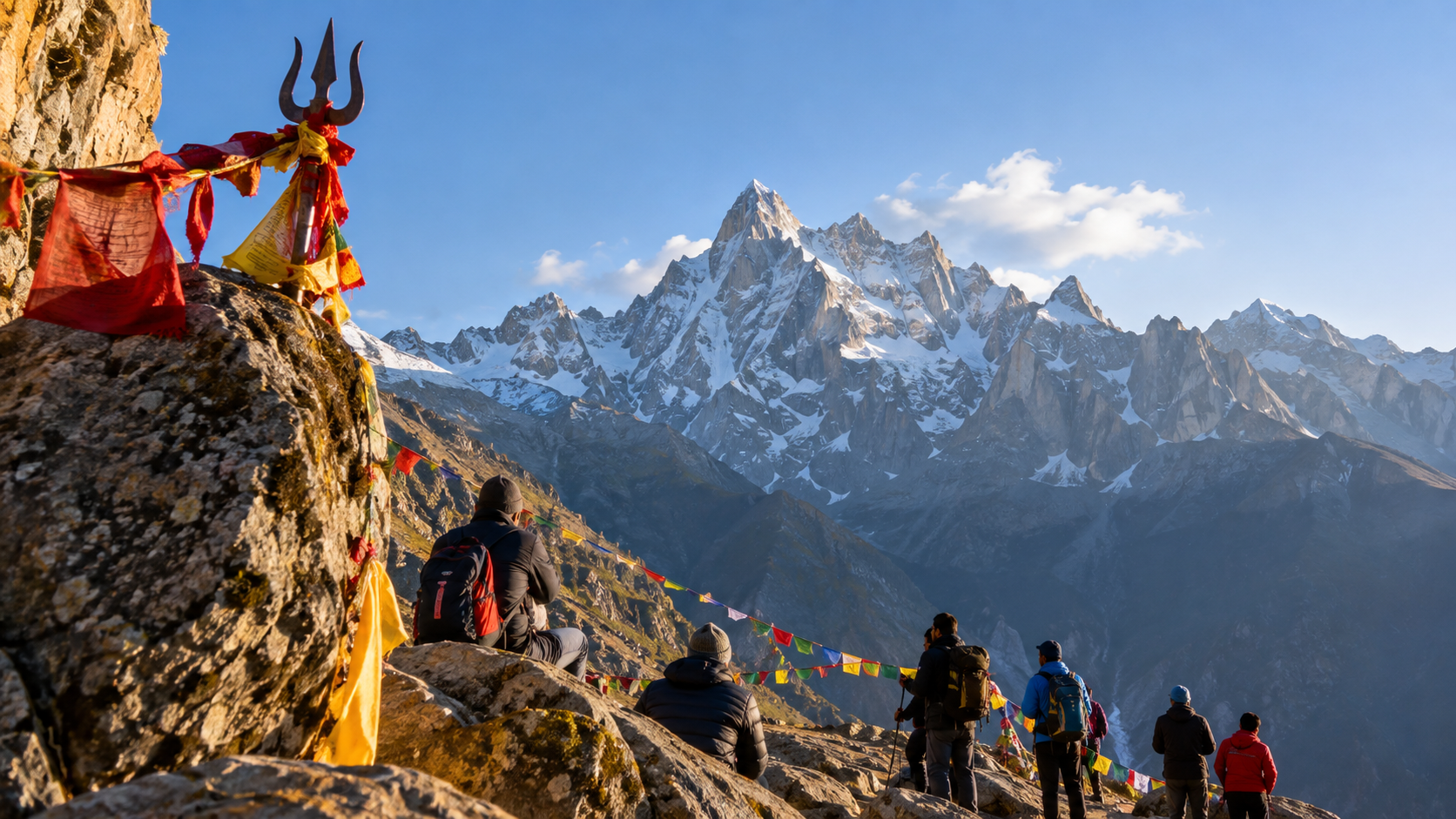
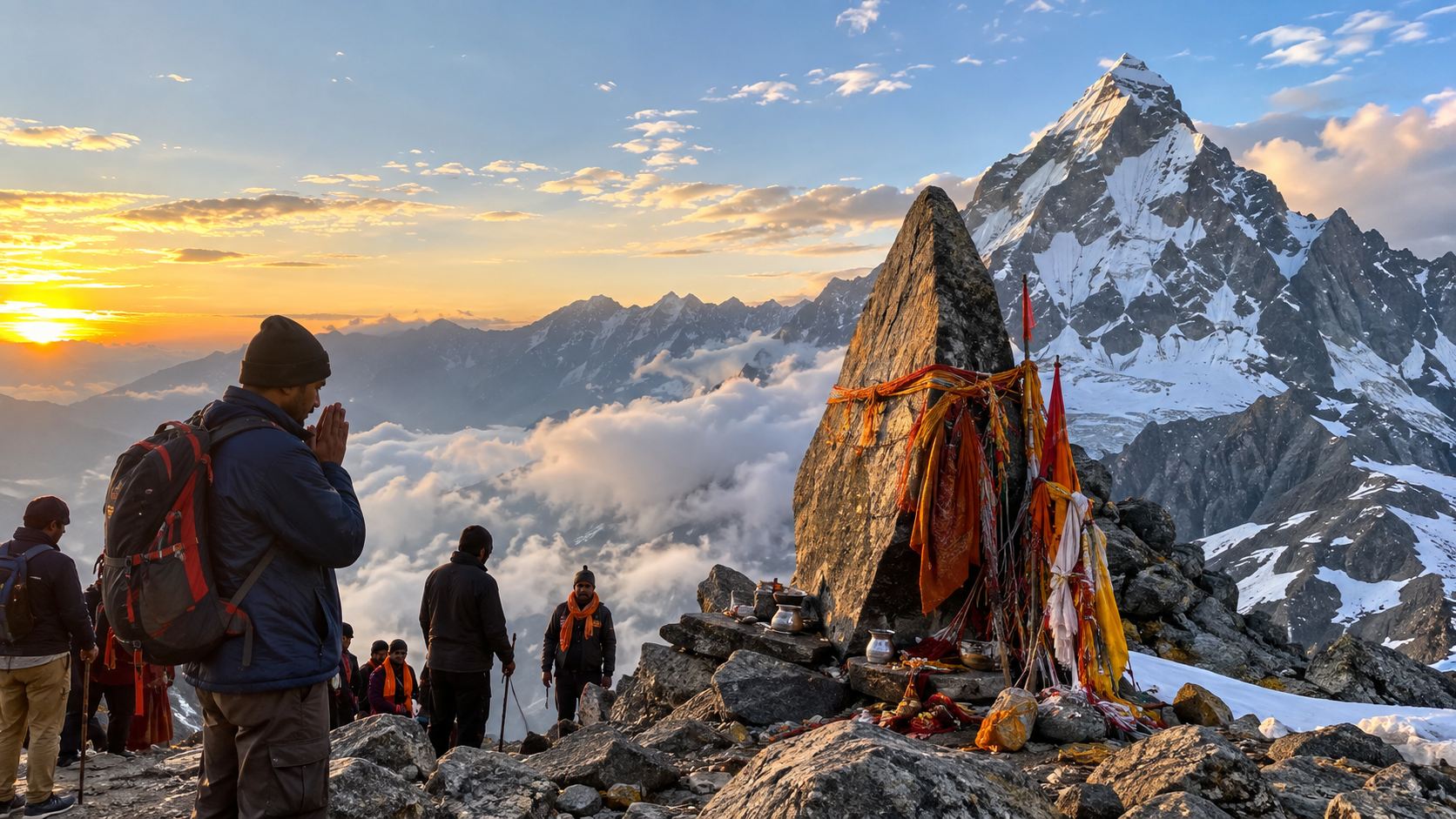
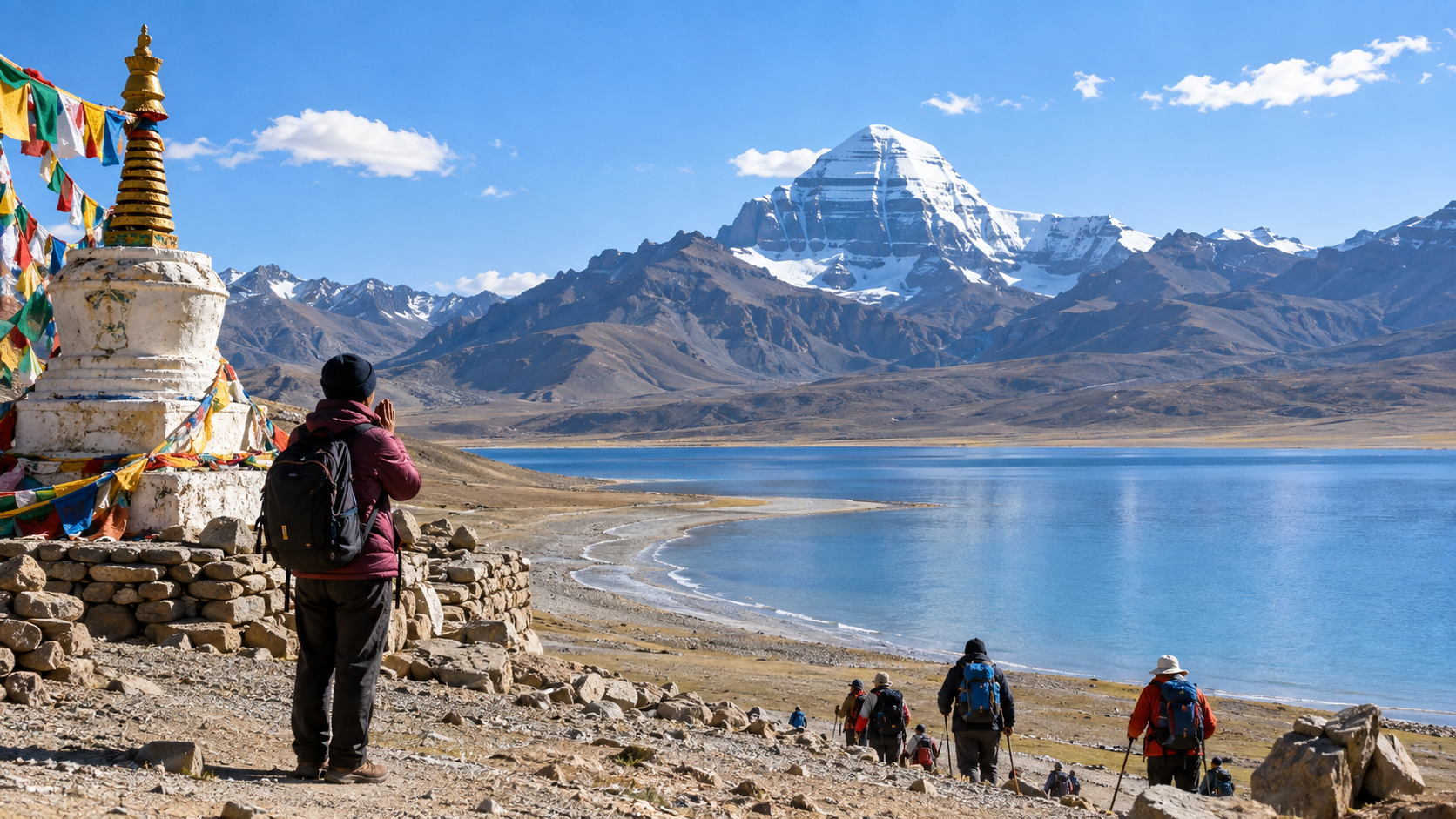
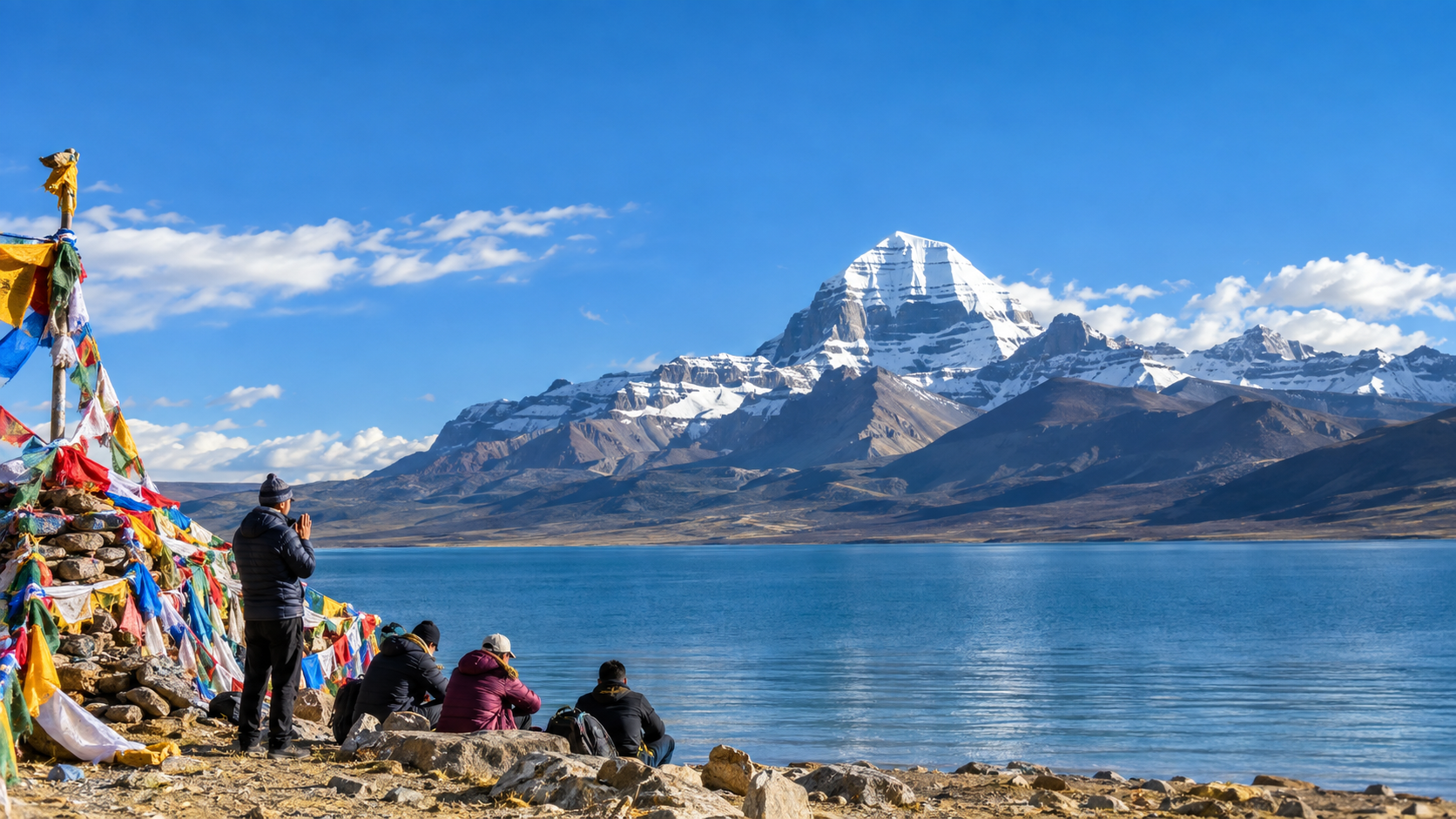
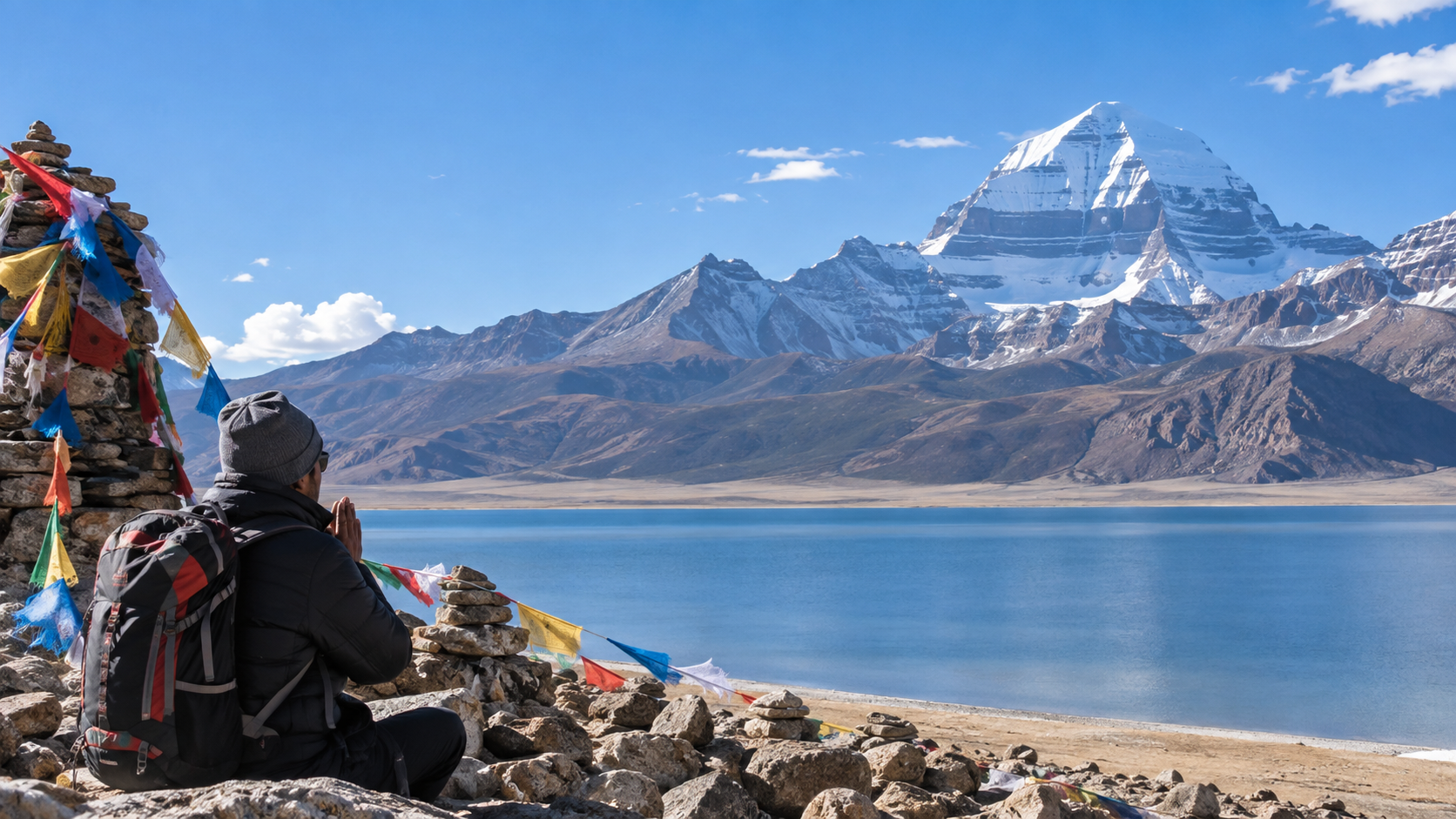
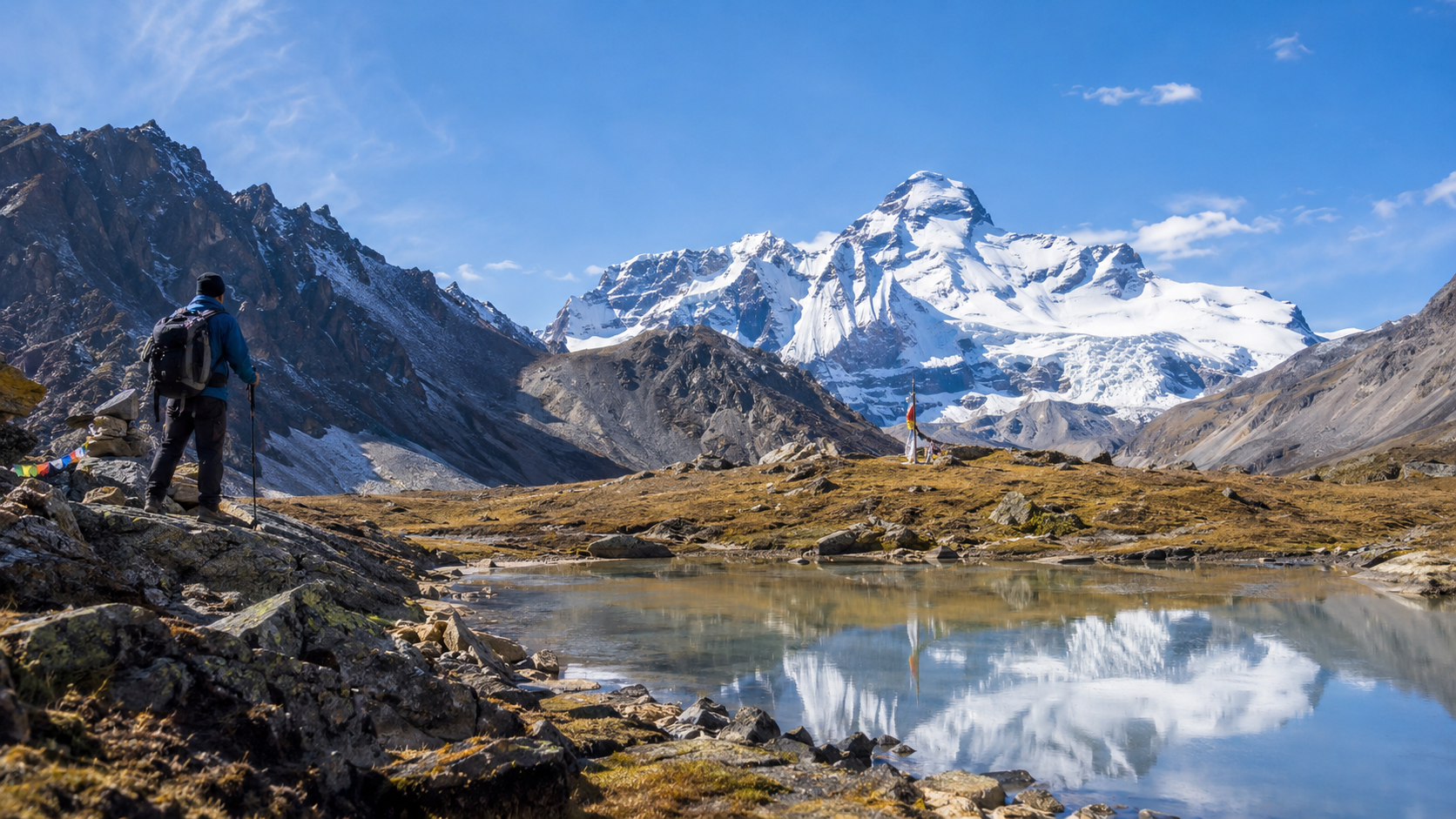
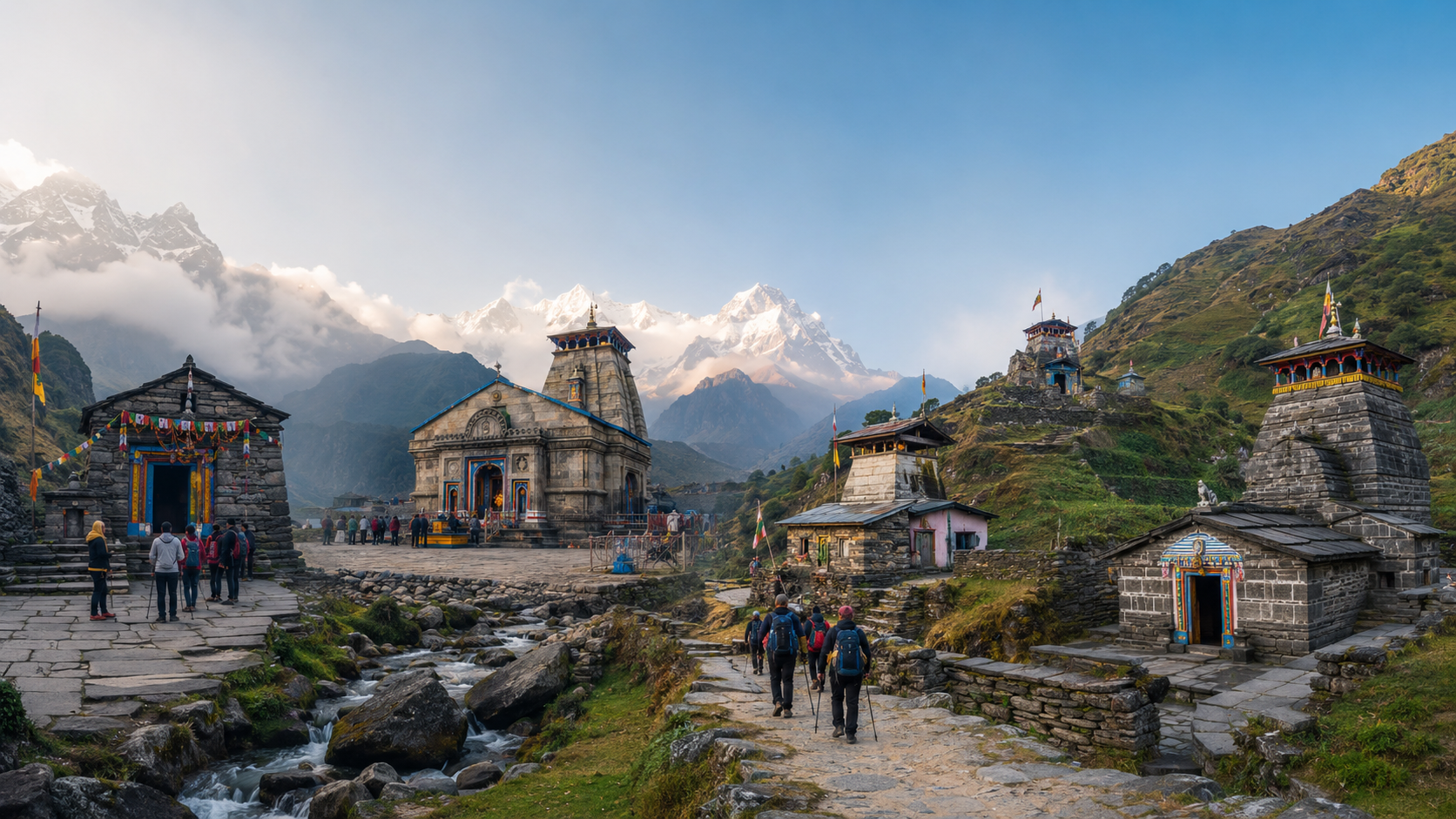
Rudranath Temple is a high-altitude Shiva temple in Chamoli district of Uttarakhand and the fourth shrine in the Panch Kedar pilgrimage tradition. The temple stands in the Garhwal Himalayas at roughly 3,600 metres above sea level and is approached on foot rather than by a motorable road. The commonly used approach begins at Sagar village near Gopeshwar and passes through oak and rhododendron forests, open bugyals and high mountain ridges.
For pilgrims, the attraction is not simply reaching an old Himalayan temple. Rudranath is associated with the worship of Lord Shiva's face, known locally as the Ekanan form. The remote setting, demanding trail and seasonal nature of the shrine give the Rudranath yatra a character quite different from pilgrimage destinations that can be reached directly by road.
The journey requires proper preparation. Trek distances reported for the Sagar approach vary by the exact route and staging points, with commonly cited figures around 20–24 km one way. Rather than treating one figure as exact, travellers should confirm the current trail condition and route arrangement locally before starting.
Spiritual Importance of Rudranath Temple
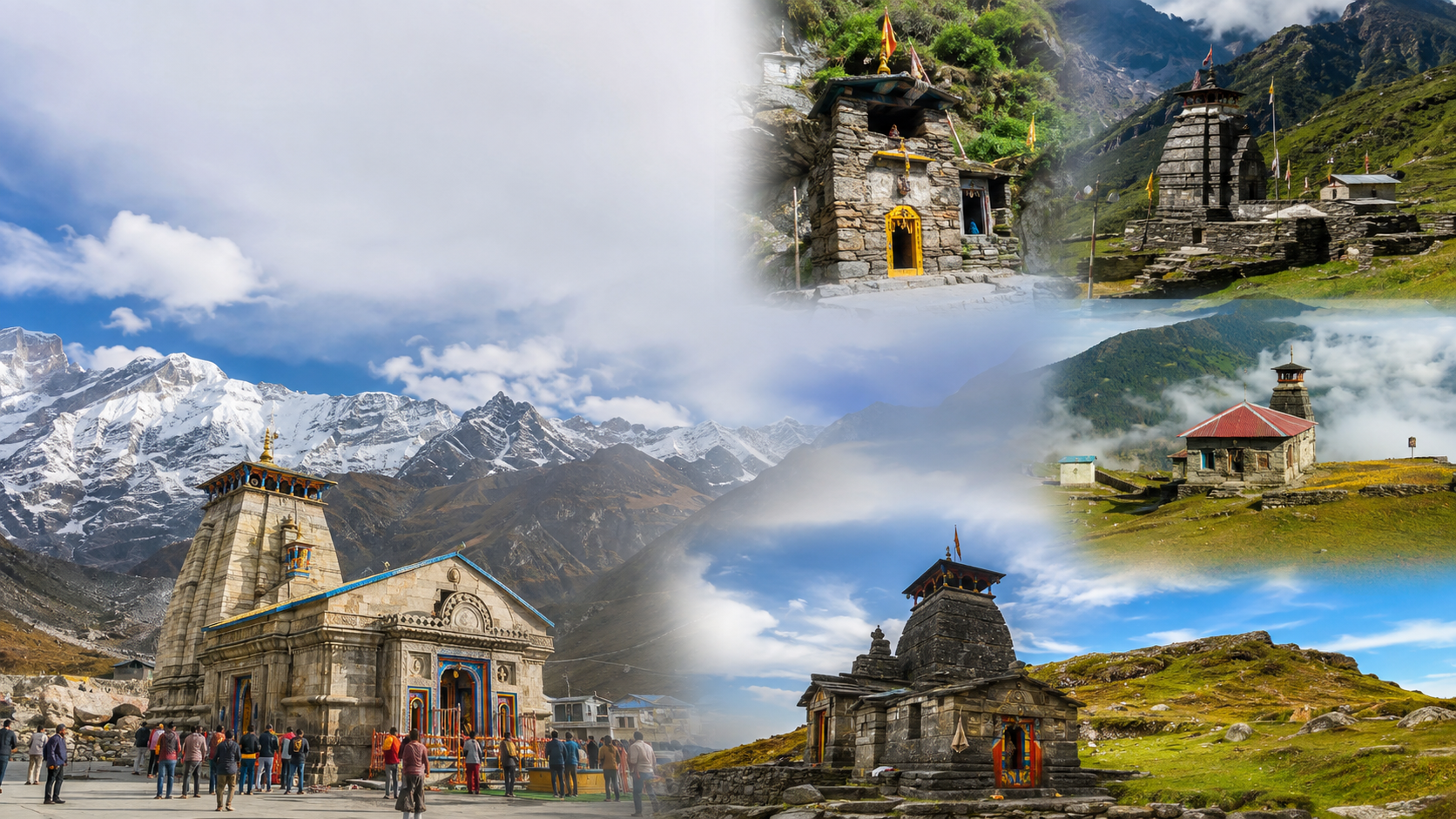
Rudranath occupies an important place in the Panch Kedar tradition, a group of five Shiva shrines in the Garhwal Himalayas. The other temples are Kedarnath, Tungnath, Madhyamaheshwar and Kalpeshwar.
At Rudranath, Shiva is worshipped in the form of his face. Government information published by the Indo-Tibetan Border Police identifies the shrine as the fourth Panch Kedar and records the association of the temple with Shiva's face or Ekanan form.
The traditional story of the Panch Kedar is linked to the Pandavas and their search for Lord Shiva after the Mahabharata war. According to the legend, Shiva took the form of a bull to avoid them and later manifested at different places in the Garhwal Himalayas. His face is traditionally associated with Rudranath. This is a religious tradition rather than a historically documented account, so it is best understood as part of the pilgrimage's sacred lore.
Rudranath is also associated with the Vaitarani, or Rudraganga, near the temple. Local religious traditions connect the area with rites for ancestors, including pind offerings. Such practices have a strong place in the spiritual identity of the site, although travellers should confirm current arrangements with the temple priest or local authorities before planning a specific ritual.
Rudranath Temple History and Local Tradition
The exact historical date of construction of the present shrine is not firmly established in the reliable sources available for travellers. Claims that assign a precise ancient construction date or a specific historical builder should therefore be treated cautiously.
What is better documented is the temple's continuing role within the Panch Kedar pilgrimage and the seasonal movement of the deity. During winter, the ceremonial image associated with Rudranath is taken to Gopinath Temple at Gopeshwar, which serves as its winter seat. A Government of India cultural document describes the annual movement between Rudranath and Gopinath as an important traditional and cultural activity.
The annual opening is tied to the religious calendar rather than a fixed date every year. For 2026, the Rudranath Temple portals opened on 18 May following the traditional ceremonies and movement of the doli from Gopeshwar.
Because the opening and closing ceremonies can change with the religious calendar and local conditions, pilgrims should check the latest information before travelling.
Rudranath Trek Route and Distance
The Sagar village approach is the route most commonly used by travellers planning the Rudranath trek. Sagar is connected by road with Gopeshwar, after which the journey becomes a mountain trek. The trail climbs through forest before reaching the high meadows around Panar and continuing towards Pitradhar and the temple.
A simplified route is:
- Sagar village
- Pung or Pung Bugyal area
- Lyuti Bugyal
- Panar Bugyal
- Pitradhar
- Rudranath Temple
Different trekking sources give slightly different distances because campsites, trail variations and starting points differ. Figures of around 20–24 km one way from Sagar are commonly reported. For planning purposes, it is safer to allow for a full trekking day or two on the approach rather than planning around an exact kilometre count.
The trail combines forest walking, steep sections, uneven ground and exposed high-altitude terrain. Weather can also change quickly. For this reason, the Rudranath trek difficulty should not be underestimated simply because the distance is manageable on paper.
Other Approaches to Rudranath
Sagar is not the only traditional approach. Routes associated with Mandal and Anusuya Devi, as well as approaches from the Urgam side, are also described by trekking references. These alternatives can be useful for experienced trekkers planning a longer circuit, but route conditions and local access can change.
Travellers unfamiliar with the area should not assume that an alternative route is easier. A local guide or experienced trekking operator can be particularly useful when weather, trail visibility or seasonal restrictions affect navigation.
How to Reach Rudranath
Rudranath itself is not accessible by road. The practical journey is divided into a road journey to a trailhead followed by a trek.
From the major pilgrimage corridor, travellers generally proceed towards Rudraprayag, then Chamoli and Gopeshwar before continuing towards Sagar. The Badrinath-Kedarnath Temple Committee lists the wider Rishikesh–Rudraprayag–Chamoli road corridor as an important access route through Garhwal.
Gopeshwar is the most useful nearby town for organising the final road transfer, supplies and accommodation. From Gopeshwar, travellers continue towards Sagar by local vehicle or pre-arranged transport.
Public transport availability in the mountain villages is limited and may not match a fixed pilgrimage itinerary. Shared jeeps and local vehicles are commonly used in the region, but departure times and availability can vary. Arrange the final transfer in advance if your trekking schedule depends on reaching Sagar at a particular time.
Rudranath Temple Timings and Darshan
Rudranath does not operate like an urban temple with a year-round, fixed daily timetable. It is a seasonal Himalayan shrine, and its opening and closing are connected with local religious traditions and weather conditions.
Some travel references publish approximate morning and evening worship timings, but these should not be treated as guaranteed daily darshan timings. Ritual schedules can change according to the temple's programme and local circumstances.
For a pilgrimage visit:
- Reach the temple with sufficient daylight and time for the return or overnight plan.
- Follow instructions given by the temple priests and local staff.
- Dress modestly and maintain a quiet, respectful atmosphere.
- Do not photograph rituals if photography is restricted.
- Avoid touching sacred objects or entering restricted areas unless specifically permitted.
- If you intend to perform a particular puja or ancestor ritual, confirm the procedure and availability locally before starting the trek.
The most important practical point is to avoid building an itinerary around an unverified online timing. Confirm the day's darshan and worship schedule locally before setting out.
Rudranath Temple Opening Date and Best Season
Rudranath is a seasonal pilgrimage destination. Winter conditions make the high-altitude shrine unsuitable for normal pilgrimage access, and the ceremonial image is worshipped at Gopinath Temple in Gopeshwar during the winter period.
For 2026, the temple opened on 18 May. Contemporary reports noted that the date was determined through the traditional religious calendar and ceremonies.
For most travellers, the practical trekking window is during the temple's open season, with May–June and September–October commonly used for the Rudranath trek. July and August bring monsoon conditions, when rain, slippery trails, cloud and poor visibility can make the trek considerably harder.
Autumn can be particularly suitable for travellers who prefer clearer mountain views and cooler trekking conditions. However, conditions at 3,600 metres can change quickly even during the preferred months.
Before travelling, check:
- Current temple opening and closing information
- Weather forecast for the trekking route
- Local trail and road conditions
- Any registration or forest-entry requirements
- Availability of accommodation at the trailhead and along the route
Rudranath Trek Difficulty and Accessibility
Rudranath is not an easy temple visit for a traveller who is accustomed to road-accessible pilgrimage sites. The combination of distance, altitude, uneven terrain and steep sections makes physical preparation important.
There is no conventional road transfer that removes the main trekking section. The trail involves prolonged walking and can become difficult in rain or poor visibility. Some route descriptions classify the trek as moderate to difficult or challenging, depending on the itinerary and conditions.
Travellers should consider their fitness, previous trekking experience and ability to walk for several hours on consecutive days. Anyone with concerns about travelling at high altitude should seek appropriate medical advice before planning the trek.
Older pilgrims and families travelling with children should make a realistic assessment rather than assuming that the religious importance of the destination makes the route physically manageable for everyone. There is no conventional wheelchair access to the temple.
Stay During the Rudranath Yatra
Accommodation options become progressively basic as you move away from Gopeshwar and towards the trekking trail.
Gopeshwar is the most practical place for a more conventional hotel stay before or after the trek. Sagar, the main trailhead for the popular route, has more limited accommodation, while seasonal camps or basic arrangements may be available farther along the trail depending on the season and local conditions.
Do not plan on hotel-style facilities at the temple. Trekking accommodation in the upper sections can be seasonal, and availability should be confirmed before departure.
A sensible plan is to:
- Reach Gopeshwar or Sagar with enough time to avoid beginning the trek late.
- Confirm your overnight arrangement before leaving the roadhead.
- Carry essential medicines, warm clothing, water and personal supplies.
- Keep some emergency food and basic trekking equipment with you.
- Avoid relying on mobile connectivity throughout the route.
Local Transport and Practical Planning
Local transport is most useful before the trek rather than on the final approach. Shared jeeps and hired vehicles can help connect Gopeshwar with Sagar and other nearby settlements, but services may be irregular.
If you are travelling as part of a pilgrimage group, a pre-arranged vehicle is generally more convenient because the group can coordinate the road transfer, luggage and trekking start time.
The final section should be treated as a genuine Himalayan trek. Pack light but do not cut out essentials.
Useful items include:
- Sturdy trekking shoes with good grip
- Warm layers and waterproof outerwear
- Rain protection
- Water bottle and personal medicines
- Headlamp or torch
- Sunglasses, sunscreen and a hat
- Basic first-aid supplies
- Identification documents and any required registration details
- Power bank and offline maps
- Small quantities of high-energy food
Avoid leaving plastic, food packaging or other waste along the trail. The mountain environment around the temple is part of the pilgrimage experience and needs to be treated with care.
Places Near Rudranath
Rudranath can be combined with several places in the wider Chamoli and Gopeshwar region, depending on your route and available time.
Gopinath Temple, Gopeshwar
Gopinath Temple is especially relevant to Rudranath pilgrims because it serves as the winter seat of Rudranath. The temple also makes a useful stop before or after the trek when travelling through Gopeshwar. The Government of India has documented the annual Rudranath doli rituals and their movement to Gopinath Temple.
Anusuya Devi Temple
Anusuya Devi Temple is associated with one of the alternative approaches towards Rudranath. Travellers choosing the Mandal-side route can incorporate the temple into a longer trekking itinerary. It is better treated as part of a planned route rather than as a quick roadside sightseeing stop.
Kalpeshwar Temple
Kalpeshwar is another Panch Kedar shrine and can be considered by travellers planning a broader Panch Kedar pilgrimage. Unlike Rudranath, Kalpeshwar has a different access arrangement and is not simply an extension of the Sagar trail.
Gopeshwar
Gopeshwar is one of the most useful bases for a Rudranath pilgrimage. It offers access to the Sagar roadhead and provides a practical place to arrange transport, supplies and accommodation.
A Practical Way to Plan the Rudranath Pilgrimage
A well-planned Rudranath yatra should allow more time than the bare walking distance suggests. Mountain transport can be delayed, weather can slow the trek and the trail is not suited to rushed schedules.
A practical sequence is:
- Travel to Gopeshwar and keep time for rest and local arrangements.
- Confirm the current Sagar road and trail conditions.
- Complete any required registration or entry formalities.
- Start the trek early rather than relying on a late departure.
- Use an established campsite or confirmed local accommodation on the trail.
- Keep sufficient time for darshan without making the return journey unnecessarily tight.
- Allow a buffer day if your wider pilgrimage itinerary involves fixed transport connections.
The exact number of trekking days depends on fitness, weather, route condition and whether you choose a return trek or a longer circuit.
Rudranath Temple Travel Advice
The most important thing to understand before booking a Rudranath pilgrimage is that the temple's remoteness is part of the destination. This is not a road-side temple where a traveller can arrive by car, complete darshan and leave within an hour.
The route requires physical effort, sensible packing and flexibility. Current information is particularly important because opening dates, local permissions, trail conditions and seasonal facilities can change. The 2026 opening date of 18 May is a useful example: the temple's operating season is governed by religious tradition rather than a permanent calendar date.
For a smoother journey, arrange transport to the trailhead, confirm accommodation, check the weather and ask locally about the latest route conditions before beginning the trek.
Plan Your Visit to Rudranath Temple
Rudranath Temple offers a very different pilgrimage experience from Uttarakhand's road-accessible shrines. Its importance as a Panch Kedar temple, the traditional worship of Shiva's face and the demanding journey through the Garhwal landscape make it a destination best approached with preparation and respect.
If you are planning a Rudranath pilgrimage and need help working out the route, transport, trekking schedule, accommodation or a wider Uttarakhand itinerary, Trip to Yatra can help you plan the practical details around your travel dates. For the latest temple opening information and local access conditions, always confirm with the relevant temple or local authorities before departure.