Journey Start
DelhiStart
Email Anytime
contact@triptoyatra.in
Call Anytime
Email Anytime
Call Anytime
46 packages available
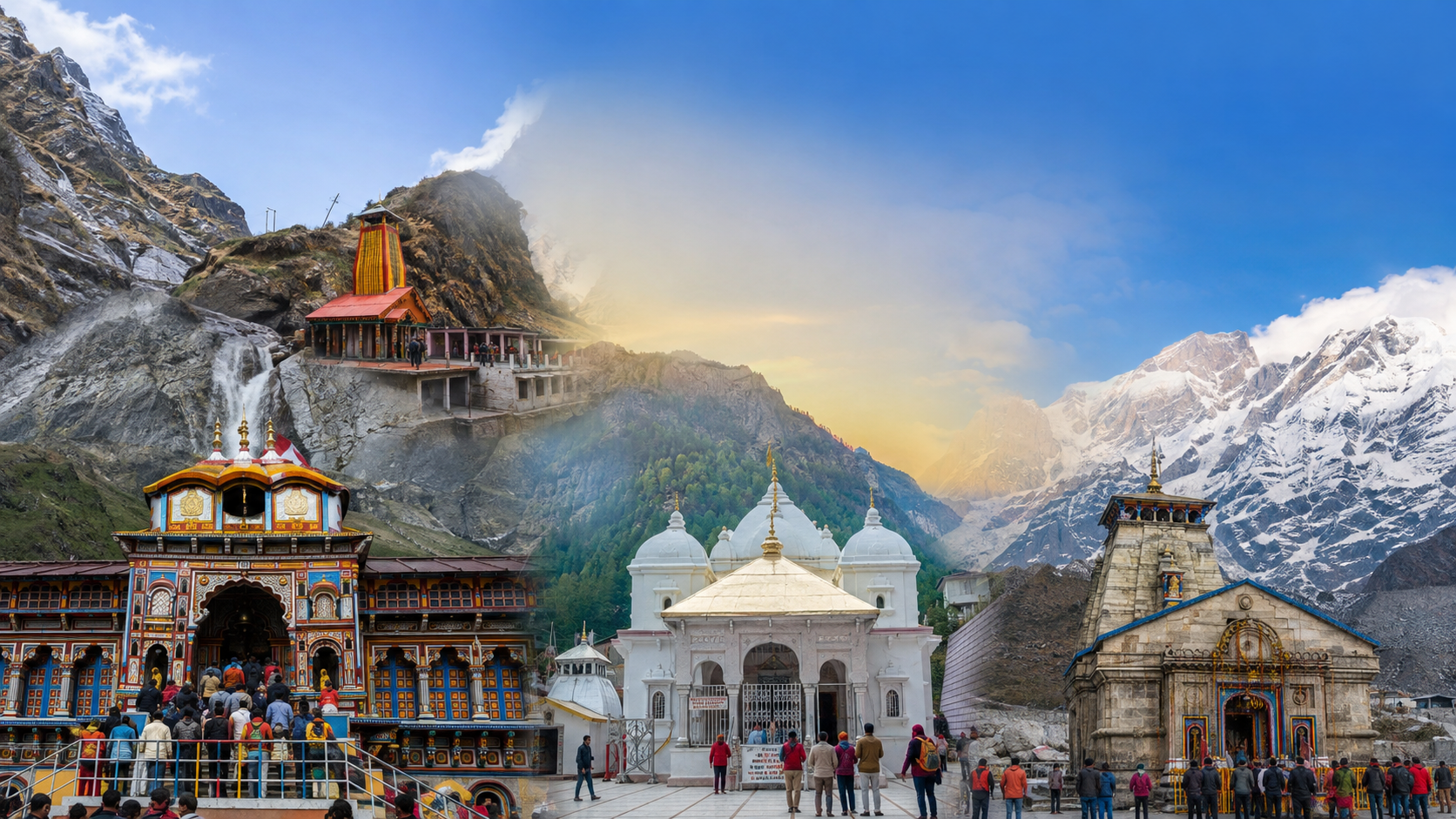
Plan a meaningful pilgrimage to Uttarakhand’s four sacred Himalayan shrines with this 12 Days / 11 Nights Chardham Yatra package from Delhi. The Delhi-to-Delhi journey brings together Yamunotri, Gangotri, Kedarnath and Badrinath, with time in important gateway destinations such as Haridwar and Rishikesh. Designed for travellers who want a structured Char Dham pilgrimage without having to coordinate every travel detail themselves, the package combines spiritual visits with the distinctive mountain landscapes of Uttarakhand. As the shrines are seasonal and high-altitude destinations, travel dates, registration requirements and access conditions should be checked before booking. Enquire with Tr
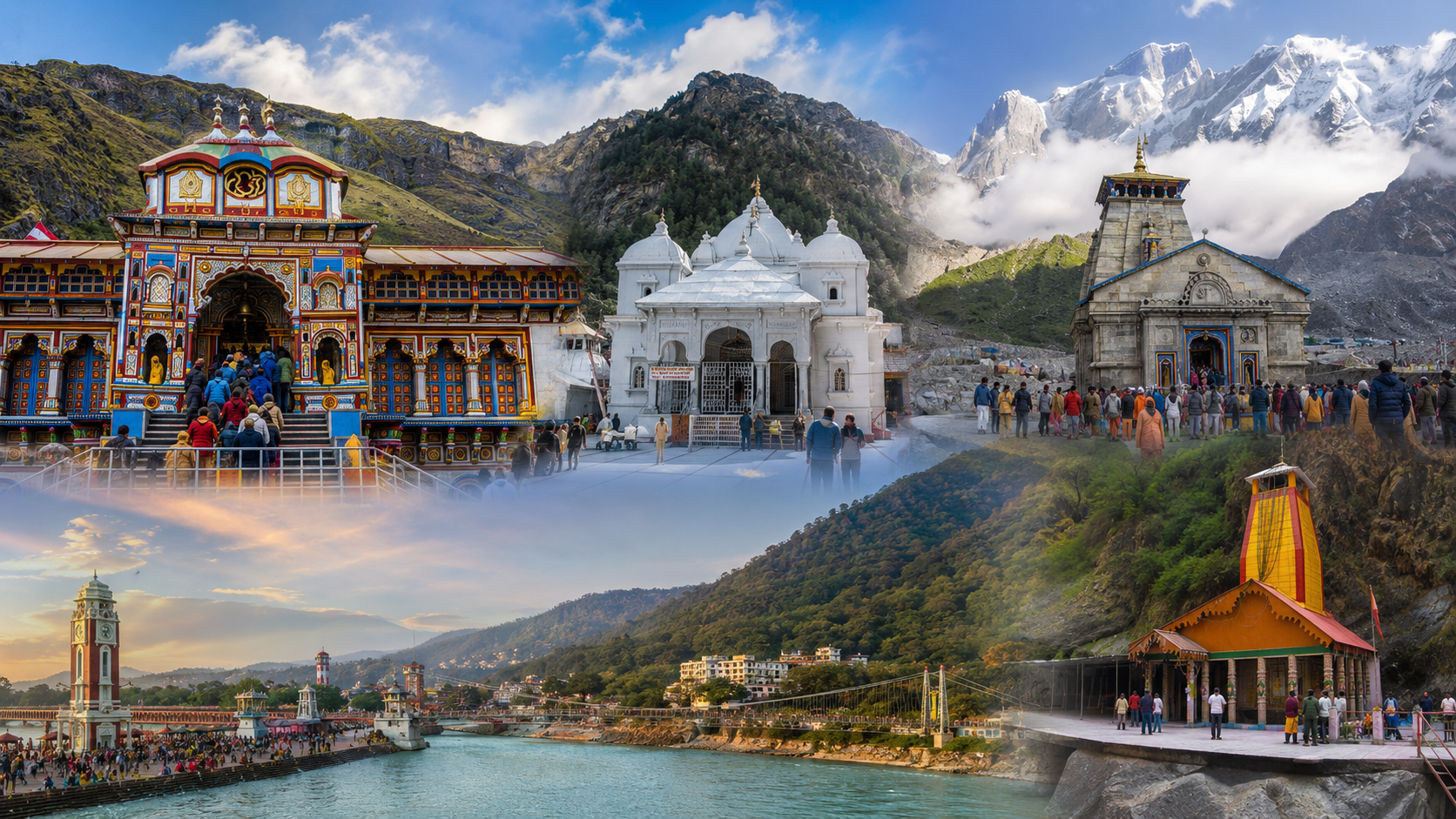
Plan your sacred Himalayan journey with our Chardham Yatra package from Haridwar, designed for travellers wishing to visit Yamunotri, Gangotri, Kedarnath and Badrinath in one organised pilgrimage. This 10 Days / 9 Nights journey starts and concludes in Haridwar and follows the traditional Char Dham sequence through Uttarakhand. Along with the four principal shrines, the journey brings you through the spiritual landscape of the Garhwal Himalayas, with Rishikesh associated with the overall travel region. As mountain conditions, temple opening dates, registrations and access arrangements can change, final 2027 operational details should be verified before departure.
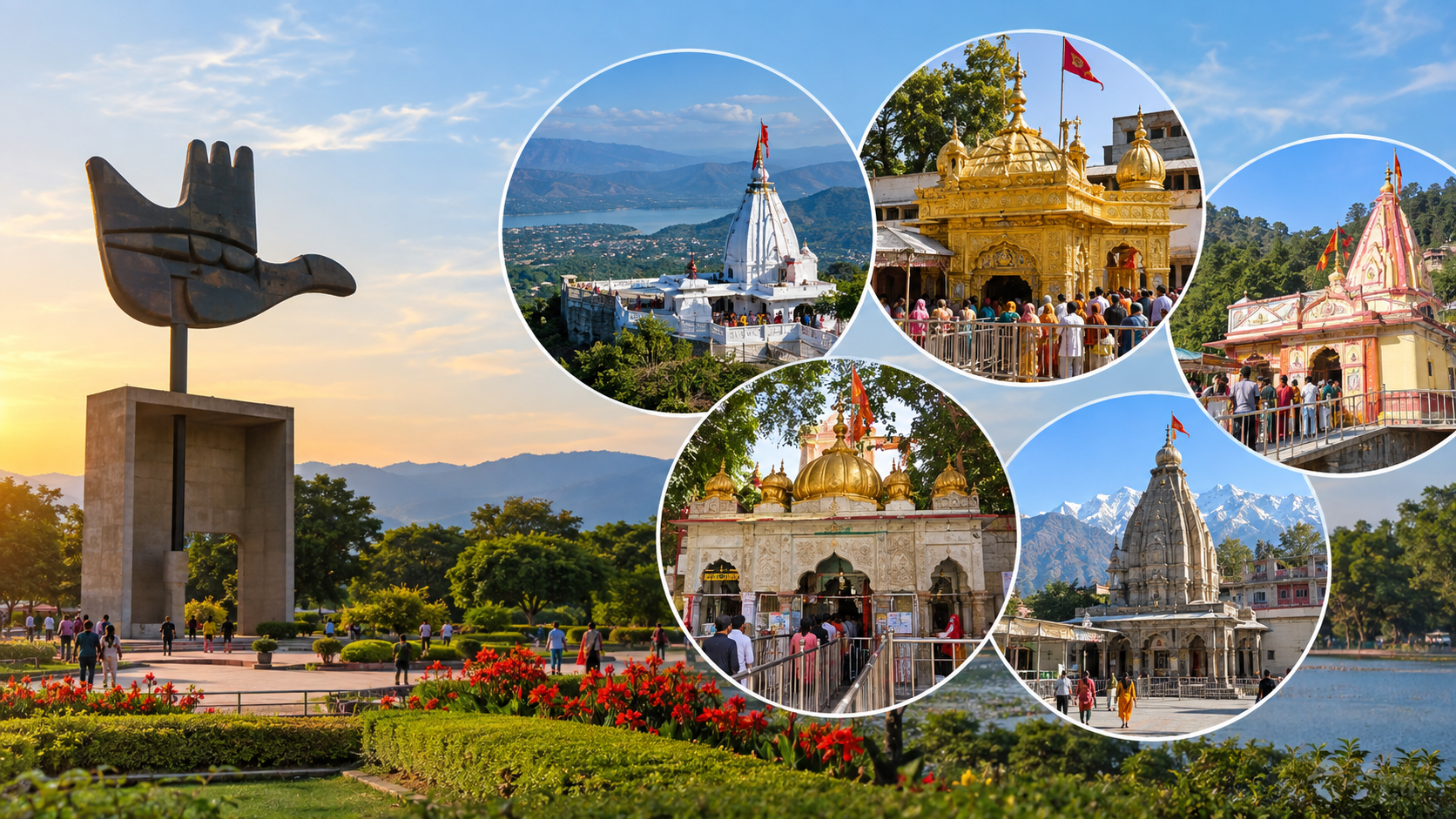
Himachal 5 Devi Darshan from Chandigarh. Package details, itinerary and pricing can be completed in the CRM.
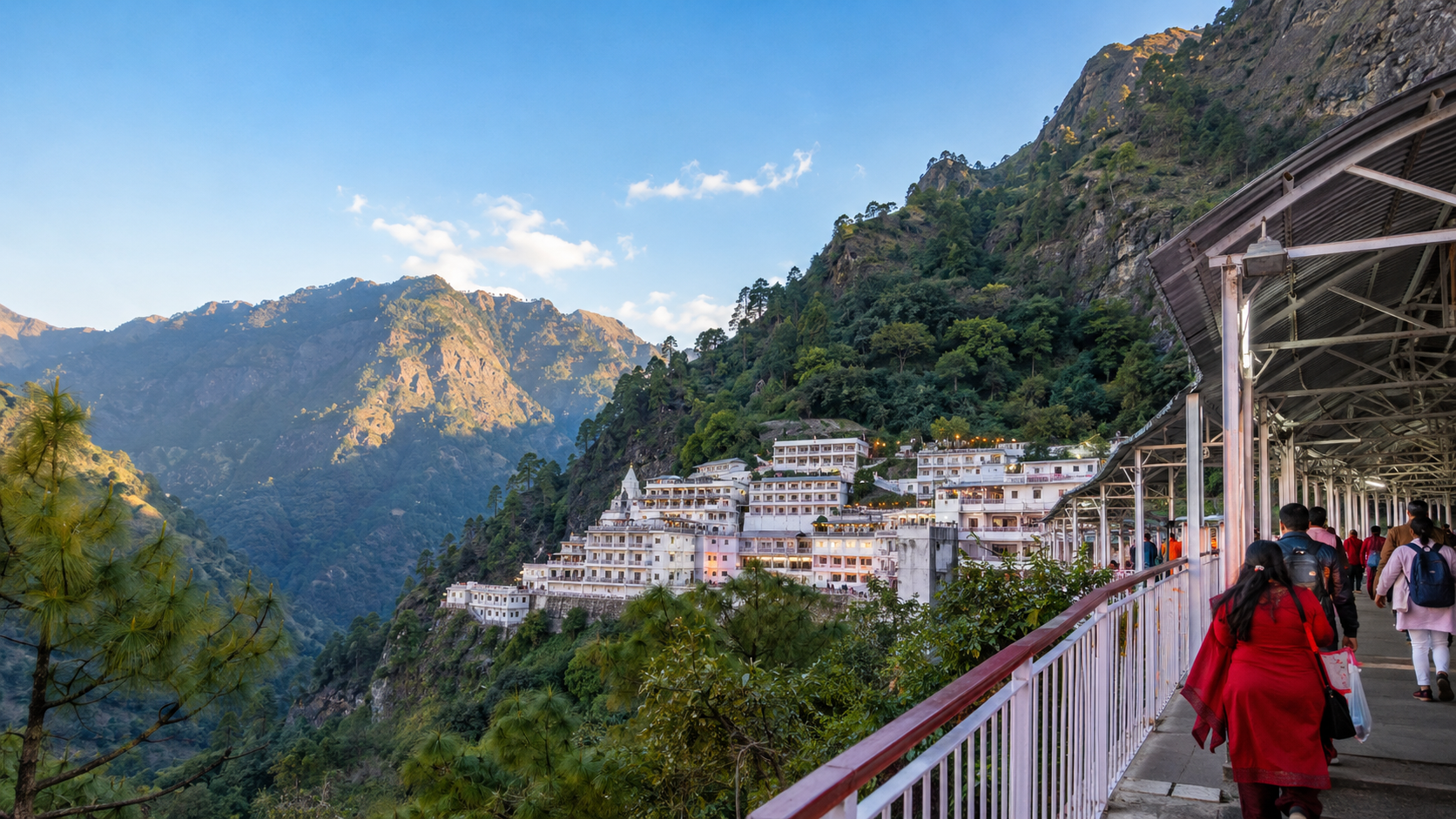
Vaishno Devi Yatra from Katra. Package details, itinerary and pricing can be completed in the CRM.
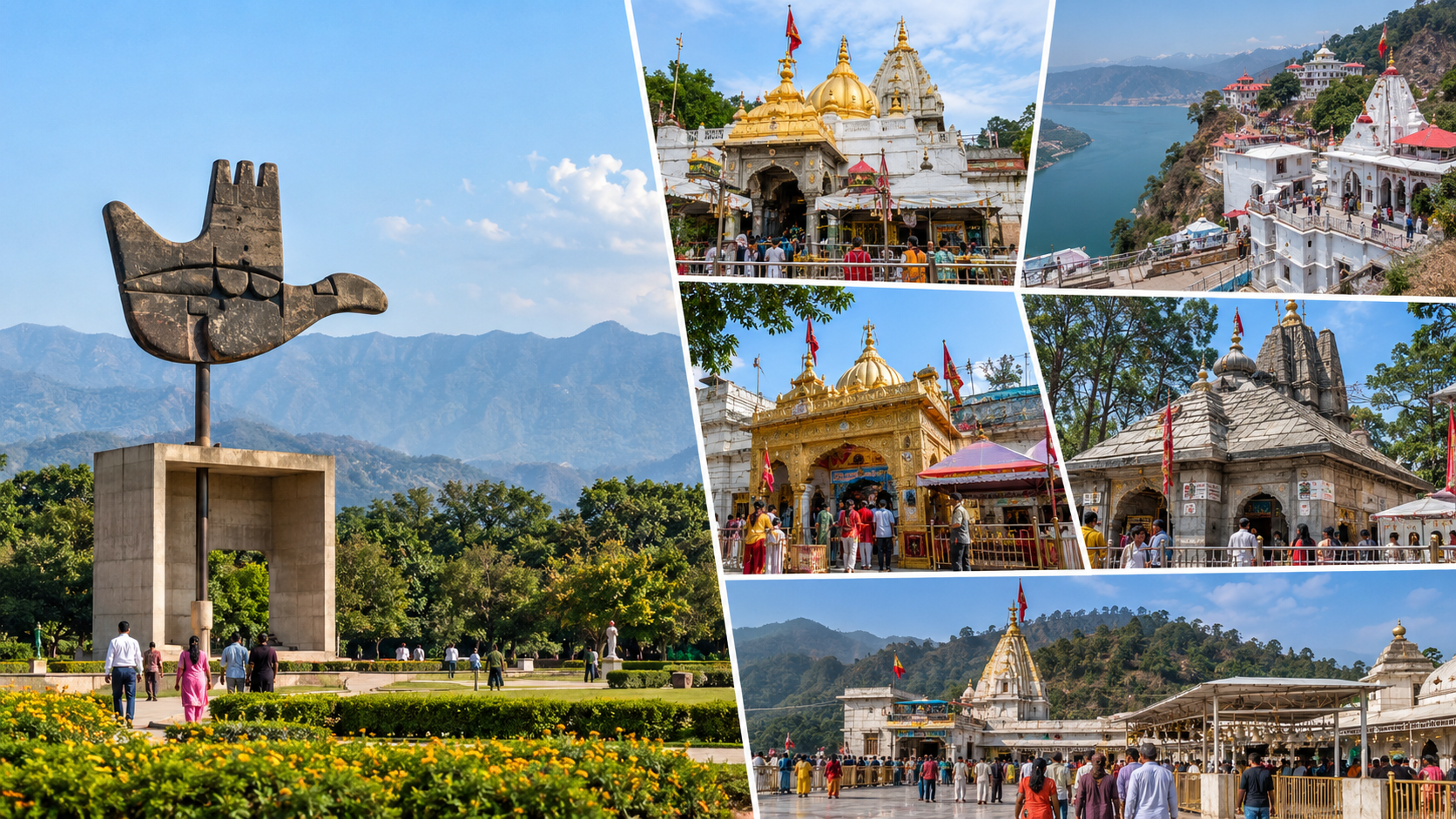
9 Devi Yatra from Chandigarh. Package details, itinerary and pricing can be completed in the CRM.
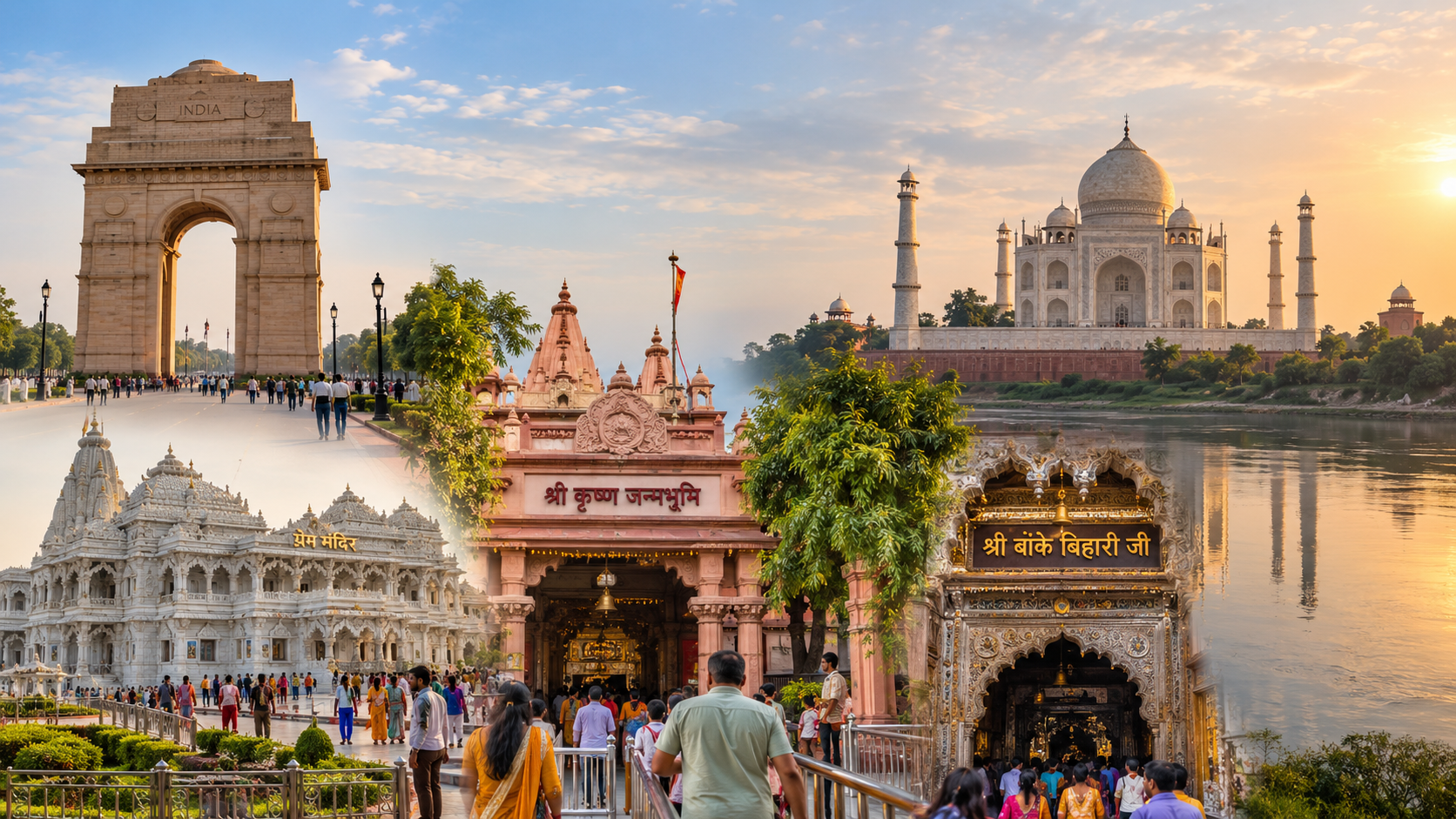
Agra Mathura Vrindavan Tour from Delhi. Package details, itinerary and pricing can be completed in the CRM.
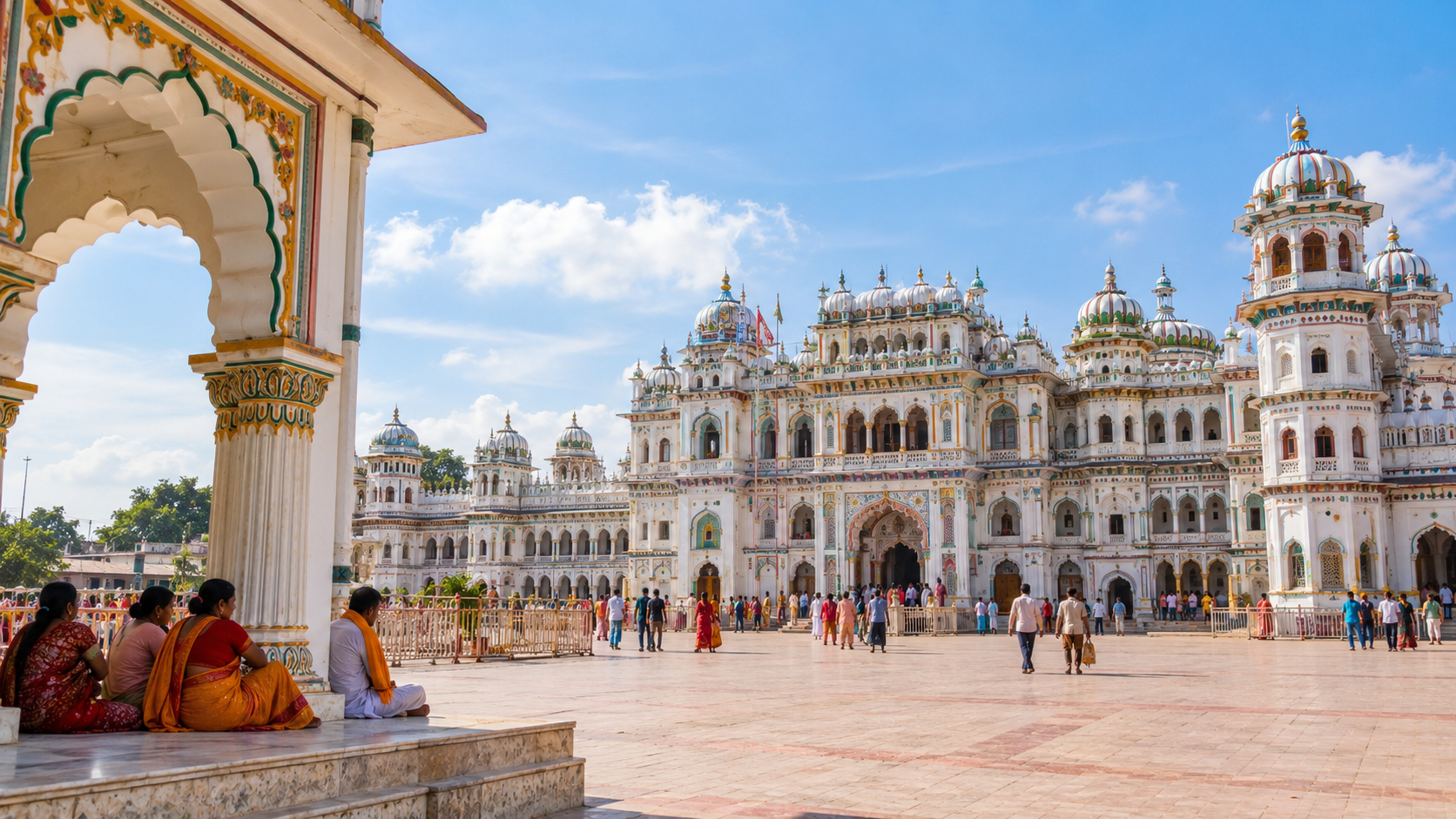
Sitamarhi Janakpur Tour from Darbhanga. Package details, itinerary and pricing can be completed in the CRM.
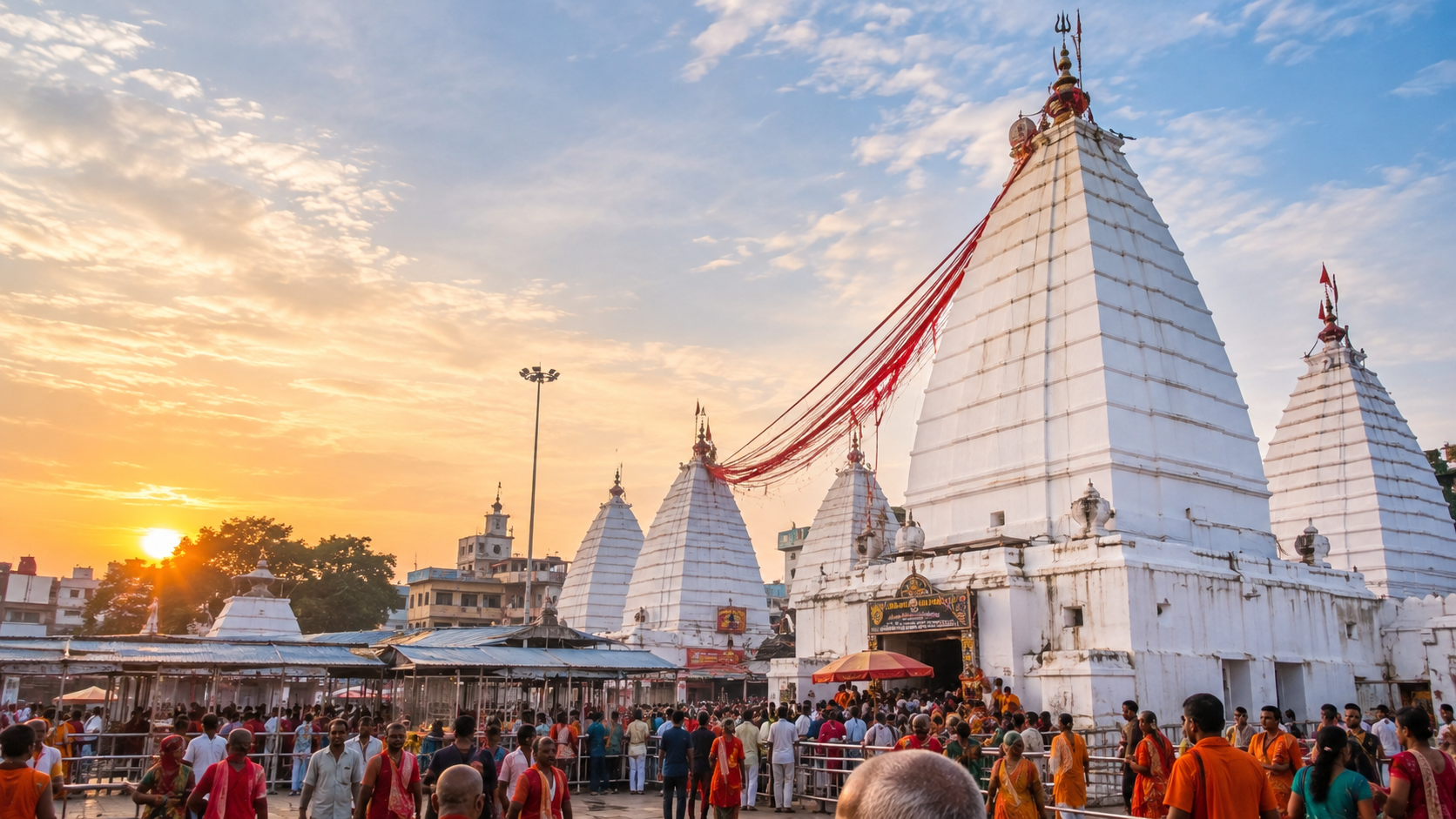
Deoghar Basukinath Tour from Deoghar. Package details, itinerary and pricing can be completed in the CRM.
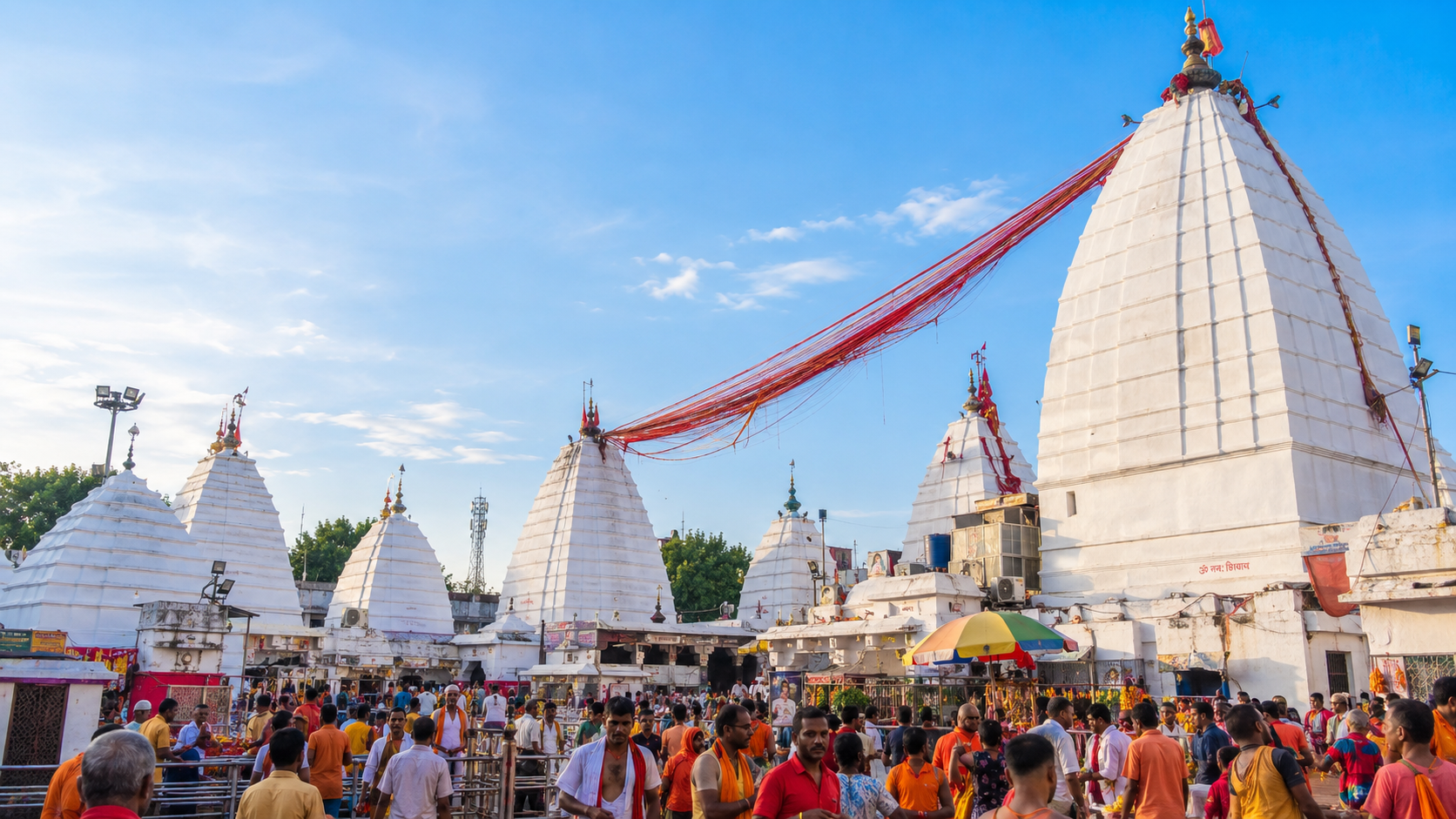
Deoghar Baba Dham Tour from Deoghar. Package details, itinerary and pricing can be completed in the CRM.
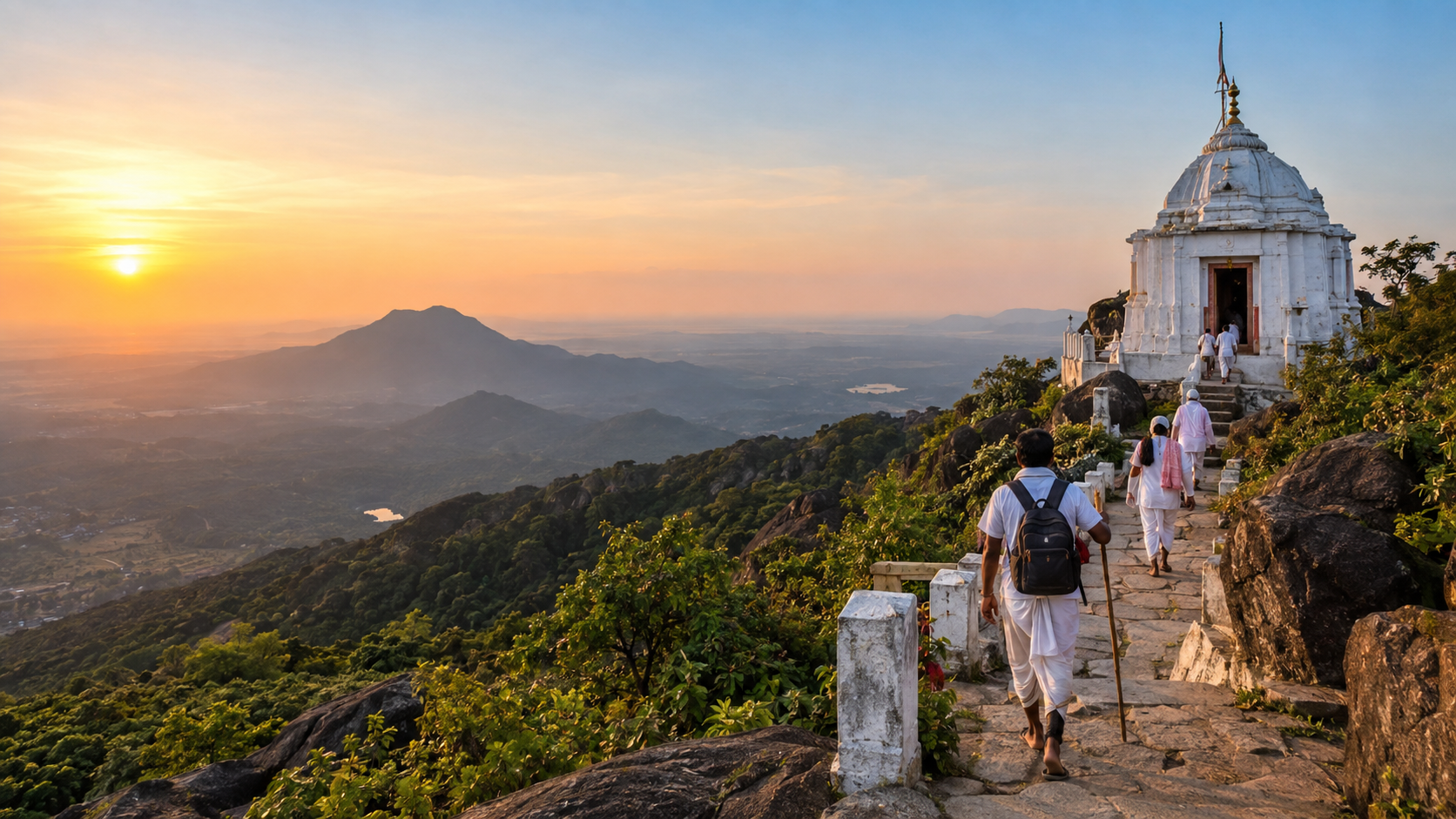
Shikharji Tour from Ranchi. Package details, itinerary and pricing can be completed in the CRM.
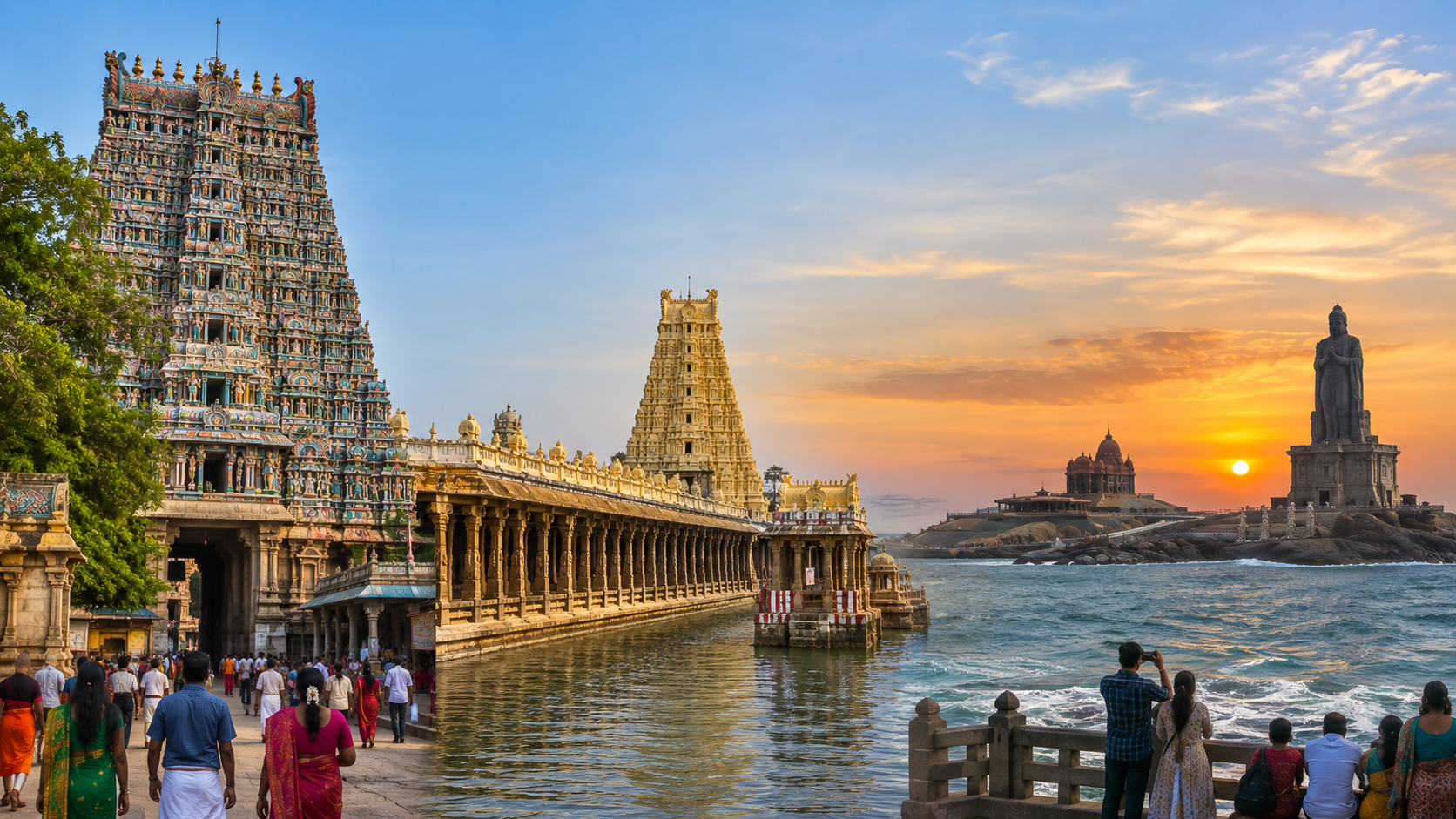
Madurai Rameswaram Kanyakumari Tour from Madurai. Package details, itinerary and pricing can be completed in the CRM.
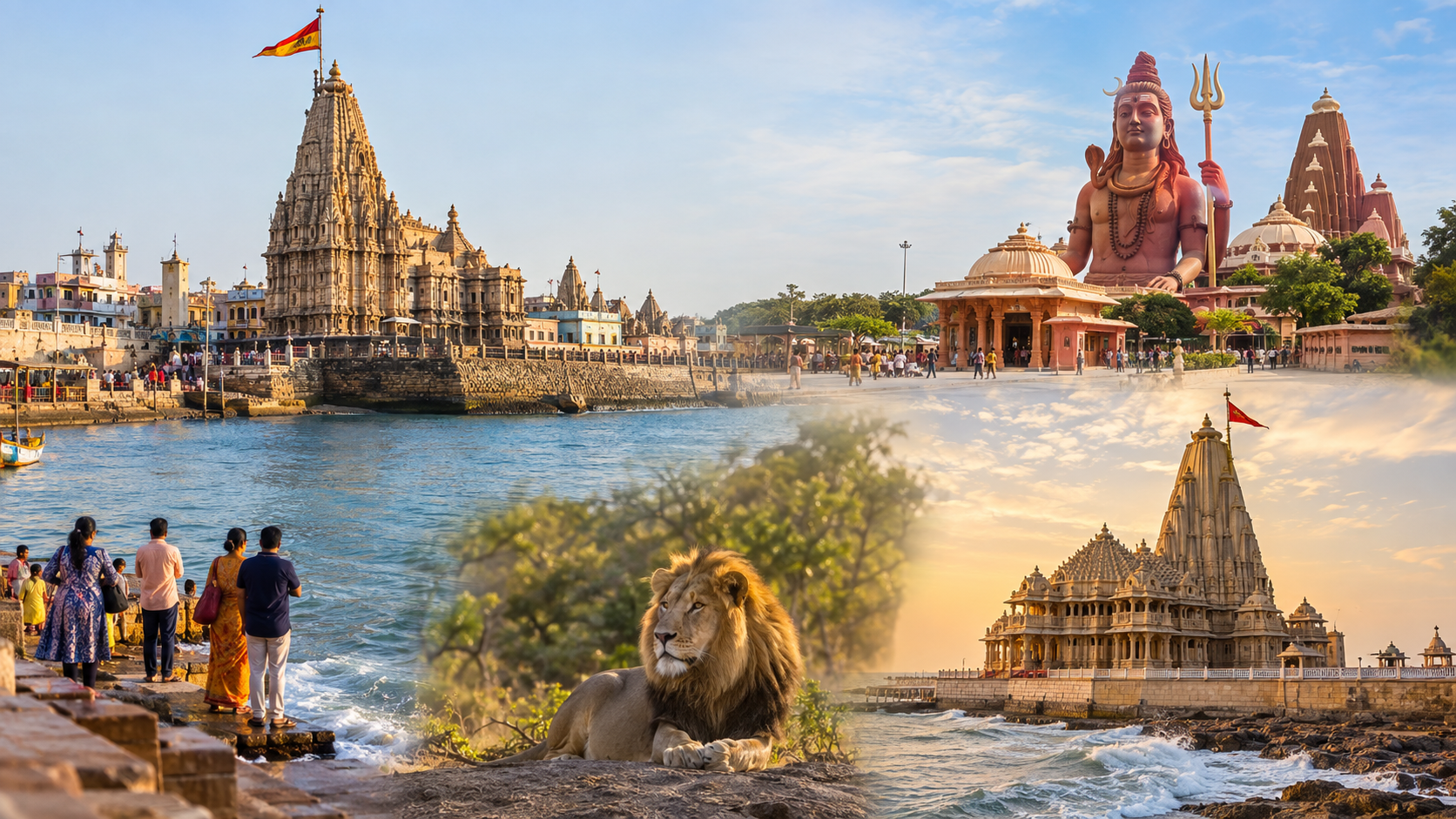
Dwarka Somnath Nageshwar Gir Tour from Rajkot. Package details, itinerary and pricing can be completed in the CRM.
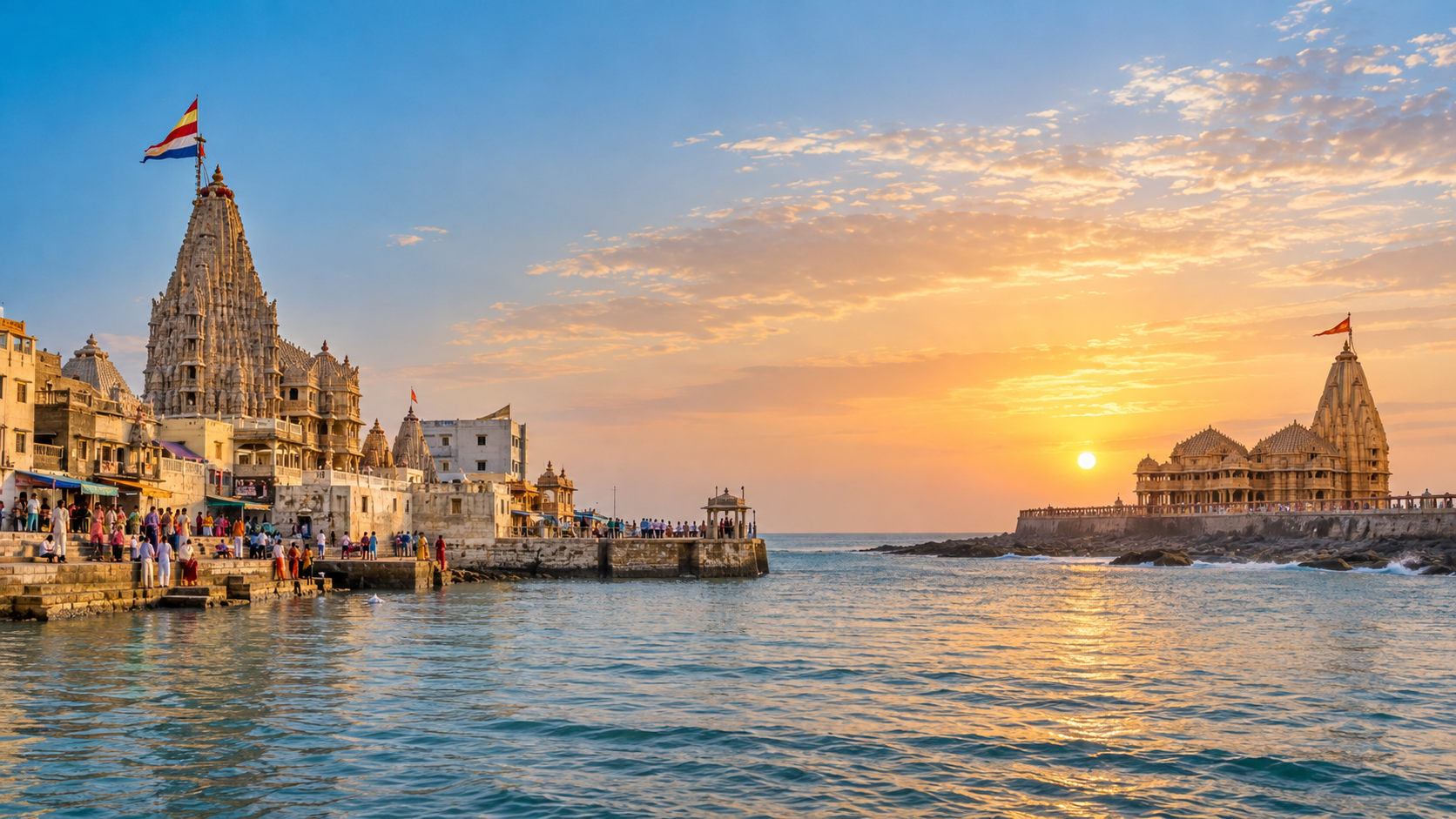
Dwarka Somnath Tour from Rajkot. Package details, itinerary and pricing can be completed in the CRM.
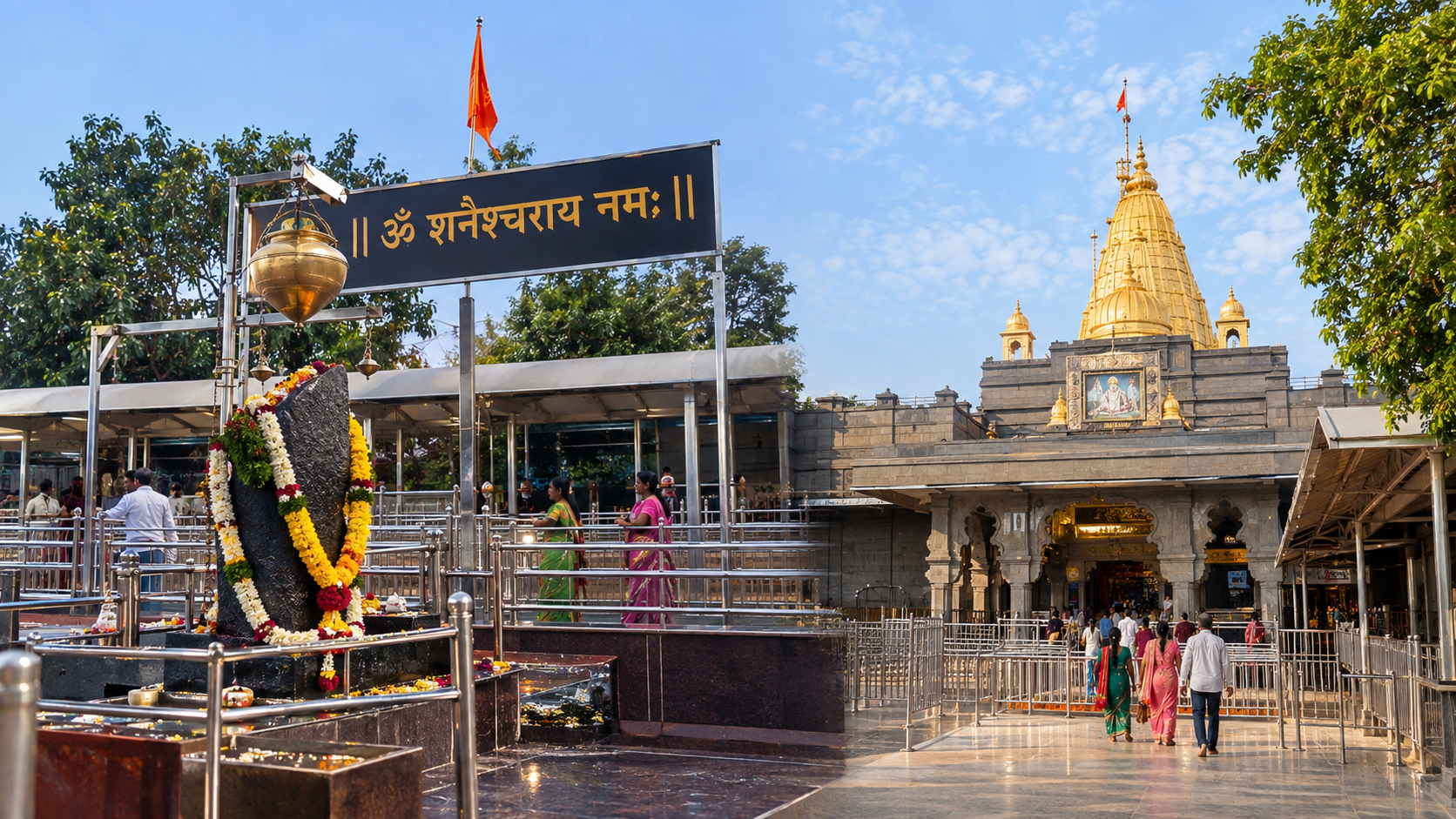
Shirdi Shani Shingnapur Tour from Shirdi. Package details, itinerary and pricing can be completed in the CRM.
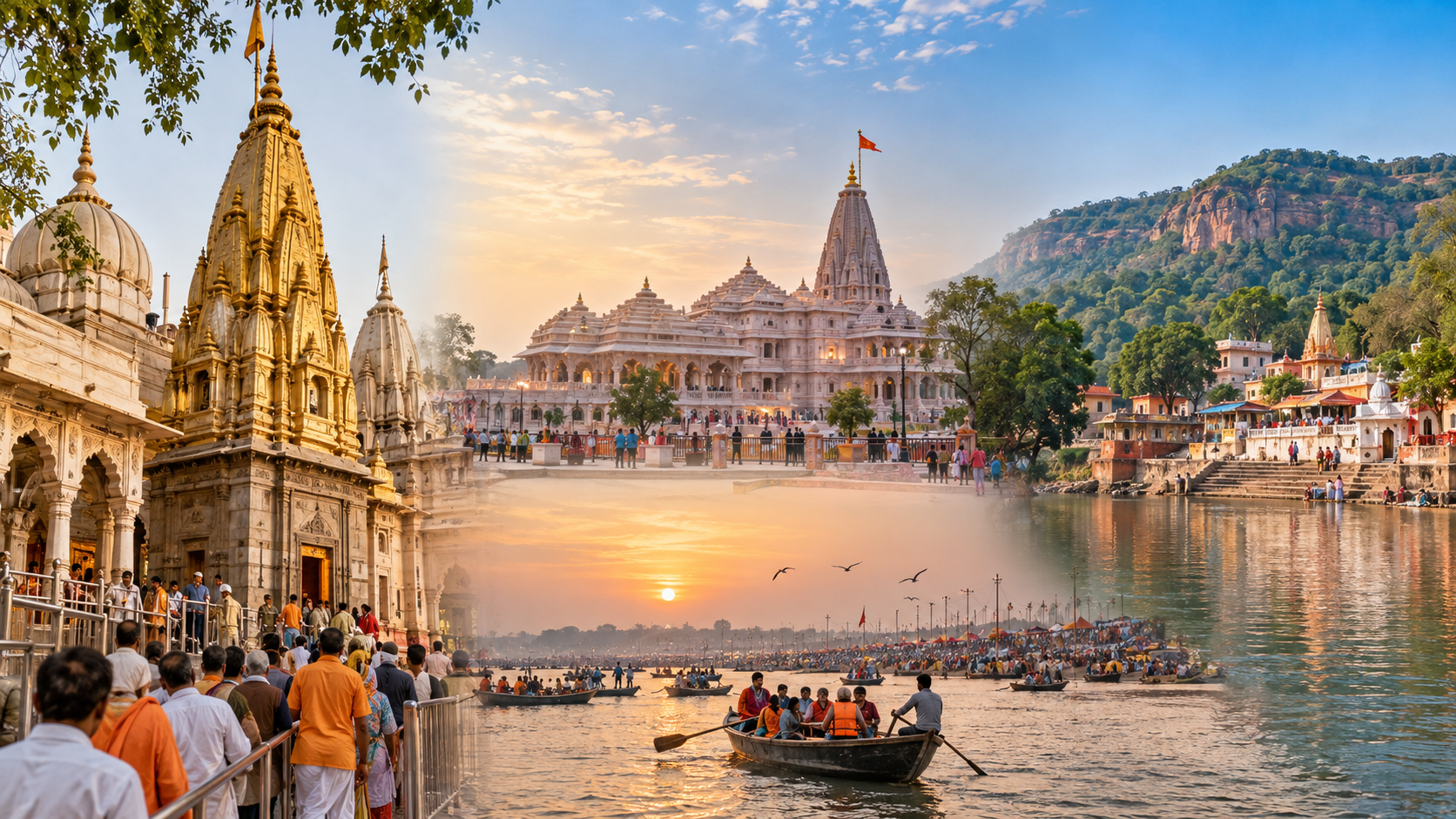
Varanasi Ayodhya Prayagraj Chitrakoot Tour from Varanasi. Package details, itinerary and pricing can be completed in the CRM.
Maharashtra Jyotirlinga Tour from Nashik. Package details, itinerary and pricing can be completed in the CRM.
Maharashtra Jyotirlinga Tour from Mumbai. Package details, itinerary and pricing can be completed in the CRM.
Maharashtra Jyotirlinga Tour from Pune. Package details, itinerary and pricing can be completed in the CRM.
Ujjain Mahakal Omkareshwar Tour from Ujjain. Package details, itinerary and pricing can be completed in the CRM.
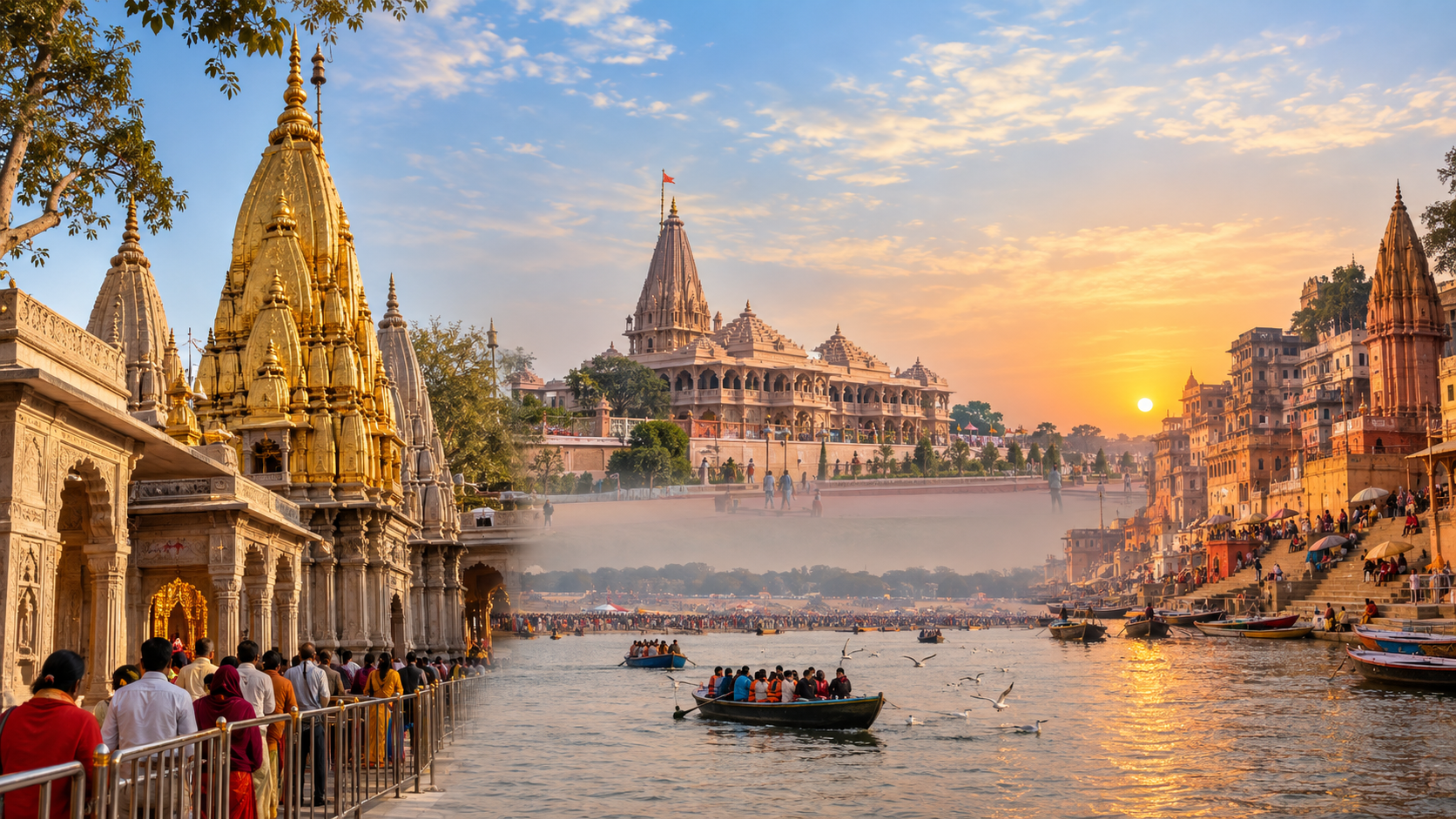
Varanasi Ayodhya Prayagraj Tour from Varanasi. Package details, itinerary and pricing can be completed in the CRM.
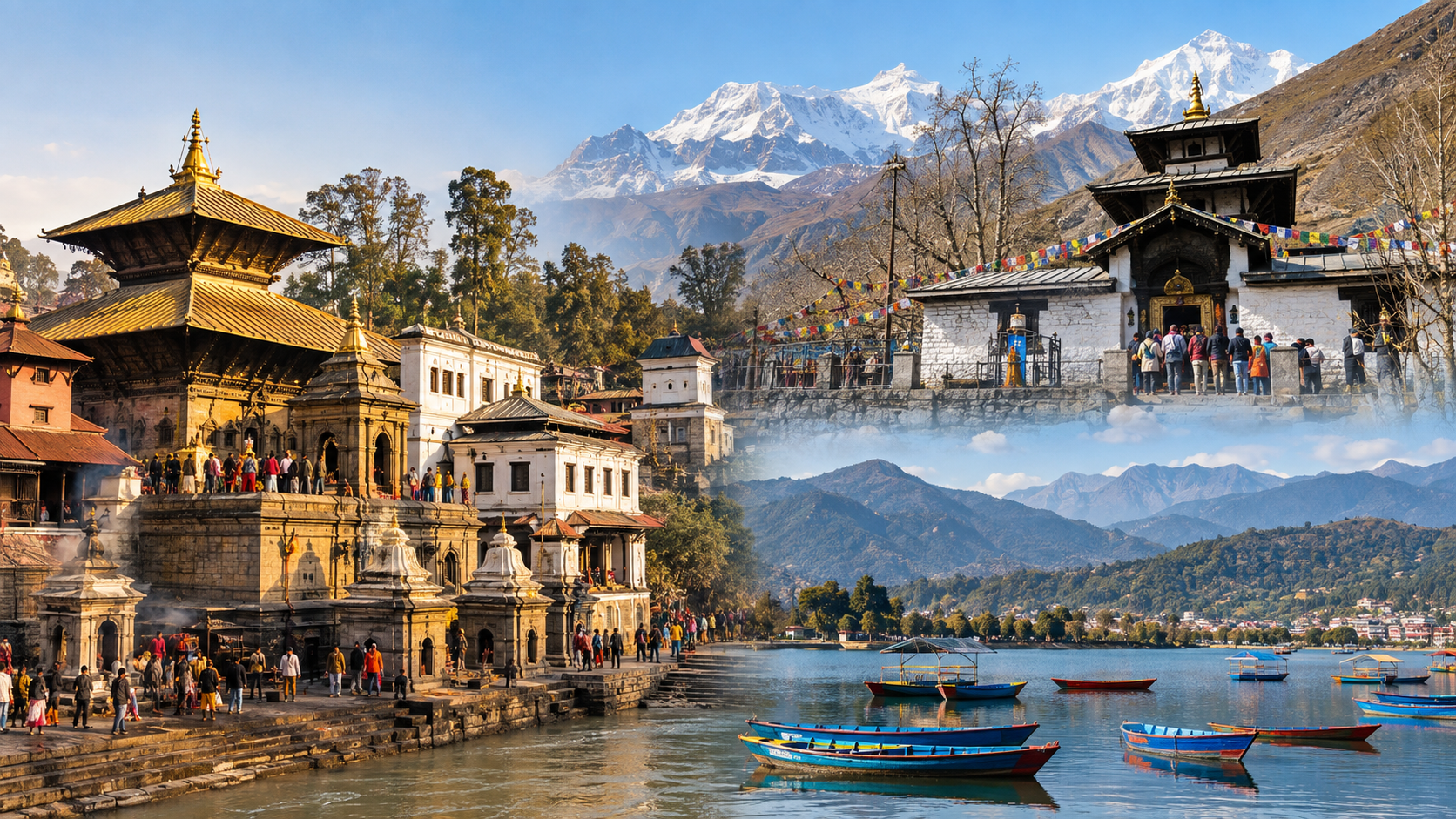
Kathmandu Pashupatinath Muktinath Pokhara Tour from Kathmandu. Package details, itinerary and pricing can be completed in the CRM.
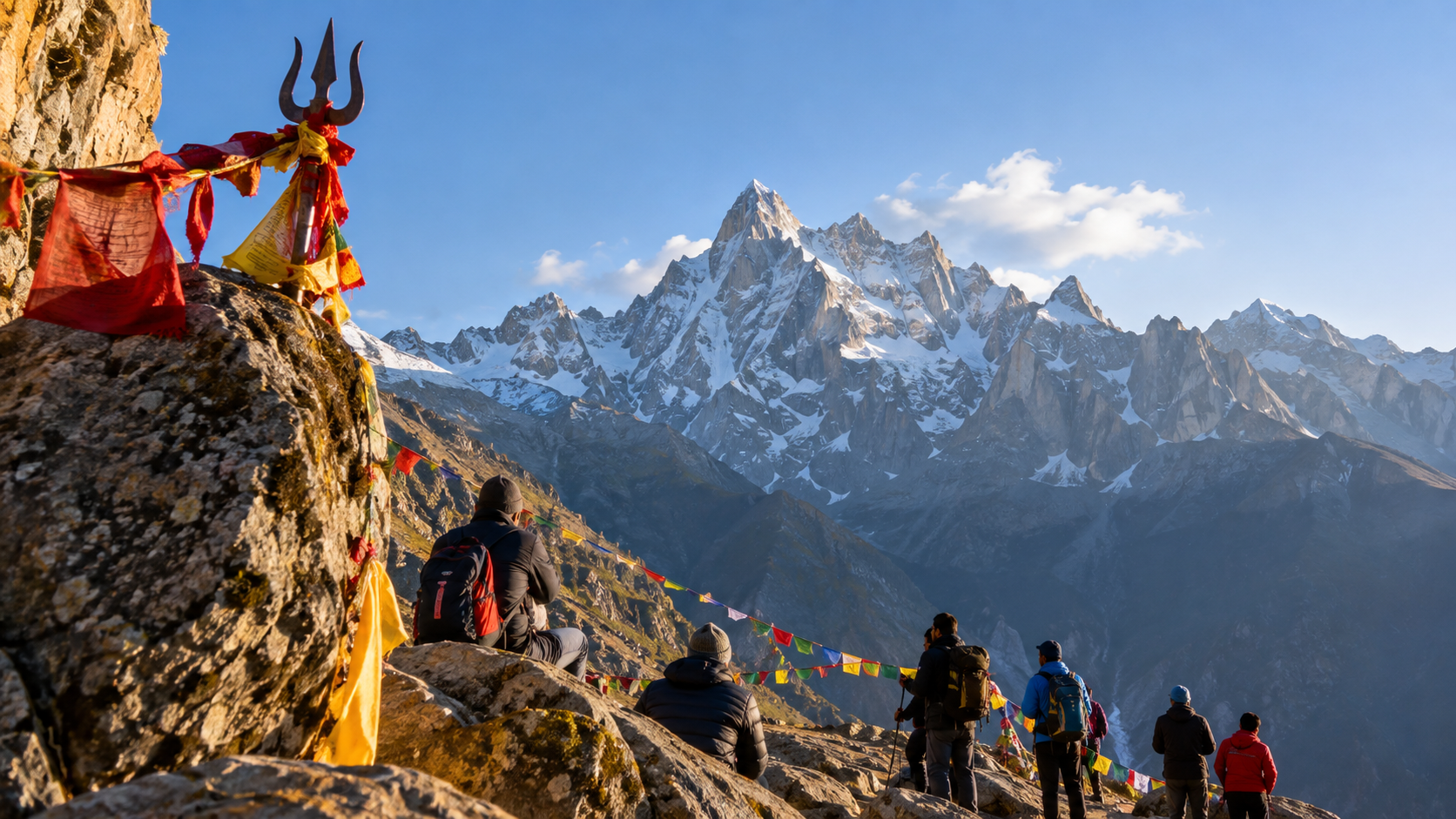
Kinner Kailash Yatra from Chandigarh. Package details, itinerary and pricing can be completed in the CRM.
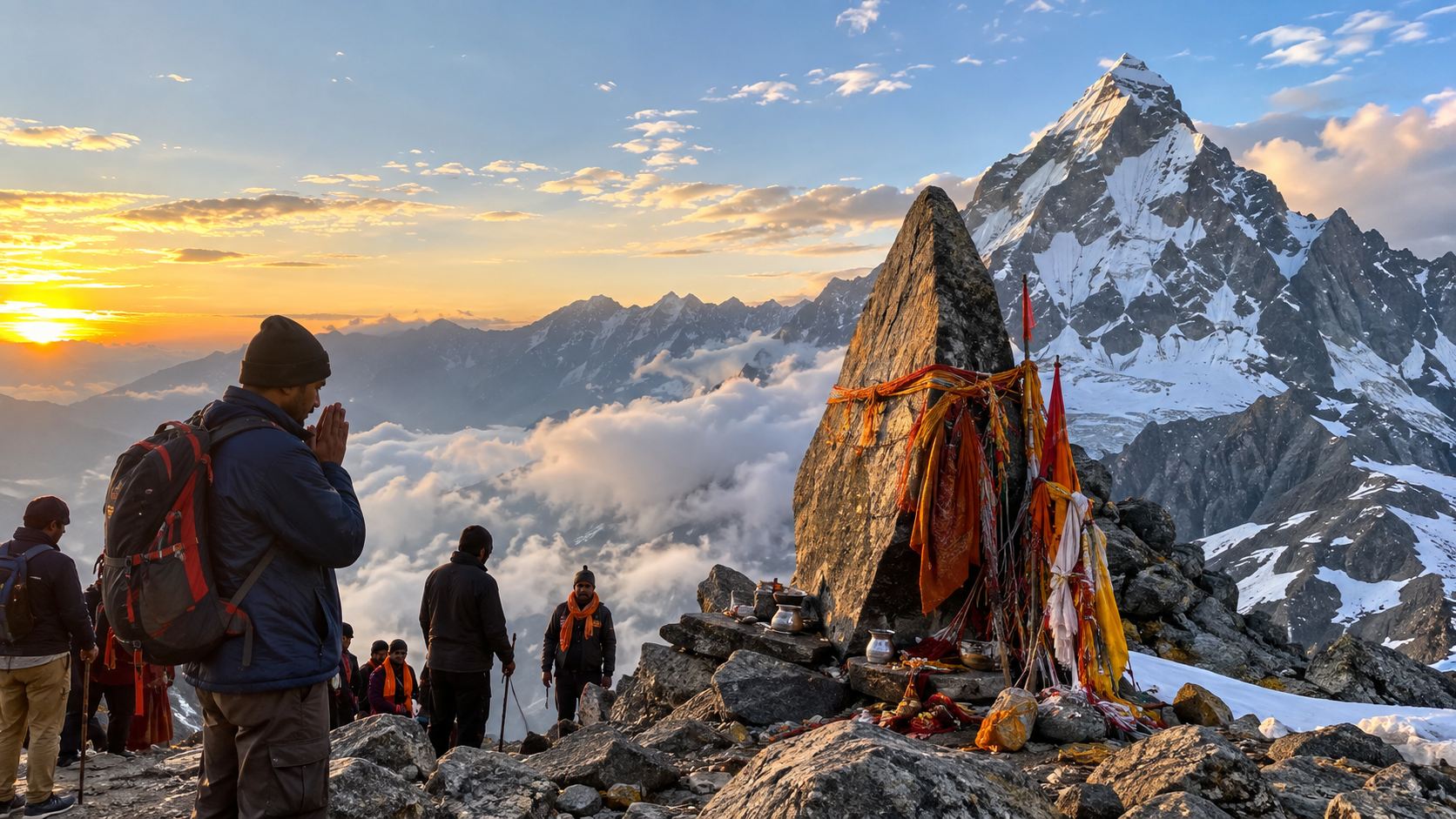
Shrikhand Mahadev Yatra from Chandigarh. Package details, itinerary and pricing can be completed in the CRM.
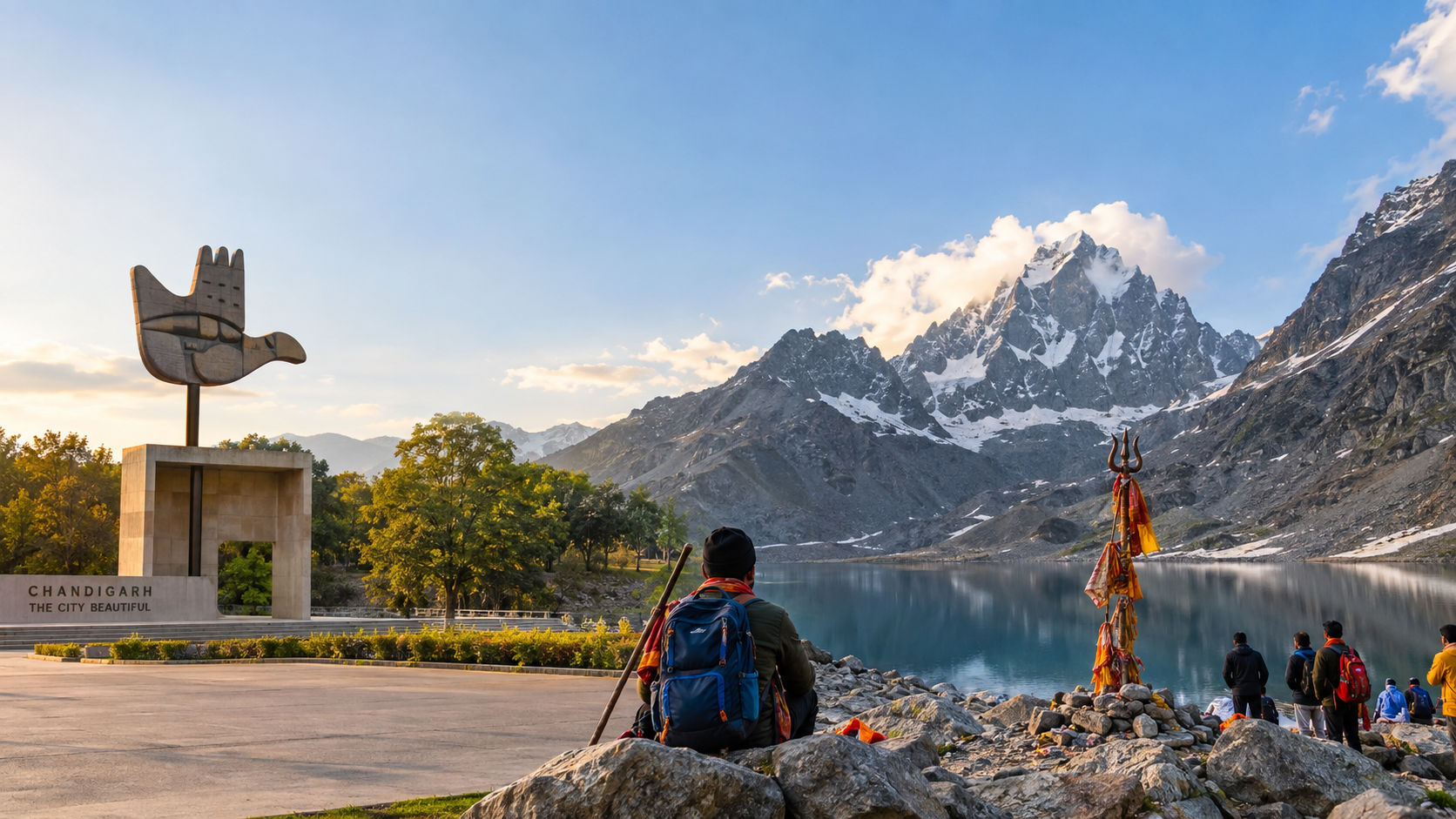
Manimahesh Yatra from Chandigarh. Package details, itinerary and pricing can be completed in the CRM.
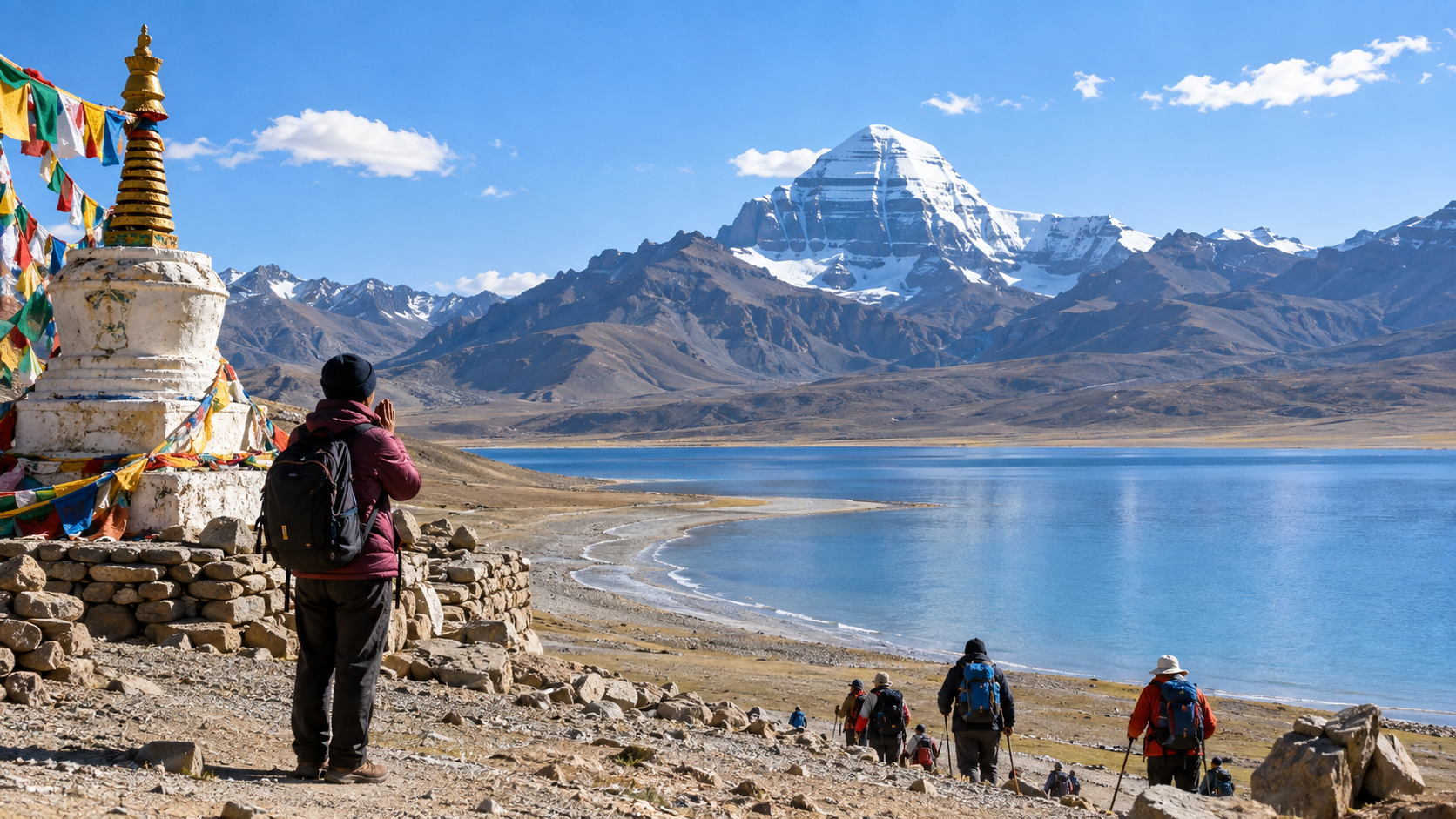
Kailash Mansarovar Yatra by Road from Kathmandu. Package details, itinerary and pricing can be completed in the CRM.
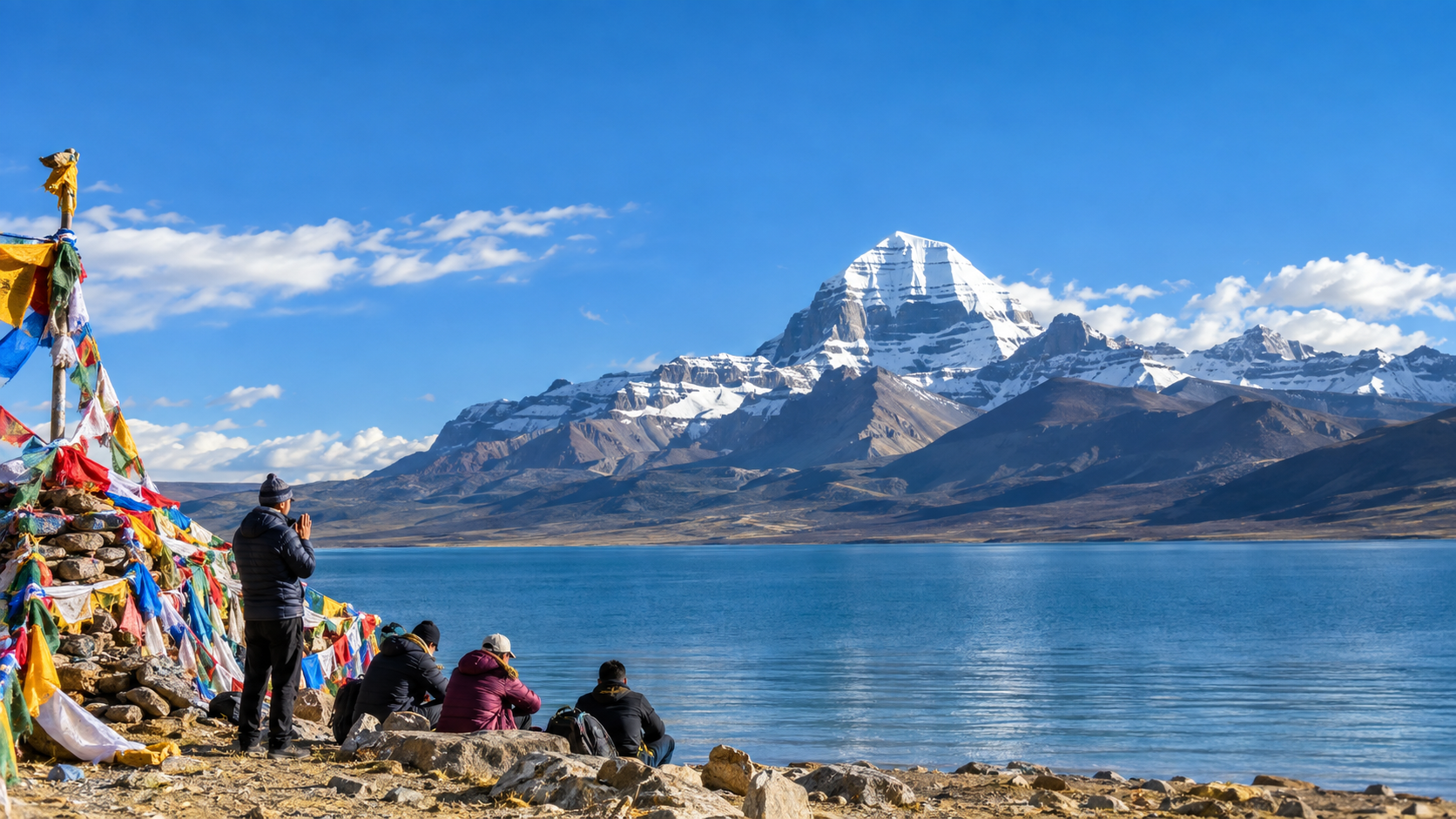
Kailash Mansarovar Yatra by Helicopter from Kathmandu. Package details, itinerary and pricing can be completed in the CRM.
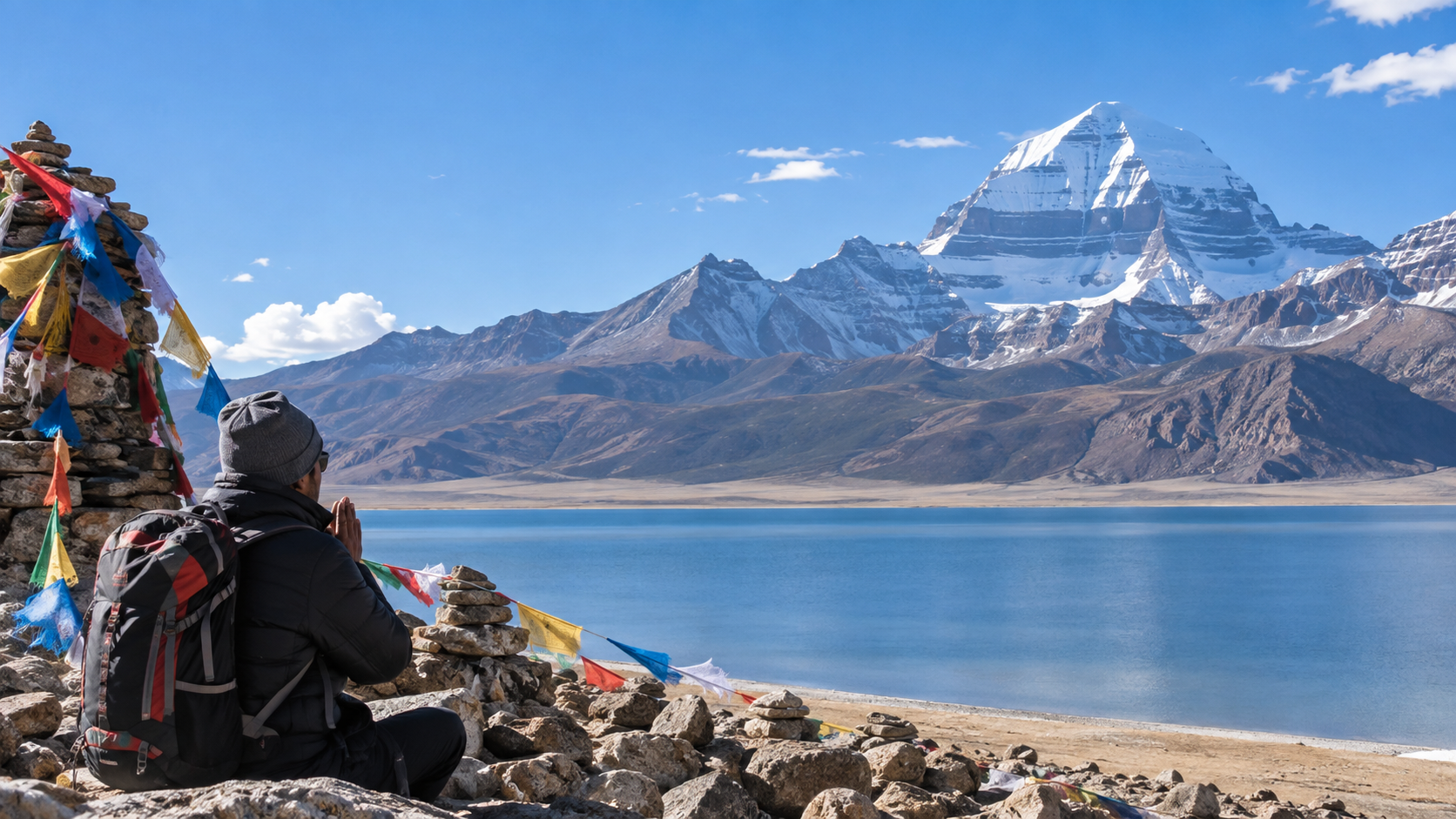
Kailash Mansarovar Yatra by Helicopter from Lucknow. Package details, itinerary and pricing can be completed in the CRM.
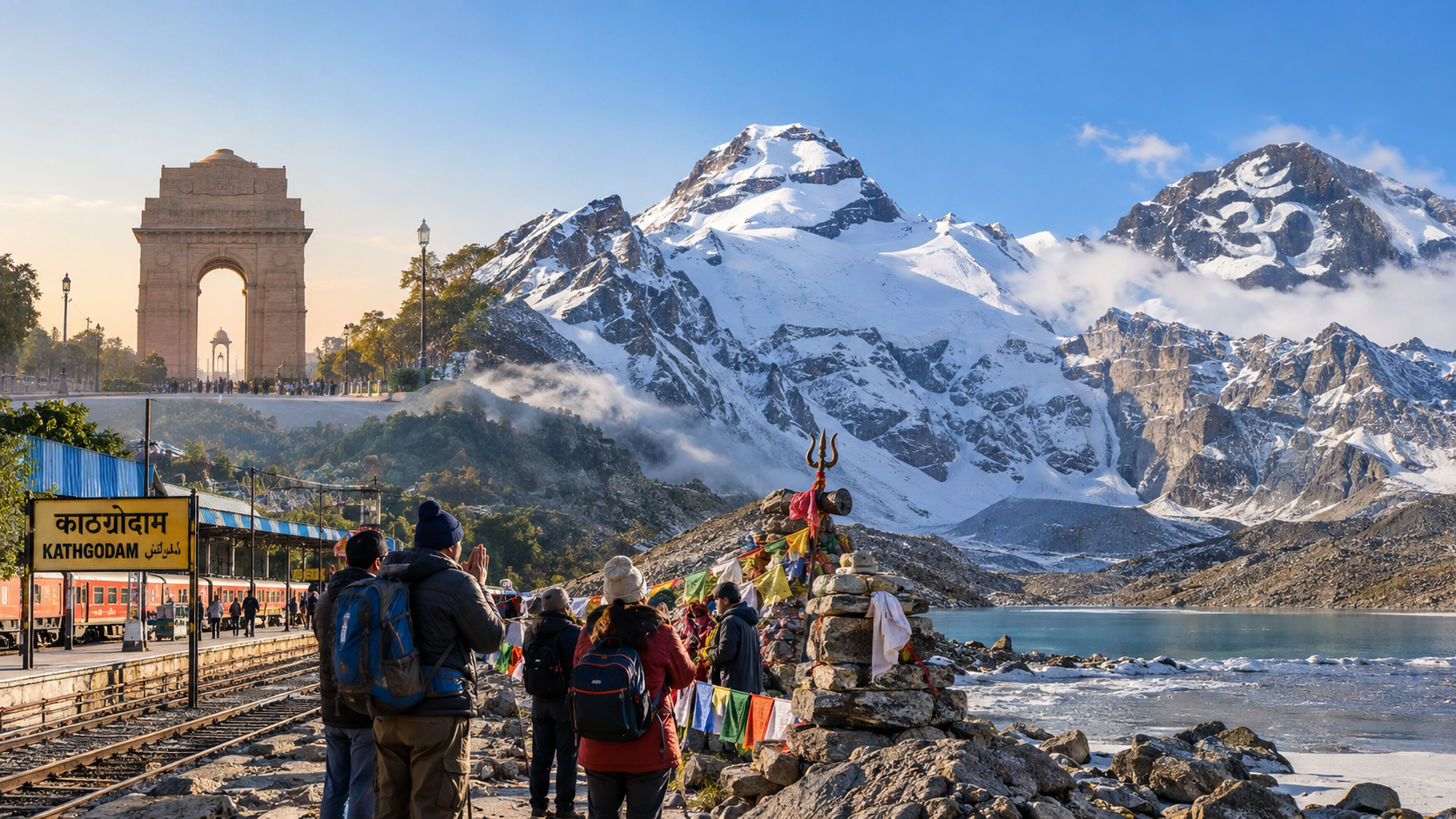
Adi Kailash Om Parvat Yatra from Delhi. Package details, itinerary and pricing can be completed in the CRM.
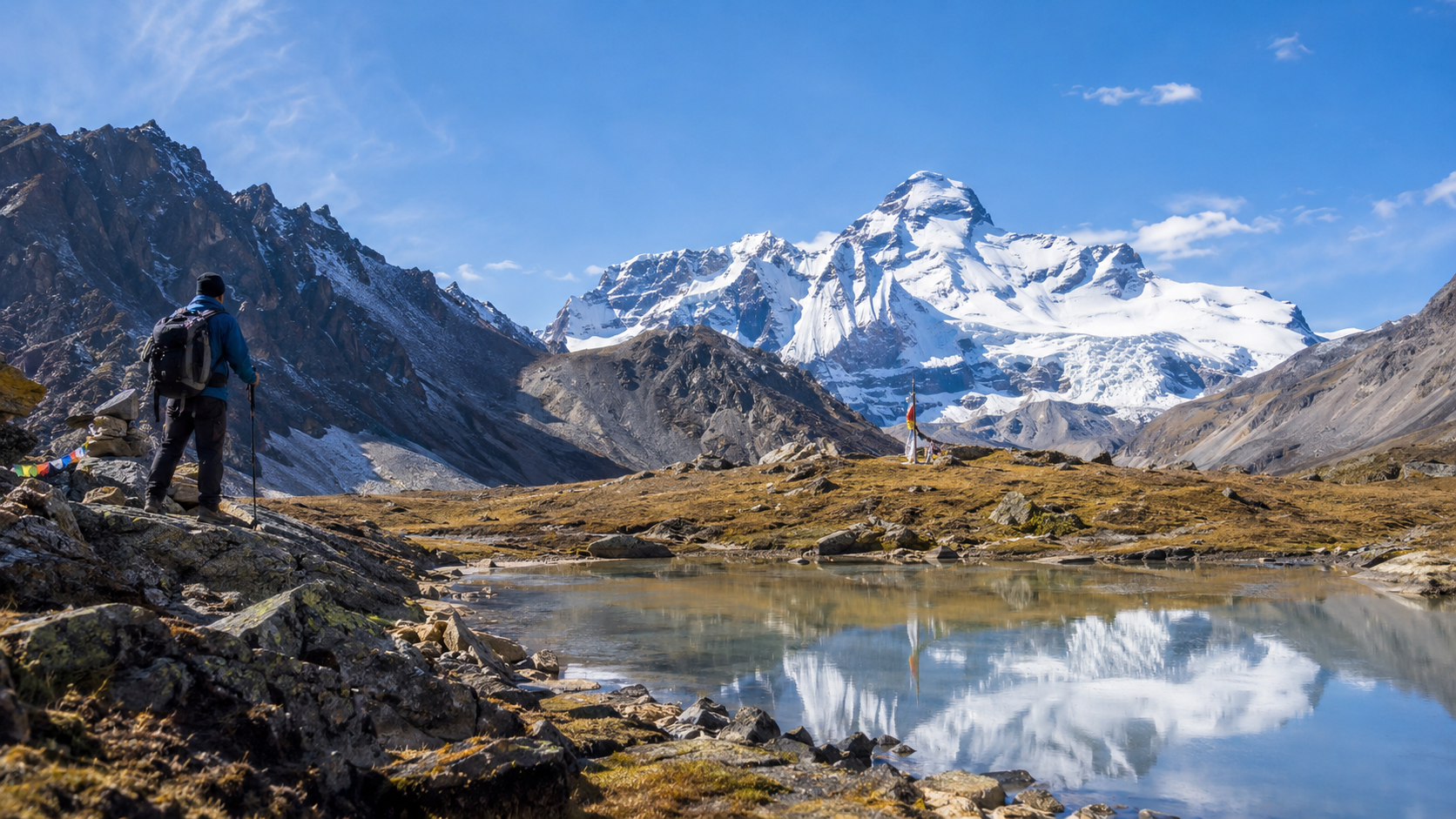
Adi Kailash Om Parvat Yatra from Kathgodam. Package details, itinerary and pricing can be completed in the CRM.
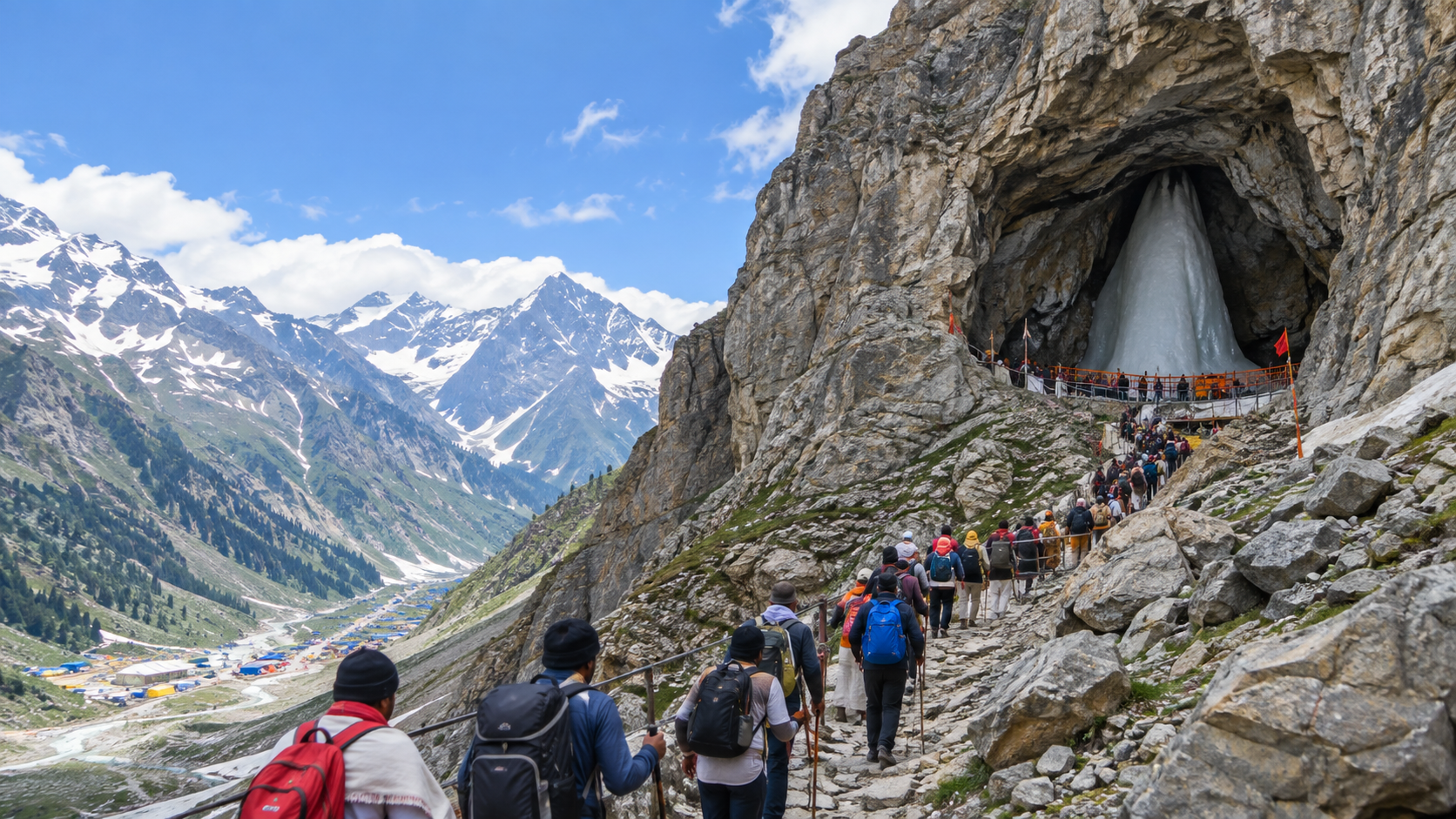
Amarnath Yatra from Srinagar. Package details, itinerary and pricing can be completed in the CRM.
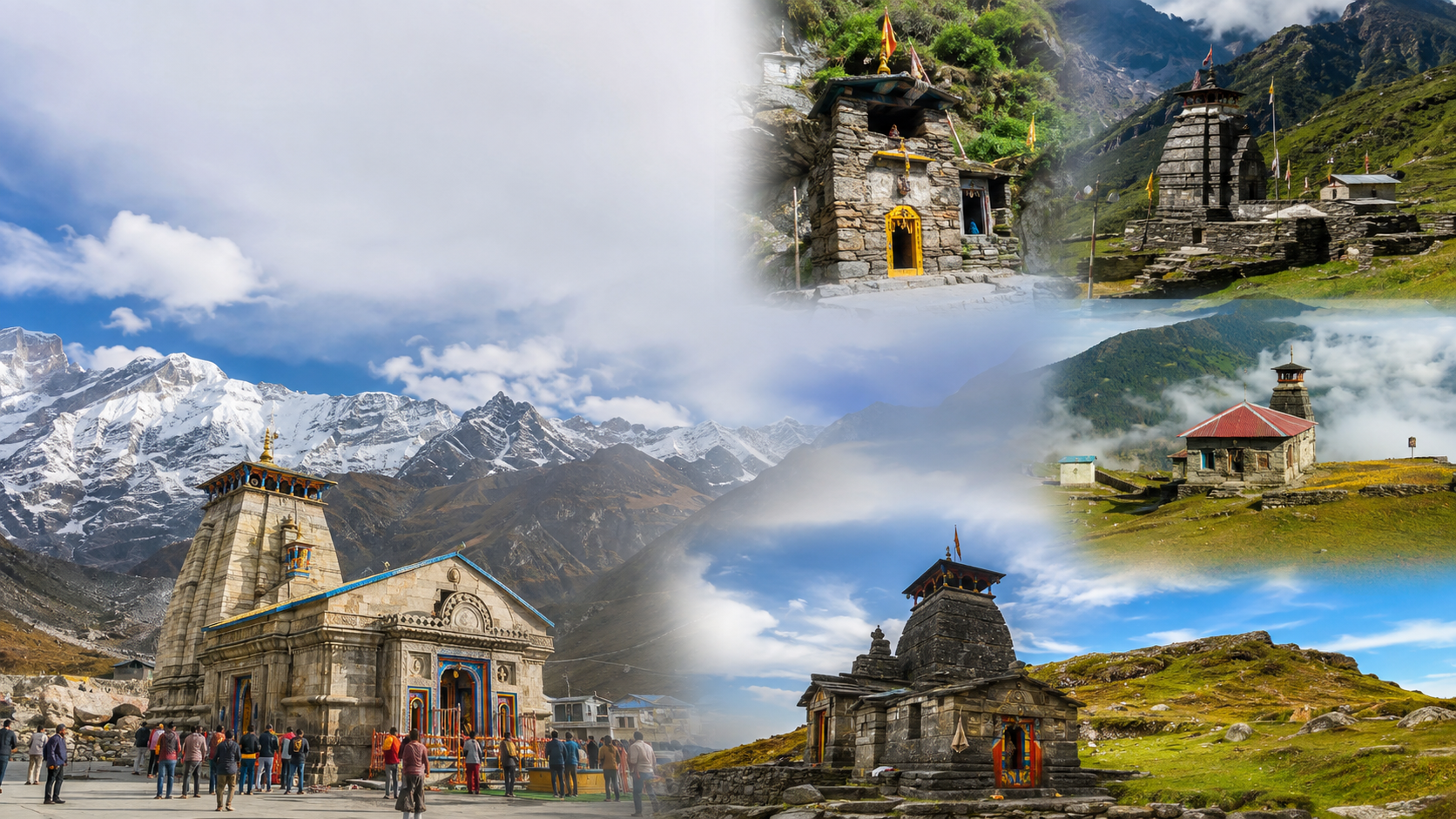
Panch Kedar Yatra from Delhi is a demanding and deeply rewarding pilgrimage through five revered Shiva temples in the Garhwal Himalayas: Kedarnath, Tungnath, Rudranath, Madhyamaheshwar and Kalpeshwar. This 12 Days / 11 Nights pilgrimage is designed for devotees who want to experience the complete Panch Kedar circuit rather than visit only one or two shrines. The journey combines mountain roads, high-altitude walking and time for darshan at some of Uttarakhand’s most significant Shiva temples. Because several shrines involve substantial trekking and seasonal access, careful planning is essential. Trip to Yatra helps travellers plan the pilgrimage around the temple season, travel conditions an
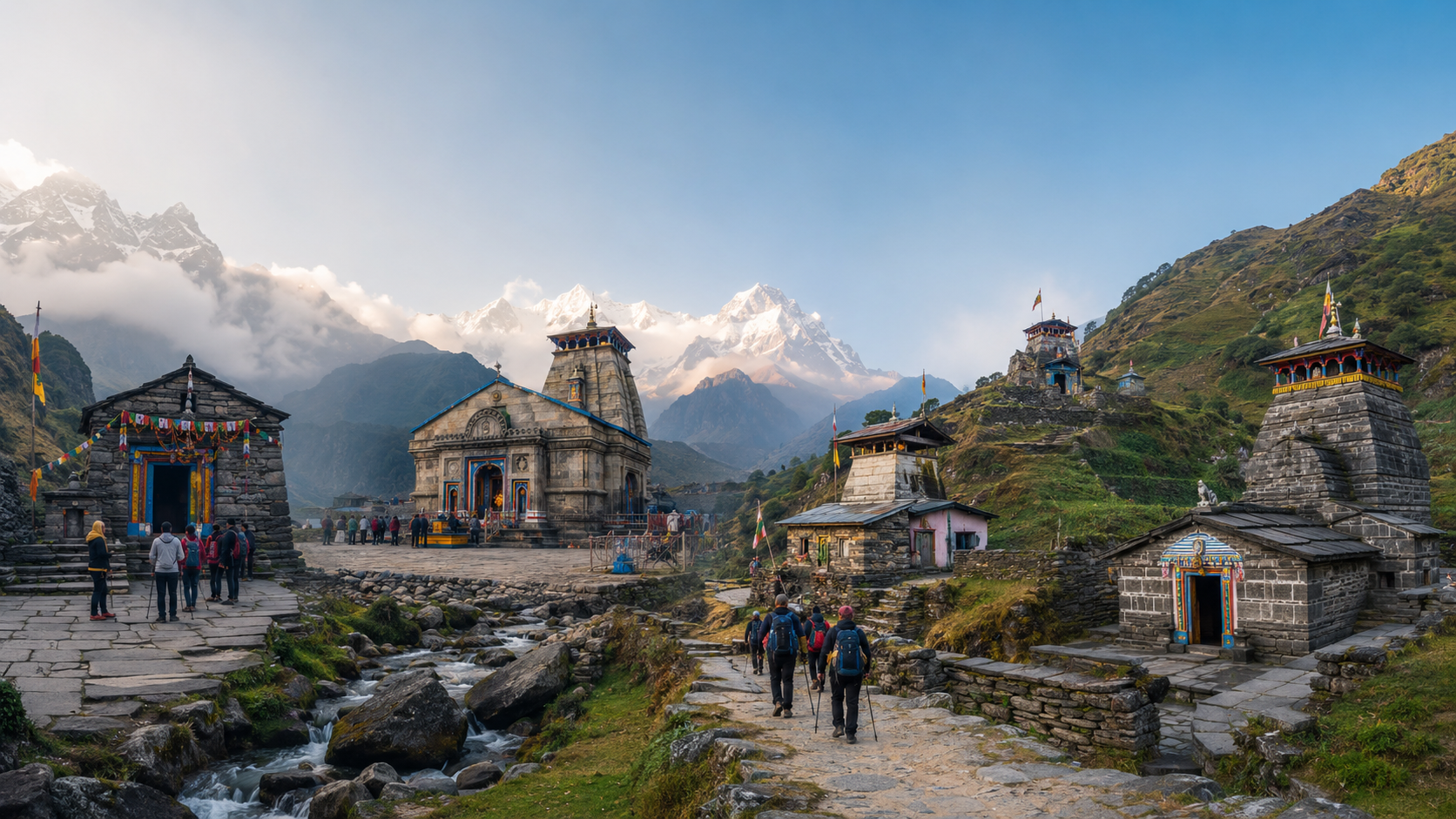
Panch Kedar Yatra from Dehradun is an immersive Shiva pilgrimage covering all five revered Panch Kedar shrines of Uttarakhand: Kedarnath, Tungnath, Rudranath, Madhyamaheshwar and Kalpeshwar. Designed as an 11 Days / 10 Nights pilgrimage experience, the journey combines temple visits with demanding Himalayan treks, mountain landscapes and quiet village settings. Unlike a conventional temple tour, Panch Kedar requires preparation for high-altitude walking, changing weather and seasonal temple access. Trip to Yatra helps travellers plan the pilgrimage around practical travel requirements, accommodation preferences and the operating season, with a focus on a comfortable and well-organised journe
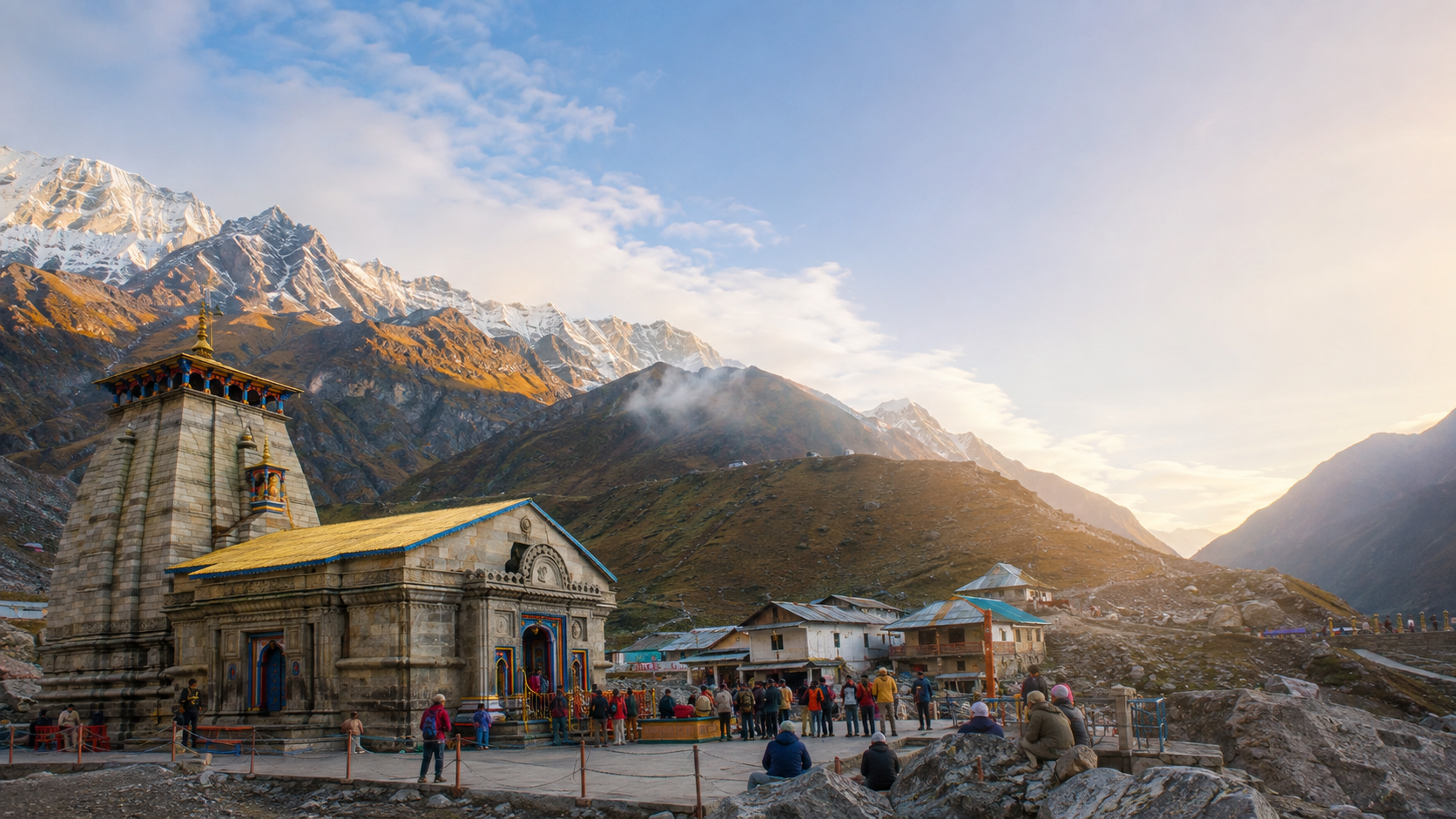
The Kedarnath Tungnath Package from Delhi is a 7-day / 6-night pilgrimage journey covering two of Uttarakhand’s most revered Shiva temples. Starting and ending in Delhi, the tour combines the spiritual significance of Kedarnath with the high-altitude mountain setting of Tungnath near Chopta. Kedarnath Temple is one of the prominent Panch Kedar shrines, while Tungnath is recognised by Uttarakhand Tourism as one of the highest Shiva temples in the world. The journey involves mountain travel and trekking, so it is best suited to travellers who are comfortable with an active Himalayan pilgrimage. Enquire with Trip to Yatra for current travel planning and availability.
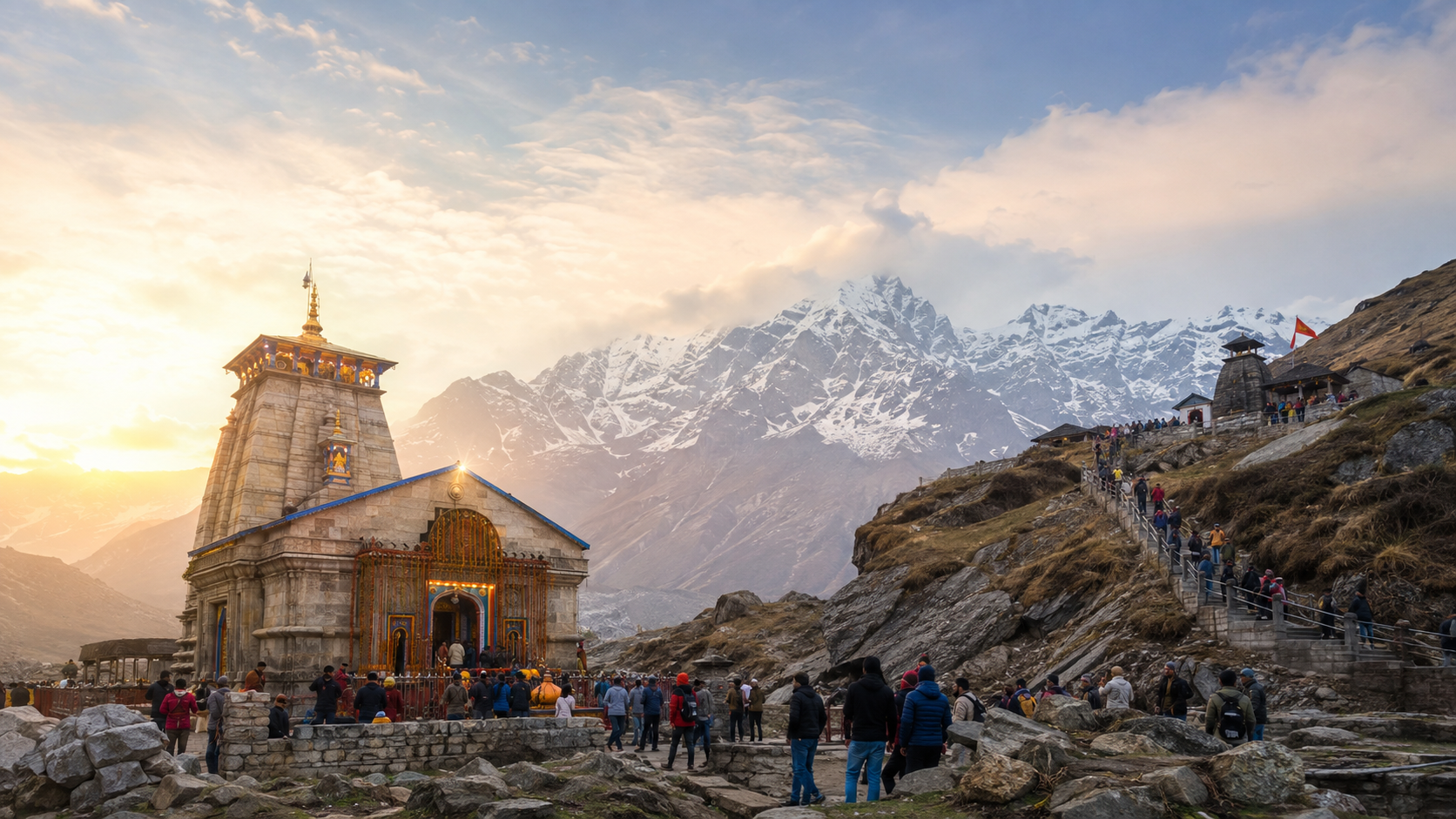
Plan a focused Himalayan pilgrimage with the Kedarnath Tungnath package from Haridwar, combining two revered Shiva temples in Uttarakhand. This 5-day / 4-night journey is designed for travellers who want to visit Kedarnath Temple and Tungnath Temple without committing to a longer Char Dham circuit. Kedarnath, one of the most important Shiva pilgrimage sites in India, lies high in the Garhwal Himalayas and requires a trek from Gaurikund. Tungnath, one of the Panch Kedar shrines, is reached by trekking from Chopta. With Haridwar as both the starting and ending point, the package offers a practical pilgrimage-focused travel plan with time for mountain travel, temple visits and rest.
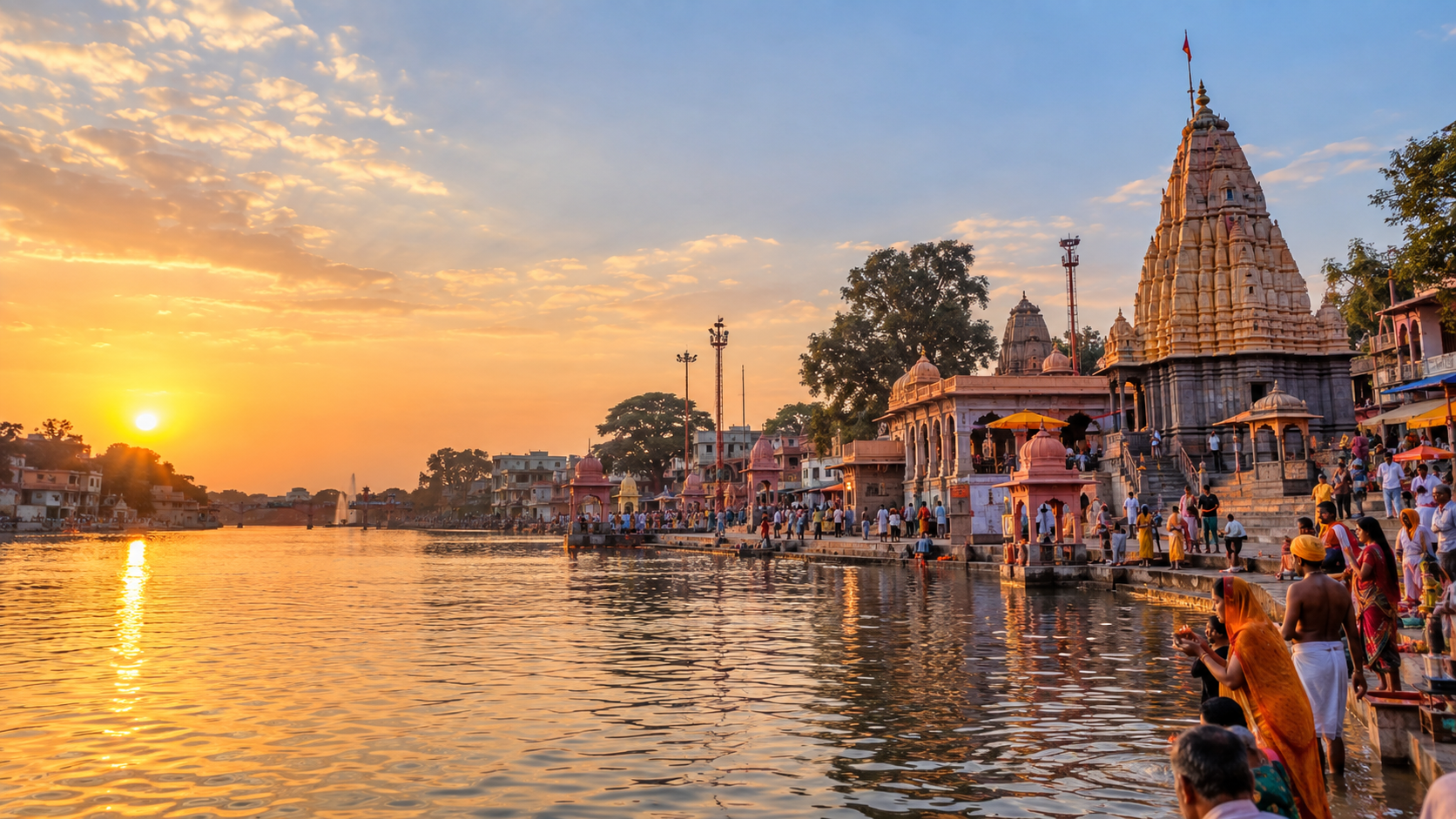
Ujjain Kumbh Mela from Ujjain. Package details, itinerary and pricing can be completed in the CRM.
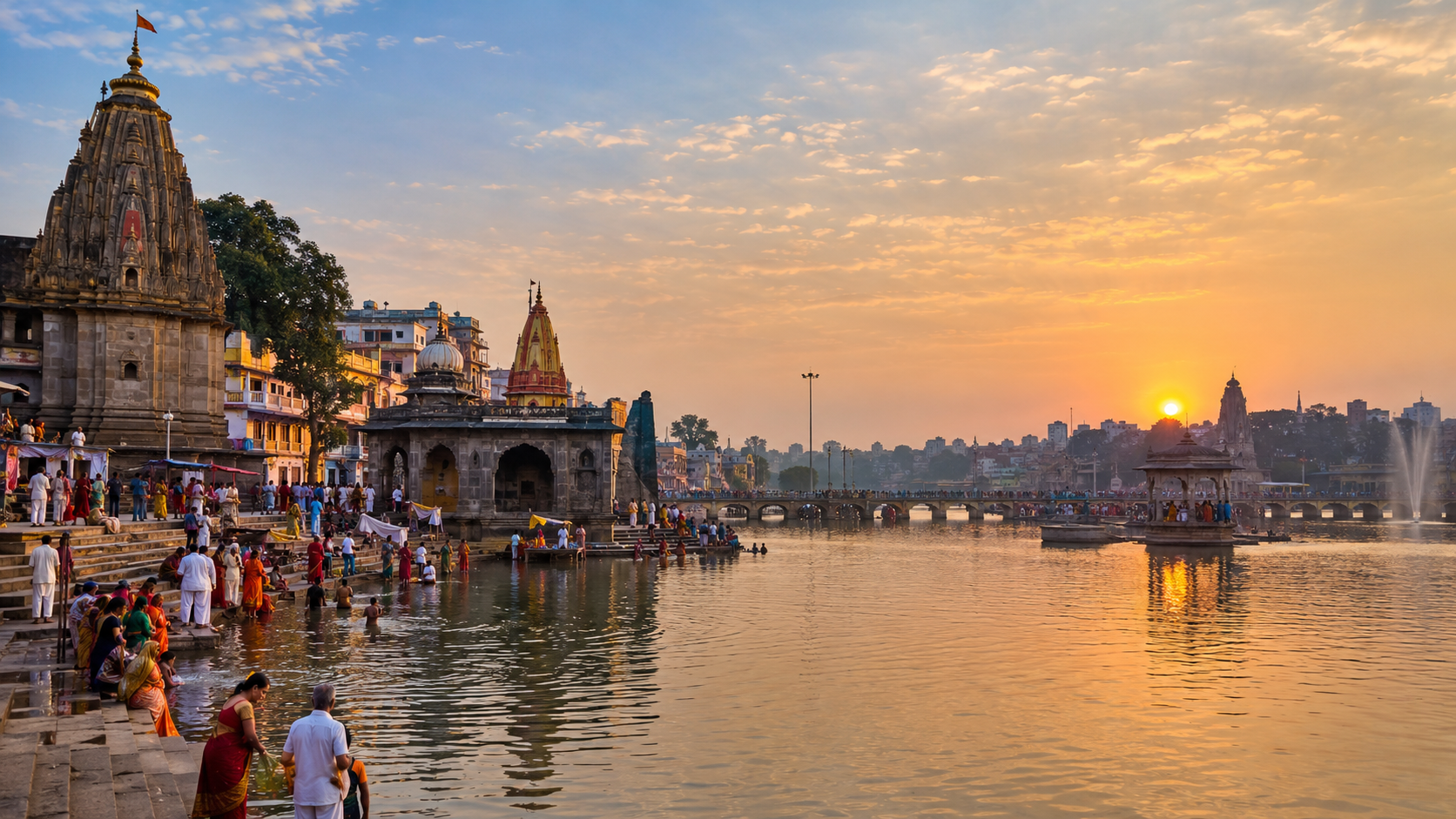
Nashik Kumbh Mela from Nashik. Package details, itinerary and pricing can be completed in the CRM.
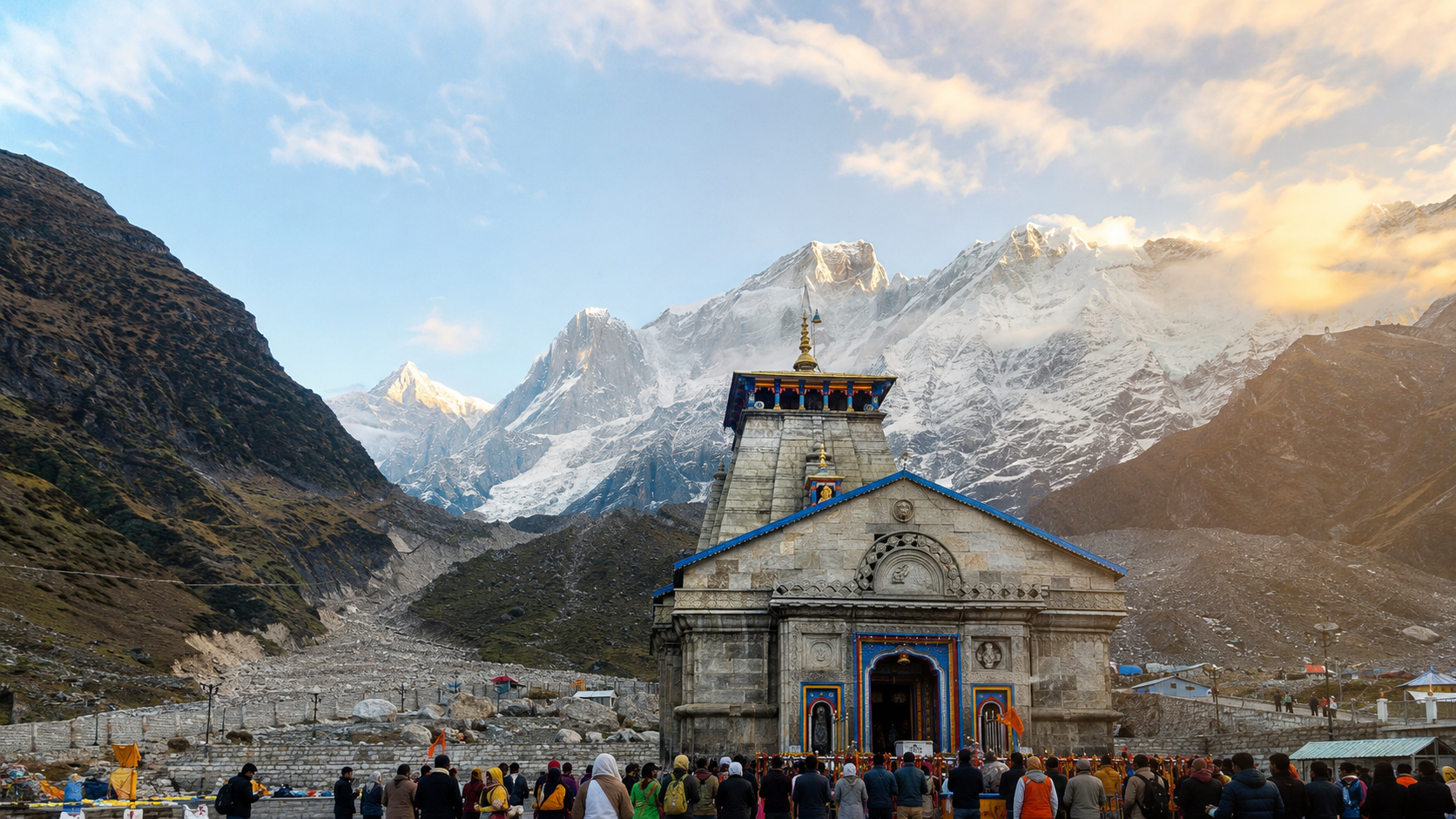
Plan a spiritually meaningful journey to Kedarnath with a 6 Days / 5 Nights Kedarnath Yatra package from Delhi by Trip to Yatra. This pilgrimage package is designed around the Delhi–Haridwar–Kedarnath travel corridor, with Kedarnath Temple as the principal spiritual destination. The journey combines Himalayan travel with time for darshan and a more organised pilgrimage experience. Since Kedarnath is a high-altitude destination with seasonal access and mandatory Yatra formalities, planning matters. Trip to Yatra can help you understand the practical arrangements, registration requirements and travel considerations before you set out. Enquire with our team to plan your 2027 Kedarnath Yatra fro
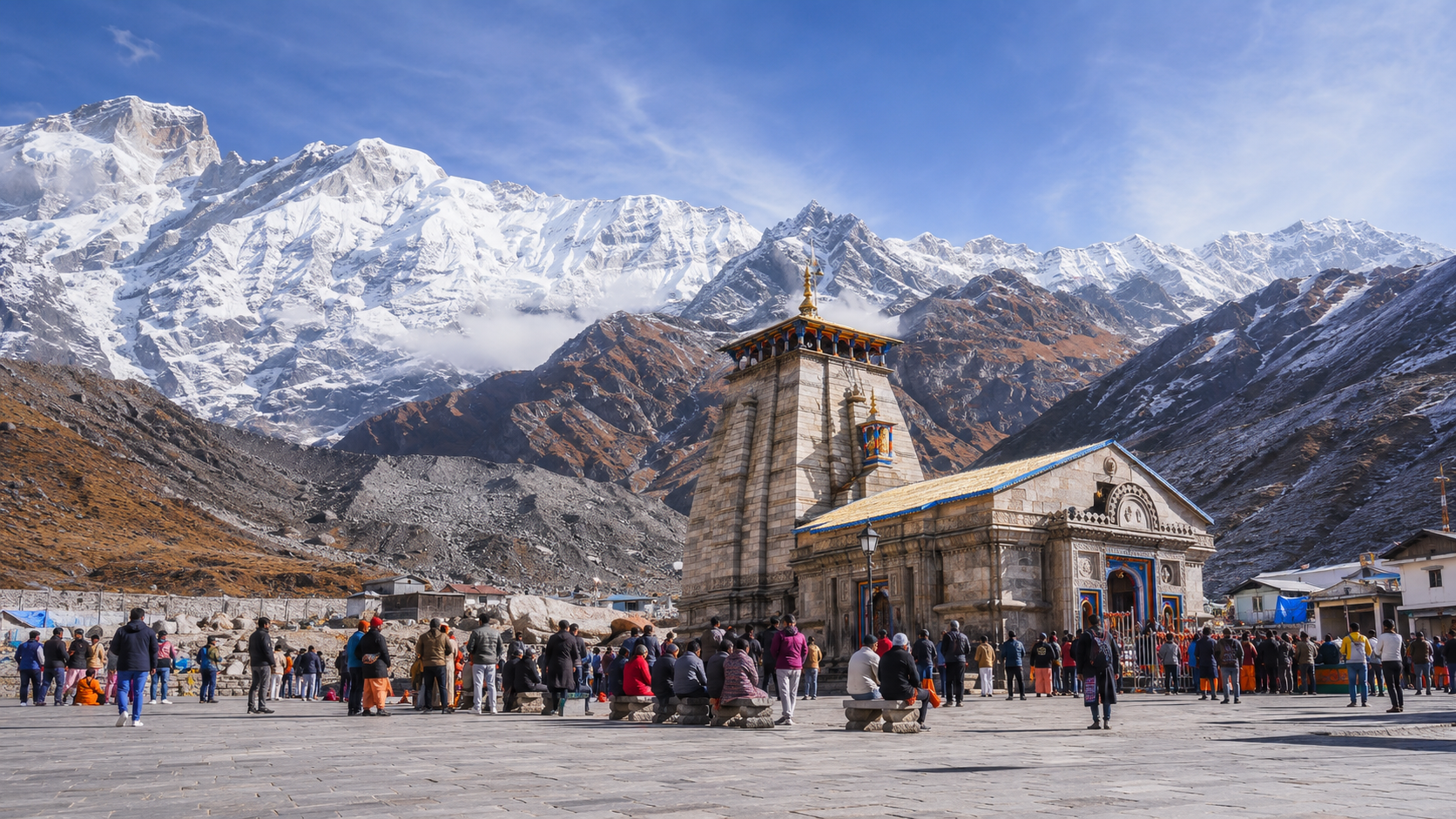
A thoughtfully planned Kedarnath Yatra package from Haridwar for pilgrims looking to visit the sacred Kedarnath Temple in Uttarakhand. This 4 Days / 3 Nights pilgrimage connects Haridwar with one of Lord Shiva’s most revered Himalayan shrines, with arrangements planned around the practical requirements of a high-altitude yatra. Kedarnath is situated in the Garhwal Himalayas at around 3,580 metres, so preparation, suitable clothing and sensible travel planning are important.
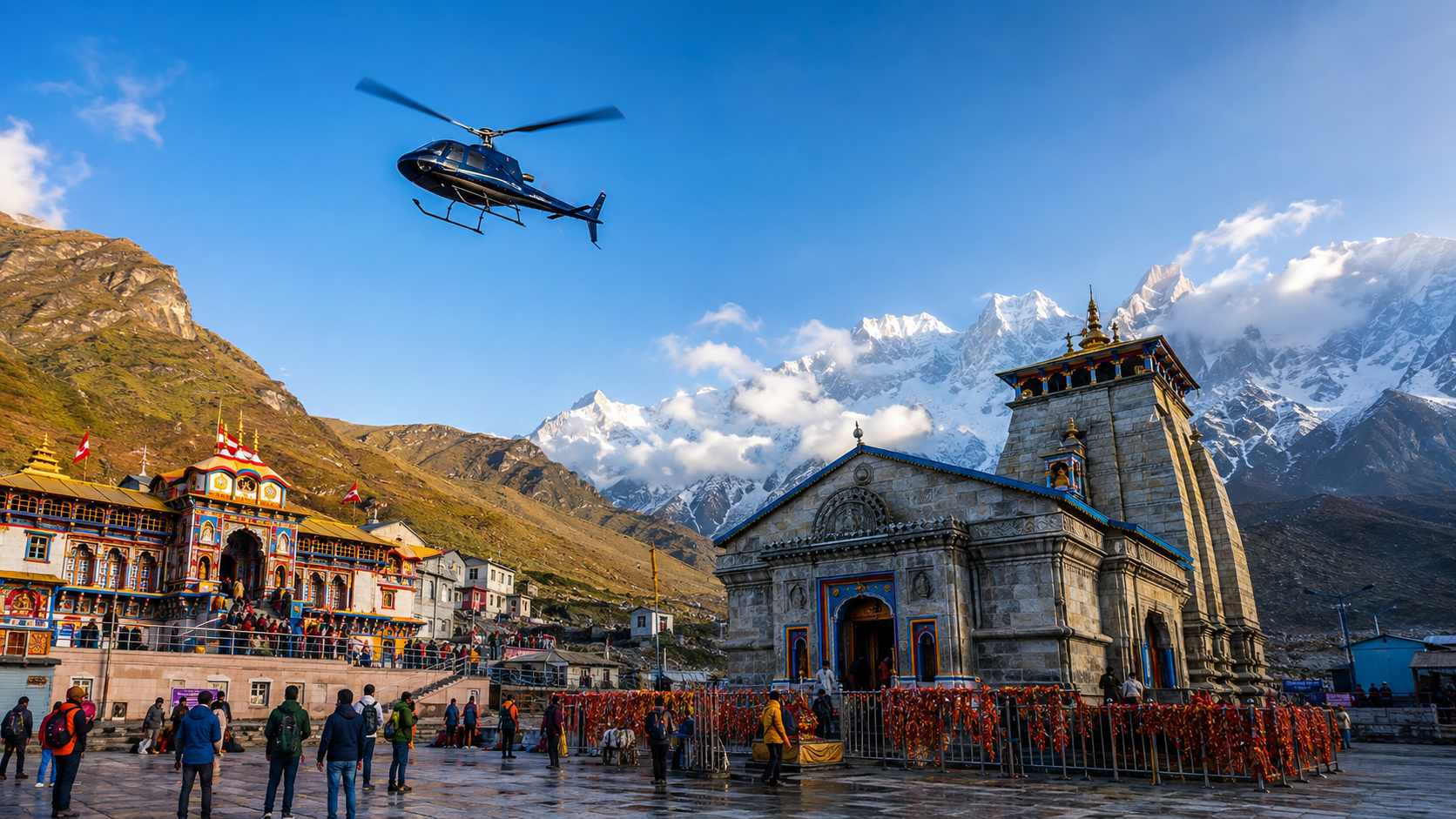
Experience the sacred Do Dham Yatra by helicopter from Dehradun, covering the revered Kedarnath Temple and Badrinath Temple in a compact 3-day, 2-night pilgrimage. This Dehradun-to-Dehradun package is designed for devotees who want to visit both Himalayan shrines while reducing the long road travel involved in a conventional yatra. Kedarnath, dedicated to Lord Shiva, stands high in the Garhwal Himalayas, while Badrinath is one of the four Char Dham pilgrimage sites and is dedicated to Lord Vishnu. With helicopter travel, the journey can be more convenient, subject to weather, operational conditions and applicable pilgrimage regulations.
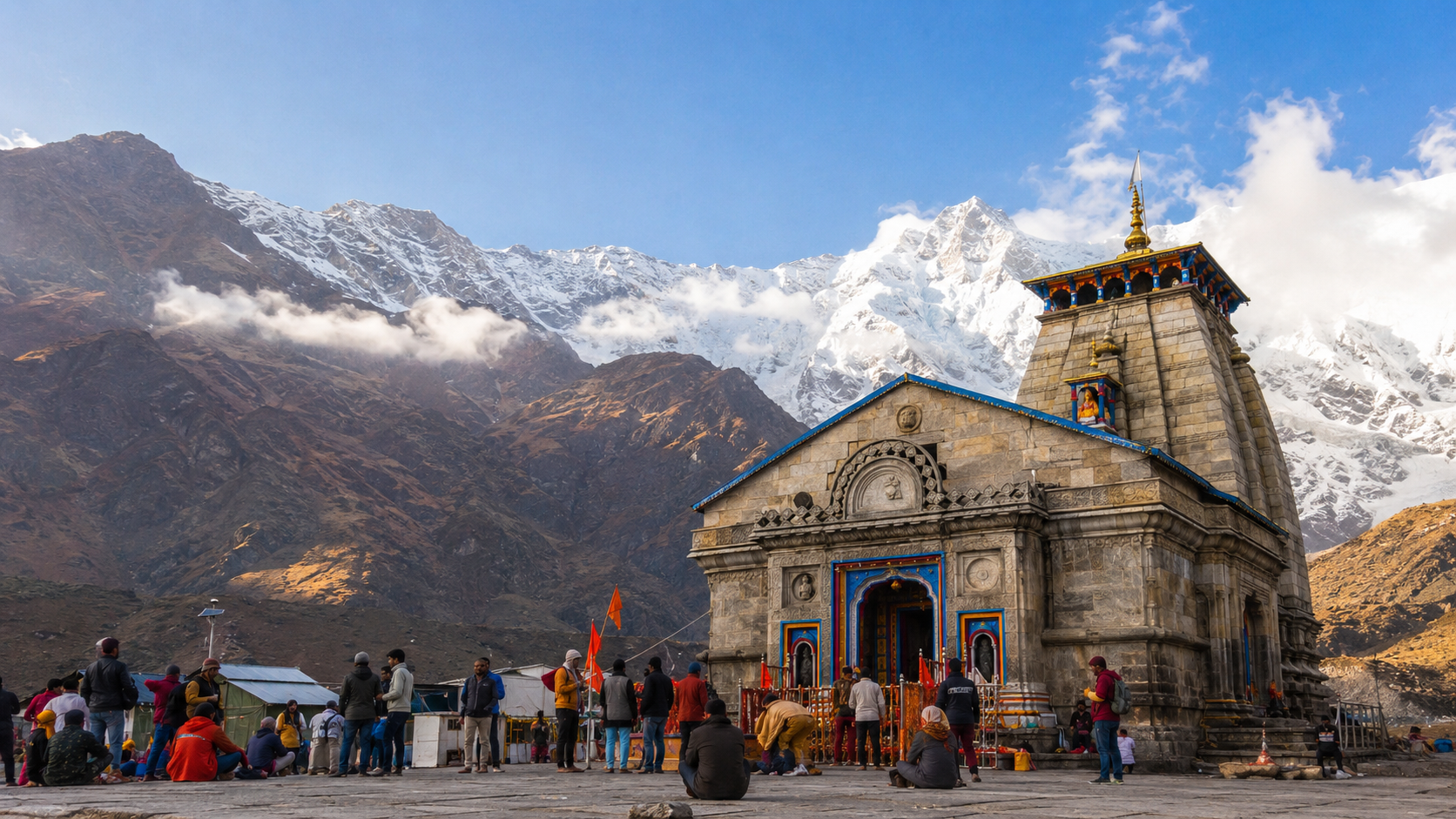
The Do Dham Yatra from Delhi is an 8-day pilgrimage covering the two revered Himalayan shrines of Kedarnath and Badrinath. Starting and ending in Delhi, this thoughtfully planned journey brings together the spiritual atmosphere of Kedarnath, dedicated to Lord Shiva, and Badrinath, dedicated to Lord Vishnu, along with time around Haridwar and Rishikesh. The route combines road travel through Uttarakhand with the required approach to Kedarnath on foot from the roadhead. With high-altitude travel, changing mountain weather and seasonal temple access to consider, Trip to Yatra helps pilgrims plan the journey around practical travel requirements rather than rushing through the experience.
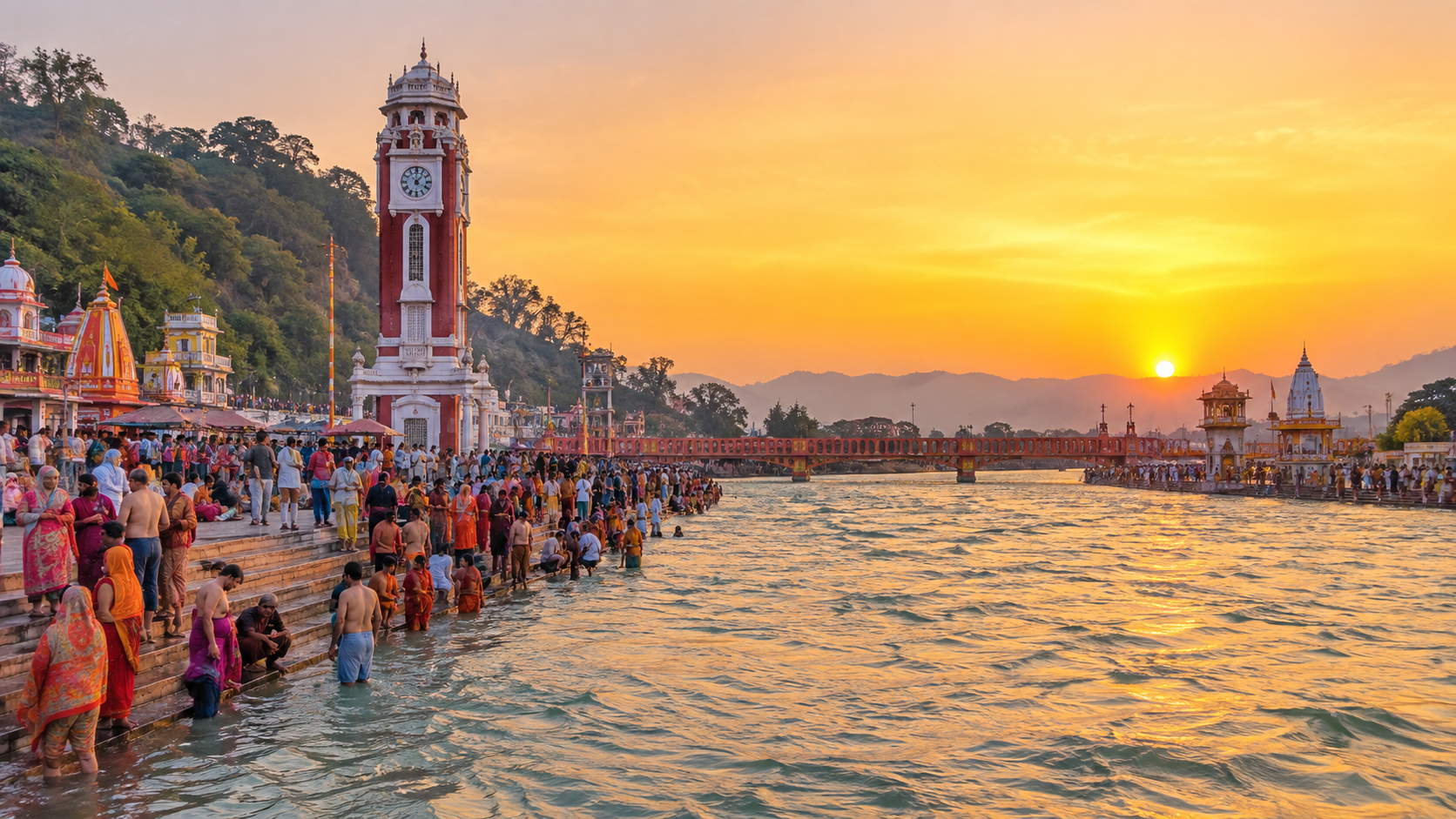
Haridwar Kumbh Mela from Haridwar. Package details, itinerary and pricing can be completed in the CRM.
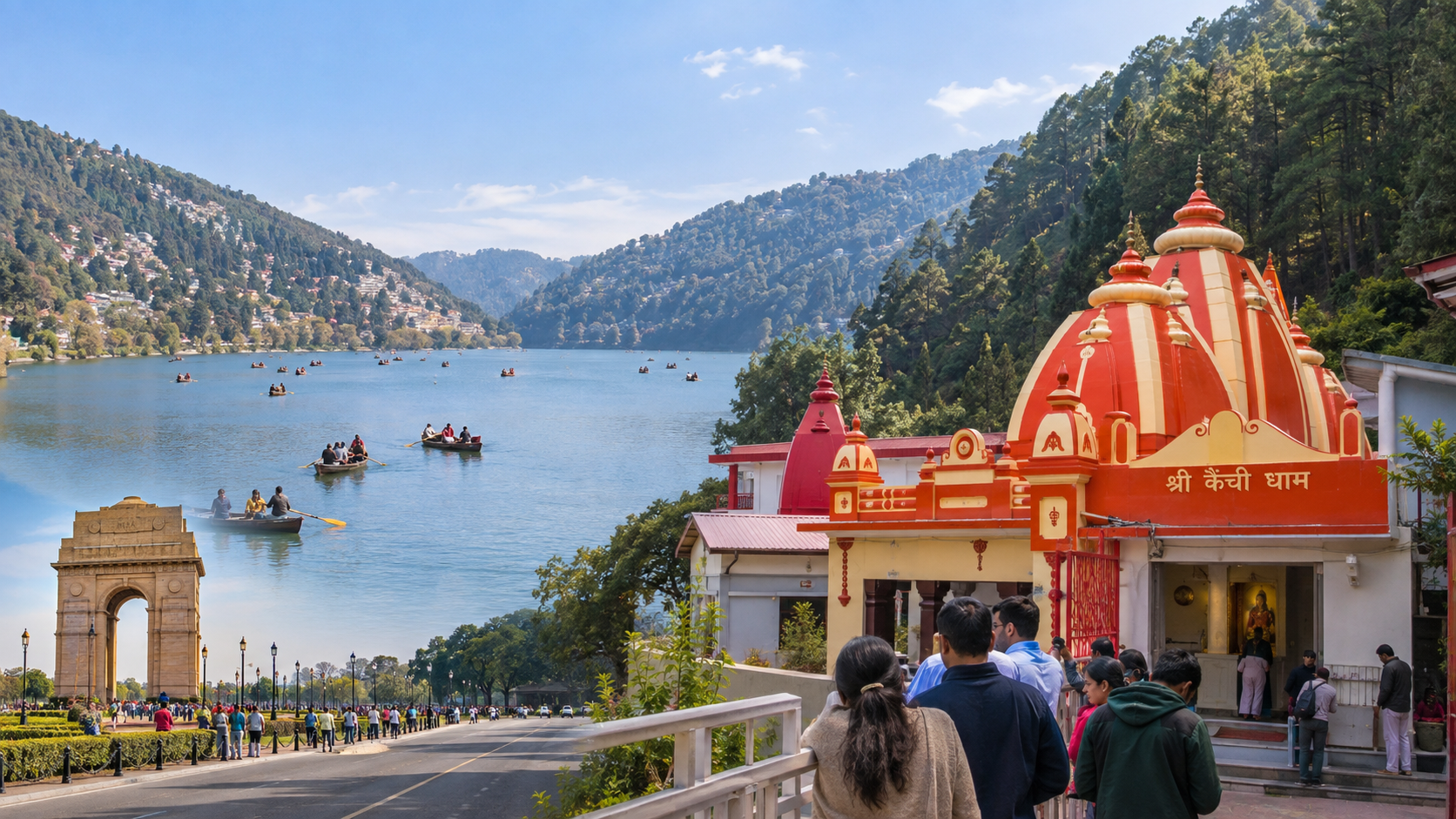
Nainital Kainchi Dham Tour from Delhi. Package details, itinerary and pricing can be completed in the CRM.
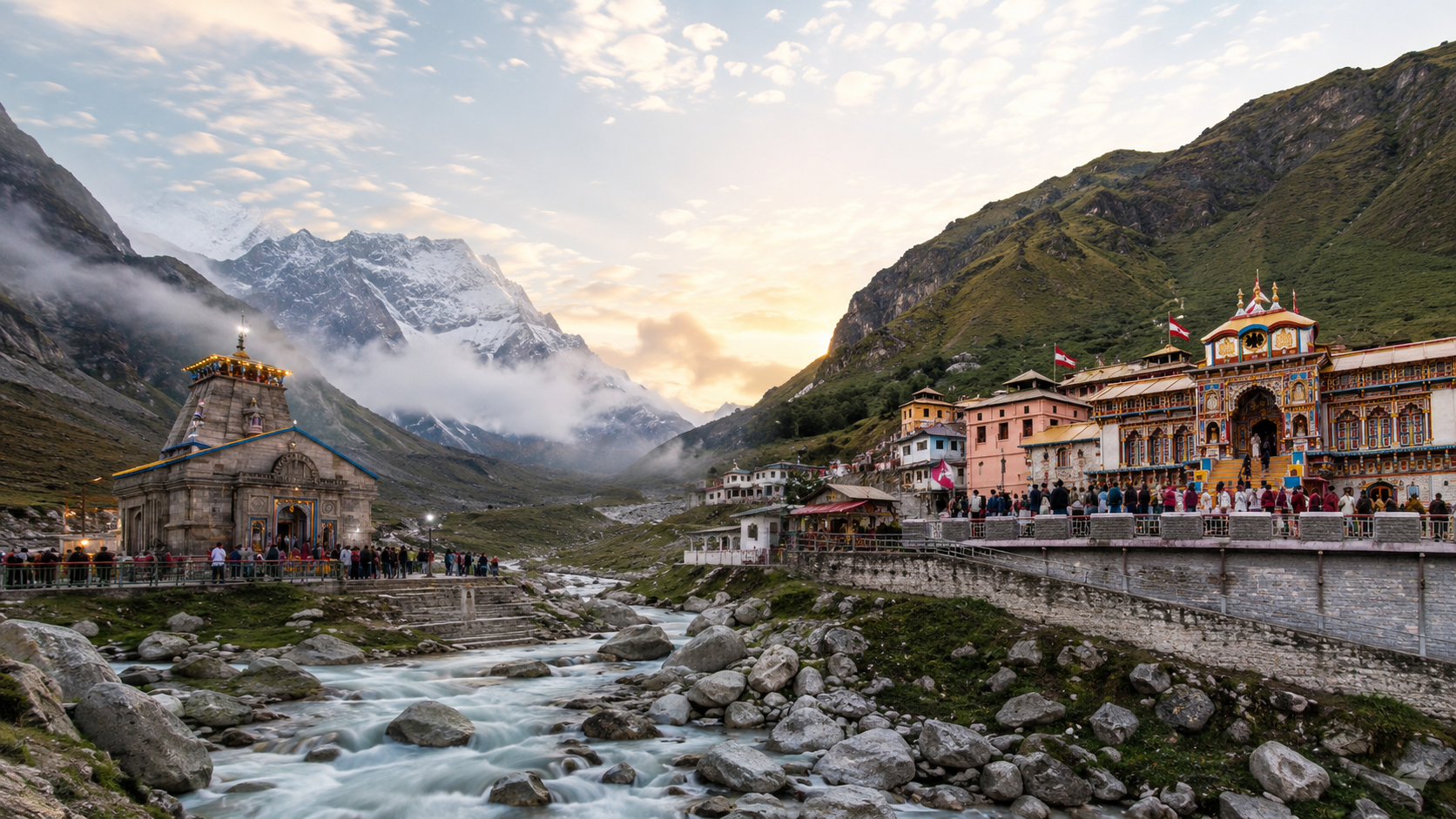
The 6 Days / 5 Nights Do Dham Yatra from Haridwar is designed for pilgrims who wish to visit the sacred Kedarnath Temple and Badrinath Temple in one focused Uttarakhand pilgrimage. Starting and ending in Haridwar, the journey combines the spiritual atmosphere of the Himalayan temples with the changing landscapes of Garhwal. Kedarnath, one of Lord Shiva’s most revered pilgrimage sites and a Jyotirlinga, requires a mountain approach and a trek from Gaurikund. Badrinath, dedicated to Lord Vishnu, is one of Uttarakhand’s four Char Dham temples. Trip to Yatra helps travellers plan this pilgrimage with practical guidance and clear enquiry support.
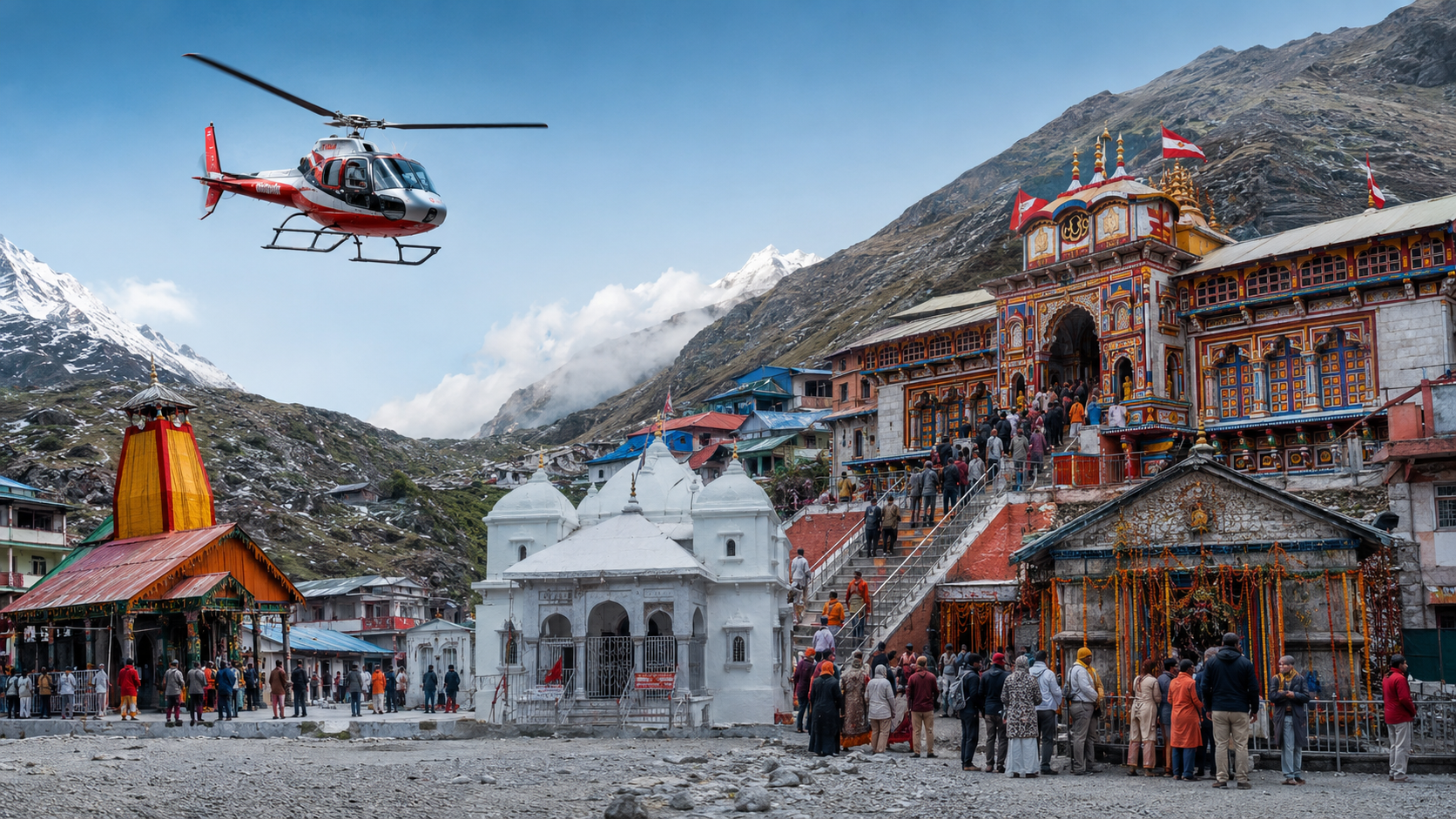
Chardham Yatra by Helicopter from Dehradun offers a more time-efficient way to undertake the sacred Uttarakhand Char Dham pilgrimage, covering Yamunotri, Gangotri, Kedarnath and Badrinath in a 5-day / 4-night package. Starting and ending in Dehradun, the journey combines helicopter travel with the necessary ground and temple-access arrangements at the Dhams. The helicopter element can significantly reduce long road journeys, but it does not mean every temple is reached directly by helicopter; Yamunotri and Kedarnath involve access arrangements beyond the helipad. Char Dham operates seasonally, and 2027 opening dates, operating conditions and applicable requirements should be confirmed before
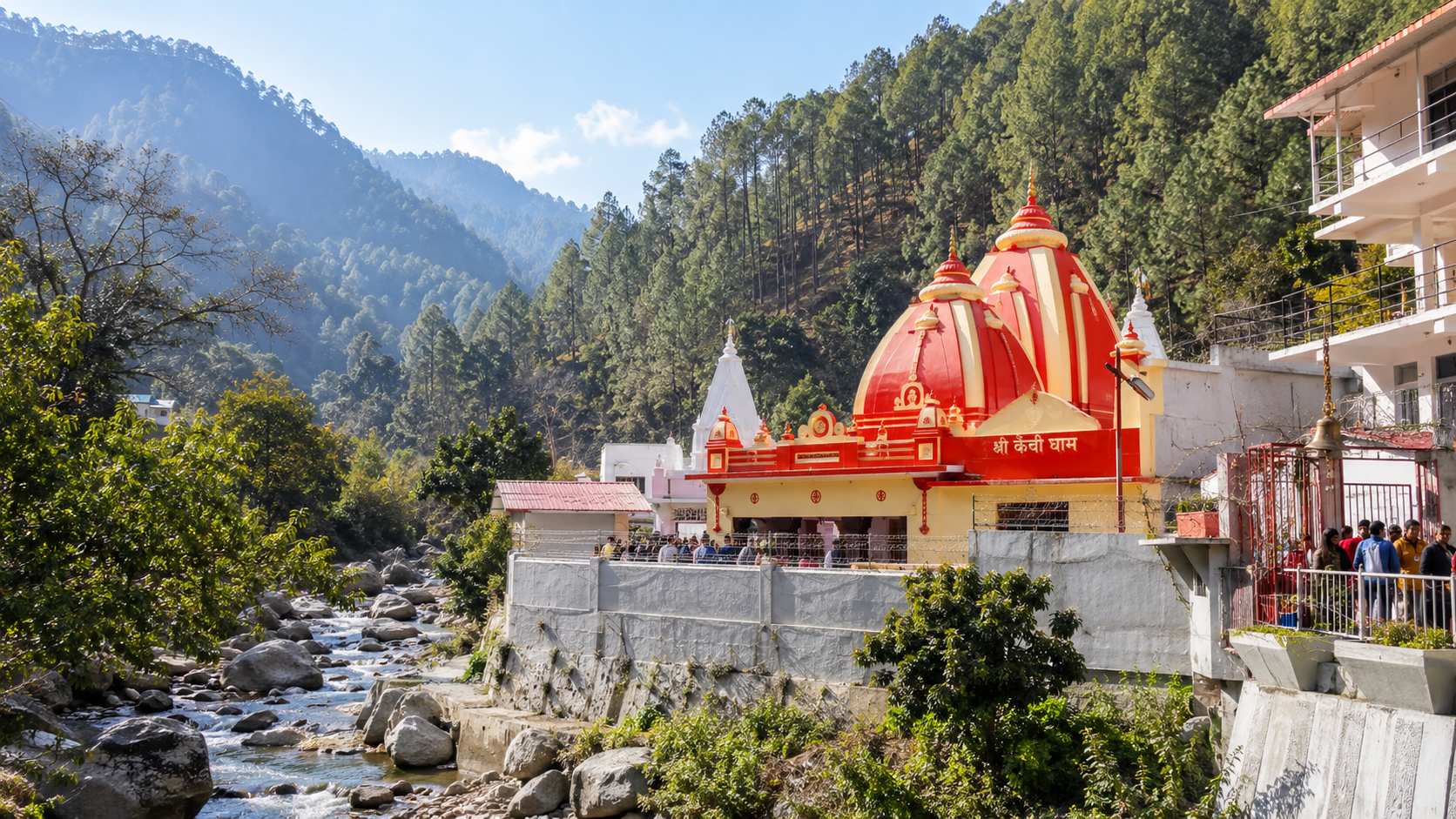
Kainchi Dham Tour from Delhi. Package details, itinerary and pricing can be completed in the CRM.
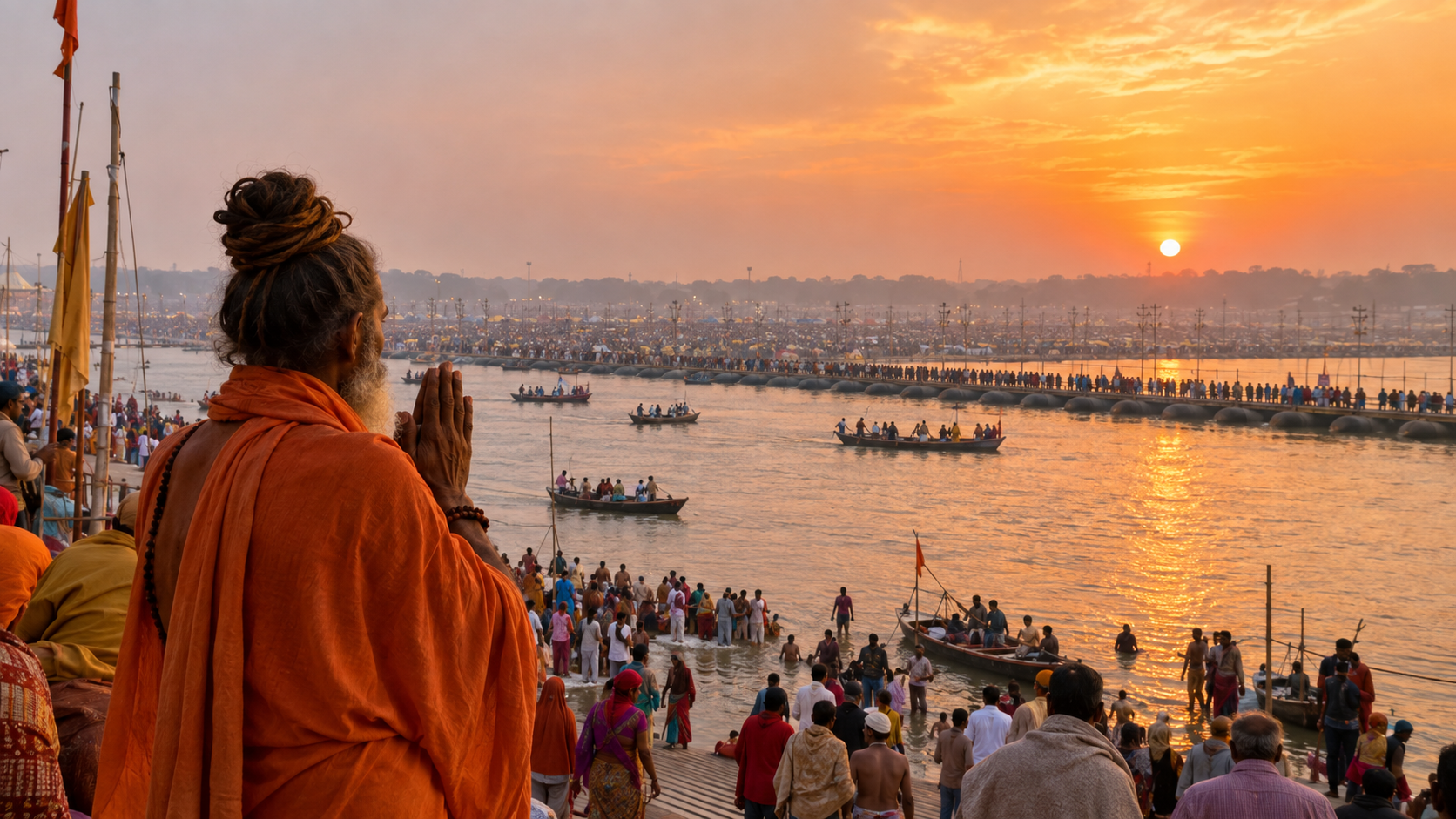
Prayagraj Kumbh Mela from Prayagraj. Package details, itinerary and pricing can be completed in the CRM.
Book a 4-day Agra Mathura Vrindavan tour package from Delhi covering Krishna Janmabhoomi, Banke Bihari, Prem Mandir, Taj Mahal and Agra Fort.
Share your details and get a suitable package from our travel expert.
Agra Mathura Vrindavan Tour from Delhi. Package details, itinerary and pricing can be completed in the CRM.
The Agra Mathura Vrindavan tour package is a compact 4 days / 3 nights journey from Delhi that combines the spiritual atmosphere of Braj with the celebrated Mughal heritage of Agra. The route has been arranged as Delhi to Mathura, Mathura to Vrindavan, Vrindavan to Agra and Agra back to Delhi, allowing travellers to move progressively southwards without unnecessary backtracking. It is suitable for families, senior citizens, couples, devotional groups and travellers who want to experience important Krishna pilgrimage places together with the Taj Mahal and Agra Fort in one short road trip.
Mathura and Vrindavan are closely connected with the traditions surrounding Lord Krishna. The Mathura district administration identifies Mathura as the birthplace associated with Shri Krishna and lists Shri Krishna Janmabhoomi, Shri Dwarkadhish Temple, Vishram Ghat, Banke Bihari Temple, ISKCON Temple and Prem Mandir among the area's important religious attractions. Mathura lies roughly between Delhi and Agra, making it a natural first pilgrimage stop while travelling from the National Capital Region towards Agra.
The journey begins from Delhi with a road transfer to Mathura. Government tourism information places Mathura around 145 kilometres south-east of Delhi, although actual driving distance and travel time depend on the chosen pickup point, traffic, road diversions and local conditions. After reaching Mathura and completing hotel check-in, the day is kept for the main religious places within the city.
The central pilgrimage visit is Shri Krishna Janmabhoomi. The Mathura district administration describes Krishna Janmasthan as the site traditionally associated with the manifestation and birth of Lord Krishna. The complex is one of the most significant devotional destinations in Mathura and receives large numbers of pilgrims, particularly during festivals and religious holidays. Visitors should carry only necessary belongings and follow the security and entry instructions displayed at the complex because local procedures can change according to crowd conditions and security arrangements.
The programme can also include Shri Dwarkadhish Temple, another major Krishna shrine recognised by the district administration, followed by time around Vishram Ghat on the Yamuna. Temple opening periods, seasonal schedules, festival arrangements and aarti times should always be rechecked locally or through official temple information before travel rather than being treated as fixed throughout the year. The first night is planned in Mathura so travellers do not need to rush through the pilgrimage locations immediately after travelling from Delhi.
After breakfast, the journey continues from Mathura to nearby Vrindavan. The two cities form the core of a popular Braj pilgrimage circuit and are separated by only a short road journey. Vrindavan is particularly associated with traditions of Krishna's childhood and youth and contains temples representing several devotional traditions.
A principal stop is Shri Banke Bihari Temple. The official Mathura district tourism portal identifies Banke Bihari Temple as a Krishna temple in Vrindavan and explains the distinctive Tribhanga form associated with Banke Bihari Ji. This is an active place of worship rather than simply a sightseeing monument, so travellers should expect queues, pedestrian movement and heavier crowds during weekends, festivals and important devotional dates. Darshan procedures can be modified by temple authorities according to local requirements.
The itinerary may then cover ISKCON Krishna Balaram Temple, which is also listed among Vrindavan's recognised tourist and pilgrimage places by the Mathura district administration. Devotees can spend time in the temple campus and experience the devotional setting while respecting the current temple schedule and visitor instructions.
Another important visit is Prem Mandir, maintained by Jagadguru Kripalu Parishat. Official information from the organisation describes Prem Mandir as a temple dedicated to divine love and to the worship traditions of Shri Radha Krishna. The white-marble complex is known for its carved architecture, landscaped surroundings and illuminated evening appearance. The itinerary intentionally allows the Vrindavan programme to extend into the later part of the day, subject to current temple access arrangements, because many travellers prefer experiencing the devotional atmosphere of the town after sunset as well as during daytime.
Overnight accommodation is planned in Vrindavan. Staying locally avoids an unnecessary late-night transfer and gives travellers a more relaxed pilgrimage experience. Specific hotels are not promised in this package data because accommodation should be confirmed separately according to the selected category, room requirement, travel date and actual availability.
After breakfast, proceed from Vrindavan towards Agra. District information places Mathura roughly 50 to 58 kilometres north of Agra, while the actual Vrindavan-to-Agra road distance varies with the selected route. Agra stands on the Yamuna and is internationally known for its Mughal-period monuments. The district administration identifies the Taj Mahal, Agra Fort and Fatehpur Sikri as UNESCO World Heritage Sites, although this four-day programme concentrates on the principal Agra city monuments rather than adding a long diversion to Fatehpur Sikri.
Depending on the weekday, arrival time and monument schedule, sightseeing can begin with Agra Fort. The Agra district administration describes the fort as the walled imperial city rebuilt in red sandstone under Emperor Akbar and later modified by successive Mughal rulers. Visitor entry is through the designated public entrance and access is limited to areas currently opened by the monument authorities. Agra Fort is officially listed as open throughout the week, subject to current government regulations and exceptional closures.
If the day and schedule permit, the Taj Mahal visit can be undertaken on Day Three; otherwise it can be kept for the following morning. This flexibility is important because the Taj Mahal is normally closed to general visitors on Fridays. The Agra district administration currently states that general visiting hours extend from approximately thirty minutes before sunrise until thirty minutes before sunset and that Friday access is restricted to mosque prayers. Since monument regulations, entry fees and ticket procedures may be revised, travellers should verify the official ticket portal and district or Archaeological Survey of India information immediately before the journey.
Where practical, travellers may also view the Taj Mahal from the Yamuna side around Mehtab Bagh, an officially recognised Mughal garden located opposite the monument. This remains an optional sightseeing possibility depending on available daylight, traffic and traveller preference rather than a guaranteed inclusion. The overnight halt is in Agra.
The final morning is reserved for any major Agra sightseeing that could not be completed on the previous day. For most departures, this means visiting the Taj Mahal in the morning before returning to Delhi. The Taj Mahal was commissioned by Mughal emperor Shah Jahan in memory of Mumtaz Mahal and is recognised as a UNESCO World Heritage Site. Visitors should use authorised entry arrangements and follow current security rules concerning bags, prohibited objects, photography restrictions in controlled areas and access to the main mausoleum.
The itinerary does not publish a fixed Taj Mahal ticket price because official charges can be revised. The Agra district administration directs visitors to the authorised online ticketing system for current rates and also notes that access to the main mausoleum may require an additional ticket beyond general monument entry. Travellers should therefore check the current official ticket conditions before arrival instead of relying on old screenshots or third-party price listings.
After completing Agra sightseeing, depart for Delhi. Travel duration varies significantly with the final drop location, traffic around Agra and the Delhi-NCR region, highway conditions, breaks and seasonal congestion. The tour concludes after arrival in Delhi.
The Delhi–Mathura–Vrindavan–Agra–Delhi sequence is geographically practical for a four-day journey. Mathura lies on the Delhi-to-Agra corridor, Vrindavan is close to Mathura, and Agra is further south. Travelling in this order reduces repeated long-distance movement and provides a natural transition from Krishna pilgrimage sites to Mughal heritage attractions.
The programme also gives each destination a different character. Mathura focuses strongly on Krishna Janmabhoomi and the historic pilgrimage traditions of the city. Vrindavan provides a temple-oriented devotional experience through Banke Bihari, Krishna Balaram Temple and Prem Mandir. Agra then adds major protected monuments such as the Taj Mahal and Agra Fort. The combination therefore works both as a religious family tour and as a short North India cultural journey.
Travellers should understand that temple darshan and monument entry are controlled by their respective authorities. Religious festivals such as Janmashtami, Holi and other major Braj celebrations can bring very heavy crowds to Mathura and Vrindavan. Police diversions, restricted vehicle movement, pedestrian-only zones and altered darshan arrangements may be introduced without long advance notice. Similarly, protected monuments can change entry procedures because of conservation work, security requirements, weather, official events or government orders.
No particular darshan time, queue duration, unrestricted temple access, monument opening, special entry or festival programme is guaranteed by this itinerary. The driver or local coordinator may alter the sightseeing sequence while preserving the principal route wherever practical. Travellers should especially account for the Taj Mahal's regular Friday closure when selecting a departure date.
This programme is designed primarily as a road tour from Delhi. Exact vehicle type should be confirmed according to the number of passengers and booked transport category. Large vehicles may not be able to reach the immediate entrance of some temples because many pilgrimage areas contain narrow lanes, controlled traffic zones or pedestrian-only stretches. Travellers should therefore be prepared for walking, use of locally authorised e-rickshaws or other permitted local transport where required, with any such service included only when specifically mentioned in the final booking confirmation.
Comfortable footwear is strongly recommended. Senior citizens and travellers with limited mobility should discuss walking requirements before booking. Assistance availability varies by site and should not be assumed unless separately confirmed.
This CRM itinerary deliberately avoids publishing invented hotel names, package prices, guaranteed journey times or permanent temple schedules. The final quotation should be created according to travel date, pickup and drop points, number of travellers, room configuration, hotel category and vehicle requirement. Monument tickets, local transport, special darshan facilities or other chargeable services should be included only when expressly stated in the confirmed quotation.
For travellers wanting a short devotional and heritage journey from the capital, the Agra Mathura Vrindavan tour package from Delhi provides a balanced four-day route covering Shri Krishna Janmabhoomi, important Vrindavan temples and Agra's best-known Mughal monuments while keeping the journey manageable and logically sequenced.
A quick overview of the experiences, important stops and thoughtful planning included in this yatra.
4 days / 3 nights Delhi round-trip itinerary
Shri Krishna Janmabhoomi pilgrimage in Mathura
Shri Dwarkadhish Temple and Vishram Ghat area
Banke Bihari Temple darshan in Vrindavan
ISKCON Krishna Balaram Temple visit
Prem Mandir visit in Vrindavan
Taj Mahal sightseeing in Agra, subject to weekly closure
Agra Fort heritage visit
Logical Delhi–Mathura–Vrindavan–Agra–Delhi road route
Follow the journey step by step through the important halts, stays and darshan points.
Depart from Delhi and travel by road to Mathura. After arrival and check-in, visit Shri Krishna Janmabhoomi, the principal pilgrimage site traditionally associated with the birthplace of Lord Krishna. Subject to available time and current opening arrangements, continue to Shri Dwarkadhish Temple and the Vishram Ghat area on the Yamuna. Temple access, darshan sequence and local traffic arrangements can change during festivals or high-crowd periods. Overnight stay in Mathura.
After breakfast, proceed from Mathura to Vrindavan. Visit Shri Banke Bihari Temple, followed by the ISKCON Krishna Balaram Temple and Prem Mandir, subject to the temples' current darshan schedules and crowd-control arrangements. Expect some walking because vehicle access can be restricted in temple lanes and busy pilgrimage zones. Spend the evening in Vrindavan and stay overnight in Vrindavan.
After breakfast, leave Vrindavan for Agra. Visit Agra Fort and undertake additional Agra sightseeing according to arrival time, current monument access and the weekday. The Taj Mahal may be visited on this day when operationally suitable, particularly when the following day is a Friday. If time permits, Mehtab Bagh may be considered as an additional sightseeing stop. Overnight stay in Agra.
Visit the Taj Mahal in the morning if it was not covered on Day Three, subject to its current opening schedule. The Taj Mahal is normally closed to general visitors on Fridays, so the Agra sightseeing order must be adjusted around this weekly closure. After sightseeing, depart Agra for Delhi. The tour concludes on arrival at the agreed Delhi drop point.
Review what is included in your plan and the important information required before confirming your journey.
Important answers to help you prepare for this journey.
The itinerary is planned for 4 days and 3 nights, starting in Delhi and ending in Delhi.
The planned route is Delhi to Mathura, Mathura to Vrindavan, Vrindavan to Agra and Agra back to Delhi.
The programme includes Shri Krishna Janmabhoomi and Shri Dwarkadhish Temple in Mathura, followed by Shri Banke Bihari Temple, ISKCON Krishna Balaram Temple and Prem Mandir in Vrindavan, subject to current temple access arrangements.
Yes, the itinerary provides for a Taj Mahal visit in Agra. The visit must be scheduled around the monument's weekly Friday closure and any current government restrictions.
The Taj Mahal is normally closed to general visitors on Fridays and is opened only for mosque prayers under the applicable arrangements. The sightseeing sequence should therefore be adjusted if the Agra stay falls across a Friday.
No ticket inclusion should be assumed unless it is specifically stated in the final quotation. Taj Mahal, Agra Fort and other monument charges should be confirmed according to the booking inclusions and current official rates.
No. Temple schedules, darshan systems and crowd-control arrangements can change by season, festival and local instructions. Travellers should verify current schedules before visiting.
It can be suitable for senior citizens who are comfortable with road travel and moderate walking. Some temple areas have narrow lanes or restricted vehicle access, so travellers with mobility concerns should discuss assistance requirements before booking.
Walking is normally required around temple lanes, security zones and pedestrian-controlled areas. Local e-rickshaws or other permitted transport may sometimes be available, but such services should be treated as separate unless specifically included.
The planned overnight stops are Mathura on the first night, Vrindavan on the second night and Agra on the third night.
Yes. Major festivals can lead to very heavy crowds, road diversions, vehicle restrictions and modified darshan procedures in Mathura and Vrindavan. The sightseeing sequence may need operational changes while keeping the main route as practical as possible.
No specific hotel is promised here. Hotel name, category, room type, meal plan and availability should be confirmed separately in the final quotation for the selected travel dates.