
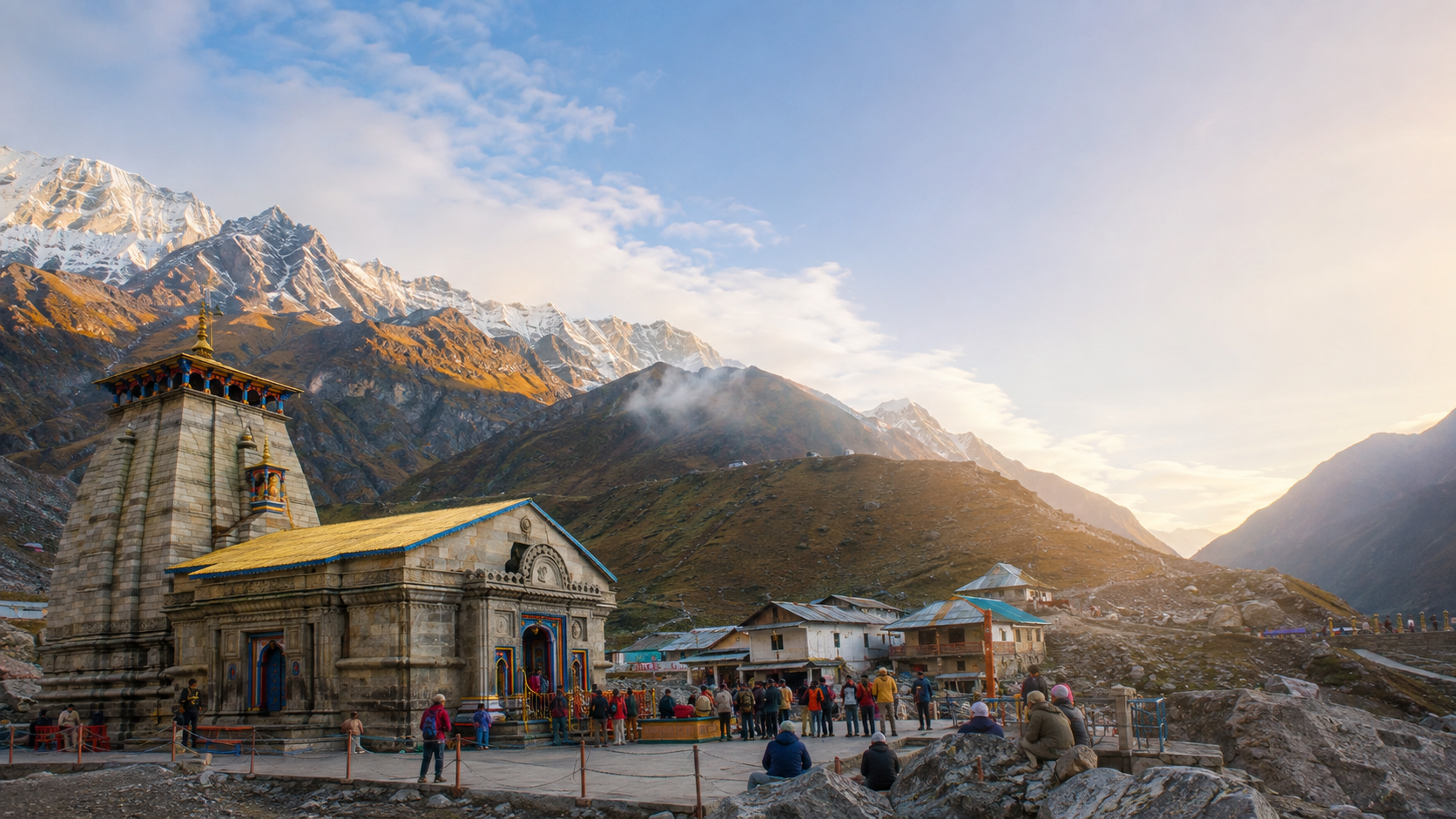
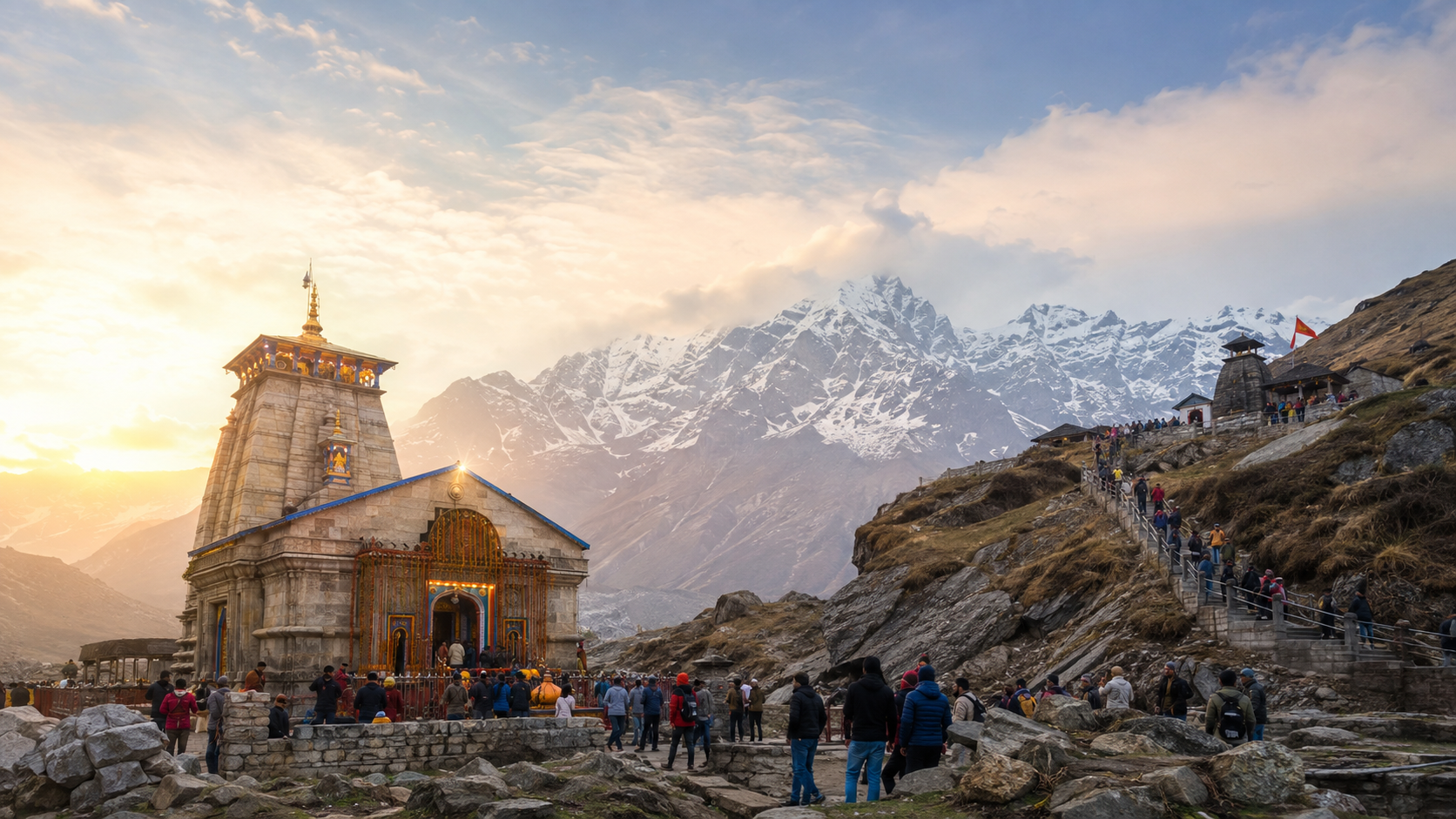
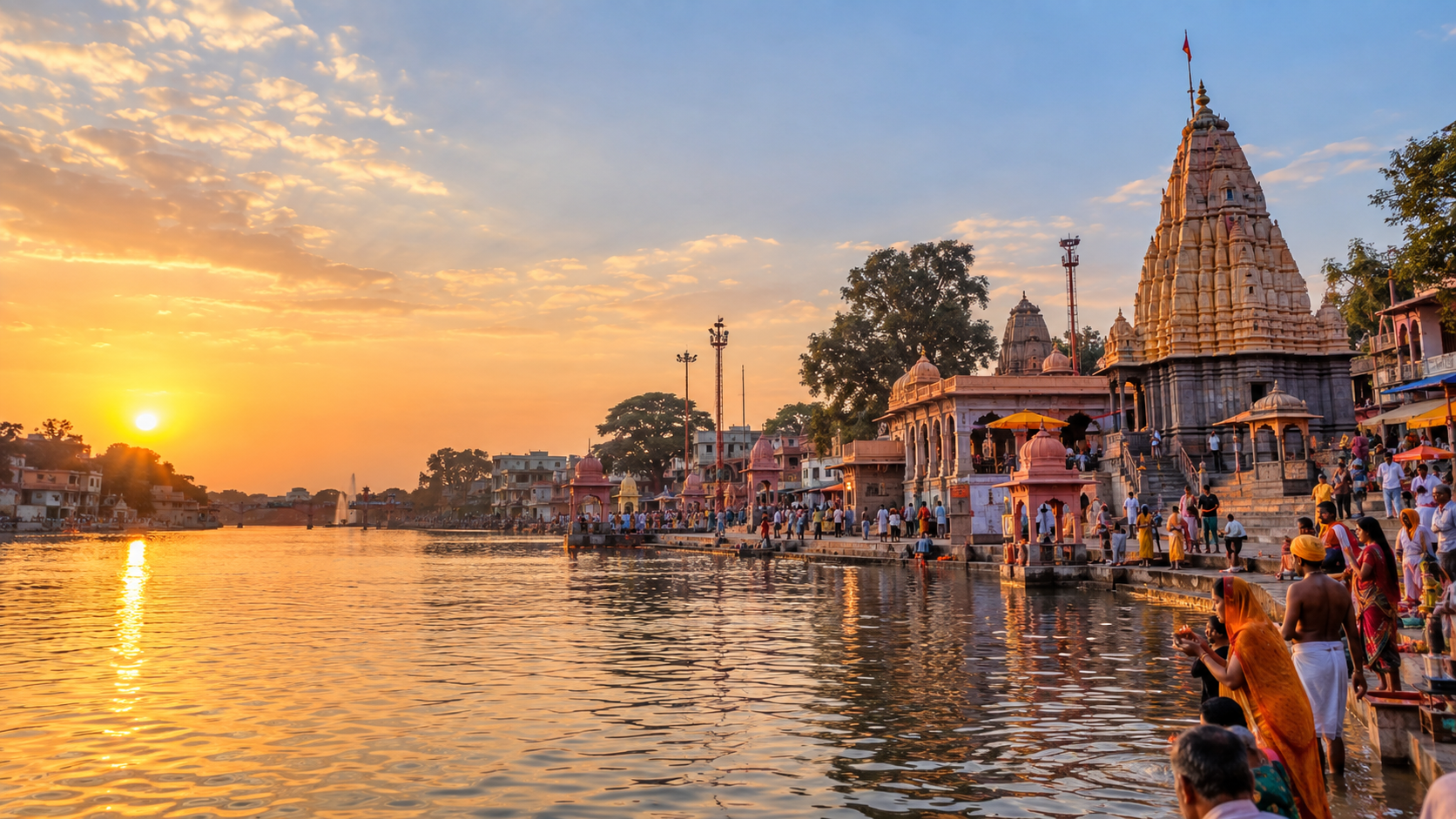
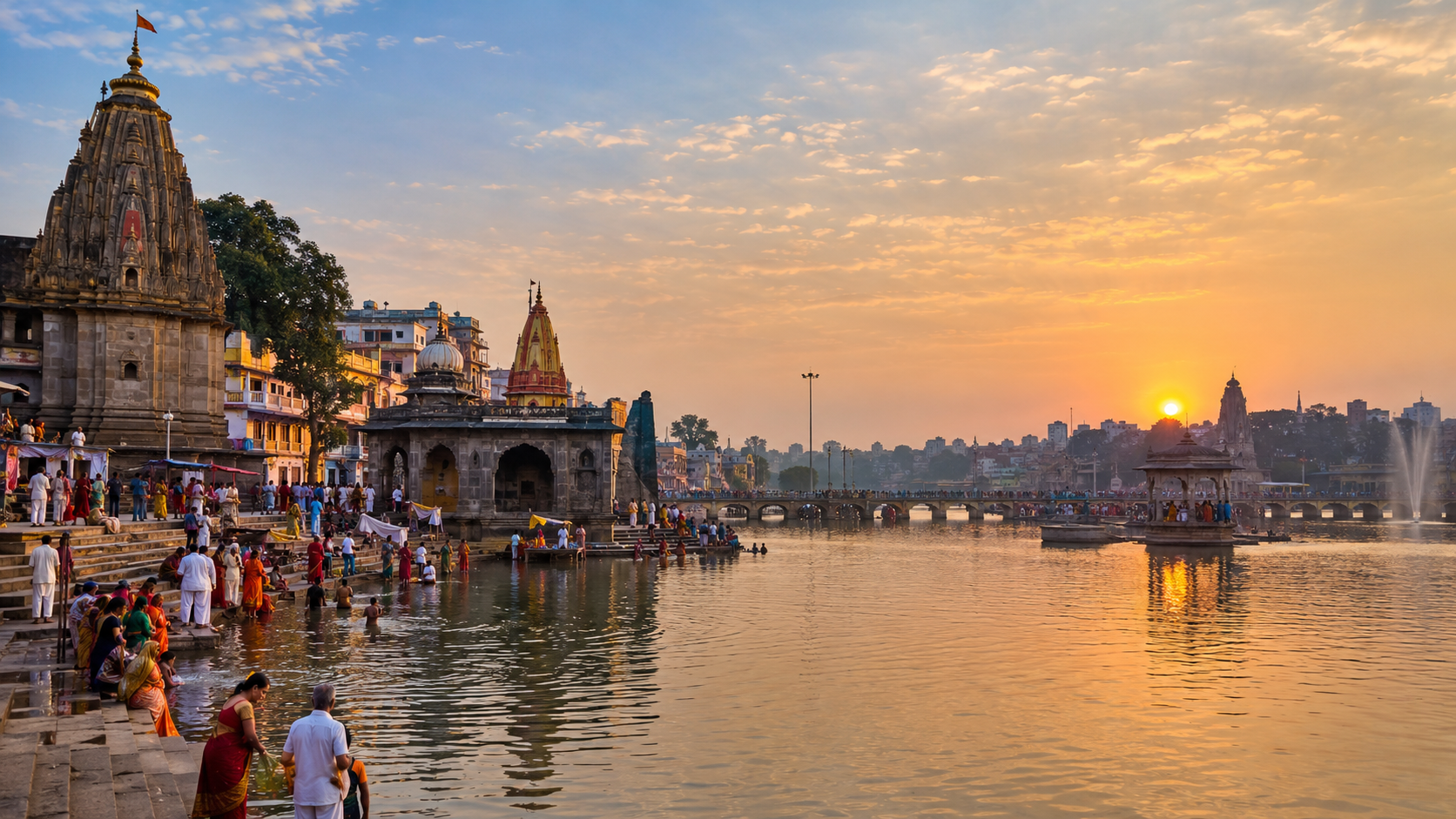
Shri Krishna Janmabhoomi Temple
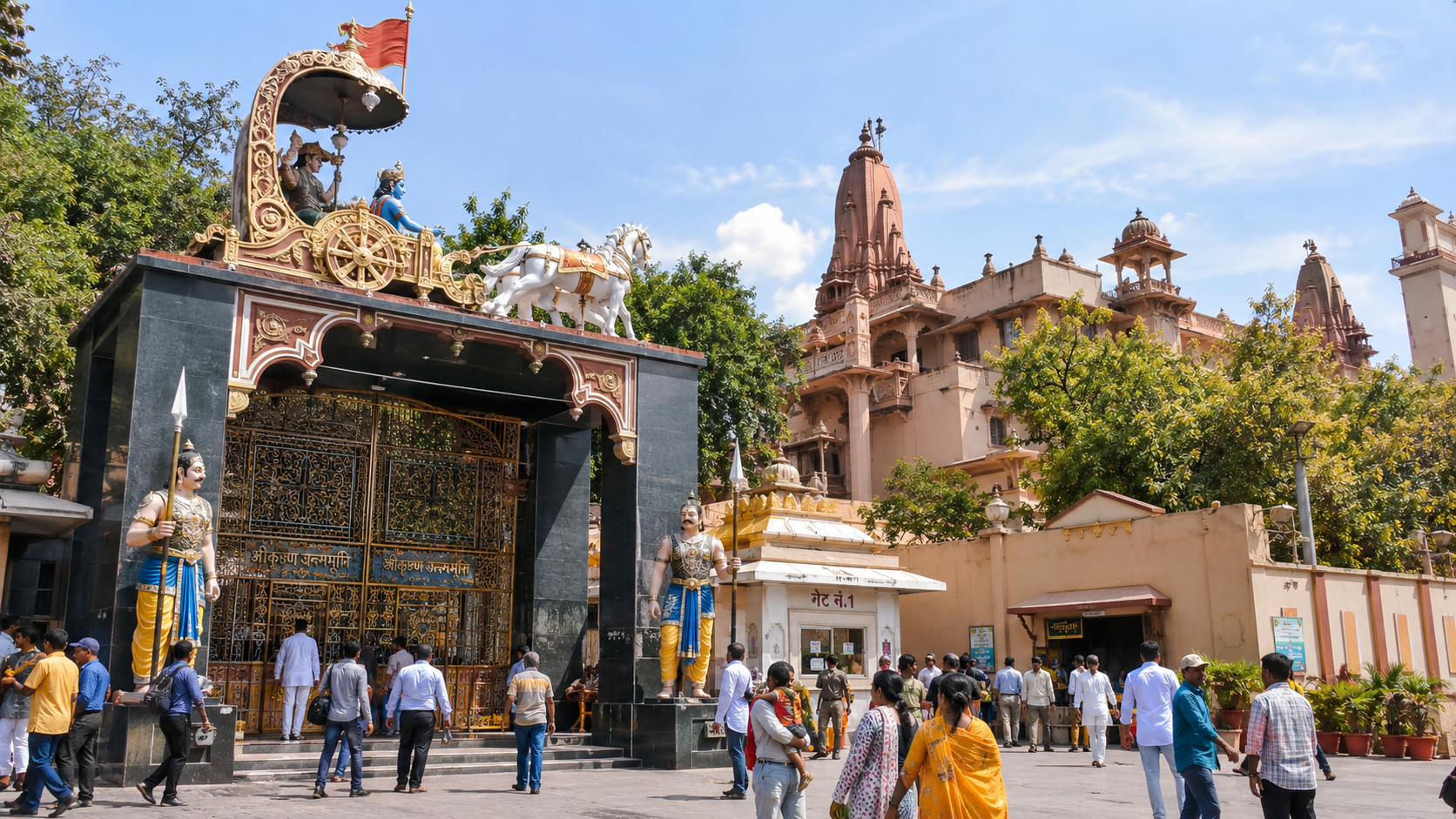
Shri Krishna Janmabhoomi Temple in Mathura is one of the most important pilgrimage sites in Braj, traditionally revered as the birthplace of Lord Krishna. This practical guide covers darshan, timings, history, travel from Mathura Junction, local transport, nearby attractions, accommodation and useful tips for planning a comfortable visit.
Shri Krishna Janmabhoomi Temple, Mathura
Shri Krishna Janmabhoomi Temple stands in the heart of Mathura at the site traditionally identified with the birthplace of Lord Krishna. The pilgrimage complex is associated with the sacred prison cell where, according to Hindu tradition, Krishna was born to Devaki and Vasudeva while Kansa ruled Mathura. The site is also associated with the Keshav Dev Temple and the wider Krishna Janmasthan area.
For pilgrims, the importance of the place is both devotional and historical. A visit is generally planned around darshan of the sacred birthplace, followed by other temples and ghats in Mathura or a continuation towards Vrindavan and the wider Braj region. The district administration identifies Shri Krishna Janmabhoomi among Mathura's principal attractions and provides current tourism information, including a downloadable temple-timing schedule.
The complex is in central Mathura, close to the Katra Keshav Dev area. Because it is an active pilgrimage site rather than simply a monument, visitors should plan for security checks, walking, queues and restrictions on photography and personal belongings.
H2: Why Shri Krishna Janmabhoomi Is Important
Mathura is traditionally regarded as Krishna's birthplace and is one of the central pilgrimage destinations of Braj. The district administration describes Krishna Janmasthan as the place where Lord Krishna manifested in the prison house of Kansa. The tradition connects the site with Krishna's parents, Devaki and Vasudeva, and with the wider story of Krishna's early life in Mathura and Braj.
The sacred focus of the complex is the Garbha Griha, understood by devotees as the prison-cell birthplace. Nearby is the Keshav Dev Temple, while the complex and surrounding area form part of the historic religious landscape of Mathura.
It is useful to distinguish religious tradition from independently verifiable history. Accounts of the earliest temple at the birthplace, its destruction and subsequent rebuilding are preserved in historical and religious traditions, but details differ between sources. The Mathura district administration records traditions that associate an original temple with King Vajra and describe repeated rebuilding over the centuries.
Mathura itself has a much older history. The district administration notes archaeological and historical references to the city extending back to ancient India, while Mathura later became an important centre under several ruling dynasties. The city's historical development is therefore much broader than the temple complex alone.
H2: Krishna Janmabhoomi Darshan and Temple Timings
Darshan timings at Shri Krishna Janmabhoomi can change according to season, religious observances and major festivals. This is particularly important around Krishna Janmashtami, when the normal daily routine should not be assumed.
The Mathura district tourism portal currently links a temple-timing sheet for Braj. That published schedule lists the following timings for Shri Krishna Janmabhoomi:
| Season | Morning | Evening |
|---|---|---|
| Summer | 5:30 AM–12:00 PM | 4:00 PM–9:00 PM |
| Winter | 6:00 AM–12:00 PM | 3:00 PM–8:30 PM |
However, newer travel references currently publish somewhat different timings, including earlier morning openings and later evening closures. This variation is a good reason not to treat a third-party timetable as guaranteed.
For an actual journey, check the latest timing through the temple authorities or the Mathura district tourism information shortly before leaving for the temple. If your itinerary depends on a particular aarti or darshan window, confirm it on the day of travel.
Festival days require additional care. Krishna Janmashtami is the most significant period for this pilgrimage and brings exceptionally large numbers of devotees to Mathura. Special prayers and celebrations extend around midnight, the traditional time associated with Krishna's birth.
H3: Aarti and Darshan Planning
Aarti timings are not necessarily the same as the general opening and closing hours. Daily worship schedules can also be adjusted for festivals and special religious occasions.
If a particular aarti is important to your visit, confirm its timing rather than relying on a generic online timetable. Arriving early is generally the safer choice when you want a quieter darshan, particularly on weekends and important Hindu observances.
H2: Entry Fee and Security Rules
Darshan at the main Shri Krishna Janmabhoomi complex is generally reported as free. Current travel references consistently describe the main temple visit as having no general admission charge.
The more important practical issue is security.
The Mathura district administration states that photography is banned inside the complex. Current visitor information also reports restrictions on mobile phones, cameras and bags within the main temple areas.
Before joining the queue:
• Carry as little as possible.
• Check the current rules for mobile phones, cameras, bags and electronic items.
• Use only the designated deposit or cloakroom arrangements if they are operating.
• Do not assume that an item allowed on one visit will necessarily be permitted during a festival or security-sensitive period.
• Follow instructions from temple security and staff.
Avoid anyone outside the complex offering unofficial priority access, special passes or guaranteed darshan arrangements. Rules and access arrangements can change, particularly during major festivals.
H2: Temple Etiquette for Pilgrims
Shri Krishna Janmabhoomi is an active place of worship, so respectful behaviour matters more than treating the visit as ordinary sightseeing.
Dress modestly and comfortably. Keep voices low near the sacred areas, follow queue instructions and avoid obstructing other devotees. Do not photograph where photography is prohibited.
If you are travelling with elderly family members or children, allow extra time rather than trying to rush through security and darshan. During crowded periods, the queue may take considerably longer than on an ordinary weekday.
Footwear restrictions should be followed wherever indicated, and visitors should respect any additional instructions displayed at the entrance.
H2: Best Time to Visit Shri Krishna Janmabhoomi Temple
For a pilgrimage focused on comfortable darshan and exploring Mathura, the cooler months are generally more pleasant for walking around the city. October to March is a practical period for combining the temple with Mathura's ghats and other attractions.
The winter months can also be busy around major religious dates, weekends and local festivals, so cooler weather does not automatically mean low crowds.
Summer visits require more care because Mathura can become very hot during the day. An early-morning darshan is more comfortable for many travellers, followed by indoor or shaded sightseeing during the warmer hours.
Janmashtami is a different experience altogether. Mathura becomes a major centre of celebration, and the Shri Krishna Janmabhoomi area receives very large crowds. Incredible India describes the festival as a major celebration across Mathura, Vrindavan and the wider Braj region, with special celebrations at the Janmabhoomi temple culminating around midnight.
If your priority is a calm first visit, avoid planning around the busiest festival hours. If your priority is experiencing Janmashtami itself, plan well in advance and verify the special security and access arrangements before travelling.
H2: How to Reach Shri Krishna Janmabhoomi from Mathura
Mathura is well connected by rail and road, making the city convenient for pilgrims arriving from Delhi, Agra and other North Indian cities.
By Train
Mathura Junction is the city's principal railway station and is served by trains connecting it with major cities. The district administration lists Mathura Junction and Mathura Cantt among the city's railway stations.
From Mathura Junction, the temple can be reached by auto-rickshaw, e-rickshaw or taxi. Road conditions and traffic around the old city can affect journey time, particularly during festivals, so allow a reasonable buffer.
By Road
Mathura has regular bus connections and road links with major cities. The district administration places Mathura approximately 145 km from Delhi and around 50–58 km from Agra, although the actual road distance varies according to the starting point and route.
If driving yourself, check local parking arrangements before entering the temple area. During busy pilgrimage periods, road restrictions and pedestrian movement can make the final approach slower than expected.
By Air
For air travellers, the district administration lists Kheria Airport in Agra as the nearest airport at roughly 46 km from Mathura and Indira Gandhi International Airport in Delhi at roughly 136 km.
The practical choice depends on flight availability, road traffic and where the rest of your itinerary begins.
H2: Local Transport in Mathura
Auto-rickshaws and e-rickshaws are useful for moving around central Mathura and between the railway station, temple area, ghats and other attractions. Taxis and app-based or locally arranged cabs can be more convenient for families carrying luggage or for a full-day Mathura-Vrindavan itinerary.
For the final stretch around busy temple areas, be prepared for slower traffic and walking. A vehicle may not take you directly to the point where you want to enter the complex.
A useful approach is to keep the temple visit as one walking-based segment of your day and group nearby attractions together rather than repeatedly travelling across Mathura.
H2: Places to Visit Near Krishna Janmabhoomi
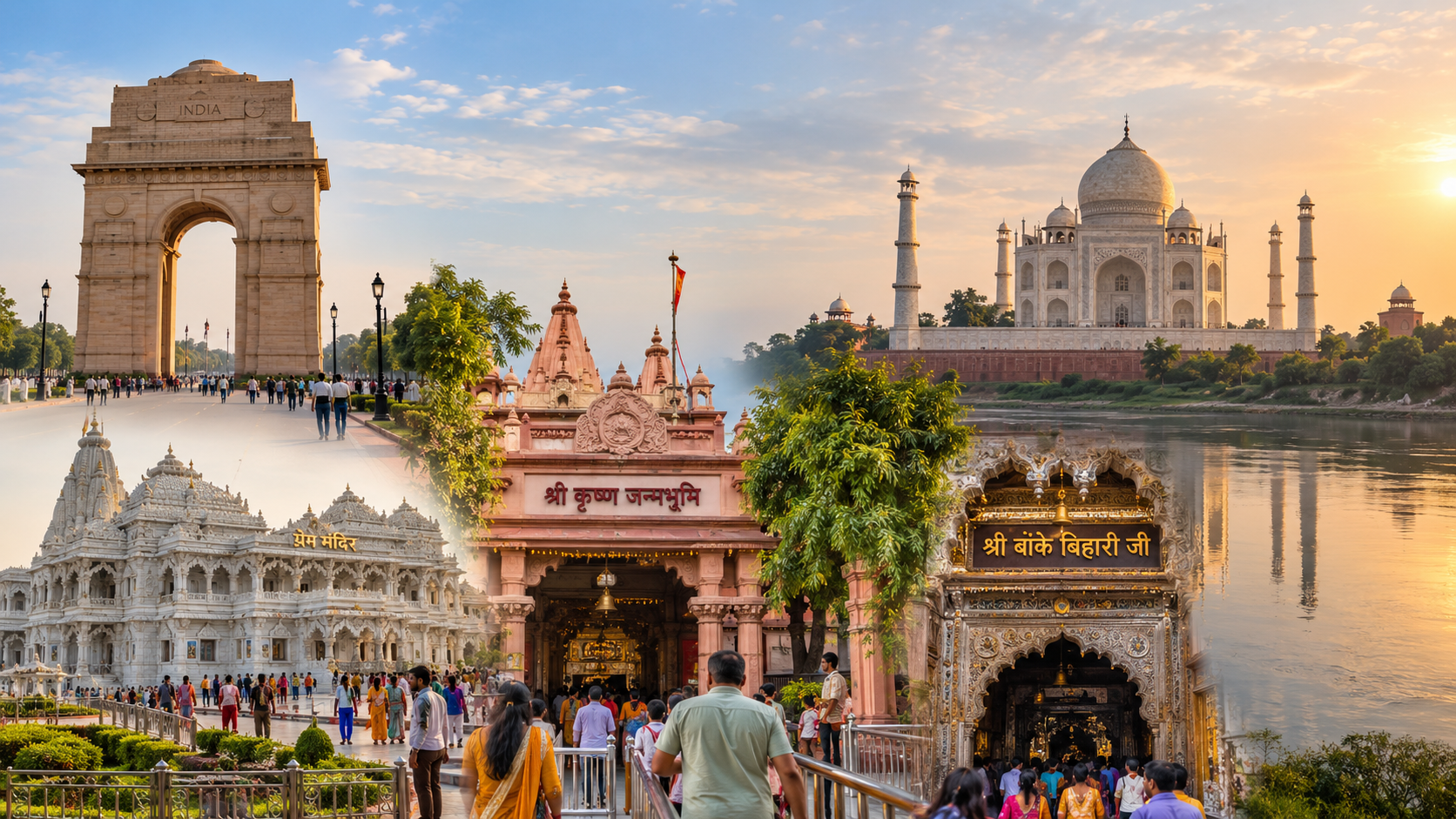
A visit to Krishna Janmabhoomi can easily form the centre of a wider Mathura pilgrimage.
H3: Keshav Dev Temple
Keshav Dev Temple is closely associated with the Krishna Janmasthan area and stands beside the Janmabhoomi complex. The district administration identifies it as part of the sacred landscape surrounding the traditional birthplace.
H3: Dwarkadhish Temple
Dwarkadhish Temple is one of Mathura's important Krishna temples. It is situated near Vishram Ghat and can be combined with a visit to the Yamuna-side area. The district administration identifies the temple as a major Mathura attraction.
H3: Vishram Ghat
Vishram Ghat is one of Mathura's best-known riverfront pilgrimage locations. It is a natural addition to a Janmabhoomi itinerary if you want to experience the city's Yamuna-side religious atmosphere. Incredible India also lists Krishna Janmabhoomi among attractions close to Vishram Ghat.
H3: Government Museum, Mathura
For travellers interested in the region's archaeology and art, the Government Museum provides a useful complement to the temple visit. The district administration includes the museum among Mathura's principal attractions.
H3: Vrindavan
Vrindavan is approximately 11 km from Mathura according to the district administration and can be combined with a Mathura pilgrimage.
Travellers commonly plan Mathura and Vrindavan together, but avoid trying to cover too many temples in a single rushed day. Temple schedules vary, and some have afternoon breaks or fixed darshan windows.
H2: Stay Near Krishna Janmabhoomi
Mathura offers a range of accommodation options, from simple pilgrim-oriented stays and dharamshalas to conventional hotels. The best location depends on how you plan to travel.
For a short temple-focused visit, staying in or around central Mathura can reduce unnecessary transfers. For a wider Braj itinerary, a hotel with convenient road access may be more practical.
Families travelling with elderly members should prioritise easy vehicle access, clean washrooms and a comfortable place to rest between temple visits rather than choosing accommodation solely because it is closest to a shrine.
The district administration also maintains tourism information covering accommodation in Mathura, which can be useful when checking locally available options.
H2: Accessibility and Practical Planning
A temple pilgrimage can involve standing, walking, queues and security checks. Visitors with limited mobility should plan accordingly and confirm current arrangements with the temple before travelling if they require specific assistance.
Do not assume that a vehicle can stop directly at the entrance or that a wheelchair can be taken through every part of the complex. Access arrangements may change according to security conditions and crowd levels.
For a smoother visit:
- Check the latest darshan schedule before leaving your hotel.
- Keep your belongings to a minimum because security restrictions apply.
- Carry drinking water for the journey, but check where bottles can be taken before entering the secured area.
- Wear comfortable footwear suitable for walking and standing.
- Keep extra time for queues, especially on weekends and festival days.
- If travelling by train, allow a buffer between your expected arrival at Mathura Junction and your temple entry time.
- Plan nearby sightseeing around the temple's darshan window rather than assuming the temple remains continuously open.
- Confirm special arrangements if travelling on Janmashtami, Holi, Ekadashi or another major religious occasion.
H2: A Practical Mathura Pilgrimage Plan
For a first-time visitor, an efficient sequence is to begin with Shri Krishna Janmabhoomi in the morning, then explore nearby Mathura attractions before continuing to the Yamuna ghats later in the day.
A simple plan could be:
Morning
• Arrive in Mathura and travel to the Janmabhoomi area.
• Complete security checks and darshan.
• Visit the associated temple areas that are open to visitors.
Late morning or afternoon
• Have breakfast or lunch in a suitable local establishment.
• Visit the Government Museum or other nearby attractions.
• Rest during any afternoon temple closures.
Evening
• Visit Dwarkadhish Temple if its current darshan schedule fits your plan.
• Spend time around Vishram Ghat.
• Continue to Vrindavan if you are travelling onward and have checked the evening temple schedules.
This is only a planning framework. Individual temple timings, festival arrangements and traffic conditions can change, so the day's sequence should be adjusted accordingly.
H2: Final Travel Tips for Krishna Janmabhoomi Mathura
The most important thing to remember about Shri Krishna Janmabhoomi Temple is that the visit is a pilgrimage first and a sightseeing stop second. Give yourself enough time for security, walking and darshan rather than building an itinerary with back-to-back fixed appointments.
The district's official tourism information is the best starting point for checking current local guidance, while the temple's own instructions should take priority for access, security and special-event arrangements. The district portal itself notes that temple timings are available through its tourism resources.
For travellers coming to Mathura for the first time, combining Krishna Janmabhoomi with Dwarkadhish Temple, Vishram Ghat and selected attractions in Vrindavan can make the pilgrimage more meaningful without turning it into a rushed checklist.
If you are planning a visit to Shri Krishna Janmabhoomi Temple and would like help arranging the route, sightseeing sequence, local transport or a wider Mathura-Vrindavan pilgrimage, Trip to Yatra can help you plan the journey around your dates, group size and preferred pace.