Journey Start
ChandigarhStart
Email Anytime
contact@triptoyatra.in
Call Anytime
Email Anytime
Call Anytime
46 packages available
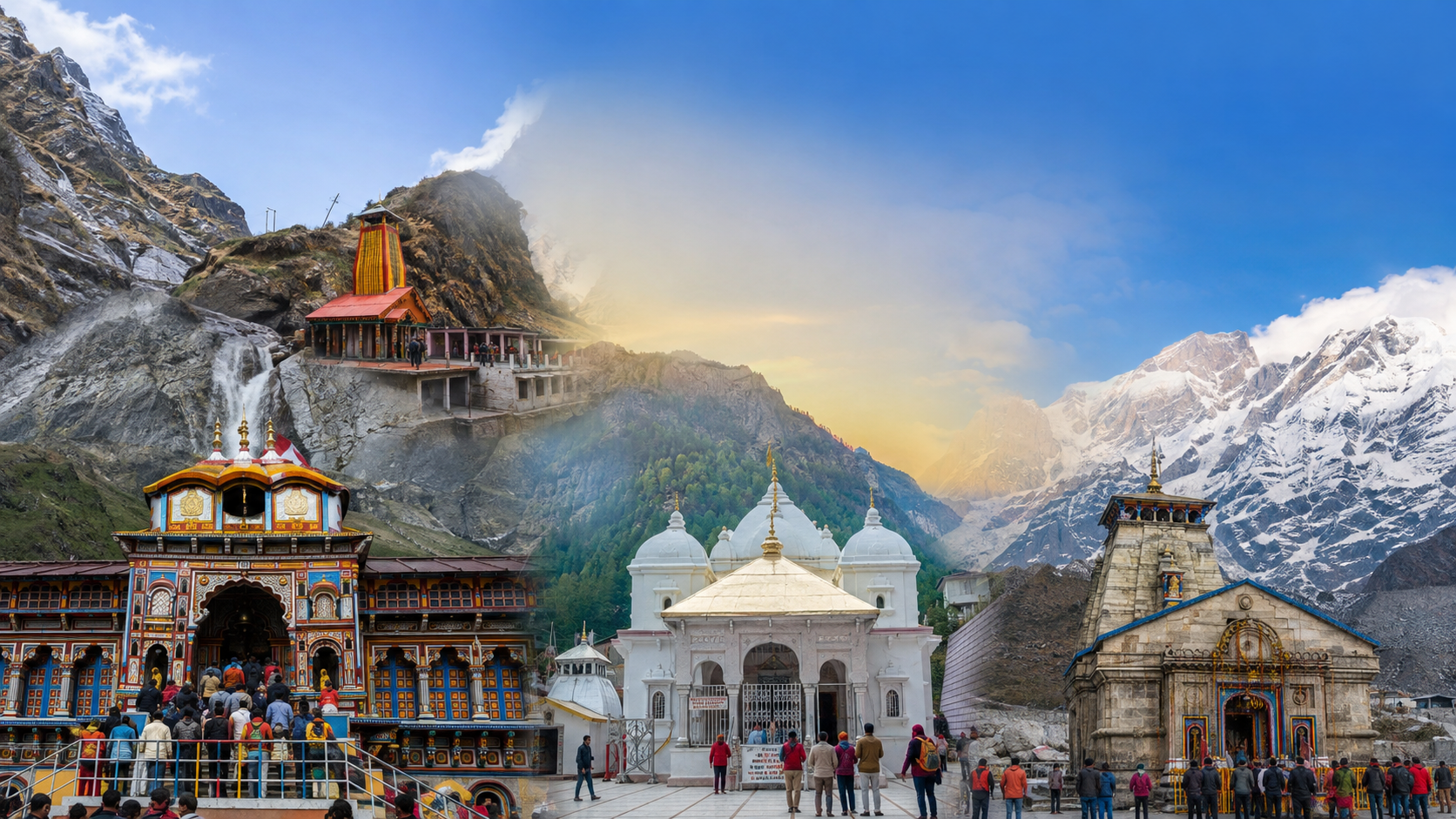
Plan a meaningful pilgrimage to Uttarakhand’s four sacred Himalayan shrines with this 12 Days / 11 Nights Chardham Yatra package from Delhi. The Delhi-to-Delhi journey brings together Yamunotri, Gangotri, Kedarnath and Badrinath, with time in important gateway destinations such as Haridwar and Rishikesh. Designed for travellers who want a structured Char Dham pilgrimage without having to coordinate every travel detail themselves, the package combines spiritual visits with the distinctive mountain landscapes of Uttarakhand. As the shrines are seasonal and high-altitude destinations, travel dates, registration requirements and access conditions should be checked before booking. Enquire with Tr
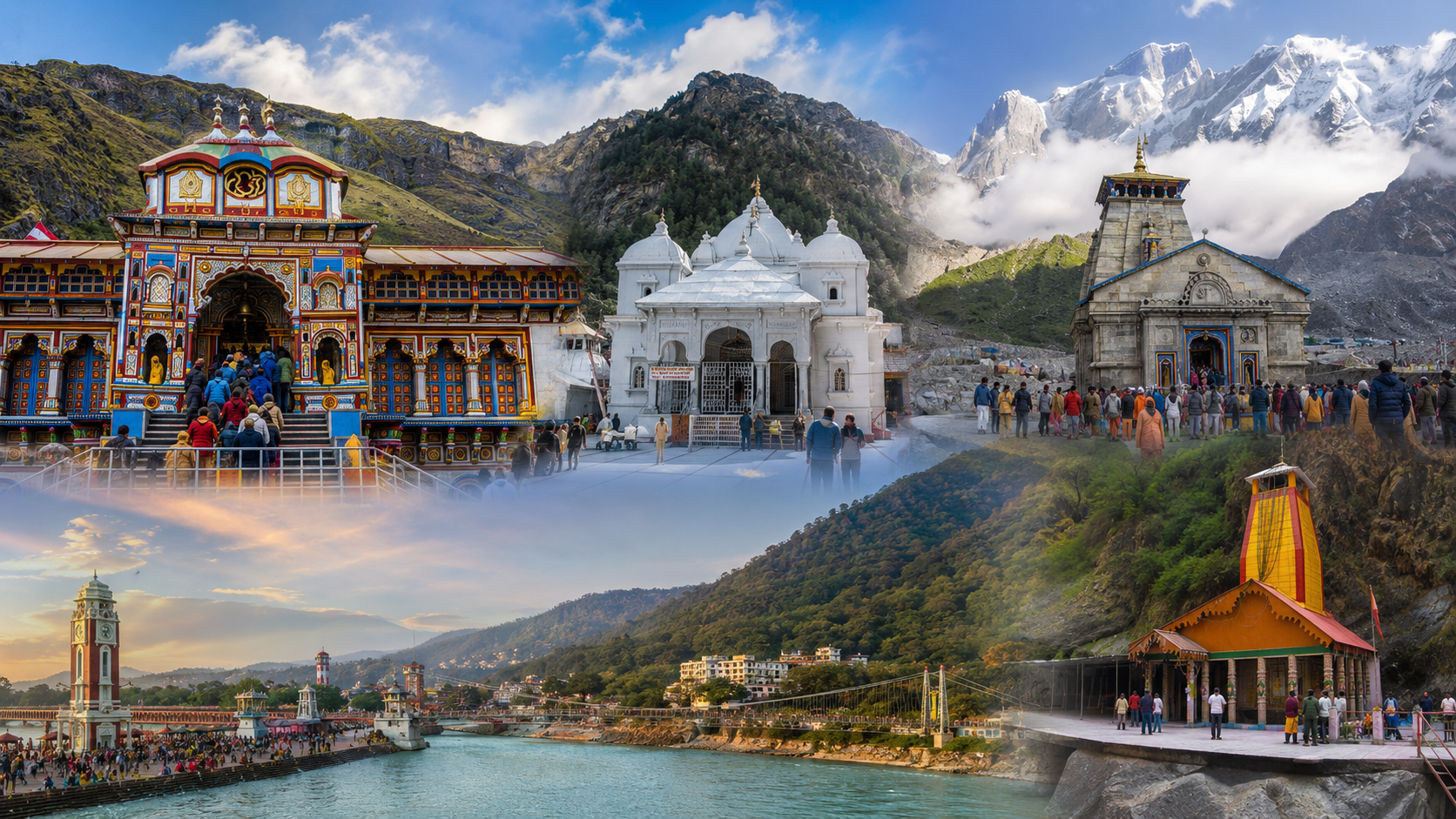
Plan your sacred Himalayan journey with our Chardham Yatra package from Haridwar, designed for travellers wishing to visit Yamunotri, Gangotri, Kedarnath and Badrinath in one organised pilgrimage. This 10 Days / 9 Nights journey starts and concludes in Haridwar and follows the traditional Char Dham sequence through Uttarakhand. Along with the four principal shrines, the journey brings you through the spiritual landscape of the Garhwal Himalayas, with Rishikesh associated with the overall travel region. As mountain conditions, temple opening dates, registrations and access arrangements can change, final 2027 operational details should be verified before departure.
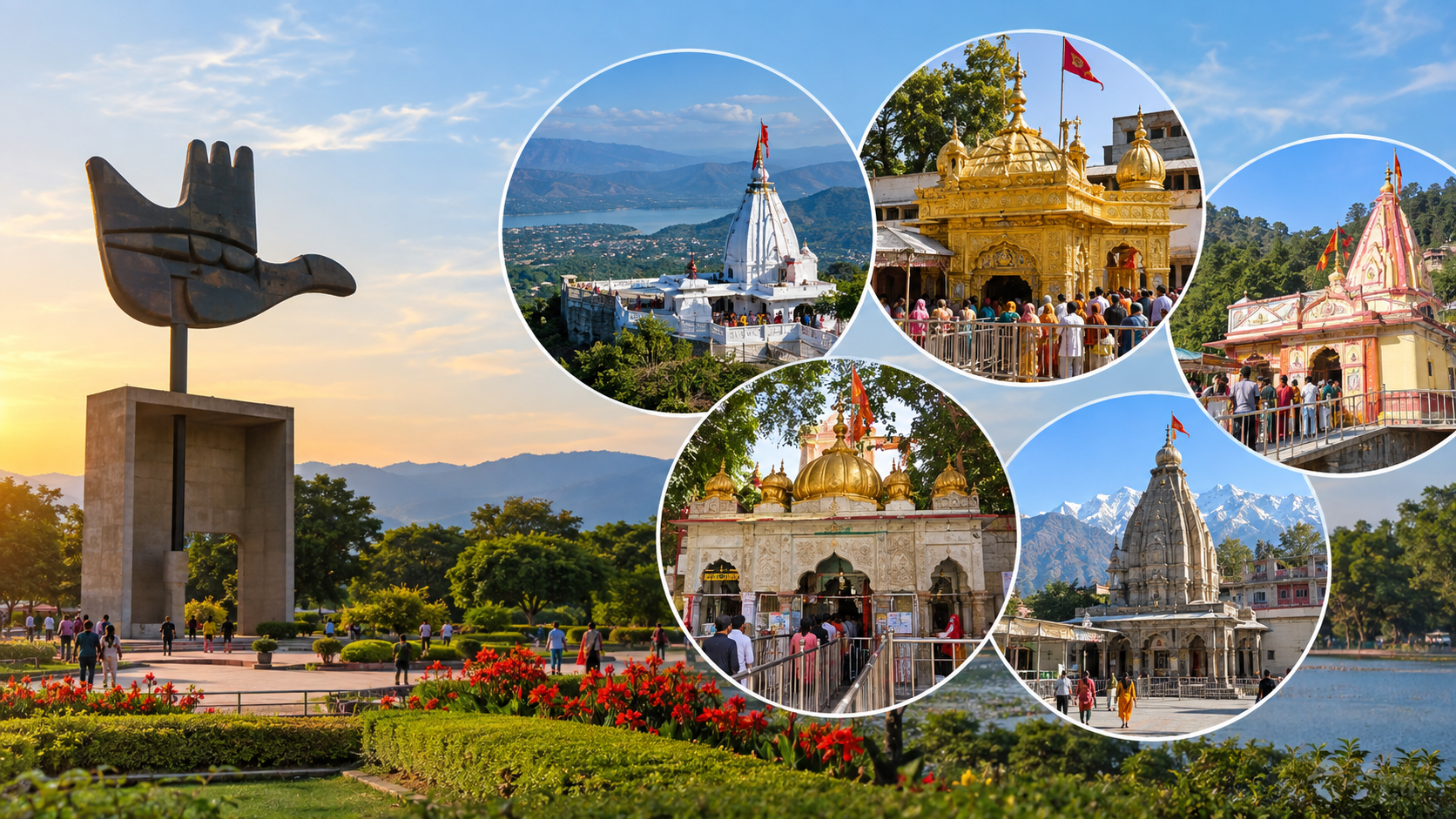
Himachal 5 Devi Darshan from Chandigarh. Package details, itinerary and pricing can be completed in the CRM.
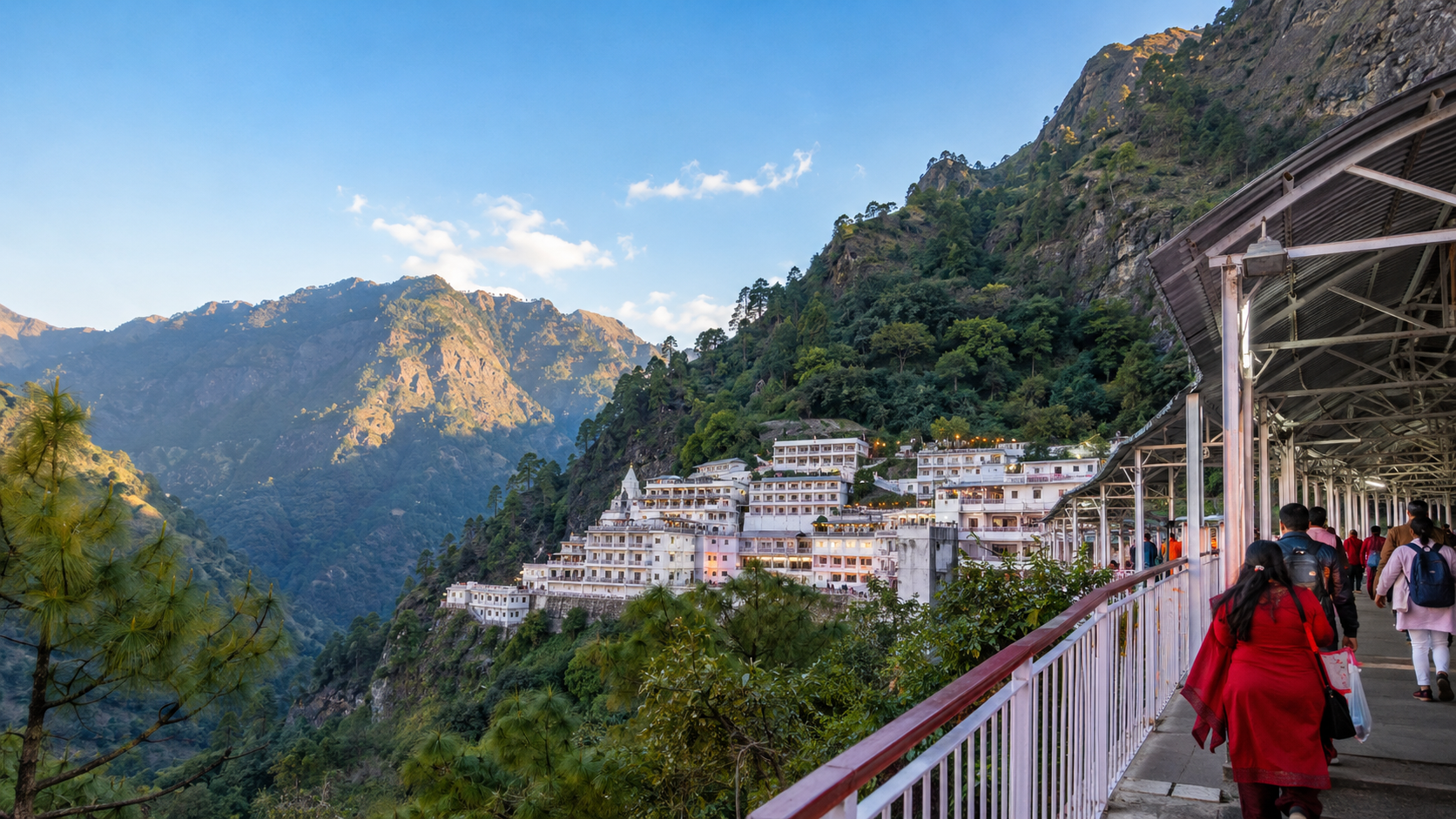
Vaishno Devi Yatra from Katra. Package details, itinerary and pricing can be completed in the CRM.
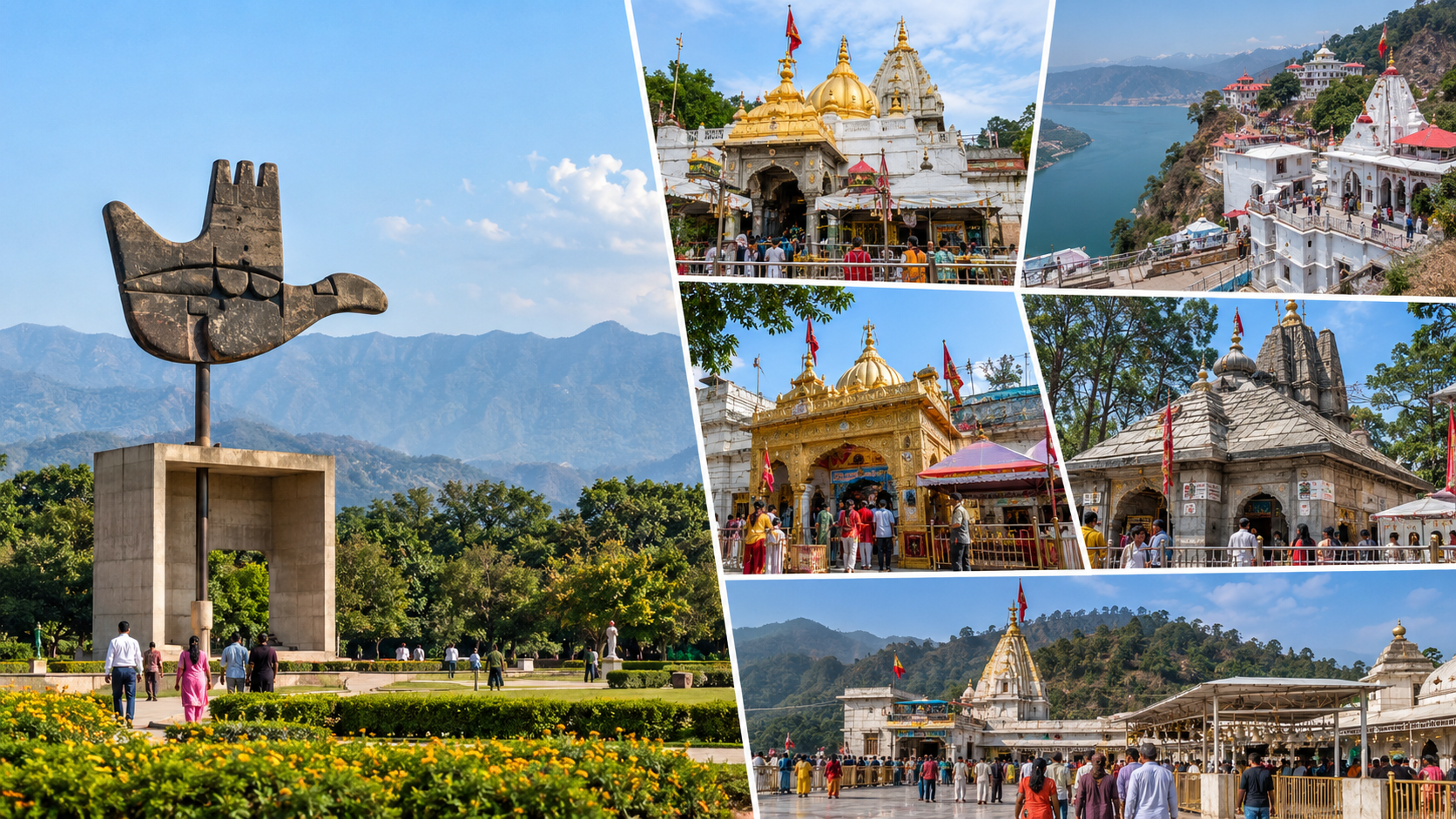
9 Devi Yatra from Chandigarh. Package details, itinerary and pricing can be completed in the CRM.
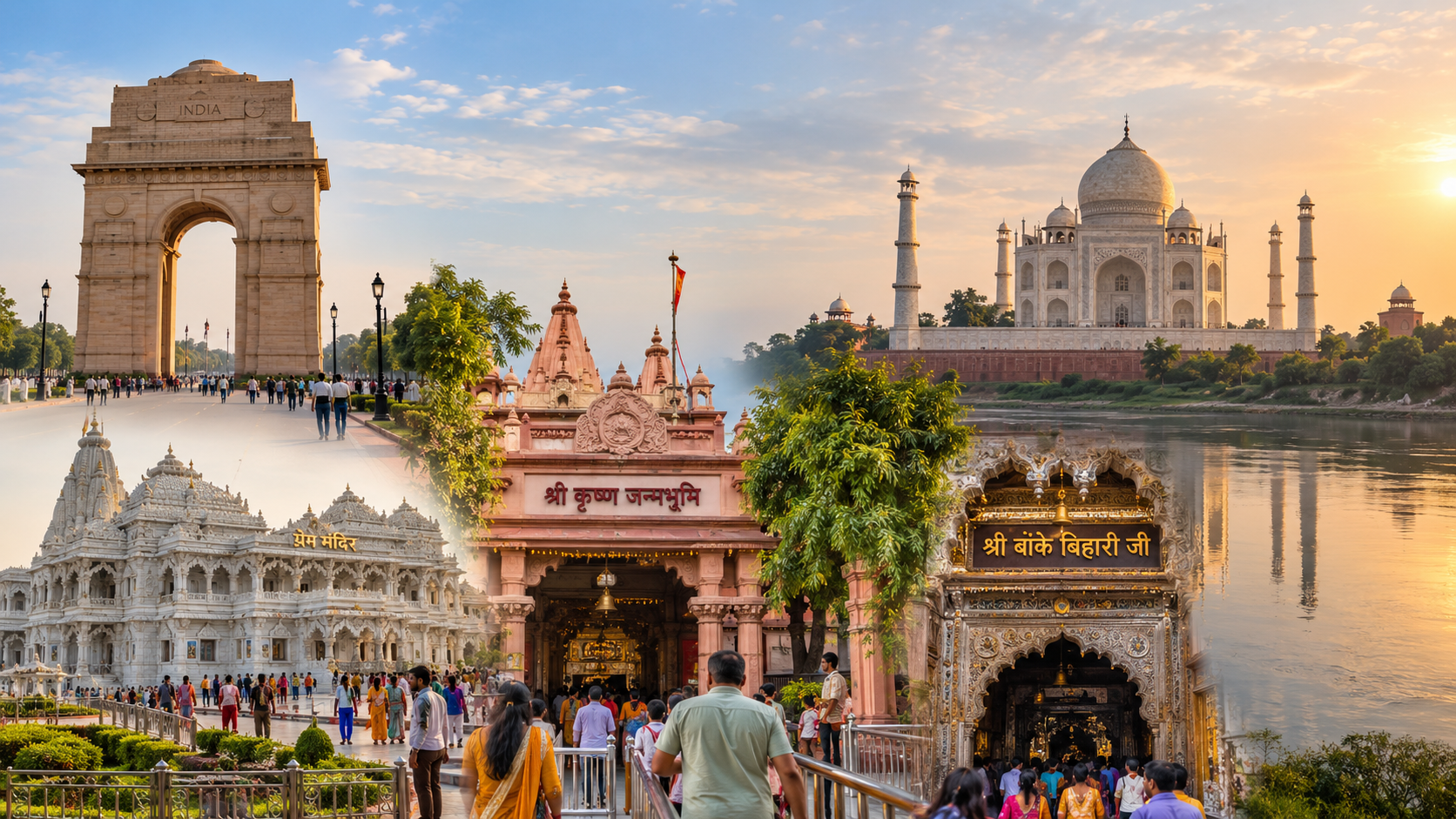
Agra Mathura Vrindavan Tour from Delhi. Package details, itinerary and pricing can be completed in the CRM.
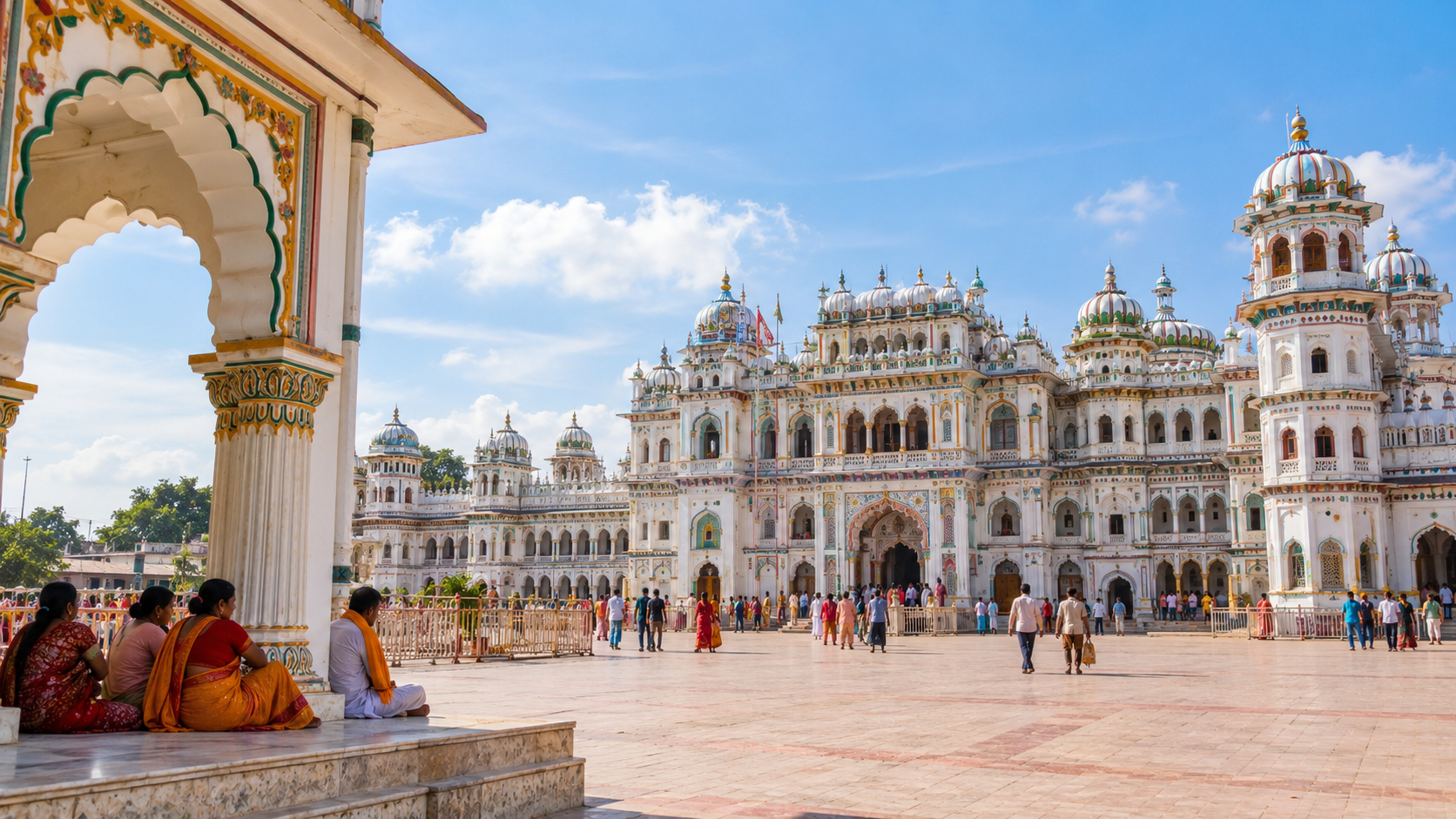
Sitamarhi Janakpur Tour from Darbhanga. Package details, itinerary and pricing can be completed in the CRM.
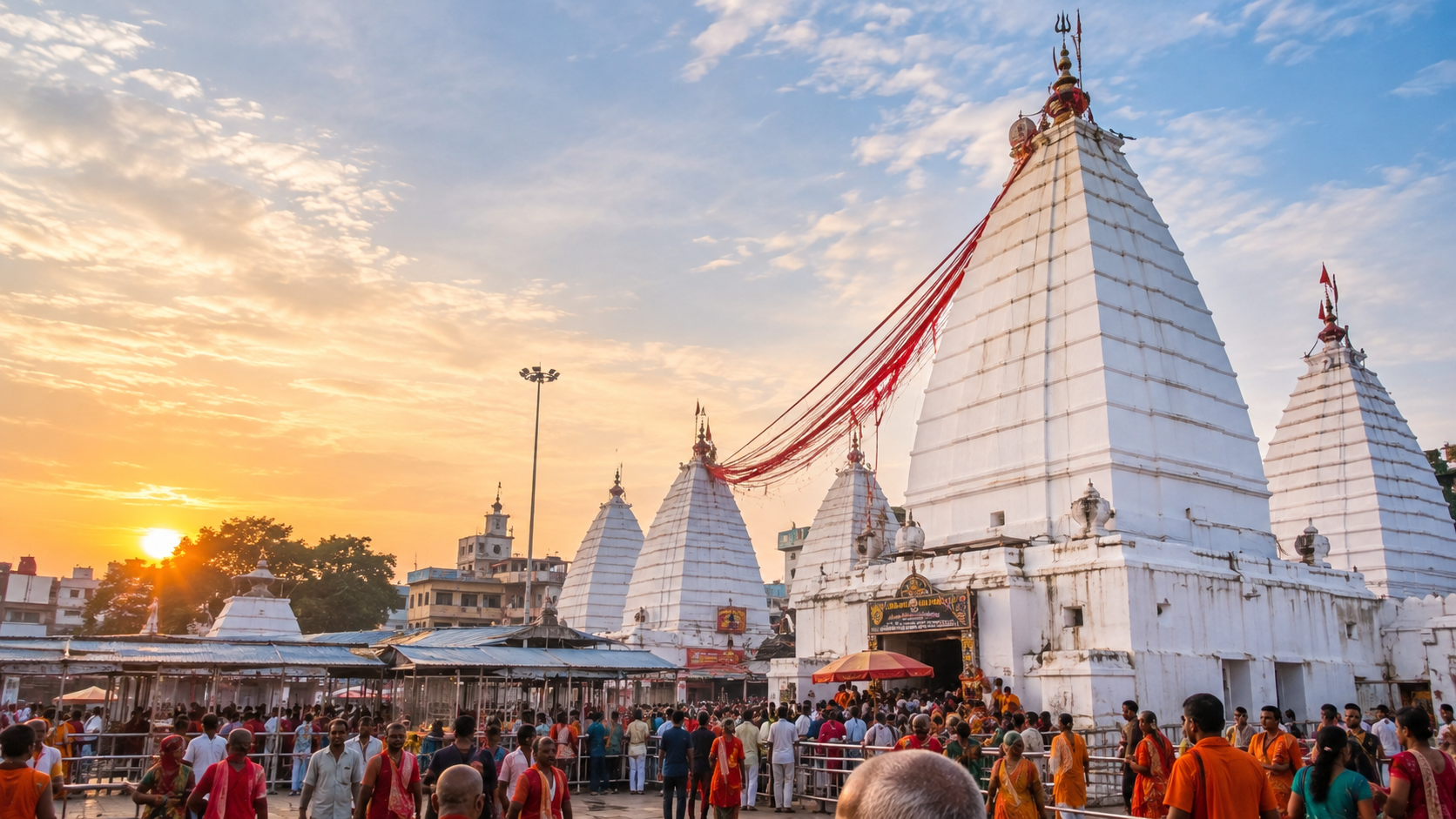
Deoghar Basukinath Tour from Deoghar. Package details, itinerary and pricing can be completed in the CRM.
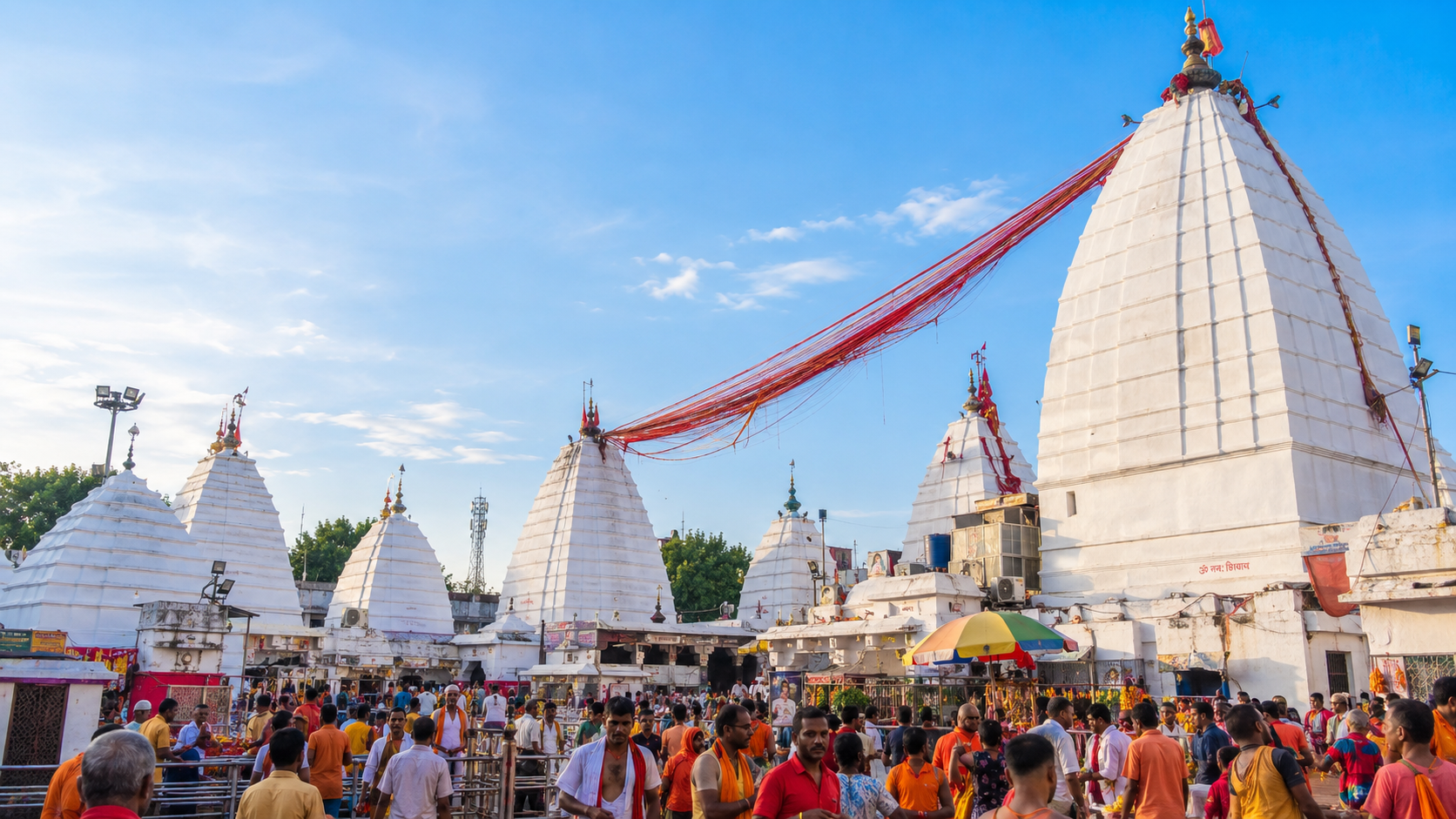
Deoghar Baba Dham Tour from Deoghar. Package details, itinerary and pricing can be completed in the CRM.
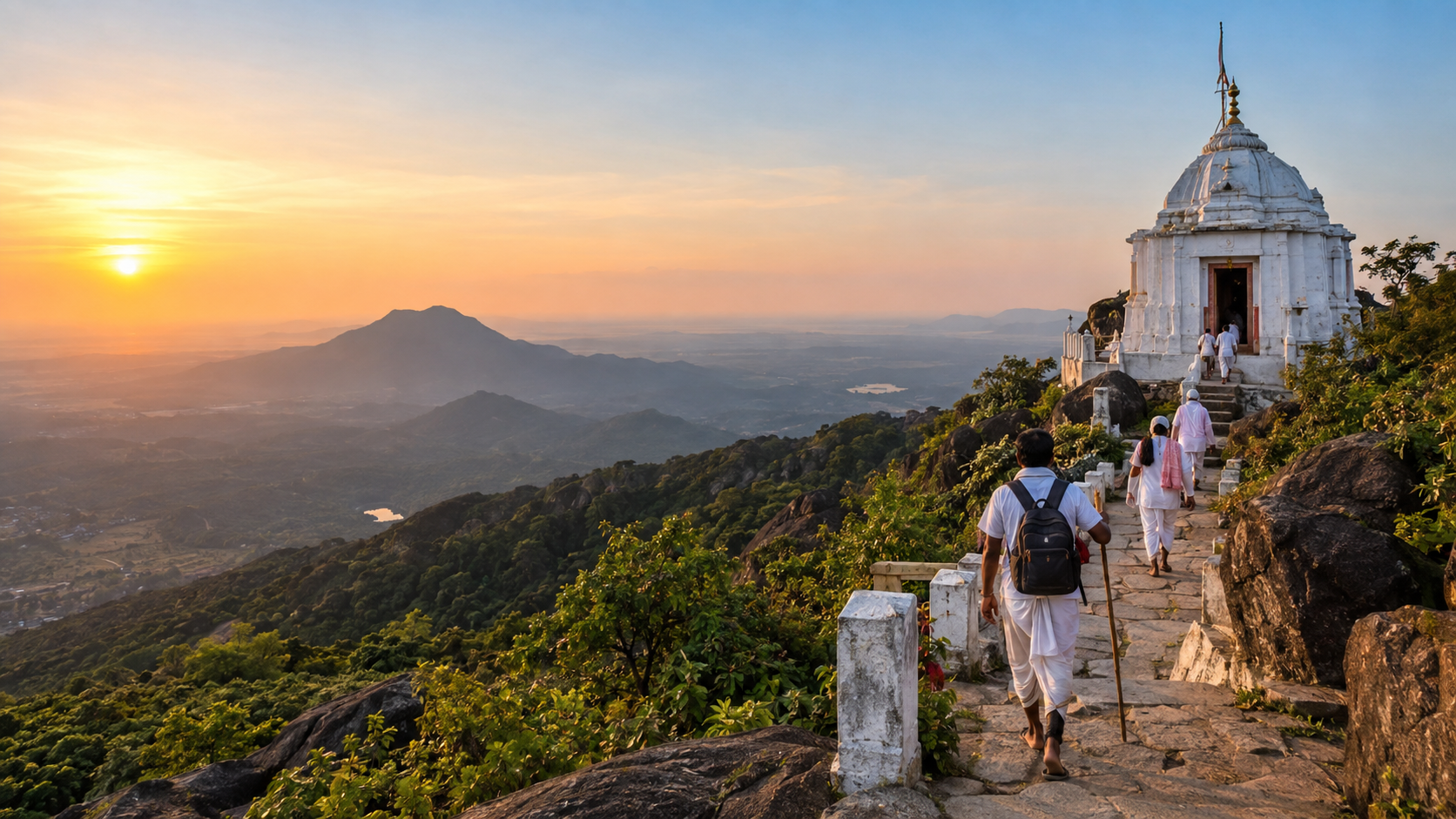
Shikharji Tour from Ranchi. Package details, itinerary and pricing can be completed in the CRM.
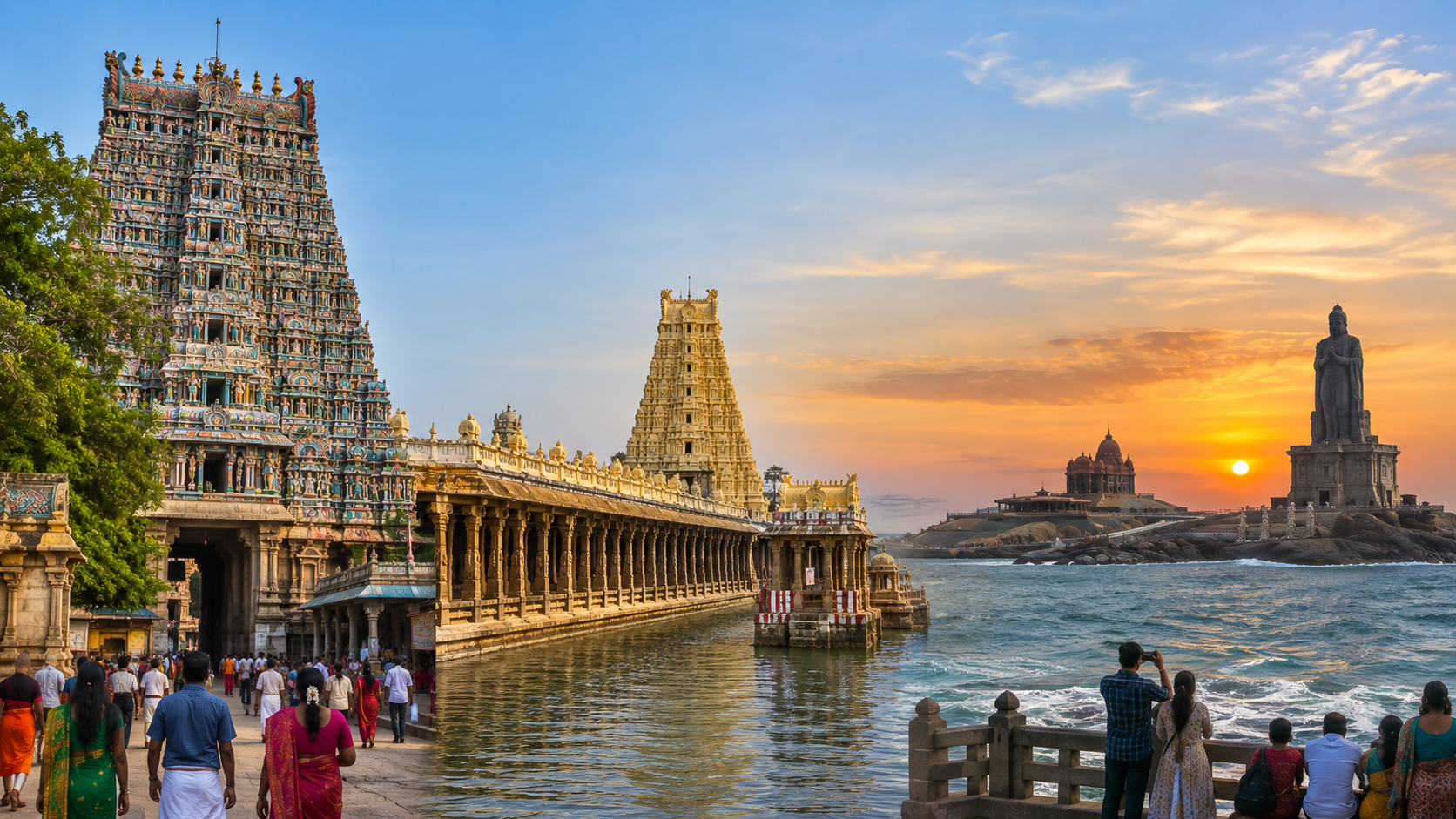
Madurai Rameswaram Kanyakumari Tour from Madurai. Package details, itinerary and pricing can be completed in the CRM.
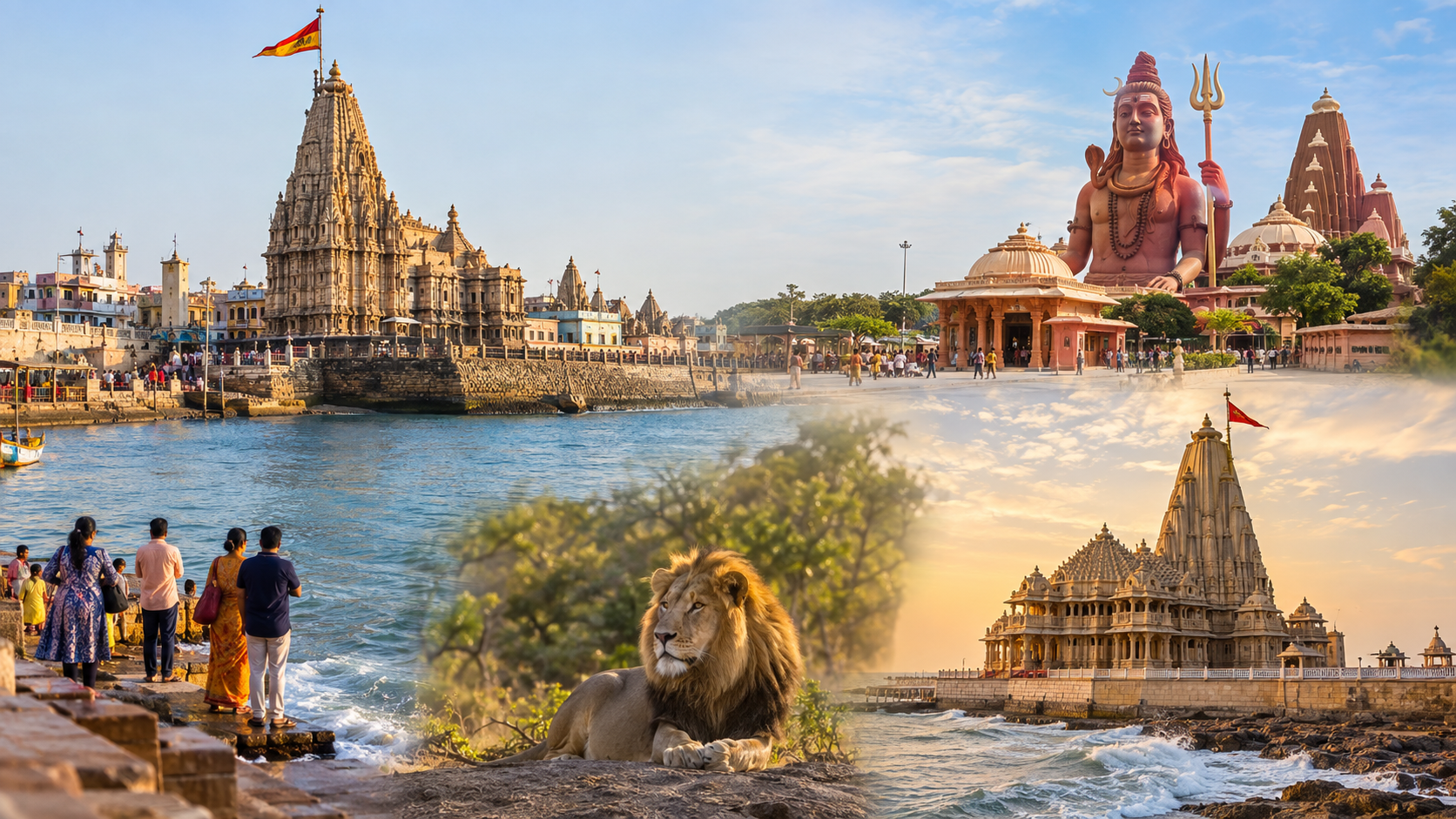
Dwarka Somnath Nageshwar Gir Tour from Rajkot. Package details, itinerary and pricing can be completed in the CRM.
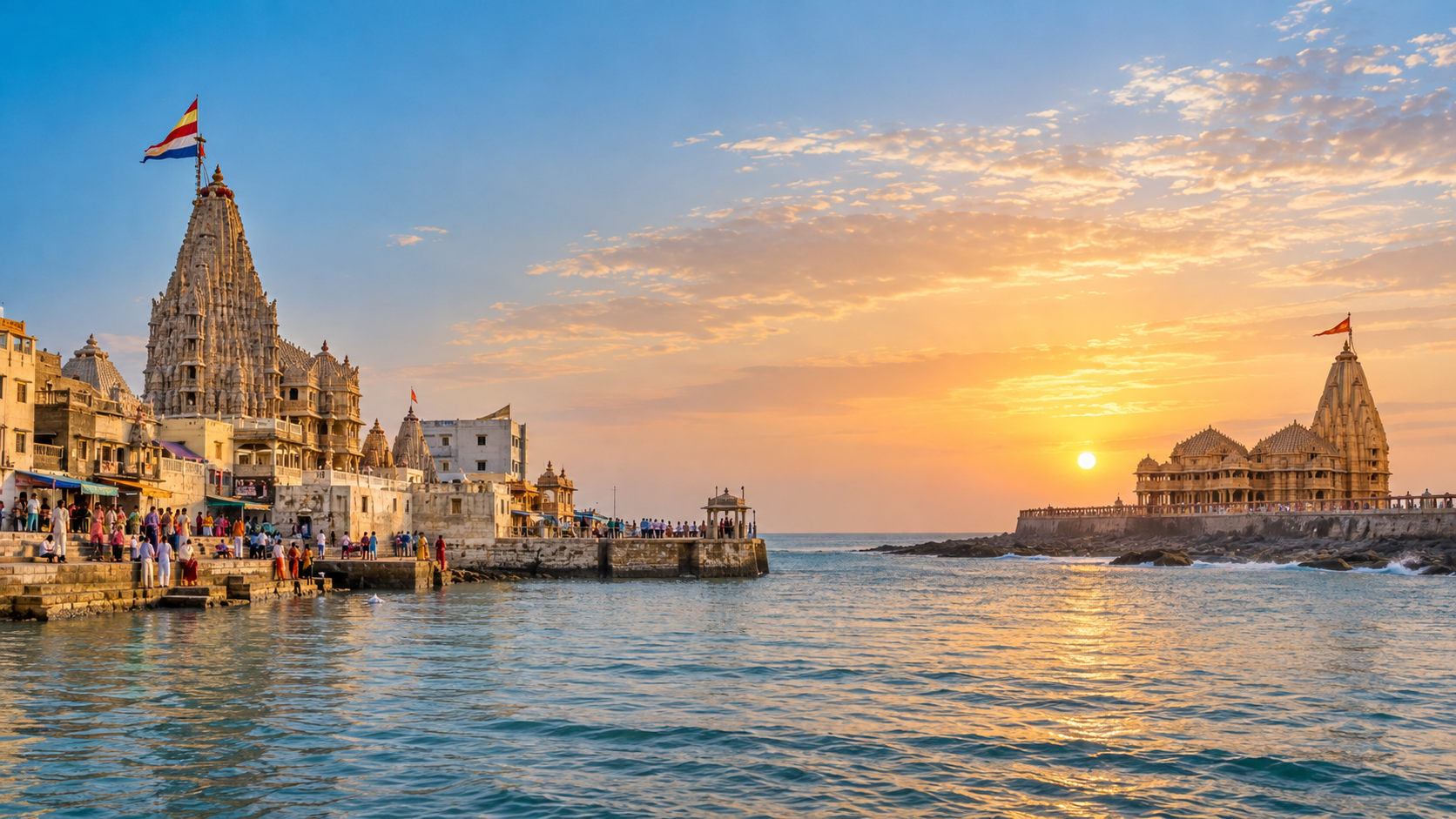
Dwarka Somnath Tour from Rajkot. Package details, itinerary and pricing can be completed in the CRM.
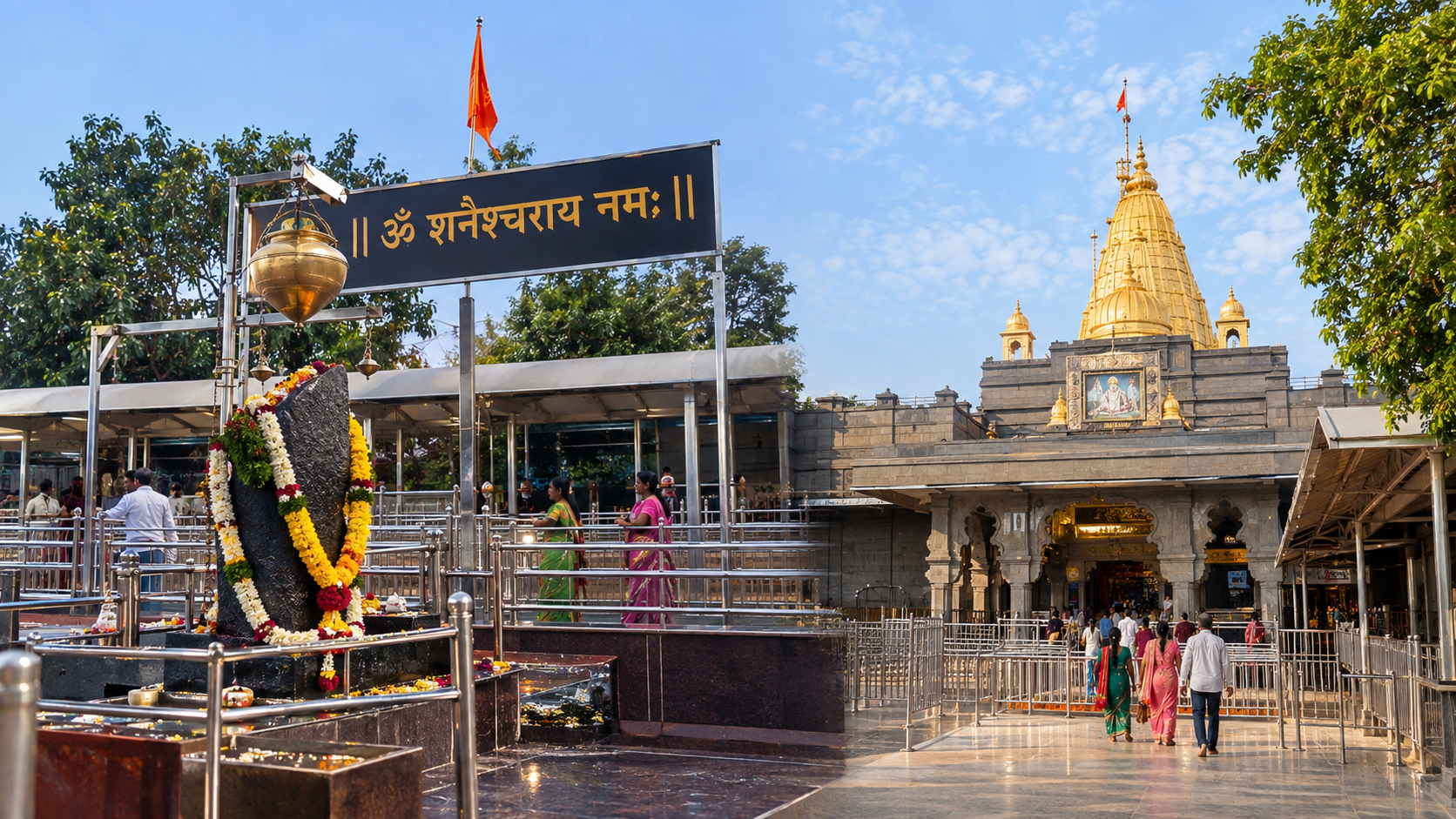
Shirdi Shani Shingnapur Tour from Shirdi. Package details, itinerary and pricing can be completed in the CRM.
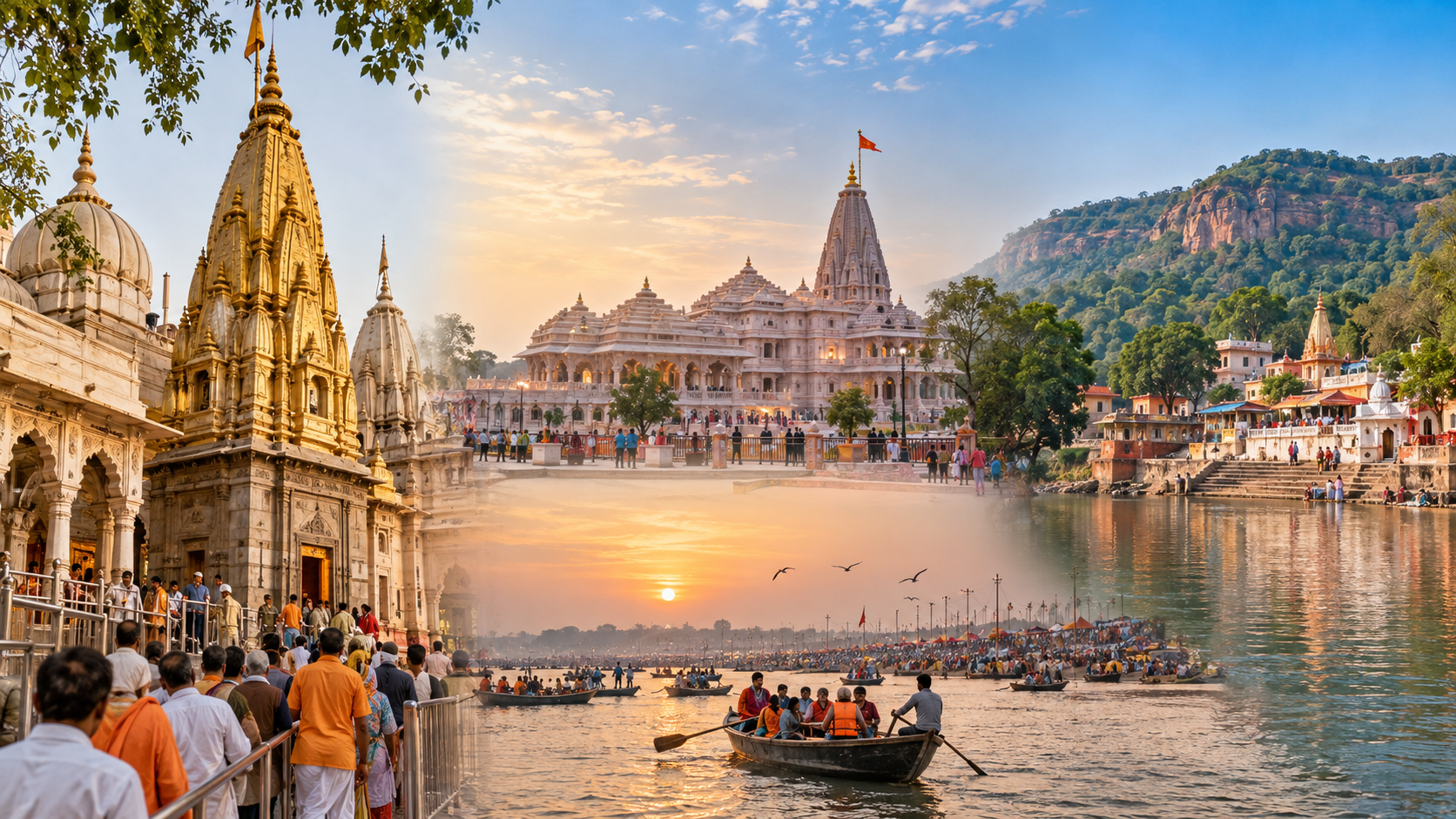
Varanasi Ayodhya Prayagraj Chitrakoot Tour from Varanasi. Package details, itinerary and pricing can be completed in the CRM.
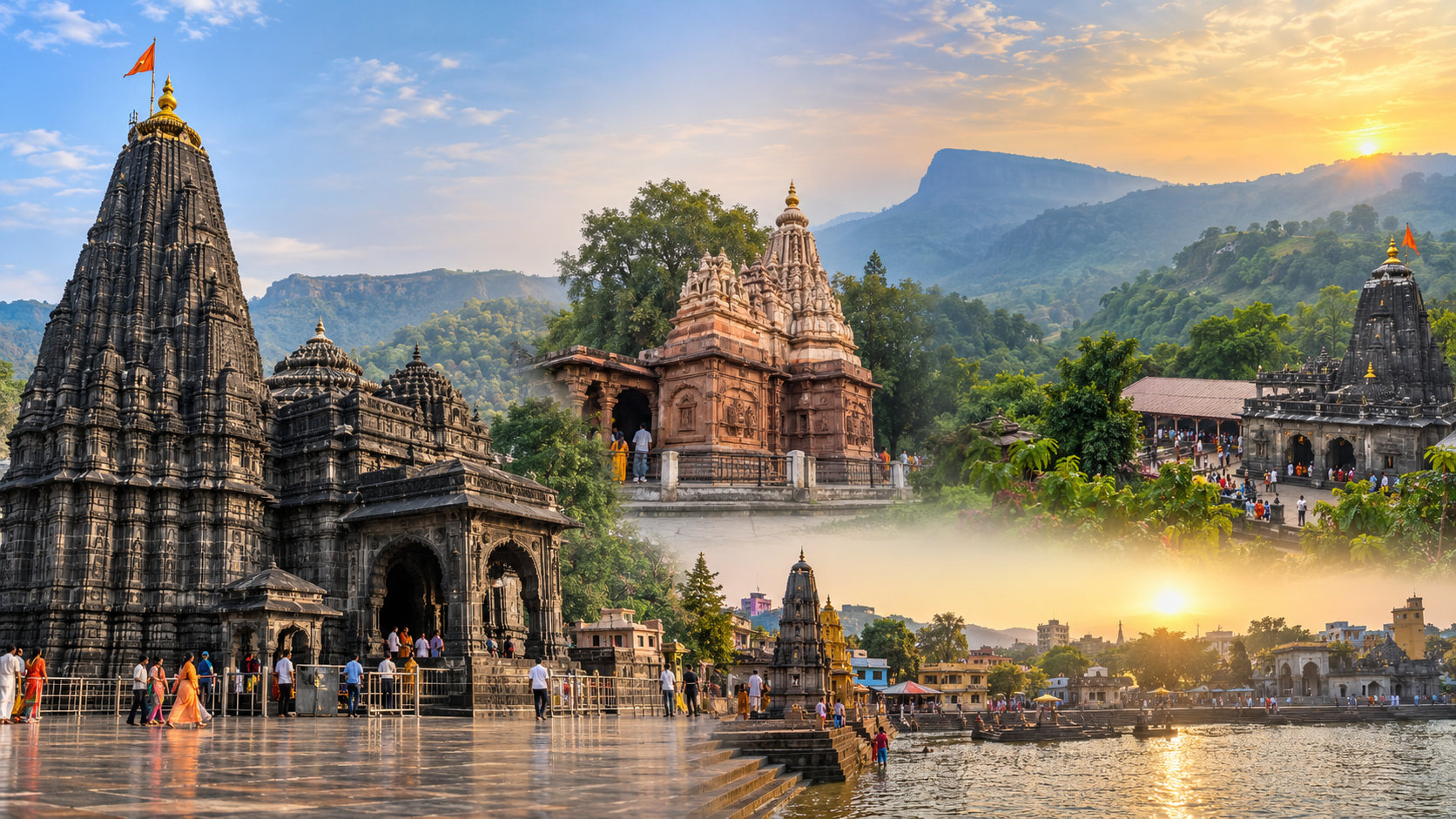
Maharashtra Jyotirlinga Tour from Nashik. Package details, itinerary and pricing can be completed in the CRM.
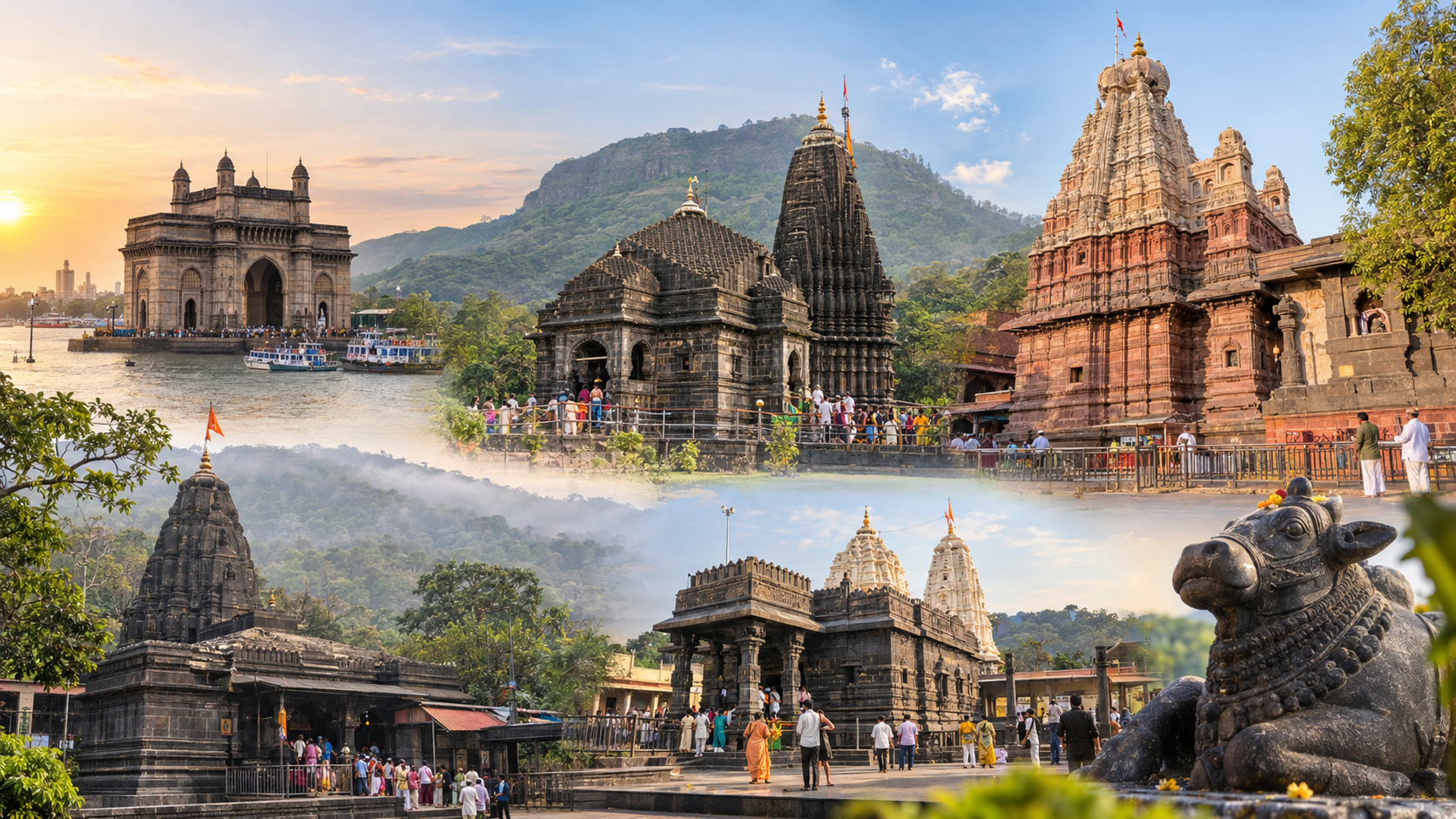
Maharashtra Jyotirlinga Tour from Mumbai. Package details, itinerary and pricing can be completed in the CRM.
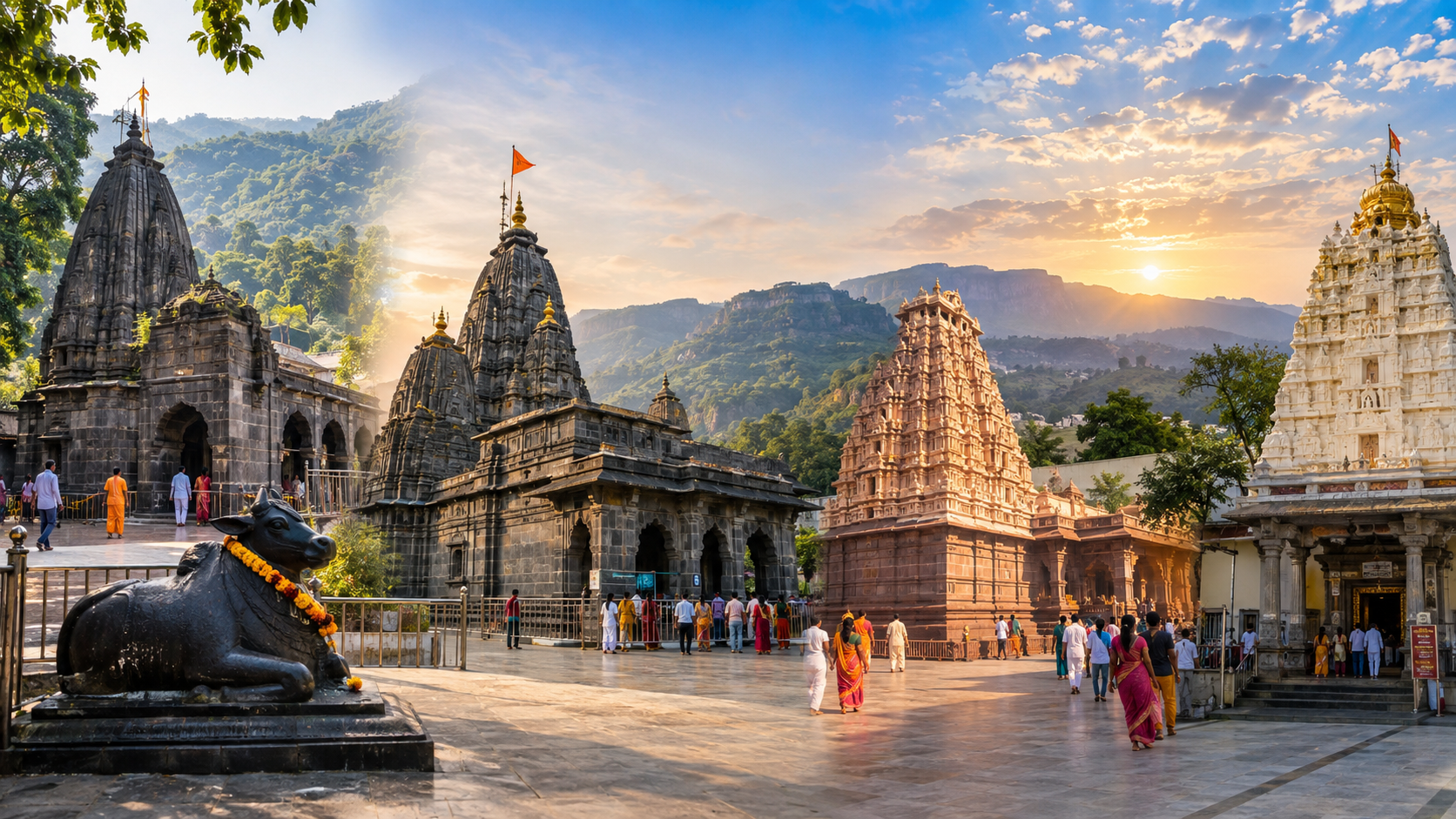
Maharashtra Jyotirlinga Tour from Pune. Package details, itinerary and pricing can be completed in the CRM.
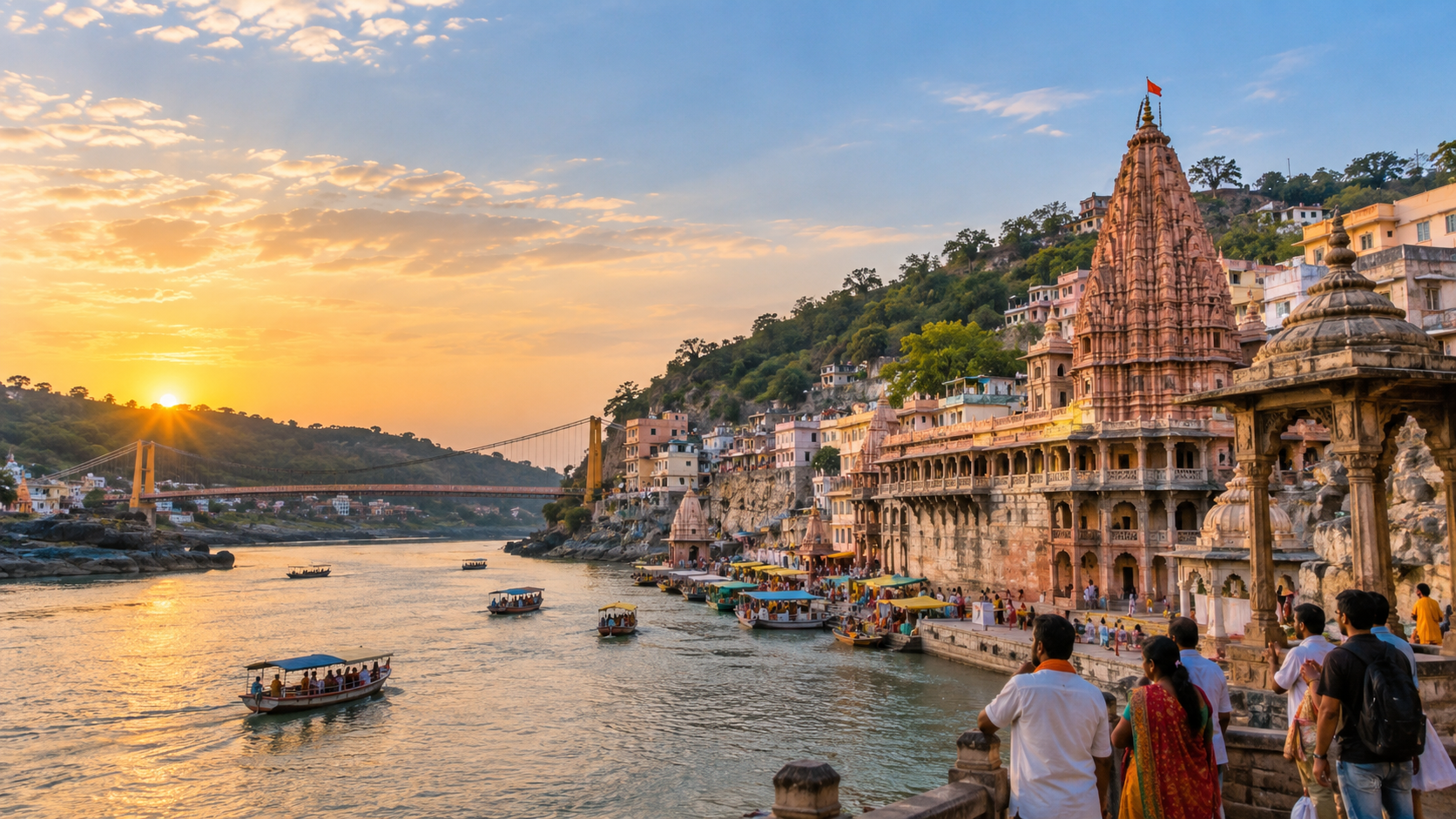
Ujjain Mahakal Omkareshwar Tour from Ujjain. Package details, itinerary and pricing can be completed in the CRM.
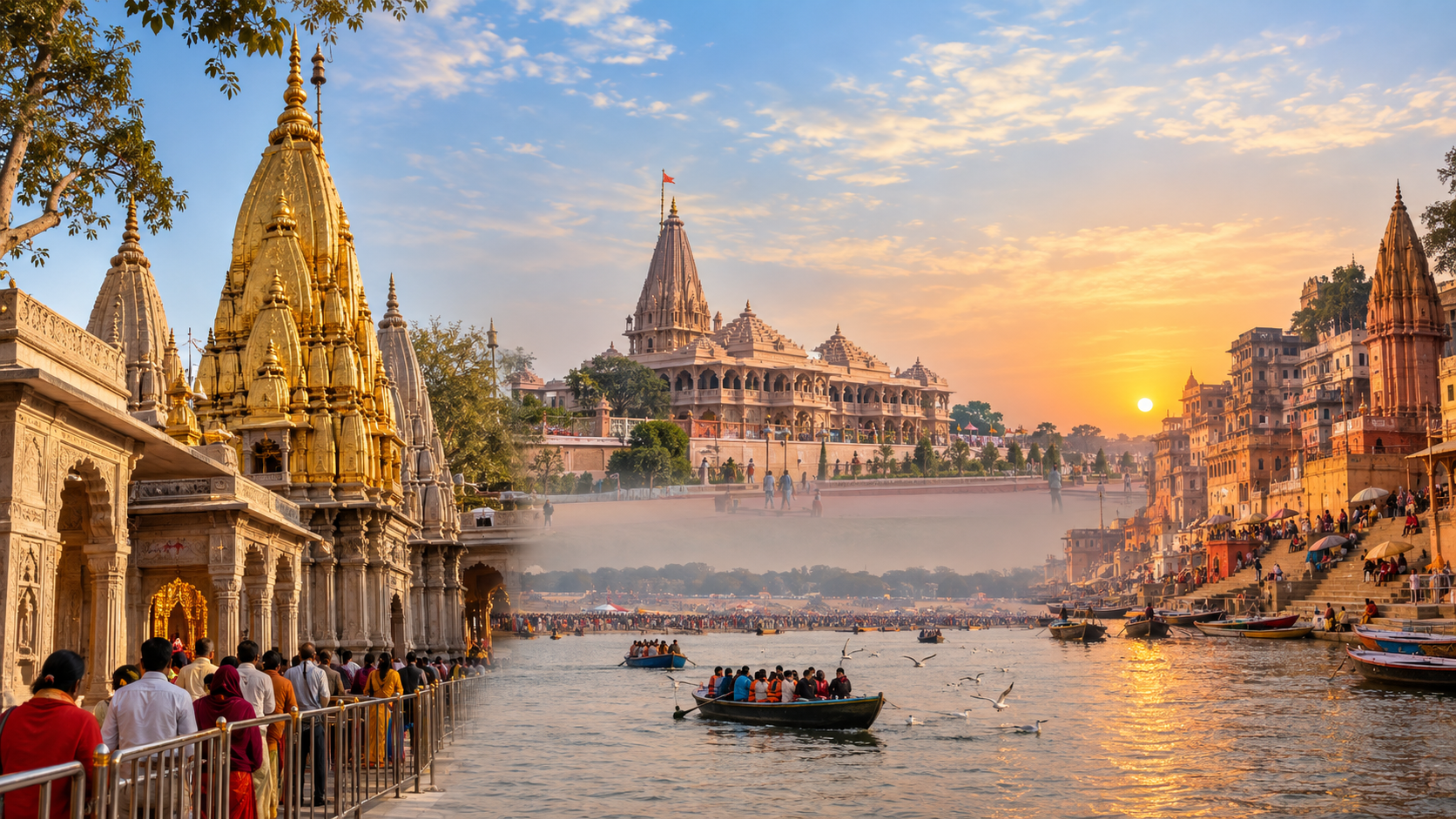
Varanasi Ayodhya Prayagraj Tour from Varanasi. Package details, itinerary and pricing can be completed in the CRM.
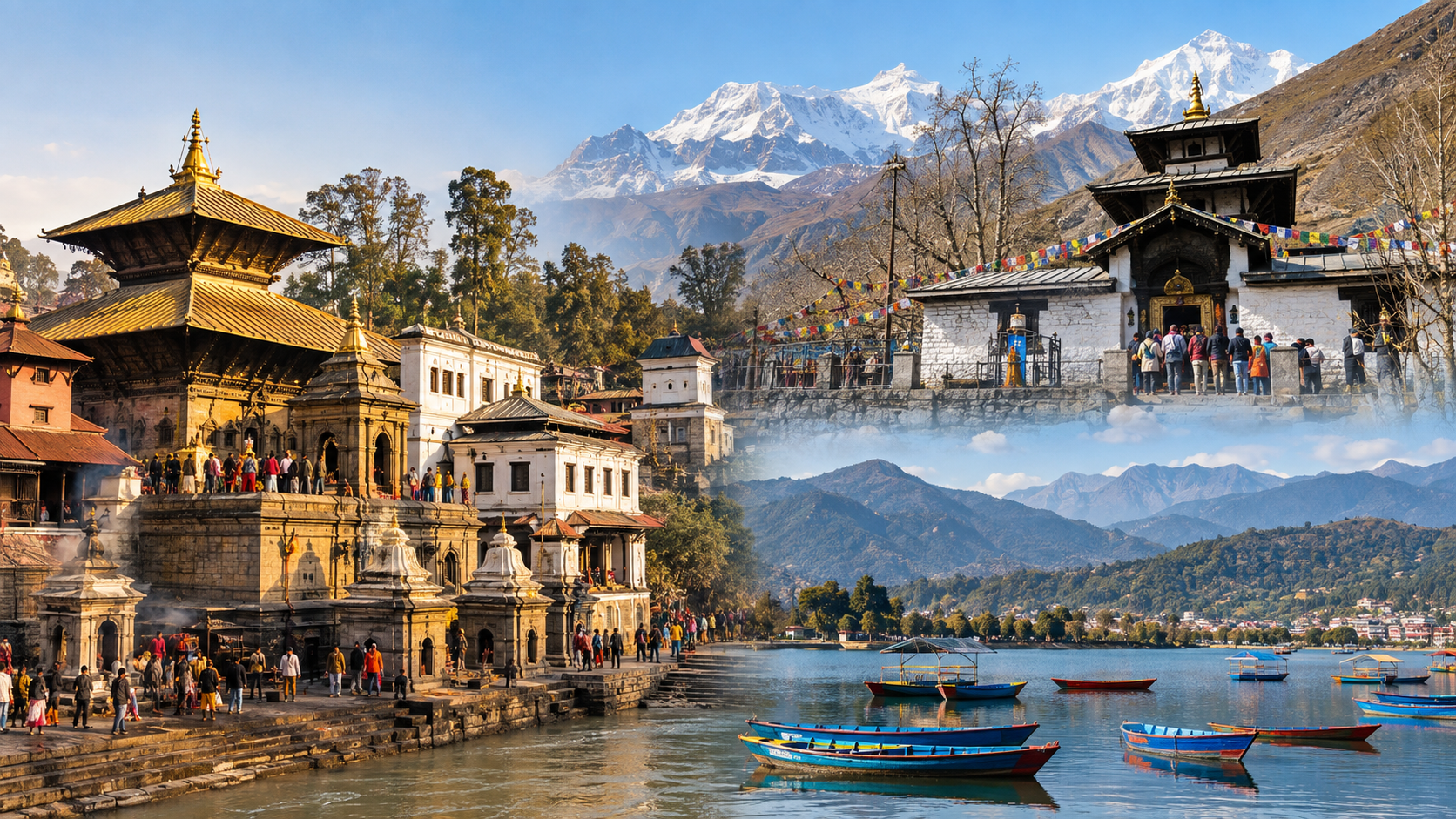
Kathmandu Pashupatinath Muktinath Pokhara Tour from Kathmandu. Package details, itinerary and pricing can be completed in the CRM.
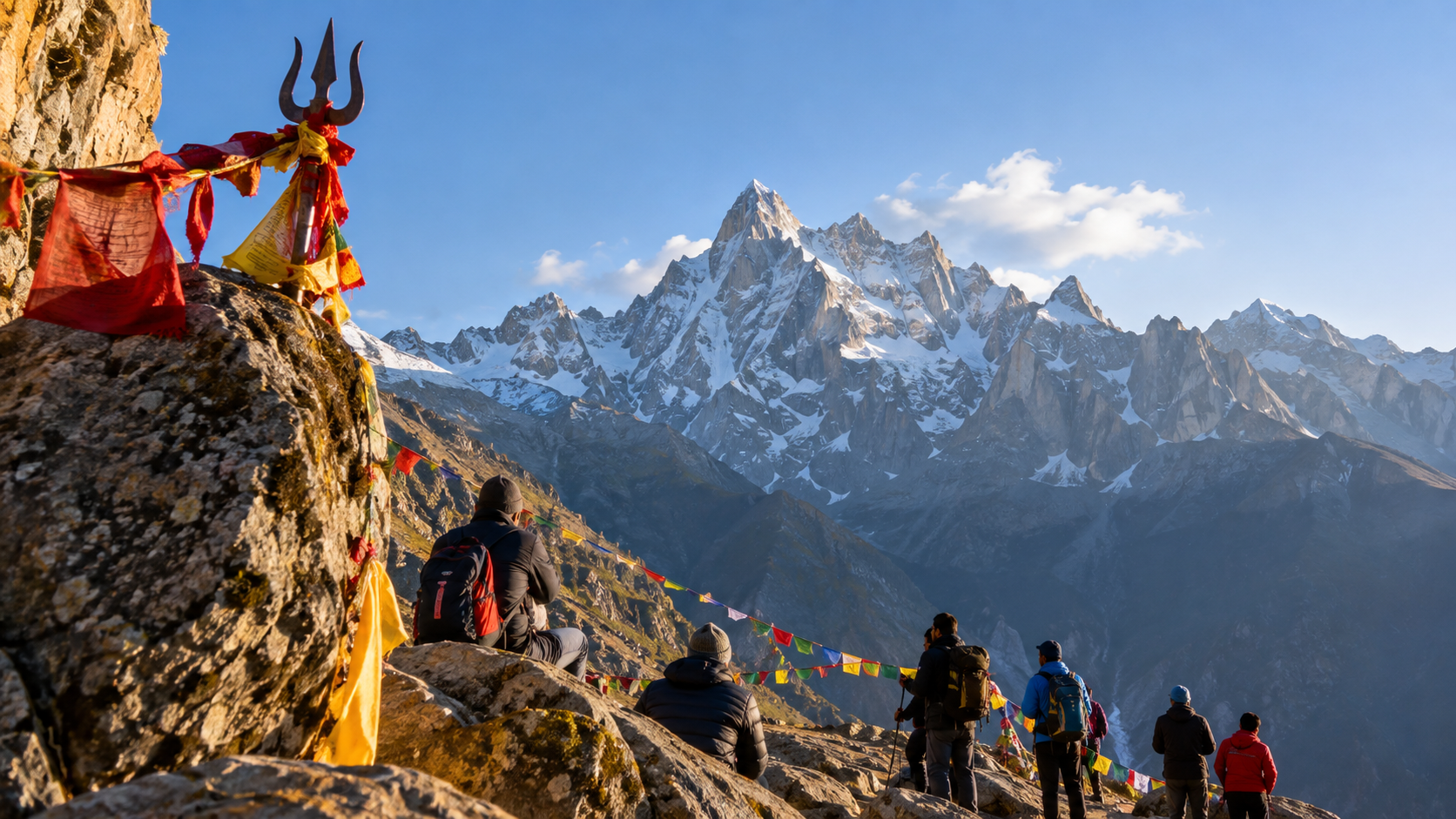
Kinner Kailash Yatra from Chandigarh. Package details, itinerary and pricing can be completed in the CRM.
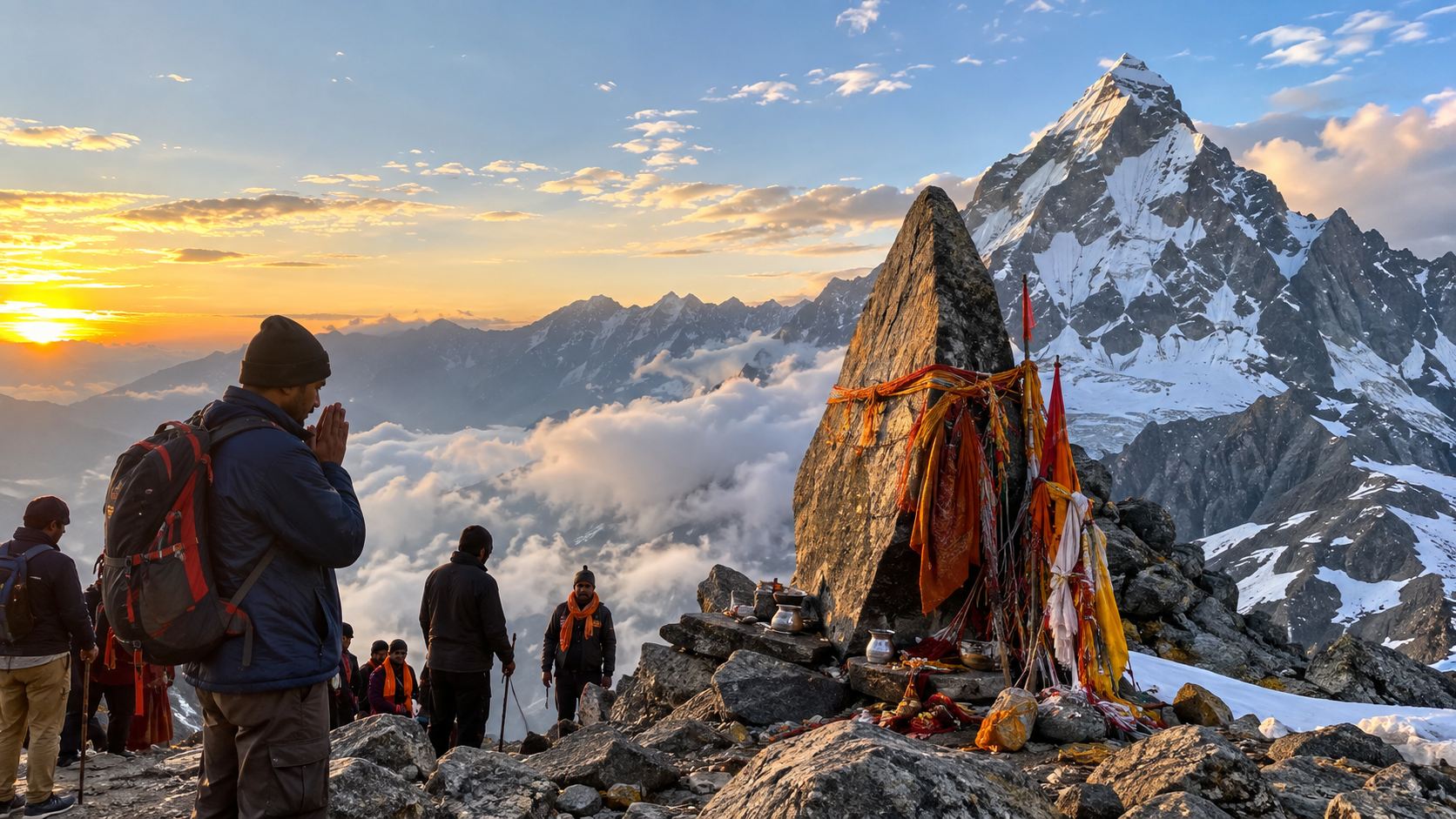
Shrikhand Mahadev Yatra from Chandigarh. Package details, itinerary and pricing can be completed in the CRM.
Manimahesh Yatra from Chandigarh. Package details, itinerary and pricing can be completed in the CRM.
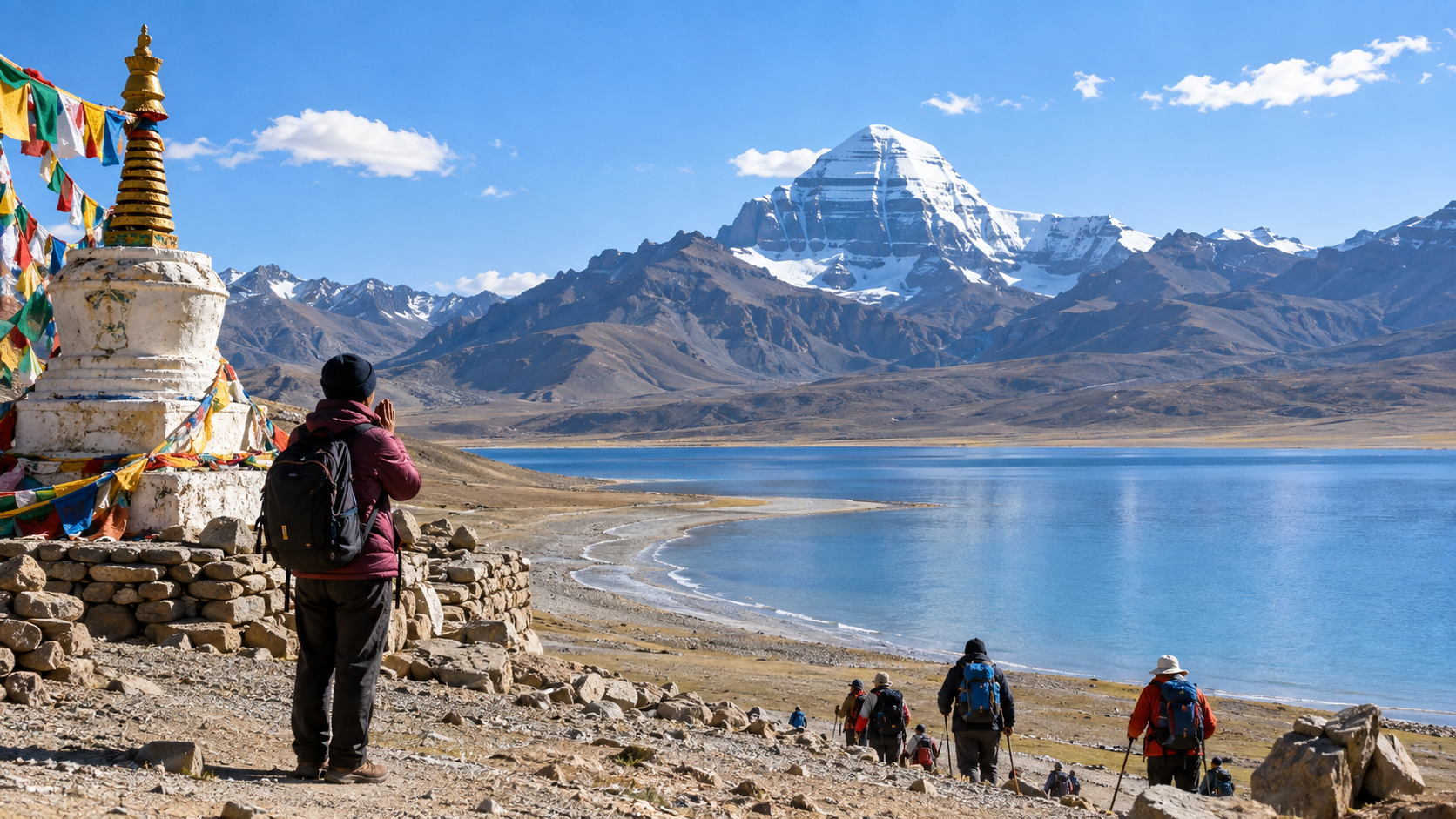
Kailash Mansarovar Yatra by Road from Kathmandu. Package details, itinerary and pricing can be completed in the CRM.
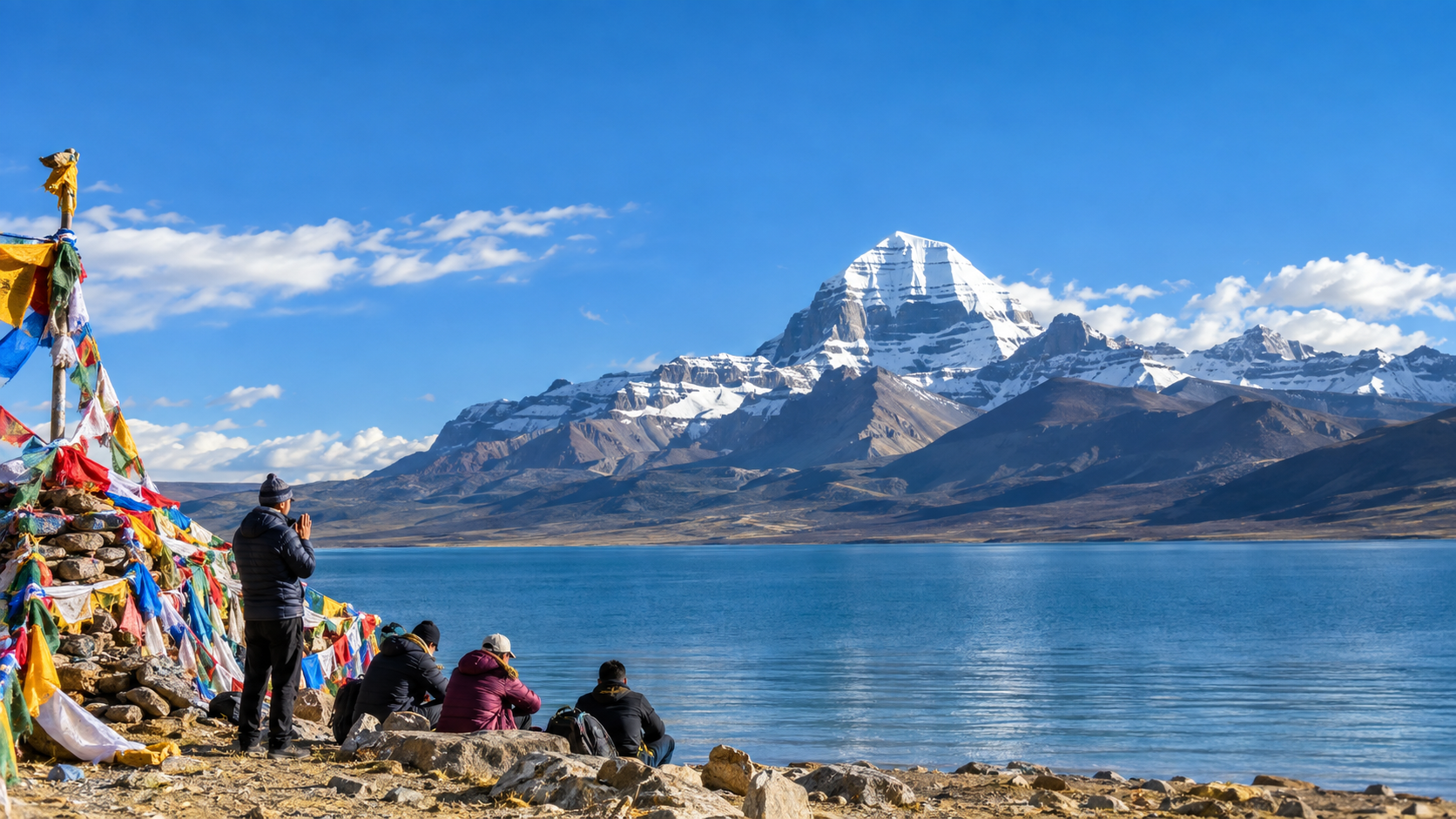
Kailash Mansarovar Yatra by Helicopter from Kathmandu. Package details, itinerary and pricing can be completed in the CRM.
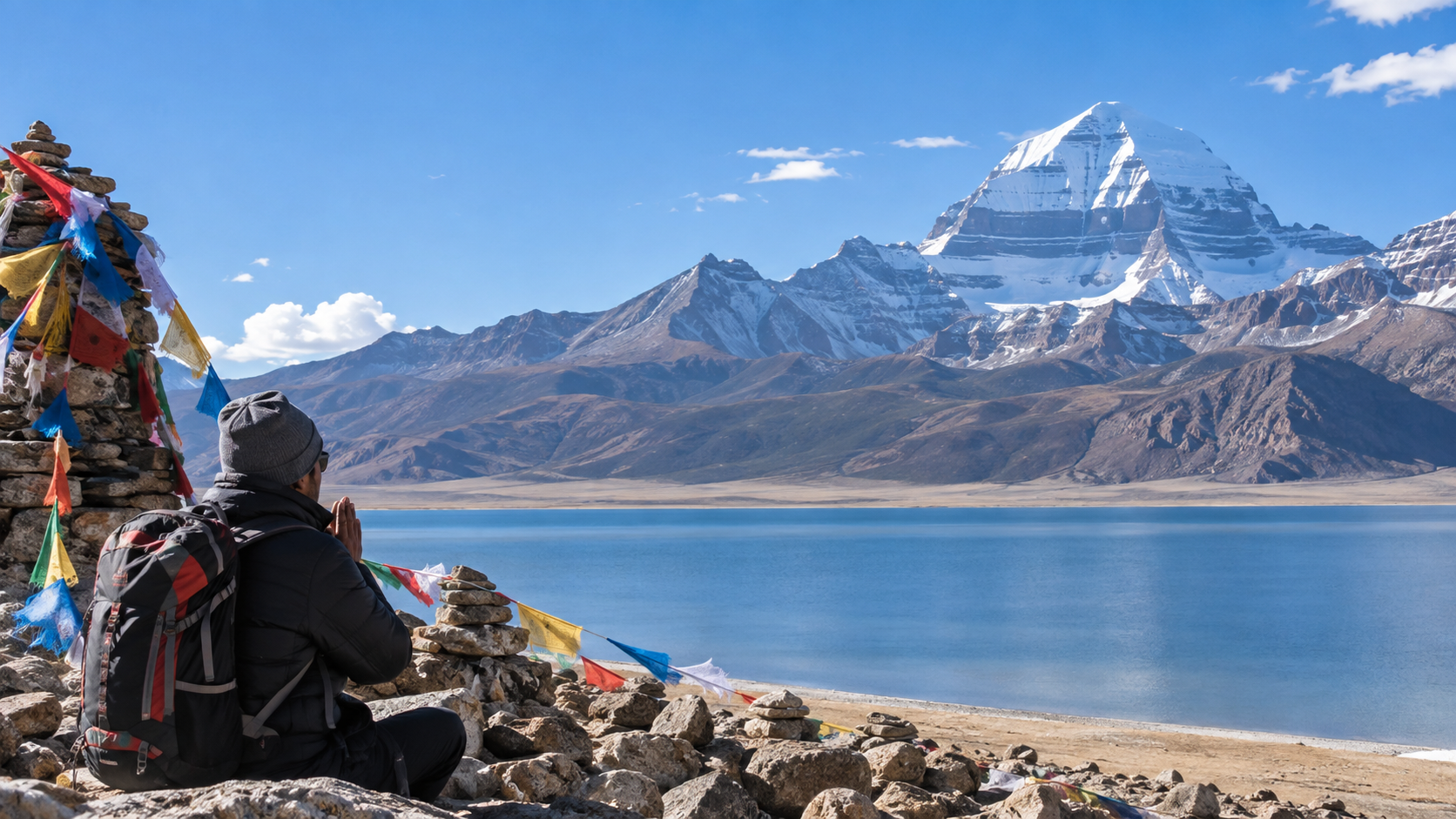
Kailash Mansarovar Yatra by Helicopter from Lucknow. Package details, itinerary and pricing can be completed in the CRM.
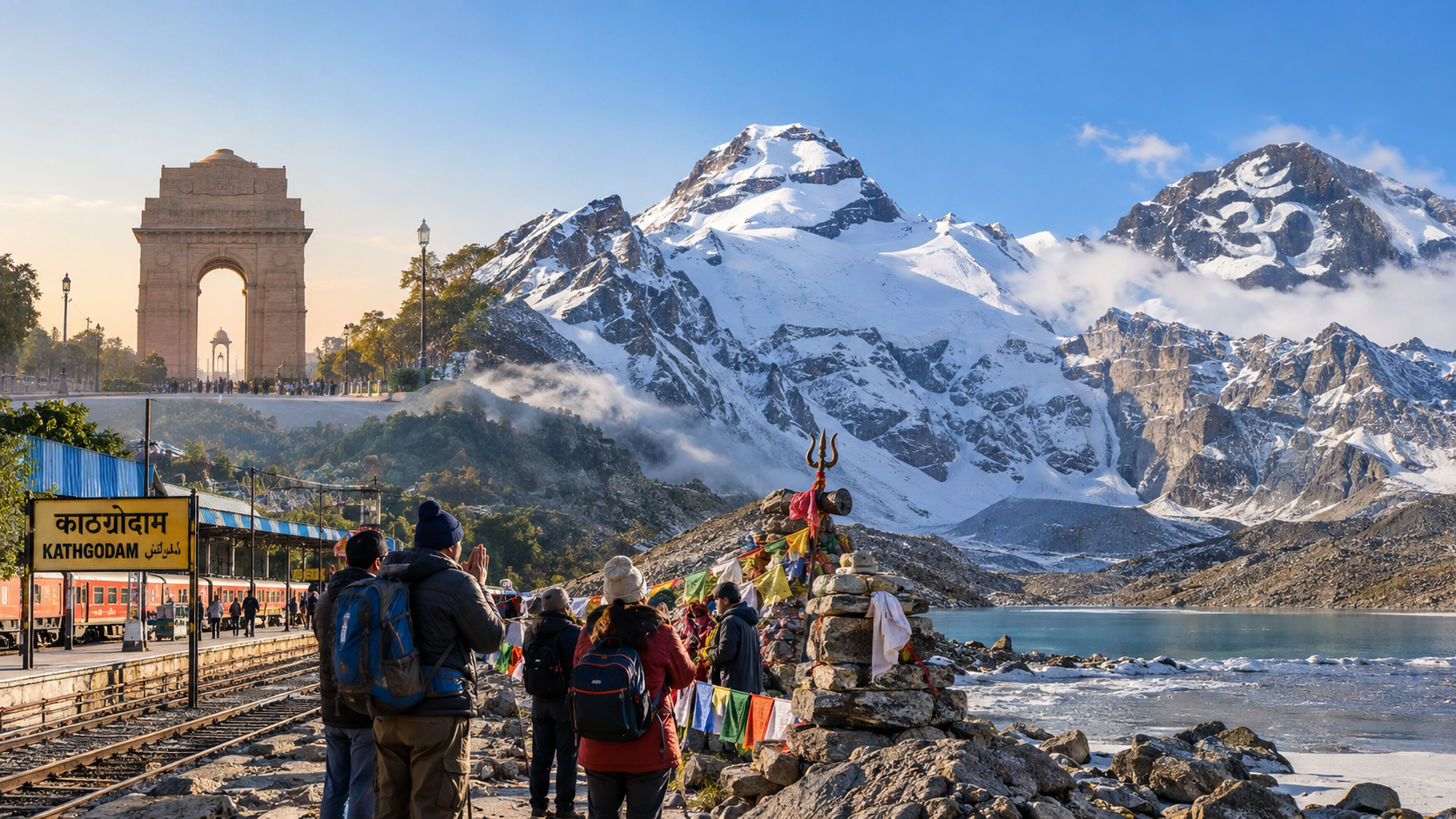
Adi Kailash Om Parvat Yatra from Delhi. Package details, itinerary and pricing can be completed in the CRM.
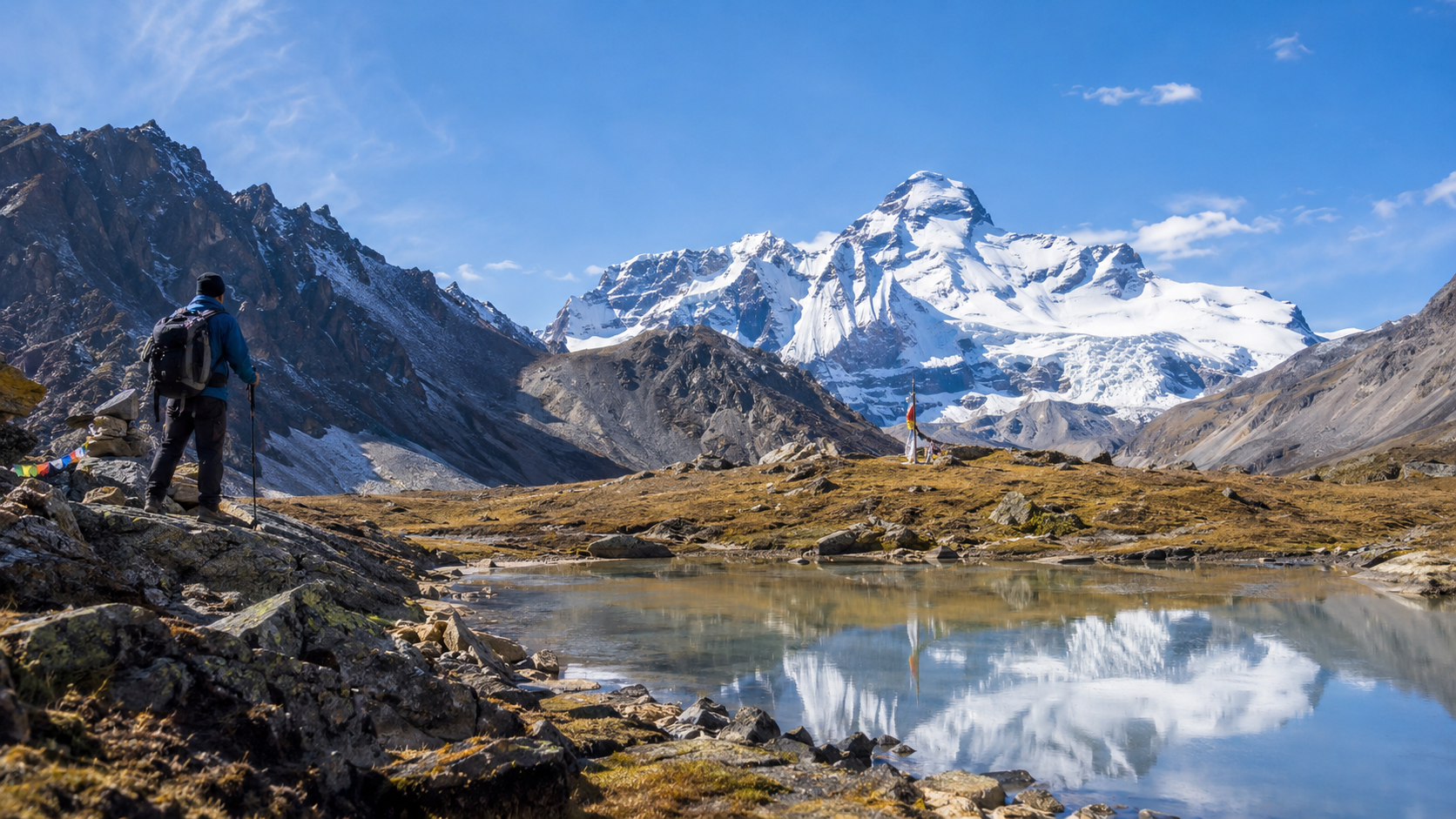
Adi Kailash Om Parvat Yatra from Kathgodam. Package details, itinerary and pricing can be completed in the CRM.
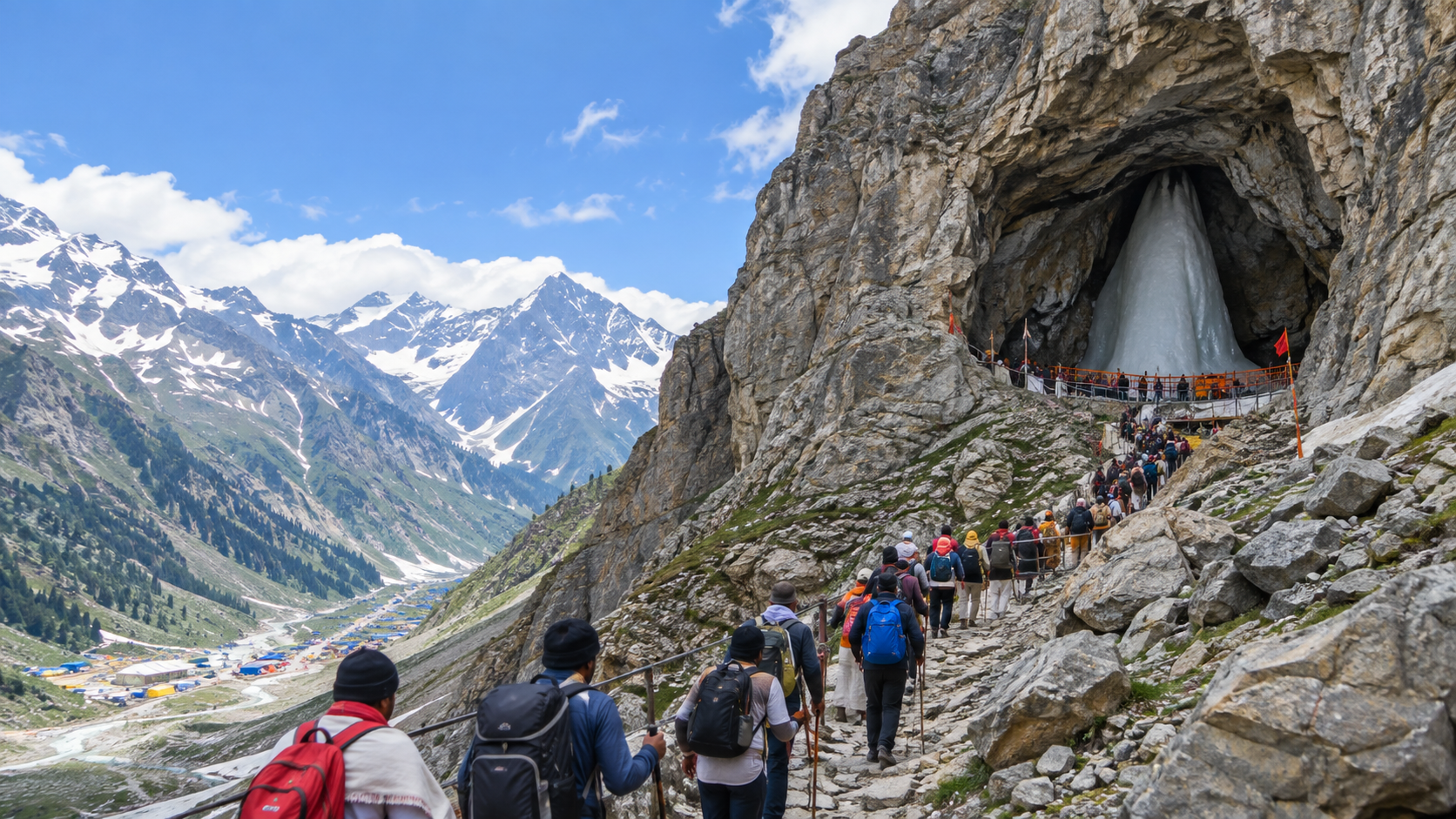
Amarnath Yatra from Srinagar. Package details, itinerary and pricing can be completed in the CRM.
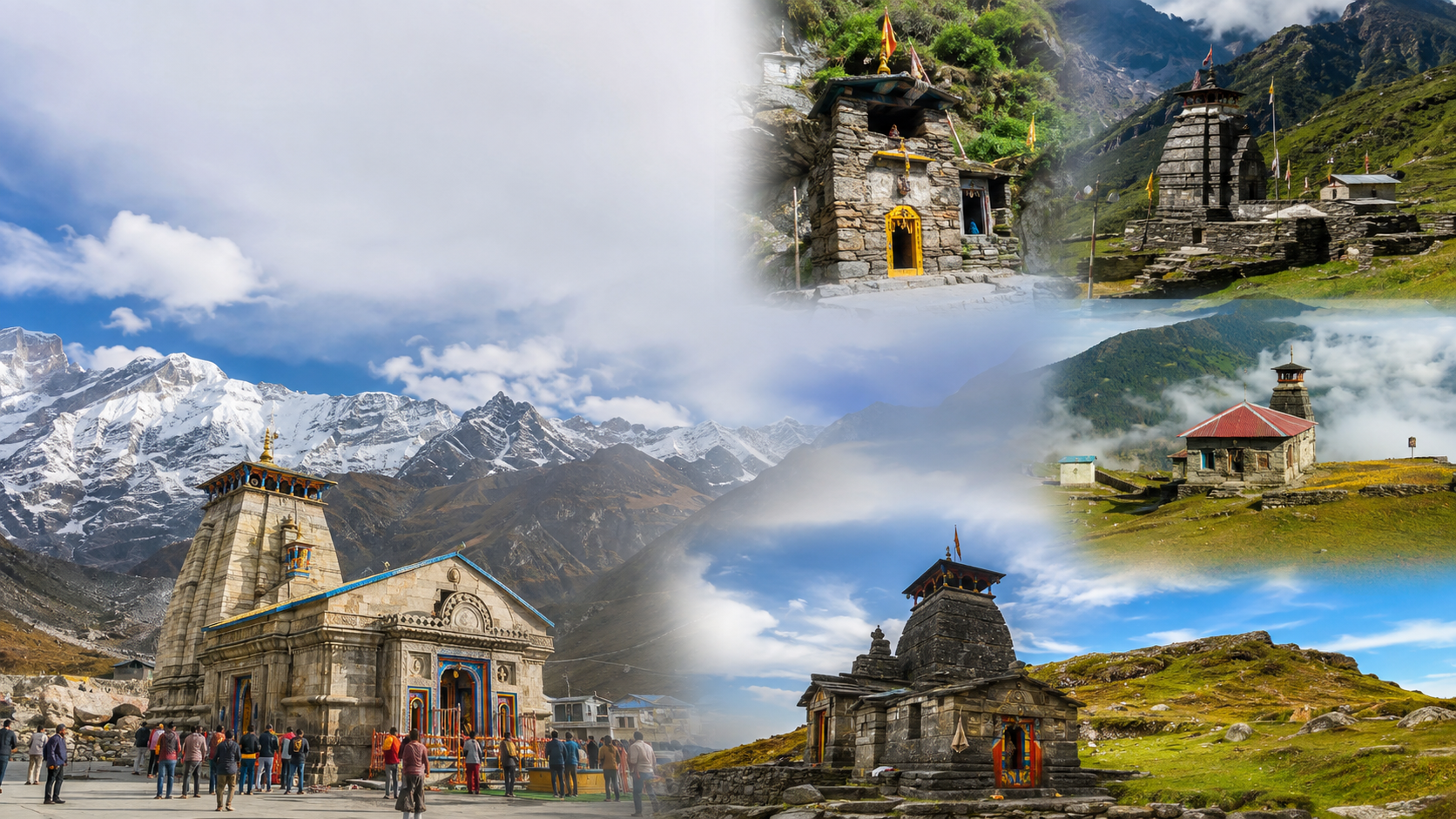
Panch Kedar Yatra from Delhi is a demanding and deeply rewarding pilgrimage through five revered Shiva temples in the Garhwal Himalayas: Kedarnath, Tungnath, Rudranath, Madhyamaheshwar and Kalpeshwar. This 12 Days / 11 Nights pilgrimage is designed for devotees who want to experience the complete Panch Kedar circuit rather than visit only one or two shrines. The journey combines mountain roads, high-altitude walking and time for darshan at some of Uttarakhand’s most significant Shiva temples. Because several shrines involve substantial trekking and seasonal access, careful planning is essential. Trip to Yatra helps travellers plan the pilgrimage around the temple season, travel conditions an
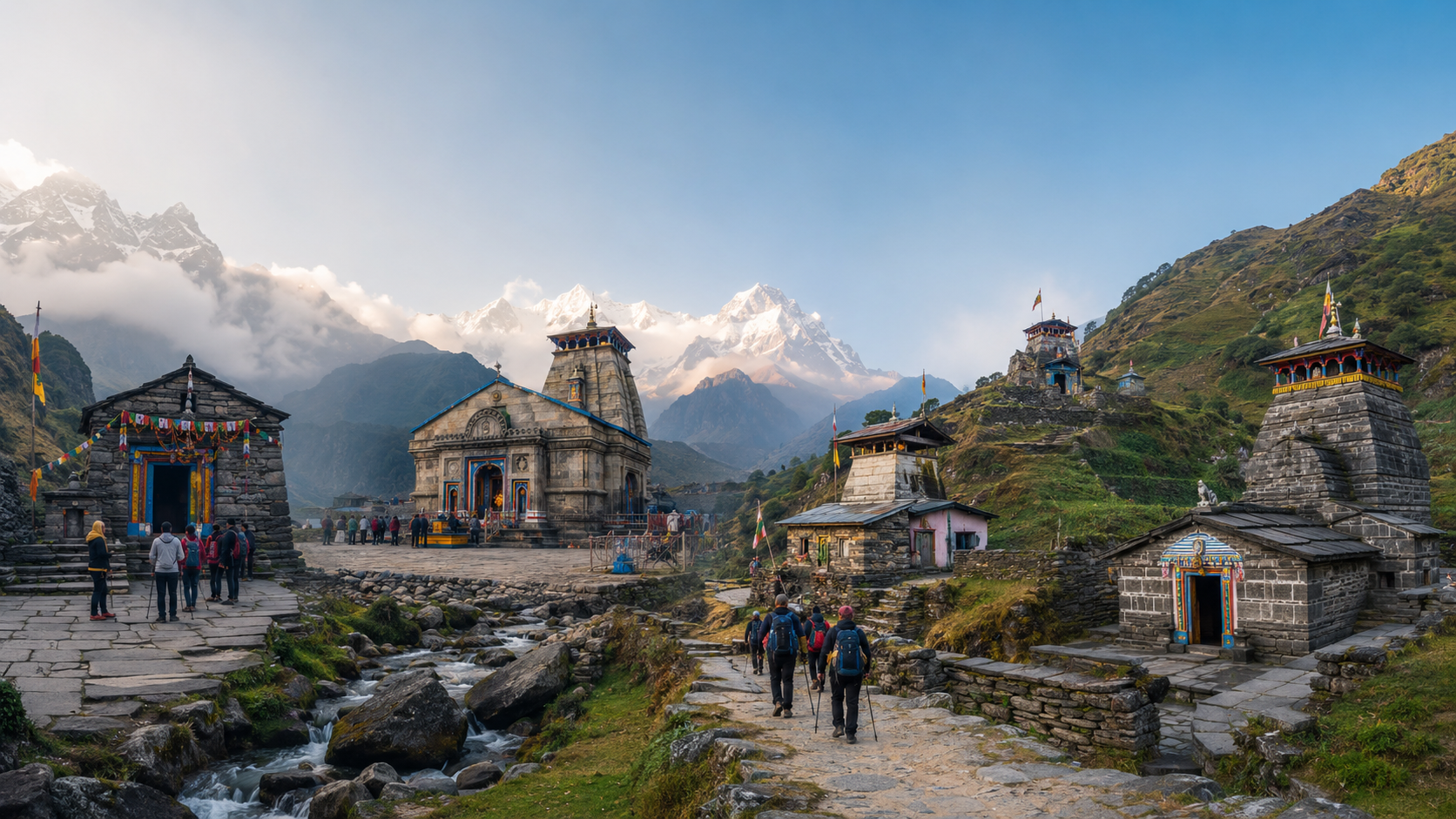
Panch Kedar Yatra from Dehradun is an immersive Shiva pilgrimage covering all five revered Panch Kedar shrines of Uttarakhand: Kedarnath, Tungnath, Rudranath, Madhyamaheshwar and Kalpeshwar. Designed as an 11 Days / 10 Nights pilgrimage experience, the journey combines temple visits with demanding Himalayan treks, mountain landscapes and quiet village settings. Unlike a conventional temple tour, Panch Kedar requires preparation for high-altitude walking, changing weather and seasonal temple access. Trip to Yatra helps travellers plan the pilgrimage around practical travel requirements, accommodation preferences and the operating season, with a focus on a comfortable and well-organised journe
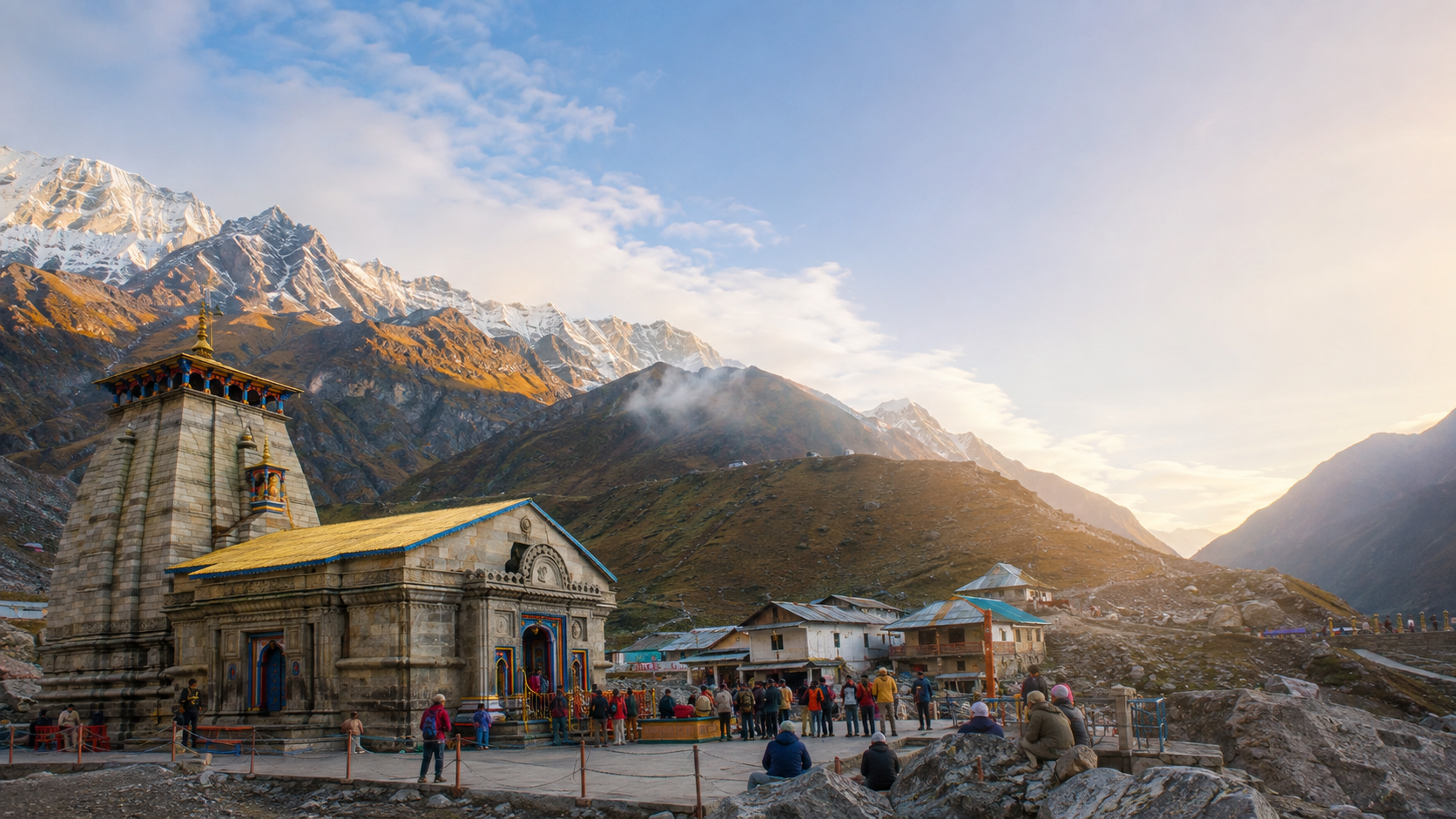
The Kedarnath Tungnath Package from Delhi is a 7-day / 6-night pilgrimage journey covering two of Uttarakhand’s most revered Shiva temples. Starting and ending in Delhi, the tour combines the spiritual significance of Kedarnath with the high-altitude mountain setting of Tungnath near Chopta. Kedarnath Temple is one of the prominent Panch Kedar shrines, while Tungnath is recognised by Uttarakhand Tourism as one of the highest Shiva temples in the world. The journey involves mountain travel and trekking, so it is best suited to travellers who are comfortable with an active Himalayan pilgrimage. Enquire with Trip to Yatra for current travel planning and availability.
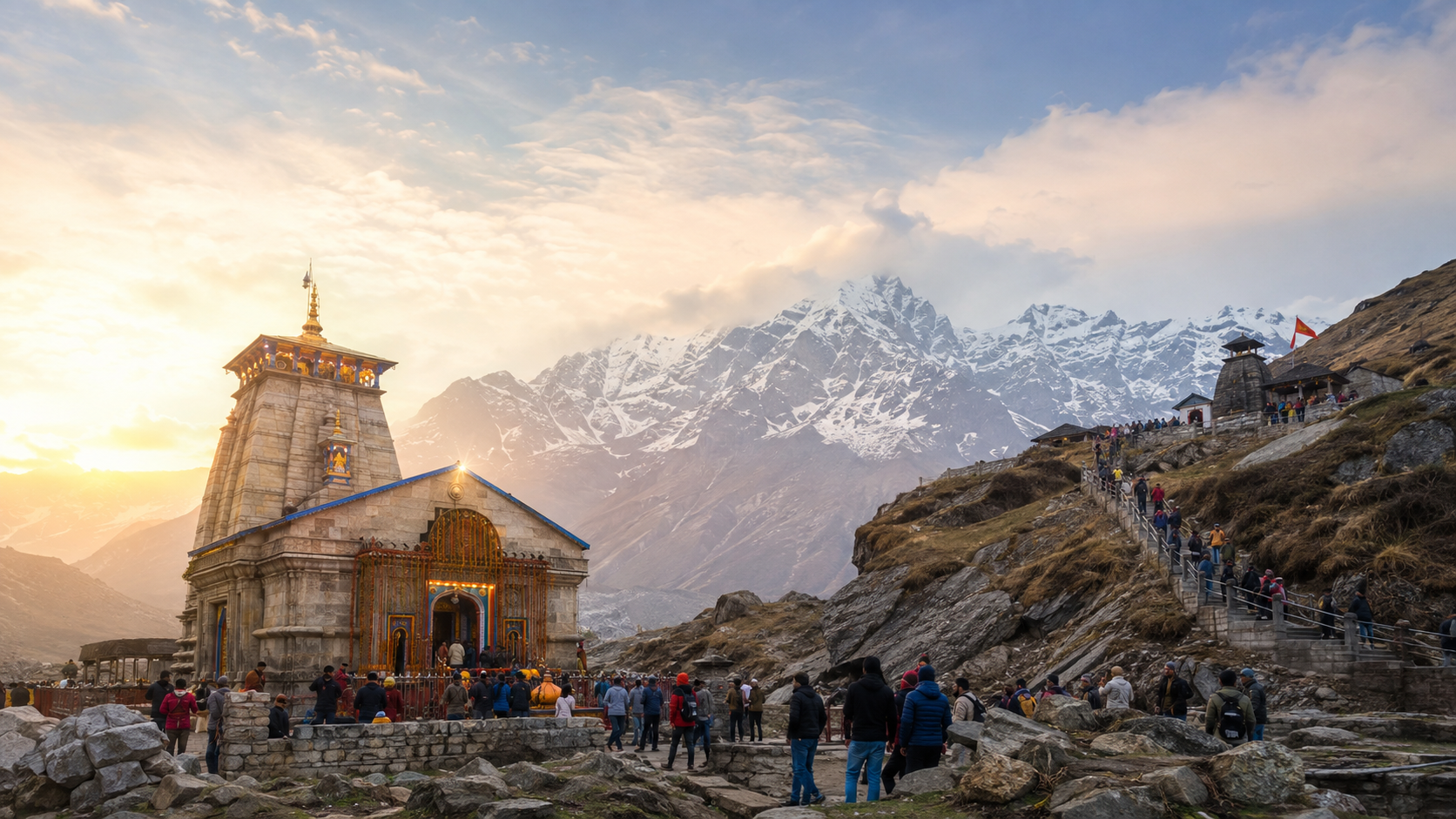
Plan a focused Himalayan pilgrimage with the Kedarnath Tungnath package from Haridwar, combining two revered Shiva temples in Uttarakhand. This 5-day / 4-night journey is designed for travellers who want to visit Kedarnath Temple and Tungnath Temple without committing to a longer Char Dham circuit. Kedarnath, one of the most important Shiva pilgrimage sites in India, lies high in the Garhwal Himalayas and requires a trek from Gaurikund. Tungnath, one of the Panch Kedar shrines, is reached by trekking from Chopta. With Haridwar as both the starting and ending point, the package offers a practical pilgrimage-focused travel plan with time for mountain travel, temple visits and rest.
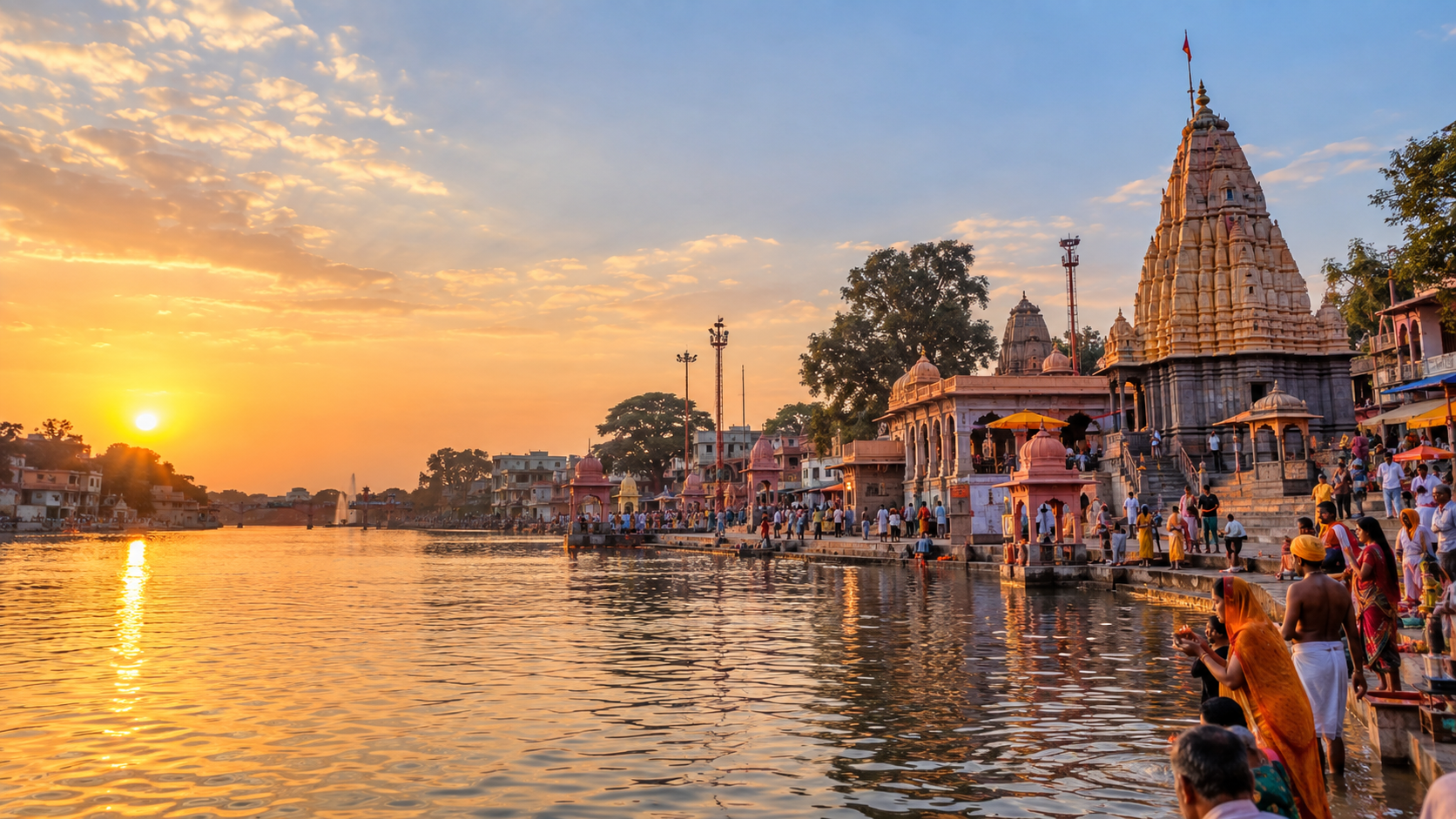
Ujjain Kumbh Mela from Ujjain. Package details, itinerary and pricing can be completed in the CRM.
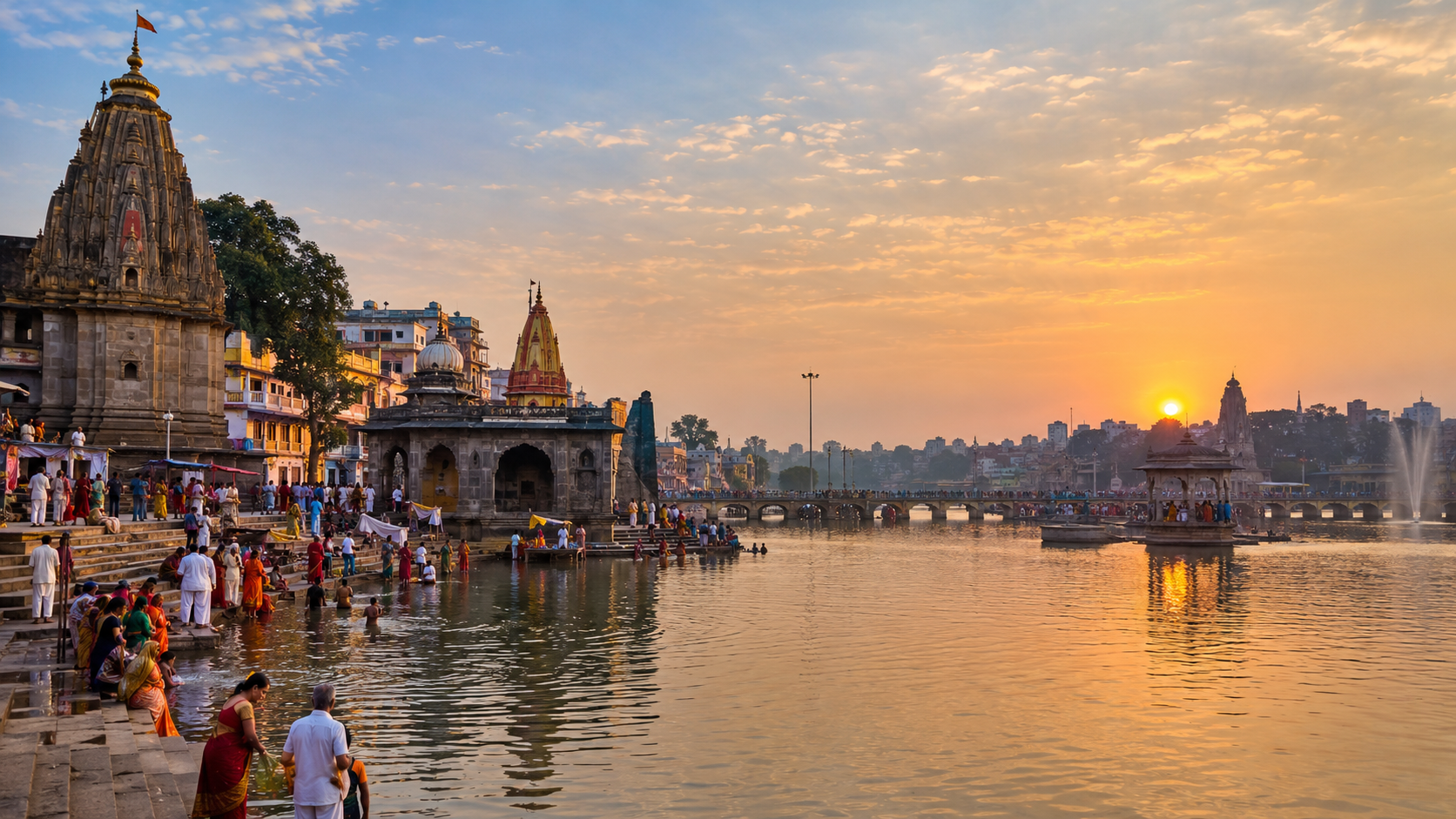
Nashik Kumbh Mela from Nashik. Package details, itinerary and pricing can be completed in the CRM.
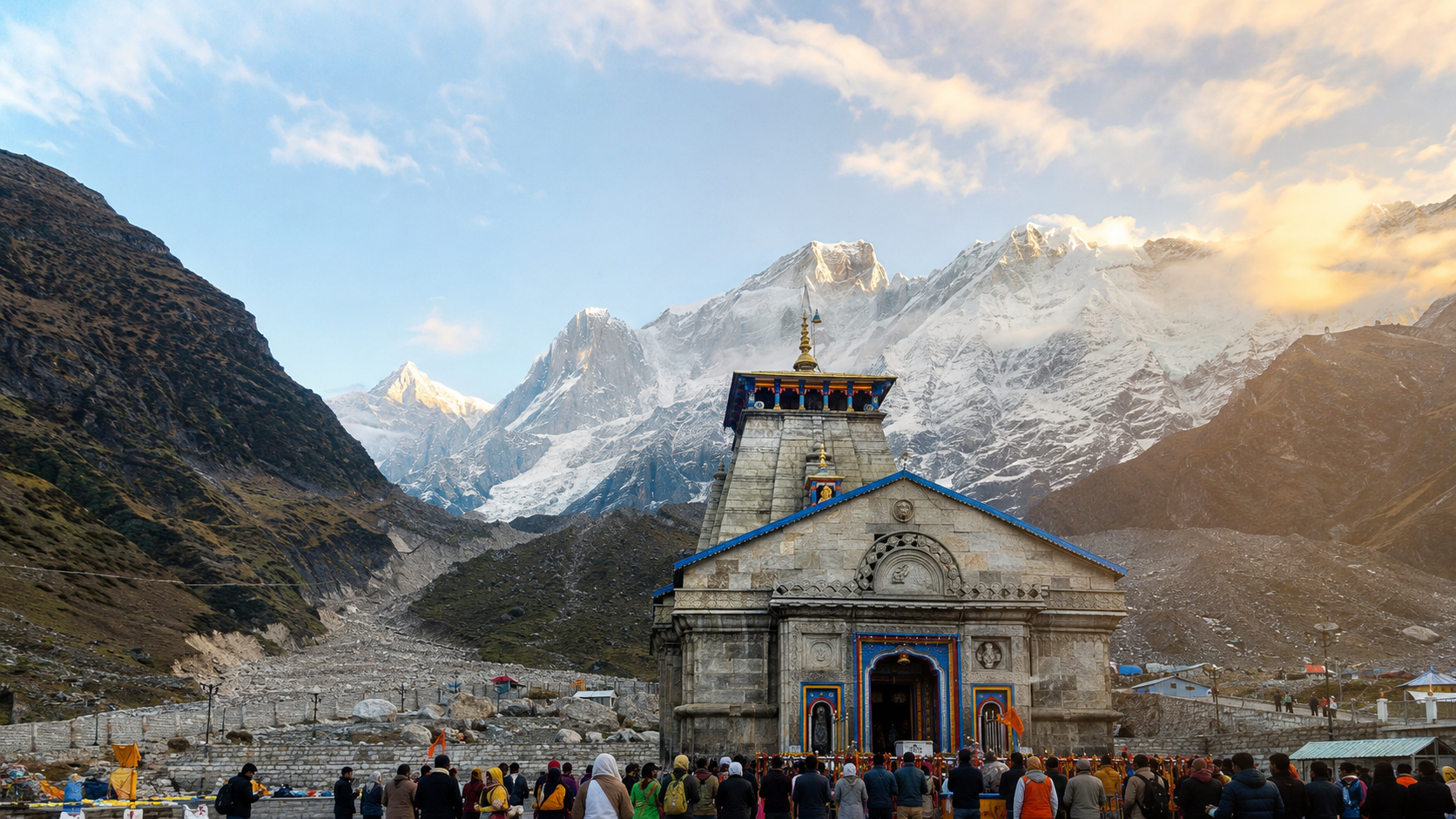
Plan a spiritually meaningful journey to Kedarnath with a 6 Days / 5 Nights Kedarnath Yatra package from Delhi by Trip to Yatra. This pilgrimage package is designed around the Delhi–Haridwar–Kedarnath travel corridor, with Kedarnath Temple as the principal spiritual destination. The journey combines Himalayan travel with time for darshan and a more organised pilgrimage experience. Since Kedarnath is a high-altitude destination with seasonal access and mandatory Yatra formalities, planning matters. Trip to Yatra can help you understand the practical arrangements, registration requirements and travel considerations before you set out. Enquire with our team to plan your 2027 Kedarnath Yatra fro
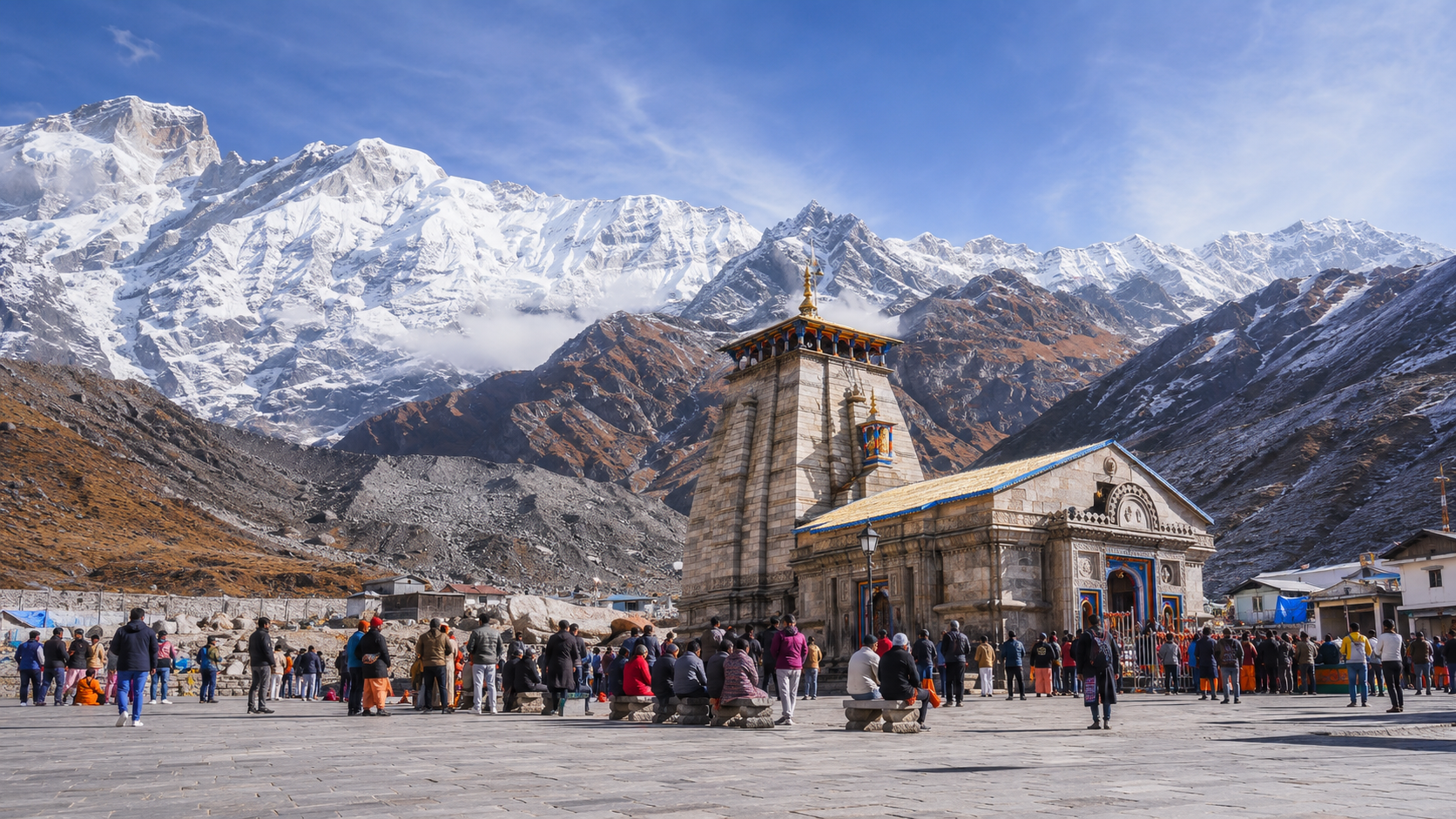
A thoughtfully planned Kedarnath Yatra package from Haridwar for pilgrims looking to visit the sacred Kedarnath Temple in Uttarakhand. This 4 Days / 3 Nights pilgrimage connects Haridwar with one of Lord Shiva’s most revered Himalayan shrines, with arrangements planned around the practical requirements of a high-altitude yatra. Kedarnath is situated in the Garhwal Himalayas at around 3,580 metres, so preparation, suitable clothing and sensible travel planning are important.
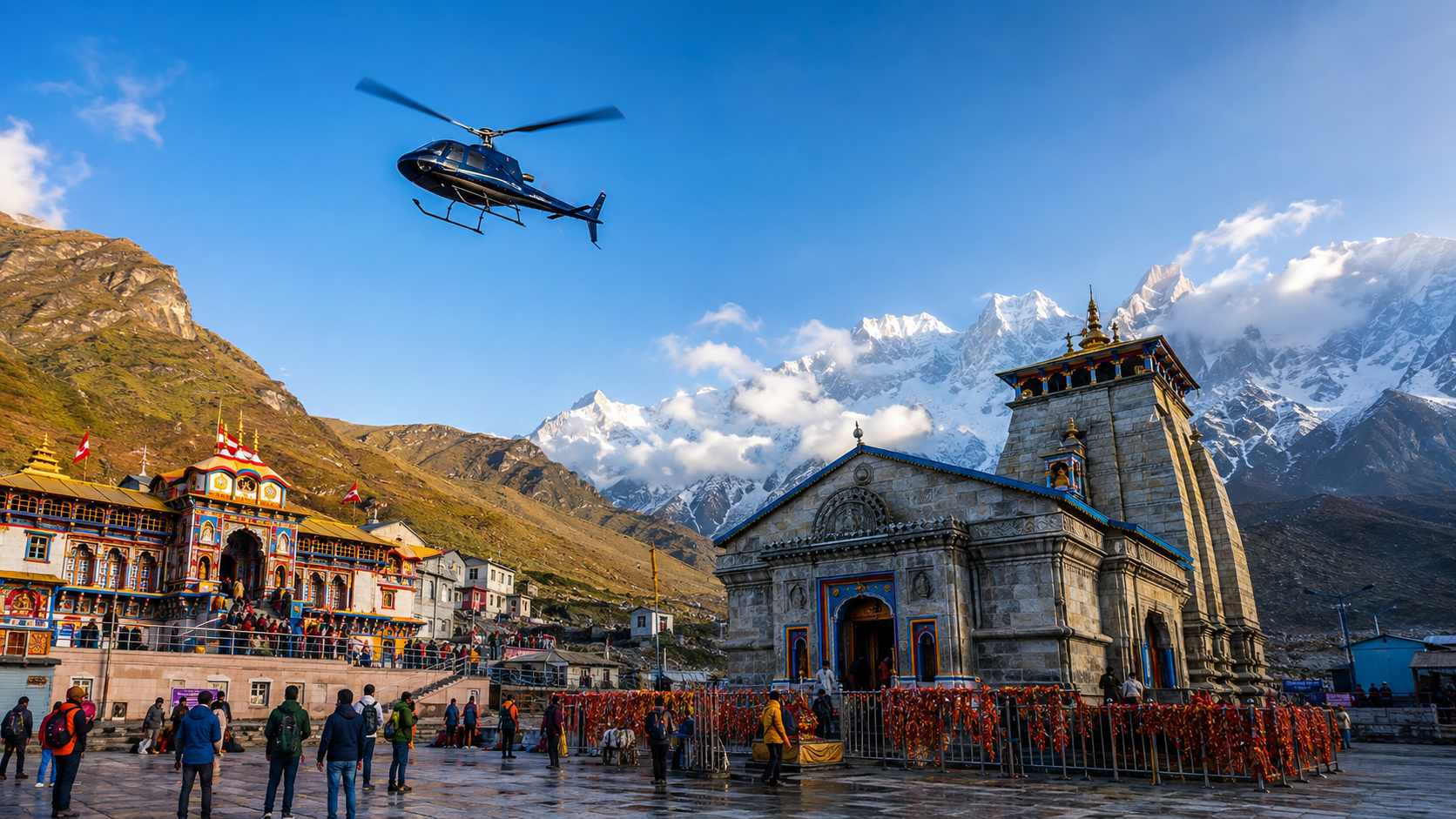
Experience the sacred Do Dham Yatra by helicopter from Dehradun, covering the revered Kedarnath Temple and Badrinath Temple in a compact 3-day, 2-night pilgrimage. This Dehradun-to-Dehradun package is designed for devotees who want to visit both Himalayan shrines while reducing the long road travel involved in a conventional yatra. Kedarnath, dedicated to Lord Shiva, stands high in the Garhwal Himalayas, while Badrinath is one of the four Char Dham pilgrimage sites and is dedicated to Lord Vishnu. With helicopter travel, the journey can be more convenient, subject to weather, operational conditions and applicable pilgrimage regulations.
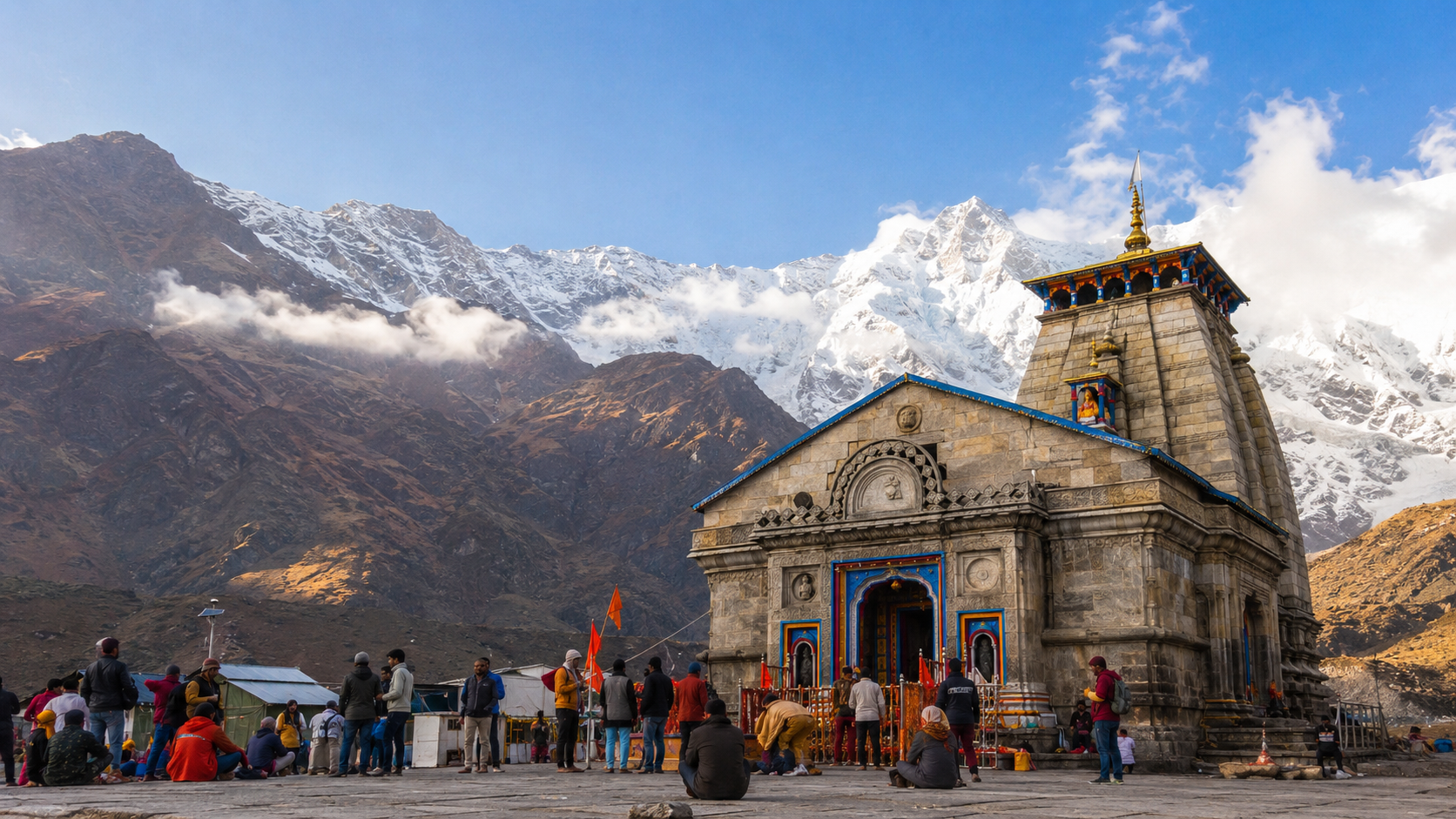
The Do Dham Yatra from Delhi is an 8-day pilgrimage covering the two revered Himalayan shrines of Kedarnath and Badrinath. Starting and ending in Delhi, this thoughtfully planned journey brings together the spiritual atmosphere of Kedarnath, dedicated to Lord Shiva, and Badrinath, dedicated to Lord Vishnu, along with time around Haridwar and Rishikesh. The route combines road travel through Uttarakhand with the required approach to Kedarnath on foot from the roadhead. With high-altitude travel, changing mountain weather and seasonal temple access to consider, Trip to Yatra helps pilgrims plan the journey around practical travel requirements rather than rushing through the experience.
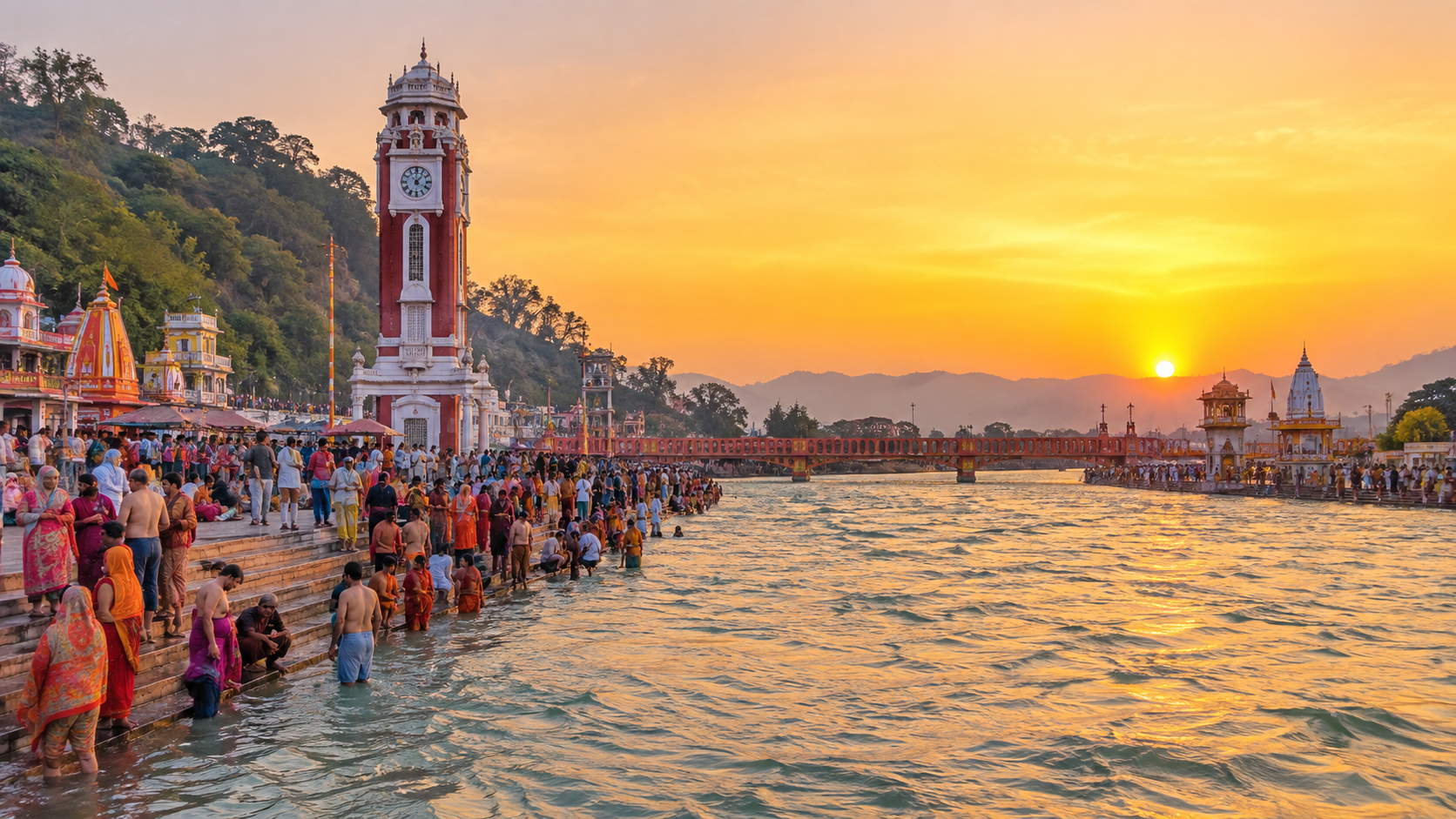
Haridwar Kumbh Mela from Haridwar. Package details, itinerary and pricing can be completed in the CRM.
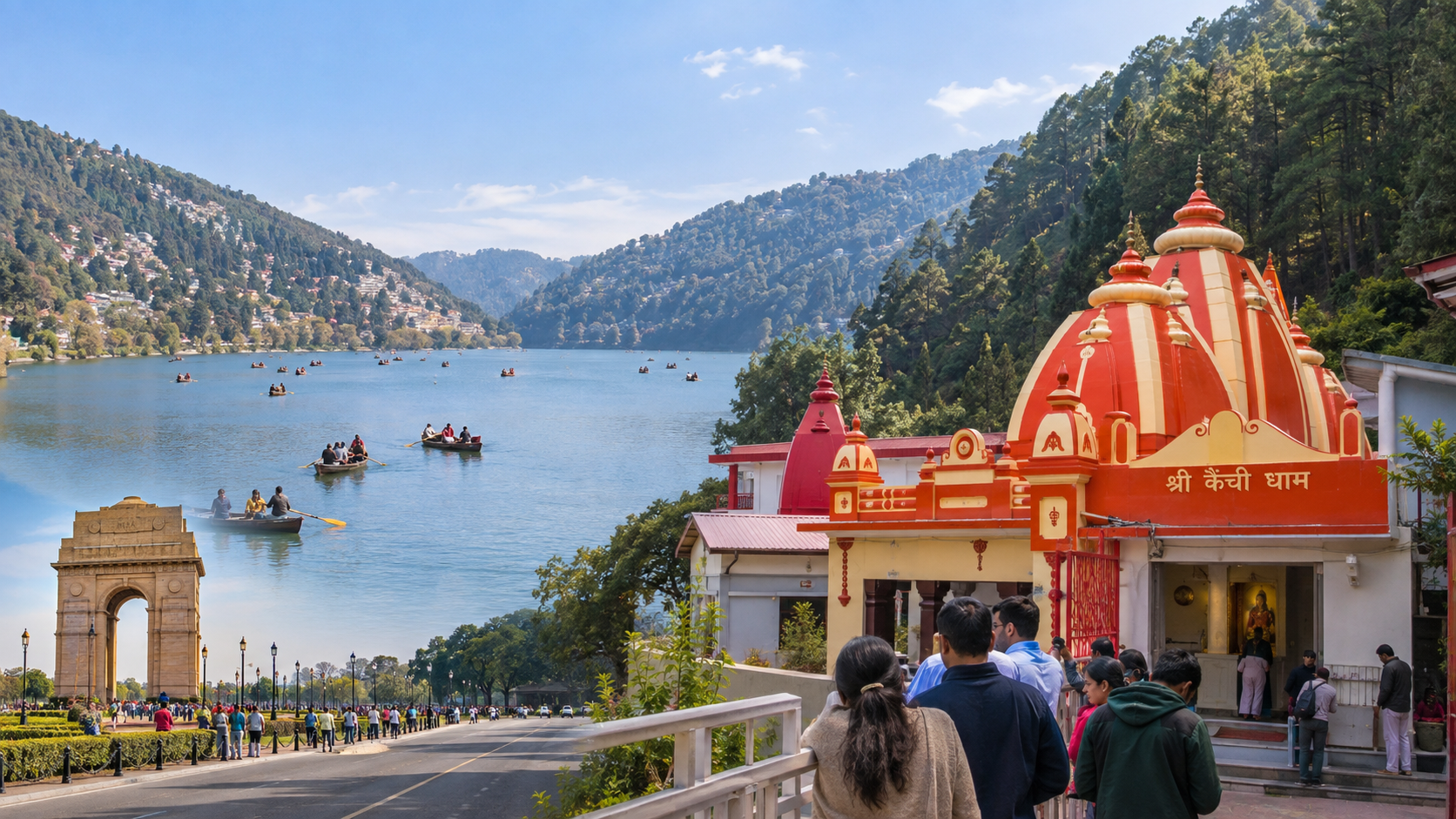
Nainital Kainchi Dham Tour from Delhi. Package details, itinerary and pricing can be completed in the CRM.
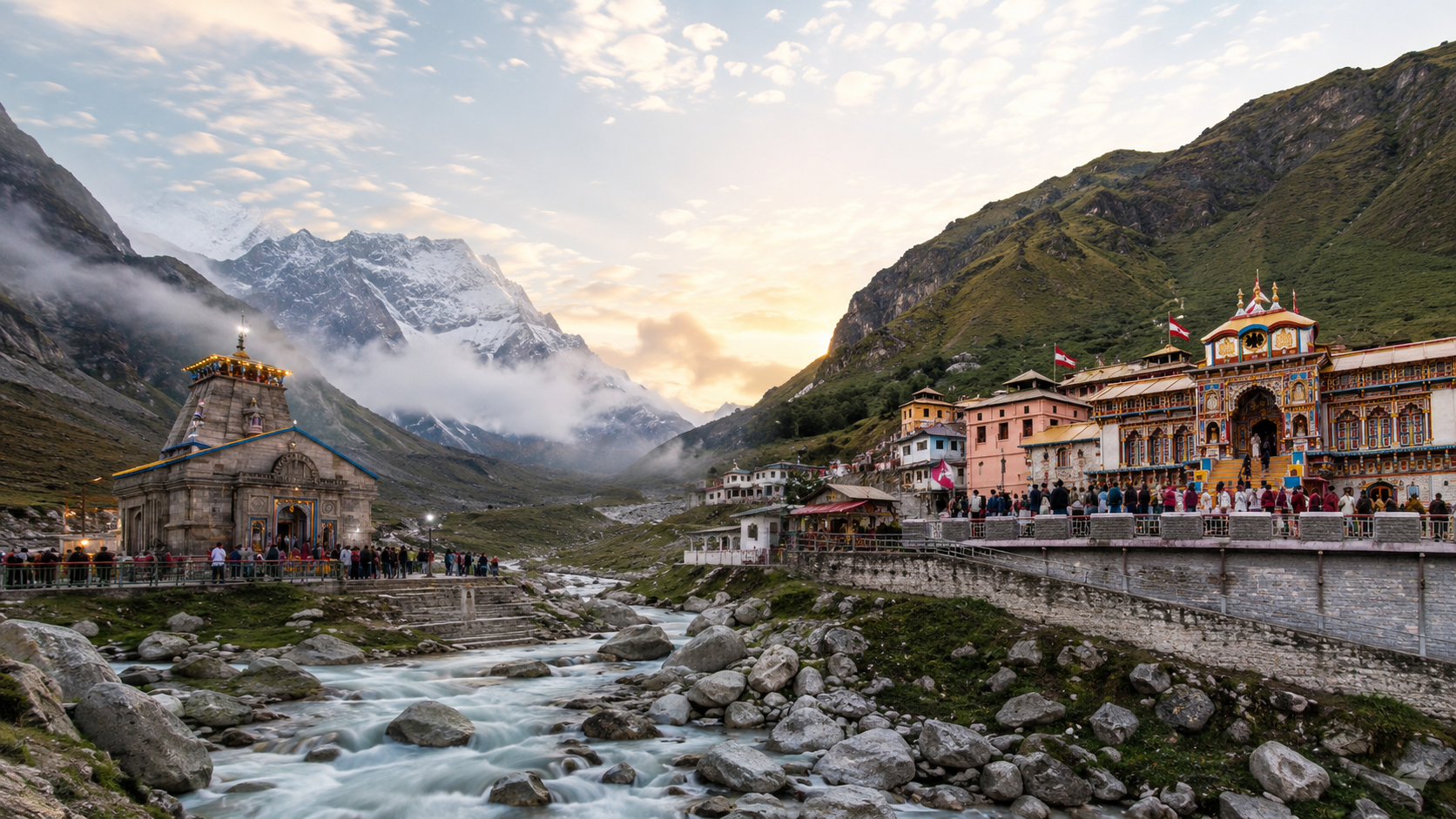
The 6 Days / 5 Nights Do Dham Yatra from Haridwar is designed for pilgrims who wish to visit the sacred Kedarnath Temple and Badrinath Temple in one focused Uttarakhand pilgrimage. Starting and ending in Haridwar, the journey combines the spiritual atmosphere of the Himalayan temples with the changing landscapes of Garhwal. Kedarnath, one of Lord Shiva’s most revered pilgrimage sites and a Jyotirlinga, requires a mountain approach and a trek from Gaurikund. Badrinath, dedicated to Lord Vishnu, is one of Uttarakhand’s four Char Dham temples. Trip to Yatra helps travellers plan this pilgrimage with practical guidance and clear enquiry support.
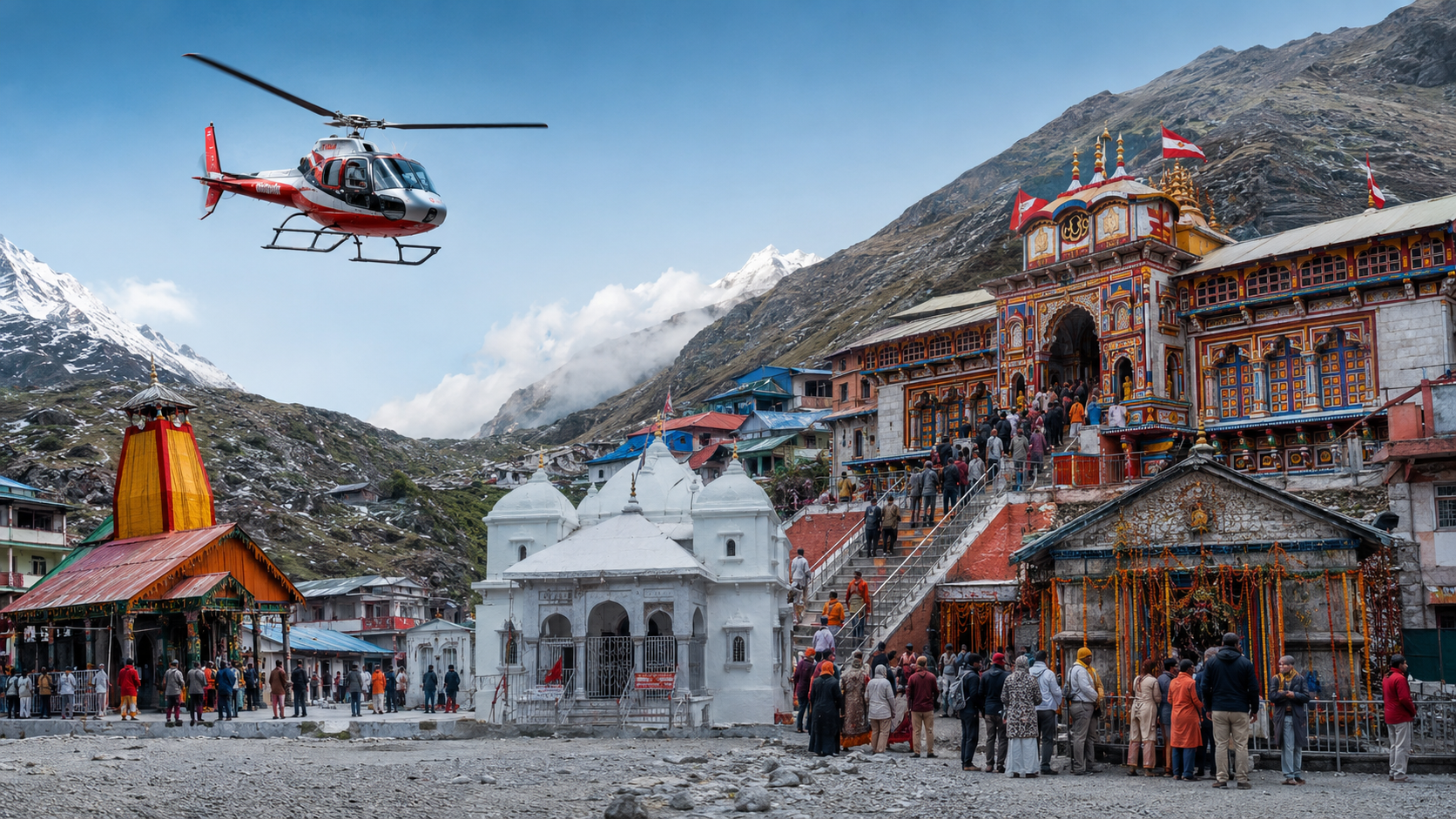
Chardham Yatra by Helicopter from Dehradun offers a more time-efficient way to undertake the sacred Uttarakhand Char Dham pilgrimage, covering Yamunotri, Gangotri, Kedarnath and Badrinath in a 5-day / 4-night package. Starting and ending in Dehradun, the journey combines helicopter travel with the necessary ground and temple-access arrangements at the Dhams. The helicopter element can significantly reduce long road journeys, but it does not mean every temple is reached directly by helicopter; Yamunotri and Kedarnath involve access arrangements beyond the helipad. Char Dham operates seasonally, and 2027 opening dates, operating conditions and applicable requirements should be confirmed before
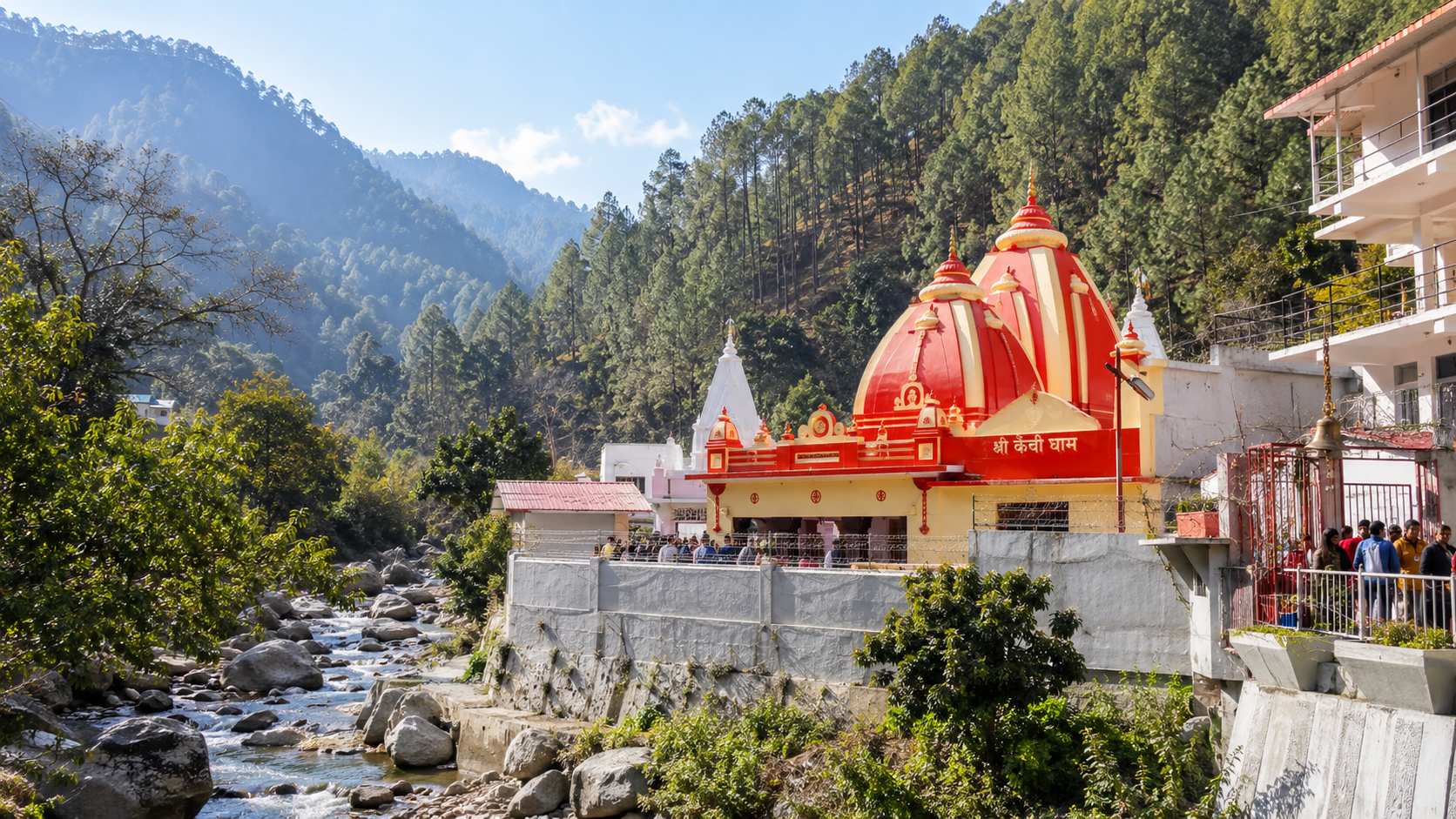
Kainchi Dham Tour from Delhi. Package details, itinerary and pricing can be completed in the CRM.
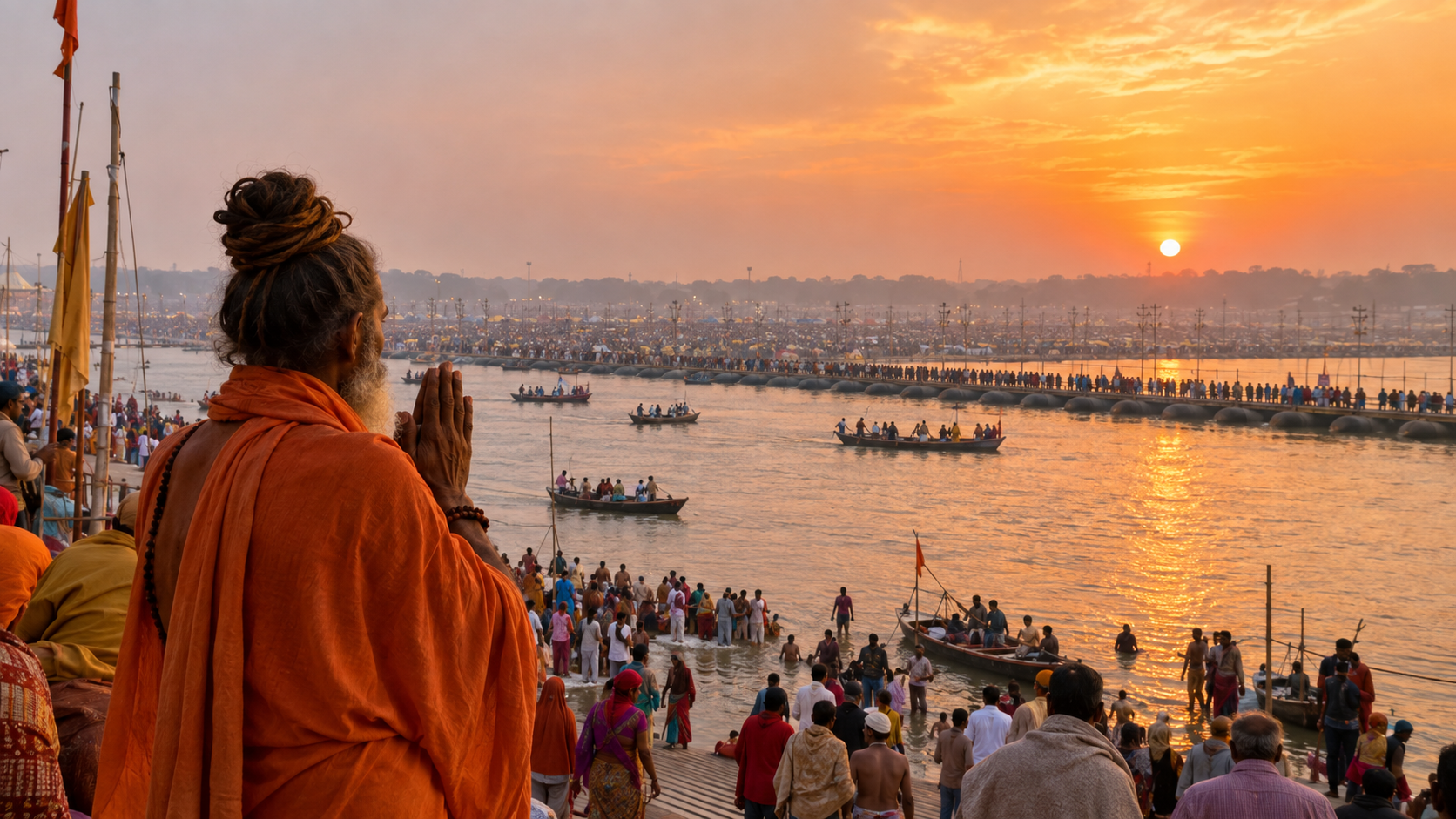
Prayagraj Kumbh Mela from Prayagraj. Package details, itinerary and pricing can be completed in the CRM.
Plan Shrikhand Mahadev Yatra from Chandigarh via Rampur, Nirmand and Jaon with a structured trek itinerary, safety notes and current official rules.
Share your details and get a suitable package from our travel expert.
Shrikhand Mahadev Yatra from Chandigarh. Package details, itinerary and pricing can be completed in the CRM.
Shrikhand Mahadev Yatra from Chandigarh is a demanding Himalayan pilgrimage journey planned for travellers who want to approach the sacred Shrikhand Mahadev area in Kullu district of Himachal Pradesh from Chandigarh. The journey combines a long mountain road transfer with a strenuous multi-day trek through the Nirmand region. Shrikhand Mahadev is associated with Lord Shiva and attracts pilgrims as well as experienced high-altitude trekkers, but it should never be treated as an ordinary sightseeing tour. The terrain is steep, weather-sensitive and physically challenging, and access is controlled or restricted by the local administration whenever conditions are considered unsafe.
This CRM package is therefore designed as a future operational planning framework, not as confirmation that the pilgrimage is currently open. This distinction is especially important because the Kullu district administration suspended the Shrikhand Mahadev Yatra in 2026 after expert assessment identified serious safety concerns on the pilgrimage trail. The Bhim Dwar to Parvati Bagh sector was specifically examined because of dangerous route conditions. A further joint inspection committee was constituted by the District Magistrate, Kullu, in July 2026 to reassess the route, and the restriction continued later in the season. Before accepting a booking, publishing departure dates or sending any traveller towards the trekking route, the latest order of the Kullu district administration and instructions issued through the SDM Nirmand or authorised yatra administration must be checked.
The road journey is planned from Chandigarh towards the Shimla and Rampur side of Himachal Pradesh before continuing into the Nirmand region and towards Jaon, which is commonly used as the approach village for the pilgrimage trek. The detailed road route may be adjusted according to official traffic advisories, road closures, landslides, weather conditions and local administration instructions. Mountain-road travel times should therefore remain flexible rather than being promised as fixed arrival times.
Government and official Himachal references identify the traditional Shrikhand Mahadev approach through the Nirmand-Jaon side. Himachal Pradesh Forest Department material describes Jaon as a principal access point and records the trekking sequence through places such as Singhad, Thachru, Kali Ghati, Bheem Talai, Kunsha, Bheem Dwar, Parvati Bagh and Nain Sarovar before the final approach towards Shrikhand. This itinerary follows that broad traditional order while deliberately avoiding guarantees about temporary camps, food stalls, tents, porter services or medical posts because such facilities depend on the officially authorised yatra arrangements for the relevant season.
Himachal Pradesh Tourism identifies the Shreekhand Mahadev trek among the difficult trekking experiences of the state. The pilgrimage involves sustained uphill walking, steep ascents, rocky sections, exposed mountain terrain and substantial altitude gain. Conditions can change quickly because of rain, snow, fog, flowing water, unstable slopes or falling rocks. Pilgrims must therefore assess the journey according to their own fitness and the medical requirements announced by the authorities for the specific yatra season.
The route should not be promoted using statements such as easy trek, guaranteed darshan, fixed summit time or suitable for everyone. Reaching the Shrikhand Mahadev darshan point depends on physical condition, weather, route status, administrative permission and instructions from authorised safety personnel. If the administration closes the trail, restricts movement or instructs pilgrims to return, those directions take priority over the package itinerary.
Under the proposed Standard Package, pilgrims travel from Chandigarh to Rampur and then onward through the Nirmand side to Jaon. The trek subsequently progresses from Jaon through Singhad towards Thachru. The next section follows the traditional alignment towards Kali Ghati, Bheem Talai, Kunsha and Bheem Dwar. From Bheem Dwar, the traditional pilgrimage continues towards Parvati Bagh. The upper journey proceeds through the Nain Sarovar side towards the Shrikhand Mahadev darshan area before returning by the same general trekking corridor.
The planned return has intentionally been divided into several stages instead of expecting pilgrims to descend the complete trail in one day. After darshan, the itinerary returns first towards Bheem Dwar, then towards Thachru, and finally to Jaon. The road journey then returns through Rampur to Chandigarh. Even this division is only a planning structure. Authorities, trek leaders or rescue personnel may alter night halts according to weather, trail conditions, crowd management and the availability of officially permitted camps.
Travellers and sales teams must pay particular attention to changing government rules. The Shrikhand Mahadev Yatra planned for 2026 was suspended by the Kullu district administration on safety grounds. Official district information later recorded the formation of a joint inspection committee to reassess unsafe sections and examine whether the pilgrimage could be operated safely. Because such restrictions can change from season to season or even during an announced pilgrimage window, an older registration notice, social-media post or previous year's travel schedule must not be treated as present permission.
For every departure, the operator should confirm three matters before final commitment: whether the official pilgrimage is open, whether registration or medical documentation is currently required, and whether the traditional route is authorised for movement. Travellers should also be informed that permission can be withdrawn at short notice when the administration considers conditions unsafe. A package booking should never override a closure order.
Requirements for registration, medical screening, identity verification and pilgrim movement are determined by the authorities for the relevant yatra season. Since these procedures can change, this package does not publish an unverified registration fee, medical certificate format, age limit or portal address. Customers should receive the current official requirements only after they are announced by the Kullu district administration or authorised Shrikhand Mahadev Yatra authorities.
As a practical preparation measure, every traveller should carry an original government-issued photo identity document together with photocopies or digital backups. Any medical fitness certificate, registration acknowledgement, permit or pilgrim card demanded for the notified yatra period must be obtained in the prescribed manner. Travellers should not rely on screenshots or old registration forms from previous years.
The Shrikhand region is vulnerable to serious Himalayan weather hazards. Official disaster-management records also document destructive cloudburst impacts near Jaon and the Singhad Base Camp area in August 2024. Such events demonstrate why weather warnings and district instructions must be taken seriously. Heavy rain can trigger sudden increases in stream flow, landslides, erosion, damaged bridges and road blocks. Even when the lower valley appears clear, conditions on the upper trail may be different.
The group should therefore move only when the authorised local team considers the route safe. Trekking after dark, separating from the group, taking unofficial shortcuts or proceeding beyond a closure point should be avoided. If an official warning, evacuation instruction or route restriction is issued, the itinerary must be changed immediately. Buffer time is advisable before onward rail or air journeys from Chandigarh because road and trek delays are possible.
This package does not name hotels or guarantee specific camps because no verified accommodation inventory has been supplied for the intended departure. Lower-route accommodation should be confirmed only after availability and registration status are checked. On trekking days, any tented or temporary stay must depend on camps that are legally and officially permitted during the operating yatra period.
Temporary pilgrimage infrastructure can be removed or closed when the administration suspends the pilgrimage, as occurred during the 2026 safety restrictions. For this reason, customers must not be promised that food tents, langar, accommodation, shops, electricity, medical posts or rescue camps will be available at a particular location unless these services have been officially established for the relevant departure.
The Shrikhand Mahadev pilgrimage is better suited to physically active travellers who are comfortable with several consecutive days of mountain walking and basic trekking conditions. Previous trekking experience can be useful, although it does not replace appropriate physical preparation or medical assessment. People with concerns about high-altitude exertion should consult a qualified medical professional before committing to the journey.
Participants should understand the difference between road-tour comfort and pilgrimage-trek conditions. Beyond the motorable approach, luggage must be kept practical, facilities become basic and weather exposure increases significantly. Personal expectations should therefore remain realistic. Luxury accommodation, continuous mobile coverage, uninterrupted charging facilities, private washrooms at every halt or fixed meal menus should not be assumed on the high-altitude section.
Shrikhand Mahadev lies in a sensitive Himalayan environment. Pilgrims should carry reusable water containers, minimise disposable plastic, keep food wrappers and other waste with them until proper disposal is possible and avoid damaging vegetation. Religious faith should be expressed without leaving offerings, plastic, clothing or other non-biodegradable material on the mountain trail.
Instructions from forest personnel, police, district authorities, medical teams, rescue personnel and authorised trek managers should be followed throughout the journey. Travellers should remain on the approved route and avoid approaching unstable slopes, fast-flowing streams or restricted areas merely for photographs. These simple practices protect both pilgrims and the mountain environment.
The Standard Package provides a ten-day, nine-night planning structure from Chandigarh back to Chandigarh. It includes two approach days before the principal trek stages, several days for gradual progression and return on the traditional trekking corridor, and road travel back through Rampur. The schedule intentionally avoids a rushed summit attempt.
However, the itinerary becomes operational only when the relevant pilgrimage is officially permitted. If the government announces different official dates, mandatory camps, regulated daily movement, changed trail alignment, compulsory guides, revised registration procedures or any other safety condition, the package must be amended to match the latest order. Similarly, if the yatra remains suspended, no trek departure should be operated under this itinerary.
Customers searching for a Shrikhand Mahadev Yatra from Chandigarh, Shrikhand Mahadev trek package or Shrikhand Kailash pilgrimage should therefore view this programme as a carefully structured route plan rather than an unconditional travel guarantee. The purpose of the package is to connect Chandigarh with the traditional pilgrimage approach while keeping government permission, safety assessments and responsible Himalayan travel at the centre of the journey.
A quick overview of the experiences, important stops and thoughtful planning included in this yatra.
Chandigarh to Chandigarh pilgrimage planning itinerary.
Traditional approach through Rampur, Nirmand and Jaon.
Multi-day trekking plan through Singhad, Thachru, Kali Ghati, Bheem Dwar and Parvati Bagh.
Planned Shrikhand Mahadev darshan attempt through the authorised traditional route.
Staged return trek instead of a rushed one-day descent.
Safety-first itinerary subject to Kullu district administration permission.
No unverified hotel, permit, camp, departure-time or darshan guarantees.
Follow the journey step by step through the important halts, stays and darshan points.
Begin the pilgrimage journey from Chandigarh and travel by road towards Rampur in Himachal Pradesh. The final road alignment and travel duration should remain flexible because mountain traffic, weather and road restrictions can affect movement. Check current Himachal road advisories before departure. Overnight at a confirmed accommodation in Rampur.
Proceed from Rampur towards the Nirmand region and onward to Jaon, the traditional approach village for the Shrikhand Mahadev trek. Complete any currently applicable registration, identity verification or medical formalities only through the officially prescribed process. The trekking programme must not proceed if the district administration has not authorised the yatra. Overnight at Jaon in confirmed legal accommodation.
Subject to official opening of the pilgrimage route, begin the trek from Jaon and follow the traditional route through Singhad towards Thachru. This is a demanding uphill trekking day. Walk with the authorised group, remain on the approved trail and follow instructions from local administration, medical and rescue personnel. Overnight in an officially permitted trek camp only if such facilities are authorised and operating.
Continue on the traditional pilgrimage alignment through Kali Ghati, Bheem Talai and Kunsha towards Bheem Dwar. Expect sustained mountain walking, exposed terrain and changing weather. Do not leave the approved trail or attempt shortcuts. The day's movement may be shortened, delayed or cancelled by authorised personnel if trail or weather conditions deteriorate.
Proceed towards Parvati Bagh only when this section has been expressly cleared for pilgrim movement by the competent authorities. The Bheem Dwar-Parvati Bagh sector was identified as unsafe during the 2026 safety assessment, so an old itinerary must never be treated as permission to enter this stretch. If the route is closed, the group must follow the administration's instructions and the trek must be modified or discontinued.
If weather, route condition and official permission allow, continue from Parvati Bagh through the traditional Nain Sarovar side towards the Shrikhand Mahadev darshan area. Darshan or reaching the upper point cannot be guaranteed. Follow the turnaround time fixed by the authorised trek team and return on the approved route to Bheem Dwar for the night.
Begin the staged descent from Bheem Dwar towards Thachru through the approved traditional route. Descents can be demanding on knees and ankles, particularly when the trail is wet or slippery. Maintain group discipline and follow all weather, safety and trail instructions. Overnight only at an authorised operating camp.
Descend from Thachru through Singhad and continue to Jaon, completing the trekking section of the planned pilgrimage. Report or complete any exit procedure required by the current yatra administration. Rest at Jaon after the trek in pre-confirmed legal accommodation.
Leave Jaon and drive back through the Nirmand side towards Rampur. Road movement remains subject to local traffic regulation, weather and landslide conditions. Overnight at Rampur to provide a practical break before the longer return journey to Chandigarh.
Travel from Rampur back to Chandigarh and conclude the planned Shrikhand Mahadev pilgrimage. Keep onward travel arrangements flexible because Himalayan road conditions can cause delays.
Review what is included in your plan and the important information required before confirming your journey.
Important answers to help you prepare for this journey.
The Kullu district administration suspended the 2026 Shrikhand Mahadev Yatra because of route-safety concerns, and restrictions remained in force later in the season. Do not operate or sell a trek departure until the latest District Administration Kullu or authorised yatra notification confirms that pilgrim movement is permitted.
This Standard Package uses a 10-day and 9-night planning itinerary from Chandigarh back to Chandigarh, including approach travel, staged trekking days, the planned darshan attempt and a gradual return.
The package approaches the pilgrimage through Rampur and Nirmand to Jaon. From Jaon, the planned traditional trekking sequence proceeds through Singhad towards Thachru and the higher pilgrimage route.
Himachal Pradesh Tourism classifies Shreekhand Mahadev as a difficult trek. It involves steep climbs, high-altitude conditions and several consecutive trekking days. Travellers should prepare physically and obtain appropriate medical advice before booking.
Registration and medical requirements are announced for the applicable official yatra season and can change. Travellers should follow only the current instructions issued by the Kullu district administration or authorised yatra authorities rather than relying on old forms or unofficial portals.
Medical screening requirements can change from one officially notified yatra period to another. If the authorities prescribe a medical fitness certificate, travellers must use the currently approved format and validity rules. No previous-year certificate requirement should automatically be applied to a future departure.
No. Darshan depends on official permission, weather, route safety, the traveller's health and fitness, and instructions from authorised personnel. The group may have to turn back before reaching the darshan area if conditions become unsafe.
This sector was specifically identified during the 2026 official safety assessment as a serious concern and was included in subsequent reassessment of the pilgrimage route. It must not be entered unless the competent authorities have officially cleared pilgrim movement.
No. Temporary camps, tents, shops, food services, medical posts and similar facilities depend on the authorised yatra arrangements for that season. They may not operate during a suspension or outside an officially managed pilgrimage period.
The itinerary must be changed, delayed or cancelled according to local administration and safety instructions. Travellers should never continue through a closed or hazardous section simply to maintain the published schedule.
No package should direct travellers onto a route where the district administration has prohibited or suspended movement. Government closure orders and safety restrictions take priority over individual travel plans or commercial bookings.
Travellers should carry an original government-issued photo identity document and any current registration, medical or pilgrim documents required by the official yatra notification for their departure. Exact requirements should be reconfirmed before travel.