
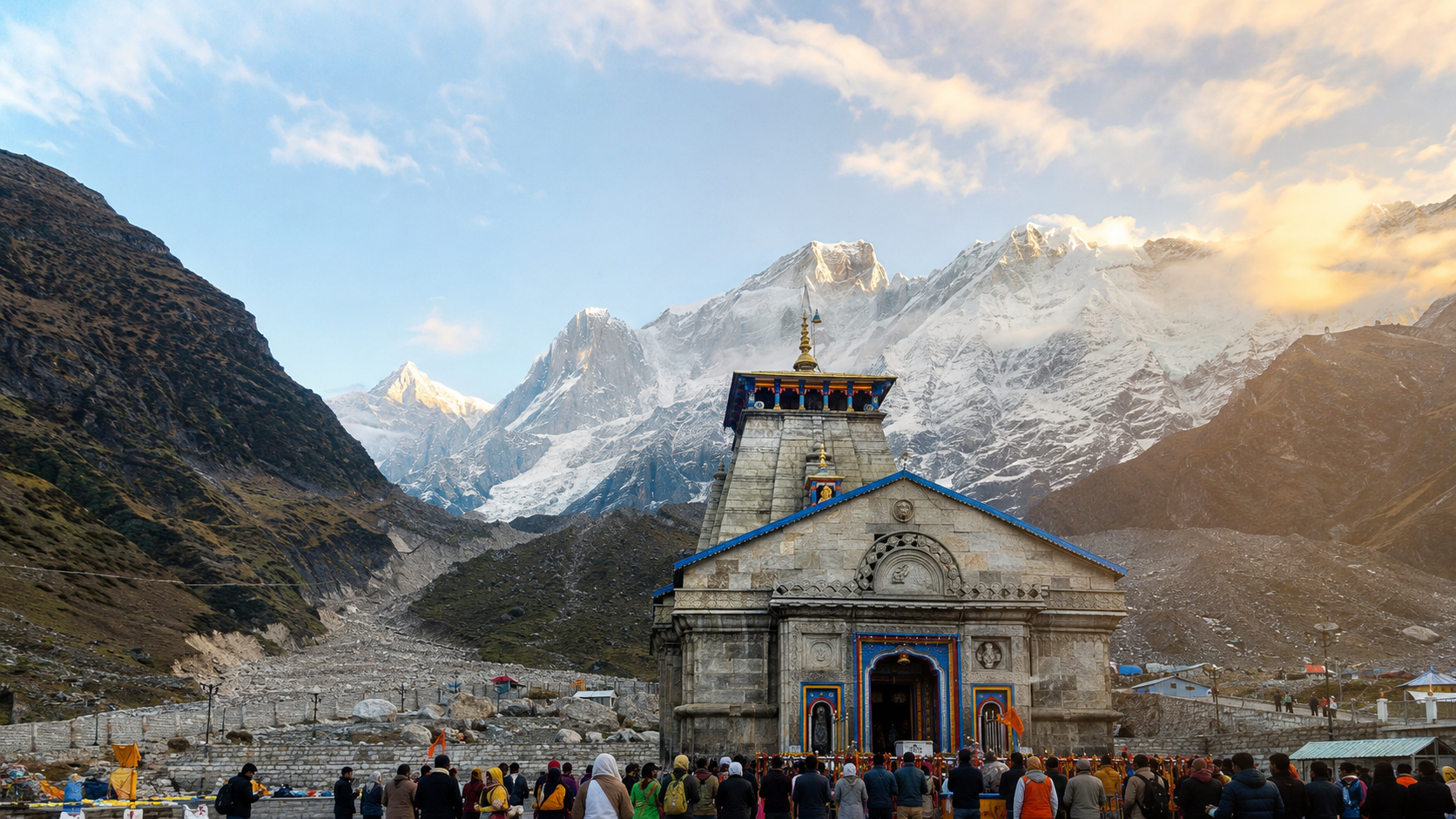
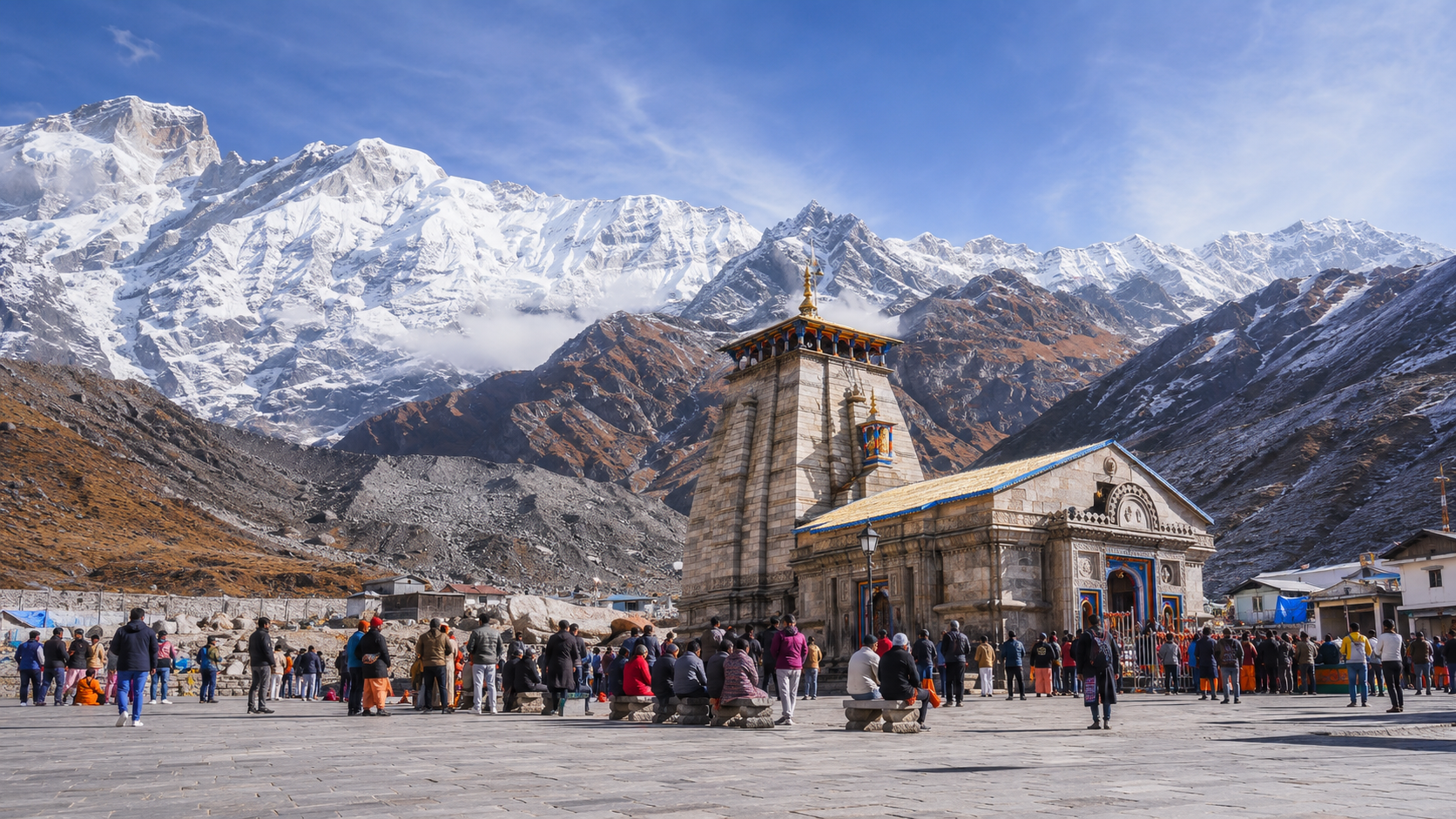
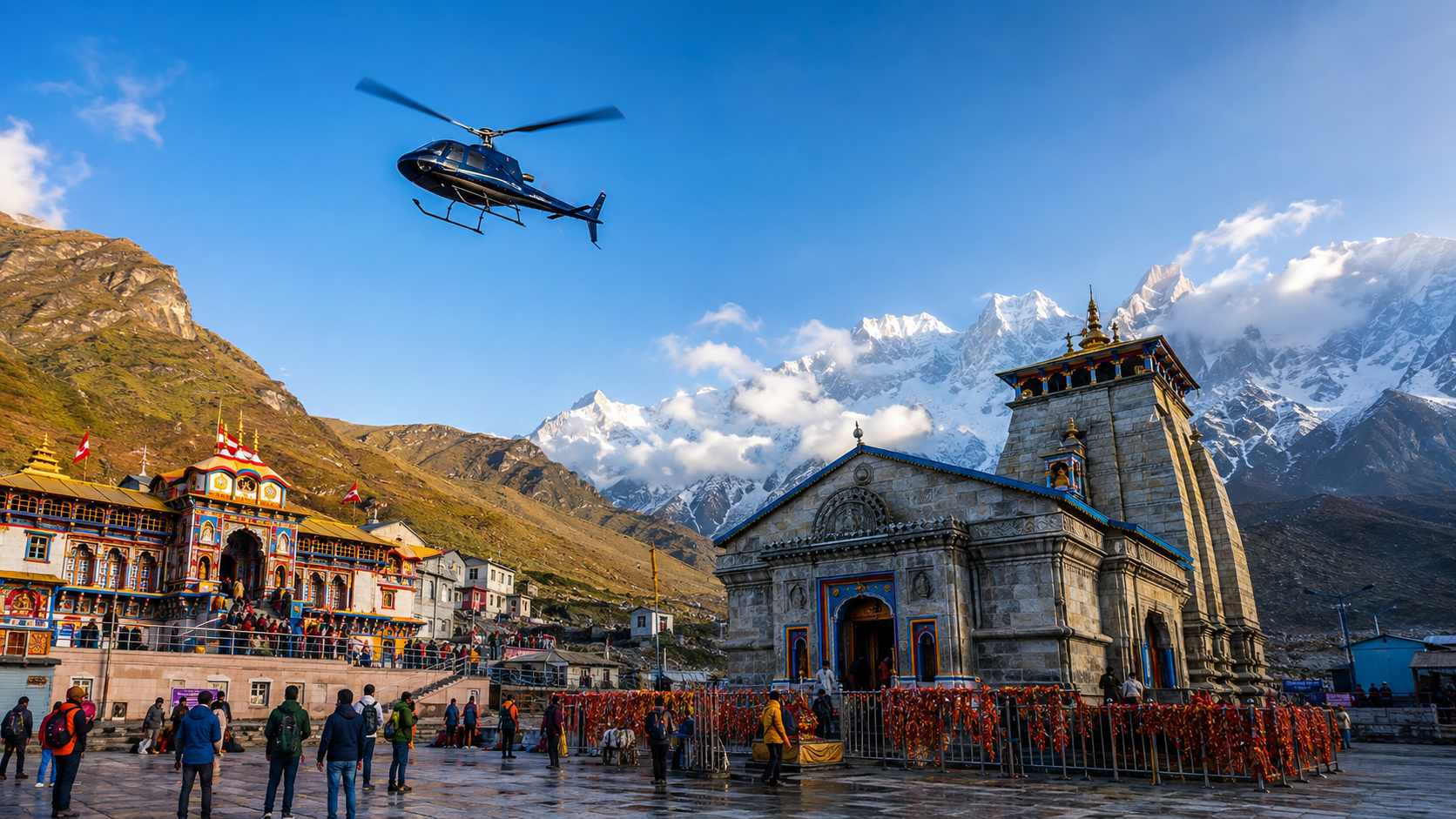
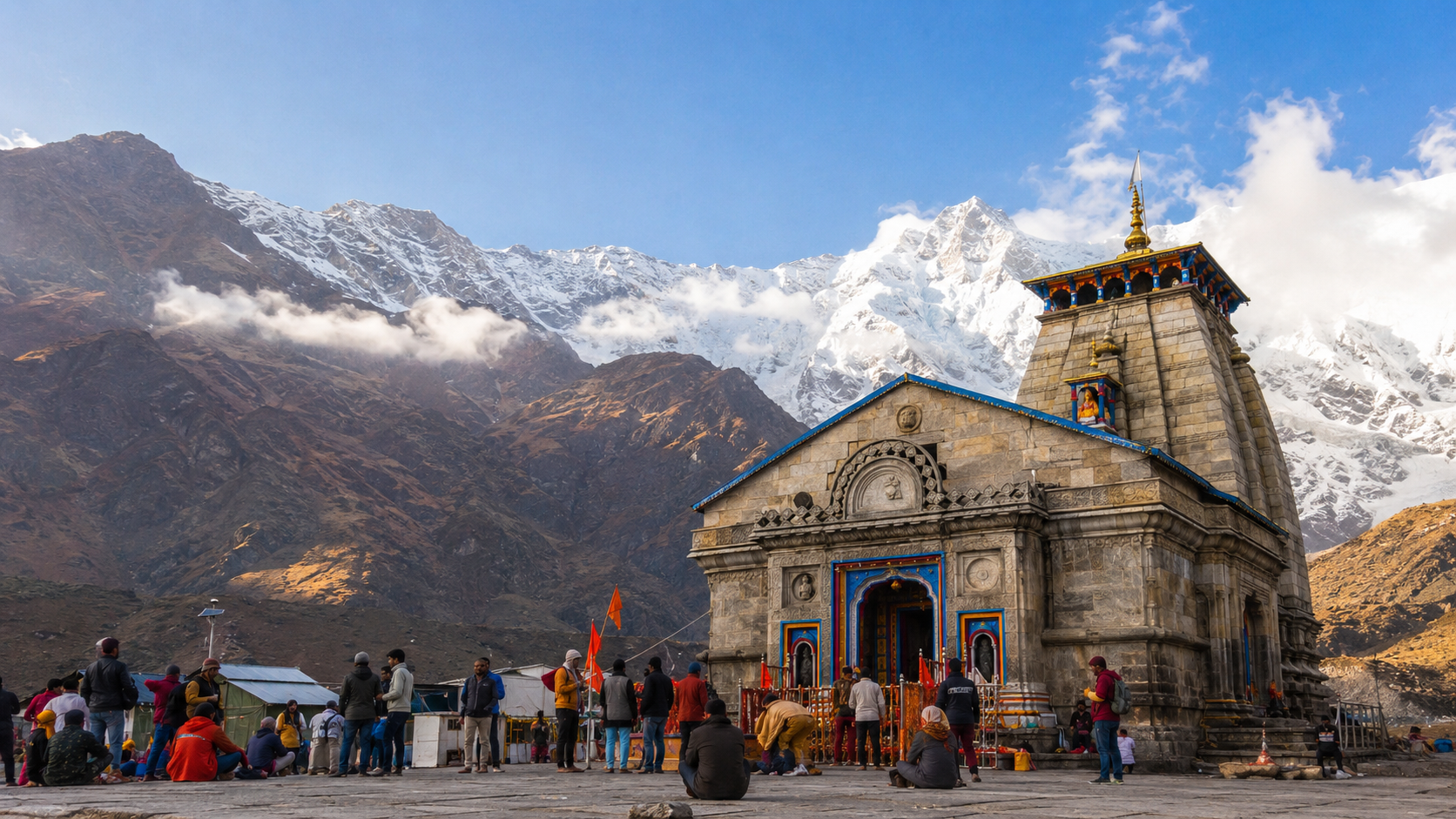
Yamunotri Temple
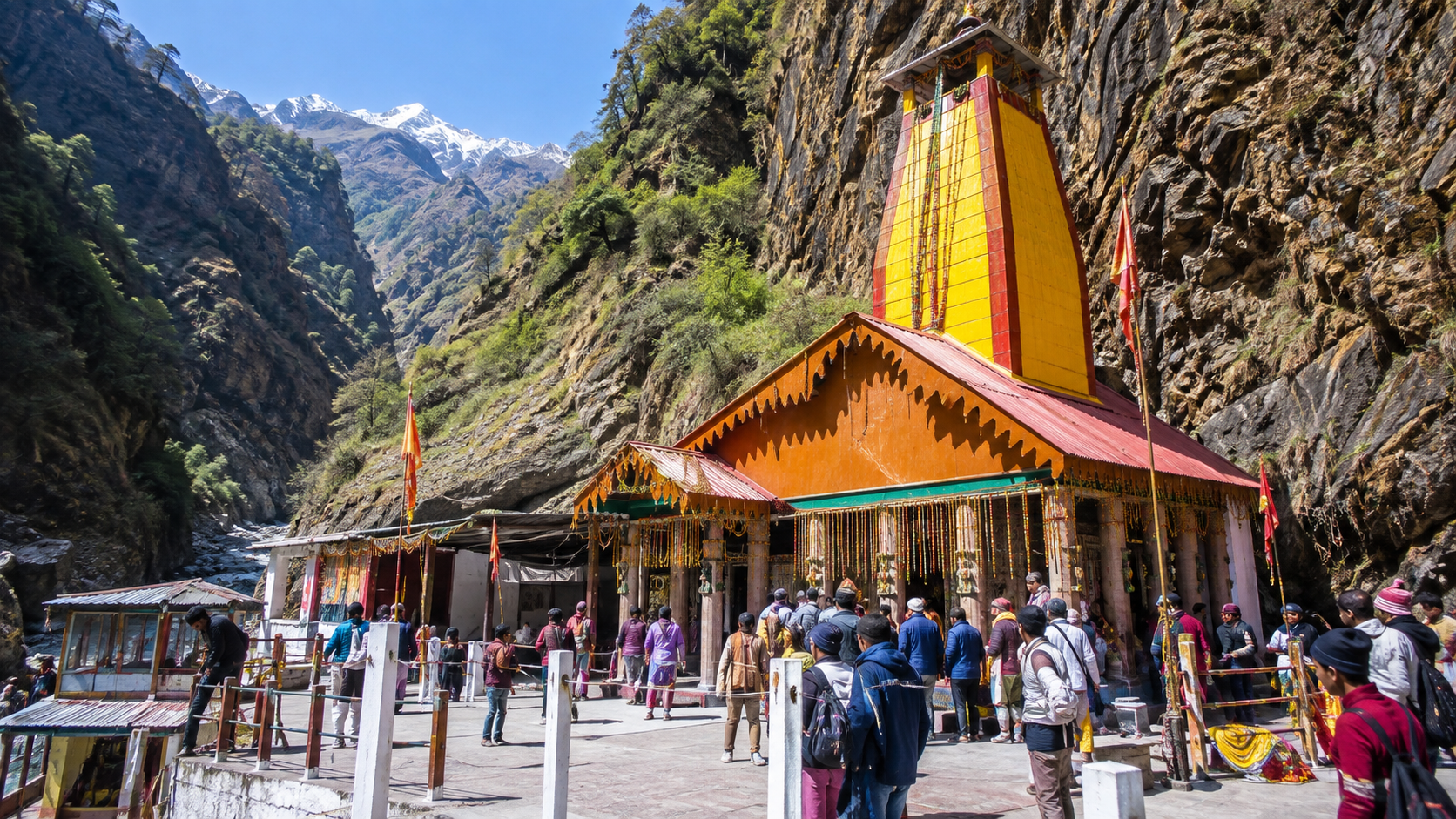
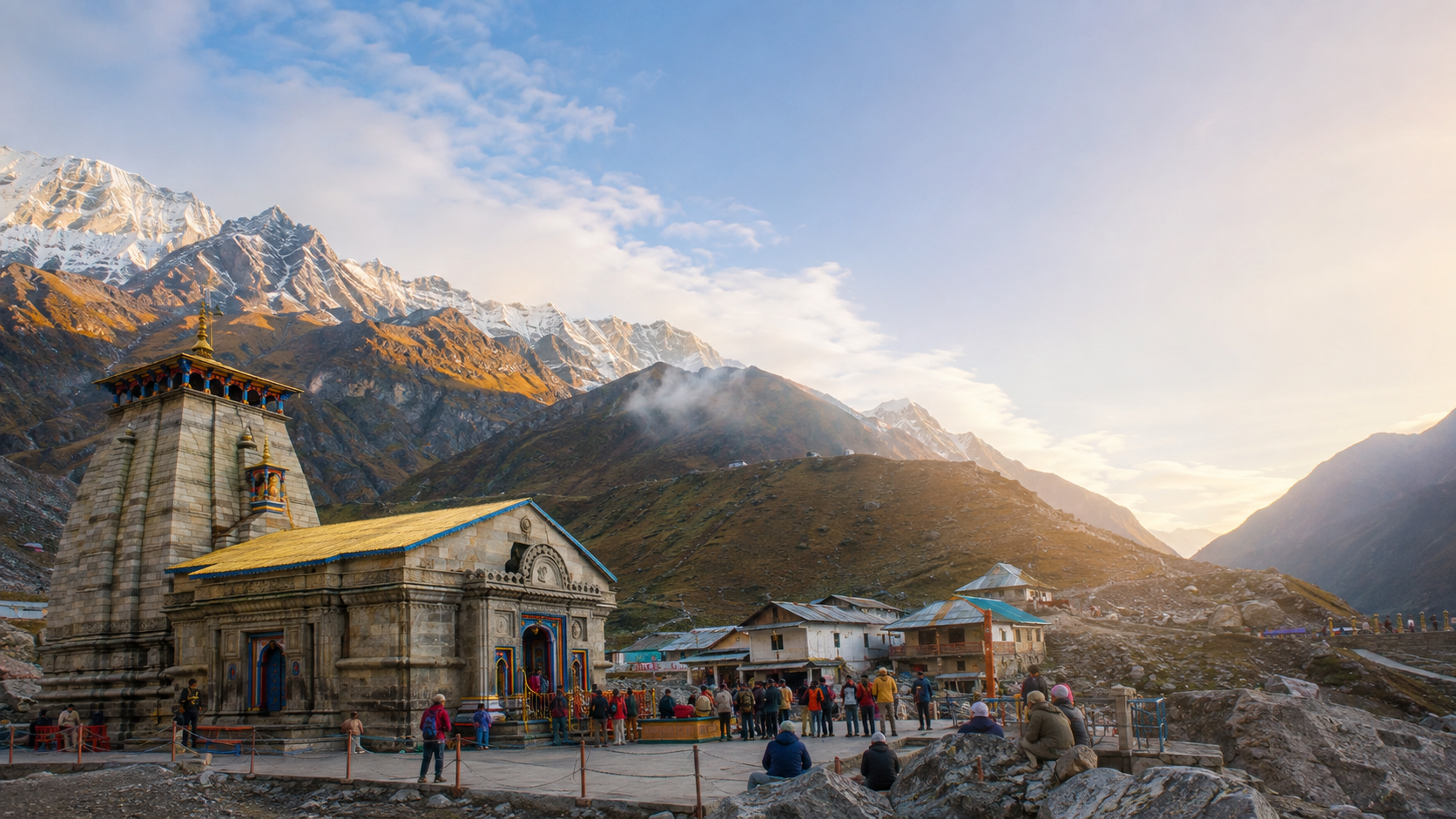
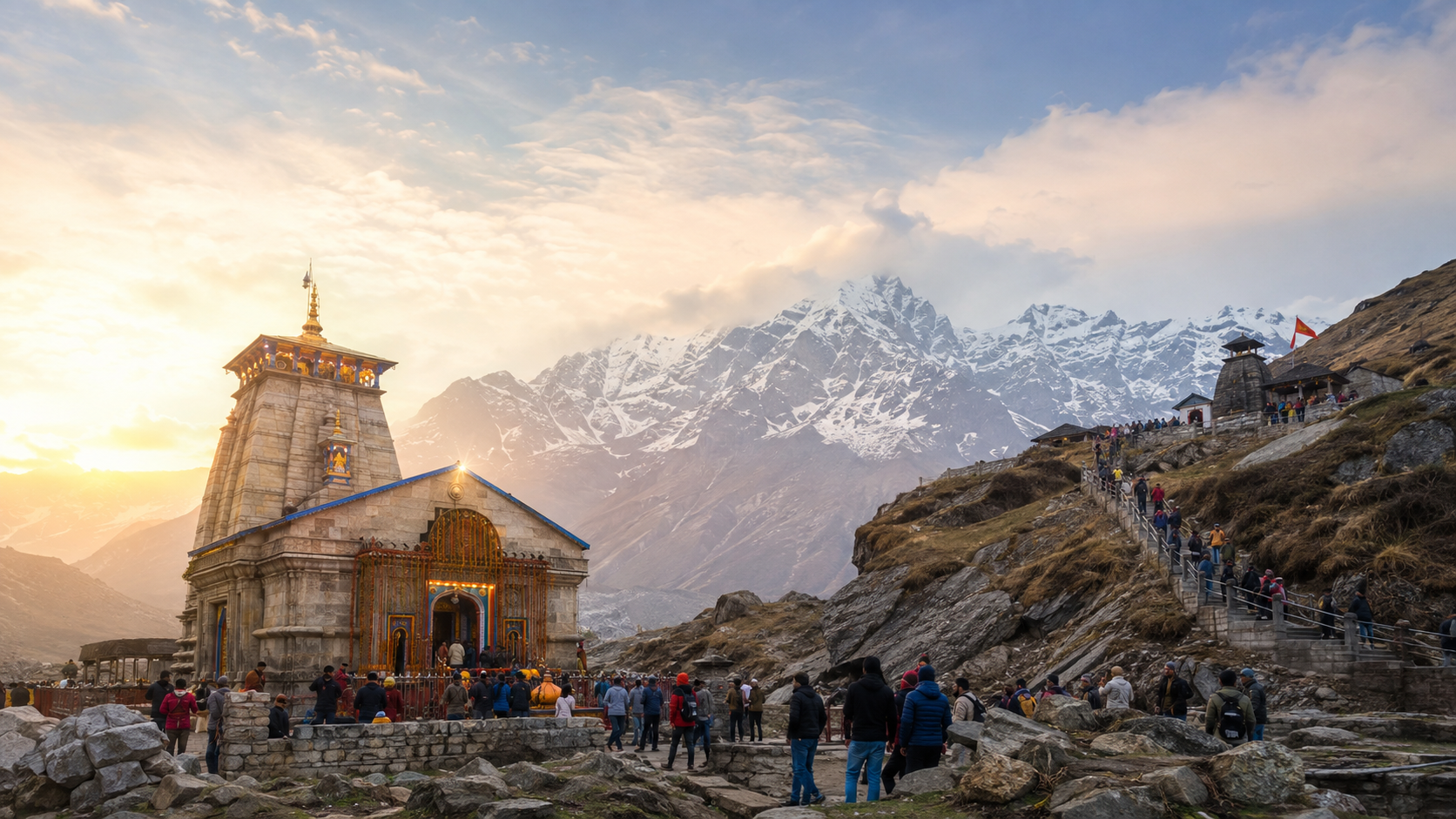
Yamunotri Temple in Uttarkashi, Uttarakhand, is one of the four Char Dham shrines and is dedicated to Goddess Yamuna. Reached from Janki Chatti by a mountain trek, the temple is visited for darshan, prayers and the sacred surroundings of Surya Kund and Divya Shila. Seasonal access, weather and daily temple timings should be checked before travel.
Yamunotri Temple: An Overview
Yamunotri Temple is a revered Hindu shrine in the western Garhwal Himalayas of Uttarakhand's Uttarkashi district. Located at an altitude of about 3,293 metres, it is dedicated to Goddess Yamuna and forms one of the four Char Dham pilgrimage sites of Uttarakhand, along with Gangotri, Kedarnath and Badrinath. The shrine stands near the Yamuna's upper Himalayan source region and is reached by road only up to Janki Chatti, followed by a mountain trek.
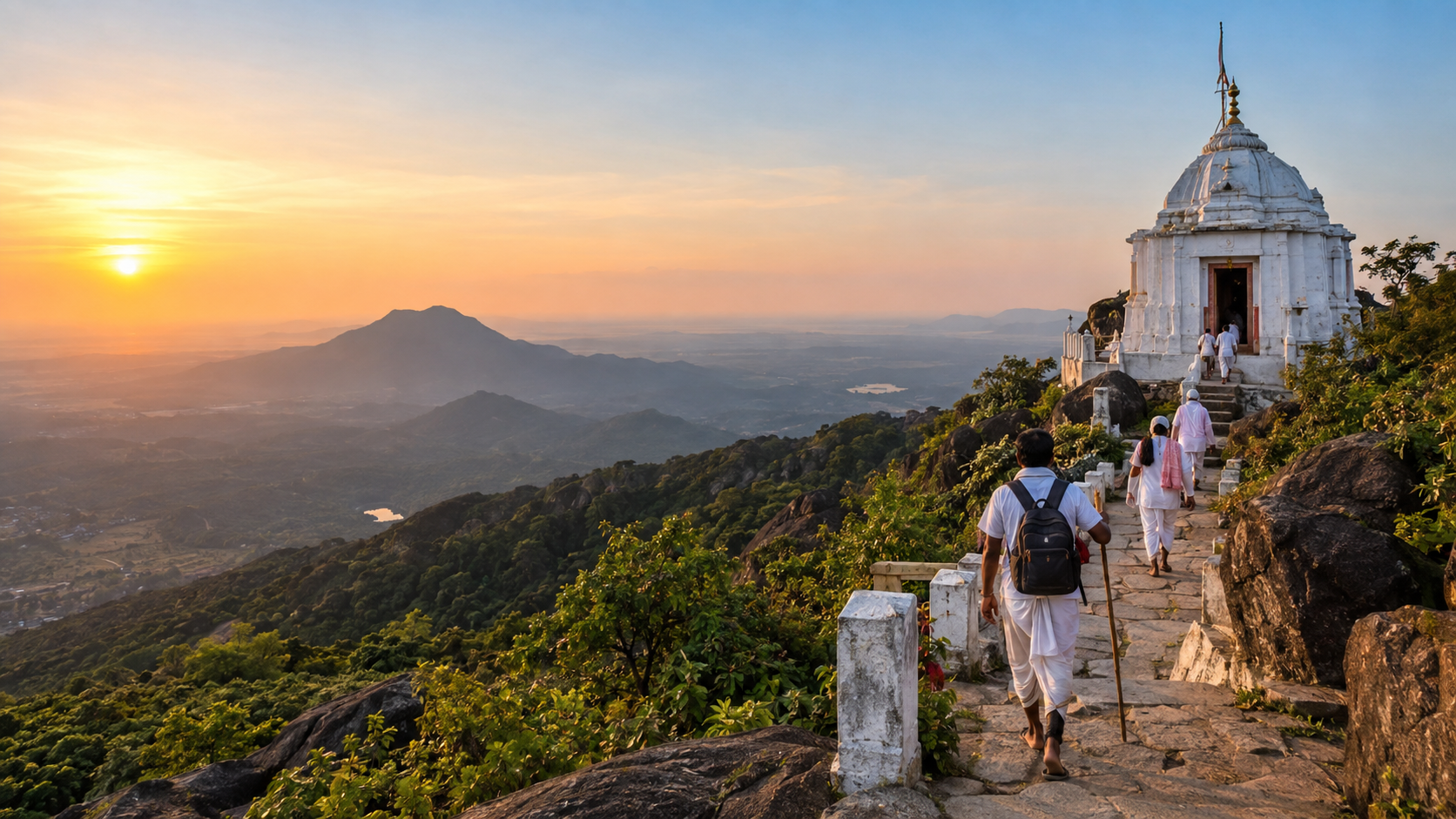
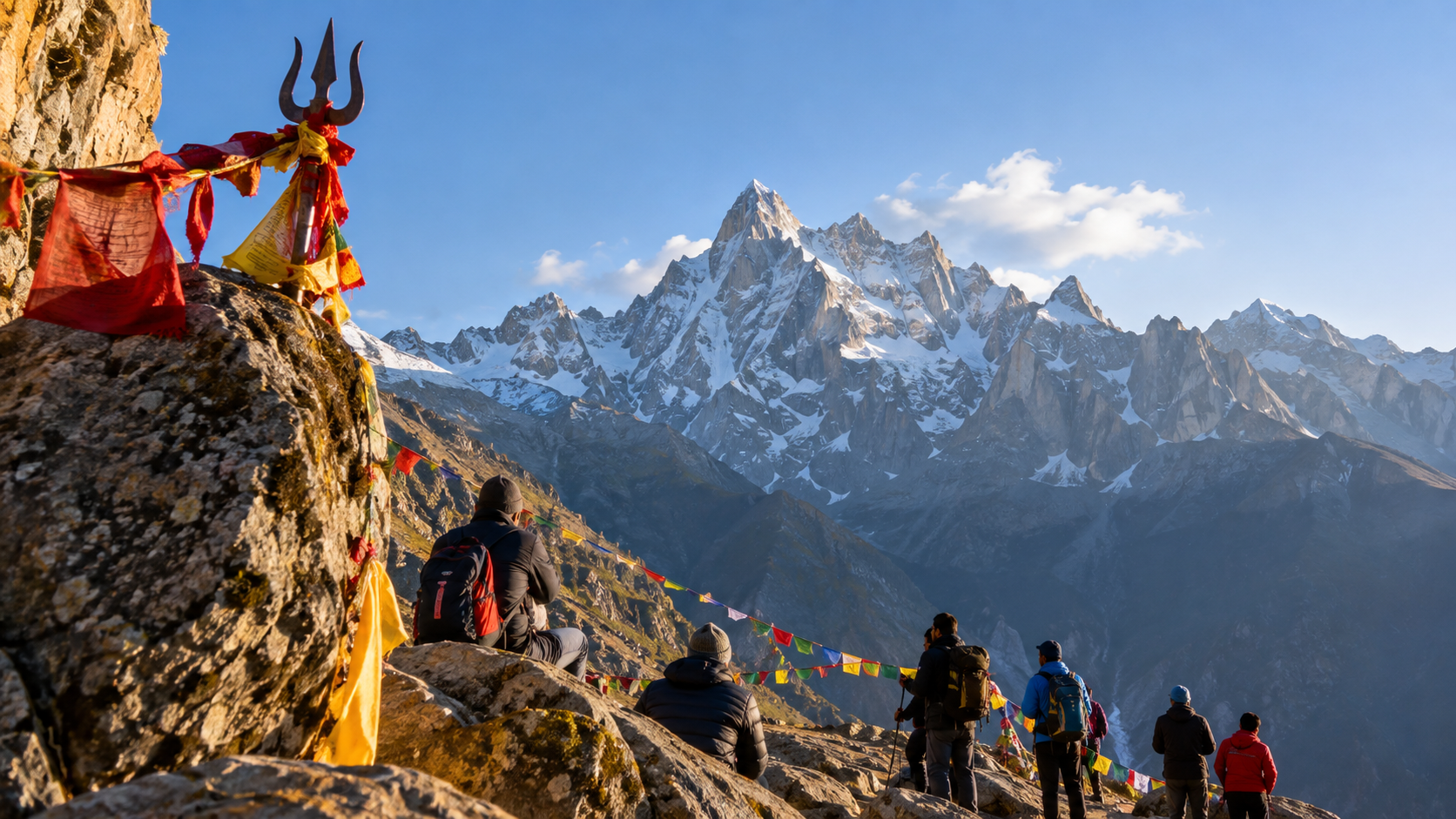
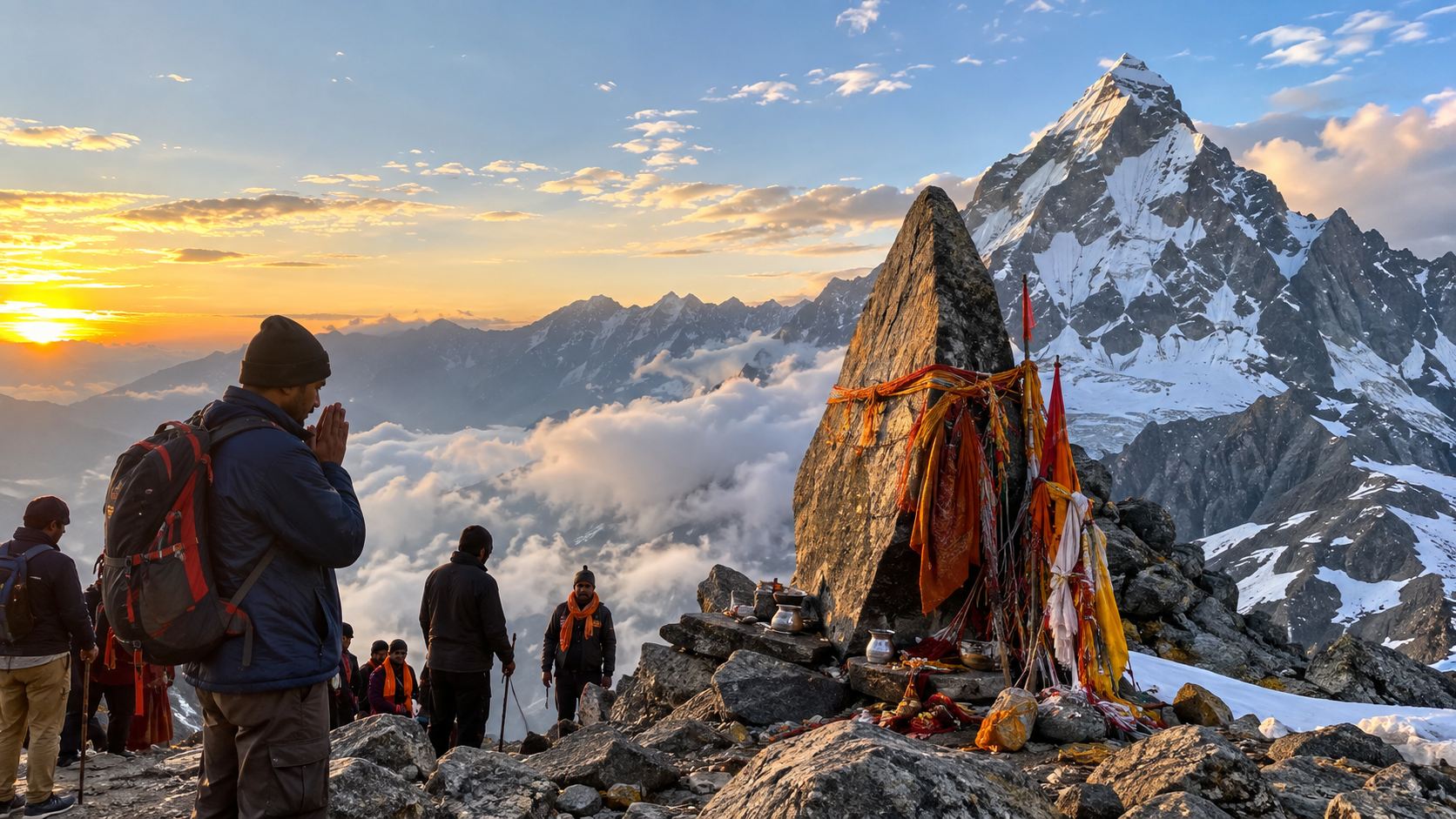
For pilgrims, the journey is an important part of the Yamunotri Yatra. The route combines a road journey through the Yamuna valley with a steep final approach on foot or by locally available pony and palanquin services. At the temple area, devotees traditionally visit Divya Shila and Surya Kund before offering prayers at the main shrine.
The pilgrimage is seasonal. Snow, heavy rain and landslides can affect access, so a Yamunotri visit needs more planning than a conventional temple trip.
Why Yamunotri Temple Is Important
Yamunotri is regarded as the seat of Goddess Yamuna. Hindu tradition identifies Yamuna as the daughter of Surya, the Sun God, and sister of Yama. The religious importance of the shrine is closely connected with worship of the Yamuna River and the wider Himalayan pilgrimage tradition.
Yamunotri is traditionally the first destination in the Uttarakhand Char Dham circuit. The actual glacial source associated with the Yamuna lies higher in the mountains and is difficult to access; the temple is located at a more accessible point below it. The Badrinath-Kedarnath Temple Committee identifies the Champasar Glacier and a high-altitude frozen lake as the source region.
The temple complex also has two features of particular religious interest:
• Surya Kund is a natural hot spring near the temple. Pilgrims traditionally use its hot water to cook rice or potatoes as an offering.
• Divya Shila is a sacred rock near Surya Kund that devotees traditionally worship before entering the main shrine.
Yamunotri Temple History and Legend
The history of the present shrine is associated with the rulers of the former Tehri Garhwal region. Official Uttarakhand sources attribute the temple's construction to Maharaja Pratap Shah of Tehri Garhwal, while the Badrinath-Kedarnath Temple Committee also records a reconstruction associated with Maharaja Pratap Shah and an earlier temple associated with Maharani Gularia of Jaipur.
There are also traditional accounts connecting the Yamunotri region with Sage Asit Muni. Such accounts belong to Hindu religious tradition and should be understood as part of the sacred lore surrounding the pilgrimage rather than as independently established historical fact.
The temple has undergone reconstruction over time, as is common with Himalayan shrines exposed to severe winters, snowfall and difficult mountain conditions. Travellers should therefore distinguish between the history of the sacred site and the history of the present temple structure.
Yamunotri Temple Timings and Darshan
Yamunotri Temple timings are seasonal and can also be adjusted because of weather, religious ceremonies and local operating conditions. The official Uttarakhand Char Dham registration portal currently confirms the 2026 opening date as 19 April 2026 but states that the temple's daily opening and closing timings, along with aarti and bhog timings, are to be announced.
For this reason, travellers should not rely on fixed timings copied from older travel pages. Confirm the latest schedule through the official Uttarakhand pilgrimage information before starting the trek from Janki Chatti.
A practical approach is to:
- Start from Janki Chatti early enough to allow for the uphill journey, breaks and possible queues.
- Keep sufficient time for darshan and the return trek.
- Avoid planning the day's road transfer too tightly around the temple visit.
- Check weather and route conditions on the morning of the trek.
- Carry the required pilgrimage registration details and identification.
The official Uttarakhand portal states that Char Dham registration is mandatory and provides registration and verification facilities at locations including Janki Chatti and Yamunotri.
Yamunotri Temple Opening Date
For the 2026 pilgrimage season, the official Uttarakhand Tourist Care portal lists 19 April 2026 as the Yamunotri Dham kapat opening date. Daily opening and closing hours should still be confirmed before visiting because the official portal notes that those details are announced separately.
The shrine is not a year-round road-accessible temple. During the winter season, severe cold and snowfall make the upper Yamunotri area unsuitable for the normal pilgrimage, and worship associated with Goddess Yamuna continues at Kharsali, her winter seat.
Travellers planning for a future season should always verify the new year's kapat opening date and closing date rather than assuming that the dates from the previous year will remain unchanged.
Yamunotri Temple Trek and Route
The Yamunotri temple route ends at Janki Chatti for road transport. From there, pilgrims continue towards the shrine on the mountain trail.
Official sources give slightly different figures for the final trek, generally placing it at around 5–7 km depending on the route or measurement point. Uttarakhand Tourism describes the walk from Janki Chatti as approximately 5–6 km, while the official pilgrimage registration portal uses approximately 6 km.
The trail is uphill and should not be treated as a casual walk. The return journey is also physically demanding, particularly for older travellers or anyone unused to walking at altitude.
Common options from Janki Chatti include:
• Walking: Suitable for travellers who are comfortable with a steep mountain trek.
• Pony or horse: Locally available services can reduce the amount of walking required.
• Palanquin/doli: An option for pilgrims who cannot comfortably complete the route on foot.
Availability, pricing and operating conditions can vary by season and local administration, so confirm current rates and arrangements locally rather than relying on old published figures.
How to Reach Yamunotri
By Road
The practical road journey is usually planned through the Yamuna valley towards Barkot, Hanuman Chatti and Janki Chatti. Janki Chatti is the last motorable point for the normal Yamunotri approach. From there, the remaining journey is completed by trek or supported local transport.
Barkot is an important overnight base for many Yamunotri pilgrims. Uttarakhand Tourism lists the road distance between Barkot and Janki Chatti at roughly 50 km in one of its itineraries, while another official itinerary gives about 42 km. The variation reflects different route descriptions, so travellers should allow time rather than planning around an exact kilometre figure.
By Rail
Rishikesh and Haridwar are useful rail gateways for a road-based pilgrimage. From the railhead, travellers continue by road towards Barkot and Janki Chatti. Uttarakhand's official tourism information identifies regular rail connectivity to Haridwar and Dehradun and recommends continuing by road.
By Air
Jolly Grant Airport near Dehradun is the principal airport used for access to the wider Uttarakhand pilgrimage region. From the airport, the onward journey to Yamunotri is by road, followed by the final trek from Janki Chatti.
Best Time to Visit Yamunotri Temple
The most practical pilgrimage periods are generally May to June and September to October, when the shrine is operating and conditions are usually more suitable than during the peak monsoon or winter closure. Official temple information identifies April–June and September–November as favourable periods, while also warning that monsoon conditions can make access difficult because of landslides.
May and June are popular because the weather is generally more suitable for the trek, but these months can also bring heavier pilgrimage traffic.
July and August require greater caution. Rain can affect mountain roads and the walking route, and landslides may cause delays or temporary access problems.
September and October can be attractive for travellers looking for clearer autumn conditions, but temperatures can drop quickly, especially early and late in the day.
Winter is not suitable for the regular Yamunotri pilgrimage. The temple closes during the winter season, and the region experiences severe cold and snowfall.
Yamunotri Temple Darshan and Etiquette
Yamunotri is an active place of worship rather than simply a sightseeing attraction. Visitors should keep the religious character of the site in mind throughout the journey.
Useful etiquette includes:
• Wear modest, comfortable clothing suitable for a temple and a cold mountain environment.
• Follow the queue and instructions given by temple staff and local authorities.
• Do not touch religious objects or enter restricted areas unless permitted.
• Avoid loud conversations, inappropriate photography or behaviour that disturbs other pilgrims.
• Treat the Yamuna, springs and temple surroundings with care and do not leave plastic or other waste behind.
• Be especially cautious around Surya Kund because the natural hot water is extremely hot.
• Allow elderly family members and slower walkers adequate time instead of rushing to maintain a fixed schedule.
Yamunotri Temple Accommodation
There are accommodation options around the approach route, particularly in Janki Chatti, Barkot and nearby settlements. Janki Chatti is especially convenient for pilgrims who want to stay close to the start of the final trek. Uttarakhand Tourism also notes that Janki Chatti is suitable for an overnight stay.
Yamunotri itself has limited accommodation compared with larger pilgrimage towns. The Garhwal Mandal's official information notes that accommodation at Yamunotri includes dharamshala facilities.
For a more comfortable trip, many travellers prefer to stay at Janki Chatti or Barkot and make the temple visit as a planned day excursion.
When booking accommodation, check:
• Whether hot water and heating are available.
• How close the property is to the trek starting point.
• Whether meals are provided.
• Cancellation conditions during weather-related disruption.
• Whether the property is operating during your travel dates.
Places to Visit Near Yamunotri
Kharsali
Kharsali is a traditional Himalayan village near the Yamunotri approach and is closely associated with the worship of Goddess Yamuna during the winter period. It is also known for its historic Shani Temple. The village provides an opportunity to see traditional mountain architecture and local life.
Janki Chatti
Janki Chatti is the principal road-access point for the Yamunotri trek and is also known for its natural hot springs. It is the most practical place to organise the final part of the journey, including local transport and overnight accommodation.
Hanuman Chatti
Hanuman Chatti lies on the approach towards Yamunotri and is associated with trekking routes in the wider region. Uttarakhand Tourism identifies it as a stop on the route and a base for other treks.
Surya Kund and Divya Shila
These are within the Yamunotri temple area and are among the most important features to include in a temple visit. Surya Kund is the natural hot spring, while Divya Shila is the sacred rock worshipped by pilgrims before entering the shrine.
Saptarshi Kund
Saptarshi Kund is a high-altitude glacial lake associated with the upper Yamuna source region. Uttarakhand Tourism describes the route as an arduous trek intended for experienced trekkers and mountaineers rather than a routine extension of a family temple visit.
Practical Tips for Yamunotri Yatra
Yamunotri's altitude and mountain terrain make sensible preparation important.
• Start the trek with adequate time and avoid rushing.
• Wear shoes with good grip rather than casual footwear.
• Carry a warm layer even when travelling in summer.
• Keep rain protection accessible because mountain weather can change quickly.
• Carry drinking water and basic personal medicines.
• Avoid carrying unnecessary luggage on the trek.
• If travelling with senior citizens or children, assess their ability to manage the uphill route before departure.
• Keep some buffer in the itinerary for traffic, weather, queues and road restrictions.
• Complete the required Char Dham registration before travelling and retain the registration details during the journey. The official Uttarakhand portal states that registration is mandatory.
• Check official updates immediately before departure for temple timings, weather, road conditions, registration requirements and any local restrictions.
Accessibility and Physical Preparedness
Yamunotri is not a barrier-free temple destination in the conventional sense. The final approach involves a mountain route from Janki Chatti, with an uphill walk and uneven terrain. Pony and palanquin services are available, but these should not be treated as a substitute for assessing an individual's ability to tolerate altitude, cold and a long pilgrimage day.
Travellers with limited mobility should plan the journey in advance and confirm the current availability and suitability of local assistance. Families travelling with older members should also consider an overnight stay at Janki Chatti or Barkot instead of attempting a rushed same-day road transfer after darshan.
A Better Way to Plan Your Yamunotri Visit
A comfortable Yamunotri pilgrimage is usually built around the trek rather than squeezed between long road journeys. A practical plan is to reach Barkot or Janki Chatti a day before the temple visit, rest properly, begin the trek early, complete darshan without rushing and return to your accommodation with enough daylight and weather margin.
The most important point is to keep the itinerary flexible. Himalayan road and trail conditions can change faster than a fixed city-style travel schedule allows.
For the latest pilgrimage season, verify the official opening date, registration requirements and temple operating information before leaving home. The Uttarakhand Tourist Care portal provides the current registration system and official pilgrimage updates.
Plan Your Yamunotri Temple Visit with Trip to Yatra
A visit to Yamunotri Temple is best planned with realistic travel times, a suitable overnight halt and enough margin for the final mountain trek. Trip to Yatra can help you organise the practical parts of your Yamunotri pilgrimage around your travel dates, preferred accommodation and wider Char Dham itinerary.
For current availability and a trip plan suited to your group, contact Trip to Yatra and discuss your Yamunotri Yatra requirements before booking.