
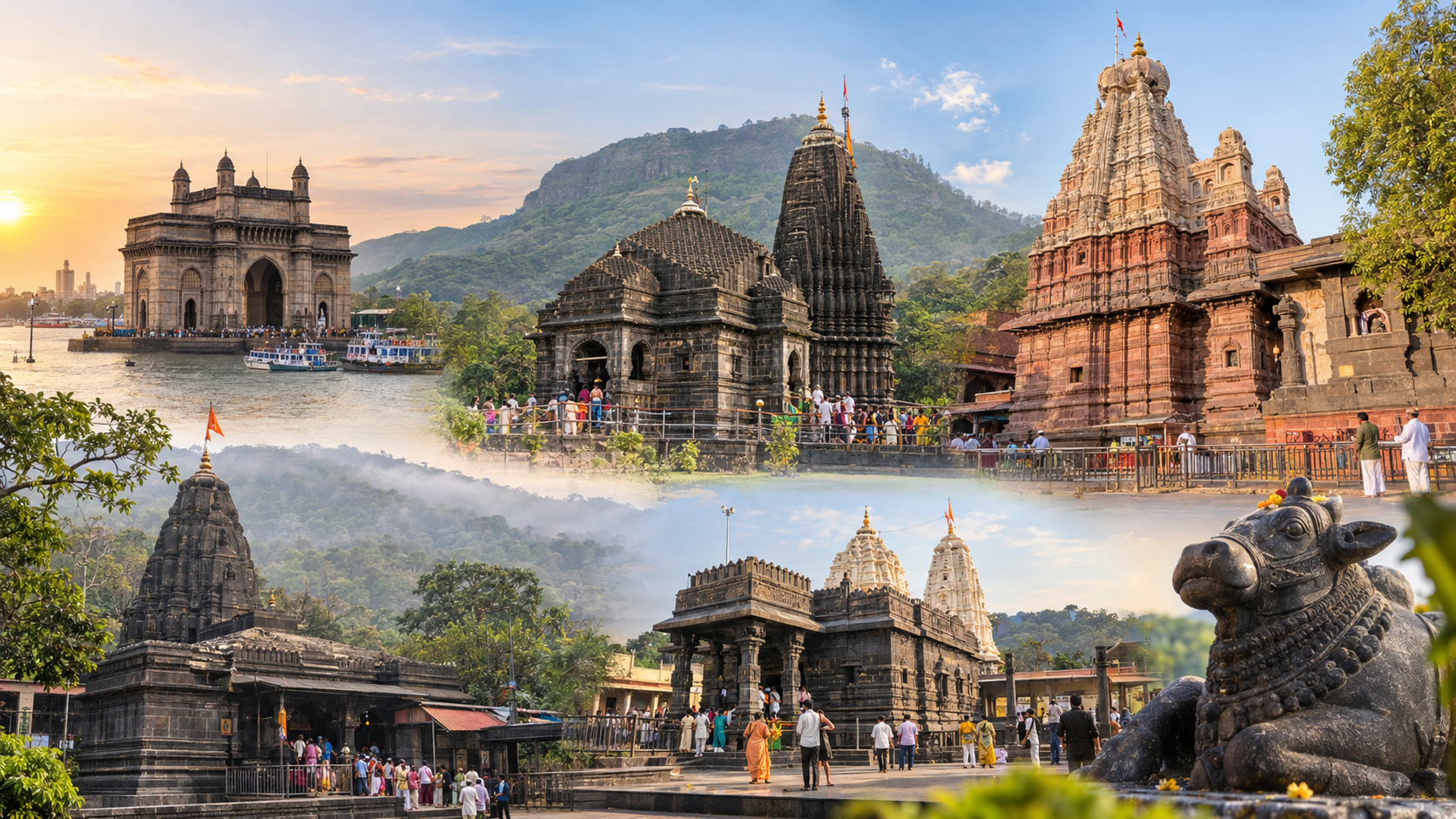
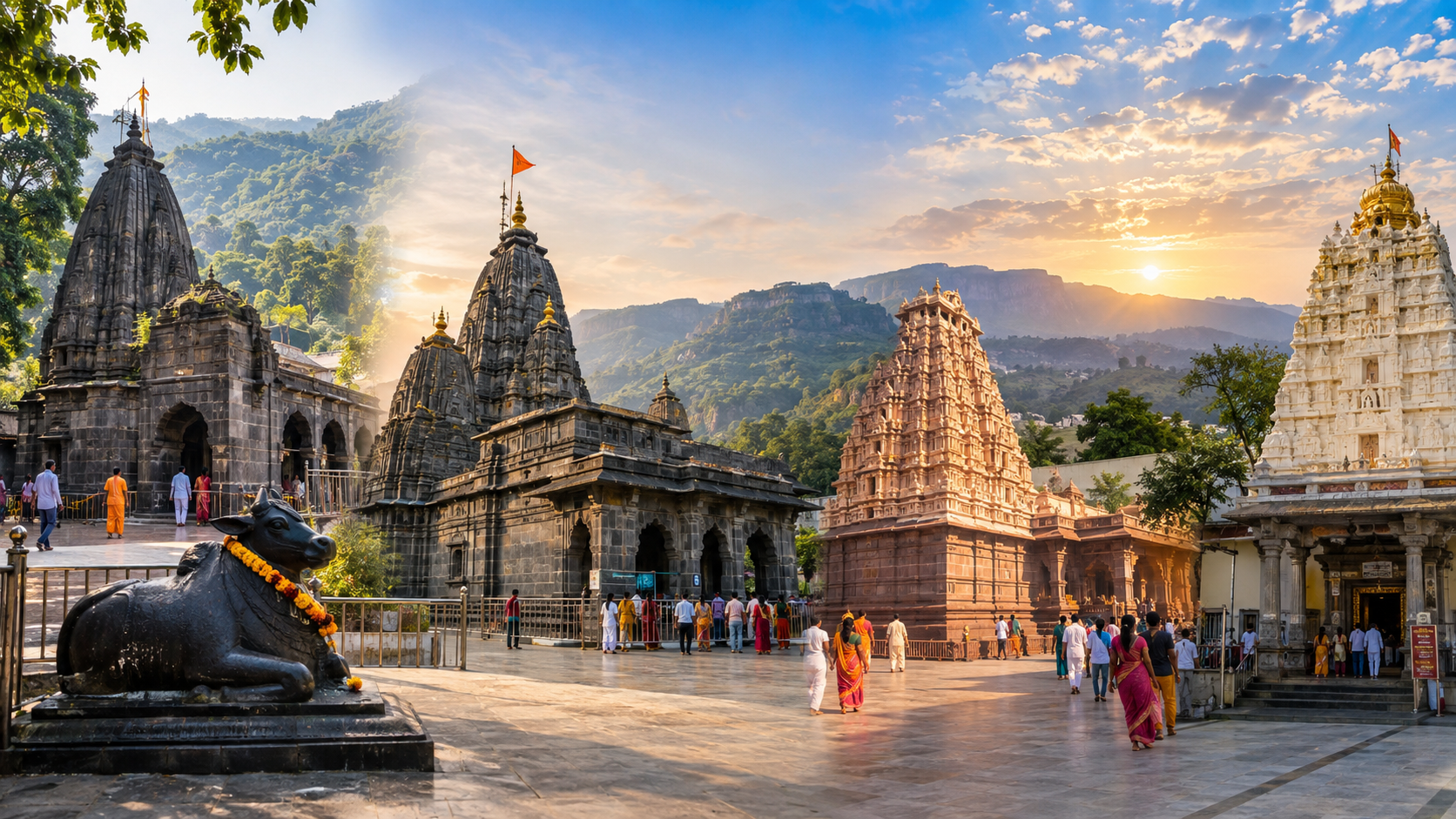
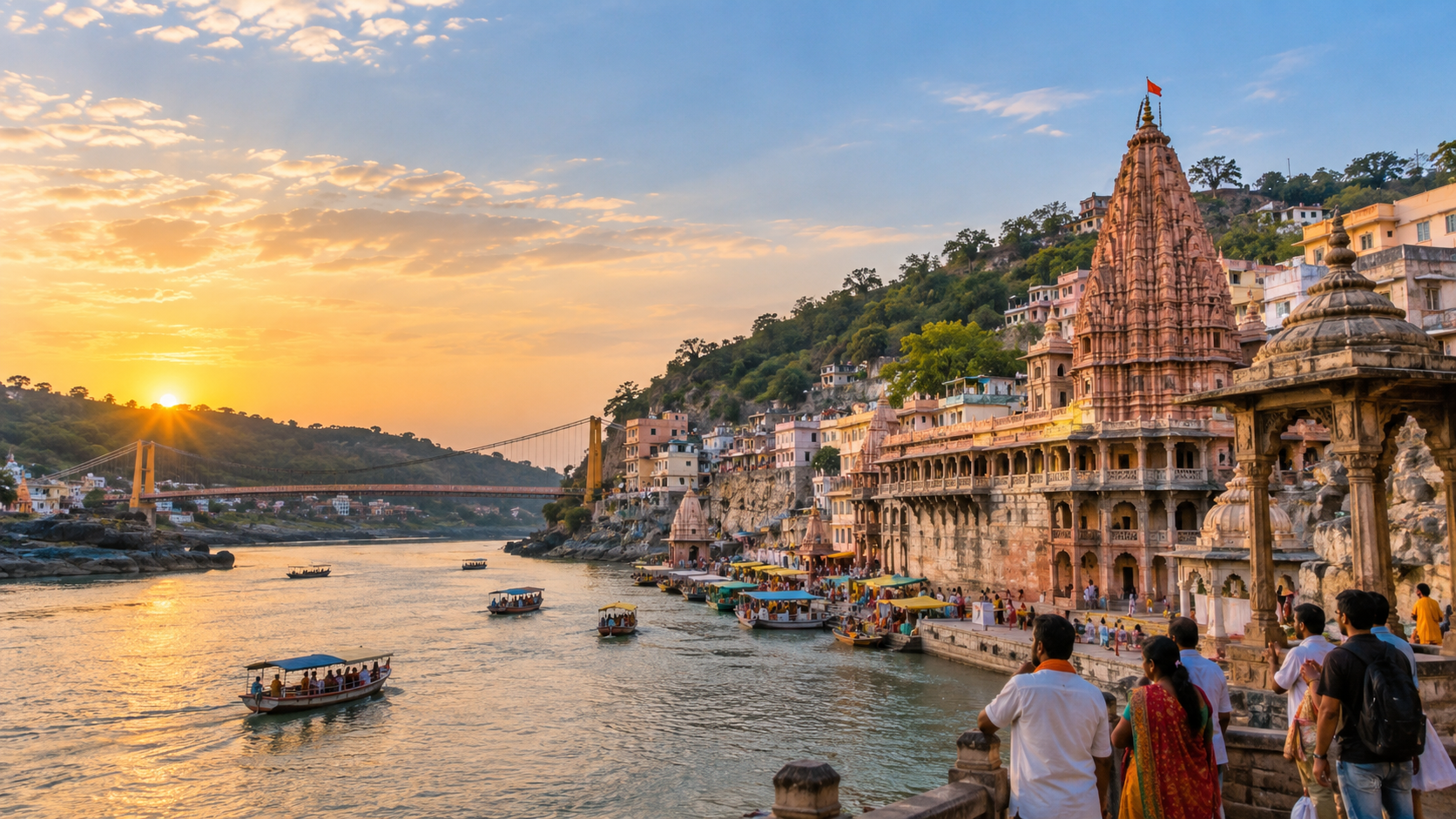
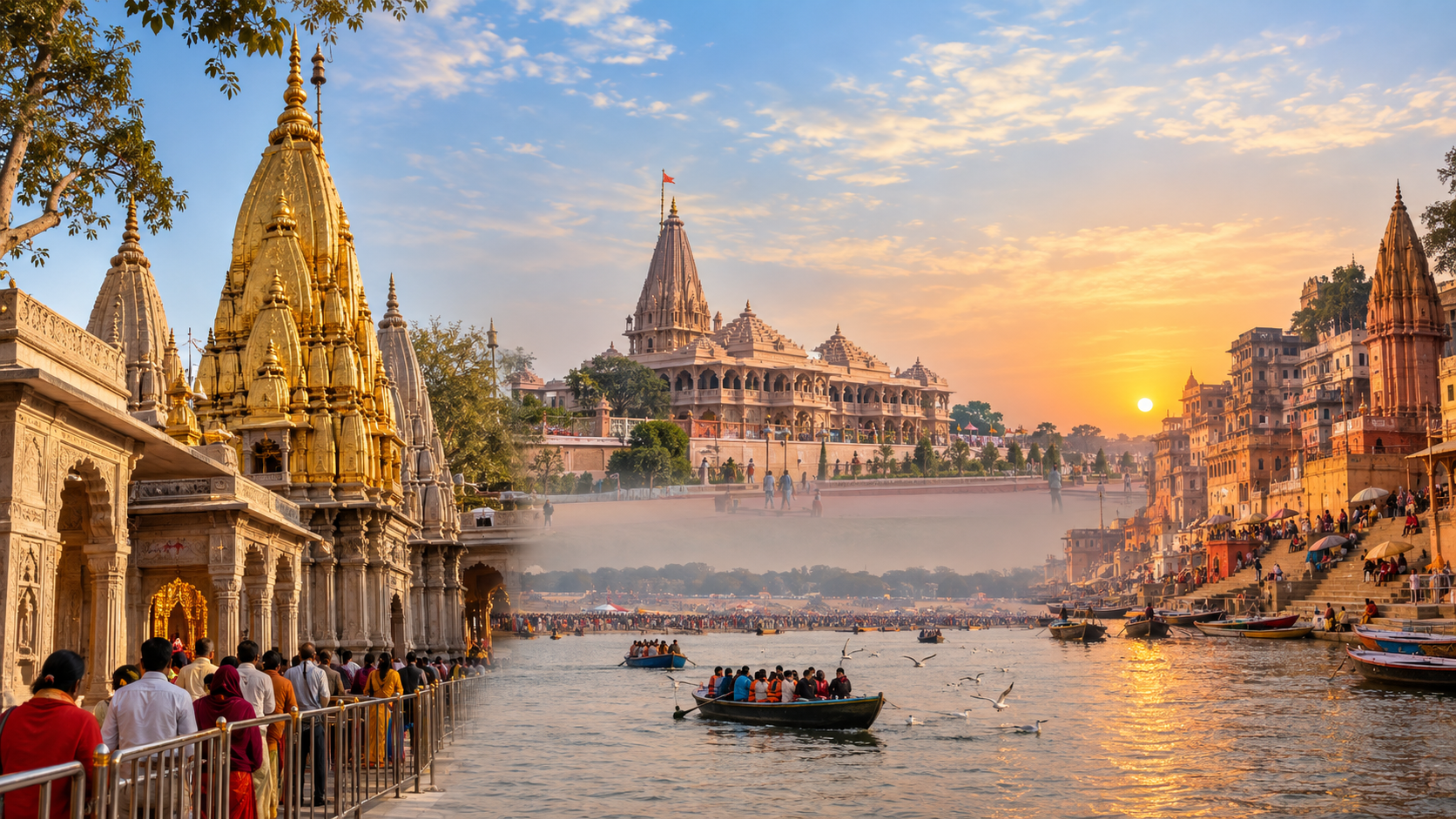

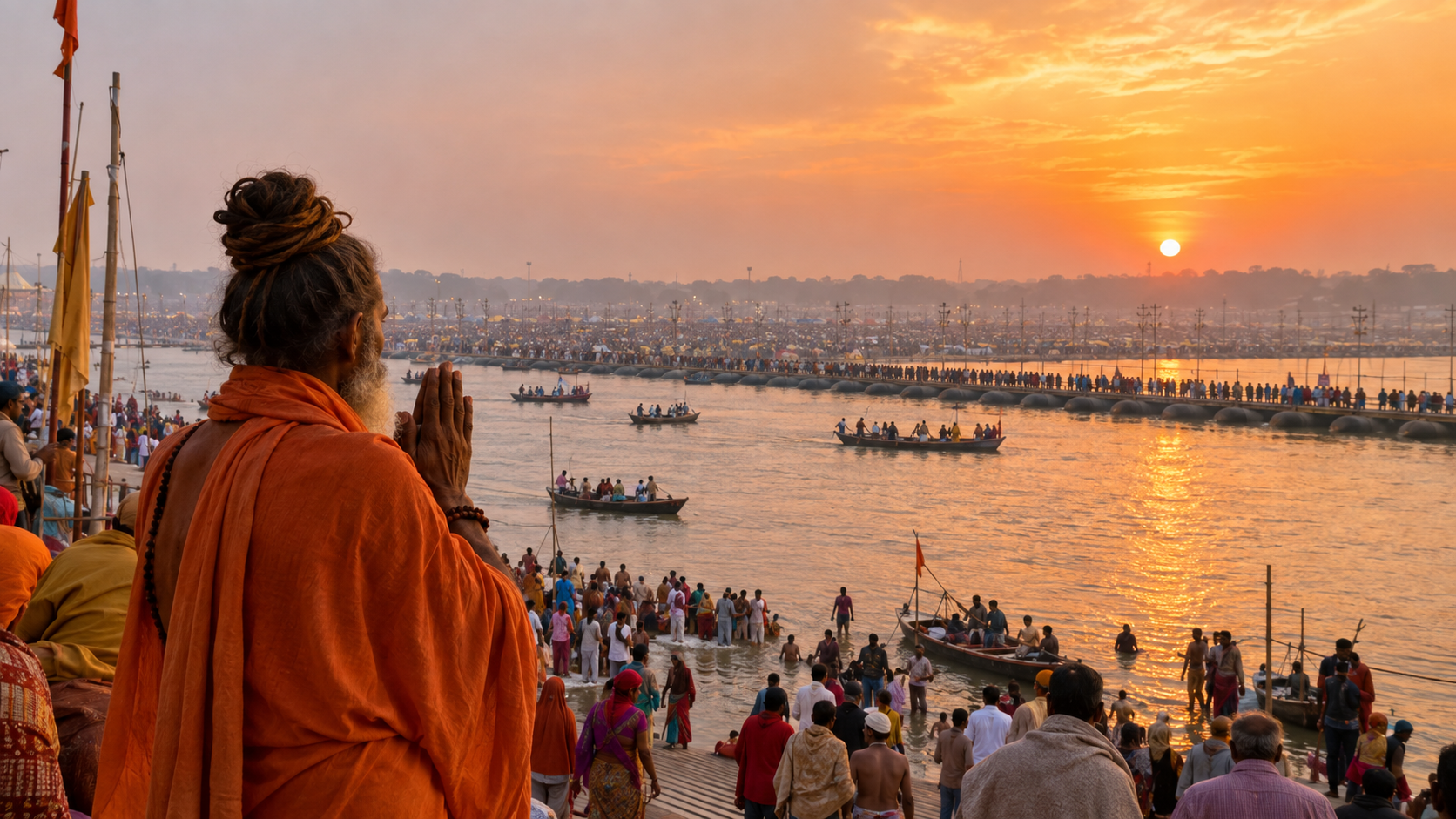
Nageshwar Jyotirlinga Temple
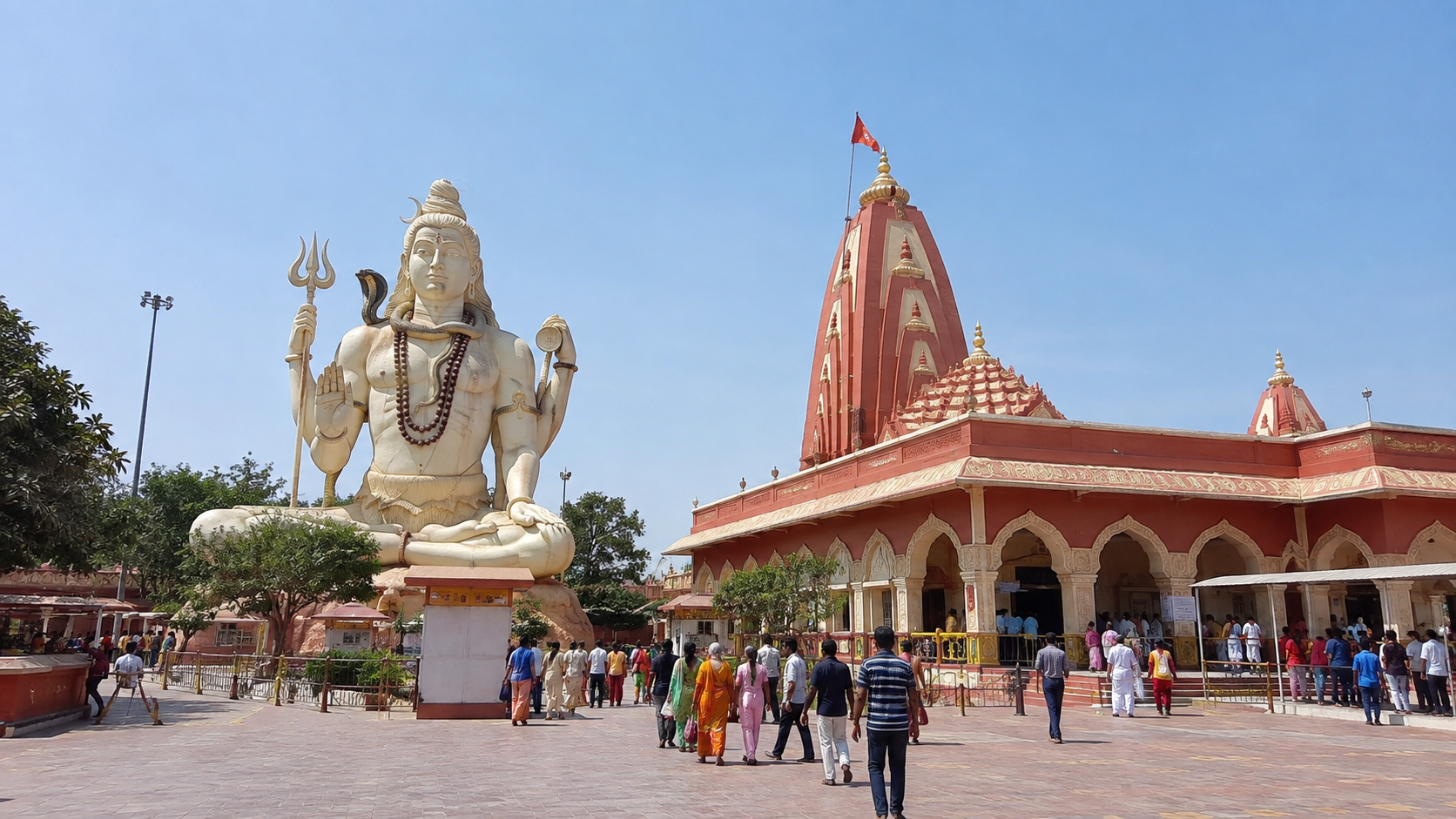
Nageshwar Jyotirlinga Temple is a revered Shiva shrine on the Dwarka–Beyt Dwarka route in Gujarat and one of the twelve Jyotirlingas traditionally associated with Lord Shiva. This practical guide covers darshan, timings, travel routes, the temple’s religious traditions, nearby attractions, accommodation and useful planning tips for pilgrims visiting Dwarka.
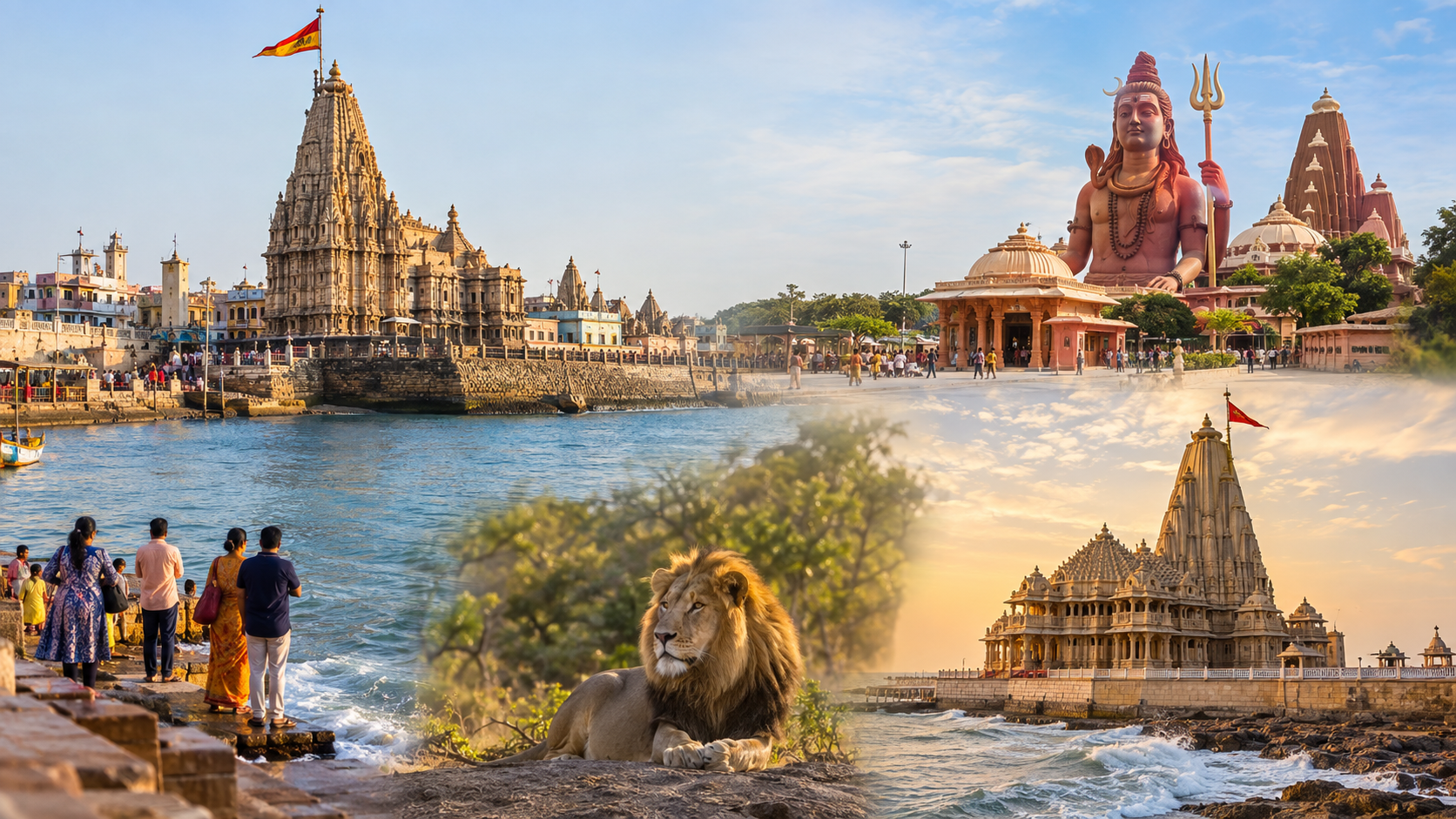
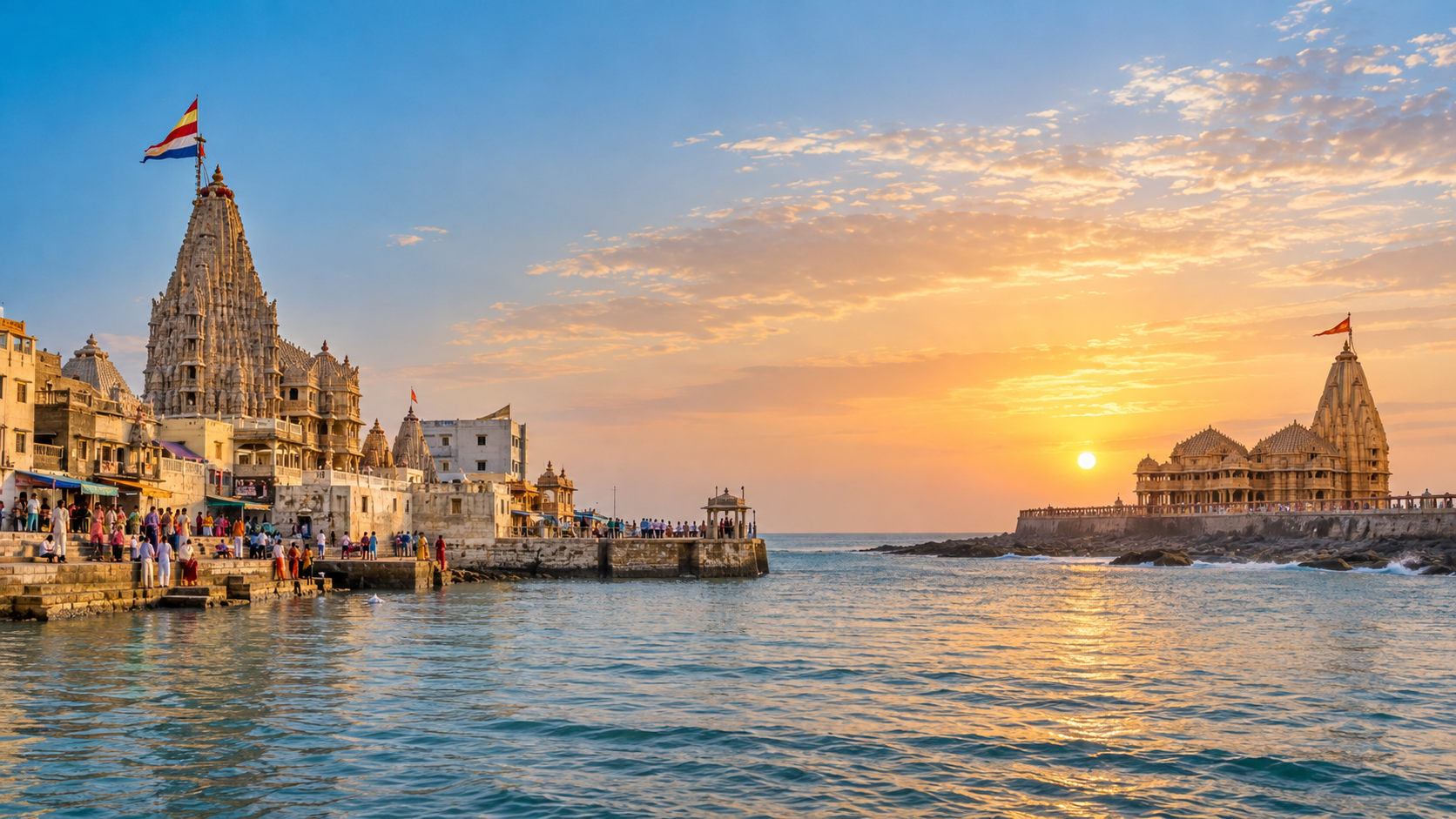
Nageshwar Jyotirlinga Temple is an important Shiva pilgrimage site in Devbhumi Dwarka district, Gujarat. The temple stands on the coastal route between Dwarka and Beyt Dwarka and is traditionally revered as one of the twelve Jyotirlingas associated with Lord Shiva. The shrine’s sanctum is underground, while a large seated statue of Lord Shiva is one of the most recognisable features of the temple complex.
For travellers planning a Dwarka pilgrimage, Nageshwar is particularly convenient to combine with other important sites in the region. Dwarkadhish Temple, Rukmini Devi Temple, Gopi Talav, Gomti Ghat and Beyt Dwarka can all be incorporated into a wider itinerary. Gujarat Tourism and the Ministry of Tourism both present Nageshwar as part of the wider spiritual circuit around Dwarka.
Spiritual Importance of Nageshwar Jyotirlinga
Nageshwar is revered as a Jyotirlinga, a particularly sacred form of Lord Shiva in Hindu tradition. The temple’s underground sanctum is the focal point for devotees visiting for darshan and prayer. The shrine is also commonly associated with the ancient name Darukavana in traditional accounts.
The religious importance of the site is closely connected with stories of devotion and Lord Shiva’s manifestation. Pilgrims generally visit Nageshwar Jyotirlinga as part of a Shiva pilgrimage or as one of the major temple stops during a visit to Dwarka.
The large seated Shiva statue outside the temple is another prominent feature. Government tourism sources describe it as approximately 25 metres high, making it an easy landmark for visitors approaching the temple.
Nageshwar Jyotirlinga History and Legend
The history of Nageshwar is best understood by separating documented information from traditional religious narratives.
Gujarat Tourism records the traditional legend of a devotee named Supriya and the demon Daaruka. According to the account, Supriya’s devotion to Lord Shiva and repeated chanting of Shiva’s name led to Lord Shiva’s manifestation and the defeat of Daaruka. The shrine is traditionally connected with this appearance of Shiva as a self-manifested Jyotirlinga.
The Devbhumi Dwarka district administration also records another traditional account associated with Darukavana and the Balakhilya sages, citing the Vamana Purana in its description of the site. These stories belong to the religious and scriptural tradition surrounding Nageshwar and should not be treated as archaeological evidence of the temple’s historical construction.
There is also archaeological interest in the wider site. Government tourism sources note claims of archaeological excavations indicating evidence of earlier settlements at the location. Such references are useful background for visitors, but they should be kept distinct from the temple’s religious traditions and legends.
Nageshwar Jyotirlinga Timings and Darshan
Current government tourism references list the temple’s general visiting period as dawn to dusk. A separate current temple website lists darshan from 6:00 AM to 9:00 PM, showing why pilgrims should verify the day’s schedule before travelling, particularly if they plan an early-morning or evening visit.
For practical planning:
• Check the temple’s current schedule before leaving your hotel.
• Allow additional time during Mondays, Mahashivratri, Shravan and other major religious occasions.
• If you are travelling specifically for aarti, abhishek or another seva, confirm the applicable time and booking procedure in advance.
• Treat published timings as subject to change on festival days or because of temple arrangements.
Gujarat Tourism identifies November to February as a favourable period for visiting Nageshwar, while also noting the importance of Mahashivratri celebrations.
Nageshwar Jyotirlinga Darshan: What to Keep in Mind
Nageshwar Temple darshan is primarily a religious experience, so visitors should approach the complex respectfully and allow the temple staff and security personnel to direct the movement of devotees.
A few simple practices make the visit easier:
• Wear clean, modest and comfortable clothing suitable for a temple visit.
• Follow instructions regarding footwear, photography, mobile phones and movement within restricted areas.
• Do not assume that a ritual, offering or special seva is available without checking the current arrangements.
• Keep valuables to a minimum, particularly when visiting during crowded festival periods.
• Senior citizens and travellers with young children should allow extra time for walking and queues.
The exact rules for photography, electronic devices, special pujas and access to particular areas can change. Confirm the current rules locally rather than relying on an old travel listing.
Best Time to Visit Nageshwar Jyotirlinga
For a more comfortable pilgrimage, November to February is generally the most practical season. Gujarat Tourism specifically recommends this period for visiting Nageshwar. The cooler weather is useful when combining the temple with several outdoor attractions around Dwarka and the coast.
Mahashivratri is especially significant for Shiva devotees, but it also brings much larger crowds. The Devbhumi Dwarka district administration notes that Nageshwar becomes a major centre of activity during Shivratri.
If your priority is a quieter darshan rather than festival participation, consider travelling outside the busiest religious dates and checking the local temple schedule before finalising your day.
How to Reach Nageshwar Jyotirlinga from Dwarka
Nageshwar is straightforward to visit from Dwarka by road. The Devbhumi Dwarka district administration gives the road distance as approximately 16 km from Dwarka and identifies NH 947 as the road route. Gujarat Tourism currently lists the temple at about 18 km from Dwarka city and Dwarka railway station, so the precise distance can vary according to the starting point and route used.
For most pilgrims staying in Dwarka, a taxi or local road transport is the simplest option.
By road:
Nageshwar can be reached from Dwarka by road via the Nageshwar route/NH 947. A private taxi is convenient if you want to combine Nageshwar with Gopi Talav, Rukmini Devi Temple, Beyt Dwarka or other attractions on the same day.
By train:
The nearest practical railway station for the temple visit is Dwarka Railway Station. From the station, continue by road to Nageshwar. The district administration gives the road journey from Dwarka railway station as approximately 16 km.
By air:
Government tourism information identifies Jamnagar and Porbandar as airport options for reaching the Dwarka region, followed by road travel. Gujarat Tourism currently lists Porbandar at about 95 km and Jamnagar at about 145 km from Dwarka, although the overall journey to Nageshwar will depend on the airport, road route and traffic conditions.
Local Transport Around Nageshwar
There is no need to treat Nageshwar as a separate overnight destination for most pilgrims. Many visitors base themselves in Dwarka and travel to the temple by taxi or other local road transport.
A hired car is particularly useful for a full-day pilgrimage circuit because it avoids arranging separate transport between each attraction. If you are travelling independently, confirm the return transport before starting your visit, especially outside peak daytime hours.
For a family, senior-citizen group or first-time visitor to Dwarka, a pre-arranged vehicle can also make the itinerary easier to manage.
Nearby Places to Visit
Nageshwar works well as one stop in a wider Dwarka pilgrimage itinerary.
Dwarkadhish Temple
The principal Krishna temple in Dwarka is one of the region’s major pilgrimage landmarks. It is commonly combined with Nageshwar during a Dwarka temple circuit.
Rukmini Devi Temple
Dedicated to Rukmini, this temple is another important religious stop in the Dwarka area and can be included in a day covering Nageshwar.
Gopi Talav
Gopi Talav Tirth lies close to Nageshwar and is associated with traditional stories connected with Lord Krishna and the gopis. Gujarat Tourism specifically identifies it as a nearby spiritual attraction.
Beyt Dwarka
Beyt Dwarka is an important pilgrimage destination reached via the Okha area. The island is associated with Krishna traditions and also has archaeological interest. Check the current transport arrangements before travelling because access and timings can vary.
Gomti Ghat
Located in Dwarka, Gomti Ghat is another significant stop for pilgrims and is close to the Dwarkadhish Temple area. It can be added before or after the Nageshwar visit depending on the day’s temple schedule.
Shivrajpur Beach
Travellers who want to add some coastal scenery to their pilgrimage can consider Shivrajpur Beach. It is listed among the attractions around Dwarka by the Ministry of Tourism.
Suggested Way to Plan a Nageshwar Visit
If you are staying in Dwarka, a practical sequence is:
- Start with your planned morning temple visit in Dwarka.
- Travel towards Nageshwar by road.
- Allow sufficient time for Nageshwar Jyotirlinga darshan.
- Continue to Gopi Talav and other nearby attractions if time permits.
- Include Beyt Dwarka only after checking the current transport and operating arrangements.
- Return to Dwarka for your overnight stay.
This approach keeps accommodation and most meals based in Dwarka while allowing Nageshwar to remain part of a manageable pilgrimage circuit.
Stay and Food
Dwarka is the most convenient base for most travellers visiting Nageshwar. Gujarat Tourism’s Nageshwar trip-planning information lists accommodation options in Dwarka, reflecting the practical advantage of staying in the main pilgrimage town rather than searching for a room immediately around the temple.
Accommodation in Dwarka ranges from simple pilgrim-oriented stays to hotels suited to families and organised groups. During Mahashivratri, major festival periods and busy pilgrimage dates, booking accommodation in advance is sensible.
For meals, Dwarka offers a wider choice than the immediate temple surroundings. Pilgrims looking for a simple vegetarian meal can plan meals in Dwarka and carry water and basic refreshments for the road journey.
Accessibility and Practical Planning
Nageshwar is a useful stop for most standard pilgrimage itineraries, but travellers should plan realistically if anyone in the group has limited mobility.
Before travelling:
• Check the latest temple opening and darshan arrangements.
• Ask locally about the walking distance from the vehicle drop-off point to the areas you need to access.
• Senior citizens should avoid scheduling too many attractions back-to-back.
• Carry drinking water, sun protection and essential medicines.
• Keep some time in reserve because temple queues and road conditions can change.
• During major festivals, expect heavier traffic and larger crowds.
• Confirm special puja or abhishek arrangements directly before paying for any service.
The temple’s location on the Dwarka–Beyt Dwarka route makes it particularly convenient for pilgrims who are already exploring the Devbhumi Dwarka region.
Nageshwar Jyotirlinga Travel Tips
A little planning can make the visit considerably smoother.
First, decide whether your priority is darshan alone or a complete Dwarka pilgrimage circuit. If darshan is the priority, build the day around the temple schedule rather than trying to fit the temple between several sightseeing stops.
Second, keep festival crowds in mind. Mahashivratri is an important occasion at Nageshwar, but the same religious significance means that visitor numbers can be substantially higher.
Third, do not rely on a single published timing from an old travel page. Current government sources describe general visiting hours as dawn to dusk, while the current temple website gives a longer stated darshan window. This difference is a good reason to confirm the schedule directly before departure.
Finally, keep the visit respectful and unhurried. Nageshwar is first and foremost a place of worship, and the most useful itinerary is one that leaves enough time for darshan rather than treating the temple as a quick sightseeing stop.
Plan Your Nageshwar Pilgrimage with Trip to Yatra
A visit to Nageshwar becomes easier when transport, temple timings, accommodation and nearby Dwarka attractions are planned together. If you are considering a pilgrimage to Nageshwar Jyotirlinga Temple, Trip to Yatra can help you organise the practical details around your travel dates, group size and preferred itinerary. Get in touch with Trip to Yatra to discuss your Nageshwar pilgrimage plans and build a practical Dwarka travel plan around your visit.