
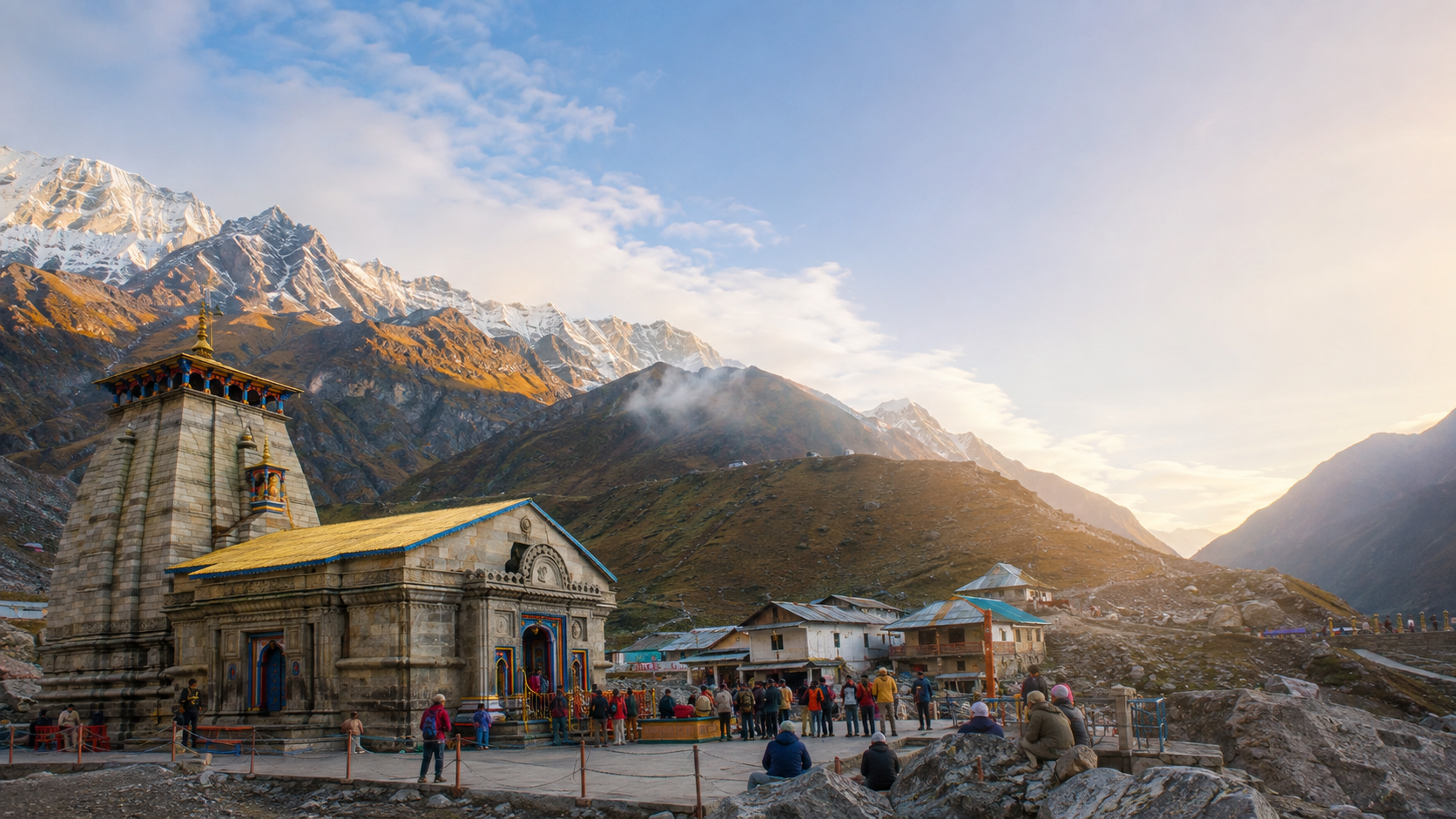
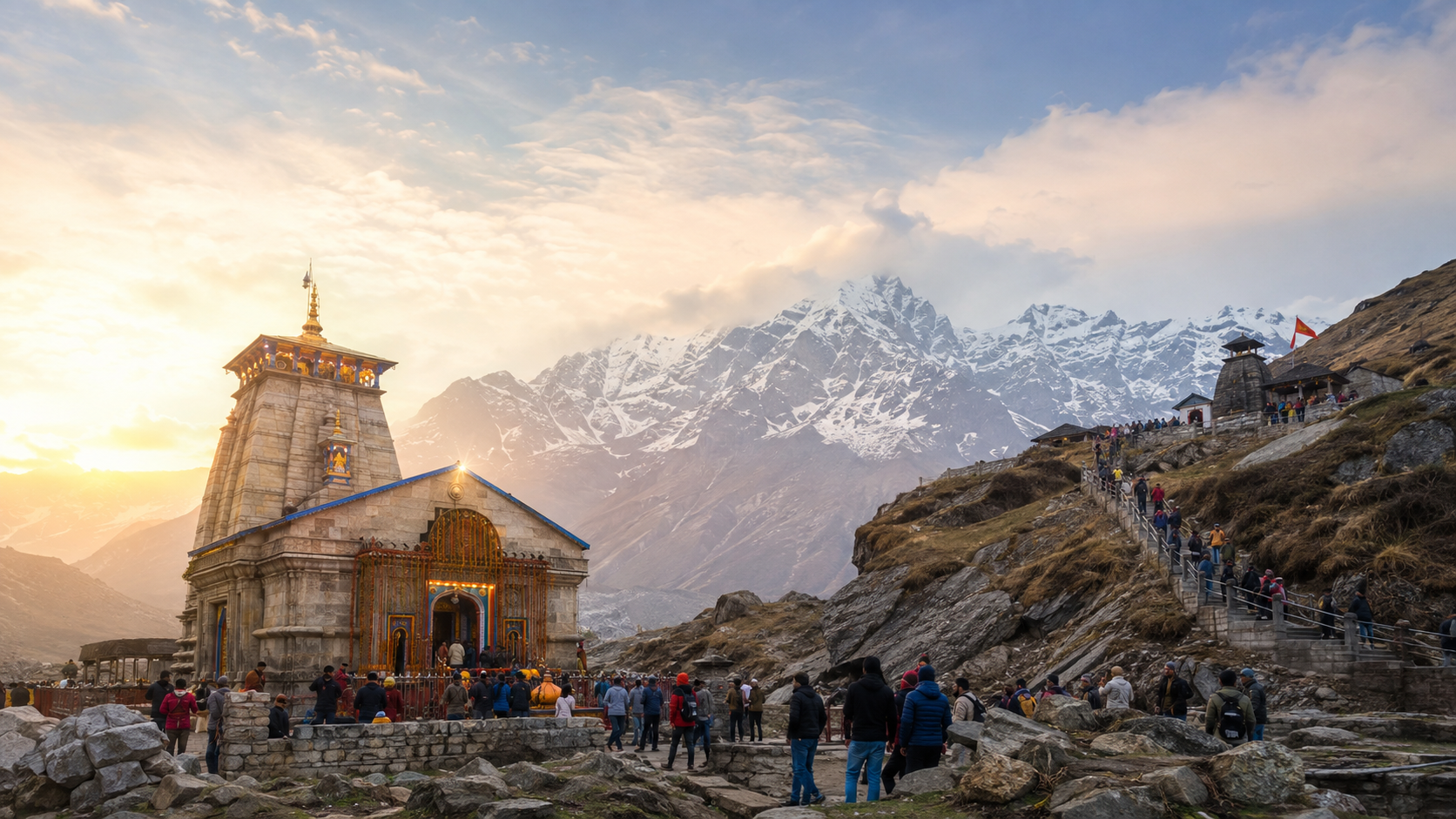
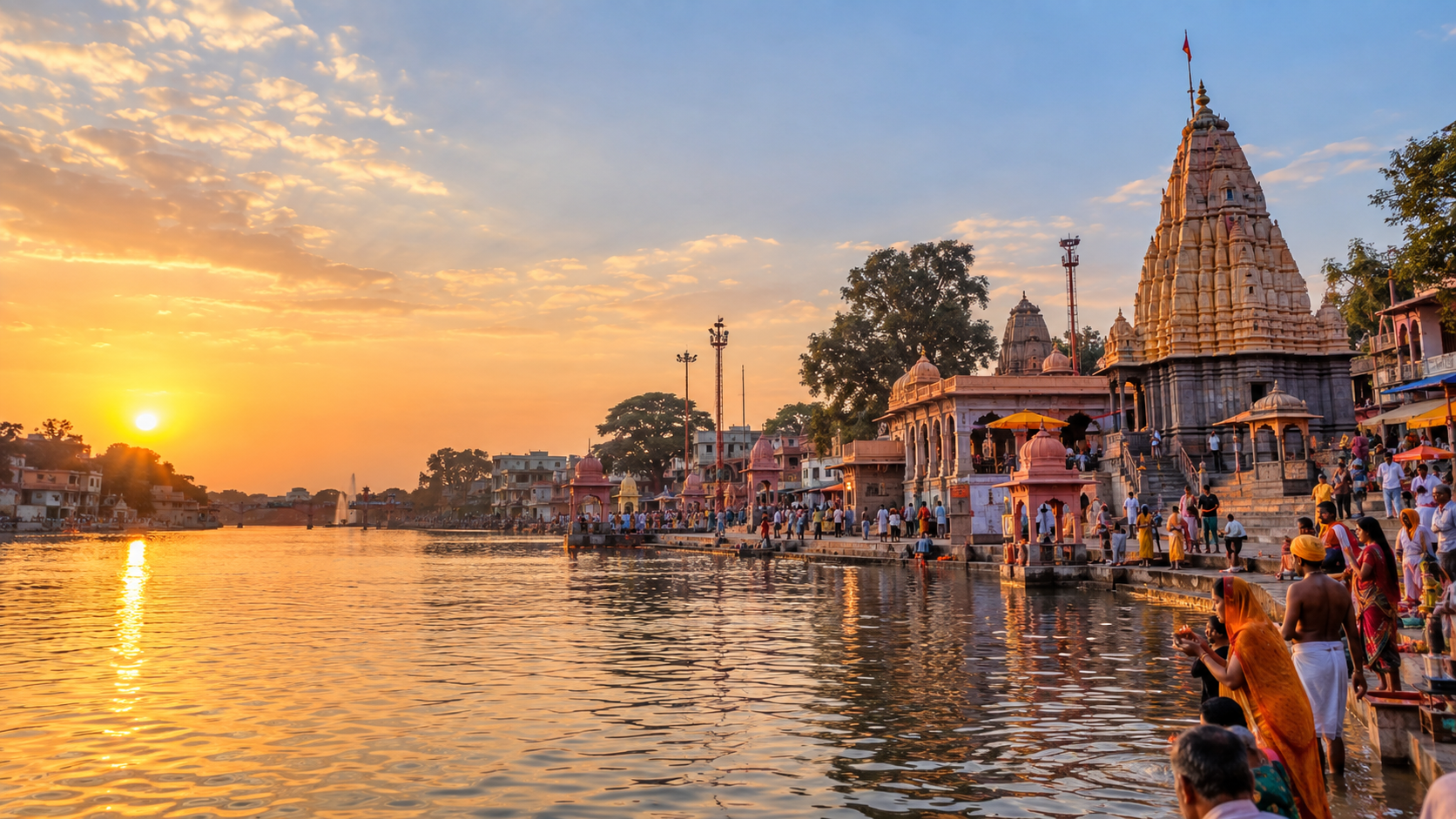
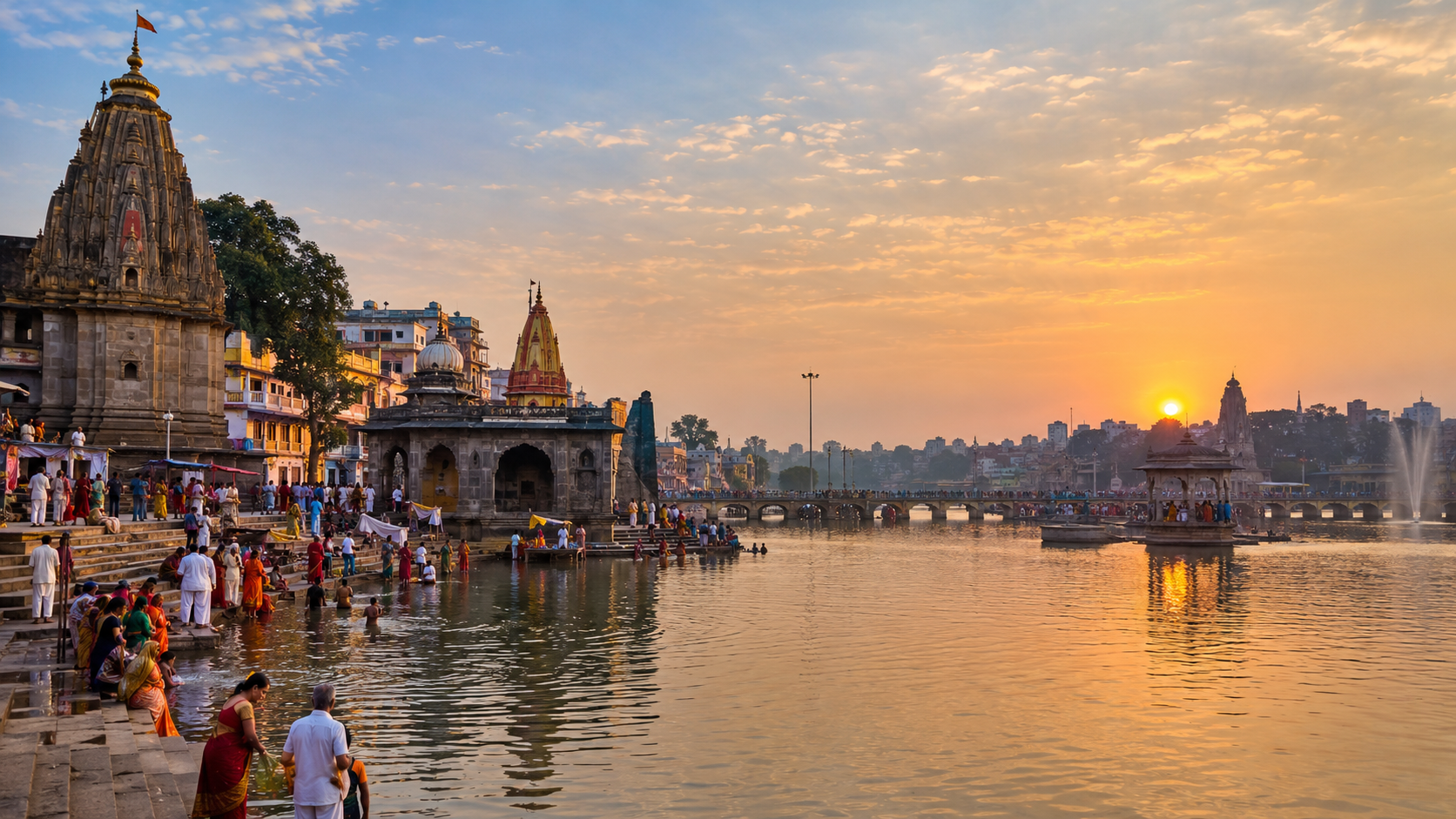
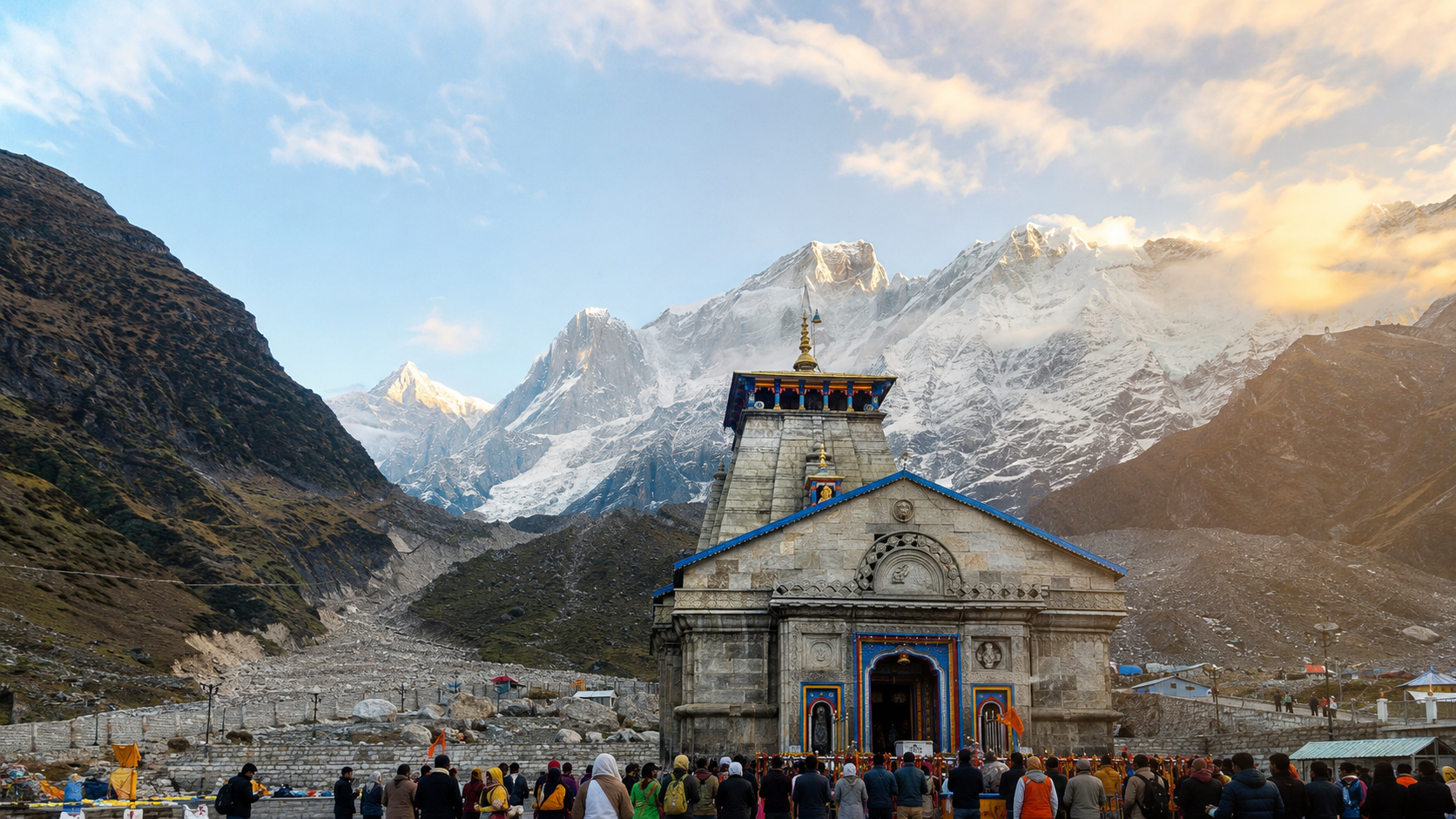
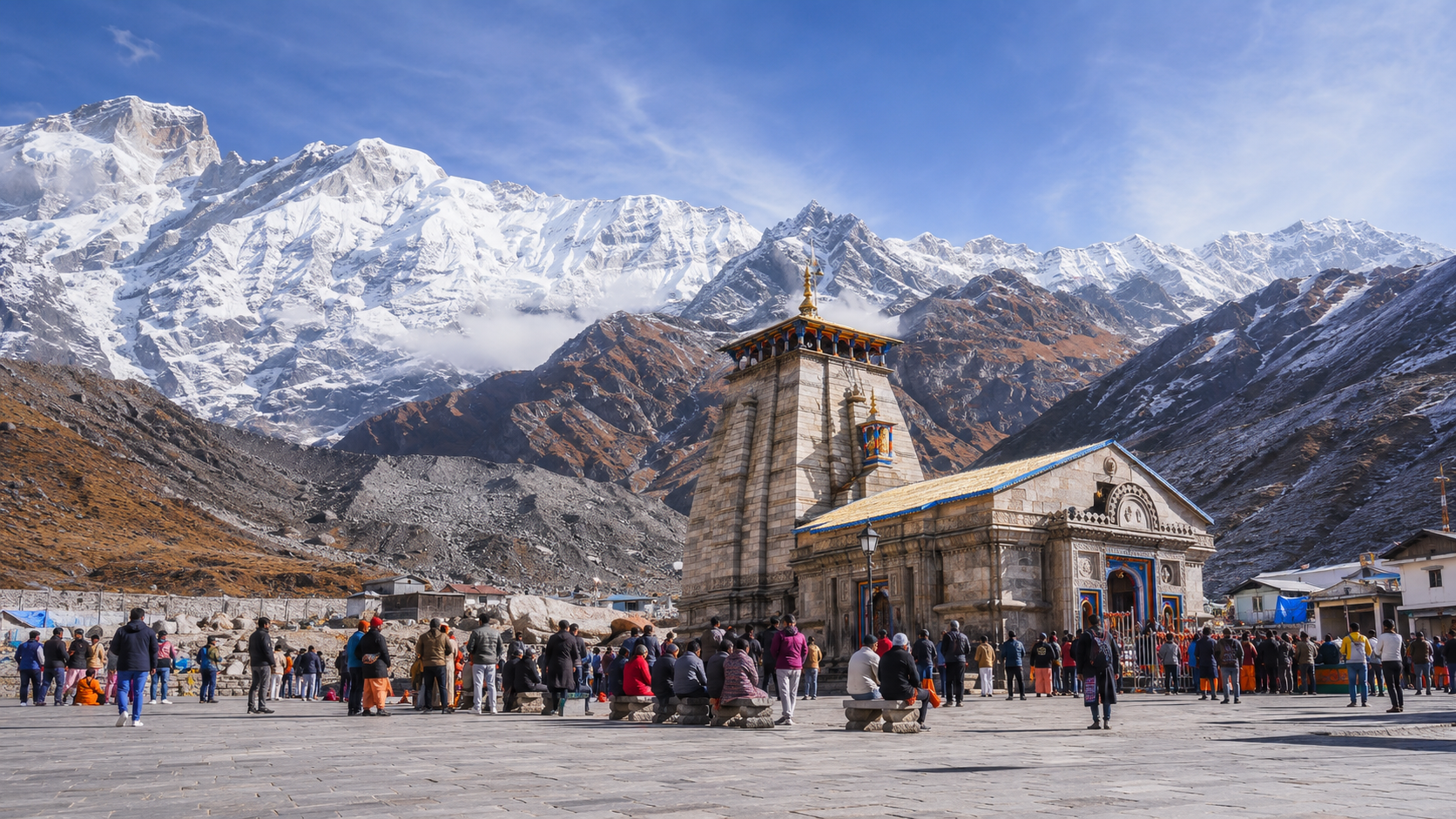
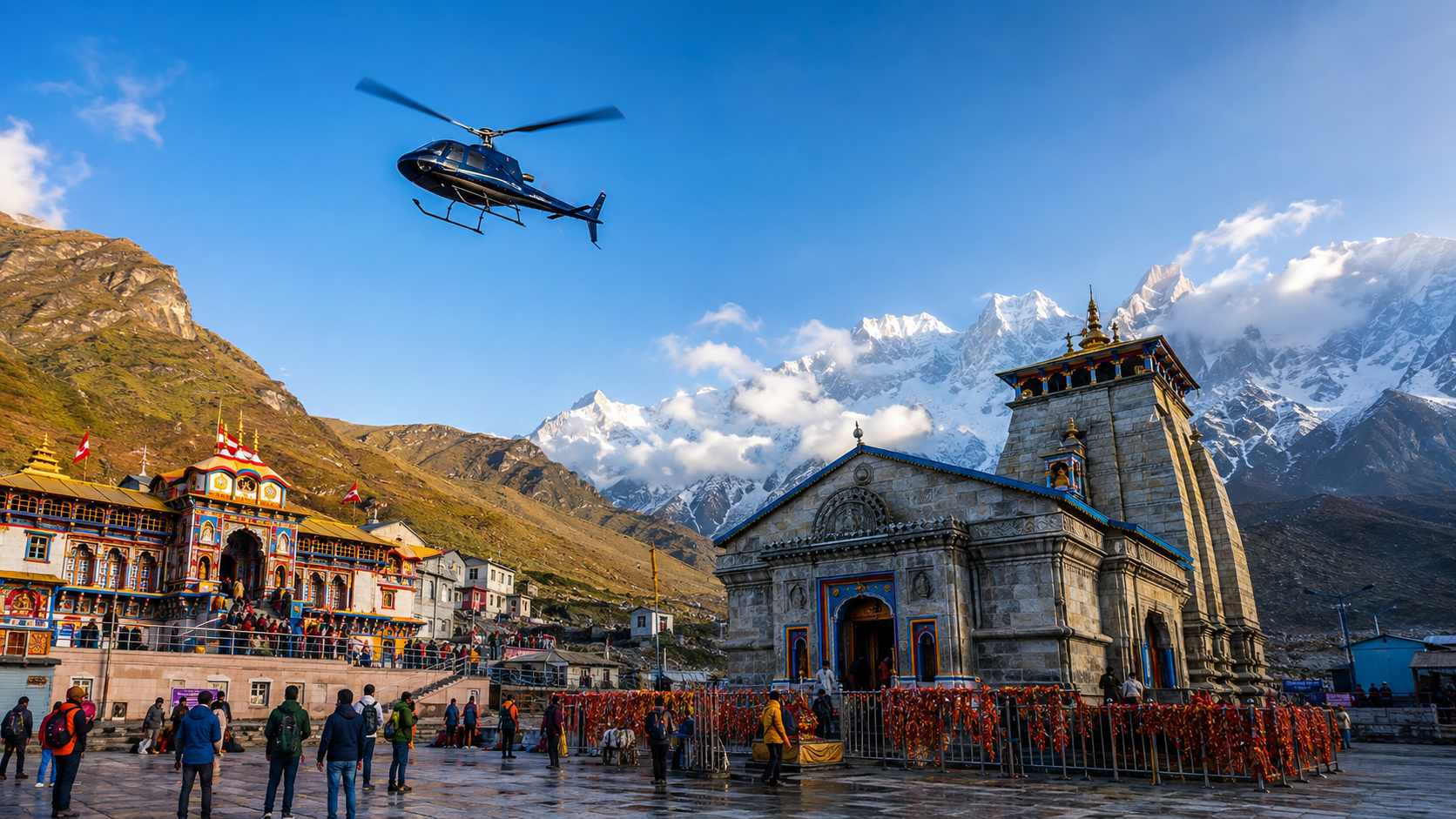
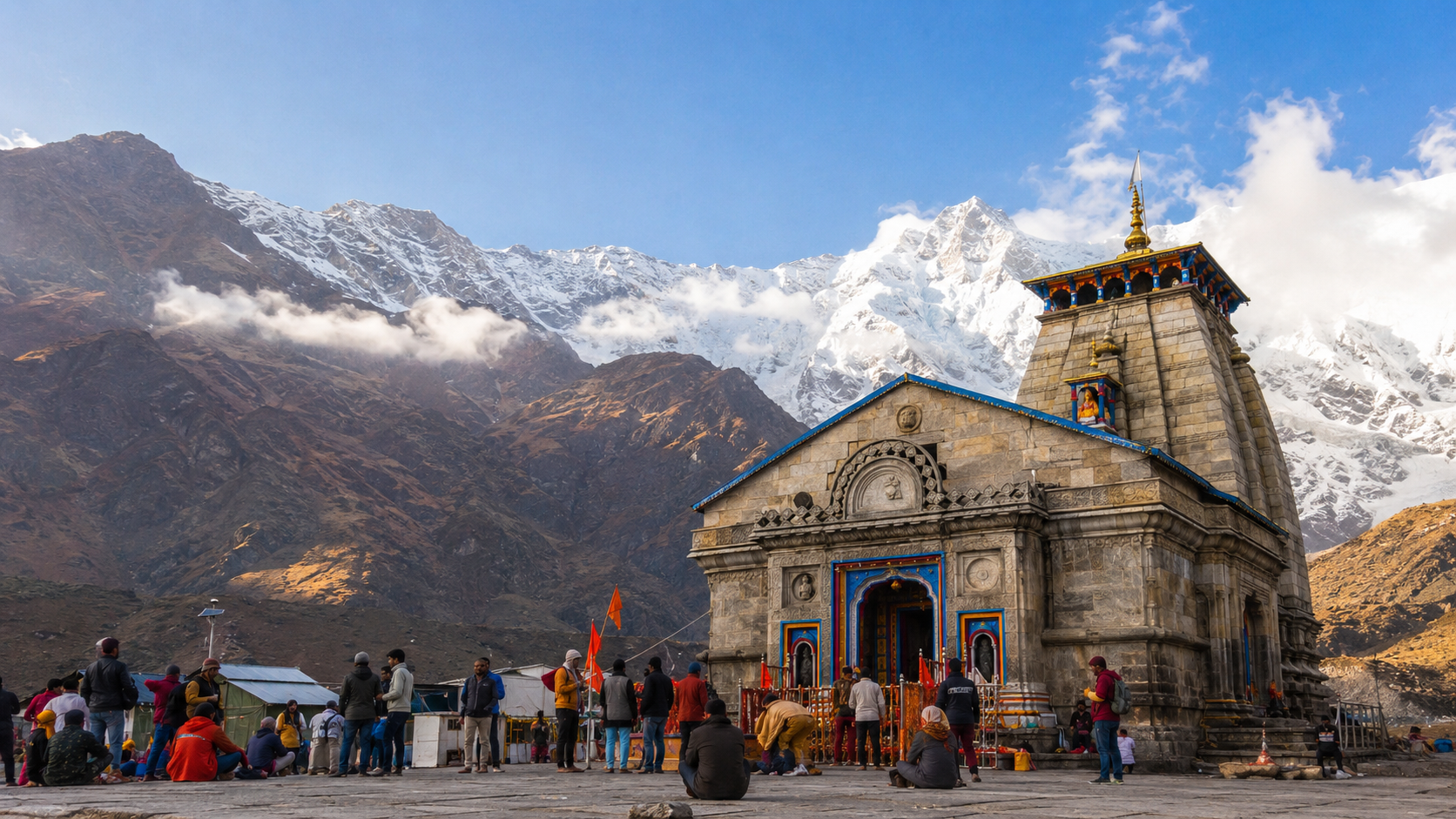
Gangotri Temple
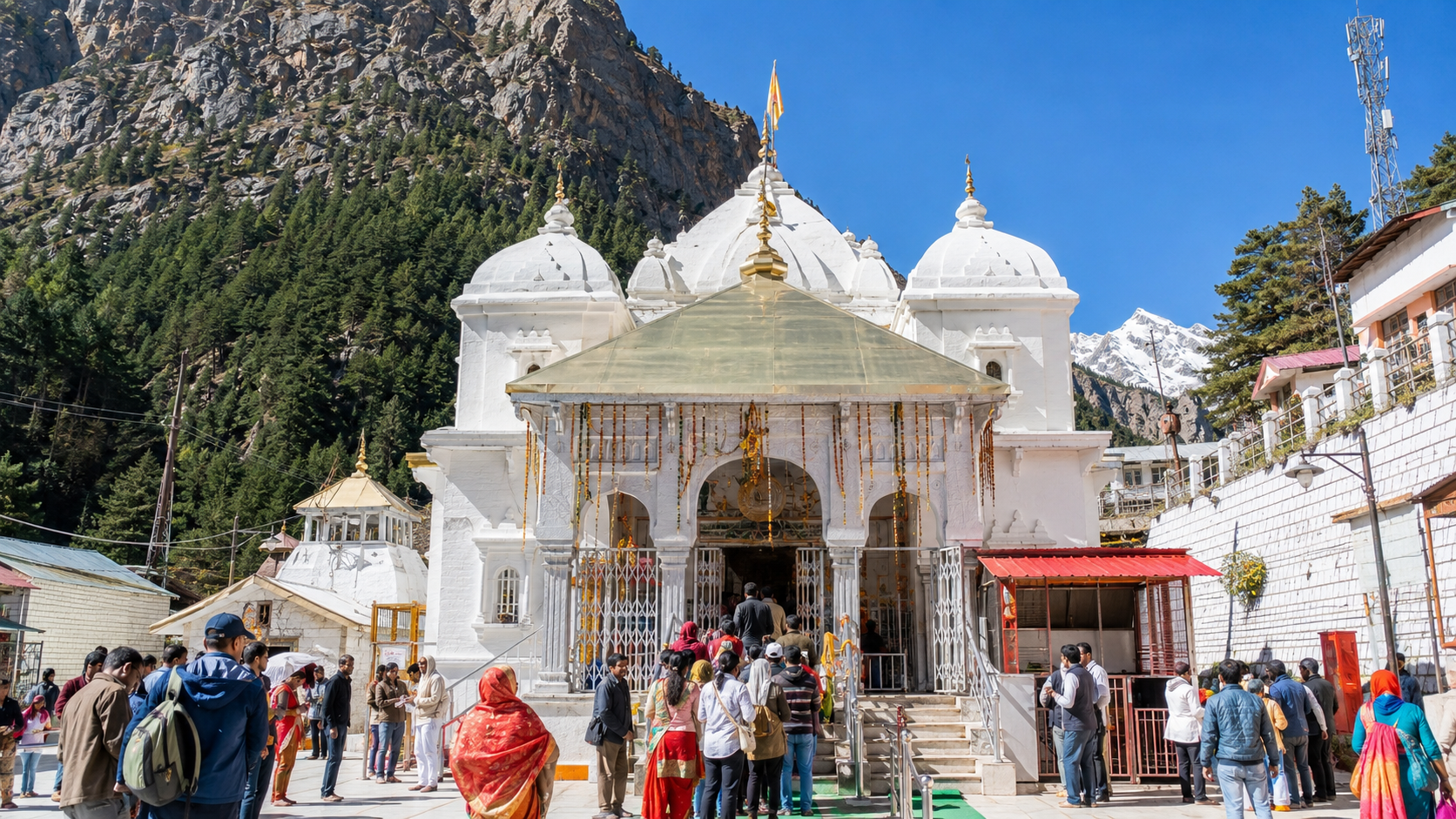
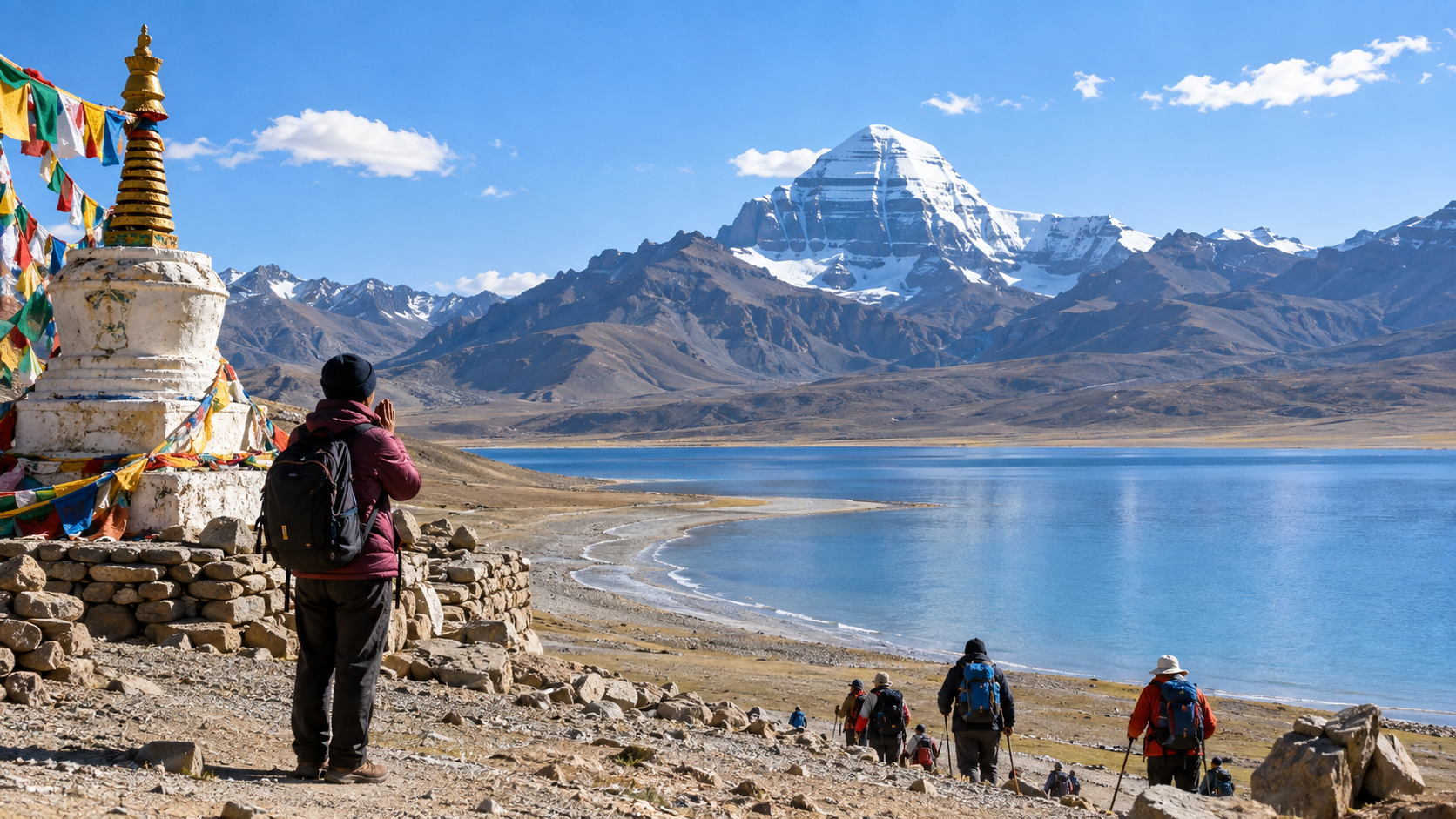
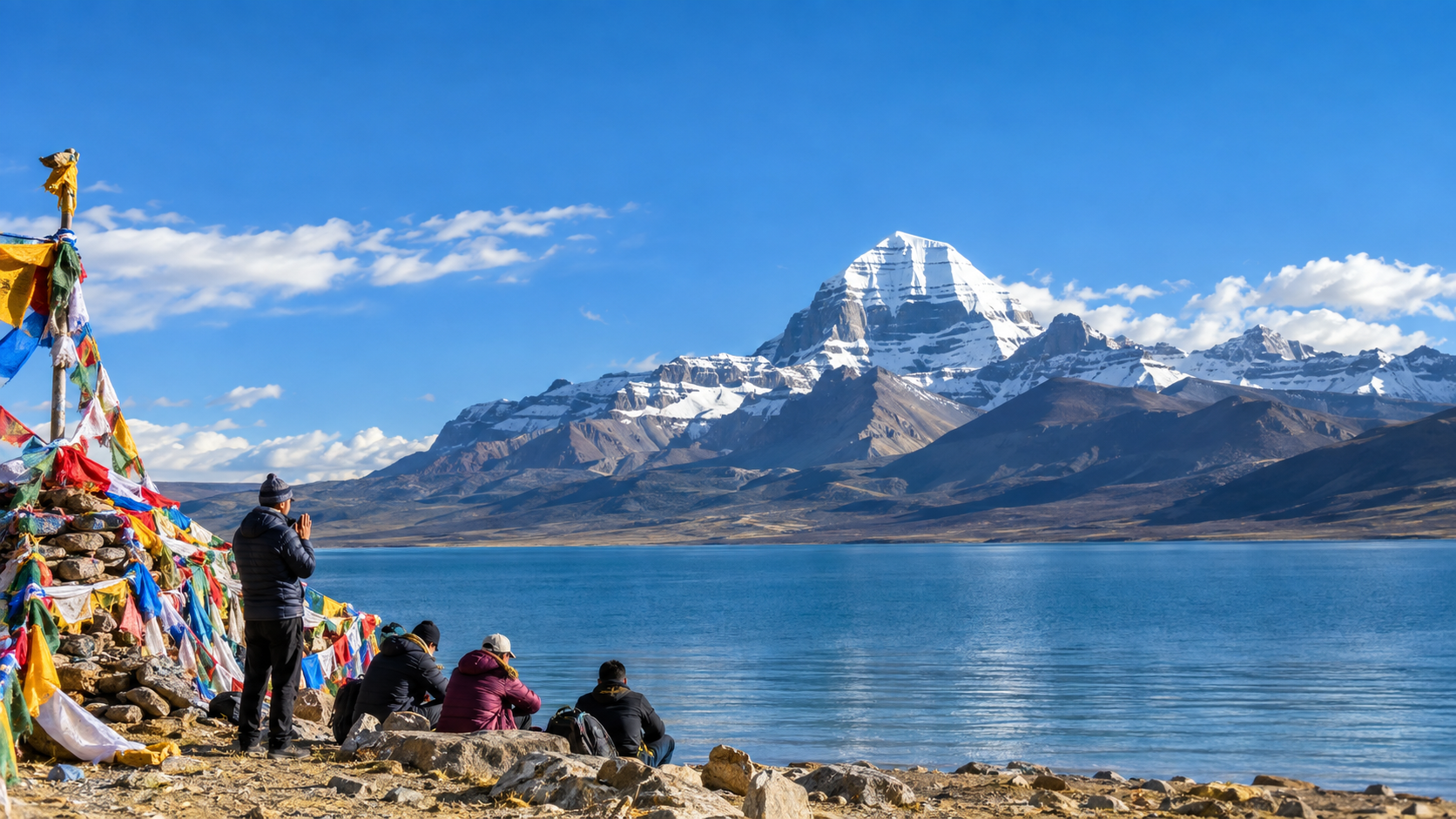
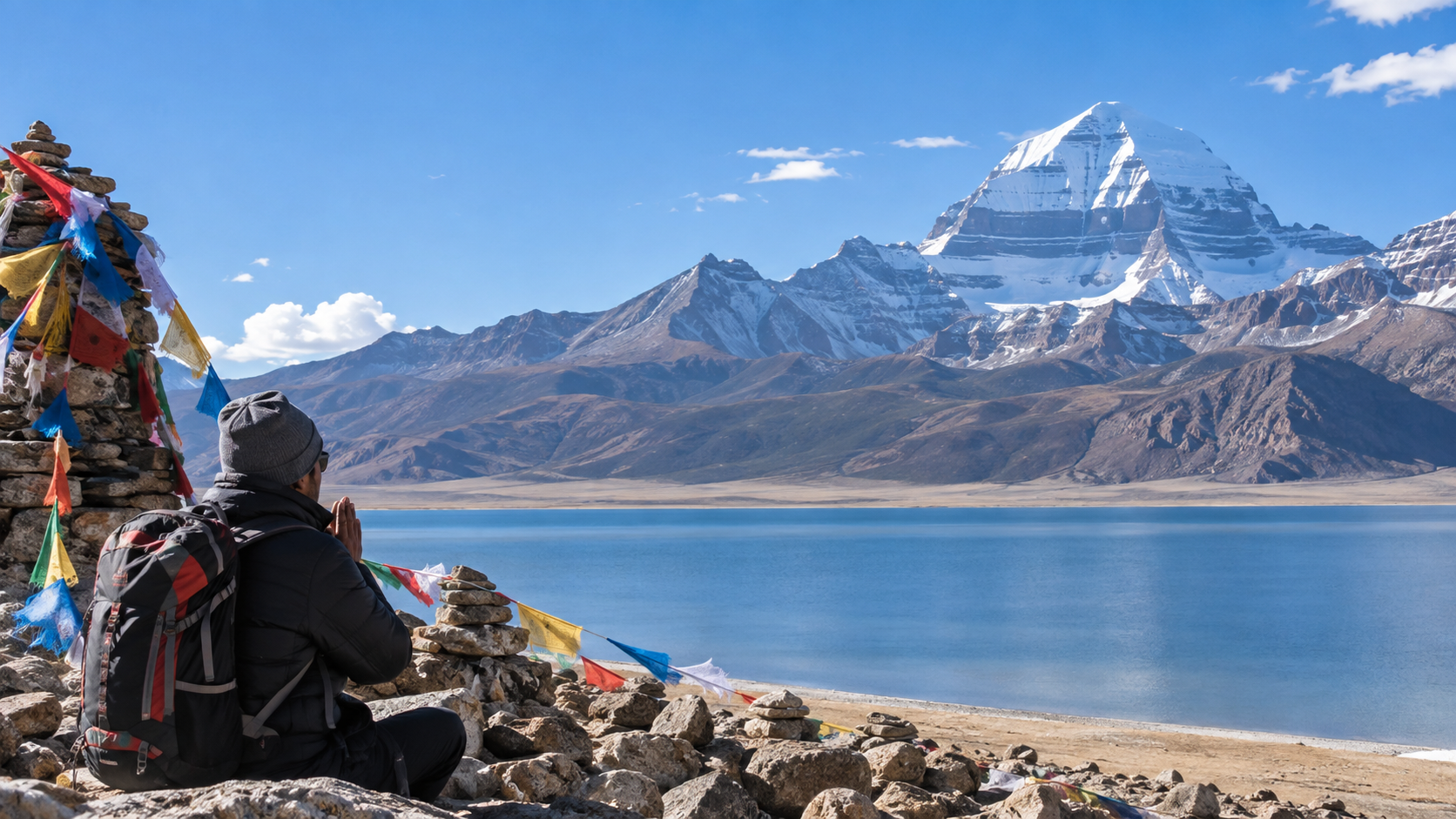
Gangotri Temple is a revered Char Dham shrine dedicated to Goddess Ganga, located beside the Bhagirathi River in Gangotri, Uttarakhand. Pilgrims visit for darshan, puja and the spiritual atmosphere around the temple and Bhagirath Shila. The temple is also a starting point for journeys towards Gaumukh and the Gangotri Glacier.
Gangotri Temple is one of the four Char Dham shrines of Uttarakhand and the principal temple of Gangotri, a high-altitude pilgrimage town in Uttarkashi district. Dedicated to Goddess Ganga, the temple stands beside the Bhagirathi River at roughly 3,100–3,200 metres above sea level. For Hindu pilgrims, a visit here is closely connected with the sacred story of the descent of Ganga to earth and with the wider Gangotri pilgrimage.
The temple is not at the physical source of the river. The Bhagirathi stream originates at Gaumukh in the Gangotri Glacier, around 19 km from Gangotri, while the river takes the name Ganga after the Bhagirathi and Alaknanda meet at Devprayag. This distinction is useful when planning a visit because Gangotri Temple can be reached by road, whereas Gaumukh requires a separate trek and the necessary permissions.
For travellers, Gangotri also works as a base for exploring the surrounding Himalayan landscape. Bhagirath Shila, the riverbank, Pandava Gufa, Jalmagna Shivling, Harsil and the route towards Gaumukh are among the places commonly included in a longer stay.
Spiritual Importance of Gangotri Temple
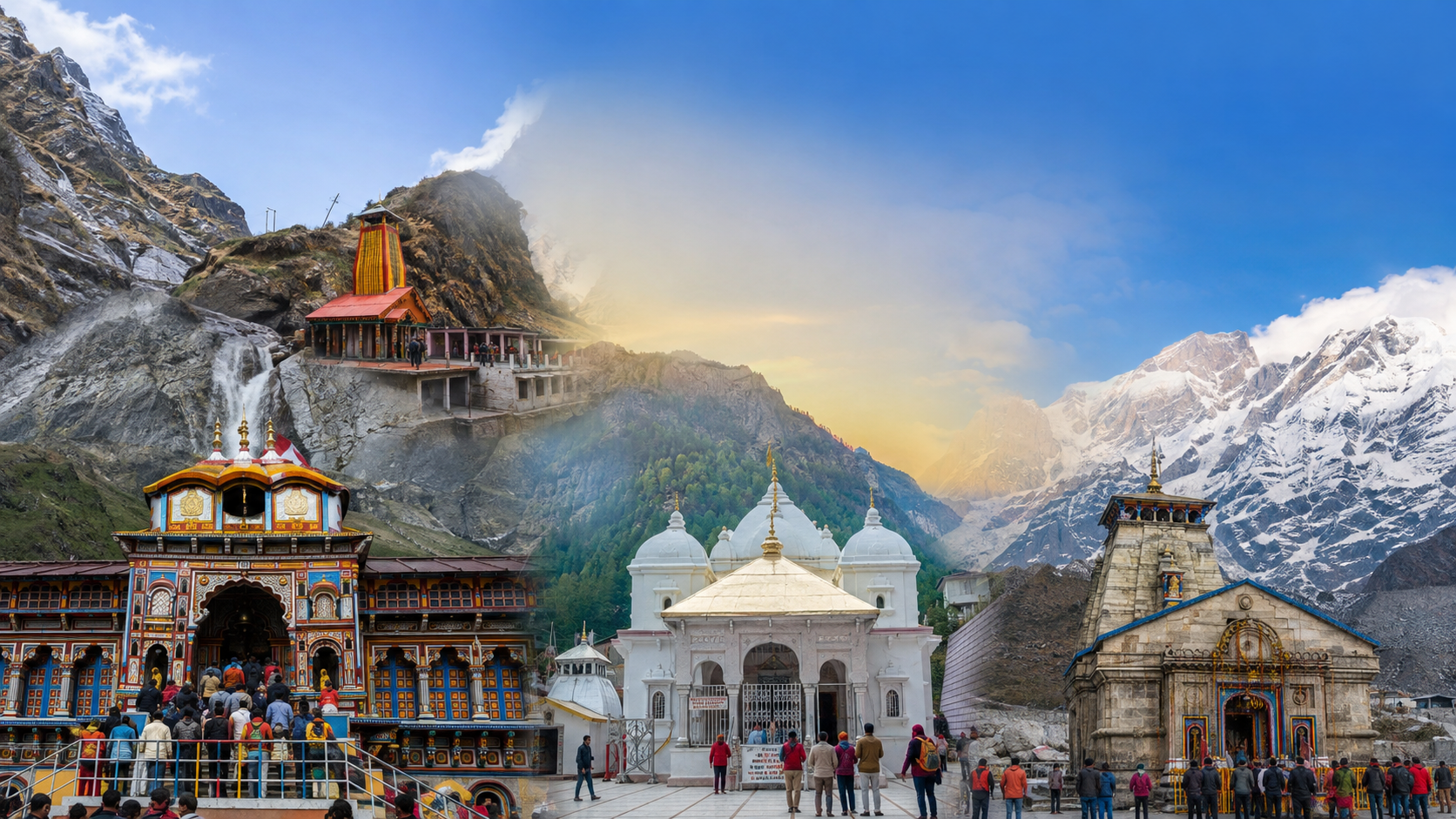
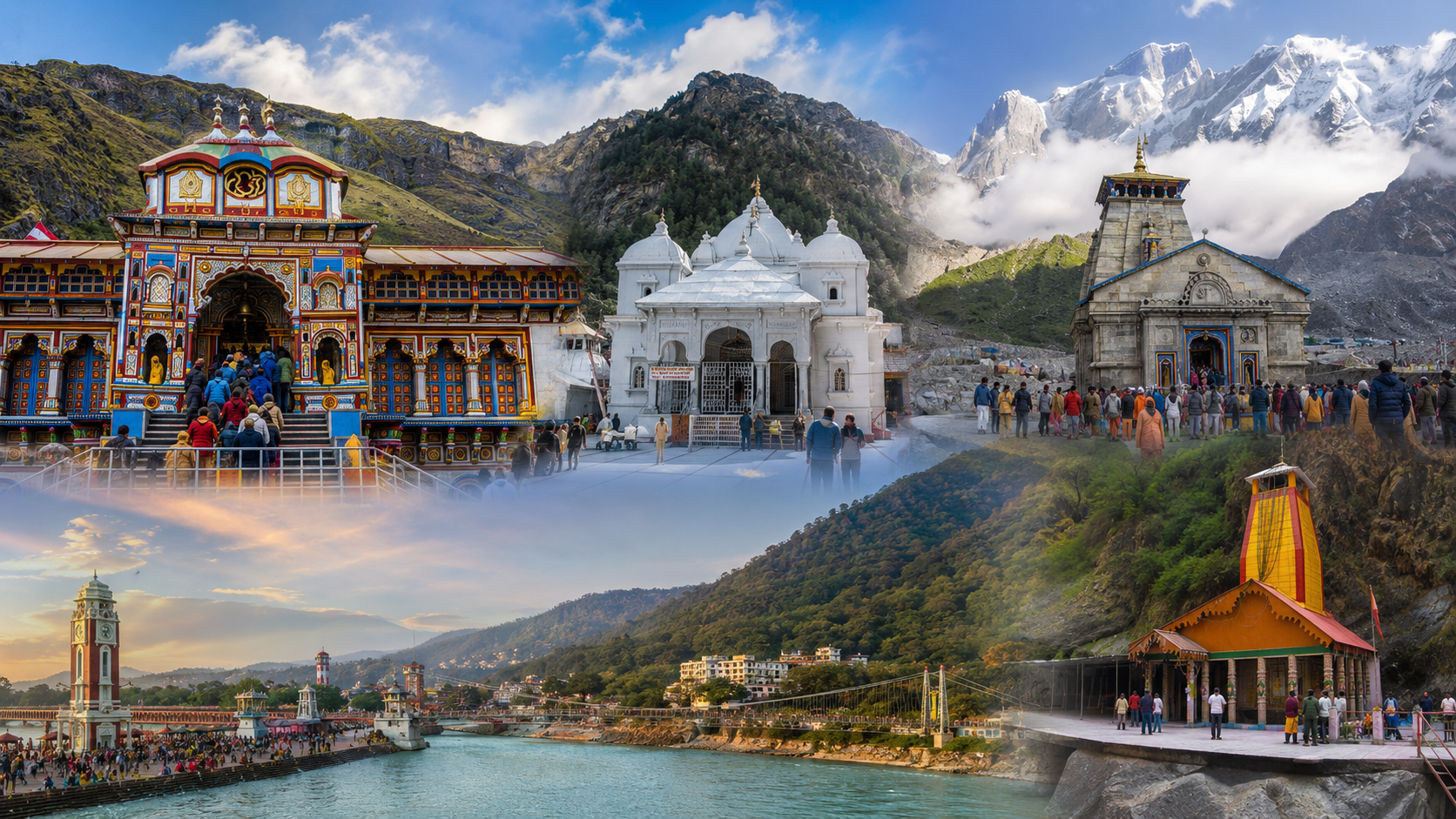
Gangotri is one of the four Char Dham pilgrimage destinations in Uttarakhand, alongside Yamunotri, Kedarnath and Badrinath. The temple is dedicated to Goddess Ganga and is regarded as one of the most important shrines associated with the sacred river.
According to Hindu tradition, King Bhagirath performed intense penance to bring Ganga to earth so that the souls of his ancestors could attain liberation. The legend further says that Lord Shiva received the force of Ganga through his matted hair before the river descended to earth. Bhagirath Shila, a sacred stone near the temple, is traditionally associated with Bhagirath's penance.
These accounts are religious traditions rather than independently verifiable historical events and are best understood in the context of Hindu pilgrimage.
The river flowing beside the temple is known as Bhagirathi at this stage. Pilgrims often visit the riverbank before or after Gangotri darshan and take time for prayer and ritual observance.
Gangotri Temple History
The present Gangotri Temple is generally attributed to Gorkha General Amar Singh Thapa, who built the shrine in the 18th century. Government tourism sources also associate the temple with later renovation by the Maharaja of Jaipur.
The present structure is a relatively simple white-stone temple set close to the Bhagirathi River. Its setting is an important part of the experience: the shrine, river, surrounding deodar and pine vegetation, and high Himalayan slopes are all concentrated within the small settlement of Gangotri.
The temple's history should be separated from the older religious traditions associated with the site. The story of Ganga's descent and Bhagirath's penance belongs to Hindu religious tradition, while the existing temple structure dates to the historic period.
Gangotri Temple Opening Date and Seasonal Access
Gangotri Temple does not remain open throughout the year. Heavy winter conditions make the upper Himalayan region difficult to access, and the temple follows a seasonal pilgrimage calendar.
For 2026, the official Uttarakhand Char Dham registration portal lists 19 April 2026 as the Gangotri Dham kapat opening date. The portals were ceremonially opened on 19 April 2026 on Akshaya Tritiya. The annual closing is linked with Diwali, after which worship associated with the shrine continues at its winter seat in the Mukhba area.
Exact closing arrangements and timings can change according to the annual religious calendar and official announcements. Travellers planning a late-season pilgrimage should therefore check the official Uttarakhand Char Dham portal before starting the journey.
The practical rule is simple: do not plan a Gangotri visit around a historical opening or closing date without checking the current year's announcement.
Gangotri Temple Darshan and Timings
Daily Gangotri Temple timings can change with the season, religious ceremonies and temple administration. The official Uttarakhand pilgrimage portal currently advises visitors to check the announced schedule rather than relying on a permanently fixed timetable.
For planning purposes, commonly published timings indicate a morning darshan period followed by an afternoon break and an evening darshan period. Recent local listings show approximately 6:15 AM to 2:00 PM and 3:00 PM to 9:30 PM, but these should be treated as indicative rather than guaranteed.
Aarti and bhog timings are particularly subject to change. The official pilgrimage portal has advised pilgrims to confirm the current aarti and bhog schedule before visiting.
If darshan is the main purpose of your trip, it is sensible to reach Gangotri early rather than arriving close to the end of a session. During busy Char Dham periods, queues and crowd-management arrangements can affect the time required for the visit.
Gangotri Temple Puja, Aarti and Darshan
The temple follows established rituals dedicated to Goddess Ganga. Morning and evening worship are important parts of the daily religious routine, while special ceremonies take place during festivals and significant dates in the pilgrimage calendar.
Visitors interested in a particular Gangotri Temple puja should verify availability, timing, booking requirements and applicable charges locally or through the relevant temple or pilgrimage authority. Do not assume that a puja listed by a private travel website is available on every date.
The evening aarti at Gangotri is especially significant for pilgrims who stay overnight. The ritual takes place in the temple and riverfront setting, and timings may vary according to the day's religious schedule.
For ordinary darshan, travellers should follow the instructions of temple staff and volunteers, avoid blocking entrances or ritual areas, and dress modestly.
Darshan Etiquette and What to Carry
Gangotri is an active pilgrimage site rather than a sightseeing attraction alone. A respectful approach makes the visit easier for everyone.
Keep these points in mind:
• Dress modestly and comfortably for a religious site.
• Follow instructions given by temple staff and local authorities.
• Avoid carrying unnecessary valuables or large bags into crowded areas.
• Do not photograph or record a ritual if photography is restricted.
• Keep the river and temple surroundings clean.
• Avoid littering, plastic waste and disposable items wherever restrictions apply.
• Carry a warm layer even during the warmer months because temperatures can fall quickly after sunset.
• Wear comfortable footwear with a secure grip for walking around the town and riverbank.
• Keep some cash available because smaller local establishments may not always offer reliable digital payment connectivity.
Char Dham Registration for Gangotri
Char Dham registration is an important part of planning a Gangotri pilgrimage. The Uttarakhand Tourism Development Board's official registration system states that registration is compulsory for Char Dham pilgrims and that visitors must carry their registration details for verification.
The current official system allows registration through the Uttarakhand Char Dham portal and mobile application. Registration information, destination dates and verification requirements can change, so travellers should check the official portal before departure.
Carry a valid identity document and keep a digital as well as accessible copy of the registration confirmation. If travelling by vehicle, check the current vehicle-registration requirements as well.
Gangotri Temple Best Time to Visit
The best time to visit Gangotri Temple depends on whether the priority is comfortable pilgrimage travel, quieter surroundings or combining the visit with trekking.
May and June are generally popular for the main pilgrimage season. The weather is comparatively suitable for road travel and sightseeing, although the destination can be busy around peak Char Dham dates.
September and October can also be good months for a Gangotri pilgrimage after the main monsoon period. The weather can be cold, especially early in the morning and after sunset, so warm clothing remains necessary.
July and August require more caution because monsoon conditions can bring rain, landslides and road disruption in the Himalayan region. A trip during this period should be planned only after checking current road and weather conditions.
Late-season travel requires particular attention to the temple's closing date. The shrine closes for winter after the annual season, and road conditions can deteriorate as winter approaches.
How to Reach Gangotri Temple
Gangotri is connected by road and is not served by a railway station or commercial airport in the town itself.
By Road
Road travel is the practical way to reach Gangotri. Common approach points include Rishikesh, Haridwar, Dehradun and Uttarkashi. The final section is a mountain road through the Bhagirathi valley, so journey time depends heavily on traffic, road conditions, weather and stops.
Uttarkashi is an important overnight halt for many pilgrims. From Uttarkashi, the road continues through places such as Harsil before reaching Gangotri.
Uttarakhand Tourism's Char Dham itineraries place the road distance between Uttarkashi and Gangotri at roughly 100 km, while travel times vary with conditions. This is a mountain journey, so it is better to plan by realistic driving time rather than treating the distance like a plains-road trip.
By Train
Rishikesh, Haridwar and Dehradun are among the main railheads used for reaching Gangotri. From the railhead, travellers continue by road using a taxi, shared vehicle or bus service.
By Air
Jolly Grant Airport near Dehradun is the nearest major airport commonly used for a Gangotri journey. From the airport, the remaining journey has to be completed by road.
Helicopter and charter options may be available for parts of the journey, but travellers should distinguish between helicopter services to other Char Dham destinations and a direct service to Gangotri. Availability is seasonal and subject to weather and operational restrictions.
Local Transport in Gangotri
Once you reach Gangotri town, the main temple is accessible on foot from the local road and nearby accommodation areas. The settlement is compact, so a separate local sightseeing vehicle is generally not necessary for the immediate temple area.
For attractions farther from the temple, local taxis or arranged vehicles are more practical. For Gaumukh, the situation is different: it is a trekking route through Gangotri National Park and requires advance planning and applicable permissions.
Do not plan a same-day Gaumukh trek casually around your temple darshan. The trek is considerably more demanding than the short walks within Gangotri.
Nearby Places to Visit
Gangotri Temple can be combined with several nearby spiritual and natural attractions.
Bhagirath Shila
Located close to the temple, Bhagirath Shila is traditionally associated with King Bhagirath's meditation and penance. It is an easy addition to a temple visit and can be included while exploring the riverbank.
Pandava Gufa
Pandava Gufa is a small cave associated by local religious tradition with the Pandavas. Reaching it involves a walk, so allow additional time rather than treating it as a quick roadside stop.
Jalmagna Shivling
Jalmagna Shivling is a natural rock formation associated with Lord Shiva that becomes visible according to the seasonal water level of the Bhagirathi. Its visibility is therefore not guaranteed throughout the year.
Harsil
Harsil lies on the road between Uttarkashi and Gangotri and is known for its Himalayan landscape, forests and apple-growing region. It is a useful overnight option for travellers who prefer a quieter base or want to break the road journey.
Bhairon Ghati
Bhairon Ghati is another scenic point on the approach towards Gangotri. The surrounding terrain makes it a worthwhile stop when road and weather conditions permit.
Gaumukh
Gaumukh is the glacial source of the Bhagirathi and lies around 19 km from Gangotri. It is reached by trekking rather than by road. The route passes through Gangotri National Park, and permissions and current trekking regulations must be checked before departure.
Tapovan
Tapovan lies beyond Gaumukh and is a high-altitude trekking destination rather than a casual sightseeing stop. It requires substantially more preparation, fitness and suitable mountain-travel experience than a normal Gangotri Temple visit.
Stay and Accommodation in Gangotri
Accommodation is available in Gangotri, but choices are more limited than in larger pilgrimage towns. Options can include private hotels, guesthouses, ashrams, dharamshalas and government or pilgrimage-related accommodation.
During the busiest Char Dham periods, rooms can fill quickly. Booking ahead is sensible if your travel dates are fixed, particularly around opening ceremonies, major religious occasions and weekends.
Uttarkashi and Harsil provide alternatives for travellers who prefer a wider choice of accommodation. Uttarkashi is particularly useful as a transit base, while Harsil can work well for a slower itinerary focused on the upper Bhagirathi valley.
Do not assume that a property will operate exactly like a hotel in a major city. Power supply, heating, hot water, mobile connectivity and dining options can be more limited at high altitude. Confirm essential facilities before booking.
Accessibility and High-Altitude Considerations
Gangotri Temple is reached by road, so it does not require the long trek associated with some other Himalayan pilgrimage sites. However, reaching the temple town itself involves a substantial mountain journey and an altitude of around 3,100 metres.
Visitors who are not accustomed to high altitude should avoid rushing through the journey. If possible, allow time for rest after reaching Gangotri, especially when travelling from the plains in a single day.
The temple area and town involve walking on uneven or sloping surfaces. Visitors with limited mobility should assess the terrain and accommodation access in advance. Do not assume that every hotel, pathway or temple approach has wheelchair-friendly facilities.
Anyone with a medical condition that may be affected by altitude or strenuous travel should seek appropriate medical advice before undertaking the journey.
Practical Planning Tips for a Gangotri Pilgrimage
- Check the current temple opening status before booking non-refundable travel.
- Complete the required Char Dham registration and keep the confirmation accessible.
- Check the latest road, weather and pilgrimage advisories before leaving Uttarkashi or your previous halt.
- Carry warm clothing throughout the season; Himalayan weather can change quickly.
- Start road journeys early so that unexpected traffic or weather delays do not leave you travelling late in the mountains.
- Keep a buffer day if your itinerary connects Gangotri with other Char Dham destinations.
- Book accommodation early during peak pilgrimage dates.
- If Gaumukh is part of your plan, arrange the trek separately and check current permits, entry rules and weather conditions.
- Do not rely on historical temple timings. Confirm the current darshan and aarti schedule before visiting.
- Respect local religious customs and keep the temple, river and mountain environment clean.
Gangotri is best approached as both a pilgrimage and a high-altitude mountain journey. The temple itself is accessible by road, but the altitude, seasonal opening, changing weather and limited local infrastructure make advance planning worthwhile.
For travellers visiting as part of the Gangotri Char Dham circuit, it is useful to keep enough time for darshan rather than treating the temple as a quick stop between two long drives. Staying overnight in Gangotri or nearby Harsil can also make the experience less rushed.
If you are planning a Gangotri pilgrimage and want help arranging the route, suitable stays and practical travel schedule, Trip to Yatra can help you plan your Gangotri Temple visit around your dates, travel preferences and wider Char Dham itinerary.