
Brajeshwari Devi Temple
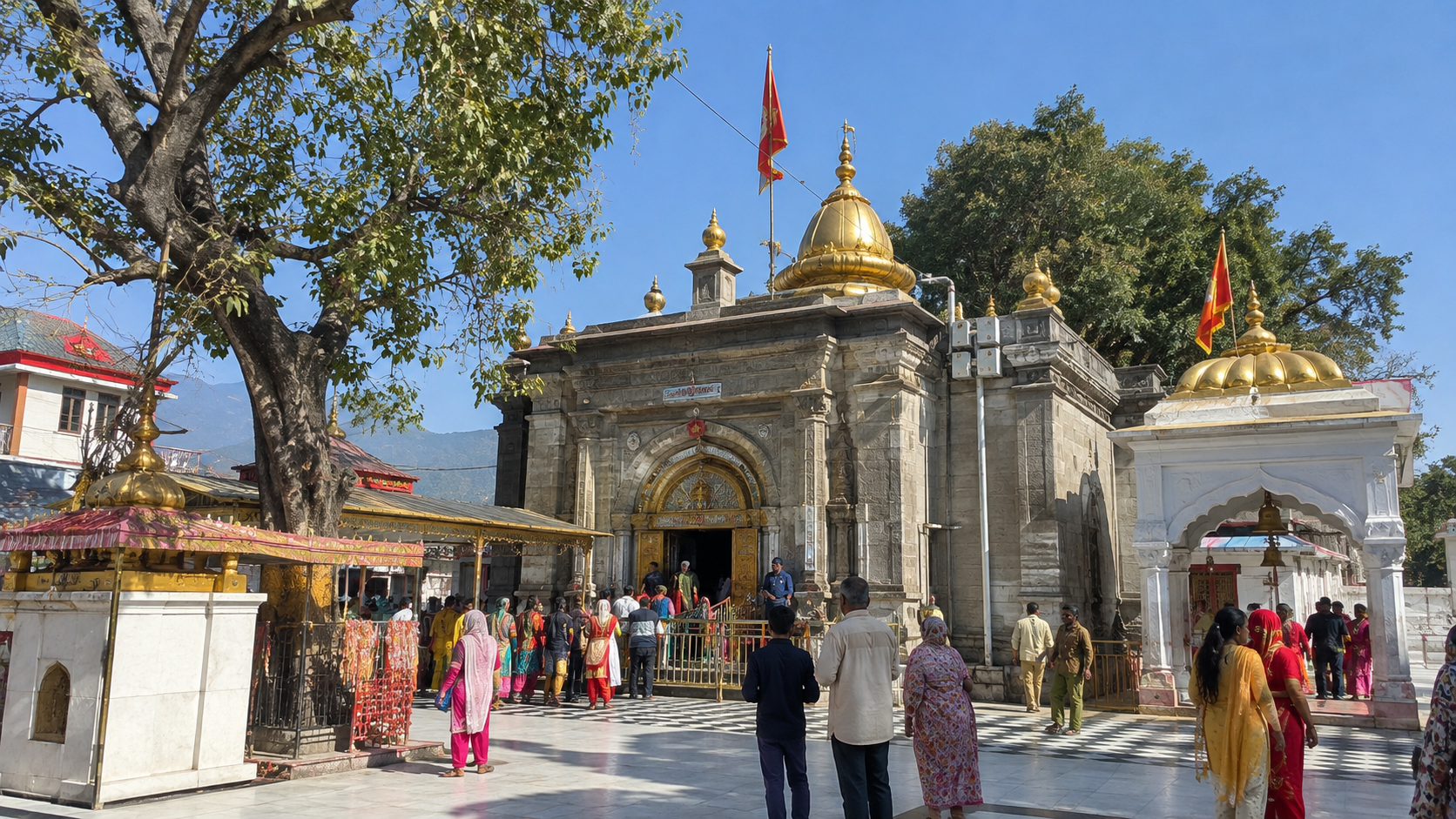
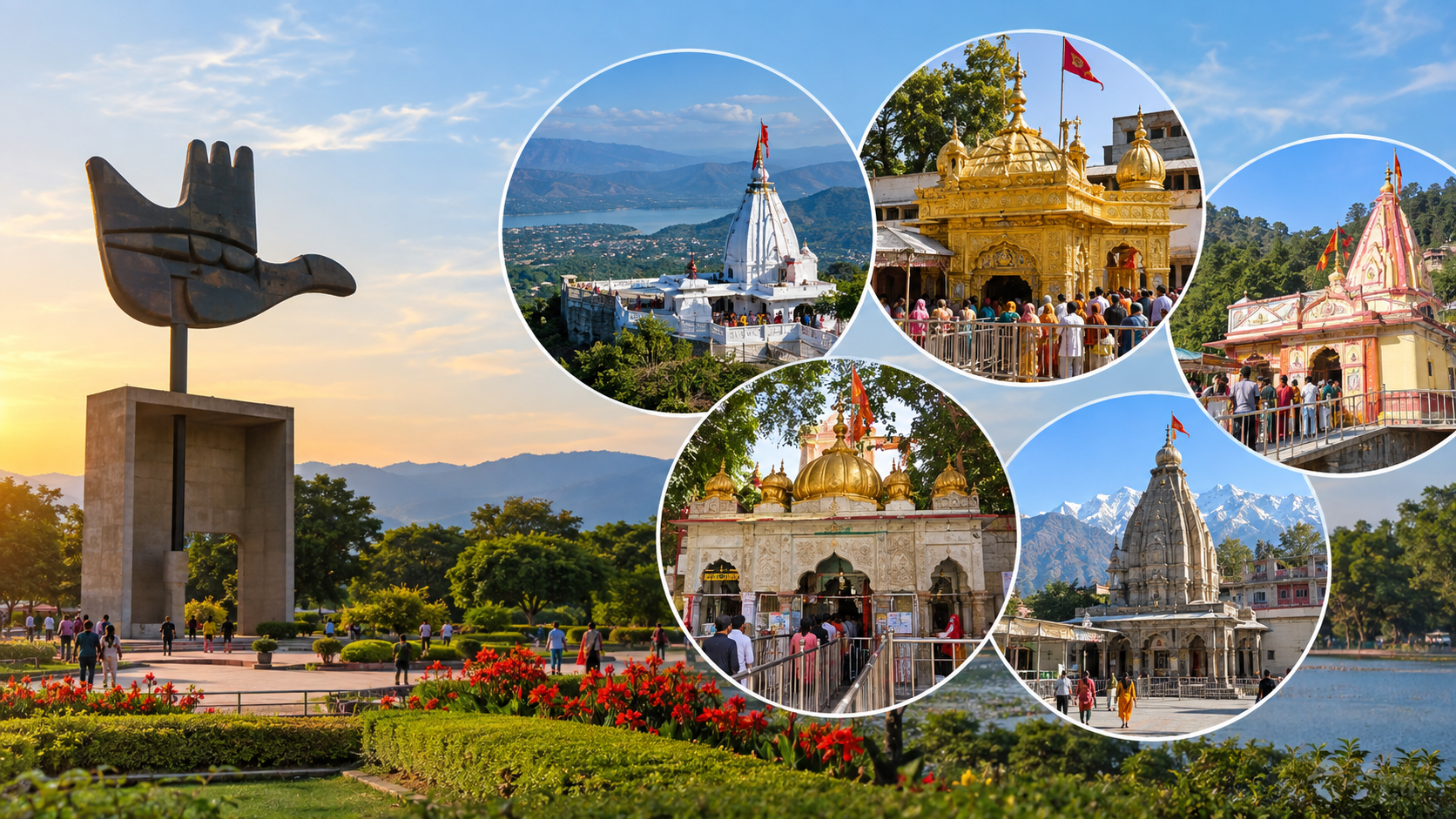
Brajeshwari Devi Temple, also known as Bajreshwari Mata Temple or Kangra Devi Temple, is a major Hindu shrine in Kangra, Himachal Pradesh. Revered as a Shakti Peetha, the temple attracts pilgrims throughout the year and is especially busy during Navratri. Its long history, distinctive architecture and location near Kangra Fort make it an important stop in a Kangra pilgrimage itinerary.
Brajeshwari Devi Temple: A Major Pilgrimage Shrine in Kangra
Brajeshwari Devi Temple, also called Bajreshwari Mata Temple or Kangra Devi Temple, stands in the heart of Kangra town in Himachal Pradesh. The shrine is dedicated to Goddess Bajreshwari, regarded by the temple authorities as a form of Goddess Durga, and is traditionally counted among the 51 Shakti Peethas.
For pilgrims, the attraction is primarily spiritual: the temple is an established centre of worship and a regular destination on Himachal Pradesh's Shakti pilgrimage circuit. For travellers interested in history, it also offers a remarkable glimpse into Kangra's past. The shrine has experienced repeated destruction and rebuilding, including damage during the 1905 Kangra earthquake. The present temple was subsequently rebuilt.
The temple's location also makes it convenient to combine a darshan here with Kangra Fort and other nearby religious sites. The official Kangra tourism information places Kangra Fort about 3 km from Kangra town and lists several other pilgrimage destinations within practical driving distance.
Spiritual Importance of Brajeshwari Devi Temple
The temple is traditionally associated with the Shakti Peetha tradition and is dedicated to Goddess Vajreshvari or Bajreshwari. The official Kangra Temples portal identifies Shri Bajreshwari Mata Temple as one of the 51 Shakti Pithas and describes the goddess as a form of Goddess Durga.
The principal deity is worshipped in the form of a pindi in the sanctum. A small Bhairav shrine is also part of the temple complex. The temple authorities' description of the complex also mentions an idol of Dhayanu Bhagat in front of the main temple.
Visitors should distinguish between established temple information and traditional narratives. Stories associated with the shrine, including accounts connecting it with the Mahabharata period, belong to religious tradition rather than securely documented archaeological history. Himachal Tourism records the Pandava connection as a legend and separately documents the temple's later historical episodes.
History and Legends of the Kangra Devi Temple
Kangra has a long and complex history, and the temple has been affected by the region's political and natural upheavals. Himachal Tourism records that the temple's wealth attracted invasions and that Mahmud of Ghazni plundered the shrine around 1009 AD. The temple was subsequently rebuilt and restored after periods of destruction.
The temple's traditional history also links its origins to the Pandavas during the Mahabharata era. This is best understood as a religious tradition associated with the shrine rather than presented as an independently established historical fact.
A major turning point came with the Kangra earthquake of 1905. The temple was destroyed in the earthquake and was rebuilt afterwards. The official temple website states that the government rebuilt the structure within a year.
The surviving architecture reflects this layered history. The main entrance has a Nagarkhana, or drum house, while the temple is enclosed by a stone wall with a fort-like appearance. The complex also contains three tombs described by the temple authorities as distinctive features of the present structure.
Temple Timings and Aarti
Temple timings can change during festivals, special religious occasions or administrative arrangements, so pilgrims should verify the schedule shortly before travelling.
The current official temple listing gives the following regular schedule:
| Schedule | Winter | Summer |
|---|---|---|
| Morning opening | 5:30 AM – 12:00 PM | 5:00 AM – 12:00 PM |
| Bhog closure | 12:00 PM – 12:30 PM | 12:00 PM – 12:30 PM |
| Afternoon/evening | 12:30 PM – 8:00 PM | 12:30 PM – 9:00 PM |
| Morning Mangal Aarti | 5:45 AM – 6:00 AM | 5:00 AM – 5:15 AM |
| Main morning Aarti | 6:00 AM – 7:00 AM | 5:00 AM – 6:15 AM |
| Evening Aarti | 6:30 PM – 7:30 PM | 7:00 PM – 8:00 PM |
These timings are published by the official Kangra Temples portal.
There is also a short midday closure for bhog. Pilgrims planning a tight itinerary should therefore avoid arriving just before noon and expecting uninterrupted darshan.
Festival-day arrangements can differ considerably. If your trip is centred on aarti, Navratri or another special observance, confirm the day's programme with the temple administration before setting out.
Darshan and Temple Etiquette
A visit to Brajeshwari Devi Temple is best approached as a pilgrimage rather than simply a sightseeing stop. The atmosphere can become particularly busy during Navratri and other important religious occasions.
A few practical points make the visit easier:
- Wear modest, comfortable clothing suitable for a place of worship.
- Follow instructions from temple staff and security personnel.
- Keep mobile phones and photography equipment away when photography is restricted.
- Avoid blocking entrances, queues or worship areas while taking photographs.
- Keep footwear arrangements in mind and follow the designated system at the temple.
- During crowded periods, allow extra time for darshan rather than planning back-to-back activities.
- If you intend to attend aarti, arrive with sufficient time to understand the day's queue arrangements.
- Respect devotees performing personal prayers and rituals.
The temple's official website also provides an online facility associated with darshan parchi booking, but visitors should check the current availability and procedure rather than assuming advance booking is always required.
Best Time to Visit
Kangra can be visited throughout the year, but the best period depends on the type of pilgrimage experience you want.
For a quieter temple visit: Spring and autumn are generally comfortable periods for exploring Kangra, subject to local weather and festival crowds.
For a festive pilgrimage: Navratri is an important period at the temple, but it also brings significantly larger crowds. The official temple information identifies March-April and September-October Navratra celebrations as major attractions.
For a broader Kangra itinerary: A season with comfortable daytime weather is useful if you plan to combine the temple with Kangra Fort, Jwalamukhi, Chamunda Devi Temple or Dharamshala.
Winter mornings can be cold, while lower Kangra can become quite warm in summer. Himachal Tourism recommends cotton clothing for warmer periods and light woollens when temperatures drop, with heavier woollens appropriate in colder hill areas.
How to Reach Brajeshwari Devi Temple
Brajeshwari Devi Temple is in Kangra town and is well connected by road. Himachal Tourism states that Kangra is connected by road with Delhi, Chandigarh and Shimla, with buses and taxis available for onward travel.
By Air
The nearest airport is Kangra Airport at Gaggal. The official temple website lists the airport at approximately 8 km from the temple, while Himachal Tourism places Gaggal Airport about 10 km from Kangra town.
From the airport, travellers can continue by taxi or other local road transport. Flight schedules can vary by season, so checking the current operating schedule before booking is advisable.
By Train
Kangra is served by the Pathankot–Jogindernagar narrow-gauge railway. Himachal Tourism notes that Pathankot is the major broad-gauge railhead for this part of Himachal Pradesh, with the narrow-gauge line continuing into the Kangra Valley.
For travellers arriving by long-distance train, Pathankot followed by road or the available narrow-gauge connection can be considered. The most convenient option depends on the day's train services and onward transport.
By Road
Road travel is often the most straightforward option for a pilgrimage covering several temples. Kangra is connected with major towns in Himachal Pradesh and neighbouring states by bus services and taxis. Himachal Tourism lists Delhi, Chandigarh and Shimla among the major road connections.
If travelling as a family or small pilgrimage group, a private vehicle can be useful because it allows you to combine Brajeshwari Devi Temple with nearby religious and historical sites without depending on individual local connections.
Local Transport in Kangra
Within Kangra town, pilgrims can use local taxis and other locally available road transport to reach the temple and nearby attractions. For a multi-stop pilgrimage, hiring a taxi for the day can be more practical than arranging separate rides between every temple.
The temple is centrally located in Kangra, so the town itself is the most useful base for the immediate visit. For longer stays, Dharamshala and nearby areas offer a larger choice of accommodation and transport connections.
If travelling during Navratri, plan local transfers with extra time. Crowds, traffic restrictions and increased demand for vehicles can affect normal journey times.
Places to Visit Near Brajeshwari Devi Temple
A visit to the temple can easily be combined with several attractions in and around Kangra.
Kangra Fort
Kangra Fort is one of the region's major historical attractions. Himachal Tourism describes it as one of the oldest and largest forts in the Himalayas and notes its connection with the historic Katoch rulers. The fort suffered extensive damage during the 1905 earthquake but remains an important heritage site.
The official temple website also lists Kangra Fort among the nearby places to visit.
Jwalamukhi Temple
Jwalamukhi is another major Shakti pilgrimage destination in Kangra district. The official Bajreshwari temple information places Jwalamukhi Temple about 35 km from Brajeshwari Devi Temple.
This makes the two shrines practical to combine in a dedicated Kangra pilgrimage itinerary, although actual driving time will depend on road and traffic conditions.
Chamunda Devi Temple
Chamunda Devi Temple is another prominent temple in the region. Himachal Tourism lists it about 24 km from Kangra town.
Pilgrims interested in the major Devi temples of Kangra can therefore consider a route covering Brajeshwari Devi, Chamunda Devi and Jwalamukhi rather than treating each visit as a separate trip.
Dharamshala and McLeod Ganj
For travellers extending the pilgrimage into a wider Himachal holiday, Dharamshala and McLeod Ganj are convenient additions. The official temple information lists McLeod Ganj at approximately 30 km from the temple, while Himachal Tourism identifies Dharamshala as a major destination in the region.
Accessibility and Practical Planning
Brajeshwari Devi Temple is an active pilgrimage site rather than a purpose-built tourist attraction, so visitors with mobility limitations should plan according to their individual needs.
Before travelling, it is sensible to check the current access arrangements with the temple administration, especially for elderly travellers, wheelchair users or anyone who has difficulty standing in queues for extended periods.
For a smoother visit:
- Check the latest temple timings before departure.
- Keep a buffer around the midday bhog closure.
- Reach early if attending morning aarti.
- Expect larger crowds during Navratri.
- Carry essential medicines, water and weather-appropriate clothing.
- Keep some flexibility in the itinerary because mountain-road travel times can change.
- Confirm transport availability if arriving late in the day.
- For a multi-temple trip, keep the most important darshan at the beginning of the day's schedule rather than leaving it until the last stop.
The temple administration publishes contact details for the temple officer and local authorities on its official website, which is useful when a trip depends on a specific religious service or current access arrangement.
Langar and Other Visitor Facilities
The official temple website states that langar is arranged for devotees, with listed timings of 12:30 PM to 2:30 PM and 7:30 PM to 9:00 PM. It also notes that arrangements are expanded during Navratri fairs.
Facilities and timings can change according to temple management and festival arrangements, so it is better to treat these as current published information rather than a guarantee for every visit.
Pilgrims should also remember that the town has ordinary shops, food outlets and accommodation options, making it possible to keep the temple visit relatively simple without carrying extensive supplies.
A Practical One-Day Kangra Pilgrimage Plan
If Brajeshwari Devi Temple is the main purpose of the journey, a simple day can be planned around the temple rather than trying to cover too many places.
Morning
- Reach Kangra early.
- Attend morning darshan or aarti if desired.
- Have breakfast and allow time for the temple area.
- Proceed to Kangra Fort.
Afternoon
- Have lunch in Kangra or at an appropriate point along the route.
- Visit another nearby religious site if road conditions and opening arrangements permit.
- Keep enough time for the return journey.
Evening
- Return towards Kangra for evening darshan or aarti if that is important to your pilgrimage.
- Continue to Dharamshala or your chosen accommodation, or stay in the Kangra area.
For a more focused Shakti pilgrimage, Jwalamukhi can be included instead of some sightseeing stops. Since the official temple information places Jwalamukhi approximately 35 km away, it is a realistic addition, but the day should allow for road conditions and temple crowds.
Where to Stay
Kangra is the most convenient base for travellers whose priority is the temple itself. Dharamshala offers a broader tourism infrastructure and can work well for visitors combining pilgrimage with sightseeing in the wider Kangra Valley.
When choosing accommodation, consider the following:
- Distance from the temple and other planned sites
- Early-morning transport availability
- Parking if travelling by private car
- Heating or cooling appropriate to the season
- Ease of access for elderly family members
- Flexibility around early departures for aarti
During major festivals, accommodation demand can increase, so advance planning is advisable.
Why Include Brajeshwari Devi Temple in a Kangra Yatra?
Brajeshwari Devi Temple brings together several dimensions of Kangra in one pilgrimage stop: living worship, Shakti tradition, regional history and distinctive temple architecture. It is also particularly practical for travellers following a wider temple circuit because Jwalamukhi, Chamunda Devi, Kangra Fort and Dharamshala can be incorporated into the same regional itinerary.
The temple is best experienced without rushing. Give adequate time for darshan, observe the temple's rules, and leave flexibility for crowds and local arrangements. The result is a more comfortable pilgrimage and a better opportunity to appreciate both the religious significance and the historical character of Kangra.
Plan Your Visit with Trip to Yatra
Planning a pilgrimage around Brajeshwari Devi Temple becomes easier when temple timings, transport, accommodation and nearby shrines are considered together. Trip to Yatra can help you organise a practical Kangra pilgrimage itinerary around your preferred travel dates, route and sightseeing priorities.
For your Brajeshwari Devi Temple visit, enquire with Trip to Yatra about arranging the journey and building a comfortable pilgrimage plan that fits the rest of your Himachal itinerary.