
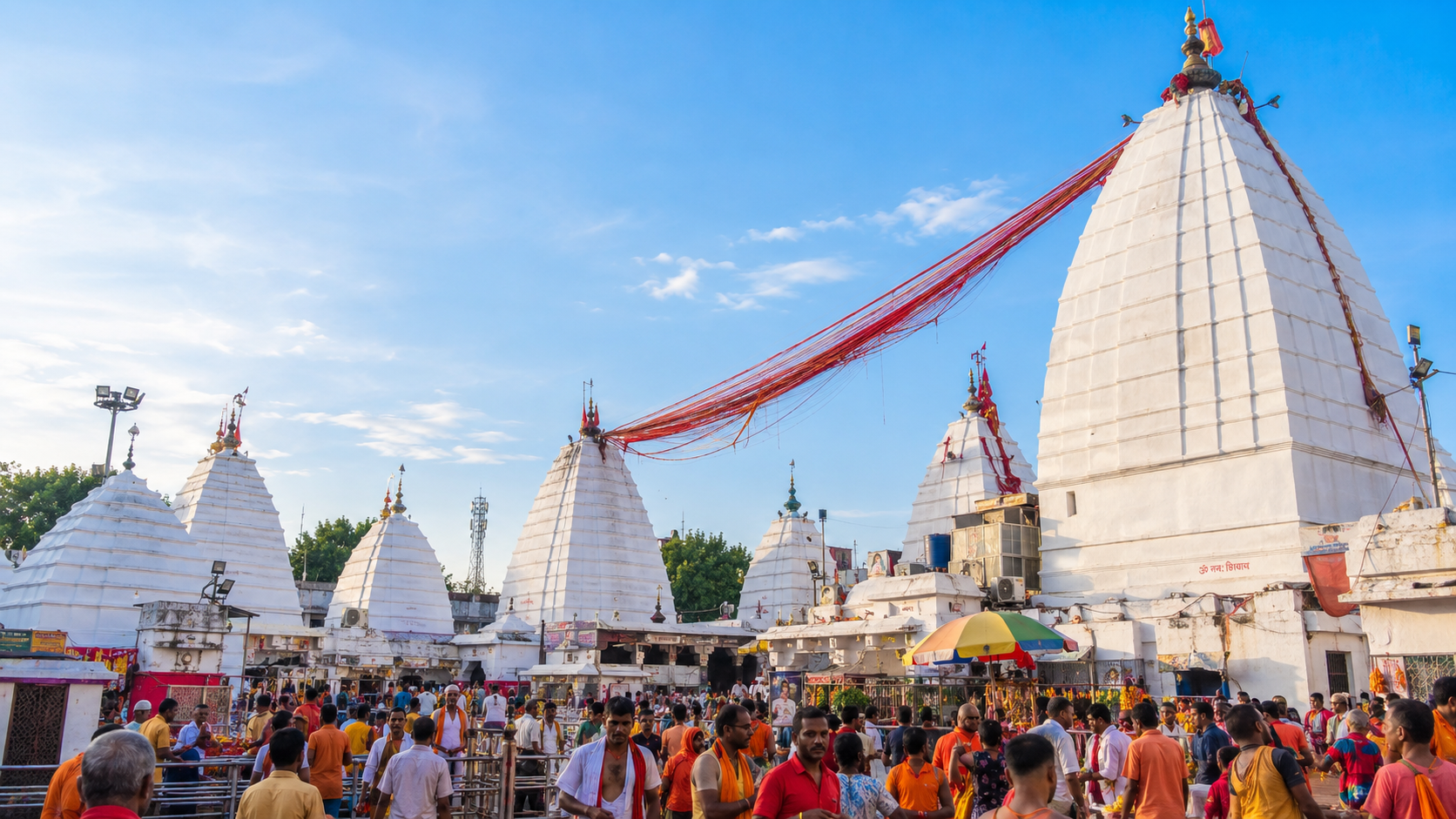
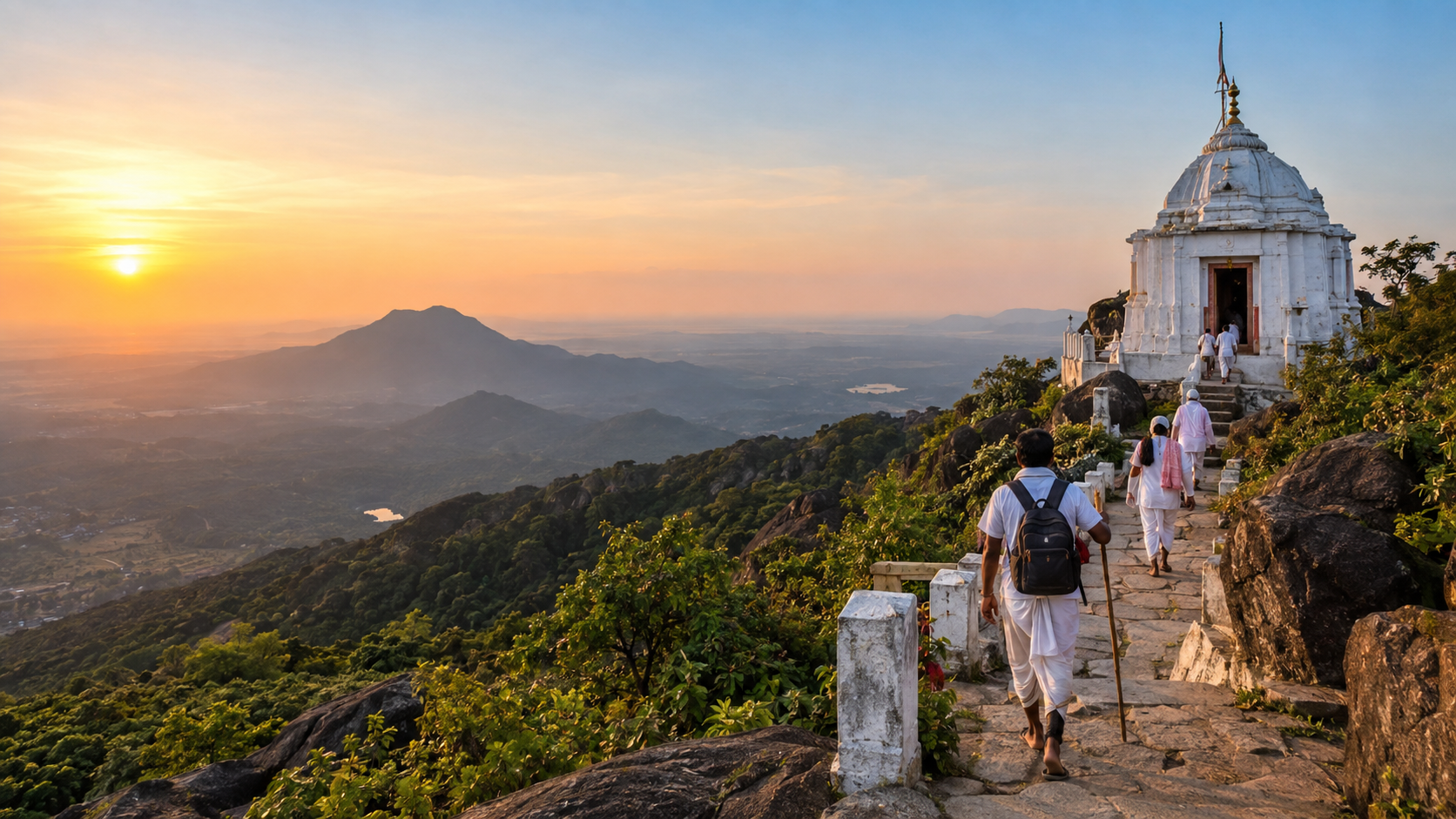
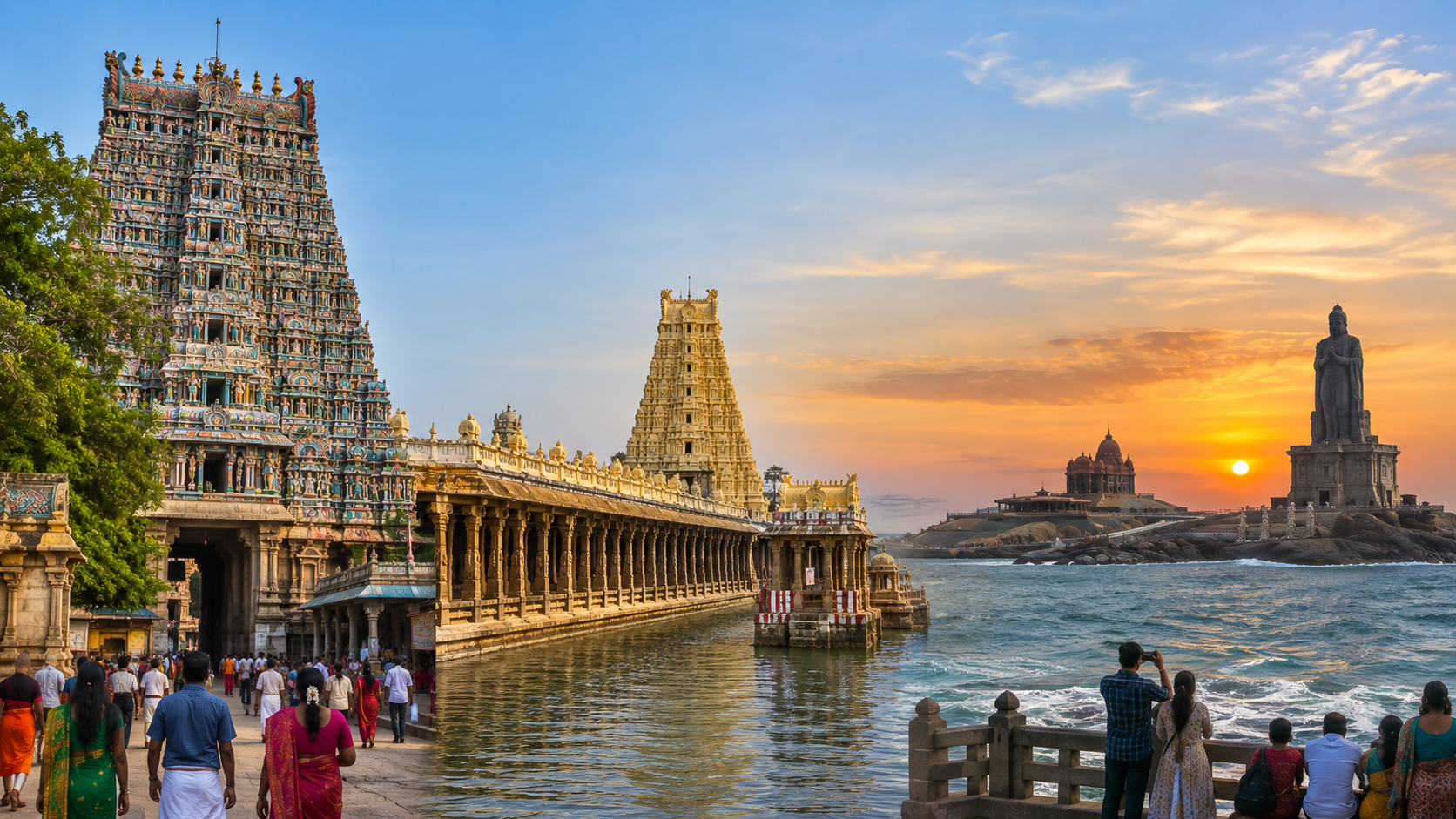
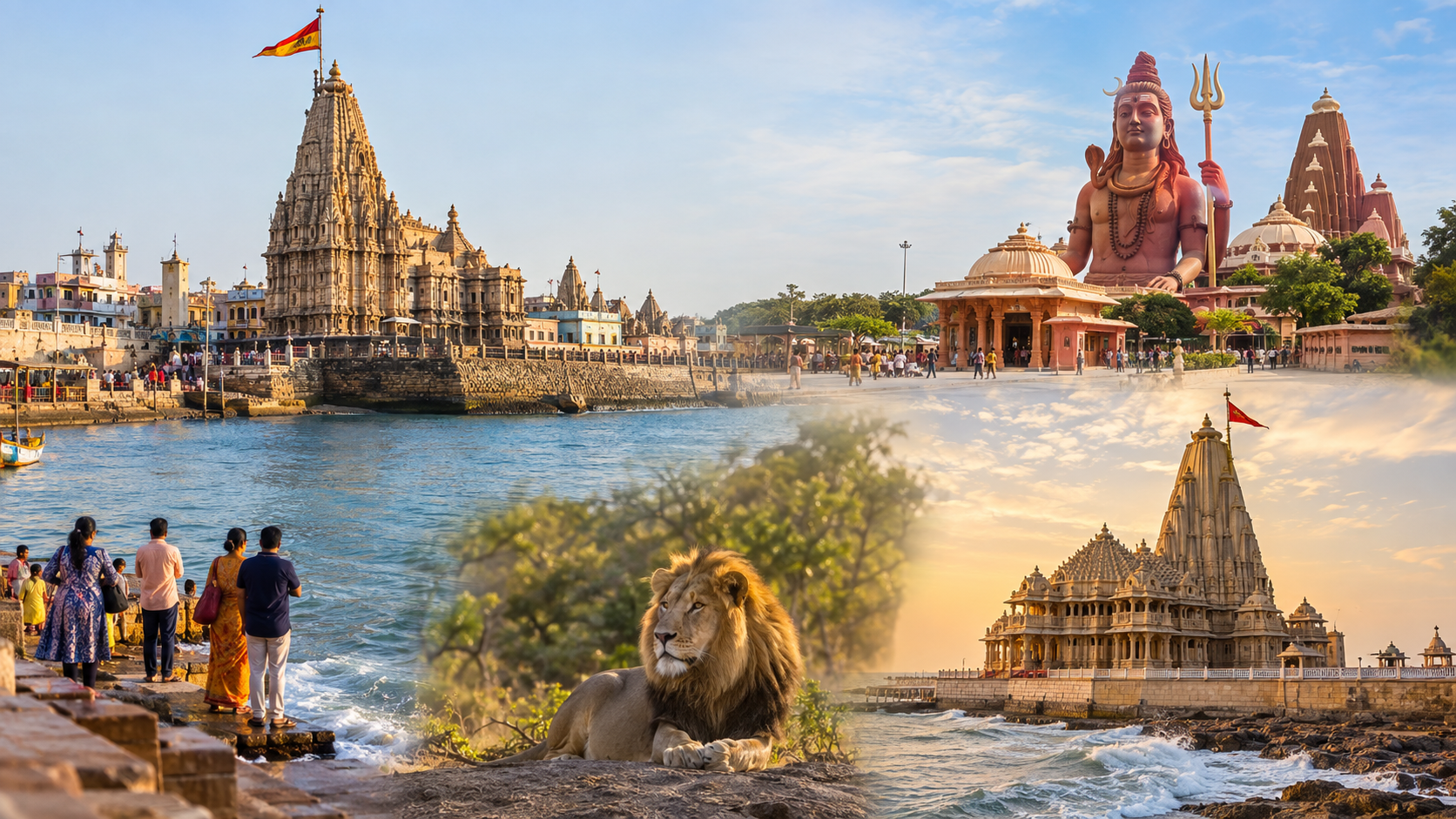
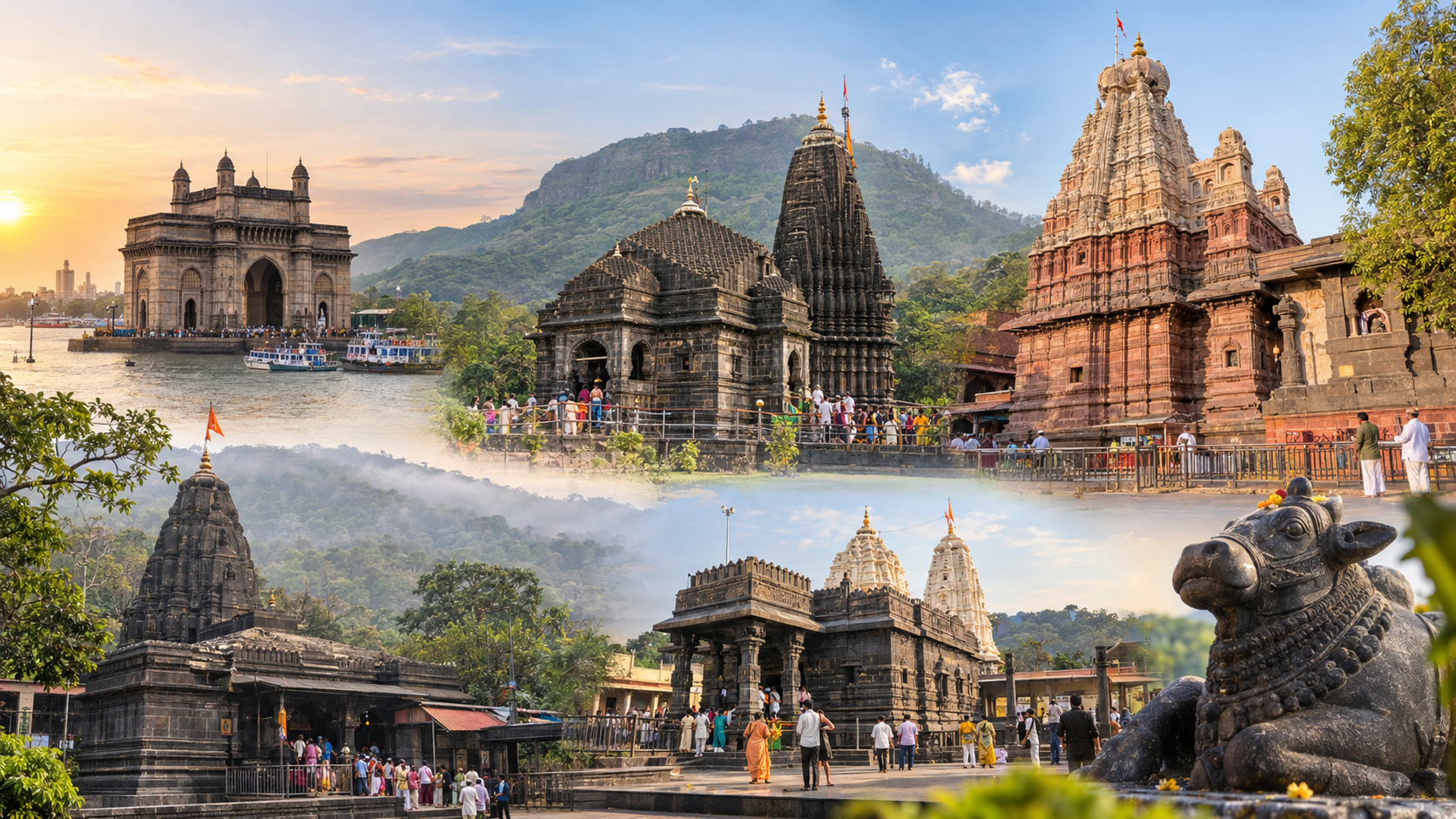
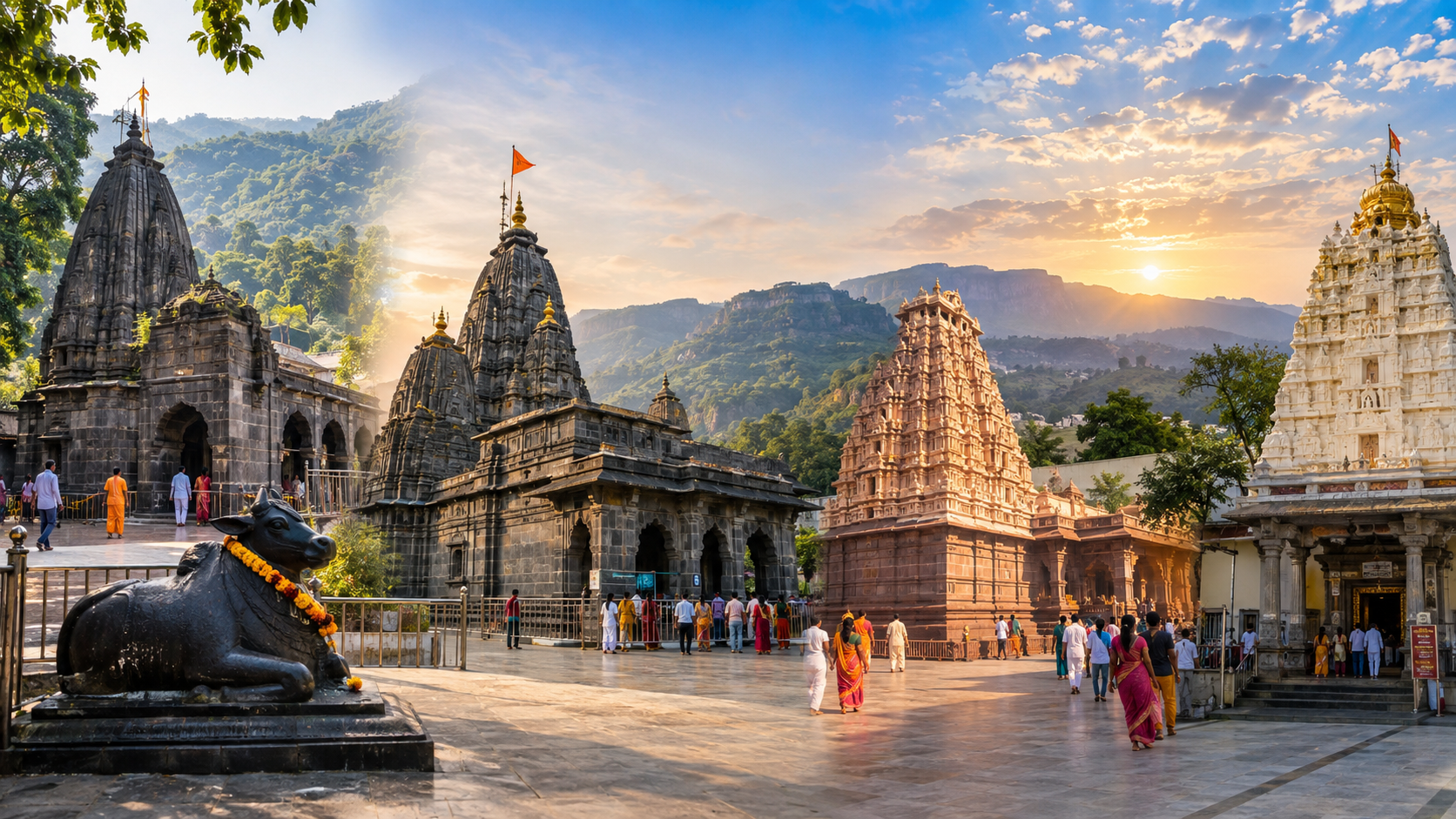
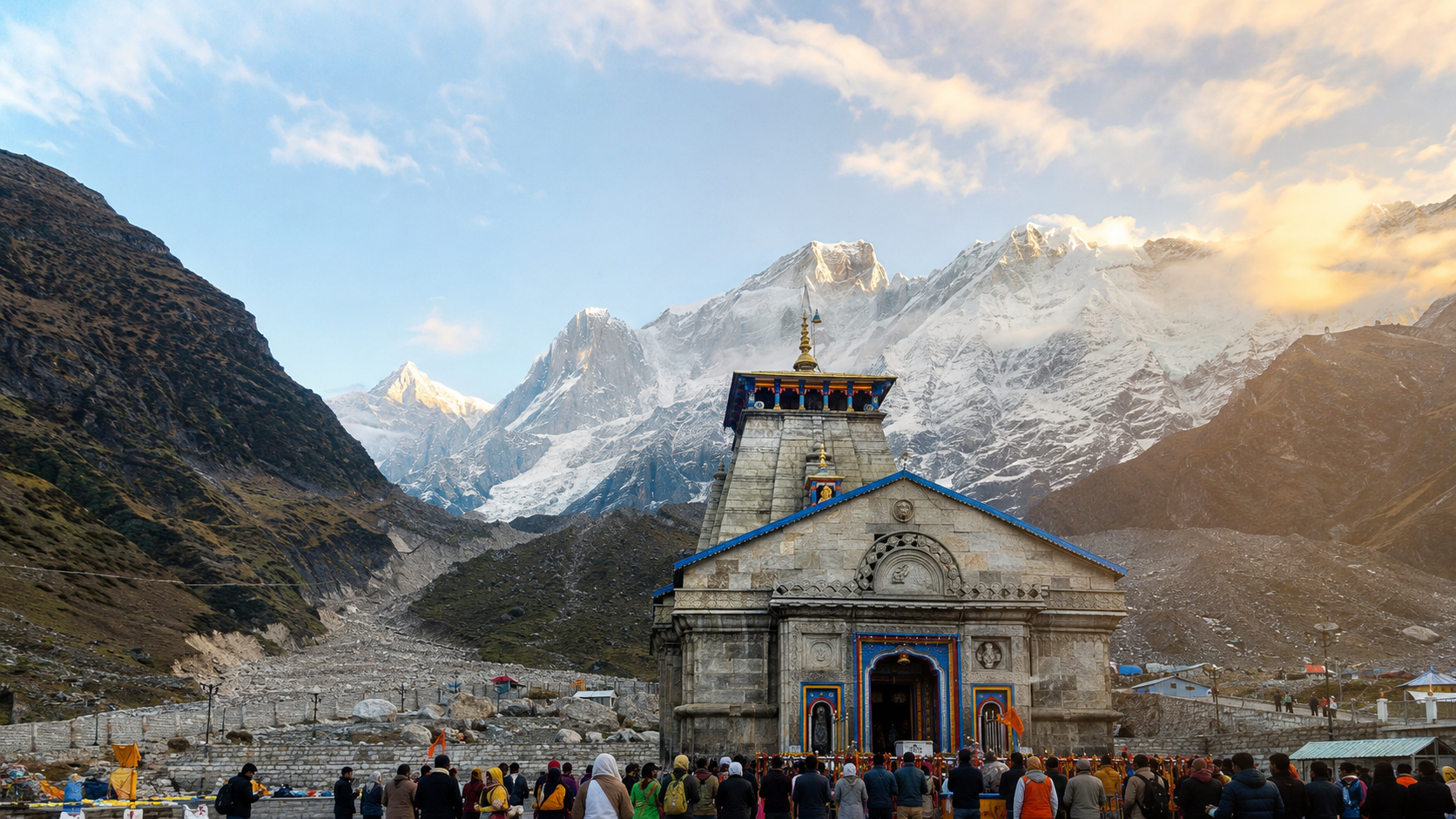
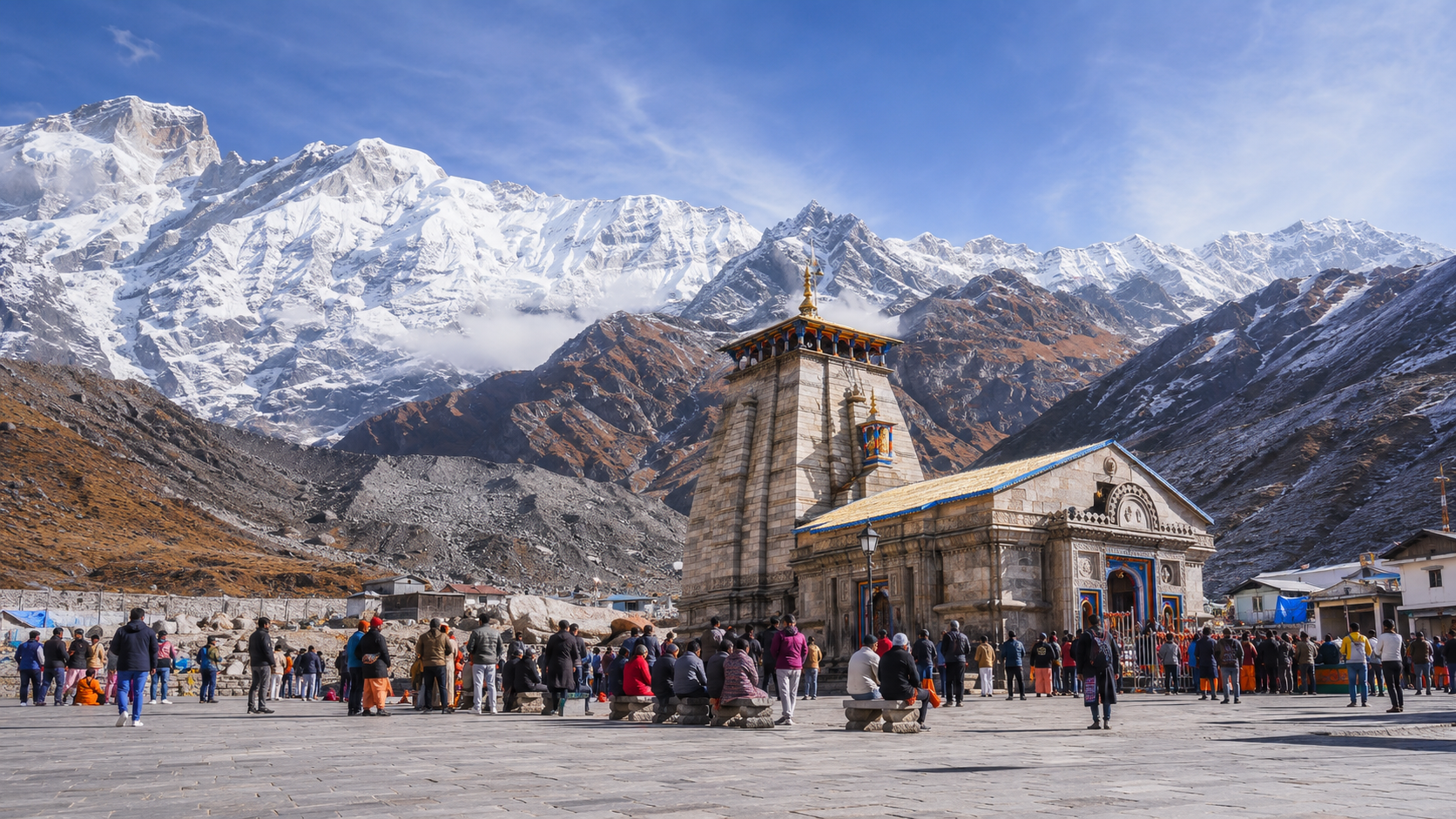
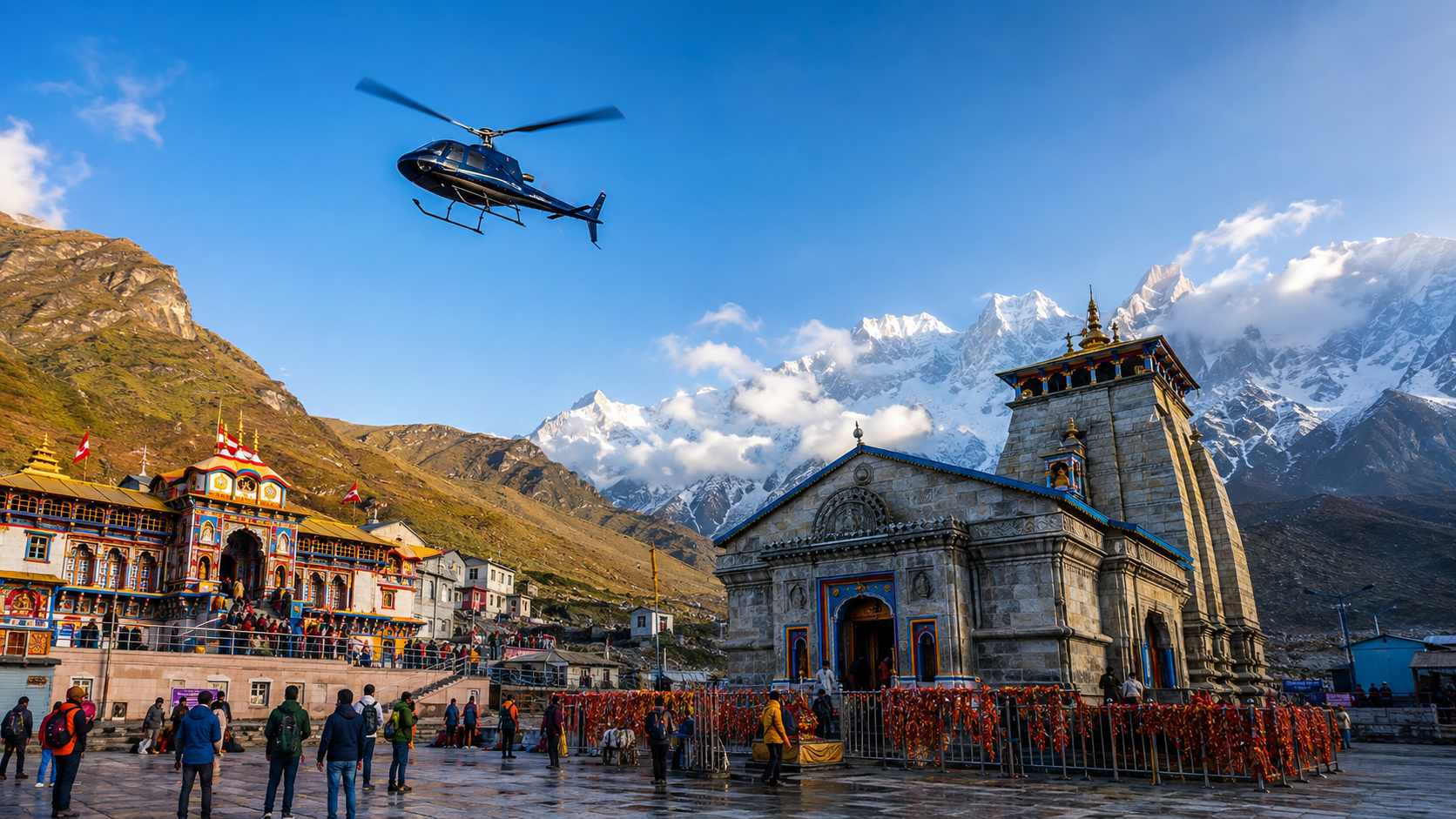
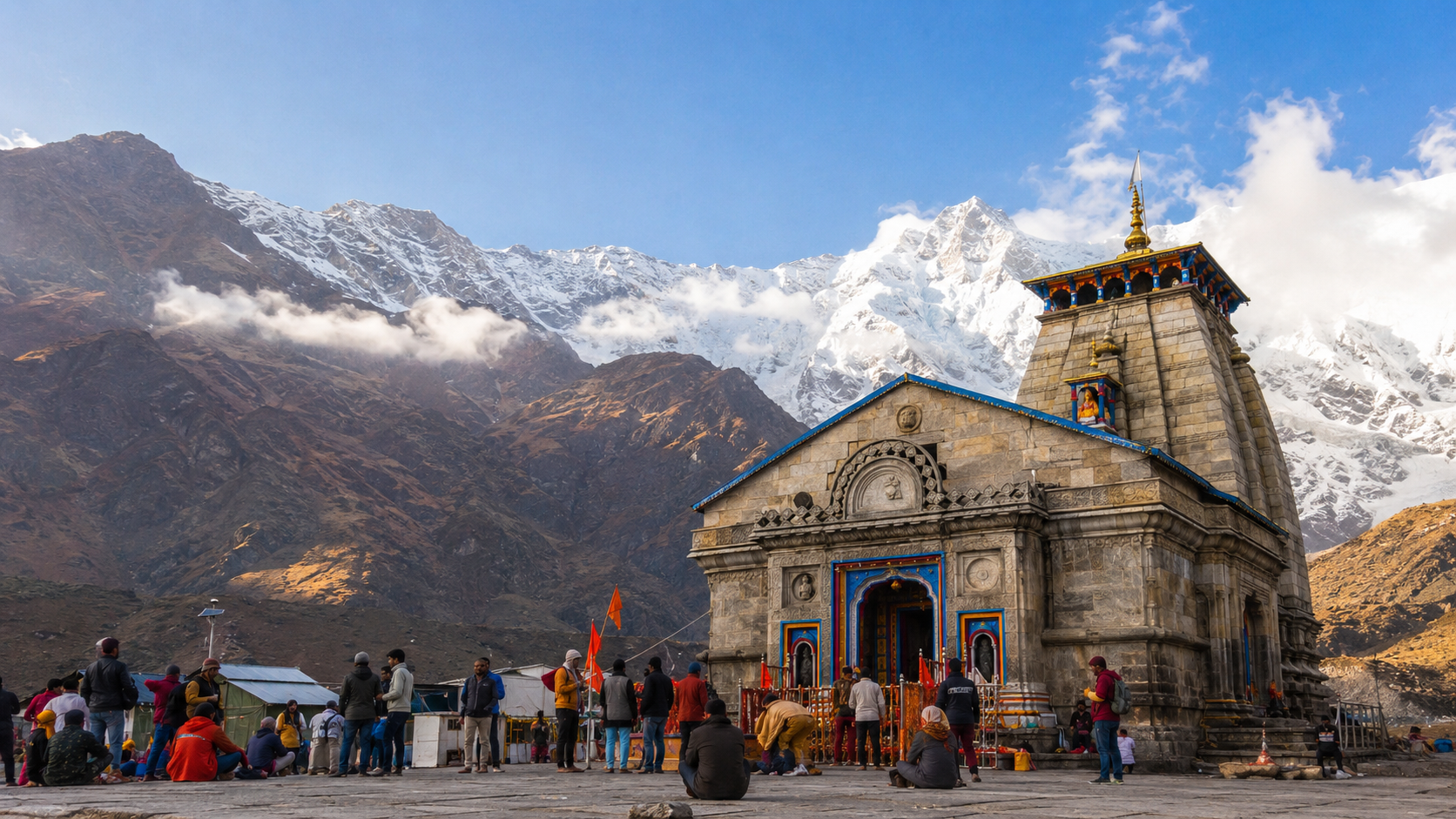
Bhimashankar Temple
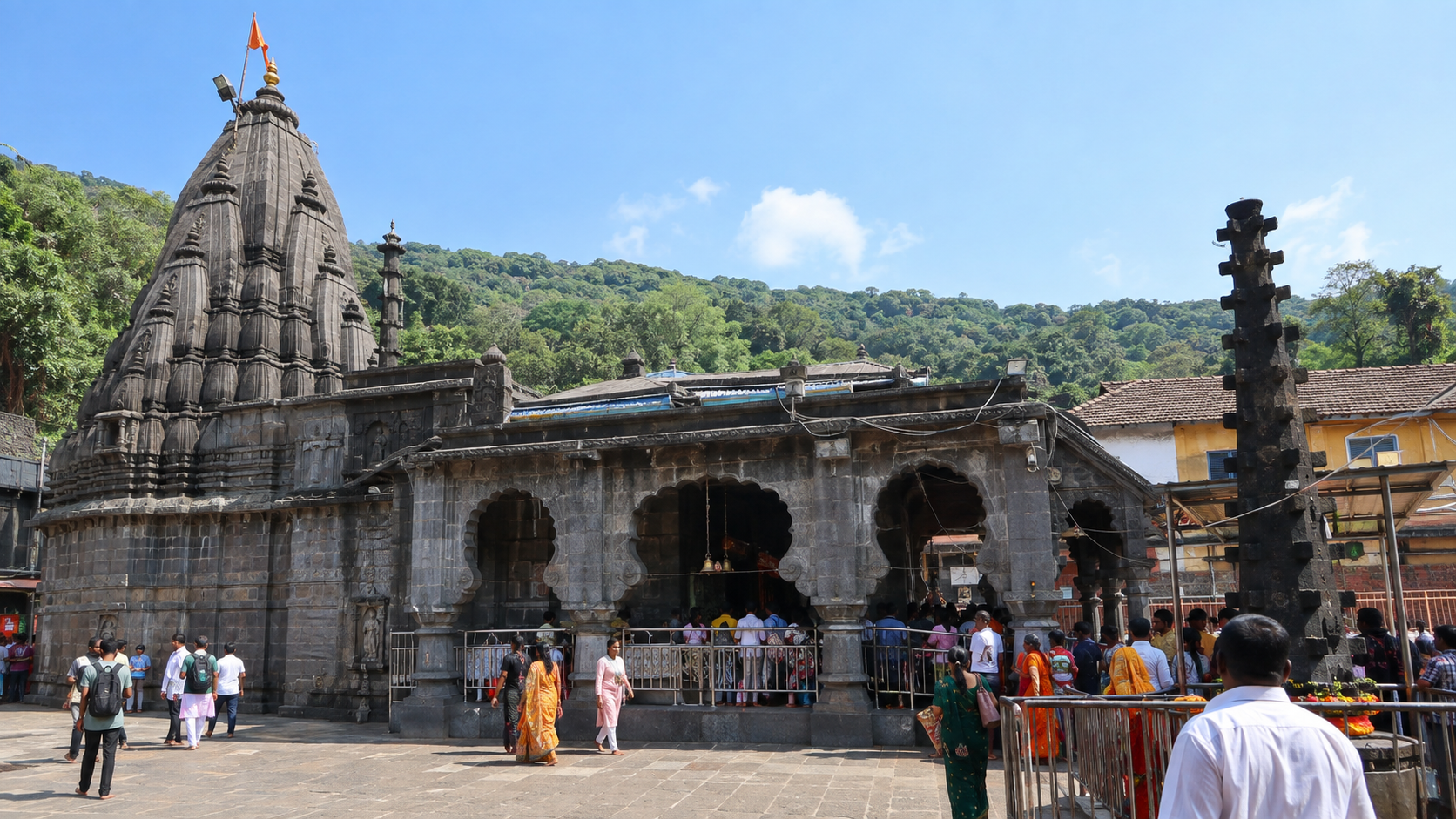
Bhimashankar Temple is one of Lord Shiva’s twelve Jyotirlinga shrines, set in the Sahyadri hills of Maharashtra. This practical guide covers Bhimashankar darshan, current timings, routes, the temple’s history and legends, seasonal planning, accommodation, accessibility and nearby attractions so you can organise a smoother pilgrimage.
Bhimashankar Temple at a Glance
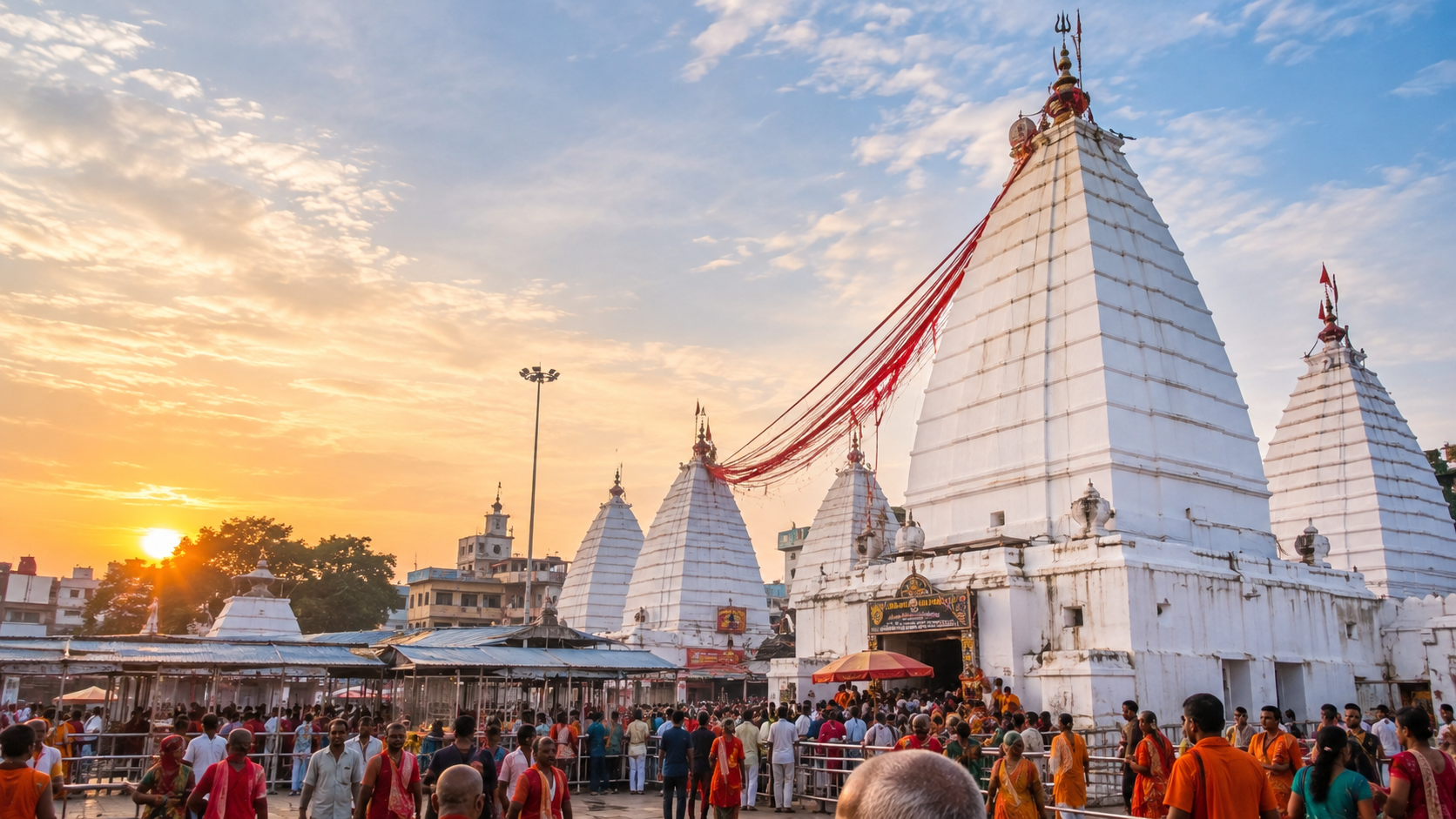
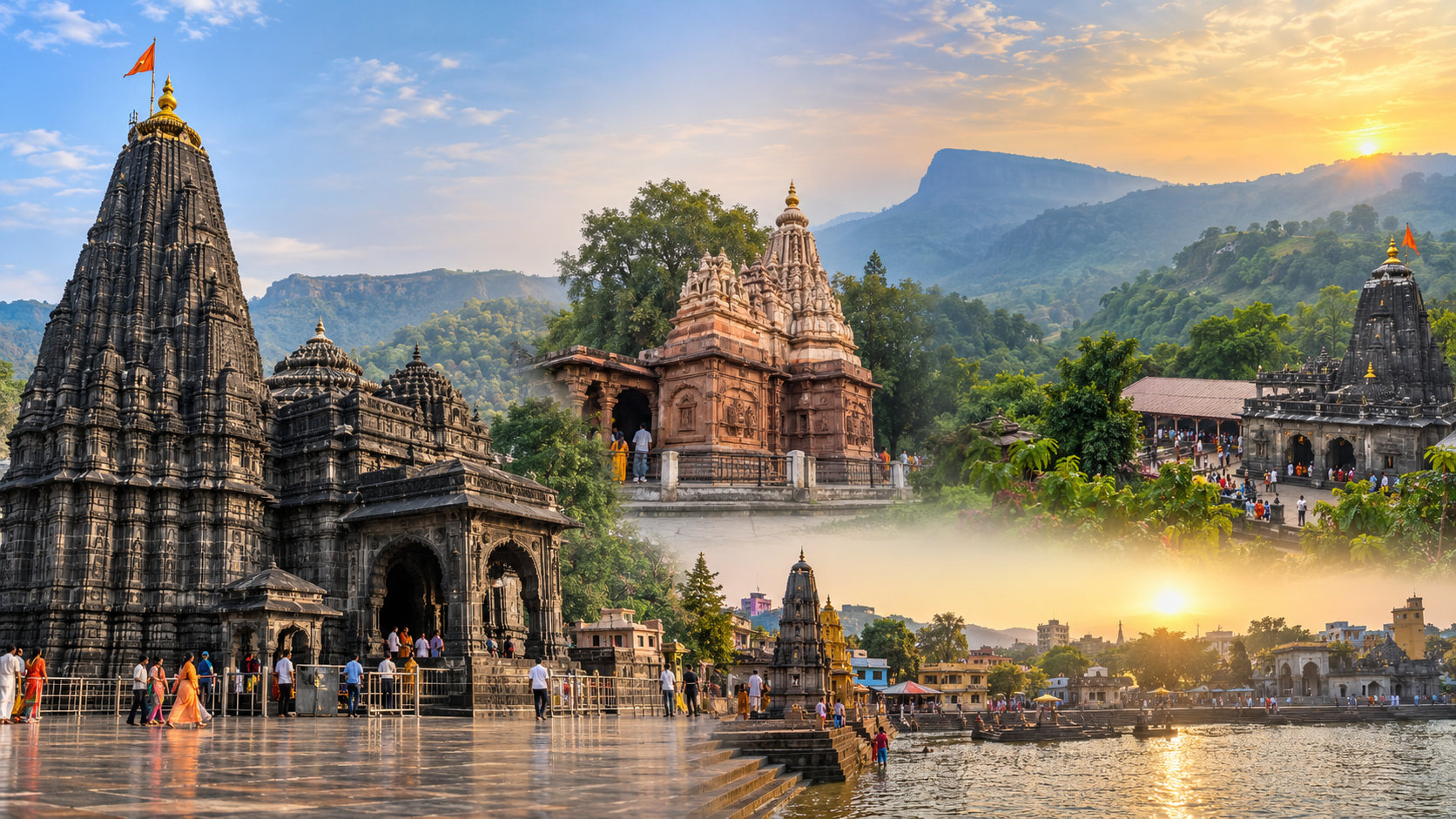
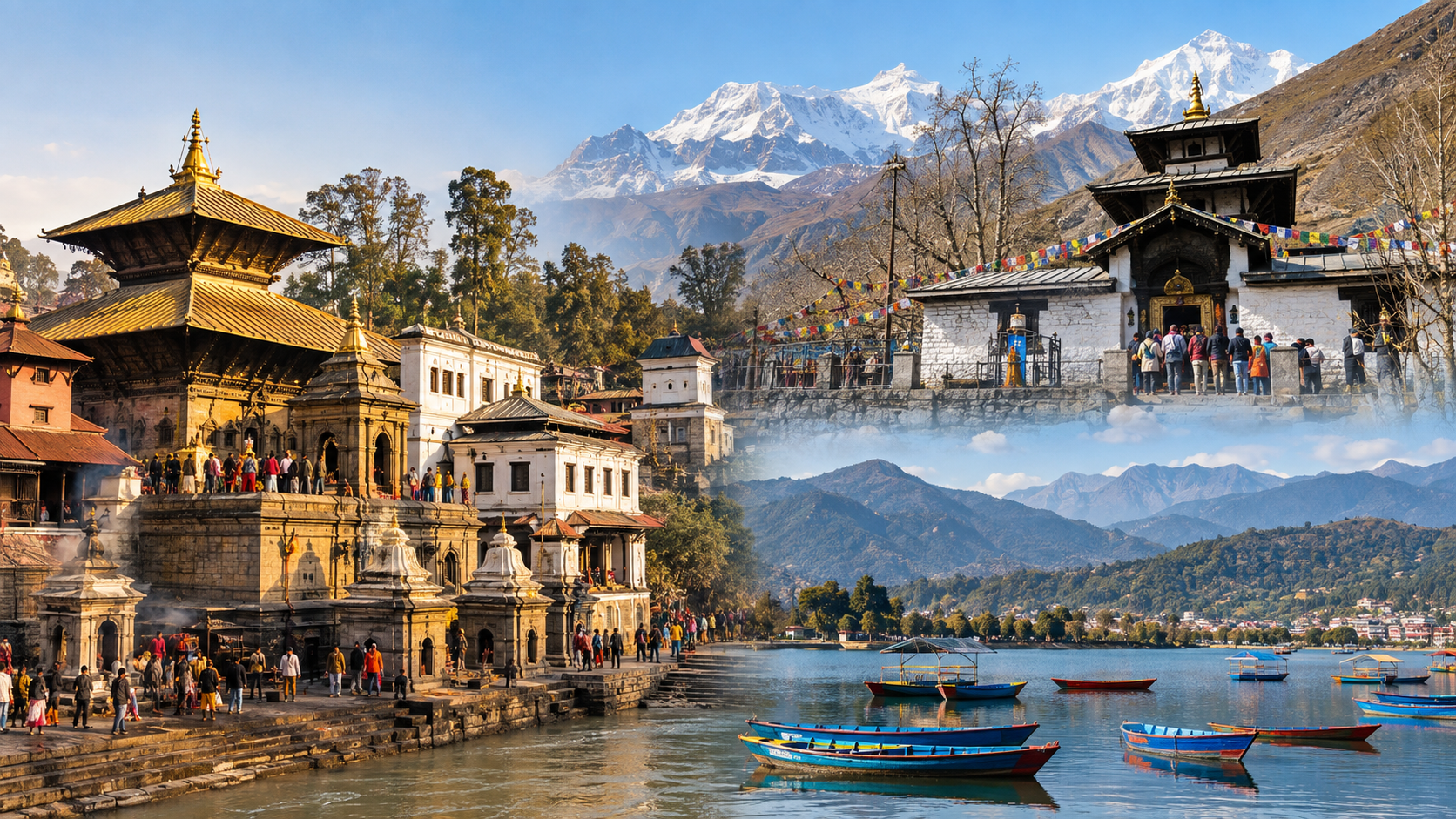
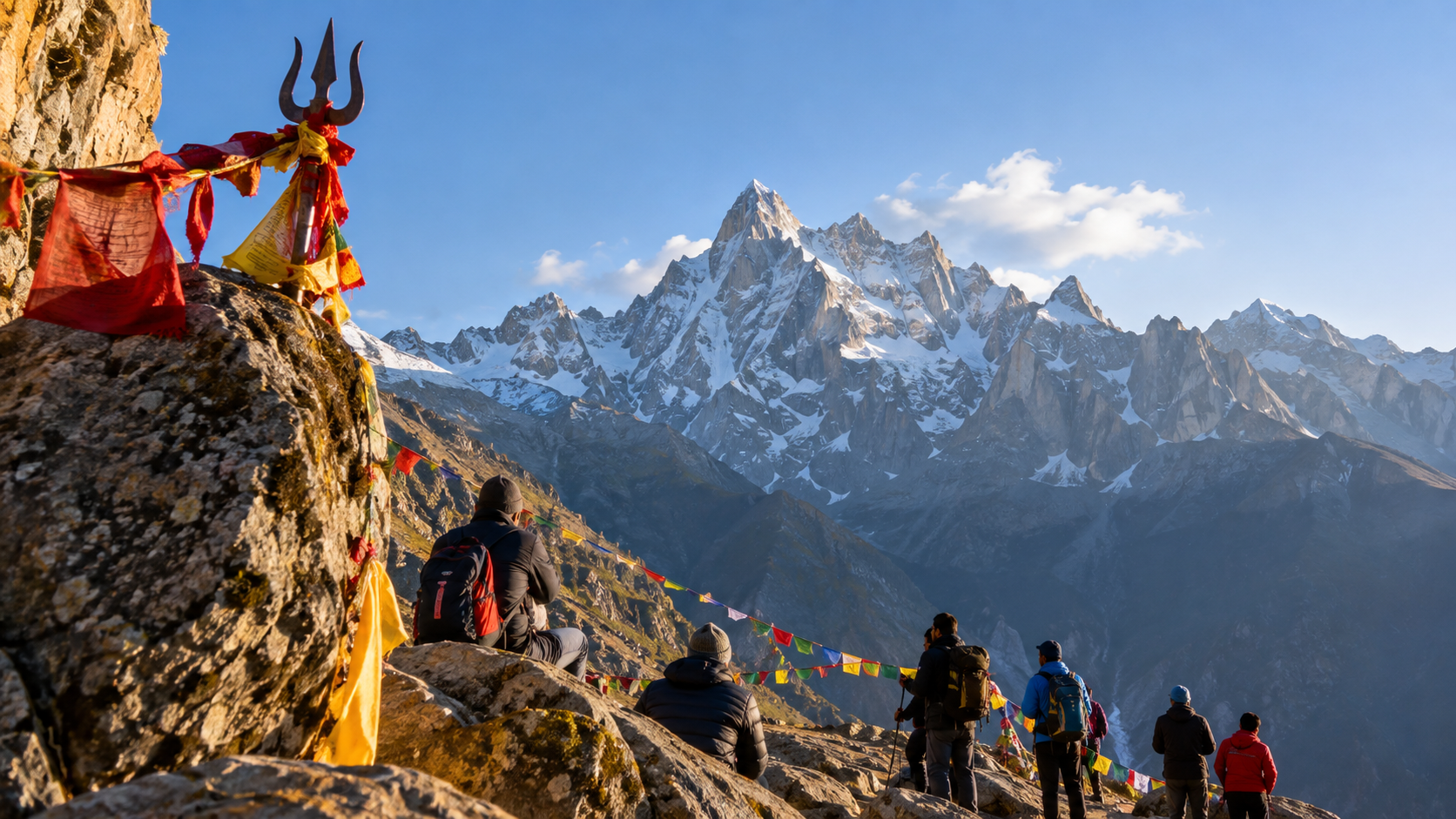
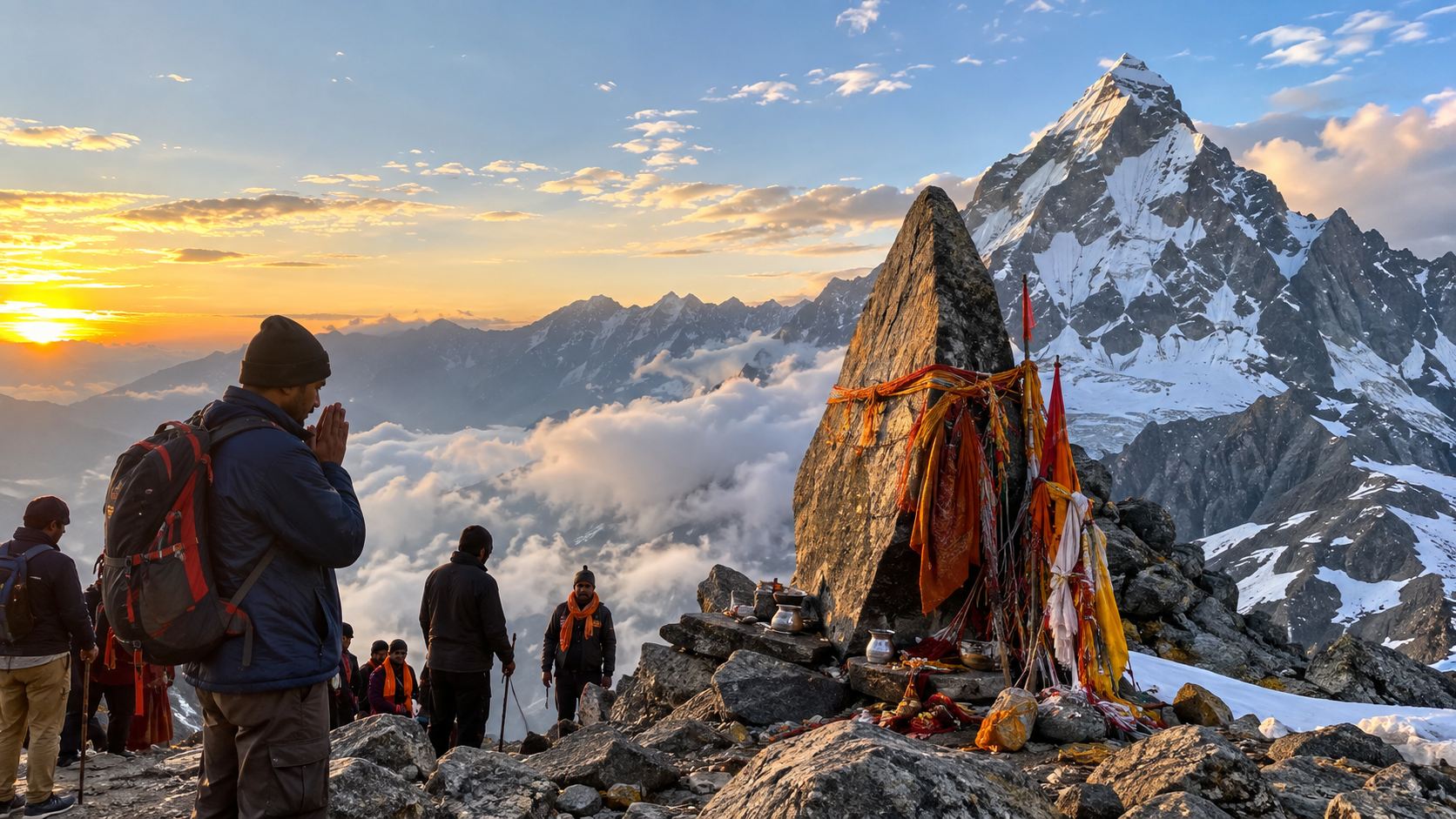
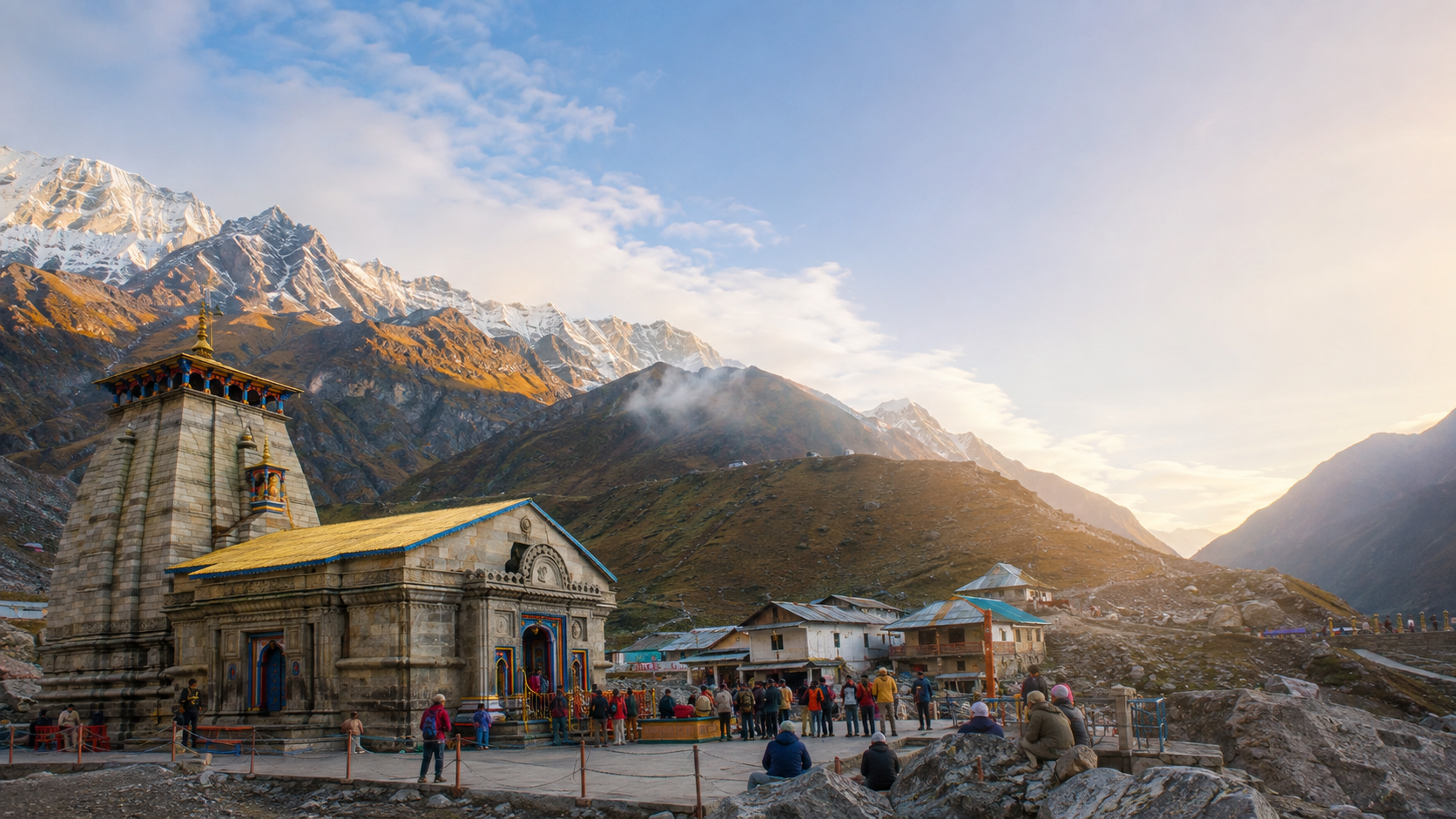
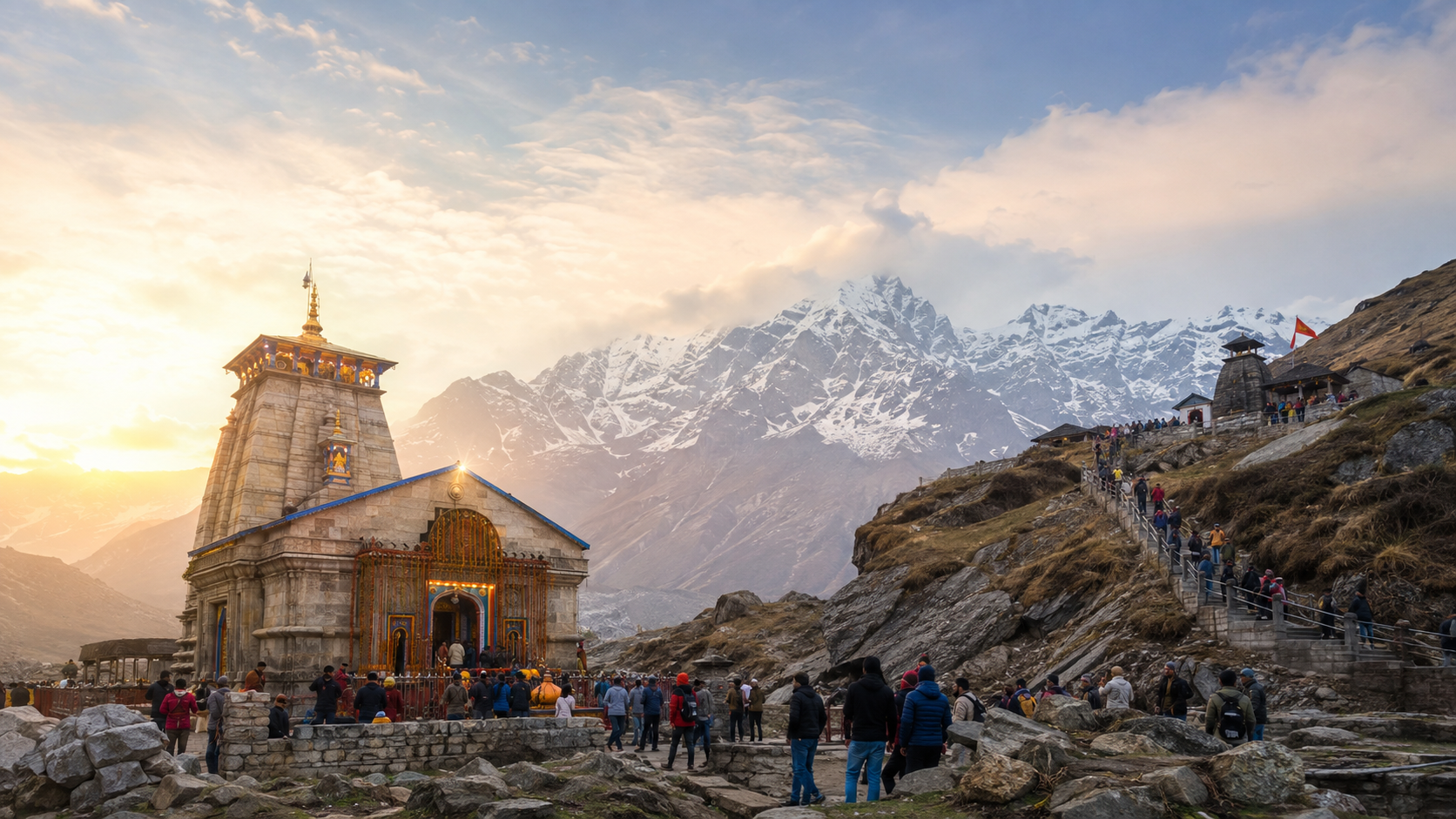
Bhimashankar Temple is a major Shiva pilgrimage centre in Bhimashankar, Khed taluka of Pune district, Maharashtra. The shrine is revered as one of the twelve Jyotirlingas of Lord Shiva and is surrounded by the forested landscape of the Sahyadri hills. For pilgrims, the main attraction is darshan of the Bhimashankar Jyotirlinga; for travellers, the journey also brings access to the area's forests, viewpoints, waterfalls and trekking routes.
The temple is located within the wider Bhimashankar Wildlife Sanctuary landscape, known for its biodiversity and the Indian giant squirrel, locally called Shekru. This combination of pilgrimage and Western Ghats scenery makes Bhimashankar different from many other Jyotirlinga destinations.
One important point for anyone planning a Bhimashankar trip in 2026: the temple trust currently displays a notice saying that construction work on the sabhamandap and temple stairs is in progress and that darshan is presently available only from 7:00 AM to 11:00 AM. The trust's website also lists the normal daily worship schedule, but the temporary construction notice should be treated as the controlling information when planning a visit. Confirm the position shortly before departure, particularly if travelling from Pune, Mumbai or another city.
Why Bhimashankar Is Important
Bhimashankar is primarily a pilgrimage destination for devotees of Lord Shiva. The shrine is traditionally counted among the twelve Jyotirlingas, making a Bhimashankar yatra significant for devotees undertaking a Jyotirlinga pilgrimage across India or the five-Jyotirlinga circuit in Maharashtra.
The religious identity of the temple is closely connected with local traditions concerning Lord Shiva and the Bhima River. Different versions of the legend are found in religious and tourism sources. The temple trust associates the shrine with the story of Tripurasura, a powerful demon eventually destroyed by Lord Shiva. Maharashtra Tourism also records a Bhimasur tradition in its account of the temple. These are traditional religious narratives rather than independently verifiable historical events and are best understood as part of the sacred tradition of the shrine.
The name Bhimashankar is also associated with the Bhima River, which rises in this region. The forested setting adds another dimension to the pilgrimage: after darshan, visitors can experience a landscape that is ecologically important as well as religiously revered.
Bhimashankar Temple History and Architecture
The present temple reflects several layers of construction, restoration and architectural influence rather than belonging to a single clearly documented building period. Maharashtra Tourism describes the shrine as having Nagara-style architectural characteristics with later Maratha-era additions, while the temple trust describes significant Hemadpanti influence in its structure.
The temple is built predominantly in stone and has a relatively compact character. Carved details, sculpted figures and the traditional temple elements are worth observing rather than rushing through the complex simply to complete darshan.
The temple trust's own description notes that the shrine has undergone restoration and that the assembly area in front of the temple was developed in the 20th century. Current construction work is also changing parts of the visitor approach and circulation, which is why older travel information about steps, queues and access should not automatically be assumed to represent the present arrangement.
Bhimashankar Temple Timings and Darshan
This is the section travellers should check immediately before a Bhimashankar temple visit.
The temple trust's website currently carries a specific construction notice stating that darshan is restricted to:
Current darshan window: 7:00 AM to 11:00 AM
The same official website lists the temple's regular programme as opening at 5:00 AM, followed by worship, darshan and abhishekam through the day, with the regular schedule extending until 9:30 PM. Because the temporary construction notice is displayed separately and specifically limits public darshan, travellers should not rely on the normal timetable until the trust confirms that regular access has resumed.
For the latest confirmation, use the official temple trust website or contact the trust directly. The trust currently publishes the contact number 02135 222 880 and email office@shreebhimashankar.com.
What to Keep in Mind for Darshan
- Check the official darshan status on the day before travel.
- If an online registration or pass is required, use the temple trust's official website rather than an unofficial agent.
- Carry the identification or booking documents specified by the temple administration.
- Expect larger crowds on Mondays, during Shravan and around Mahashivratri.
- Allow extra time for walking and queueing rather than scheduling a tightly packed return journey.
- Do not assume that the regular 5:00 AM–9:30 PM timetable is currently applicable while construction restrictions remain in place.
Temple Etiquette and Bhimashankar Darshan
Bhimashankar is an active place of worship, not simply a tourist monument. Modest, comfortable clothing is appropriate, particularly for devotees entering the temple. Keep shoulders and legs reasonably covered and avoid clothing that may be considered unsuitable in a traditional shrine.
Follow the queue and instructions of temple staff, especially if temporary arrangements are in place. Photography should be avoided wherever the temple administration prohibits it, particularly around the sanctum and during restricted ritual areas.
Visitors should also avoid carrying unnecessary belongings into crowded areas. Keep offerings simple and purchase them from legitimate local vendors if required. Do not touch sacred objects or enter restricted areas unless temple staff or priests specifically permit it.
The wider landscape is part of a protected wildlife area, so littering, feeding animals, loud behaviour and leaving designated paths are inappropriate.
Best Time to Visit Bhimashankar
For a comfortable Bhimashankar pilgrimage, September to February is generally a practical period. Maharashtra Tourism identifies this as the preferred season for pleasant weather and outdoor activities.
Monsoon: June to August
The monsoon transforms the Sahyadri landscape with dense greenery, mist and seasonal waterfalls. It is an attractive period for nature lovers and photographers, but heavy rain can make roads, stone surfaces and trekking routes slippery. If your priority is temple darshan rather than trekking, allow extra travel time and check road and temple conditions before leaving.
Winter: September to February
The cooler months are generally more comfortable for walking around the temple and exploring the surrounding area. Early mornings can still feel cool because of the hill setting, so a light layer is useful.
Summer: March to May
Summer can be warmer during the approach journey, although the forested hill environment can feel more comfortable than many lowland destinations. For a same-day pilgrimage from Pune, an early start is preferable.
Major religious occasions such as Mahashivratri and Shravan Mondays bring substantially higher pilgrim numbers. They can be spiritually significant times to visit, but they are not the easiest periods for travellers seeking a quiet or quick darshan.
How to Reach Bhimashankar
Road travel is the most practical way to reach Bhimashankar. Maharashtra Tourism places the temple at approximately 125 km from Pune and around 223 km from Mumbai, although actual travel distance and time depend on the route and starting point.
From Pune
The usual road approach is via Chakan, Rajgurunagar/ Khed and Manchar before continuing towards Bhimashankar. Maharashtra Tourism's published travel information gives roughly 123–125 km from Pune.
A private car or hired cab is convenient for families, senior citizens and travellers who want to combine the temple with nearby attractions. State transport buses also operate towards Bhimashankar.
From Mumbai
The journey from Mumbai is considerably longer. Depending on the route, traffic and road conditions, it is better treated as a full-day road journey rather than assuming a quick city excursion.
By Train
There is no railway station at Bhimashankar itself. Maharashtra Tourism lists Karjat as a railway access point, while Pune is generally the more practical major railhead for travellers approaching from many parts of India. In either case, the final portion of the journey must be completed by road.
By Air
Pune International Airport is the closest major airport generally used for a Bhimashankar journey. From the airport, travellers need to continue by road. Published tourism sources place the airport roughly 110–125 km from the temple area, depending on the route used.
Local Transport and Accessibility
Once you reach Bhimashankar village, the temple is accessed on foot from the local approach area. The terrain and steps make the final part of the visit more demanding than a temple that can be reached directly by vehicle.
For older travellers, people travelling with young children, and anyone with limited mobility, this should be considered while planning. The exact access arrangement can change during construction, so check the current route with local temple staff rather than relying on older descriptions of the steps.
If mobility is a concern, avoid combining a restricted darshan slot with a long list of sightseeing stops. Reaching the area early, keeping luggage light and allowing sufficient time for the return walk can make the visit much easier.
The surrounding trekking routes are a separate consideration. A temple darshan does not require a trek from Khandas, but trekking enthusiasts can explore established routes in the wider Bhimashankar region. Maharashtra Tourism specifically mentions routes such as Shidi Ghat and Ganesh Ghat and advises care on the forest terrain.
Bhimashankar Temple Accommodation
Accommodation is available in and around the Bhimashankar area through local lodging options, guesthouses and other private stays. Maharashtra Tourism also notes accommodation and basic visitor facilities around the temple area.
For a simple pilgrimage, staying close to the temple can be useful because it reduces the need for an early morning drive through the hill roads. Families and senior travellers may prefer a private room with basic conveniences rather than planning a same-day return after darshan.
During Mahashivratri, Shravan Mondays, weekends and other busy periods, accommodation can fill quickly. Confirm the property's current facilities, check-in time, parking arrangements and cancellation policy before booking.
Do not assume that a particular temple facility, dormitory or room category is currently operating simply because it appears in an older travel listing.
Bhimashankar Wildlife Sanctuary
The Bhimashankar Wildlife Sanctuary is one of the defining features of the destination. Located in the Western Ghats, the sanctuary supports a rich variety of plants, birds and animals, including the Indian giant squirrel or Shekru, Maharashtra's state animal.
The sanctuary is not simply a backdrop for the temple. It is a protected ecological landscape, so visitors should treat forest areas responsibly. Avoid plastic waste, feeding wildlife, loud music and unnecessary disturbance to animals.
Monsoon and post-monsoon months are particularly attractive for greenery, but trekking conditions can be slippery. If entering forest trails, use recognised routes and follow local or forest-department instructions.
Bhimashankar Nearby Places
Gupt Bhimashankar
Gupt Bhimashankar is a traditional local attraction associated with the forested surroundings of the main shrine. Maharashtra Tourism lists it among the notable places to explore around Bhimashankar. The route and access conditions can vary with weather, so ask locally before setting out, especially during heavy monsoon conditions.
Bhimashankar Wildlife Sanctuary
For travellers interested in nature, the sanctuary itself is the main surrounding attraction. Birdwatching, forest walks and trekking are possible in appropriate areas, subject to local rules and conditions.
Forest Trails and Waterfalls
The wider Bhimashankar region has seasonal streams, waterfalls and trekking routes. These are best treated as weather-dependent activities rather than guaranteed sightseeing stops. During heavy rain, slippery rocks and fast-flowing water can make some locations unsafe.
Practical Tips for a Bhimashankar Yatra
- Check the temple's official notice before leaving. Current construction has affected darshan hours, so older online timings may be misleading.
- Start early when travelling from Pune or Mumbai. Hill-road travel can take longer than the map distance suggests.
- Wear comfortable footwear. The final approach involves walking and uneven or stepped terrain.
- Carry a light rain jacket during monsoon. Weather can change quickly in the Sahyadris.
- Keep identification handy. Current registration or entry arrangements may require proof of identity.
- Travel light. Avoid taking unnecessary bags into crowded temple areas.
- Dress respectfully. Choose modest clothing suitable for a Shiva shrine.
- Plan senior-citizen travel carefully. Consider road access, walking distance, steps and waiting time before fixing the itinerary.
- Do not depend on a tight return schedule. Darshan queues, road traffic and weather can all affect timing.
- Respect the sanctuary. Take your waste back, avoid feeding wildlife and follow forest restrictions.
- Confirm accommodation directly. Facilities and availability can change seasonally.
- Use official temple channels for darshan information. The Shree Kshetra Bhimashankar Trust currently publishes its visitor notices and contact details online.
Planning Your Bhimashankar Trip
A simple one-day Bhimashankar trip works well for travellers starting from Pune who mainly want darshan. Leave enough margin for the hill-road journey, temple access and the return drive.
A more relaxed two-day Bhimashankar pilgrimage is preferable if you are travelling with family, senior citizens or children, or if you want to combine the temple with nature trails and nearby attractions.
For a broader Maharashtra pilgrimage itinerary, Bhimashankar can also be planned as part of a Jyotirlinga-focused journey. The important point is to keep the itinerary realistic: Bhimashankar is a hill destination, and road travel takes longer than the straight-line distance suggests.
The best Bhimashankar travel guide is therefore not one that promises a fixed schedule. It is one that leaves room for darshan conditions, weather, local traffic and the pace of the people travelling with you.
Plan Your Bhimashankar Temple Visit with Trip to Yatra
A Bhimashankar pilgrimage is easiest when the practical details are arranged around the temple's current darshan rules rather than around an inflexible sightseeing schedule. If you are planning a family yatra, a senior-friendly pilgrimage or a wider Maharashtra temple circuit, Trip to Yatra can help you organise the journey around your preferred travel dates, route and pace.
For your Bhimashankar Temple visit, enquire with Trip to Yatra about suitable travel planning and assistance for your pilgrimage.